
Can foreigners use cards or should they carry cash?
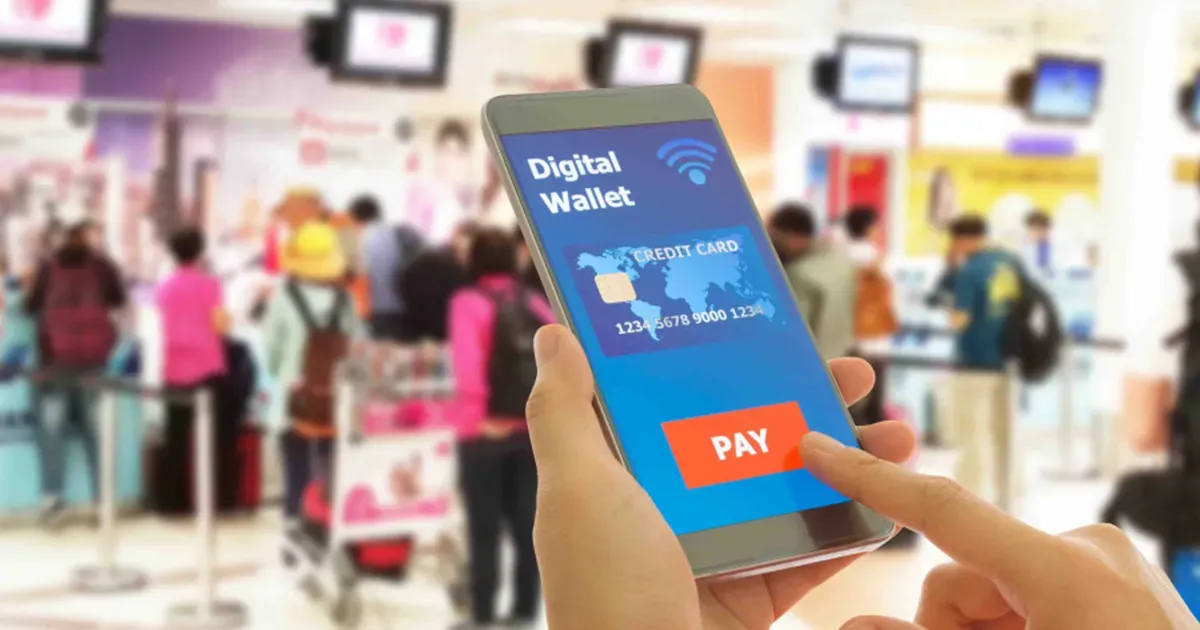
It's always a good idea to carry some cash when traveling to rural areas, as many small shops, tea houses, and local businesses may not accept cards. In major cities, you can usually use both cash and cards, but cash often makes everyday transactions easier. If you don't have access to cash, mobile payment apps like PhonePay are becoming increasingly common and are accepted in many places, even in some villages. However, digital payments may not always be available, so having some cash on hand can save you from unnecessary hassles during your trip.
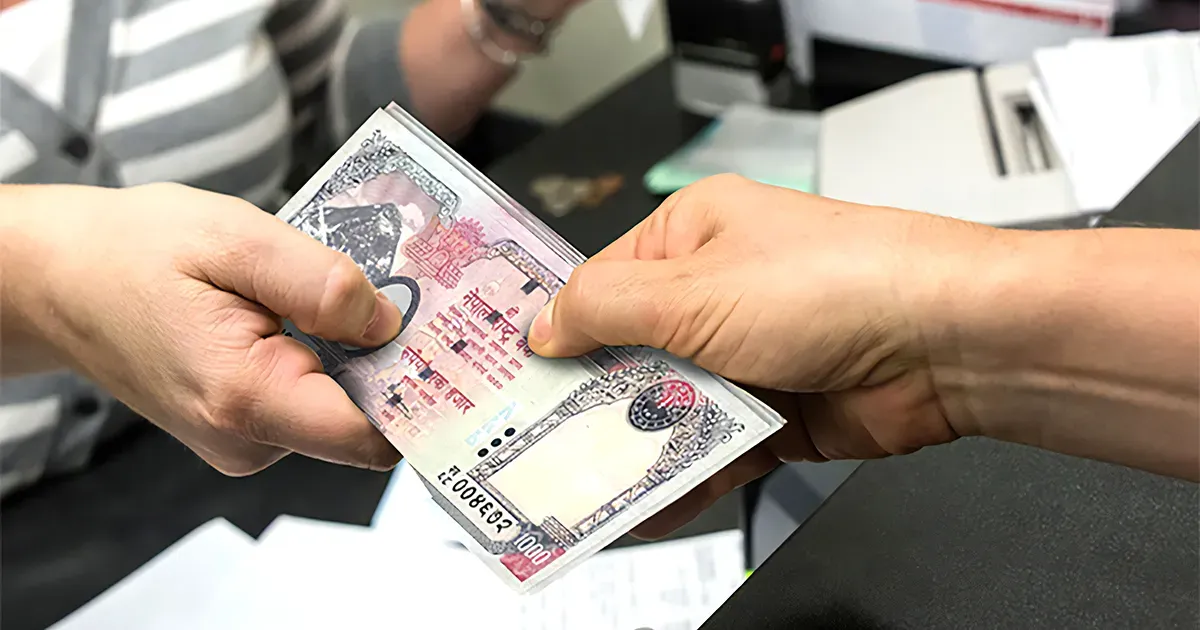
When it comes to making purchases abroad, travelers have options including using debit/credit cards or digital payment systems at many locations. However, cash remains an important form of payment for many transactions, especially when in a rural setting doing things like hiking/trekking, shopping in local markets and dining at small food establishments as well as visiting remote locations such as mountain villages. Most travelers report that the best way to be safe and successful while traveling is to carry both forms (cards & cash) to be able to make any purchase necessary throughout their trip.
ATMs are common in cities; however, there are limited numbers of them and they might not always be functioning properly outside of urban areas, so it is advisable that foreign visitors carry plenty of cash prior to beginning long walks or treks or traveling to remote/isolated areas. Knowing which locations will accept cards or cash can help reduce the likelihood of getting stuck and having difficulties while traveling.
Can Foreigners Use Cards or Should They Carry Cash in Nepal?
In recent years, Nepal has become a more traveler-friendly country, with an increase in hotels, restaurants, airlines and tourism businesses have started to accept international credit/debit cards. In the larger cities, travelers should find that Visa and Mastercard are accepted for payment in hotels, high-end restaurants, travel agents, shopping malls and other tourist-oriented businesses. In addition, Nepal'sdigital payment systems have developed rapidly, making it far easier to make card transactions in urban areas.
Even though many businesses in Nepal now accept card payments there are still many developing areas of Nepal where cash continues to play an important role in the day-to-day exchange of money between people. Particularly, many small businesses i.e. small grocery stores, teahouses, local buses, and street vendors, as well as many businesses outside of major tourist destinations, only accept cash. Therefore, travelers who only use a card for payment may find that it creates difficulty when travelling in rural areas or when trekking. Therefore, it's best to use a card whenever it is possible, while always having enough Nepalese Rupees available at all times.
Where Can Foreigners Use Credit and Debit Cards?
Using a credit or debit card to pay for purchases is easy when traveling in Nepal as most major tourist destinations and popular businesses such as hotels and restaurants have card payment systems in place.
Some of the most popular businesses that accept credit and/or debit cards include:
- Hotels and resorts
- Restaurants catering exclusively to tourists
- Local travel and trekking agencies
- American Airlines domestic airline offices within either Kathmandu or Pokhara
- Shopping malls or department stores
- Souvenir shops
- Companies providing adventure activities
- Luxury spas and wellness centers
Visa and Mastercard are the preferred methods of payment as they are accepted globally by many businesses. There may be some acceptance of American Express, but this is limited in some cases.
Remember that some businesses add a small service charge for all credit and debit card transactions. Be sure to ask about these charges before completing your purchase using a card to avoid any surprises or problems at checkout.
Why Cash is Still Important While Traveling in Nepal
While digital cashless payment options are growing throughout the world, cash is still the primary form of payment throughout the majority of Nepal. The farther away you get from cities such as Kathmandu and Pokhara, the less likely you will be able to find a business that accepts any type of form of cashless payment.
In many cases where you do find a business that accepts card payments, they may only accept credit and/or debit cards because it is not cost-effective for them to have an electronic payment system due to multiple operational barriers, which include the unavailability, lack of dependability, and/or cost-prohibitive maintenance. Additionally, even if card payment machines are available in the business they may be non-functional due to power outages and/or internet service interruptions from time to time.
Importance of using cash in Nepal
- You cannot use cards for most local transportation services, especially local buses, microbuses, and many taxis.
- You cannot use cards at most street food stalls and roadside food vendors.
- You cannot use cards in many small cafés, tea shops, and family-run eateries.
- You cannot use cards at many village accommodations and tea houses in remote areas.
- You cannot use cards at many local markets and small independent shops.
- You cannot use cards when making donations at temples, monasteries, and religious sites.
- You cannot use cards for tips given to guides, porters, drivers, and other service staff.
- You cannot use cards for entry fees at some attractions, particularly in rural and remote destinations.
It is very important to have cash on hand while traveling because this minimizes your need to rely on electronic payment systems and makes traveling smoother.
You need to have cash on your person when you are trekking in Nepal. Most places along the trekking route will not accept credit cards as a form of payment, so you need to be prepared to use cash.
The following treks are very popular among trekkers:
- Everest Base Camp Trek
- Annapurna Circuit Trek
- Annapurna Base Camp Trek
- Manaslu Circuit Trek
- Langtang Valley Trek
- Upper Mustang Trek
Typically, tea houses, local lodges, and small shops only accept cash. Although a few villages now do offer cashless payment options, the reliability of those payment options may be subject to limited power and internet connectivity.
Most experienced trekkers withdraw enough cash prior to heading away from Kathmandu or Pokhara to avoid running out of cash in remote areas that often do not have access to ATMs.
ATMs can be found throughout the major cities and tourist destinations throughout Nepal and typically allow for the foreign tourist to withdraw the local currency (Nepalese rupees) using an international debit or credit card.
Some of the main places where ATMs are located are:
- Kathmandu
- Pokhara
- Chitwan
- Bhaktapur
- Lalitpur
- Lukla
- Namche Bazaar (limited access)
- Jomsom (limited access)
Most ATMs will have a maximum amount of cash that can be withdrawn in a transaction meaning that for many travelers they will need to perform multiple transactions to complete their needs. As an added cost for many travelers, banks charge for the use of their ATMs and they also charge a transaction fee if the account is from a foreign bank.
It is also advisable that a traveler contact their banks prior to their trip to Nepal to ensure that their account will not be blocked from completing transactions while in Nepal.
How Much Cash Should Foreigners Carry?
When it comes to how much money someone may need during their travels, that will depend primarily upon where they intend to travel. A traveler who spends most of their time in a city can depend less on carrying money and instead, have access to their credit/debit cards and ATMs. A traveler who intends to do a lot of trekking and/or travels very rural should plan to carry more money.
Here are some of the factors that affect your money requirements:
- Length of time trekking
- Accommodation type
- Restaurant choices when eating
- Transportation options
- Shopping plans
- Emergency funds
Instead of carrying an excessive amount of cash throughout your travels, many travelers will take out money from ATMs in the cities where they will be visiting and carry enough cash for emergencies while they are trekking.
Options for Foreign Currency Exchange
Foreign currency can easily be exchanged in many locations in Nepal. Currency exchange services can be found in major airports, banks, tourist districts, and within major shopping centers.
You can expect to exchange the following foreign currency if you are traveling to Nepal:
- US Dollar (USD)
- Euro (EUR)
- British Pound (GBP)
- Australian Dollar (AUD)
- Canadian Dollar (CAD)
- Japanese Yen (JPY)
Many travelers will exchange foreign currency when they arrive (some will bring a small amount of foreign currency) and will keep the receipt in case they need to use their receipt when converting their remaining sullas back to foreign currency before they return home.
Digital Payments and Mobile Wallets
Rapid growth has occurred for mobile payment systems in Nepal; however, the users of these services usually have local bank accounts and phone numbers in addition to reside in Nepal.
Occasionally, international tourists will find businesses (ie: hotels, cafes, and retailers) using QR codes to accept payments; however, international travelers overall will find that cash or credit card payments are easier and more convenient compared to using local mobile wallets or other forms of electronic payment.
As Nepal's digital economy continues to grow, foreign travelers will have more access to electronic payments in the upcoming years.
Cash Safety Tips
While Nepal is considered to be a safe travel location, it's still recommended that visitors take certain measures to protect their money while traveling. Here are some suggested practices:
- Divide any cash that you're carrying, spreading it out in different bags or pockets.
- When possible, use the hotel's safe to store any extra cash not needed for daily use.
- Only carry the amount of cash needed that day.
- Keep any emergency cash separate from other cash.
- Walk in a way that you do not have large amounts of visible cash.
- Keep your passport and credit/debit cards in a safe place at all times.
- By following these simple suggestions, you will be able to minimize risk while traveling and have peace of mind.
Best Payment Strategy for Foreign Travelers
Employing both cards and cash when traveling abroad is a much better option than only relying on one form of payment. For example, while cards enable you to easily obtain cash from an ATM when traveling in metropolitan areas, cash still plays an important role in many common day-to-day purchases and during the majority of trekking activities.
Adopting this balance allows visitors to feel comfortable regardless of where their travels take them. Travelers can feel secure about their payments in all parts of Nepal as long as they carry an international debit/credit card, have access to ATMs and maintain a large enough supply of Nepalese rupees.
Conclusion
Travelers can honestly expect to have no problems using debit/credit cards in Nepal; however, cash will always be a major part of your ability to make purchases locally while trekking and/or traveling through rural areas. Those visitors who choose to rely totally on cards or who rely heavily on debit/credit cards may find that it is difficult to pay for items in remote areas, as these types of transactions are not very common.
To improve your travel experience in Nepal, it's best to take cash and a card. When it comes to paying for things like hotels, restaurants, and large purchases, your card will be the best way; however, make sure you have cash (Nepalese Rupees) on hand for taxis, local stores, and while you're in the village or trekking areas. A mixture of cash and card will provide you with the best convenience, security, and flexibility as you travel throughout Nepal.
FAQs
Can I use my Visa or master card as a tourist in Nepal?
Yes, visa a& master card are accepted almost everywhere there are hotles, restaurants, travel agency business are established.
Is cash required to trek in Nepal?
Yes, most of the trekking routes will require cash to pay for lodging, meals, snacks, and other daily expenses.
Is an ATM easy to find in Nepal?
ATMs are in popular cities like Kathmandu and Pokhara, but once you get into the mountains, they will not be common
Can I use my credit card to pay for stuff outside of Kathmandu?
In rural areas of Nepal, most places don't take credit cards. Be sure to bring enough cash with you when you leave the major cities.
Should I convert money before going to nepal?
Yes, although you will be able to convert money at the airport, banks, and licensed money exchange counters in nepal.