
Nepal’s Practices: What to Do and What Not to Do During Travel

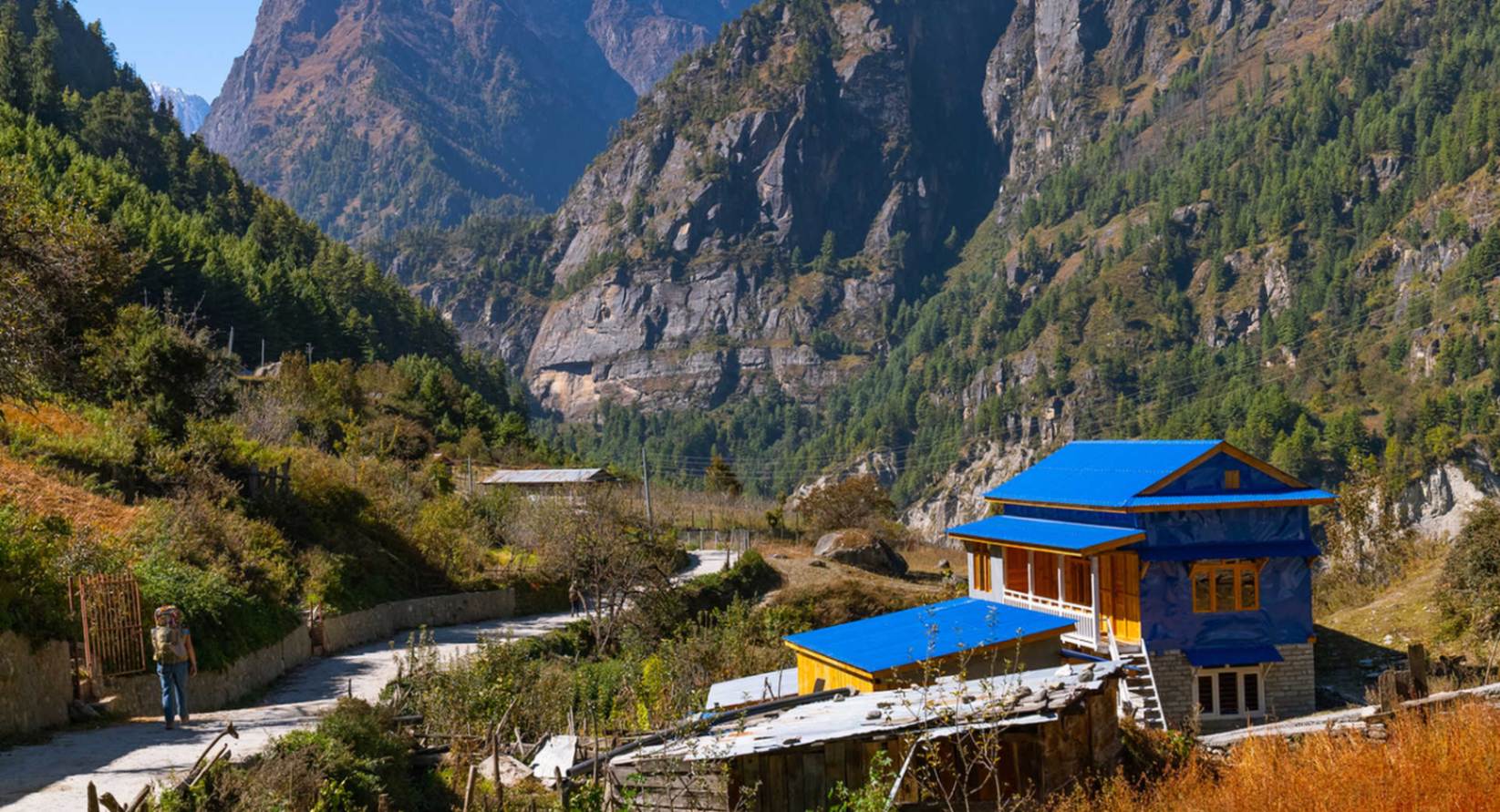
Traveling to Nepal is much more than visiting a destination to check off your bucket list. It is about walking into a vibrant, living story that involves mountains, temples, and some of the warmest smiles on earth. The very air seems holy filled with the scents of incense from a temple and the sounds of children playing on rocky street corners. It is a country where nature and spirituality coexist in the most beautiful way, and every traveler is considered family. It provided you treat their culture with the same respect and love.
Nepal’s cultural traditions means more than just good manners or etiquette. It is a way to connect. In this guide, we will examine what to do, and not do, while you are traveling in Nepal so your experience is felt, not just seen.
1. Respect Local Culture and Religion
In Nepal, spirituality flows through every heartbeat. You will see prayer wheels spinning, bells ringing, and devotees lighting lamps earlier than start at temples. Each and every action carries a meaning, and before you walk into any holy or non-holy site for that matter. Just take a moment to pause. Take off your shoes, take a look at the people around you, and settle into the peace.
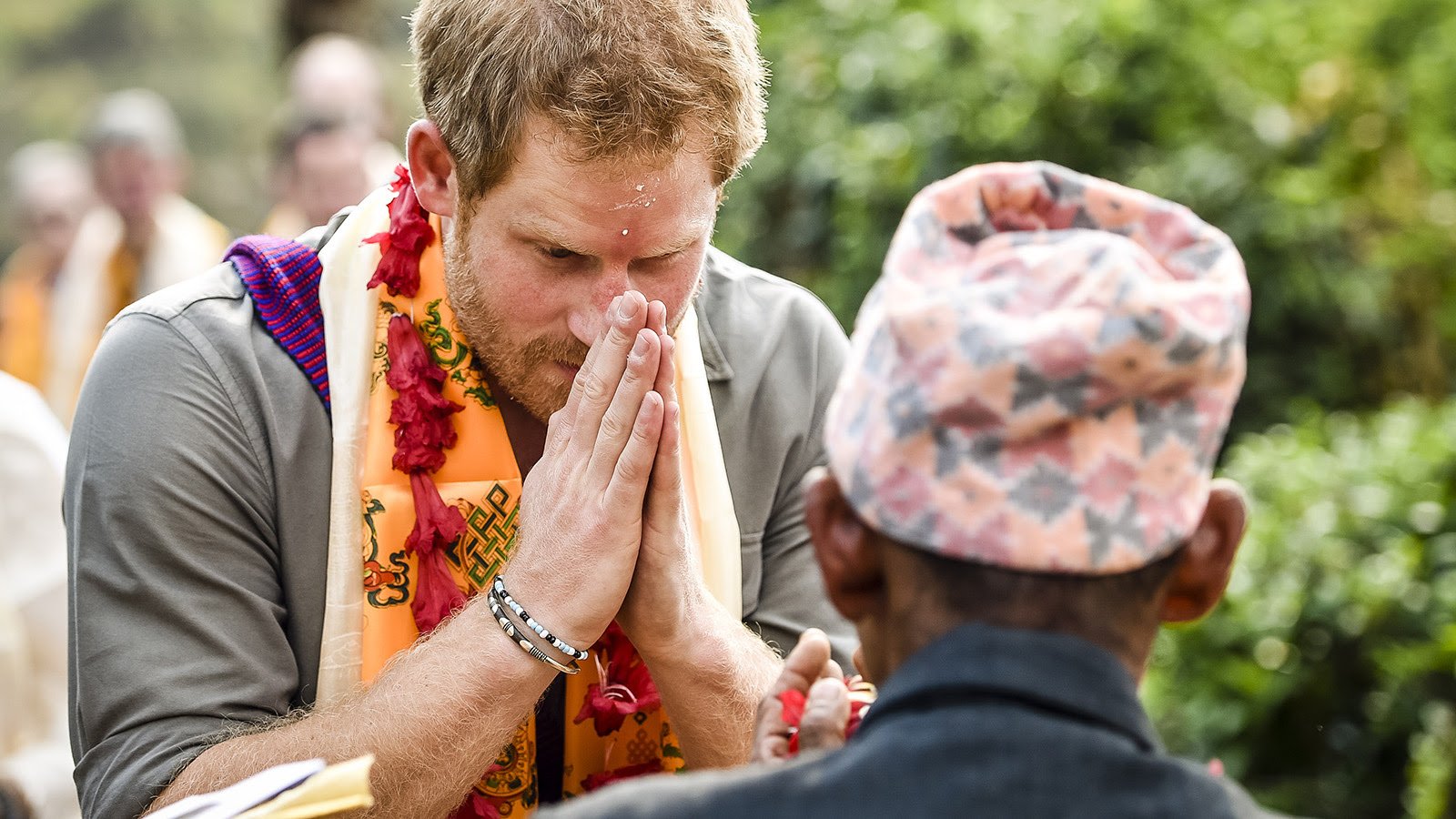
When walking around stupas or shrines, walk in a clockwise direction. This is in accordance with compatibility with the universe. Please do not touch statues or sacred objects closely or anything unless invited to do so. Placing your hands together in a simple “Namaste” signifies that you join them not only in their travel but their beliefs.
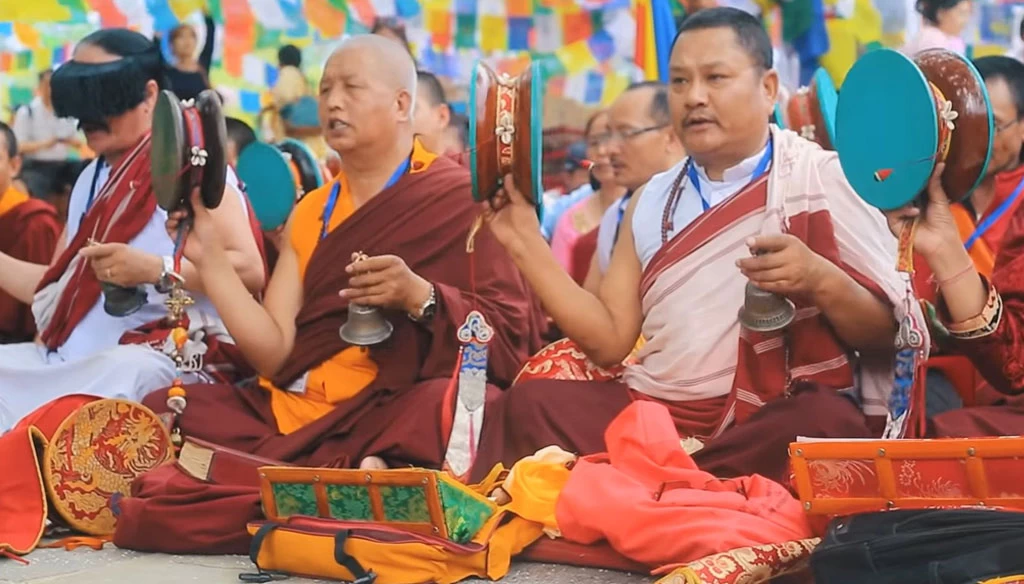
Once they feel that respect, they will respond, disclosing to you. Their smiles will expand as they share their stories with you, calling you not a guest or visitor but a welcomed family member. It is the connections in those moments that travel last forever.
2. Dress Modestly and Respectfully.
The beauty in Nepal is beyond simply beauty, but modesty. In the villages, even the bright sun offers up a humble reminder of the quiet dignity of the people. Dressing modestly is not about limitation but simply feels right in accordance with the land and its people.
Keep short skirts, skins, low-cut tops, and sleeveless shirts as your options. Especially in temples or simple places. A light scarf or light shawl is your best friend. It is very small to carry around, and very handy to wear if you need to.
When you wear respectful clothing, you will see a difference in the way that locals interact with you. Their smiles seem softer, their hellos more inviting. They see you, a person who is respectful of their lifestyle. And it will be in that very moment that you start to appreciate that travel is not about what clothes you wear. It is about what attitude you wear to show respect.
3. Always Ask Before You Take Photos
The streets of Nepal are living poetry. Monks walk around in their standard red robes, women arrange marigolds, children huddle together to have some fun near stupas. Every photo is about to fly off the wooden canvas and into your heart. But first, ask. A little head gesture, a little question, “Photo lina sakchhu?” (Can I take a photo?), will make all the difference in a world where kindness is oft too easily taken for granted.
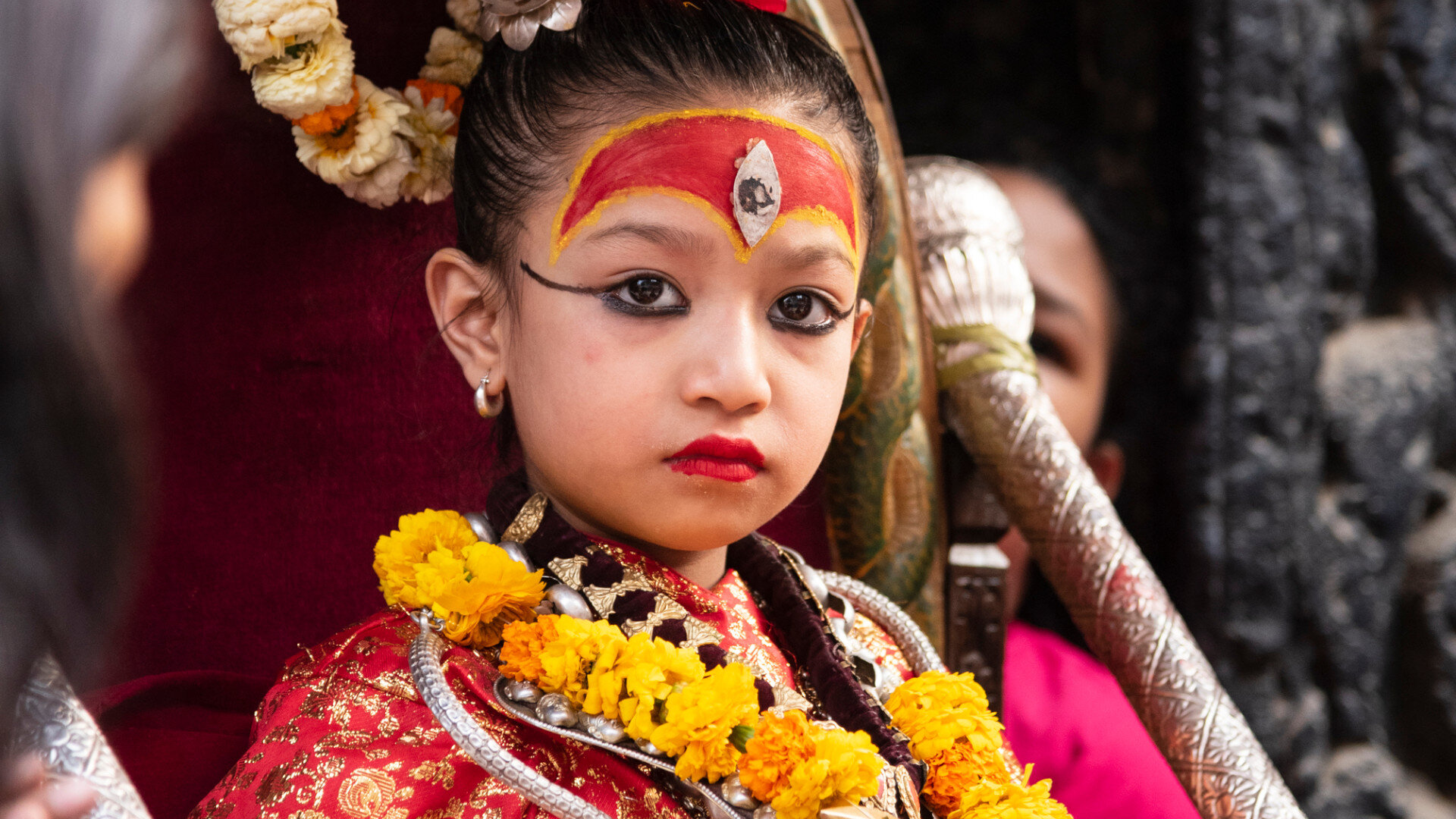
In many parts of the globe, and especially in less urban areas. People can be shy or very calculated about being photographed. Respect their space and their privacy. There are certain places like Kumari Ghar or the inner of temples. That clearly asks you to not take photos in those areas, so please follow them.
When you take a moment to ask, the photos take on a new sense of emotion. They become more than just photos, they become shared moments, shared trust. With each smile you capture it will also come the warmth of permission and not intrusion.
4. Always Use Your Right Hand to Give or Receive
In Nepal, the right hand is the hand of respect. Everywhere you offer money, take food from the serving station, or give or receive a gift, use your right hand exclusively and, if you want to be even more respectful, add your left hand to the gesture.
The left hand is seen as unclean, by tradition and in terms of hygiene. It may seem trivial to you, but it is nevertheless.Locals do wherever and whenever they instinctively do it. It may seem like a little thing on your part, but it would mean something with respect to your awareness and consideration.
And so it became that you would always reciprocate the smile and say, “We see you smiling.” I love this part of travel. That moment of connecting with our humanity without words.
5. Respect for Food and Food Cultures
Food in Nepal is considered as LOVE on a plate! No matter if it is a hot steaming dal bhat on a mountainside, or momo’s pulled apart at a street stall, food is so much more than just food. Food is kindness, prepared with care!
When food is offered, please even if you are not hungry, take a small amount. But it is important not to refuse to eat completely. Even if you say you are full, as this is considered rude. Please do not take from someone else’s plate. Food offered from another’s plate is considered “impure.” When possible, if you can eat with your right hand, please do; it is a magical way to connect with their culture!
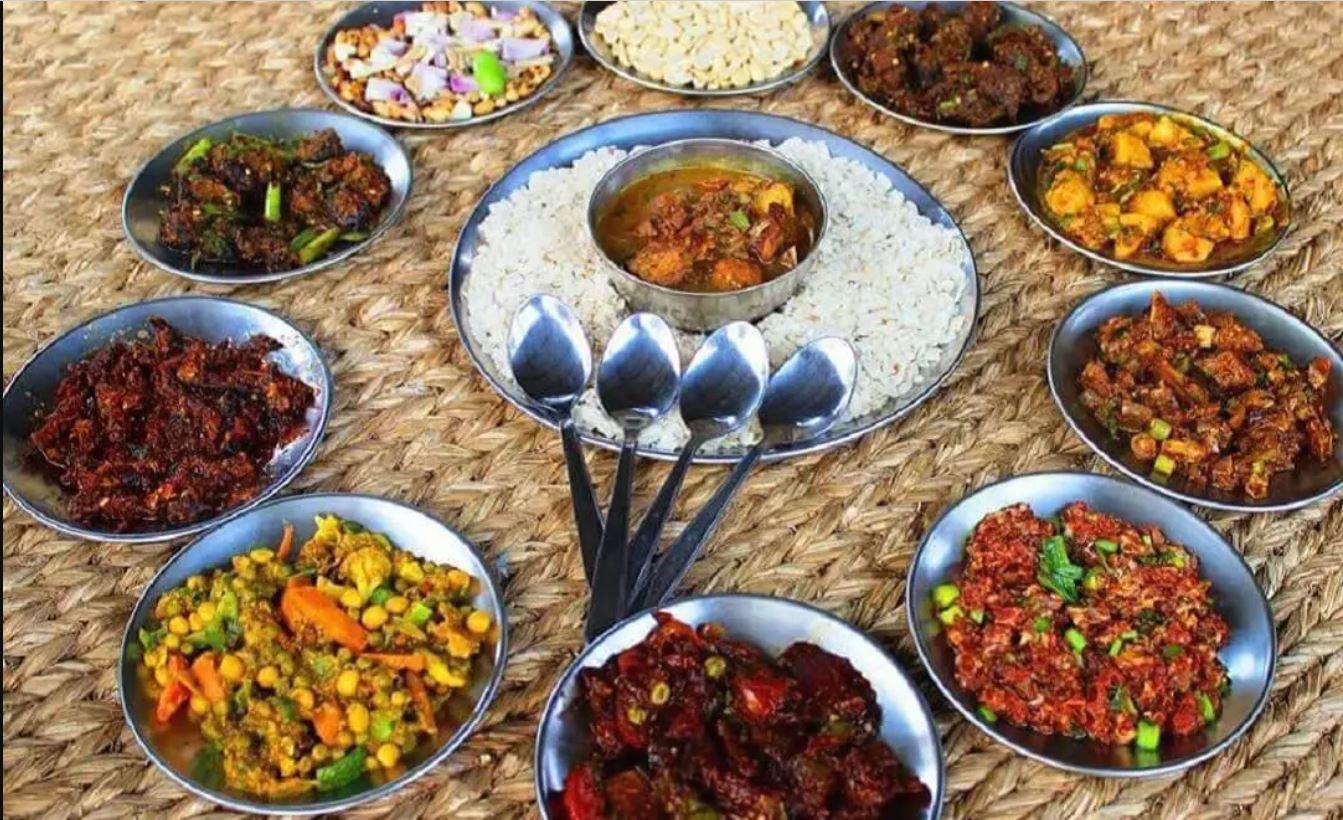 Newari Set
Finally, after finishing your meal, to simply say “Mitho cha!” meaning delicious, it puts a huge smile on their face and a laugh, as gratitude is universal! Every meal is a story of kindness and connection!
6. Care for the Environment
The Himalayas represent more than a physical range of mountains or an awesome natural landscape. Every trail, every river, every forest has its own layer of sacredness. When you walk in, you are not just walking. You are walking in a continuity of prayers, a continuum of generations’ prayers.
Do not leave litter, do not bring in plastic bottles or plastic bags. Or anything that will contribute to our own rubbish. Bring your own bottle and take your rubbish with you. And, be aware of the silence of nature. Do not play loud music or do anything to disrupt the space, the environment or the wildlife.
There is also something fundamentally respect for the travel experience every time. You leave a space cleaner than you found it, which is a way of honoring the spirit of Nepal. You are saying thank you again, not with words but with an action. This is how the core of truly respecting the travel experience takes form.
7. Learn a Few Words of Nepali
Nothing opens your heart like language. Sometimes it is the simplest “Namaste” or “Dhanyabad” that creates smiles you cannot articulate. The local population observes how people are far more inclined to love and respect you. As you make an effort to speak their language. This shows natural humility and genuine curiosity. A simple phrase like “Sanchai hunuhunchha?” (How are you?) or “Ramro cha!” (It’s good!) goes a long way. The effort you put into speaking is what is most important.
Conversing in their words pulls down the barriers of conversational exchange, transitioning conversations into friendships. The moment you no longer see the sights and sounds, but rather, see the soul, the journey becomes: Soulseeing.
8. Avoid Public Displays of Affection
While love is universal, how that love is displayed changes in each culture. In Nepal, love is quiet and tender, typically expressed through care and not touch. Holding hands is fine, however, kissing or hugging in public may make others uncomfortable.
This is not a limitation, but an example of cultural grace. In this culture, private affection is kept private, and by adhering to this principle, you will smoothly integrate yourself into the culture at large. When you respect this aspect of the culture, you can move around Nepal with grace – perceived as a traveler who understands the heart of the culture.
9. Don’t Point Your Feet at People or Holy Objects
Feet are often considered lowly in Nepal, even small. They are the lowest part of your body, so pointing them toward someone, or even a deity, or to something sacred is considered disrespectful.
When you sit, especially on the floor, sit and pull your feet under you or let them point outward. If your foot touches someone accidentally, you will simply state “Sorry” or slightly otherwise bow.
These slight behaviors may seem to you as small things, but it says a lot about what kind of traveler you ar.
10. The Skipping of Complaining and Comparing.
Nepal has its own timelines that are slower, easier, and more heartwarming. While you are traveling, there may be bumps on the road, outages affecting power, and delays. Instead of berating the situation, take a breath and let patience guide you. It is all part of your narrative.
The next time your bus stops unexpectedly for no good reason. Or worse yet breaks down on the highway, get out to look around. If the electricity goes out, take a moment to gaze upon the stars they are super bright here.
You will notice as you travel in Nepal, that perfection is not important. Perfection is easily masked in the imperfect places that tend to be beautiful. Once you stop comparing, and even begin to feel slightly provoked to give up all hope. The land will begin to gently reveal itself to you.
11. Always Ask Before You Enter a Home or Temple
In Nepal, we refer to our homes and temples as sacred duties. You should never enter either without permission. If there is no door, you should ask still. Many times the inner shrine of the temple is limited to Hindus only.
In moments of doubt, simply smile and inquire politely, “Can I enter?” Most will appreciate your politeness, and to the extent they can assist you they will do so.. The respect you give is your passageway to genuine experiences; natives will remember you not just as a traveler. But as a fellow human being who had genuine concern.
12. Honor the Monks and Nuns
When you see monks in saffron robes or nuns sitting silently be humble to. Remember you are in the presence of devotion. Do not touch them. Speak softly and refrain from interrupting them during prayer time. If you want to give a gift of donation or charitable just give your gift with both hands and a quiet “Dhanyabad”.
The experience of their calmness will astonish you. In those short interactions you will feel unnamable [or, feel] Something that goes beyond words, something that may grant lasting peace back to you home.
13. Bargain Respectfully, Not Tactically
Markets in Nepal are a truly remarkable explosion of color and life. Everywhere you go in a market. You will find people bargaining. You have to see it as a dance, not a sport. Smile at people, laugh with them, enjoy the jokes. Give a fair price, and appreciate the love and labor that went into the handmade wealth being sold.
A few rupees do not mean much to you. But they may mean a meal for someone else. When you give a fair price, you support households, and in turn support families and communities. As long as you shop respectfully and kindly. You can be confident that the items you purchase not only belong to the world of beauty and treatment but also to the gratitude of someone’s family.
14. Respect Festival and Ceremony
Festivals in Nepal are just pure joy, music and dance and color and devotion. Dashain, Tihar, Holi, are not just festivals, they are sacred traditions. As you take part, watch for a moment before you engage.
Do not block the procession of a celebration or touch something sacred unless permission was given. If someone offers you tika, or flowers, kindly graciously accept with your right hand as you lower your head. To experience these instances has a magical quality to it. You may feel this pulse of Nepal, the spirituality, its people, and their love of life.
Conclusion
Visiting places in Nepal is not just travel but a journey into the heart. Each gesture of respect, kind word, and deliberate step unlocks portals not marked on a digital or paper map. Take action because you are respectful and want to create a bond between you and this sacred land of gods and mountains. When you travel with an open heart, you will not only be accepted by Nepal, you will be one with them for a lifetime.