
5 Offbeat Destinations in Nepal You’ve Never Heard Of

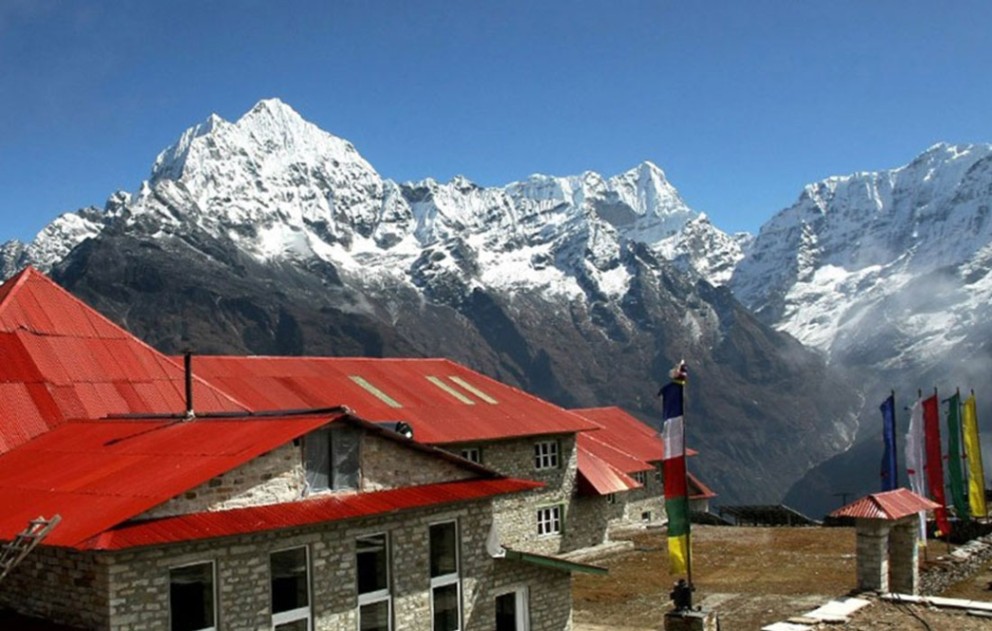
When many people think of Nepal, they think of the mountains and Mount Everest, the lakes of Pokhara, and the stupas and temples in and around the Kathmandu Valley. While these places are beautiful and deserve the time spied visiting, they make up a very small portion of Nepal’s offering. The other Nepal, away from tourist are vastly different a raw and rugged, and an unspoiled Nepal.
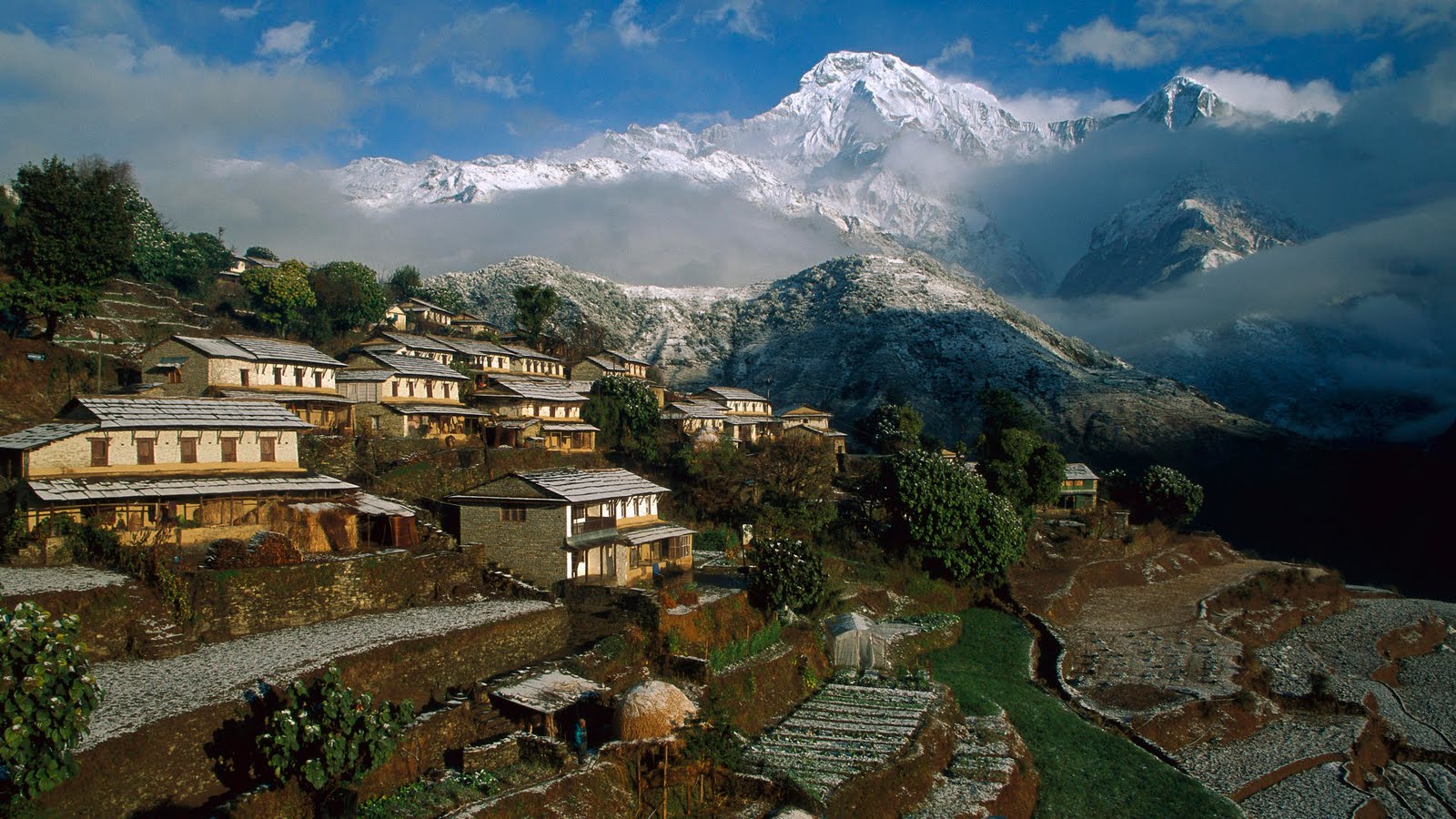 Ghandruk Village
Away from well-established tourists paths lies the other Nepal remote mountain hamlets, hidden valleys, ancient trading routes, and cultural enclaves where life is a little slower, things are protected still by distance, where tour buses and souvenir shops do not exist, where the only thing between you and your experience is the natural environment and your expectations. This place has stunning views, welcoming local hospitality, and experiences that resonate and touch your soul. You can seek any and all experiences in this off-the-radar place for outdoor adventures, spiritual journeys, or hidden cultural traditions that offer alternative ways to experience this Himalayan destination beyond the guidebooks and organized trips.
What Makes a Destination “Offbeat”?
Offbeat destinations are places that are off the beaten path less populated, less commercial, and often more raw and real. They provide experiences that are nothing like anything you will read in a guidebook or do as a must-visit on Instagram checklist.
 Bandipur Tour in Nepal
The characteristics of offbeat destinations are usually:
1. Low tourist density
Whereas areas like Pokhara or Everest Base camp are flooded with tourists, you’re likely going to find an offbeat destination with little to no international tourism and you don’t have to navigate large groups of travelers, long waits in line, or expensive North American restaurant menus, instead you are likely to experience authentic interaction with locals in an uncluttered space.
2. Pristine landscape
Descriptions of offbeat destinations are often pristine mountain packs, unspoiled forests, hidden back-side waterfalls, or small secluded lakes. These areas are less populated often because their geographical isolation allows them to keep their ecological and aromatic sense of originality.
3. Local culture
In offbeat destinations you might experience raw encounters, local ceremonies, indigenous cooking methods, and eating meals on a fire with a family. Irrespective of wherever you go, they are always warm and friendly while sharing with you their very honest realities.
4. Basic infrastructure
Sure, most offbeat places don’t have aided 5 star hotels or smooth transport networks, but that is also welcomed in the grand scheme of the location. The value is rough, raw, and adventurous, who travels for the memories from the discoveries are not for comfort.
5. The Underdog of Places, But Super Rewarding
Often, these are the places overlooked in favor of big name tourist destinations that can be easier to access and are more advertised. They often have amazing views and peace and personal connection. They can often be the travelers biggest memories.
In this blog, we have lined up 5 off the beaten path destinations in Nepal that you’ve probably never heard of, for the inquisitive traveler looking for something a bit different!
1. Rukum, the Place of 52 Lakes and 53 Hills.
Rukum lies in western Nepal, known colloquially as the place of “52 lakes and 53 hills”. Reason why, as Rukum offers stunningly beautiful landscapes with alpine pastures, tranquil lakes such as Syarpu Lake and Rukmini Tal, and rolling green hills galore as far as the eye can see. Rukum has yet to become commercialized, therefore people can experience the raw Himalayan experience, provided they are willing to sweat a little bit to find it. The landscapes available are quite diverse and rugged, as they offer great views and trekking opportunities, photography and going to nature’s playground. The natural beauty experienced in this region has the advantage that the trails are not overcrowded, and it is very rewarding to experience this pristine natural beauty, where you can safely lose yourself.
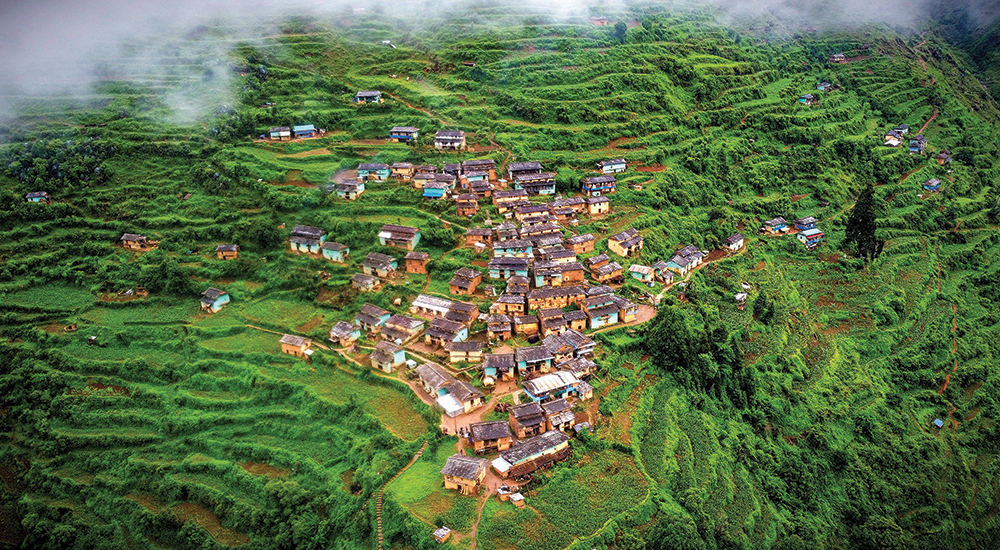 Rukum Village Nepal
What makes Rukum very unique is the blend of amazing natural beauty with modern historical significance and cultural significance of Rukum lies in the fascinating and historically rich native Magar and Kham peoples, and their efforts to preserve their native practices, languages, and ways of life. Visitors will not only have the tremendous opportunity to enjoy the warmth of hospitality in rural villages, but visitors are always astonished at the inherent and natural genuineness of the hospitality received. In Rukum you are offered a welcoming canvas, and where history, heritage and nature are beautifully balanced.
Top 5 Attractions in Rukum:
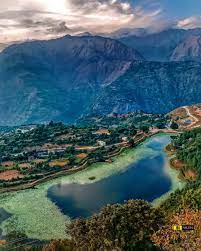 Rukumini Lake Rukum
1. Rukmini Tal (Rukmini Lake)
This beautiful lake of fresh water surrounded by rolling green hills, has exquisite views of reflections and propitious for a picnic, photography hike or nature walk. The early morning fog sets off the alluring beauty of the surroundings.
2. Guerrila Trek
Reclaim Nepali history as you walk the same trails as Maoist insurgents during the civil conflict. Trek through history and heritage as you enjoy the stunning imagery of remote villages, thick forests, and ridgelines of distant mountains.
3. Sisne Himal
Sisne Himal (5,911 m) is considered sacred by the local Magar people and is stunning with its spectacular views along with spiritual significance. Most climbers do not climb it but it has great adventure potential for experienced trekkers.
4. Magar and Kham Culture
Because Rukum has numerous ethnic groups such as the Magar and the Kham people, visitors will find the culture amazing here because they actively wear traditional dress, use their own language, hold festivals, and engage in their shamans. Visitors can expect true cultural immersion here.
5. Syarpu Lake
Syarpu Lake is another lake with serenity surrounded by rolling hills. It is an ideal spot for birdwatching, short hikes, or sailing. Syarpu Lake is another good place for eco-tourists and wildlife lovers.
2. Tsum Valley: A Sacred Hidden Valley
Tsum Valley is situated in the Northern Gorkha district of Nepal, on the doorstep of the Manaslu region, and has remained a hidden jewel of one of Nepal’s more beautiful lesser known areas. It has been inaccessible for many years. Fortunately, in 2008 it opened to trekkers. It would be hard not to feel the effects of the beauty of this valley on the spirit of anyone who travels into seek peace and spiritual presence that precious paradise yields with views that are uniquely beautiful and include many lofty peaks including the Ganesh Himal and Shringi Himal to name a few.
 Tsum Valley Trek
There are still ancient Buddist monasteries, and remains of how Tibetan Buddhism influenced life in the valley, and chortens, mani walls, hermit caves all the colorful tapestry made from centuries of life in Tsum Valley with Tibetan Buddhism with foreign influences overlapping via language, architecture, behavior, clothing, prayer flags, and more.
This valley does not resemble the more commercial trekking regions or other trek lifestyles, a theme you will notice in Tsum Valley a sense of the spiritual purity. It makes sense given its remote countryside away from mass tourism and these key characteristics are why the culture and nature has been preserved perfectly – it almost feels like a living museum with its life in the Himalayas. People are generous and spiritual in Tsum Valley, usually offering tea and blessings to visiting trekkers.
You will encounter the soft drone of prayer wheels and chants drifting across the vast landscape of Tsum Valley as you hike along quiet paths bordered with pine and pastures. Tsum Valley is not just a trek but a walk through a sacred and timeless land a place where the spirit can rest and the
Top 5 Attractions in Tsum Valley :
 Lo Monastry in Manaslu Circuit
1. Mu Gompa
The largest and most isolated monastery in the valley, Mu Gompa is located at 3,700m. Mu Gompa is a quiet spot for contemplation and has some wonderful views of surrounding glaciers and pinnacles.
2. Rachen Gompa
The monastery is a stunning nunnery which is built in the traditional Tibetan style. Do not forget to talk to the Buddhist nuns who come from the Tibetan tradition with its own unique customs, rituals and lifestyle.
3. Milarepa’s Cave (Pirren Phu)
This is said to be the cave where the Tibetan saint, Milarepa engaged in meditation. The cave is situated in the cliffs overlooking a spectacular valley which attracts pilgrims who come to receive blessings and experience the remarkable spiritual energy emanating from the cave.
4. Chumling Village
Chumling is the main entry point to the Tsum Valley, with plenty of chortens, mani walls and traditional stone houses. You can enjoy an insight to everyday life filled with cultural charm.
5. Yak Pasture and Alpine Meadows
While in the Tsum region you will have access to the highlands where the local people herd yaks. Depending on your treks, you will see lovely meadows with wildflowers, animals grazing in sight of Ganesh Himal and Shringi Himal in the distance.
3. Kalinchowk: A Winter Mountain Playground.
Kalinchowk is an area in the hilly region of the Dolakha district and is about 3 hours from Kathmandu. It is another world. A natural, cultural and adventure combination, Kalinchowk is an emerging off-the-beaten-track destination in which to experience worship at winter times with its Himalayan vistas, snowy hills, and Kalinchowk Bhagwati Temple on a high ridge. Just getting to Kalinchowk is an adventure with the winding mountain roads and charming local villages set in lush green forest landscapes. In the winter’s snow, Kalinchowk is transformed into an amazing white playground for those seeking winter adventure not requiring long treks.
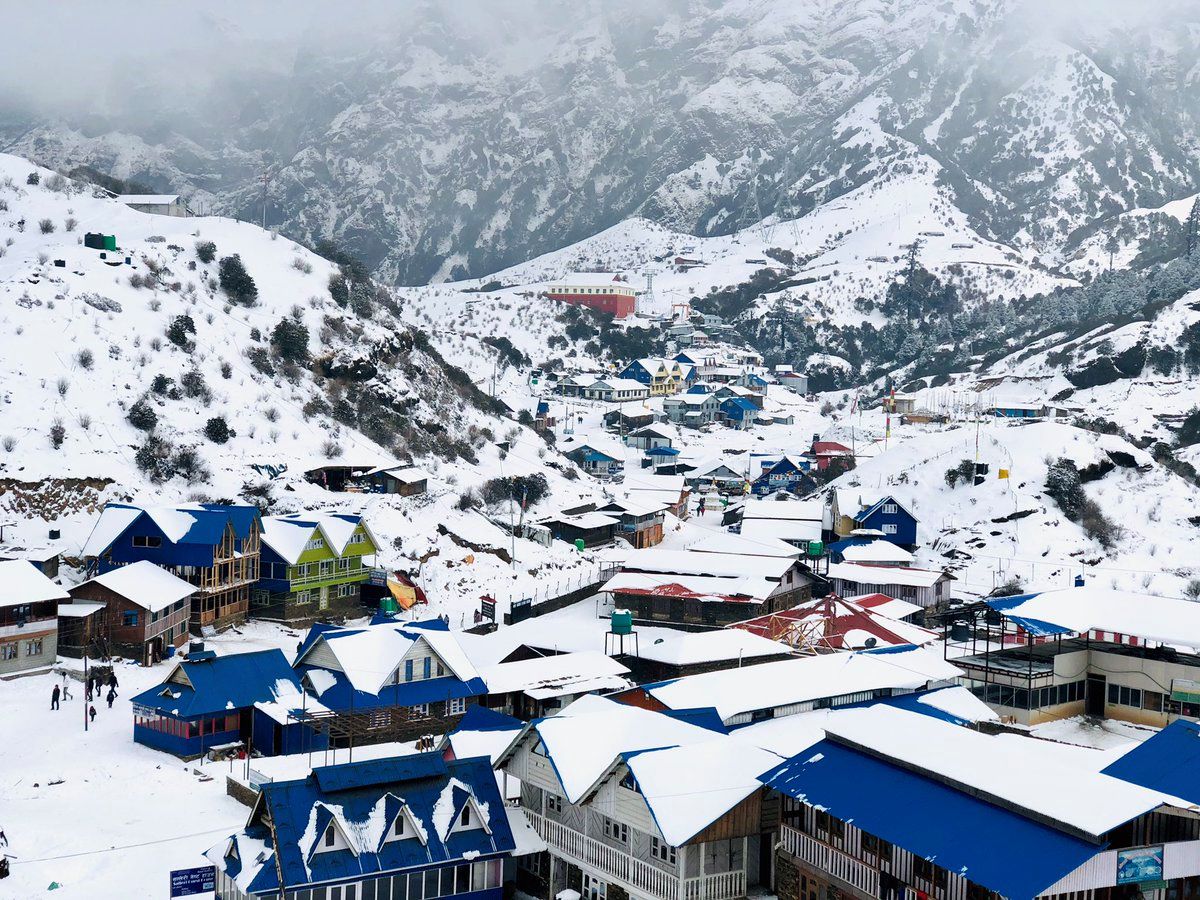 Kuri Village in Kalinchwok
What different about Kalinchowk is the overall complete package of accessibility along with nature and spirituality. You are able to enjoy snowfall, panoramic views, and even a quick pilgrimage all within one trip —this is hard to find anywhere else in Nepal. Kalinchowk is booming with domestic travelers, but you can still have peaceful mornings in the mountains, traditional meals in homestays, and starry nights next to the fire. Kuri village, the nearby main base point, offers a somewhat laid-back, almost alpine vibe. In this compactly arranged, reflective and soulful place, there is plenty for you—spiritual connection, winter recreation, or even a Himalayan living sunrise.
Top 5 Attractions in Kalinchowk:
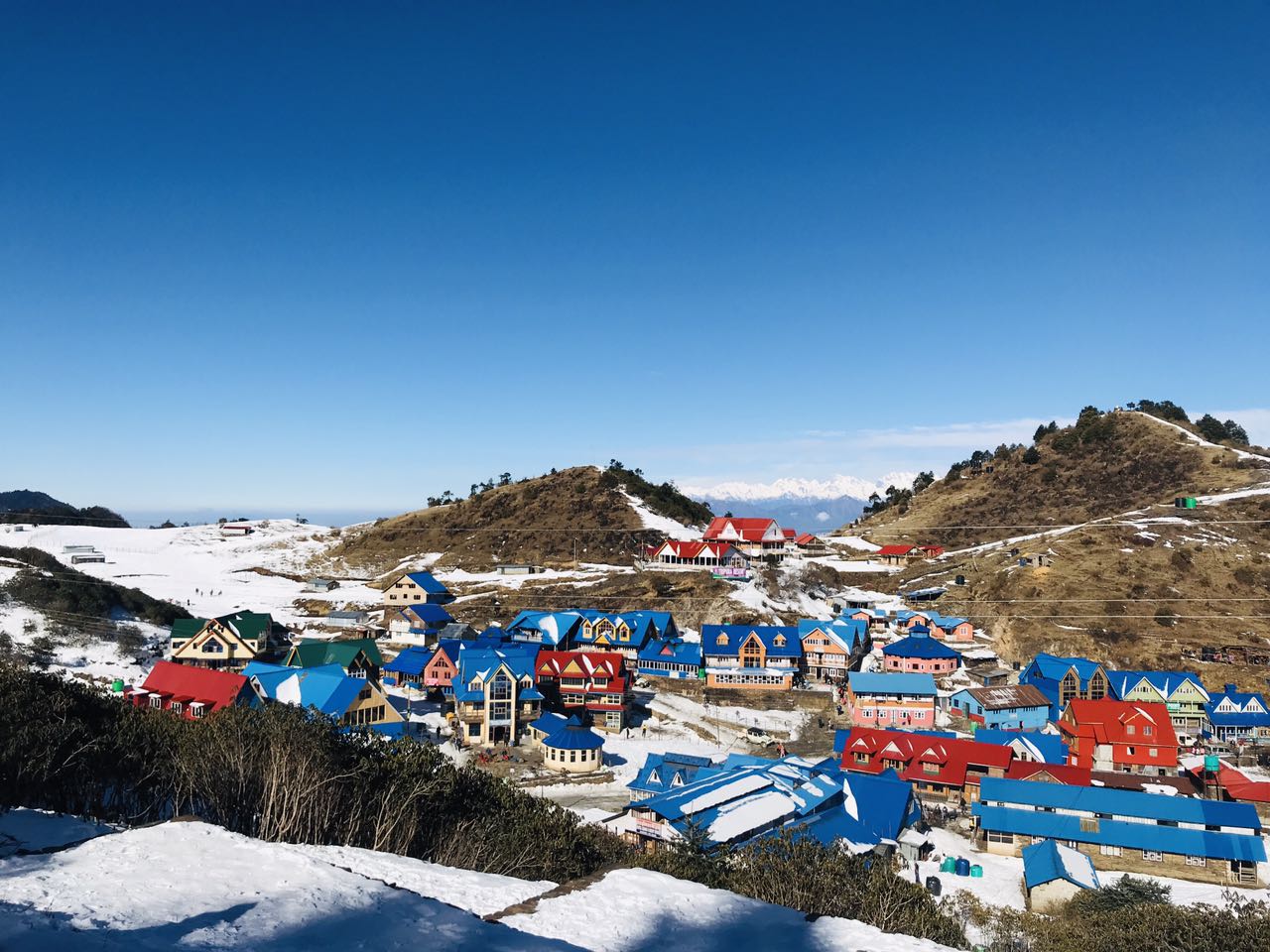 Kuri Village Kalinchowk.
1. Kalinchowk Bhagwati Temple
Located at a hilltop 3,842 meters above sea level, is the temple of goddess Bhagwati. The temple offers 360° views of the Himalayas, and at Sunrise and Sunset, it is nothing short of beautiful.
2. Kalinchowk Cable Car
The second cable car in Nepal connects Kuri Village to the top of the temple’s summit. It offers a quick and picturesque bird’s-eye view of the hills, valleys, and landscaped snow peaks along its journey up.
3. Kuri Village
The picturesque mountain village is the main place for travelers to stay. There are lots of activities to do, such as playing in the snow, enjoying local dishes by the camp-fire, and supporting the local owners as they brave the winter season.
4. Winter Wonderland Adventure
Kalinchowk is one of the only close places near Kathmandu to experience snow and winter adventure, making it an exciting place to go with family, couples and for first time snow seekers.
5. Panoramic Himalayan
Mountains From the temple, and surrounding ridges you get to see Himalayan Mountains like Langtang, Gaurishankar, Dorje Lakpa and when clear, Everest! Great as a photo opportunity and for personal reflection.
4. Dhorpatan Hunting Reserve: A Wilderness Wonderland
More than what its name might suggest, Dhorpatan Nepal’s only hunting reserve is a wild part of the world. In-between the districts of Rukum, Baglung, and Myagdi, Dhorpatan is a wild, rugged land made up of considerable alpine meadows, rhododendron forest, vast valleys, and snow-covered ridges. As a protected area, Dhorpatan is home to rare species like blue sheep, Himalayan tahr, and snow leopards making it a dream for wildlife enthusiasts and conservationists alike. Diophatan is also a birdwatching dream, with over 130 different species being recorded. The landscapes across the reserve are vast and undisturb excellent for adventurous trekking, camping, and just being consumed by nature.
 Dhorpatan Hunting reserve park.
What makes Dhorpatan truly offbeat is its distance from familiar trekking regions in Nepal, as well as its raw and untouched natural appeal. The trails are empty, offering uninterrupted quiet and solitude almost non-existent anywhere else. Through the movement of local hosts, their relationship with the land, and tradition, the land supports people and its history. Dhorpatan essentially has people and wildlife that exist as it would have a long time ago; the seasonal herding of yaks and sheep, using herbal medicines, and embracing simplicity in nature. If you are searching for an expedition into a pristine, wild, meditative, and natural wilderness, Dhorpatan has the solitude and peacefulness to rewire your relationship with the earth.
Top 5 Attractions in Dhorpatan:
 Dhorpatan Hunting Reserve
1. Alpine Meadows
These expansive grassy plains with copious camping spots are tucked away in the mountains. These luscious meadows bloom with wildflowers in the spring and are home to yak and sheep.
2. Blue Sheep and Wildlife Viewing
Dhorpatan is one of the best spots to see blue sheep (bharal) in the wild and offers good odds at seeing Himalayan tahr, and sneaky and camouflaged snow leopards. It is a wildlife photographer’s dream playground with all the remote and quiet wild land it provides.
3. Scenic Trekking Routes
It has off-the-grid trekking routes that are not as busy as the more recognizable routes, but equally stunning. Trekking routes that pass through forests, on ridgeline, and in small remote villages.
4. Dhorpatan Valley
This immense flat valley is surrounded on 3 sides by forested hills and snow-topped mountain spires. A tranquil place to contemplate and wander in nature, Dhorpatan offers innumerably good times to see the local Magar community.
5. Birdwatching Paradise
There are over 130 bird species observed in the area such as Himalayan monals, eagles, and pheasants making it a birdwatchers’, and conservationists’ dream space.
5. Barpak: Epicenter of Resilience
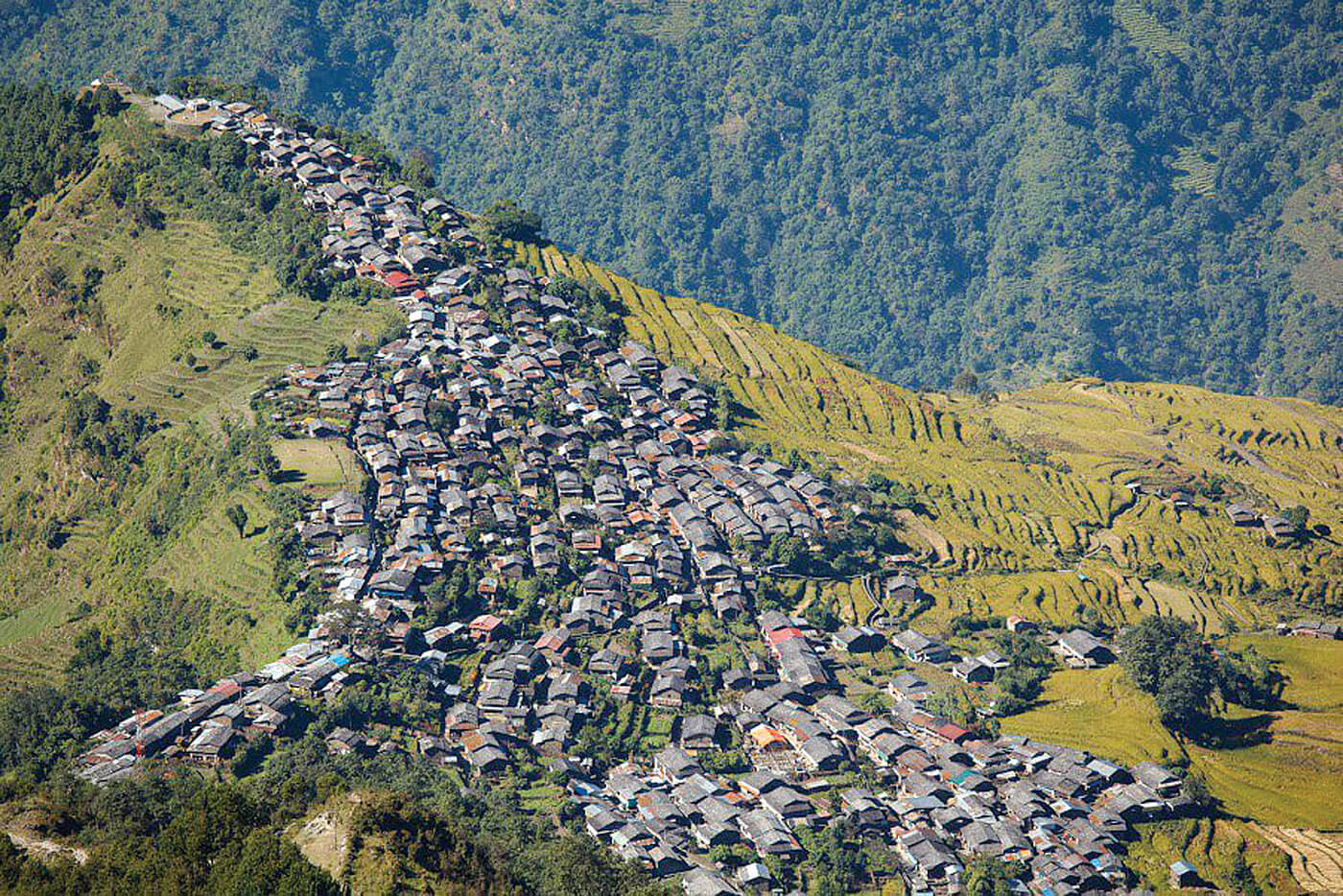
Barpak is a large but tranquil hillside village within Gorkha district that came into international focus in 2015, with the epicenter of Barpak being the epicenter of the earthquake. It has return, not just physically but psychologically, as it rebuild itself as a city representing connection, trust and resilience, Barpak is perfectly place above 1900m with stunning 360-degree views, including the magnificent Manaslu and the Buddha Himal ranges. Barpak represents a cozy abstraction of two-dimensional Nepal. It has terraced fields rising off hillsides, corkscrewed in, with slate-roofed houses stacked along ridges. If you can appreciate the happy invigoration of mountain air, blossoming rhododendra in Spring, and the gentle motions of village life, Barpak is always going to make you happy.
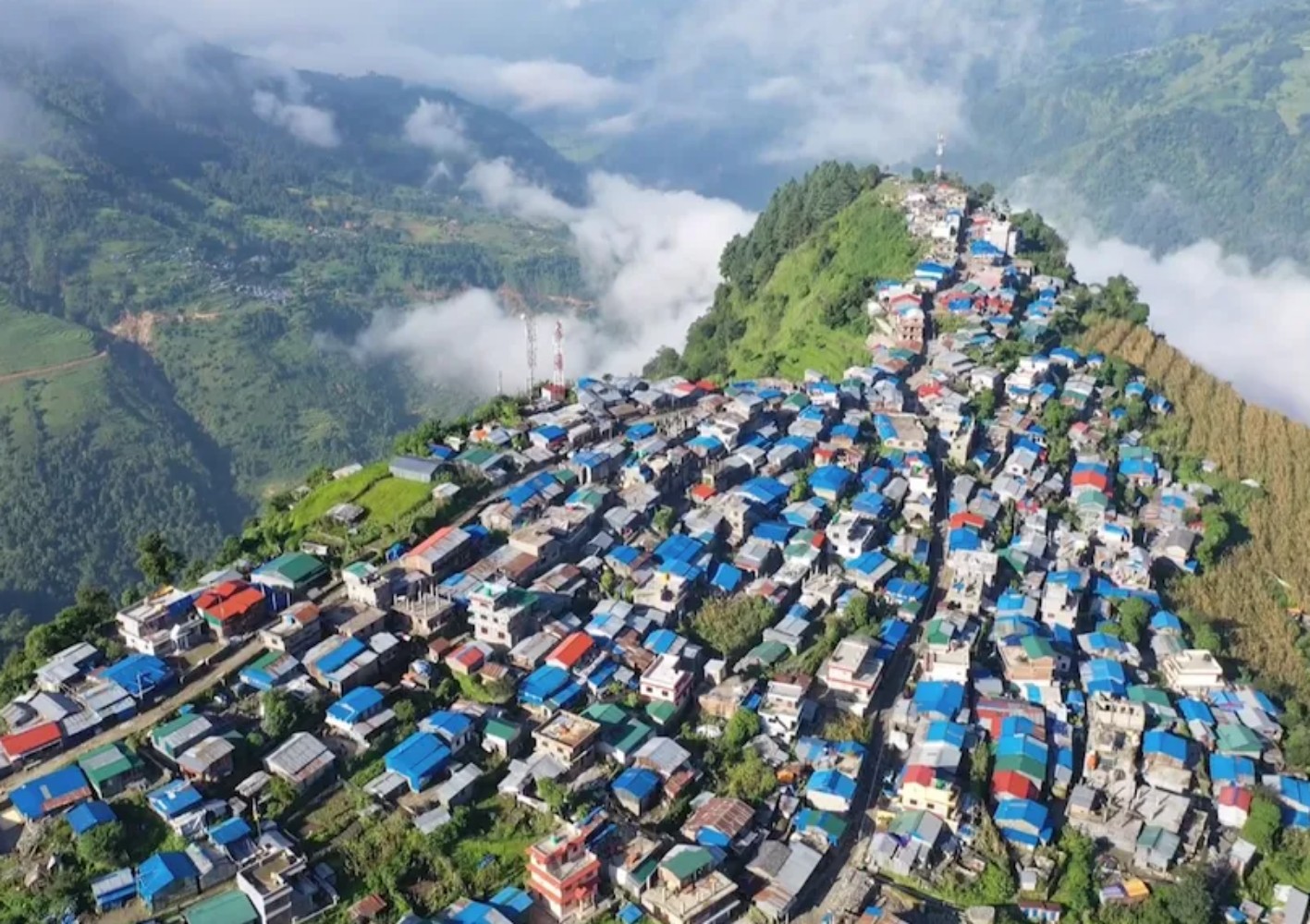 Barpak Village in Gorkha
While it is lovely in its own right, Barpak gives you the prospect of experiencing the heart of Nepal.
The people of Barpak, predominantly Gurungs known as brave men (and women) who often work for the British Gurkhas, are fill with hospitality and care. You can also expect to experience cultural dances, local food, and save the mountains, and a real homestay expedition where you won’t wonder if you are experiencing an authentic Nepal or if you’re just an outsider. Barpak is a village that suffered trauma, but hosts visitors with open arms and will share their stories of hope and healing. Barpak is also the launching pad to the under the radar Rupina La trek for travelers searching for both adventure and inspiration.
Top 5 Attractions in Barpak:
 Barpak Village in Nepal
1. Panoramic Viewpoint
Barpak is sitting on a natural balcony, it looks incredibly spectacular over Manaslu and Buddha Himal ranges. The viewpoint above the village hosts one of the best sunrises in the mid-hills of Nepal.
2. Barpak Village Tour
Walking on stone paved alleyways; timber houses with traditional slate roofs; and terraced farms, you will comprehend a rural humble but colorful lifestyle with Gurung culture.
3. Gurung Culture
The esteemed bravery of Gurung people is extremely well underline in Barpak. You will notice an abundance of Gurung hospitality, toys from Gurung culture; and many ex-Gurkha soldiers! You will feel welcomed with folk dances and foods like millet roti and kodo wine.
4. Rupina La Pass Trek
It is an ambitious yet still off the beaten path trek that goes through Barpak and the Rupina La Pass (4,610m). It is an alternative rugg trek; also a good trek for experience hikers that want to avoid Manaslu Circuit.
5. Earthquake Memorial Sites
Check out the memorial sites; and the community centers where the village was build to tell the story of their resurrection as a village. It is a beautiful experience; a reminder of the strength of humans, and the unity they share.
Conclusion
These unique spots in Nepal offer a place where you can breath deep and get off the beaten path and experience what “real” Nepal is about: the land, the people and the spirit.
Traveling to the offbeat destinations in Nepal is about so much more than just avoiding the crowds it is about finding a connection to nature, culture, and the essence of the country. These off the beaten path locations provide distinctive experiences. Personal experiences with communities, and truly beautiful unspoiled nature experiences you can’t find anywhere else.
So, the next time you plan a trip to Nepal, consider some time off the paved trails. Contact us today at Happy Mountain Nepal, on Facebook, Instagram, or TikTok.