
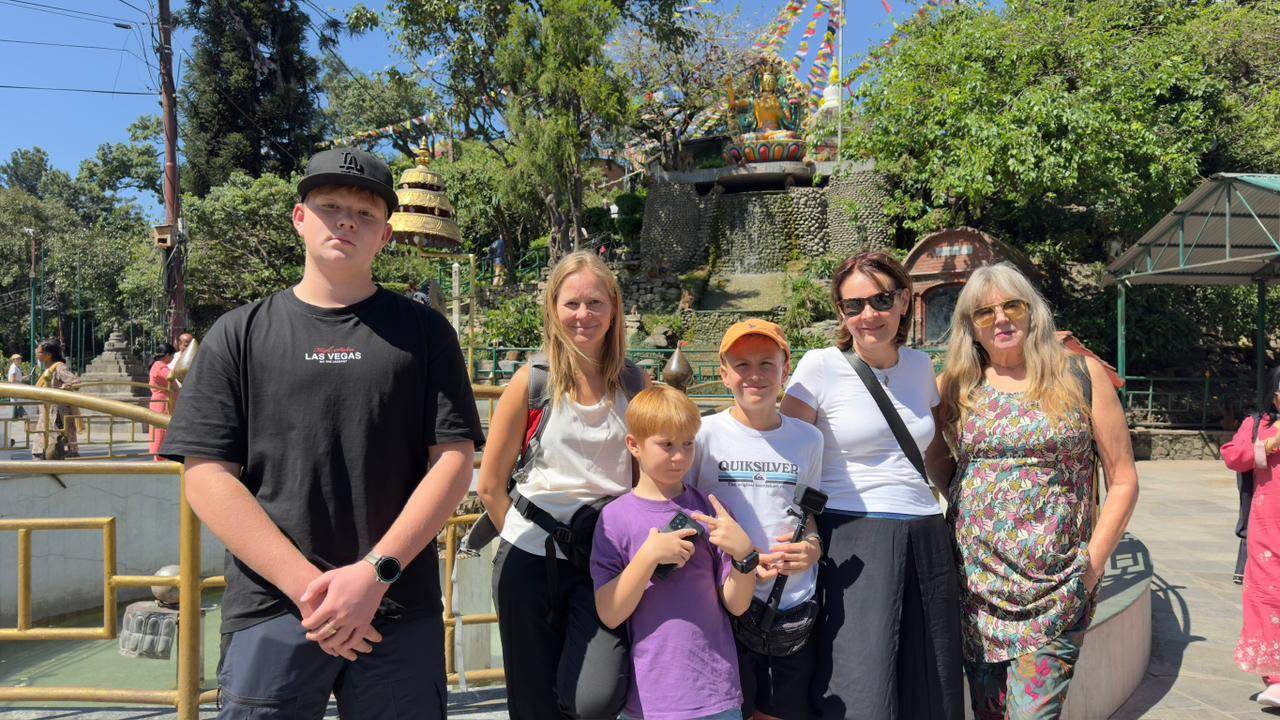
Common Tourist Scam to Avoid in Nepal
Nepal is a beautiful country with a lot of history and culture, including many religious places and temples such as Pashupatinath Temple and Bhakatpur Durbar Square. Although it is relatively safe for visitors, there are many types of scams you should watch out for in popular areas where many people visit.
The following list describes some of the common types of tourist scams found in Nepal, how they work, and how to avoid them.
1. Scam as Tour Guide:
There are many ways you may be approached by an individual offering to show you around the city for a nominal fee or in some cases for free. These individuals are primarily found in tourist areas such as Thamel.
As soon as you meet your new "friend", everything goes well - the tour begins, and they take you to see some of the more well-known landmarks in the city and provide you with a brief explanation. While they continue to guide you through the city, they will eventually take you into stores and shops where they have arrangements for receiving commissions on products sold to you by these stores.In summary, this particular type of scam can be very deceptive because the tour may appear to be legitimate until you start being taken into specific locations where the tour guide earns a commission based on the number of tourists brought into these locations.
The main issue occurs when you feel pressure to purchase products. Prices are often higher than what they should be and their quality does not meet the description provided to you. A guide may try to indicate that the stores are considered "real" or "approved" by the government; however, this may not always be true.

Tip: When booking tours, always go through a hotel or agency with licensed guides. If your guide tries to pressure you into making purchases, be willing to walk away from them.
2. Scam at Airport Assistance
At Tribhuvan International Airport, first-time visitors are often targeted for their lack of familiarity and experience. Scammers will act as either airport staff, working for hotels, or travel agents and will approach you, thinking that you're a new guest to the city and offer assistance.
Another may work with the first individual to distract you while they take your luggage and help you (without asking for payment afterward). Sometimes these types of scams happen when the first part of the scam is to get your luggage (for payment) and then tell you that you no longer have a hotel room due to receiving a referral to go to another hotel (where they obtain a commission). This situation can feel very overwhelming, especially after completing a long-haul flight.
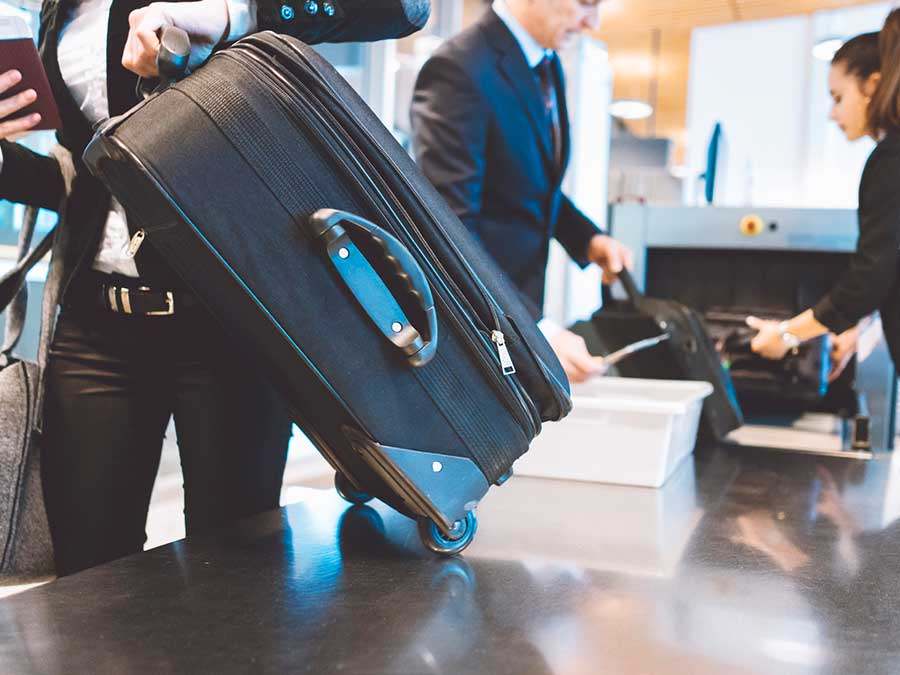
Tip: Always refer to official airport areas and pre-booked hotel pickups. Do not give your luggage to anyone you do not know.
3. Taxi Overcharging Scam
In Kathmandu and Pokhara, taxi drivers are known to prey on tourists who are not aware of the prices of local fares. Taxi drivers frequently do not utilize their meters; they will instead give passengers a price that is two or three times higher than what it would normally cost a local to get from the same origins to the same destinations. Some taxi drivers will take alternate routes in order to charge their passengers more. Some taxi drivers will tell passengers that their meter is broken, which is a common excuse.
Tourists will often pay the same amount of money for a ride a local would pay for a much longer ride when they take a taxi for a short trip.
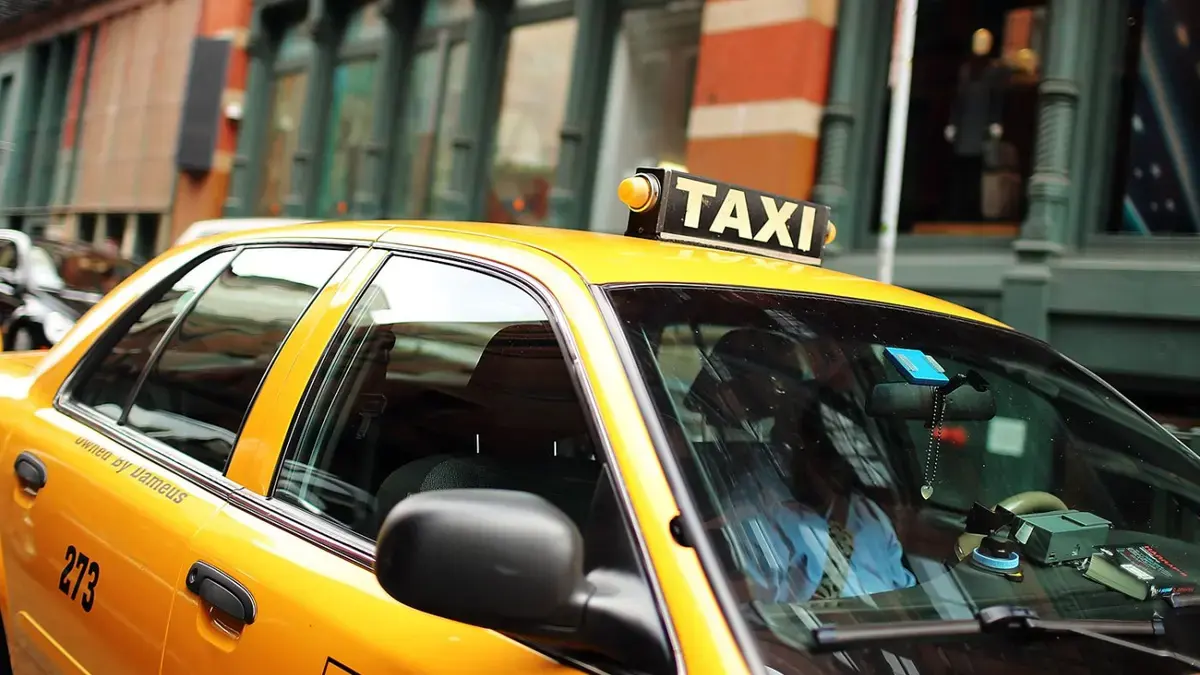
Tips: To avoid being taken advantage of by taxi drivers, always ask to have the driver turn on the meter or to agree to a rate before beginning your taxi ride. When available, you can use rideshare apps.
4. Hotel Booking Scam
Hotels in tourist areas (such as Lakeside Pokhara) will sometimes use dishonest tactics when booking rooms on the internet. After you have made a reservation, you may arrive at a hotel that confirmed you had a room, and then you find out that there was a "technical error," that the hotel overbooked, and that you cannot stay in the room you reserved, and you will be given a more expensive alternative.
If you're already at the hotel (which can be exhausting with luggage), you could be feeling pressure to accept the offered new rate.
Tip: In order to avoid this, you should confirm your reservation one day prior to checking into your hotel and choose only those hotels that are well-reviewed online. Also make sure to have a copy of your confirmation on your trip.
5. Trekking scam
Every year, thousands of visitors to Nepal trek the numerous trails in the Himalaya including the very popular Annapurna Circuit. But, not all trekking companies are legitimate.
There are many people and companies who offer trek packages at low prices but they do not have any legal right to be doing so and they will not provide the needed services to complete your trip. These packages may not include things such as the necessary permits, medical insurance, experienced trekking guides, or emergency evacuation services.
As a result of these issues, visitors can face hidden cost, poor lodging, as well as safety issues due to having inexperienced trekking guides. In the worst-case scenario, a person's lack of preparation could lead to their death in the very isolated areas of the mountains.
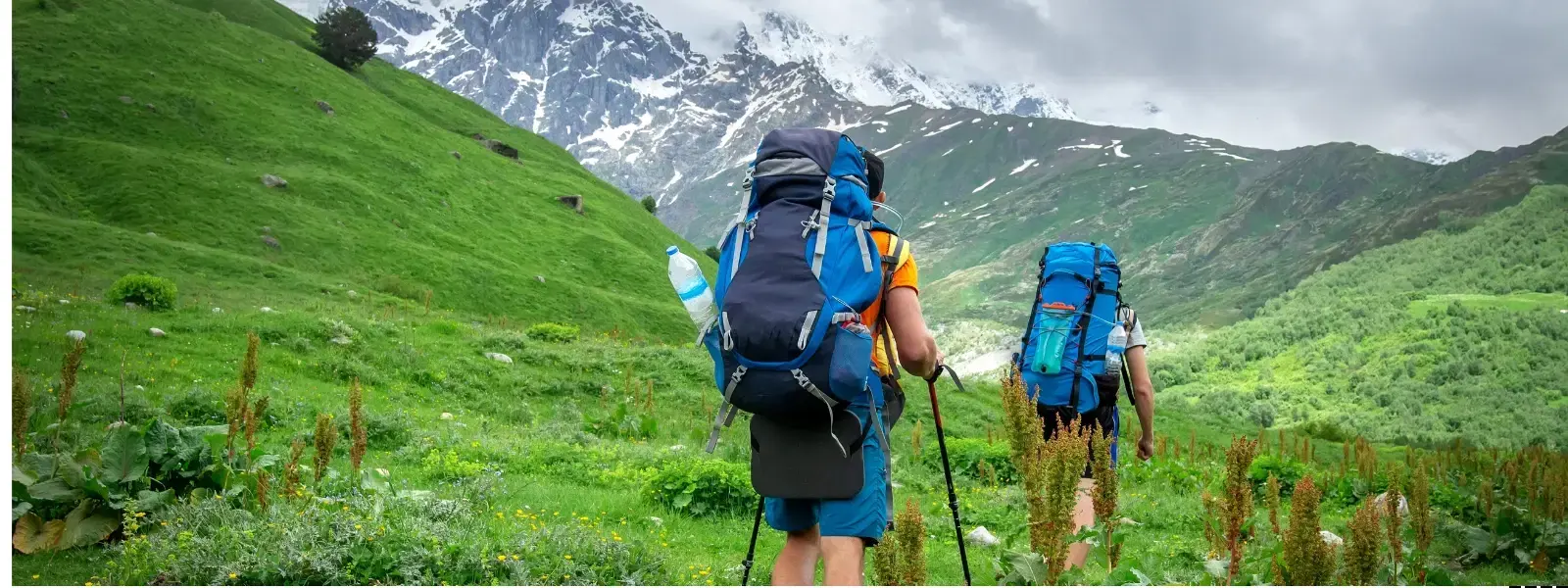
Tip: To avoid this you should only book your trek through a registered company that is a member of the Trekking Agencies' Association of Nepal and always verify permits and what is included in your package.
6. Beggar and Donation Scam
If you're near places such as Boudhanath Stupa, you will likely come across beggars. Often the beggars will have children with them.
A very common method that they will use to obtain money from you is to ask you for help feeding or buying a drink for the child. After you purchase the food or drink from an hourly shop, the beggar will return to the same shop and receive cash from the shopkeeper in exchange for the food or drink; they split the cash. This method is perpetuated by means of organized activity and is not an example of a kind-hearted deed.
Tip: If you want to help, please donate through recognized charitable organizations rather than giving the money directly to the people asking for money on the street.
8. Counterfeit Products and Souvenir Market
Markets that are near tourist attractions, such as Bhaktapur Durbar Square, sell a wide variety of craft items, antiques, and traditional art pieces.
Many of the people that are selling these items, such as Thangka paintings, singing bowls, and handmade crafts, will make claims that they are extremely rare and authentic items when, in reality, most of them are mass-produced or imported replicas that are marked up in price at these stores and shops.
Visitors who aren't familiar with local artisans will often believe these claims and pay well above the value.
Tip: Compare the prices of products across many shops, ask the shopkeeper questions regarding the product, and buy from well-known shops.
8. Credit Card Scams
Some businesses will exploit tourists in high tourist traffic areas during their visit to Nepal by increasing the amount charged on the credit card or charging the credit card more than once.
Many times, these businesses will enter the sale in Rupees which would keep many visitors from being aware of the excess amount charged to their account because they are converting currency to US Dollars.
Additionally, if you don't take precautions when using your card for a purchase, someone could later use your card number without your knowledge or consent.
Tip: Before you enter your PIN number to approve the sale, it is important to check the amount of the sale. When the cashier is processing your transaction it is very important to have your credit card in your possession.
9. "Friendly Local" Scam
If you go to Durbar Square in Kathmandu and start a conversation with someone who appears to be very friendly, they may offer you a "free tour" (which could be more expensive than an actual tour).
While your guide(s) may take you to interesting places, tell you stories, and develop a bond of trust, at the conclusion of your time with them, they will be seeking to collect on their large “tip” or payment. In other cases, they may become aggressive or involve other individuals to pressure you into paying. What began as a friendly exchange can quickly become an uncomfortable one.
Tip: Politely refuse any offers from strangers and use a professional tour guide.
10. Nightlife/Bar Scam:
When you are in places near such locations, such as Kathmandu, several bars and nightclubs target tourists with hidden surcharges or fees.
For example, you may be taken into a bar where there is no clearly marked "menu" of prices. The cost of the drinks may be inflated and there may also be additional fees added to your bill including such things as "service fees" or "entertainment costs" without you having prior knowledge of their existence when they are added to your total.
Many foreign tourists to Nepal often wish to purchase drinks and/or food for another person. However, this can result in high bills. In some cases, you may come across a drink that has been spiked while at the bar, but this does not normally happen in a high number of instances.
Tip: Prior to your travel date to a new destination, you should do a little research by reviewing the areas you plan on visiting, reviewing menus to have a general idea of the prices, and also having some knowledge of possible scams. Always keep your drink with you to reduce the risk of having it tampered with.
Conclusion:
The vast majority of citizens living in Nepal are generally very helpful and hospitable to tourists. The scams mentioned above are mostly targeted to tourists, therefore the tourists involved in the scams are usually unwitting victims because of their inattention to their surroundings. If you remain vigilant, do a little research prior to your travels, and use reputable tour companies, you will have no problems while in Nepal.
Have fun, be safe, and enjoy all the beauty of Npal from the history, to the majestic scenery of the Himalayas. If you want to have safe and secure travelling, then contact us now at Happy Mountain Nepal.