
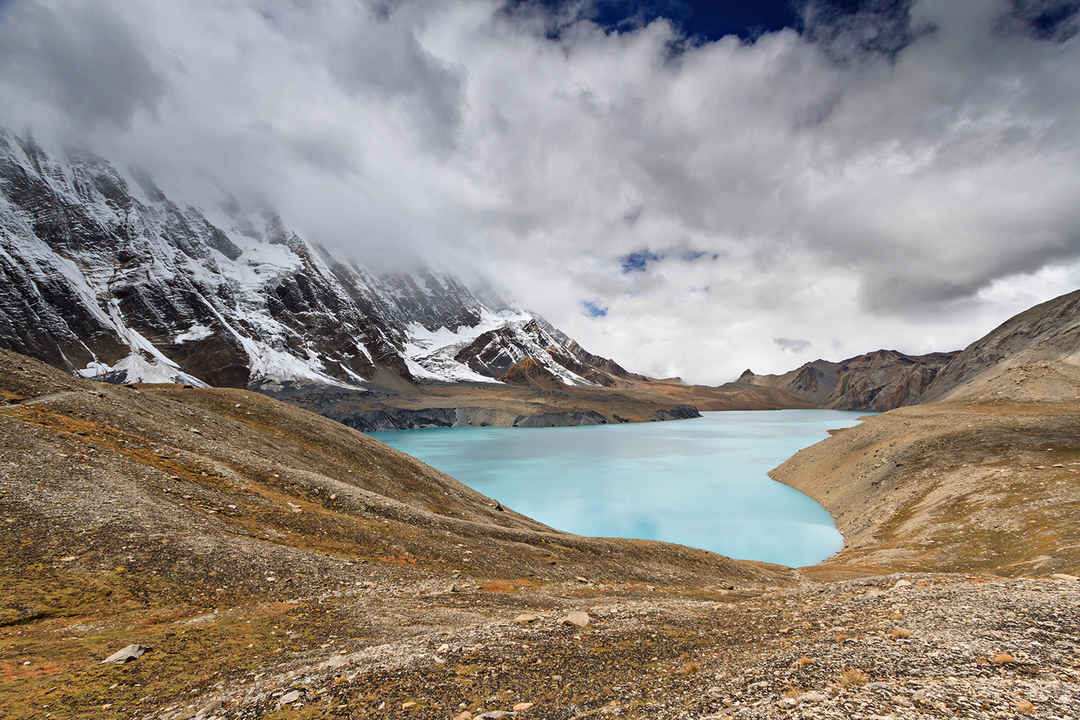
What I Wish I Knew Before Visiting Nepal

When I chose to travel to Nepal for the first time, my mind predicted. This small mountain country with large monsoon snow-capped mountains, colorful bright prayer flags and big smiles. What I did not expect, was how much I would learn about life, patience and friendship in this small kingdom. Nepal has so many wonderful elements in every aspect but also has its own feature that will catch first-time visitors off guard.
Whether you are considering a visit to Nepal for your first time, or reading out of simple curiosity. These are things I wish I had known before going to Nepal. It might have changed the way I experienced things, and perhaps a few surprises would have been taken away. A heightened awareness and appreciation for the beauty of the country.
1. Nepal May Seem Small on the Map but it Feels Huge
I assumed that since Nepal is a small country, I could get most of it knocked off on a short trip before arriving. I quickly learned, once I got there, that small or not geographically, distance was not the issue traveling in Nepal.

Depending on traffic and the narrow and winding mountain roads. A six hour drive can easily become eight or more depending on what the weather and road conditions are. Getting from one part of the country to another also means crossing rivers, climbing mountains, changing altitudes. All of which requires more time. While the change of scenery is incredible, allow for that time.
If you want to see Kathmandu, Pokhara, and Chitwan in one trip you have to plan a minimum of 10-12 days. And then tack on more time for trekking to allow for altitude change, and allow for driving time just to get to the trail heads.
2. The Weather has a Mind of Its Own
I arrived in Nepal in the fall, thinking the weather had a chance of being nice. Well, it took about one day to discover the fall weather in Nepal is completely unpredictable. You can have bright warm sunshine in the morning, rain in the afternoon and by night time. It looks and feels like winter, even in Kathmandu.
In the mountains, it becomes even more strange. You’re in clear skies one minute, and then you are camping in dark clouds. Sometimes even snow and although the weather is just strange higher in the mountains. The weather also gets stranger the higher you go the higher is weirder.
I really wish I had packed better weather gear light for clothes for daytime, warm jackets for winter weather at night. And rain gear because it’s probably going to pour rain at random.
So the point is plan for any season at the same time. No matter when you’re going to visit. Nepal’s weather does whatever it wants. It’s part of its appeal.
3. Altitude sickness is not only a problem for trekkers.
I had heard about altitude sickness and because I was fit and exercised regularly. Before I trekked to Nepal, I thought I would be immune. Soon after we climbed over 3000 meters. I began feeling a little dizzy, as if my body quickly became depleted of energy and out of breath. It was at that moment I overwhelmingly began to feel sickness from the altitude.

It did not take long for myself to realize that the air is thinner. As we go higher, and it takes time to acclimatize. It affects everyone differently. It does not matter about your fitness level. The main thing to do is to go slower than you normally would. Drink lots and lots of fluids, and when possible never skip acclimatization days. Some trekkers decide to take Diamox tablets for precaution or on the advice from a doctor prior to going on a trek. But you should always see the doctor for your option!
Do not overlook this on your trekking experience. Respect the mountains, respect your physical limitations. And overall you will have an even better and safer trek!
4. Nepal Is More Than a Trekking and Climbing Destination
I firstly thought Nepal was strictly a trekking and climbing destination, which is one of the biggest misconceptions that I had. After reading some about Nepal, I learned there is so much more.
You can enjoy the medieval courtyard in Bhaktapur and Patan, where the bricks and carvings could be taken from a story hundreds of years ago. You can go by Phewa Lake in Pokhara. And think about how the Annapurna range appears from the lake. While I actually saw time slow down. You could even do a jungle safari in Chitwan, or Bardia and see rhinos or elephants. Or if you got lucky a tiger!
You can be part of a culture/spiritual lifestyle that is far different from your own culture. You can see the difference of the people of Nepal, without even having to step 1 foot on the mountain trail.
5. Cash Is Still More reliable than cards
Just when cash seemed to be all but gone as a payment method. And I could use my debit or credit card at almost every place of business, I learned not so in Nepal. Credit cards are accepted in large hotels, upscale restaurants. And a few stores in Kathmandu or Pokhara, but cash is necessary outside the main cities or in small villages or trekking routes.
ATMs are also very common but may charge substantially high fees for withdrawals. Often run out of cash and do not rely solely on these machines. It is a smart habit to carry small Nepali rupee notes for your transportation, food and entry costs. And to keep them tucked securely.
6. Respecting Local Culture Matters a Lot
One of the great aspects of Nepal is its spirituality. And each morning you see people praying, using butter lamps or spinning prayer wheels. I already wish I knew more about this custom or its connection in common life.
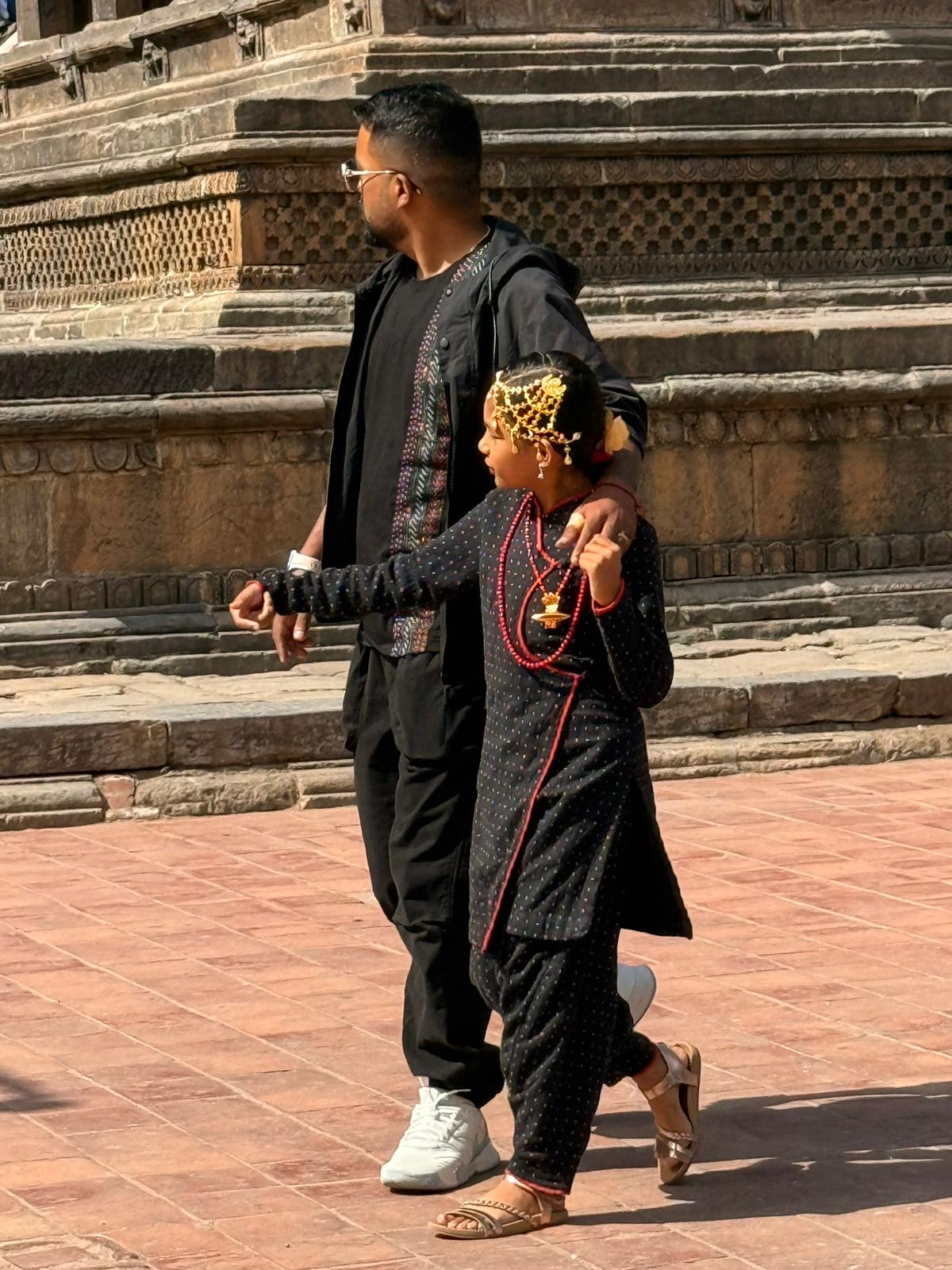
At the same time, when you are in temples or monasteries. Take off your slippers and wear suitable clothing; covering your shoulders and knees is part of this. More, in rural areas and when you are visiting religious buildings, and always greet in a “Namaste” with your palms together. Your head is sacred, so do not touch any one’s head.
Do not point your feet at religious objects or other people. Even these small acts of mindfulness can create a positive mark & show that you have made an effort to appreciate the locals’ way of life.
7. Nepali Food is Addictive, But Take it Slow In The Beginning
My first meal in Nepal was a plate of hot momos, served with a side of spicy chutney. That was the start of my love for Nepali food. The food is simple , delicious and comforting. Most Nepalis eat dal bhat (the national dish) for every meal which consists of rice, lentils, vegetables. And may include some curry. Wouldn’t you want to eat that? It’s also filling, healthy, and satisfying after a day of traveling or trekking.
Thus, if this is not the kind of food you are used to. Or if you are used to a small amount of spice and wherever you fall on the range of spicy or heavier foods. It is reasonable to gradually accept these kinds of foods. In regard to the first few days, if possible, avoid cold salads and street food until your stomach has adjusted to the new food structure and environment. As always drink bottled or filtered water. And if you suspect the ice was made without purification say no.
You will love the food once you adapt! Newari feasts in Kathmandu.Thakali sets in Pokhara, in the lodges, yak cheese in the lodges.
8. The Internet Experience can also be an Adventure
In large cities, you can easily find Wi-Fi. But nevertheless can also be slow and unpredictable especially when the electricity goes. However, as soon as you move out of urban areas or begin trekking. You will find Wi-Fi provided with a small fee or only at specific locations. And undoubtedly will be slow as well.
A local mobile SIM card purchased Ncell or NTC. It enables you to stay connected, with decent data coverage across most tourist destinations. But it will drop out totally at other locations. I also found joy in disconnecting every now and then. And without all the distractions and expanded content from the notifications and messages. I found myself much more present and aware of my context. Watching the bells ring at temples, feeling the wind on the mountaintops. Enjoying casual and random moments between humans.
9. Nepal celebrates life through its festivals
One of the most delightful surprises of my time in Nepal, was how often something was being celebrated! It feels like every month there is some festival or holy day. And each of these occasions has visible sights, sounds, colors, music, and happiness.
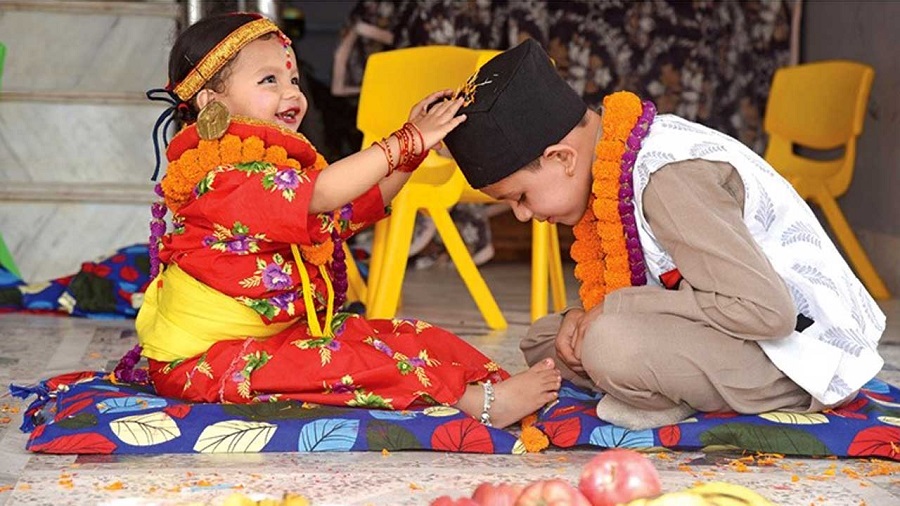
It seems as if the holidays in Nepali brought families together. Many people make visits to family and elders during Dashain as a way to receive blessings. In Tihar, houses are lit by tiny oil lamps, and colorful mandalas were also painted all over the walls during the winter celebration.Laughter and colors as well as the joys of Holi filled streets all over Nepal. And on the Buddha Jayanti, engaging traveled in and around stupas. Each local community of the region has its own holidays and celebrations that you are usually invited to openly by your hosts if you are a visitor as a tourist.
If you can, see if your trip could be planned around a holiday. You will be able to appreciate a much greater sense of Nepali culture. And the kindness that is also usually present.
10. Nepal Will Surprise You by Touching Your Heart with Unanticipated Kindness
I traveled to Nepal to experience adventure and scenery. And never intended to also find peace and peace I have not felt before. The kind people of Nepal I met along the way were some of the most sincere people I’ve ever encountered. Whether it be my local guide describing tales of the mountains. A woman who welcomed me to her home for tea, or a small child who smiled and waved at me. As I strolled down the street, it just felt so real.
The simplicity of life here, expressed to me that happiness is in connecting to yourself, connecting to others. And gratitude of where you are in the moment at. It reminded me to be patient when things do not go exactly as you imagined. It reminded me to be humble, and really consider the unbelievable power and significance of Mother Nature. And it reminded me to enjoy intentionally among moments of assume insignificance.
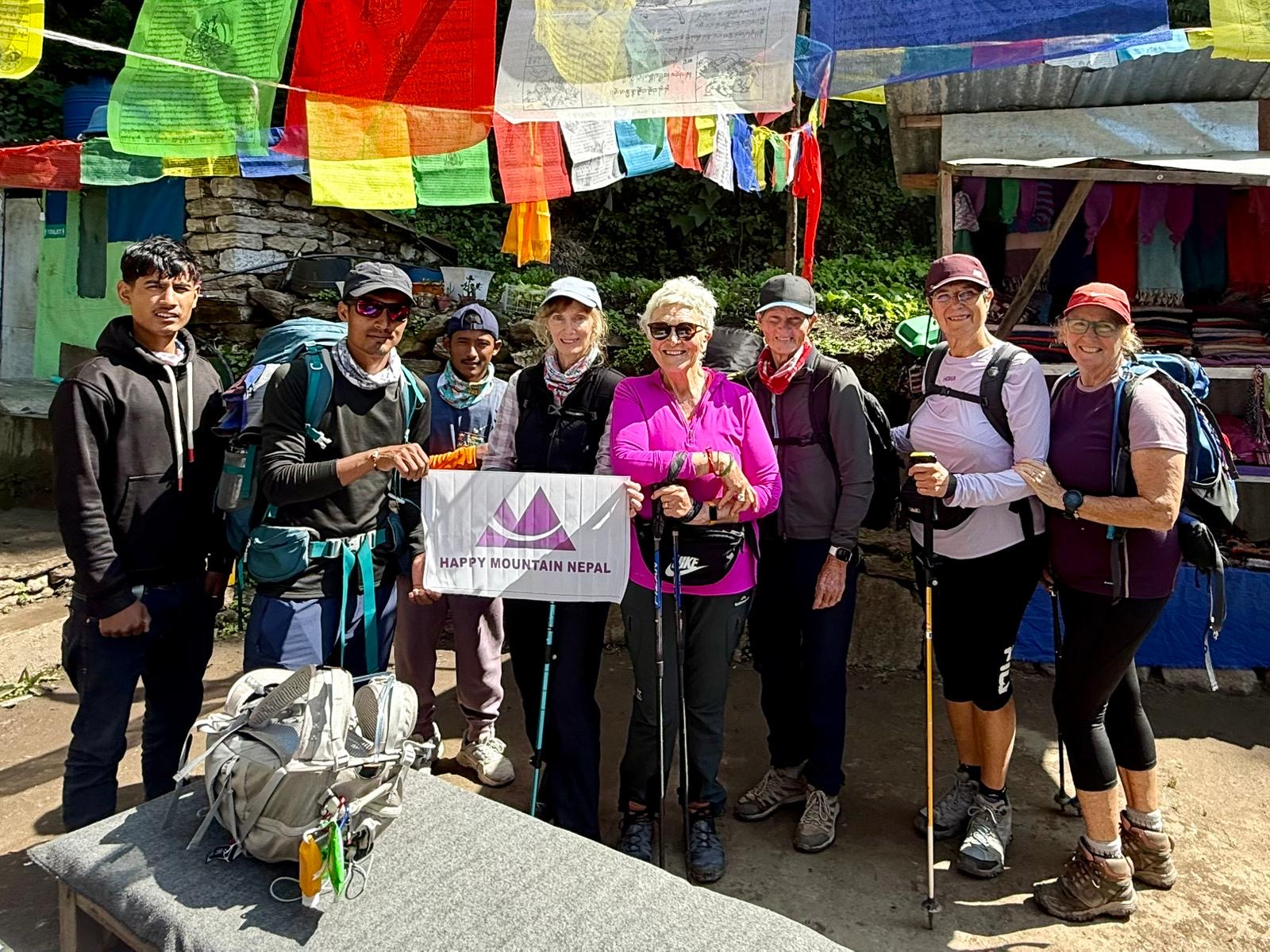
And when I moved on from these magic experiences. I left with memories that I will probably keep my entire life.
Conclusion
If it’s your first time traveling to Nepal, I advise you to go with an open heart and loose expectations. Things are not going to happen on time. Perhaps what you thought, but that is the unique beauty of Nepal. One of the lovely aspects of Nepal is its basic unpredictability and calm acceptance, from the land and its people.
Nepal is much more than a place to visit, it is more than an experience. It is a happening to shift you from the inside out. After has you stood below brightly colored prayer flags in the winds above the tree lines. Or after you have seen the rise over the Himalayas again you will understand all the travelers that fall in love and never leave.