
The Digital Nomad visa Guide to Nepal

By 2026, it will not be uncommon to find someone working remotely; this has become the new norm. In fact, individuals are no longer tied to working in an office, and there are many digital nomads who choose to live where the cost of living provides them with a better quality of life than living where the pay might be higher.
Where does Nepal fit into the picture? Historically associated with trekking and spiritual pursuits, Nepal is emerging as an attractive destination for remote workers and digital nomads. With more reliable internet access, lower costs of living, and long-term visa options, this beautiful country is paving the road towards combining productivity with peaceful living.
Imagine starting your day with a cup of coffee at a quiet café in Kathmandu and then working from your café (with reliable Wi-Fi), as you end your day watching the sunset over the hills. Or picture yourself living close to the tranquillity of Pokhara’s lakes, as your day-to-day routine becomes less stressful and more balanced.
This blog will provide you with information about everything from getting a visa to daily life so that you can determine if Nepal is an appropriate place for you to live and work remotely.
What Makes Nepal a Growing Destination for Remote Workers
Nepal is different from many of the other well-known locations that remote workers frequent (Bali and Thailand, etc.) because there is more to do and less commercialization than many of the other digital nomad hotspots.
People are flocking to Nepal for many reasons, but cost is one of the biggest. Living in Nepal is inexpensive. Therefore you can make your money go much further than in western countries, thereby allowing you both to save or reduce your hours at work.
Another great reason to consider relocating to Nepal is its lifestyle. Everything in Nepal moves much slower than you're probably used to. People are very cordial and there is a great sense of community among people living in the country. Most importantly, you don't feel like you are constantly running around and that helps tremendously in maintaining your mental health.
In places like Patan, you can live in a city rich in history and cultural significance while also benefiting from restaurants and coffee shops that provide modern conveniences. You will also have access to outdoor adventures in Nepal. You'll be surrounded by opportunities to hike through the mountains, be close to nature, and have the ability to easily disconnect and recharge on weekends in the Himalayas.
Digital Nomad Visas: How to Stay Longer
For many years, Nepal has not had a long-term plan for remote workers. Most people came into the country using a tourist visa and had to deal with visa extensions and/or making multiple trips back and forth to Nepal. This caused a lot of problems for people trying to plan their trips long-term.
In 2026, this will change for individuals who have a long-term digital nomad visa in Nepal.
A new structured program has been rolled out in Nepal to accommodate long-term digital nomads residing and working in the country. Although many individuals will still start with the Nepal Tourist Visa, the new options for long-term stays are aimed at taking away the worry of renewals and providing the necessary stability.
What Does This Look Like?
Instead of consistently having to renew your visa every couple of weeks, now you can:
- Stay extended without frequent renewals
- Rent apartments legally and stay in one location
- Focus on work and less on paperwork
- Create a routine and feel “Home-like”
Basic Requirements (In Brief)
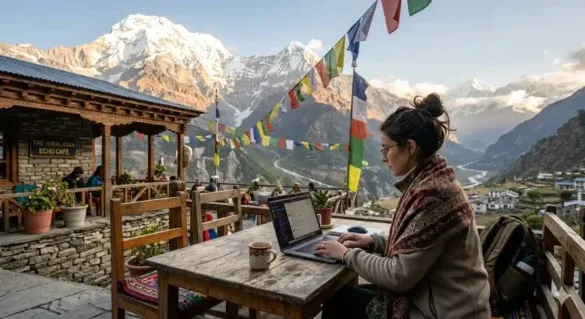
The objective of the visa type is to show that you can support yourself while not working in Nepal:
Approximately $1,500 Monthly (N Revenue)
OR $20,000 in Savings
Additionally,You will require:
Valid International Health Insurance
Verification of your Work Being Remote (Freelancing or Remote Employment).
Rationale
This change in visa classification allows Nepal to transition from being a "quick stop" to being a "real" living option for remote workers.
It provides you with the sense of security that is critical if you intend to remain in Nepal for months or years.
Tech Infrastructure: Can You Reliably Work from Nepal?
This was once considered a major impediment to working remotely from Nepal, but by 2026 this will no longer be true; improvements have been made in both Kathmandu and Pokhara.
Below is a description of what you can expect from the internet while living and working remotely in Nepal:
- Fast fiber connections will be available in most apartment buildings with speeds of up to 100 megabits per second
- Substantially faster fiber connections will be available at coworking spaces
- Stability of your internet connection will support video conferencing, file uploads, and daily tasks.
Additionally, there are several top internet providers (worldLink and Classic Tech) that provide affordable monthly plans for internet access.
Mobile Data: A Backup Plan
If you happen to lose your internet connection at the worst possible time, you can continue to work remotely with the mobile data plan of your choice from Ncell or Nepal Telecom!
You will be able to do the following while using mobile data while living in Nepal:
- Use your mobile phone as a portable wi-fi hotspot
- Work remotely from coffee shops or while traveling
- Stay in touch with your family and friends anywhere in the Kathmandu Valley.

Electricity: Is Power Reliable?
Power outages have been a significant problem in the past. Nowadays we see:
1) electricity is generally stable within urban centres;
2) there are some apartments equipped with inverter backup;
3) coworking spaces have generators, so you can work without worrying about being interrupted constantly.
Nepal is quite reliable in general for working remotely, but there are still some challenges: 1) from time to time, your Internet connection may be slow; 2) you may find rural areas having a reduced level of connectivity; and 3) make sure you have a backup plan (data + power bank), however, for most digital nomads, all of these challenges are manageable enough to ensure that you can be productive every day.
Long-Term Living: What it actually “Feels” like to Live Here
Being in Nepal for a couple weeks compared to working and living here for several months is a completely different experience. The true beauty of living long term in Nepal may require an adjustment period.
Daily Life is Slower (in a good way). There is no rush in Nepal! You will see people:
1) taking time conversing/connecting with others;
2) the routine of accomplishing daily tasks being done without being in such a stressfull rush;
3) not feeling like they need to run to get everything done as quickly as possible.
The slower pace of day-to-day living leads to a more focused and mentally healthy lifestyle for many of the nomads/digital nomads.
Cost of Living: Simplicity and Comfort
Nepal is extremely affordable compared to Western nations.
Living Expenses on a Monthly Basis
Expenses
Rent: $250-$450
Food: $200-$350
Internet/Utilities: $30-$50
It is possible to live well and have a decent amount of activities.
You Can Have A Happy Life. If you live in an area that offers a good balance of work and play, then after you complete your job you can:
- go on short hikes
- visit temples and cultural sites
- enjoy time outside
It doesn’t matter if you live in a very large city like Kathmandu as long as you can find many areas with greenery and places where you can relax.
Cultural Shock - Adjustment to Culture
When you move to a new culture, it is up to you to adapt your lifestyle and your expectations.
Some things you need to do while in Nepal:
- Remember that things are going to happen at a slower pace than what you may expect
- In general, people will not necessarily be as well-organised as they might be in your country
- Be respectful of the culture by doing things like dressing appropriately and learning some words in the local dialect will make your life better.
Community and Social Development
To develop your social network will take some time as you live and work in this area.
Digital nomads in Kathmandu have access to:
- Meetups
- Co-working spaces
- Workshops and events
- And Pokhara has a more laid back social scene, centered around cafés and running outdoors.
In conclusion, when you add up the visas, technology infrastructure and what it is like to live in Nepal for an extended period of time, it changes the perspective on visiting Nepal and starts to make it a viable option for those who want to be there long-term and work remotely.
The visa process is improving, the internet has enough reliability for most professions and provides opportunities that most digital nomads are looking for; a peaceful lifestyle with the ability to stay connected to the world.
As long as you are willing to make some adjustments and adapt, you will be rewarded with a long-term unique experience that will far surpass any remote or technological needs.