
How to Get a SIM Card in Nepal as a Tourist
If you’re arriving in Nepal you can get your SIM card and get it operational in less than 15 minutes! There are lots of options for both Nepal Telecom (NTC) and Ncell stores and service centres all over Nepal.
Travelers are best to get their SIM card as soon as they get to Tribhuvan International Airport so they can set up their transportation, contact their hotel and look for maps etc. before they use the airport Wi-Fi.
If you don’t get a SIM card while you’re at the airport, there are plenty of authorized telecommunication stores in all the major cities within Nepal (e.g., Kathmandu, Pokhara, Chitwan, Lumbini and numerous other tourist locations) to purchase your SIM card. The staff at these stores will typically have experience in dealing with foreign visitors.

To get a SIM card there are five steps you will go through as follows:
Selecting a Network
Dependent on what you are keeping in mind about the trip; one network provider may suit your needs better than another. For example, if you are trekking in remote areas, then NTC network will probably have better coverage than Ncell. However, if you spend the majority of your trip in urban areas than Ncell may suffice for your needs.
After you purchase a SIM card, you must register it by submitting the following documents:
- Your passport
- A passport-sized photo
- Your visa information
- Mobile phone service providers are required to register new SIM cards as per government mandates.
- Once you get all necessary paperwork completed, the mobile phone service provider will complete or help you complete the registration form (which contains your personal information).
- The SIM will then be placed into your phone for activation. Generally, it only takes a few minutes for activation.
Once you have registered the SIM, you may purchase a prepaid data package depending upon how long you will be in Nepal and how much data you expect to use.
What Documentation Do You Need to Purchase a SIM Card in Nepal?
Foreign visitors need to have the following documentation in order to purchase a SIM card. The process is relatively simple and goes faster if you already have these documents handy.
1. Valid Passport
Nepalese mobile telephone companies (telcos) require that foreign visitors furnish their passport, which serves as the primary form of identification when registering their SIM card. Your passport number will also be recorded on your new SIM's registration form (for SIM Registration).
Be sure to have your original passport with you when you buy your new SIM card.
Photo That Looks Like A Passport Size
Most telecommunications providers will ask that you submit at least one passport sized photo when you register for their service.
Those who come to Nepal should have more than one (1) passport size photo with them, as many registrations will require a photo to be submitted for:
- To register for a SIM card
- To apply for a trekking permit
- To apply for a national park permit
- To apply for a restricted area permit
- To apply for other documentation related to travel
- To apply for a valid entry stamp or visa
Travelers will need to provide their tourist visa or immigration entry stamp confirming that they legally entered Nepal, as this will be checked during their registration process.
2. Contact Information
Travelers seeking to register for a service in Nepal should be prepared to provide the following types of contact information:
- Hotel address and telephone number.
- Local telephone number.
- Name and telephone number of someone back home who can be contacted if an emergency arises while you are in Nepal.
Usually registrations can be done within a few minutes of arrival.
3. Passport-Sized Photograph
If you are registering with a telecom provider, the typical requirement is for one portrait-sized photo with your application.
If you're going to be traveling in and out of Nepal, you should definitely be carrying more than one passport-size photo. There are lots of situations which require this along the way:
- Obtaining an SIM Card
- Obtaining a trekking permit
- Obtaining a national park permit
- Obtaining a restricted area permit
- Obtaining various other travel documents
Your tourist visa or immigration entry stamp serves as proof that you entered into Nepal legally, and they may request that you provide these upon registering.
You may also have to provide your contact information, including:
- Hotel address
- Local phone number
- Two emergency contacts, such as family or friends.
The registration process is generally completed in just a matter of minutes.
How to Estimate Your Mobile Data Need In Nepal
In order to assist you with estimating how much mobile data you'll need, we'll look at different categories of users based on how they typically use their mobile devices.
1. Light Users
- Light users primarily use their mobile devices for:
- Maps
- Basic browsing of the web
Light users can typically get away with a smaller monthly data package without having any issues.
2. Moderate Users
- Moderate users typically use their mobile devices for:
- Regularly uploading photos
- Regularly using social media
- Occasionally watching videos
- Making video calls
A moderate user can usually get by using a medium-sized mobile data package.
3. Heavy Users
- Heavy users typically use their mobile devices for:
- Working as a digital nomad
- Working remotely
- Content creation
- Frequently streaming video
Heavy users should seriously consider purchasing a larger monthly data package so that they don't run out of mobile data anytime during their trip to Nepal.
Can I Use an eSIM in Nepal?
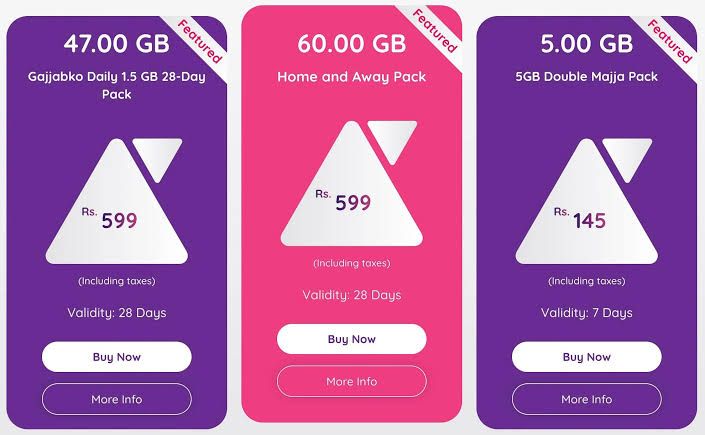
Numerous visitors to Nepal are using eSIM technology. An eSIM lets you to digitally activate your cellular service instead of needing a hard copy SIM card.
If your phone supports eSIMs, it's possible to buy an eSIM for international travel before you get to Nepal.
Benefits of eSIM:
- Activation happens instantly
- You don't need a physical SIM card
- Your home SIM remains active
- You can very easily switch carriers
- Perfect for short-term travelers
Drawbacks of eSIM:
- Can be pricier than some local SIM cards
- Data limit may be less than other SIM card plan.
- Coverage depends on which providers have partnerships.
Simply put, if you're traveling in Nepal long-term, using a local SIM card will save you all the trouble.
Internet Access During Popular Treks in Nepal
Most people believe trekking in the Himalayas to be a disconnection from their daily lives, however several parts of the Himalayas still lack connectivity but many areas have seen major improvements in connecting with telecommunications.
Everest Base Camp Trek
The Everest Region has seen a lot of telecommunications growth in the last several years. Many villages along the trekking route now have both mobile coverage and internet access.
Common areas that have connectivity include:
- Lukla
- Phakding
- Namche Bazaar
- Tengboche
- Dingboche
- Lobuche
- Gorak Shep
As you go higher in elevation and weather conditions deteriorate the signal quality should decrease as well.
Annapurna Base Camp Trek
The Annapurna region is considered one of the most connected trekking regions within Nepal.
Many of the tea house along the trek offer:
WI-FI access
Mobile phone coverage
Charging stations for electronics
You can expect to stay in touch throughout the trekking routes.
Langtang Valley Trek
The Langtang region is starting to see improvements in connectivity, but internet speeds vary widely based on where you are and the weather conditions at your location.
Most of the larger villages within Langtang have some type of communication system in place.
Manaslu Circuit Trek
The Manaslu region is the least connected of the four regions mentioned thus far and as you might expect many of the smaller villages will have limited or no mobile or internet services. Trekkers should be prepared for a lack of communications during the Manaslu circuit.
Common Connectivity Problems Travelers May Face
While Nepal's telecommunications infrastructure develops positively, there may be times when visitors experience connectivity problems.
Natural Barriers
The Himalayas create natural barriers to cellular signals. Deep valleys, tall hills, and isolated areas all impact the strength and quality of cellular networks.
Weather Conditions
In the Himalayas, heavy snow, rain, and wind can temporarily degrade cellular services during certain weather conditions.
Power Outages
Most popular tourist destinations have back-up power sources that provide continued cellular service; however, there may be times when a power determination causes interruptions to Internet services.
Network Congestion
There may be times when network congestion occurs due to increased activity during festivals, holidays, or peak trekking seasons.
Best Tips for Staying Connected in Nepal
To maintain connections during your travels, follow just a few easy steps:
Download Off-Line Maps
With offline capabilities on apps like Google Maps, you can download maps of your destination so that you can access them in the event that you do not have internet access.
Save Key Contacts
Keep contact information for hotels, emergency services, and guides available on your mobile device.
Bring a Power Bank
On a long trekking day, electricity may not be readily available. Take a Universal Travel Adapter
Depending on where you are staying, your power outlet may be very different from what you are accustomed to.
Pre-Pay Your Data Before Trekking In Remote Areas
Before heading out into the remote wilderness, make sure that you purchase sufficient additional data before embarking on your journey, as it is unlikely that you will have a recharge option available.
Alert Your Family If You Will Not Have Connectivity
Due to sporadic and inconsistent internet access in many mountain areas, make sure your loved ones know that they should expect a delay in communication from you.
Digital Nomad and Remote Work Connectivity in Nepal
Digital nomads and remote workers are flocking to Nepal, seeking a balance between work and play, productivity and adventure.
Kathmandu is home to:
- Fast Fiber-optic broadband connections
- Modern co-working spaces
- International cafes
- Startup communities
- Business services
Kathmandu is where remote workers will find their main hub within Nepal.
Pokhara has recently emerged as one of South Asia's top destination choices for digital nomads. Pokhara offers:
- Reliable Internet
- Low living expenses
- Stunning mountain views
- Cafes by the lakeside
- A relaxed environment
Many remote workers choose to live in Pokhara for several months to work online and travel throughout Nepal.
Conclusion
In the past 10 years, internet and mobile access has greatly increased throughout Nepal. Due to this increased access, many tourists are able to buy SIM cards, affordable data plans, and stay connected while travelling through much of Nepal’s cities, popular tourist sites, and on many trekking routes.
For travellers looking for the best overall experience in Nepal, many will either use Ncell or Nepal Telecom as their service provider. Most trekkers will choose Nepal Telecom because they have greater coverage in the mountainous regions, whereas urban travellers tend to prefer Ncell because of their faster connections in the larger cities.
Additionally, whether you are trekking to the base camp of Mt. Everest, exploring the old temples in Kathmandu, enjoying the peace and quiet of Phewa Lake in Pokhara, or observing wildlife in Chitwan National Park, it is quick and easy to stay connected while you are in Nepal.