

Sacred Journeys: Pilgrimage to Nepal's Most Sacred Places
Nepal is the "Home of Gods." Nepal, Himalaya birthplace and nature beauty and landscape pinnacle. Nepal, religious too as in Nepal there used to be seers of truth in earlier times where world plains used to traverse the soul. Nepal, where the rivers used to flow downhill from gods and ancient temples, is replete with pilgrimage centres aplenty to welcome the pilgrims, yogis, and vagabonds in the most remote corner of the globe. Let us take an extra step on the spiritual path and envision some of Nepal's most sacred blessed places, their heritage, and confluences.
1. Pashupatinath Temple: The Abode of Lord Shiva
A Sacred Sanctuary for the Devotees
With a gigantic bank of Kathmandu Bagmati River, the grand Pashupatinath Temple is the abiding temple of all world Hindus. Shiva Temple, a World Heritage Site, a mythological Hindu temple, and four such grand pilgrim temples. Pilgrims earlier used to come the previous days ago during pilgrimage time from corners of the world for darshan and pilgrimage to Pashupatinath Temple. The Legend of Pashupatinath
The Legend of Pashupatinath
Lord Shiva wandered in the valleys of Kathmandu forest in a deer's shape. His horn was the same which saved him when the gods approached him and severed the horn and broke it into four pieces. These were thrown in the four cardinal directions around the god Pashupatinath Lingam temple.
Spiritual Significance
Pashupatinath is neither a temple nor a thick Hindu religiosity. It is a temple religiosity place, an euphemism for what is done in day-to-day life, festival ritual, and death ritual. Pilgrims wash faces with the sacred Bagmati River, the ringing of the temple bell, and heavy incense-filled air takes one's memory along with intense religiosity.

Experiencing Pashupatinath
Tourists and pilgrims are lucky enough to see twice-daily daily temple priest rituals like Aarti (fire worship). The temple attracts more tourists on the festival days of Maha Shivaratri as thousands of pilgrims visit here for puja and blessings of Lord Shiva.
2. Boudhanath Stupa: Beacon of Tibetan Buddhism
Largest Stupa in Nepal
Nepal's biggest stupa and biggest Tibetan Buddhist complex is Boudhanath Stupa, located northeast of Kathmandu. Its colossal all-seeing eyes-shaped building is the icon of peace and enlightenment.
Historical Background
Legend of origin of Boudhanath Stupa
Its second man-made wonder is the topic of a set of myths, including one to the effect that it was itself a myth when a female contemporary expressed a wish to her people in its name. It was built in the 5th century AD and now is a Buddhist pilgrimage center.
Spiritual Significance
Boudhanath Stupa are Buddhist pilgrims. Foot circum-ambulation chant mantras and will destroy evil karma and be blessed with spiritual wisdom. Stupa is prayed and meditated upon, and monks and pilgrims camp, chant, and turn prayer wheels.
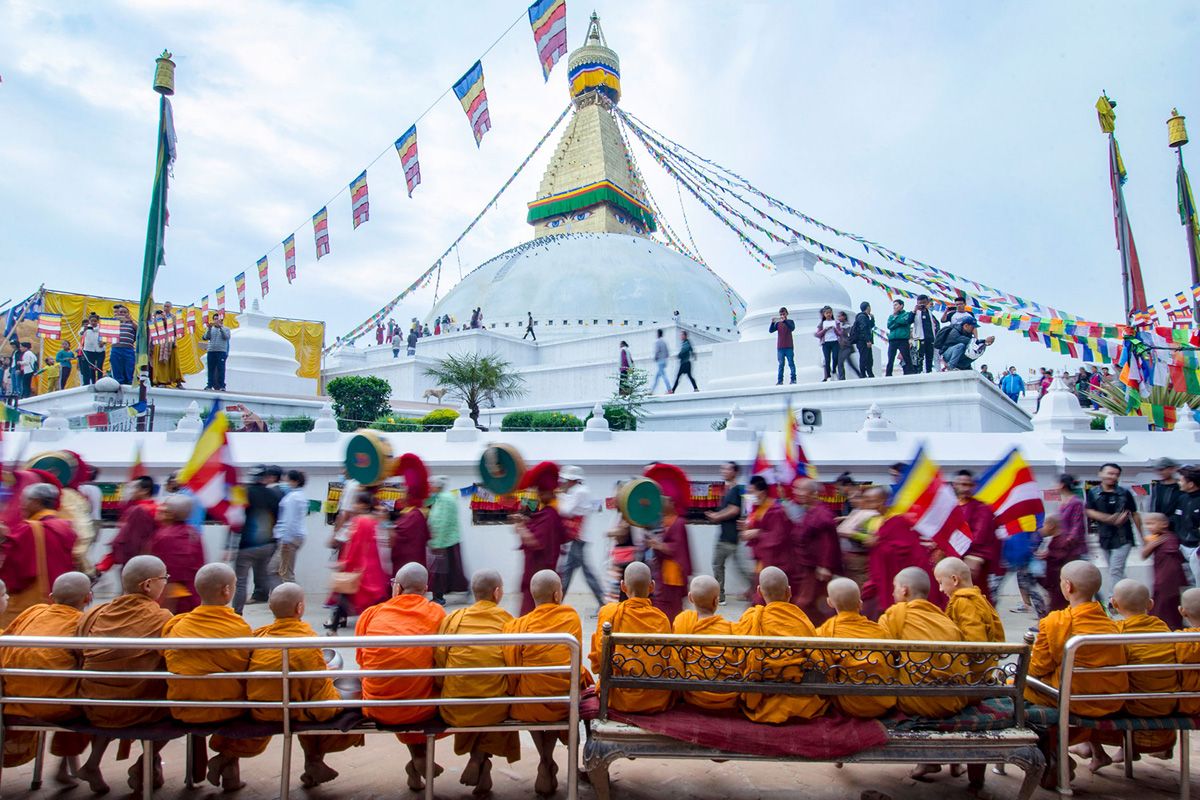
Seeing Boudhanath
Boudhanath is an illusion of a few of the senses and smells from an impression. The stupa exists in a hollowness except for the monasteries, Tibetan handicraft shops, and Tibetan restaurants that line it around. The stupa needs to be observed early in the morning or afternoon since the stupa glows golden and incantations and mantras are recited in front of the stupa.
3. Swayambhunath Stupa: The Monkey Temple
A Sacred Hilltop Sanctuary
There is a hill, in the center of Kathmandu Valley, Nepal's holiest of the Buddha pilgrim temples, the Monkey Temple. Enveloped by Nepal's fog, enveloped so that one would think Buddha's all-seeing eye saw in every direction, Buddha's all-seeing eyes wherever in any conceivable way.
The Legend of Swayambhunath
Myth has also considered Kathmandu Valley itself as a sacred high-prestige lake earlier and the hill upon which Swayambhunath stands has been built in the shape of a kind of lotus flower architecture. The stupa has been built as an indication of the sacred site, which developed naturally (Swayambhu) and mythically too.
Spiritual Significance
Swayambhunath is a Buddhist and Hindu pilgrimage temple. Even the smaller temple groups, statues, and prayer wheels are oriented around it to build an enlightenment maze. There is even an entire troop living there, and those are sacred animals and generations of Buddha-leadership monkeys.

A visit to Swayambhunath
The 365-step ascent to the top is a pilgrims' pilgrimage. Pilgrims are provided resting halt in between at temples where bird's-eye view breaks have been arranged. The serenity and quietness character of the atmosphere at the top allow meditation as national countryside peacefulness is provided by the stupa. The optimum time to visit is early morning when fresh air and the stupa have visual quiet to surround it.
4. Lumbini: Birthplace of Lord Buddha
A Tour of the Birthplace of Buddhism
It's simply gotta be one of the holiest sites on this planet, the Lumbini, Terai plains of southern Nepal. No need to state that it is also the site where the founder of Buddha, and maybe Buddha, Siddhartha Gautama drew his first breath.
The Sacred Garden
The glory of Lumbini is the Holy Garden, where the Mayadevi temple is the birthplace of baby Prince Siddhartha to Queen Mayadevi. Above the temple, a life-size Buddha birth stone relief statue exists, and there is holy bath pond in which Queen Mayadevi had bathed before giving birth.
Spiritual Significance
Lumbini is sacred to all the Buddhists on the earth. It is one of four most important locations of Buddha's life, the other three being Bodh Gaya (where he became enlightened), Sarnath (where he delivered his initial sermon), and Kushinagar (mahaprinirvana sthal).
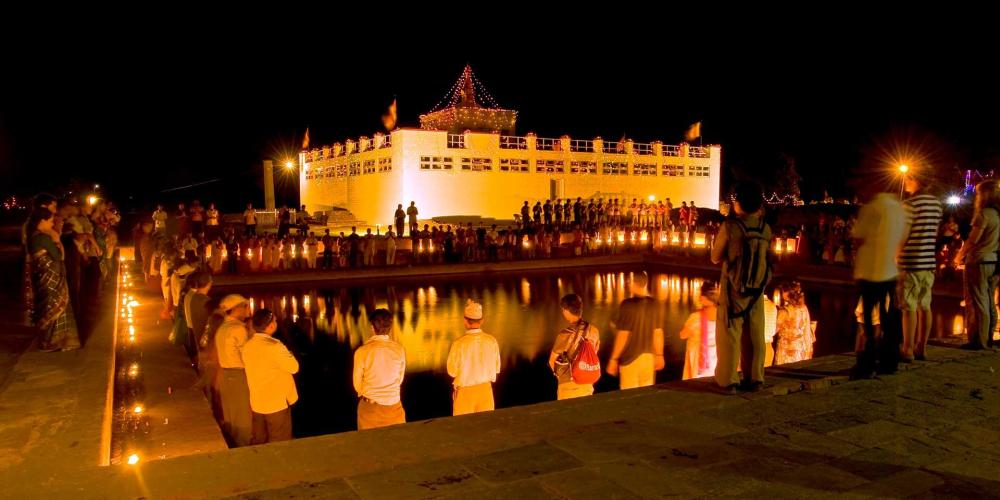
Seeing Lumbini
Pilgrimage to Lumbini is a pilgrimage to the birthplace of Buddhism. Sacred Garden is abode of pilgrims and meditators, its grass and weathered stone, and silence. Lumbini Development Zone, the perimeter fence of the Sacred Garden, is a Buddhist world nations' monastery constructed in the rim surrounding the Sacred Garden each representing the construction nation's means of building and constructing.
5. Muktinath Temple: A Sacred Pilgrimage for Hindus and Buddhists
A High-Altitude Sanctuary
Muktinath temple at an altitude of 3,710 meters in Nepal's Mustang district is one of the tallest temples in the world. It is also one of the sacredest sites for Buddhists and Hindus, who perform pilgrimages in large numbers to achieve emancipation (moksha) from birth and death.
The Legend of Muktinath
Muktinath is also one of the 108 Divya Desams, the temples of Hindu mythology of Lord Vishnu. It is that temple where the Lord Vishnu was released from Brinda (Tulsi) curse. Muktinath is Chumig Gyatsa, "Hundred Waters," Tibetan and one of the pilgrimage centers of great Buddhist master Guru Rinpoche (Padmasambhava).
Spiritual Significance
Muktinath is never short of religiosity. There exists a 108-gushing spring of slender jet-like flow of water, bullhead shape, considered to have healing powers by legend. Pilgrims bathe in the sprays with the piety of sin washing and are blessed with divine purifying.

Experiencing Muktinath
The trip to Muktinath itself is holy because it has to pass through the Himalayas. Its inaccessibility and high height also render it sacred and mystical to travel to. The ideal time to travel there is autumn and spring with good weather and climate where flowers blossom late.
6. Janakpur: The Birthplace of Goddess Sita
A Devotional Myth City
Janakpur is Nepal's mythological pilgrim town in the Terai south. It is the place of birth of Lord Rama's wife, Goddess Sita, born and whose wedlock was sanctified by Hindu epic Ramayana.
The Janaki Temple
Janaki Temple is the hub of Janakpur, a huge temple constructed after the Mughal building phases. It is situated in a location where it overlooks devotion towards Goddess Sita and has been the Hindu religion's pilgrim place, i.e., Vivah Panchami celebration of Rama-Sita wedlock ritual.
Spiritual Importance
Janakpur is one of the pilgrims' places of Ram and Sita fans because it is an embodiment of the spirit of love. Tanks, temples, pilgrim centers. Ramayana theme, and temples give a facelift to each corner and nook of the Janakpur city. Janaki Temple's slim slender face and cheerful are an oblation to this superior old antique gem's life spirit.
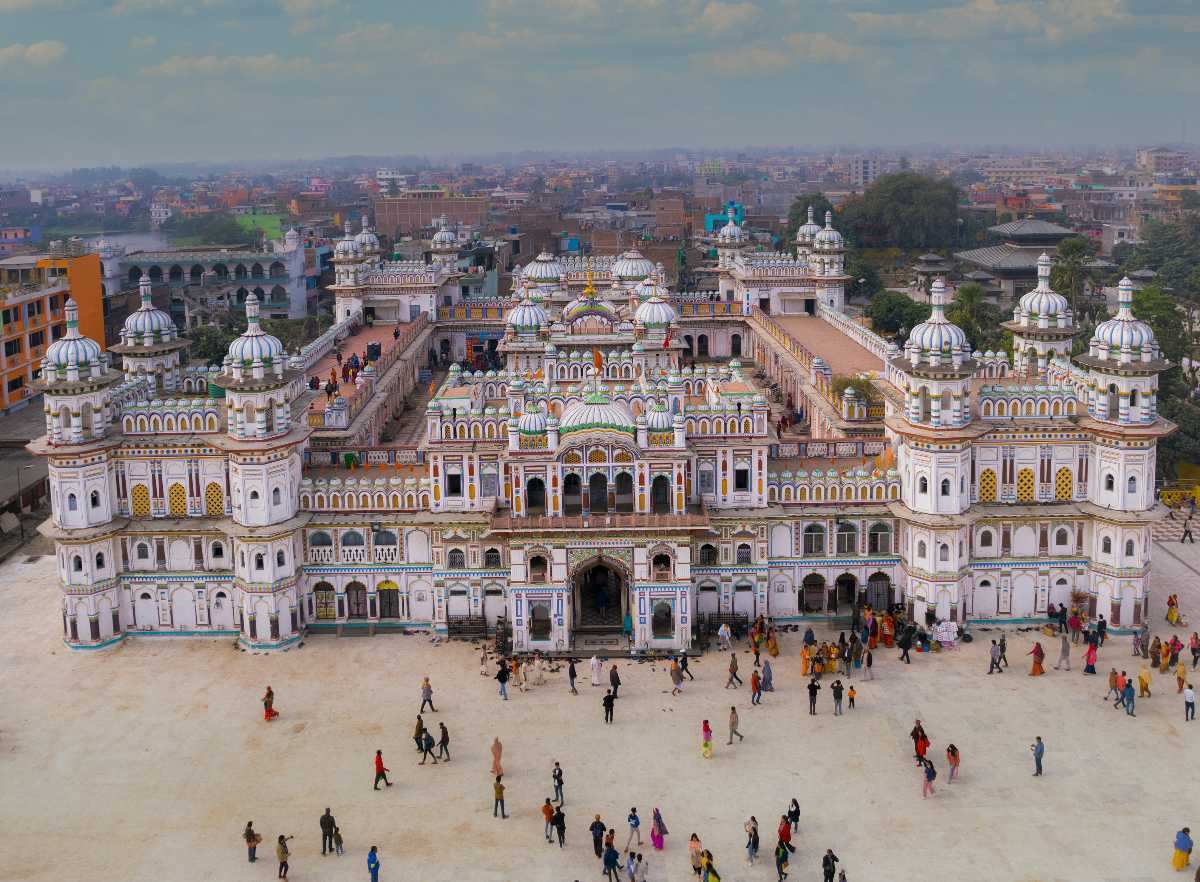
Feel Janakpur
Janakpur pilgrimage is a Ramayana mania spot. Pilgrims has to walk through Janaki Temple, whose giant campus and serene ambiance are one's own spiritual experience. The city glows on the Vivah Panchami festival when pilgrims celebrate the Rama-Sita wedding, and music chimes, piety, and dance echo on the streets.
7. Gosainkunda: A Sacred Alpine Lake
A High-Altitude Pilgrimage
Gosainkunda at 4,380m elevation in Langtang National Park is a sacred high-altitude Hindu-Buddhist lake. It's situated between two summits and is a world-famous trekker and pilgrimage site.
The Legend of Gosainkunda
Hindu mythological Gosainkunda was formed because of the anger of Lord Shiva, who thrust his trident into the earth to spit water into Samudra Manthan to assuage his parched throat after drinking the poison. It is believed to be the dwelling of Lord Shiva and a sacred pilgrimage place with huge spiritual energy.
Spiritual Significance
Gosainkunda is not only a holy pilgrims place for Hindus but also the date of arrival is Janai Purnima when holy Hindus undertake long and fatiguing trips to the lake so that they become sanctified with a holy bath and worship Shiva Ji.
The lake not only becomes a holy place of worship of Buddhism, but it's also a place of worship place and meditation.
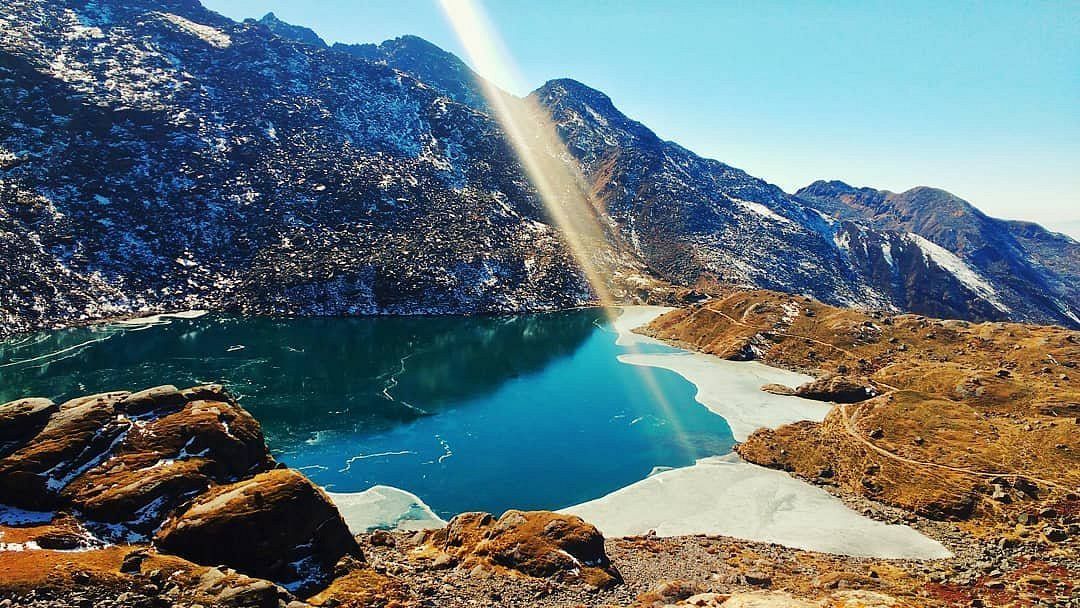
Enjoying Gosainkunda
Hilltop to Gosainkunda trek is tiresome but perfect and provides the tourists with unspoiled Himalayan scenery and a view of Langtang Valley beauty. The lake is a peaceful and serene spot which is lined with unspoiled water and scenic countryside views. Summer season isthe best time to visit when good weather conditions make it easy for one to travel the lake.
8. Dakshinkali Temple: The Goddess of Power
A Sanctuary of Sacrifice
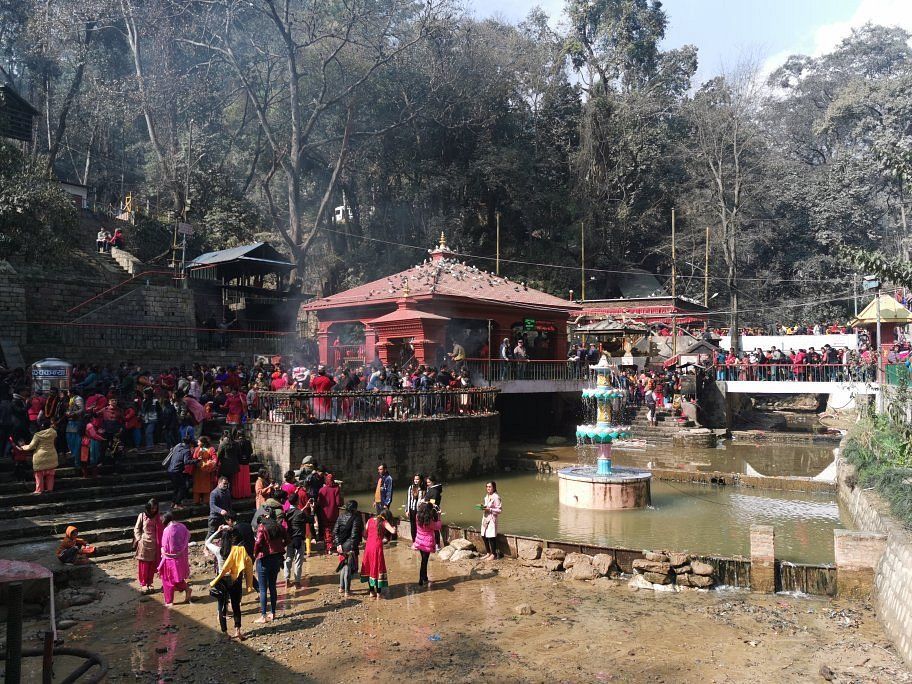
Dakshinkali Temple, located 22 km from Kathmandu city, is a temple where animals are ritually sacrificed in honor of goddess Kali, the power god and destroyer god, the mythological personification of power among Hindu goddesses. A religious shrine in itself and never shy to accommodate the ritual of animal sacrifice under the shroud of an offering to its goddess.
The Legend of Dakshinkali
It is here within this temple that Kali appeared to one of the kings in a dream and ordered the king to construct one of her temples. The temple itself is one of the grave pilgrimages of the country. In Ayerthangrinthi during the month of Dashain, thousands of individuals undertake side pilgrimages far out to the temple who present and pray for the blessing of the goddess.
Spiritual Significance
Dakshinkali is a site where unbridled feminine moods of goddess woman and unbridled goddess power are appealed to by temple ritual and animal sacrifice. Thereby godding all human creatures and alienating man no more.
Feeling Dakshinkali
Dakshinkali is not for everyone. The temple religiosity, even the animal sacrifice, is simply too much and in-your-face. But to one sensitive to the vibration of the goddess. Dakshinkali is a once-in-a-lifetime, life-changing religious experience. One has to go see her at festival time Dashain, when the temple is pulsating and one can feel the vibration of the goddess
Conclusion
Nepalese temples are not religious symbols but something else. They are doorways to planes of higher cosmic and self-awareness. There is, in any place, with its myth, mythology, and history, a heightening of consciousness of the sacred and pilgrim space for pilgrims to struggle and recover from self-transmutation.
Whether religious or spiritual, Nepal's spirituality or religious sites, there is something for everyone in this nation. Ancient temples, ancient city of Kathmandu to Himalaya's snow lakes; all exist as a testament to religion's timelessness and centuries-old search on the part of the world to find itself.
Then take up your bags, open your arms wide, and fly on the spiritual quest to Nepal's holiest shrine. Be swept along on the spiritual high by the divine energies of the earth to spiritual awareness and inner balance.