
Nepal on a Budget: How to Travel Without Breaking the Bank

Nepal is one of the few countries where international travelers can get the best of what a country has to offer with its ancient temples, vibrant urban cities, peaceful village life, breathtaking mountain views and warm hospitality. A backpacking student, or low-budget traveler can enjoy the many experiences available to see and do a great deal in Nepal that too at very low pirce without spending a fortune to do so.
In most travel destinations, you will find that the costs will add up quickly; however, this is not the case in Nepal. With a very low cost of living, the tourism industry in Nepal is 100% locally owned and operated, and it is very easy to find cheap accommodation options and services throughout the country, allowing you to see and do everything in Nepal for only $20-50 a day.
This blog gives you a comprehensive guide on how to travel in Nepal on a budget, and enjoy all of the wonderful cultural, outdoor and adventure activities that Nepal has to offer in comfort.
Why Nepal is the Best Budget Travel Destination
Nepal typically falls into the realm of travel destinations for people who want a meaningful trip or experience rather than a luxury-type holiday. The abundance of Guesthouses, Homestays, and Tea Houses cater to budget travelers and offer a great opportunity for economical accommodation throughout the country. Even in heavily touristy Areas there are various budget accommodations to choose from and they tend to be price-competitive.
Food in Nepal tends to be inexpensive, especially if you eat the Local Food. Nepali meals are nutritious, satisfying, and unlimited in many cases. Local Bus will bring you to your destination; transportation costs very little, and while being slow at times, it still provides an economical means of getting around. The majority of the best experiences that Nepal has to offer (i.e. Hiking, Temples, Festivals, Cultural Sites) can be done for free or at a very low expense.
Nepal's tourism industry targets independent travelers, allowing them to explore independently of high priced tour/package offerings. It is this combination of affordability, accessibility, and diversity of experience that makes Nepal one of the best budget travel choices in Asia.
Best Time to Visit Nepal on a Budget
Nepal’s Travel Expenses will depend largely on which season you plan to travel in. The highest prices generally occur in October and November, as this is considered the Peak Season. The next two most popular Seasons would be in March and April when the weather is great for trekking (high visibility) and is typically clear. Therefore, during those months, expect many tourists; hotel prices will be expensive, flight reservations will be made quickly, and the majority of the tourist routes will be busy.
If you are looking to travel on a budget, you should look to either travel during the off peak season or the shoulder season. Typically the best combination for great pricing and nice weather occurs between Late February to early March or late May to early June or September. Hotel and guesthouse prices will generally be lower than during the peak season and therefore it will generally be easier to find a great deal on your flight.
Traveling to Nepal will be the largest cost for most people who go on travel, due to the cost for air fare. Plane tickets would account for 50-75% of a traveller's total budget for their trip. For better deals on plane ticket costs. One should plan and make sure to buy the ticket during a time of lower travel volume. Planes will generally have the greatest number of discounted seats on availability from Wednesday to Friday of the week. Plane tickets that leave late at night or very early in the morning generally have the lowest fares associated with those hours than other time slots during the day.
Effective Strategy
You should always fly to a regional hub before connecting to Kathmandu. Sometimes traveling to an international airport near your destination and then using a regional flight or ground transportation to reach Nepal will result in cheaper prices compared to booking a direct international flight. In addition, comparing prices on online resources and establishing fare alerts will allow you to find the best deals for your trip.
If you are traveling from South Asia, there are a number of very inexpensive options available to you to fly to Nepal. Travelers from Europe, Australia, and North America will generally be able to save money by booking their flights well in advance of their travel dates and avoiding travel during the peak season. After you arrive in Nepal, you'll see a significant reduction in your daily expenses which should offset your flight cost.
Budget Accommodation in Nepal
There are many options for cheap travel and tourism in Nepal. All types of accommodation are available, including guesthouses (commonly referred to as hotels), hostels and private lodges/hotels that offer good value for your money. Guesthouse dormitory-style have shared rooms and can be found in Kathmandu and Pokhara and offer many of the basic needs of travel.
Compared to widely known tourist attractions, guesthouses and the pricing structure for shared accommodation are more cost-effective, making them popular among backpackers.
Budget travellers and solo travellers have access to cheap accommodation through hostels, where there is generally a large room for shared use and also a good level of security for the overnight stays they provide. Besides, hostels allow travellers to socialise with others.
Guest homes (usually located within close proximity to established hotels) provide a far more personal experience for the traveller, compared to the larger and more commercialised hotels; they provide travellers with a different experience of the local culture and the opportunity to contribute to the local family through their stays.
Teahouses are a popular choice for trekkers as places to stop and take a break from trekking. They provide very inexpensive accommodation options for trekkers.
Eating Well on a Budget in Nepal
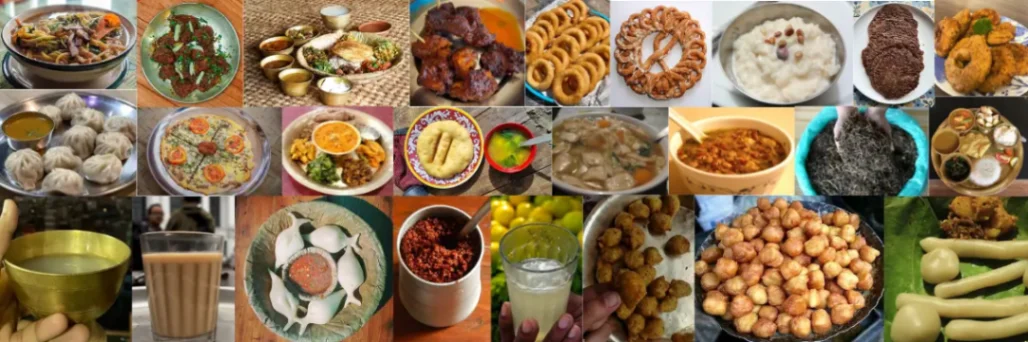
When you visit Nepal you will find that food is typically inexpensive and offers the same type of meal as if you were eating at a local restaurant. It is typical for Nepalis to eat dal bhat, and this dish is filling and affordable.
Dal bhat consists of: a bowl of rice; a bowl of lentil soup; local vegetables; and most often, either pickles or a curry with it. Some local restaurants will also allow customers to return for more dal bhat. It is an ideal choice for those travelling here who are looking for something economical and to give them energy to do their long tours around the country.
Street food carts serving cheap and quick snacks are conveniently located in busy areas of Nepal. The food items that street vendors sell include:
- Momo
- Samosa
- Chow Mein
In addition to the street food items, vendors will also have noodle soup that is found throughout Asia, such as thukpa, which is a very popular hot soup during the colder months of the year and is available for a low price.
While travelling in Nepal, it is best to avoid tourist types of restaurants, cafés, and bakeries because prices at those places tend to be excessively high compared to similar local places.
Due to the high price of bottled water, more and more travellers are opting to bring their own reusable water bottles with them to save money.
Transportation
Transportation within Nepal is among the cheapest forms of transportation when travelling, if you use local transportation.
Public transportation consists of buses and minibuses (microbuses) between communities for very reasonable rates. Although you can expect crowded buses and delayed bus service, using public transport can be a major cultural experience and also save money. Local buses offer the lowest-cost option for inter-city travel with tourist buses providing some additional comfort at slightly more expense.
Shared jeeps are common in mountain areas where bus services do not exist and provide a reasonable mix of affordability and convenience. Domestic air travel may also be available; however, air travel should only be used on an occasional basis as it contributes to the overall cost.
In a number of cities, walking is by far the most affordable means of travel and sightseeing. Ride-sharing applications may be an affordable way to get around. However, local taxis should be negotiated with so that you do not pay too much for these services. Using public transport and travelling at a leisurely pace can give you a far better experience and reduce your overall costs.
Trekking Nepal on a Budget
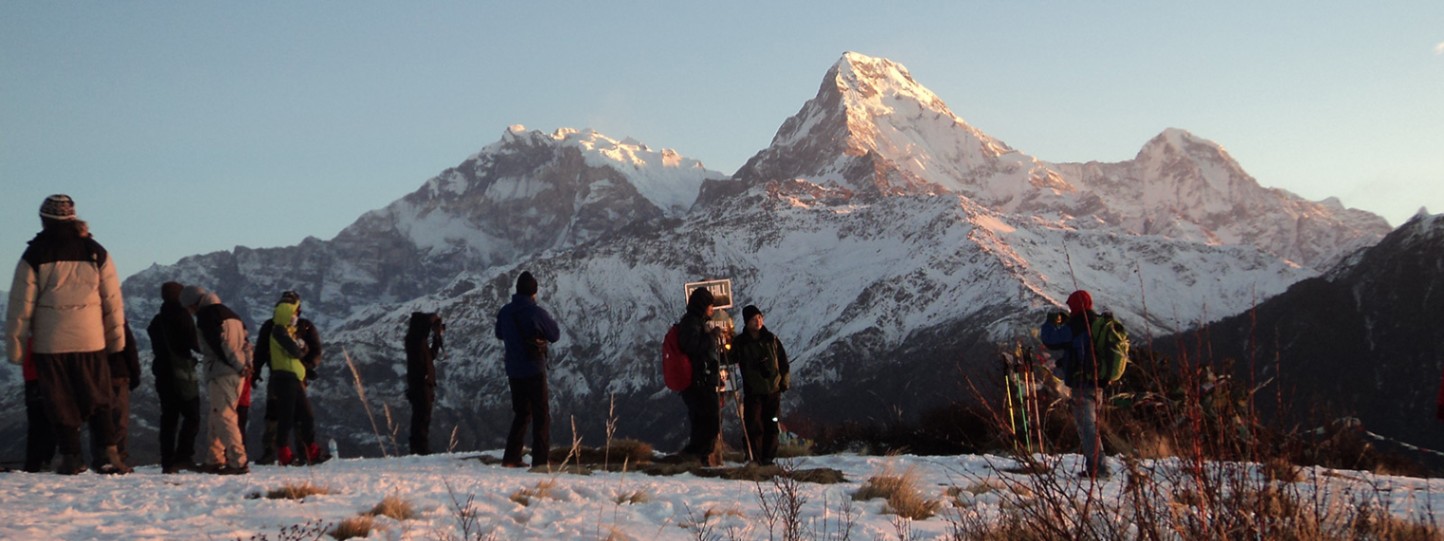
Trekking in Nepal attracts many travellers to Nepal. Not only can you trek in Nepal at a lower price than through package tours, but you can also save a considerable amount of money when you trek alone. You will also save a lot of money if you use the tea-house trekking option as you do not have to carry your own tent and you will receive meals and drinks as you go along your journey.
Trekking options exist within defined trekking routes that are affordable and provide examples of camping locations. These shorter background treks use much less time, and require fewer permits than a longer trek. So you may be able to complete your trek faster and more easily. For rental equipment, you may find it more affordable to rent instead of buying it, and possibly be able to receive bulk rental discounts.
Guides and porters are generally not needed along the majority of trekking routes located throughout Nepal; however, many trekkers utilize a local guide or porter when available. If you and your friends have decided to utilize the service of a guide or porter, you may be able to share the expense by pooling your resources. Trekking independently allows for you to travel at your pace, as well as giving you the ability to manage the costs associated with the trek and your personal trekking experiences.
Low-Cost Activities and Experiences
There are many low-cost options (or free) to travel throughout Nepal and experience its many cultures and communities. You can walk around and visit/explore major historical places (cities, temples), as well as local markets, and have a unique and interesting way to interact with and participate in the local culture without paying a large entry fee. Many of the important religious sites do require a minimal entry fee, but many of the sites do not have any entry fees whatsoever.
When you arrive in Kathmandu or Pokhara, you will have access to the vast mountain ranges surrounding those two cities, which you can hike through, or by using local transportation (in some cases). There are a variety of different hiking routes available, and for a lot of them, you won't need a guide; however, there are also plenty of local buses that can take you around to see places near to your starting point. When you arrive at any given hiking location. You will have a range of scenic views to enjoy, as well as forests and villages that you can access either by hiking to them or taking local buses to get there.
Festivals provide you with a number of opportunities to see the various colourful aspects of the cultures of Nepal and be a part of them, as long as you do so respectfully.
Museums and cultural institutions usually charge a nominal fee for admission, and provide additional information on the history and cultural heritage of Nepal. Therefore, there are so many opportunities to participate in a variety of cultural activities that demonstrate how the culture of Nepal defines its relationship with nature. While spending minimal money to see how significant these cultural activities are to the people of Nepal.
Saving Money on Travel Permits and Fees
When visiting Nepal, you will need to obtain certain permits depending on what activity you participate in. Such as trekking in national parks and conservation areas. Since these permits are quite pricey, it would be a good idea to find ways to reduce the amount of money you spend unnecessarily when obtaining them. Some options to reduce your permit cost include selecting treks where you need fewer permissions to do so; or combining your trek routes so that you will only require one permit.
The way you plan your trekking permit can help to reduce potential delays or unforeseen fines associated with obtaining them(such as those incurred when using an agency), this could also mean that you will pay less for your actual permit by obtaining it yourself instead of using a trekking agency.At certain times of the year, permit fees may be discounted if you are traveling during off-peak seasons. To prevent any additional costs from occurring before you leave for your trip, it is a good idea to know what trekking permit requirements are before you get to Nepal.
Bargaining for Souvenirs While Traveling
When it comes to purchasing a souvenir while in Nepal, one of the best ways to save is by "bargain shopping." You will discover an abundance of choices (i.e, clothing, prayer flags, and artisan goods) and very low prices while shopping in local markets as well as various store types throughout the country. Many people who travel to Nepal take advantage of this. Haggling is often expected when you buy things.
As opposed to buying souvenirs from touristy shops, you might save on those inflated prices when you purchase directly from local artisans or small shops, thus empowering that local community.
Before traveling, establish a budget for purchasing your souvenirs so that you have control over how much you're going to spend while bringing home something with meaning.
One of the keys to being able to travel on a budget while traveling in Nepal is to properly manage your money. While cash is still king in many parts of Nepal, you'll find that ATMs are available in urban areas; however, these will typically charge you a transaction fee. So it's always a good idea to take out larger amounts so you can minimize the amount you are being charged for these transactions.
Managing Money and Daily Expenses
Another important tool for keeping yourself on budget is to keep track of your daily expenses. Because of Nepal's lower cost of living, you'll have many ways to manage your expenditures between higher and lower-priced daily activities. A good example is staying in the same location for an extended period of time; you'll save money on the expense of travelling and in most cases, you'll be eligible to receive a discounted rate on accommodation.
Finally, by purchasing a locally-produced SIM card instead of a SIM card that has been purchased overseas, you'll also save on the cost of communication and navigation when travelling independently around Nepal.
Sample Daily Budget:
The average cost for travelling in Nepal on a limited budget will be about $20-$50 per day. This includes breakfast, lunch, and dinner; shared transport with other travellers; accommodation in a youth hostel or guest house; and admission fees for many tourist attractions. However, depending on your location and hiking method, you may pay a little more for a day of hiking than you would pay in the city over the same period of time due to the added expense of additional meals and trekking permits.
Given the numerous ways to customize the daily $20-$50 travel budget in Nepal, there are many opportunities for tourists to choose an amount of money that fits their everyday living style and budget, while at the same time being able to experience the best of what Nepal has to offer, as well as being able to travel freely without exceeding their budgets.
Conclusion
While being able to be flexible with your travel expenses in Nepal can help you create an enjoyable experience without draining your finances, travelers to Nepal can expect to see all that the majestic mountain ranges, the ethnic diversity of Nepalese society, and the warmth and hospitality of the Nepali people have to offer without spending a lot compared to many other destinations worldwide.
From budget accommodation and local food to affordable transport and free cultural experiences, Nepal rewards travelers who prioritize authenticity over luxury. Whether you stay for two weeks or two months, Nepal offers incredible value and deep, lasting memories without financial stress.
Travel slowly, eat locally, connect with people, and embrace simplicity. Nepal on a budget is not just possible, it is one of the most rewarding ways to experience this extraordinary country.