
Are Tea Houses Comfortable and Safe? What Trekkers Should Know
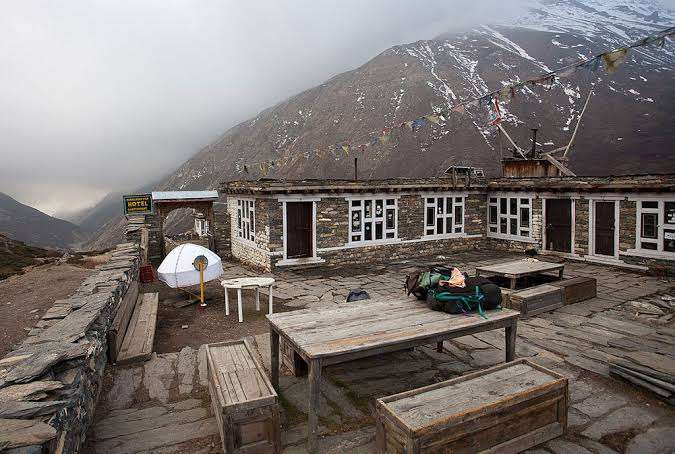
Tea houses across Nepal offer trekkers an opportunity to rest overnight in a safe, clean and comfortable location while they are trekking through the Himalayas. Mountain lodges provide trekkers with a place to warm up, have a good nutritious meal prepared for them and experience the hospitality of local people while they are trekking to isolated villages. Even though tea houses do not compare to five star hotels, they provide all the basic amenities for making your trekking journey comfortable and affordable.
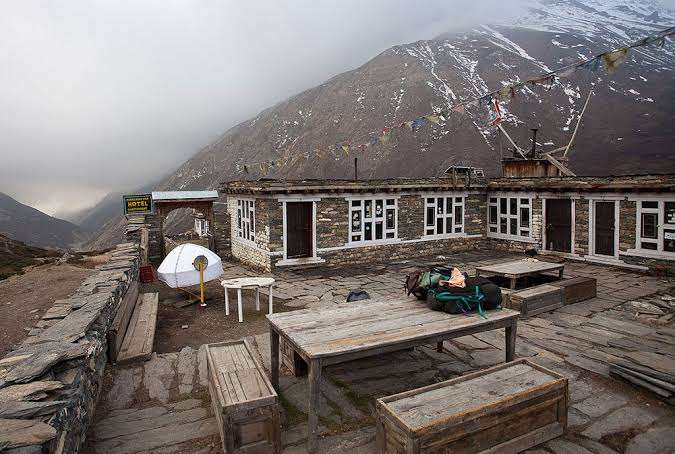
For thousands of trekkers visiting Nepal every year, tea houses provide an environment similar to their homes. While you are trekking from the Everest Base Camp to the Annapurna Circuit, from the Langtang Valley to Manaslu, if you are staying at tea houses, you will be able to travel light, meet with local people and enjoy the beauty of the mountains without having to carry camping gear. Most tea houses are owned and operated by families which creates an environment that can be considered hospitable and earns the tea houses a reputation of being clean and safe.
What Are Tea Houses?
Small tea house lodges dot the trekking routes of Nepal. Once primarily utilized as simple rest stops for travelers and merchants, they have developed into a large-scale network of accommodation supporting trekking tourism throughout Nepal. Today, both local (Nepali) and non-local (international) trekkers can find lodging, food, and some very basic facilities within tea houses.
Camping treks require a tent, cooking gear, and a group of support staff. The tea house trek allows you to sleep in a building every night, making this style of trekking more budget-friendly, more convenient, and more accessible to all age groups/levels of experience. In the heavily traveled regions of Nepal (Everest, Annapurna, and Langtang), tea houses are located about a day's walk apart, making it easy to plan each day's walking distance.
What is the comfort level like inside tea houses?
The level of comfort found in tea houses depends on the trekking area and elevation. At lower elevations in larger villages, most (if not all) tea houses provide fairly comfortable accommodations with private rooms and attached bathrooms, hot showers, internet service/charging stations, etc. Several tea houses provide upgraded rooms that are almost hotel-like in terms of amenities.
As trekkers climb higher into the mountains, accommodations become simpler due to the challenges of transporting supplies and maintaining infrastructure in remote areas. However, even basic tea houses generally provide clean rooms with twin beds, mattresses, pillows, blankets, and shared bathroom facilities. While the rooms may be modest, they are usually sufficient for a good night's rest after a long day on the trail.
One of the most enjoyable features of tea houses is the communal dining hall. During cold evenings, trekkers gather around a central stove, sharing stories and enjoying warm meals while surrounded by stunning mountain scenery. These social spaces often become highlights of the trekking experience.
Are Tea Houses Safe?
Tea houses are considered very safe for trekkers, including solo travelers. Most lodges are run by local families who depend on tourism for their livelihood and take pride in providing a welcoming environment. Nepal's trekking communities are known for their hospitality, and guest safety is taken seriously throughout the major trekking regions.
Security-related incidents are relatively rare on popular trekking routes. The villages along the trails are generally peaceful, and trekkers often develop friendly relationships with lodge owners and local residents. Female solo travelers also commonly report positive experiences while staying in tea houses across Nepal.
In reality, the biggest safety concerns during trekking are usually natural factors such as altitude sickness, changing weather conditions, and physical exhaustion rather than crime or security threats. Proper preparation, responsible trekking practices, and following local advice significantly reduce these risks.
Food and Hygiene Standards
Tea houses serve a variety of freshly prepared meals designed to provide energy for trekking. The most popular meal is Dal Bhat, Nepal's traditional combination of rice, lentil soup, vegetables, and pickles. Many tea houses also offer noodles, fried rice, pasta, soups, potatoes, pancakes, eggs, tea, and coffee.
Hygiene standards are generally good, especially on well-established trekking routes. Meals are cooked fresh to order, reducing the risk of food contamination. However, as with travel anywhere in the world, trekkers should take sensible precautions. Drinking treated or filtered water, choosing freshly cooked meals, and maintaining personal hygiene can help prevent stomach problems during the trek.
At higher elevations, transporting supplies becomes more difficult and expensive, which may limit menu options. Nevertheless, most tea houses continue to provide nutritious meals that meet the needs of trekkers.
Facilities You Can Expect
The facilities available at tea houses vary according to location and altitude, but most offer the essentials needed for a comfortable stay.
Common facilities include:
- Clean twin-sharing rooms
- Mattresses, pillows, and blankets
- Freshly prepared meals
- Shared dining areas
- Heating in dining halls
- Charging facilities (often with an additional fee)
- Wi-Fi access on many popular routes
- Hot showers in lower and mid-altitude villages
- Basic laundry services in some locations
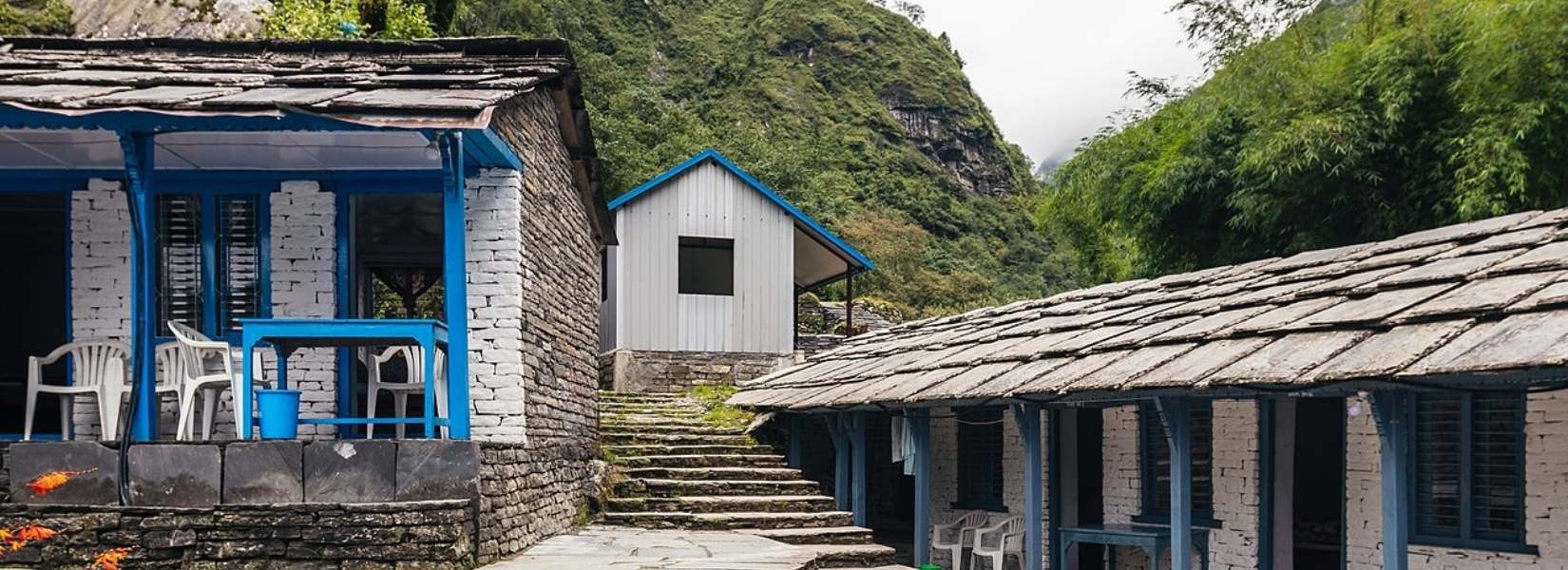
As altitude increases, facilities become more limited and expensive. Electricity may be generated through solar power, internet connections may be slower, and hot showers may not always be available. Understanding these limitations helps trekkers maintain realistic expectations while enjoying the remote mountain environment.
The Unique Social Experience of Tea Houses
One aspect that makes tea house trekking special is the opportunity to connect with people from around the world. Each evening, trekkers gather in dining halls to share stories, discuss trail conditions, and exchange travel experiences.
Tea houses also provide a valuable cultural experience. Staying with local families allows visitors to learn about mountain lifestyles, traditions, and customs that have been preserved for generations. This personal interaction is something many trekkers remember long after their journey ends.
Tips for a Comfortable Stay in Tea Houses
A few simple preparations can greatly improve your comfort during a tea house trek:
- Carry a quality sleeping bag for extra warmth at higher elevations.
- Bring a power bank since charging may cost extra.
- Pack toiletries, wet wipes, and toilet paper.
- Keep cash available because card payments are rarely accepted.
- Book accommodation in advance during peak trekking seasons.
- Stay hydrated and acclimatize properly.
- Respect local customs and lodge rules.
- Bring earplugs if you are sensitive to noise in shared lodge environments.
These small steps can make your stay more enjoyable and help you adapt to mountain conditions.
Why Trekkers Love Tea Houses
Tea houses are much more than simple accommodation. They provide shelter, food, companionship, and an authentic connection to Nepal's mountain culture. The warmth of a dining hall after a cold day of trekking, the kindness of local hosts, and the opportunity to meet fellow adventurers create memories that often become the most cherished part of a Himalayan journey.
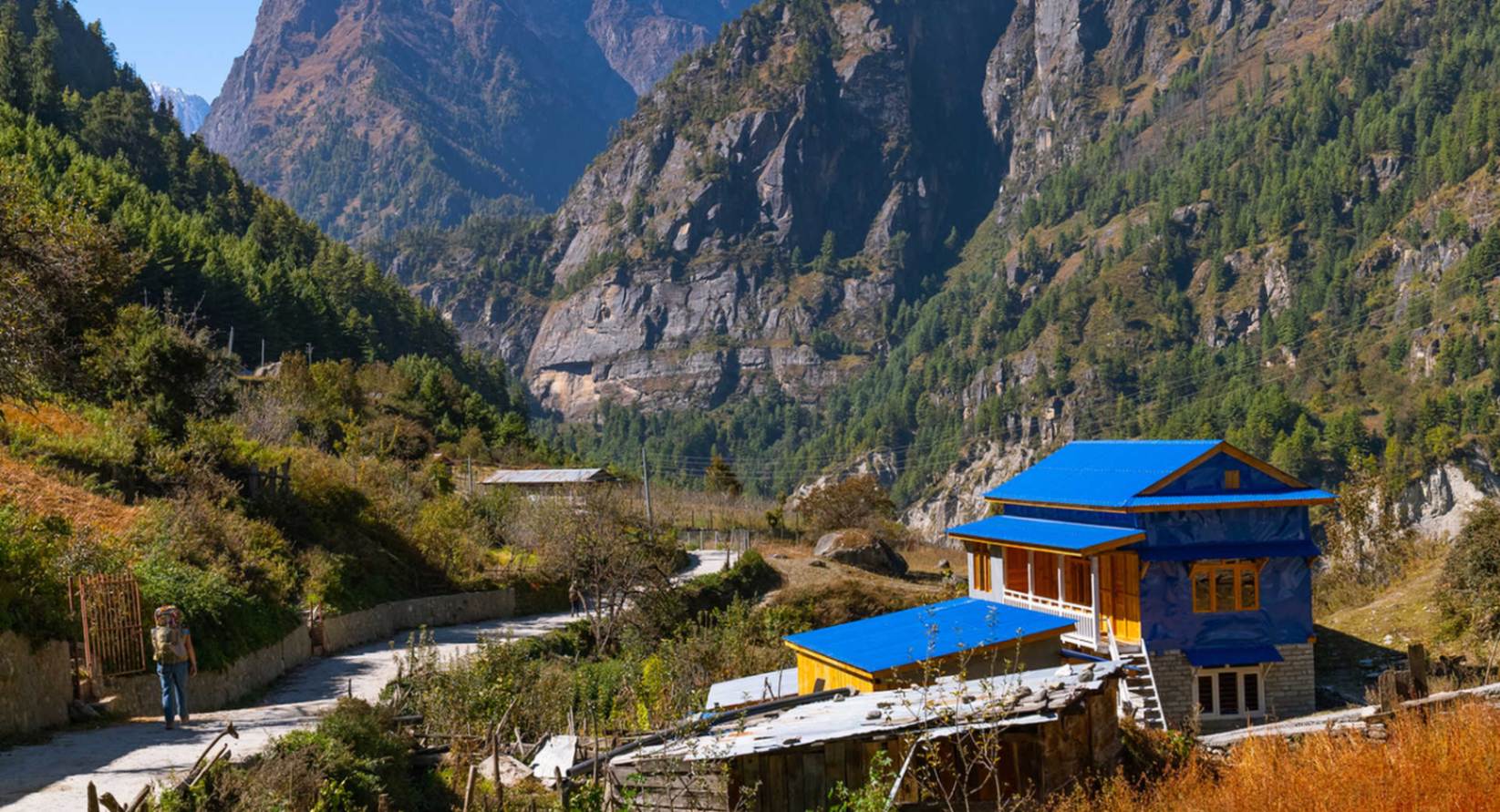
For many travelers, tea houses represent the perfect balance between adventure and comfort. They allow trekkers to explore some of the world's most spectacular mountain landscapes without sacrificing basic necessities.
Final Thoughts
Tea houses are one of the greatest strengths of Nepal's trekking industry. They offer safe, affordable, and reasonably comfortable accommodation throughout the country's most famous trekking regions. While facilities become more basic at higher elevations, tea houses provide everything most trekkers need, including a warm bed, nourishing meals, and genuine mountain hospitality.
Whether you are a first-time trekker or an experienced Himalayan adventurer, staying in tea houses is an unforgettable part of the Nepal trekking experience. Their combination of comfort, safety, cultural interaction, and breathtaking surroundings helps make trekking in Nepal one of the world's most rewarding travel adventures.