
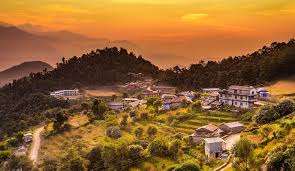
Traditional Nepalese Villages

Traditional Nepali villages are found right at the heart of the mighty Himalayas. These villages, often perched on terraced hillsides or hidden in remote valleys, present a peaceful and authentic way of life that has remained largely unchanged for centuries. Everything that is peculiar in these villages, starting from architecture and agriculture to the traditions and everyday life of the Nepalese countryside, is present in this paper. The Lure of Traditional
Nepalese Architecture
Perhaps the most captivating thing concerning the traditional villages of Nepal is the architecture. The houses in the village, built from local materials such as stone, wood, and clay, are well-suited for the harsh conditions of the Himalayas. Traditionally, buildings are one-story high, with thick walls to modulate temperature and protect them from cold mountain air. Roofs slated or of metal are designed to shed snow during winter months and provide shelter from the monsoon rains.

Village Architecture
Most of the villages were known for typical and intricately carved wood window frames and other wooden doors, speaking loudly of the rich artistic heritage; these are much-needed resources used primarily not only for the aesthetic appeal that they provide in the dim, cold environment of these high ranges but also very effectively for regulating ventilation and sash lighting.

AGRICULTURAL/Farming: The major backbone of life in villages
Agriculture is traditional in the life of villages in Nepal. Traditional Nepalese villages are agrarian, basically, and a large part of the villagers depend directly or indirectly on it for their livelihood. The terracing of hillside fields testifies to the ingenuity of villagers who developed a system that cultivated impossible mountainous land effectively.
Crops grown in these villages vary from rice and maize in the lower regions to barley, potato, and other hardy crops in higher-altitude villages. Livestock such as goats, cows, and chickens are also an integral part of village life, providing food and adding to the income with the sale of milk, eggs, and wool.
Traditional Crafts and Artisan Skills
People in the traditional villages of Nepal are associated with craftsmanship in items ranging from intricate textiles and wood carving to pottery. Indeed, such skills are passed down to successive generations. Moreover, being able to produce everyday items from natural raw materials is not only a matter of survival but an identity tag of the attachment of villagers to the land and the culture.
Most villages continue to produce woolen blankets handwoven, wooden utensils hand-carved, among others, and are sold in local markets. These are highly valued for the skill and the artistry these items had embedded in them, and have barely gone into a change in processes with the entry of modern technologies.

Life in the Villages: Communitarianism
Probably the most salient characteristic of many of the villages in Nepal is the very tight-knit communal sense of the people. People jointly farm, build homes, and celebrate festivals with joint responsibilities and shared resources. It is the way one would order his or her life, with neighbors looking after the welfare of one another.
Village Festivals: Village festivals, which often occur during seasonal changes, harvest times, and many significant religious dates, include music, dancing, and feasting. These events help unite villagers in honoring their ancestors and other relatives.
Sustainable Living
Living in a village that is quintessentially Nepalese means great respect for the environment and living sustainably. Without modern comforts, villagers have no other choice but to rely on renewable resources and traditional means to survive. Solar power, windmills, and other ecological technologies are being embraced in village life, which enables the residents to lessen their reliance on fossil fuels.
Another very important means is water, and for it, many villages have devised ingenious ways of managing and conserving it. Ancient systems of rainwater harvesting, supplemented by natural springs and streams, irrigate crops and supply drinking water. These methods ensure village life is maintained in continuity with the conservation of the surrounding environment.
Top 5 Villages to Visit in Nepal
1. Ghandruk Village, Gandaki Region
Ghandruk is one of the beautiful Gurung villages in the Annapurna region. This village offers a great view of the peaks of Annapurna and Machapuchare. Ghandruk Village is marked with traditional stone houses, rich culture, and vibrant festivals. Visitors get a glimpse of the real mountain life while trekking through lush forests and terraced fields. Truly, the village of Ghandruk is accessible with a combination of nature, culture, and hospitality. It forms one major stop for trekkers on the Annapurna Circuit. Its peaceful environment and warm hospitality mark it as a point of priority to be visited in Nepal.

2. Bandipur Village (Tanahun District)
Bandipur is a hilltop village that still retains its traditional charm amongst its famous historic significance and scenic views. It presents panoramic views of the Himalayas, which include the Langtang and Ganesh Himal ranges. Everything is combined with several charms in this place: from cobblestone streets and ancient temples to Newar architecture. Fundamentally, Bandipur represents a quiet atmosphere, full of the local culture of the traditional way of life, village festivals glimpsing into the Nepalese village way of life. This location offers great access to local hiking trails and natural beauty.

3. Dhampus Village (Kaski District)
Dhampus is a beautiful Gurung village on the way to the Annapurna region, offering brilliant views of the mountain range. Moreover, it features terrace fields ideal for trekking and is culturally very important. It's a pretty little hamlet with traditional wood houses offering their idyllic touch for a quiet retreat among local hospitality. Rich in cultural heritage, so once here, get ready to indulge in local music, dancing, and local food. A peaceful environment and proximity to Pokhara provide all the reasons required for a quick getaway. It is also a photographer's paradise and a nature lover's dream.
4. Ilam Village (Eastern Nepal)
Ilam is a major constituent of eastern Nepal, comprising tea gardens, rolling hills, and lush landscapes.
The village is a perfect blend of nature and agriculture. The vast expanses of the tea plantations are one of the areas to be toured and rural farming lifestyles can be experienced here. Due to its cool climate and natural beauty, this place invites all nature lovers to this small town. For the area, the ethnic groups coming from all over make Ilam's place culturally diverse. Nature lovers can take a stroll through the serene environment of the Kanyam tea garden and go for a ramble around the Ilam bazaar. It is a quiet destination amidst scenic beauty and rich culture.

5. Rara Village (Mugu District)
Rara Village is a backward village that lies near Rara Lake in the northwestern part of Nepal.
It is situated at an altitude of 2,980 meters above sea level in the Himalayas and presents a pictorial view of snow-capped peaks and the largest lake in Nepal. It lies under Rara National Park, which is rich in wildlife and flora. The lake portrays the lives of the local people, including the culture of indigenous peoples. Rara Village is a haven for trekkers in pursuit of nature amidst serene silence. This place is even considered a utopian destination or one of the most secret treasures of Nepal because of its mild climate and its display of intact landscapes.

Conclusion
Visiting a Nepali village represents one of those few chances the individual gets actually to see from real life how people have lived with nature and land in harmony over centuries. It's a peephole through which one could get a glimpse into the heart of Nepal- from scenery and architecture to community bonding and a sustainable livelihood system.
A tour through a Nepalese village would therefore be a very worthy and interesting trip deep into the Himalayas for any travelers who like a more rustic and offbeat holiday. If you are planning to visit.