

Top 7 Must-Try Foods in Nepal
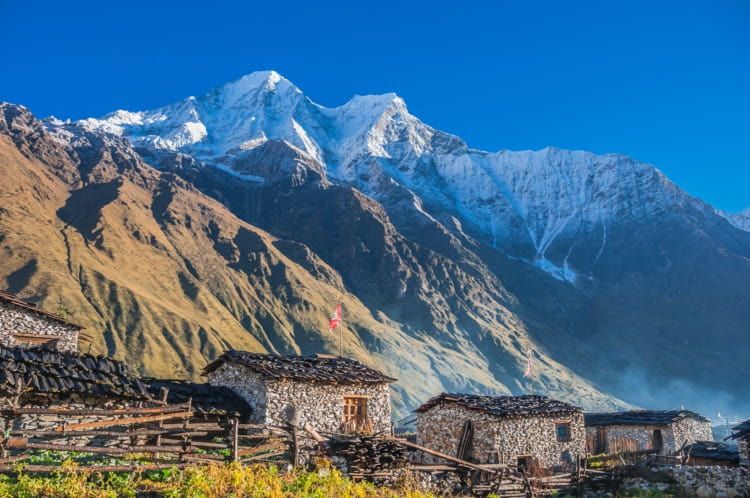
Nepal has many things going for it, but probably the most well known is the Himalayan Mountains and trekking. However, there is also the rich and diverse culinary culture of Nepal. The food in Nepal has been shaped by indigenous peoples living in the region, the Himalayas and Tibetan culture as well as Indian culture and extends to all parts of society today.
You will find everything from traditional meals to street food, representing the culture, geography and history of the country by providing a taste of all of these places. For anyone who is travelling to Nepal or is interested to learn more about Nepali culinary culture, we have put together a list of some must try foods that highlight their authentic flavours and represent their unique cultures from around the world.
1. Dal Bhat ( National Dish of Nepal)
Dal Bhat is the most recognizable food of Nepal, the most common dish and can be seen being served to Nepalese people every day. In the trekking community "Dal Bhat Power - 24 Hours" is a well-known phrase as this dish will provide energy during trekking time.
Dal Bhat consists of Steamed Rice (Bhat) lentil soup (Dal) along with some other accompaniments such as curry, spinach, pickles (Achar), salad, and typically meat. Dal Bhat is a very balanced meal and full of nutrients providing Carbohydrates, Protein and Vitamins.
Dal Bhat is one of those foods that draws in trekkers from around the world because it is typically served with unlimited refills (for no additional charges) in many restaurants and tea houses, especially along trekking routes. Due to this factor alone, Dal Bhat has become a favorite meal among trekkers who hike in the Himalayas.
Aside from its nutritional benefits, Dal Bhat also reflects the spirit of Nepal's hospitality and everyday lives. Each day, families all over Nepal dine on this meal on average two times once during late morning/early afternoon and once during the evening hours.

2. Momos
They are popularly known as Nepal's Number 1 food and have become a national craze. These dumplings were originally created in Tibetan cuisine; however, due to cultural influences, they have since evolved into what we now refer to as traditional Nepali Momos.
Momos are created from dough that is rolled thin and filled with a variety of filling options such as minced buffalo, chicken, and/or pork and/or mixed vegetables. Momos may be served steamed; fried; or as chilis. The signature flavor of Nepali Momos can be attributed to the use of spicy tomato-based dipping sauces referred to as Achar.
In large cities such as Kathmandu and Pokhara, there is an abundance of Momos available from vendors and restaurants. Each vendor and/or restaurant will prepare their own version of Momos. In this way, Momos can be found almost everywhere in Kathmandu and Pokhara, regardless of your walking route.
Finally, due to popular demand, creative varieties of momos such as Jhol momo (mom's in soup), chili momo, cheese momo, and tandoori momo continue to gain popularity with locals and travelers alike.

3. Newari Khaja Set (Traditional Feast of the Valley)
The Khaja Set refers to a traditional platter full of food that has been created by the Newar People (a native ethnic group of Nepal) living in and around the Kathmandu Valley (Kathmandu Valley has long been considered one of the most diverse culinary districts in the world). It is expected that many people have not experienced what these dishes taste like since this type of cuisine has become quite popular in recent years, but will most likely be amazed at how unique they are compared to other items being offered on the menu. Each Leg of the Khaja set typically (but not exclusively) contains exclusive recipes made by where the food products are being created.
A large portion of a khaja set is made up of beaten rice that is served with several different types of meats and vegetables known as choila, bara, aloo achar, boiled egg, pickles, and soybeans. Because there are so many different types of food served in each Khaja set, the overall flavor of the meal has a balanced amount of heat, sourness, and salt.
Newar Cuisine is characterized by the generous use of garlic, ginger, mustards oil, and spices. Newar Cuisine is typically consumed at the time of a religious festival, birthdays, and all types of celebrations.
One of the best places to find authentic Newari Food is at the numerous Traditional Restaurants in both Bhaktapur and Patan.
4. Thukpa (comfort from the Himalayas)
Thukpa is a hearty noodle soup commonly found in areas of Nepal located within the Himalayan Regions. It is a traditional dish made in Tibet that is consumed by both the residents of the mountain region and individuals who are trekking through the mountains.
Thukpa consists of homemade noodles, mixed vegetables, herbs, and either meat or fish boiled in a thick broth. It is one of the best kinds of food to eat on cold days or while trekking at a high elevation.
Teahouses located throughout the Everest and Annapurna trekking regions provide hot thukpa (soup noodles) as a meal after long (physical) trekking days. The hot broth in thukpa helps to replenish your lost energy and keep you warm when it’s cold outside. In addition, thukpa has gained great popularity in urban areas of Nepal during the winter months.

5. Sel Roti (Homemade Snack - Festivals)
Sel roti is a traditional homemade Nepali snack consisting of a round doughnut-shaped piece of rice flour (not wheat), ghee, and sugar, then deep-fried in either ghee or vegetable oil/deep-fried until they are crispy on the outside but still moist, soft, and mildly sweet inside with yogurt, tea or vegetable curry.
Sel roti is most often associated with two of Nepal's biggest festivals (Dasain and Tihar), whereby people will prepare enough for all their friends and family to enjoy at the same time. Travellers visiting Nepal during any of these festivals will surely get a taste of Nepal's hospitality by having fresh sel roti offered to them.

6. Chatamari-The Nepali Rice Pizza
Traditionally Newari food is known for its variety, so there is also another version of pizza called “Nepali pizza.” It is usually made using rice flour batter, which is baked until it gets crispy top and bottom. The ingredients used to make this dish are usually meat, egg, onion and spices but no cheese.
A lot of people do enjoy eating Nepali pizza. However, it is not as heavy as a traditional pizza.
7. Yomari
In addition, Yomari (a sweet dumpling) is a Newari dish. The dough is made from rice flour and shaped like a fish or fig. The filling is made by mixing chaku (molasses) with sesame seeds and will be eaten during the celebration of Yomari Punhi festival.
Beyond being a delicious dessert, yomari symbolizes prosperity and good fortune. The sweet filling and unique shape make it one of the most distinctive desserts in Nepal. Not only is Yomari a delicious food item, it also represents the good luck and abundance associated with this type of food! With its sweet taste and distinctive shape, Yomari is such a unique dessert!
If you enjoy traditional desserts, then enjoy Yomari while in Kathmandu Valley. I highly recommend it for every visitor.

Conclusion
Another way to appreciate how the various cultures of Nepal have influenced its cuisine, is to sample the variety of Nepali food available throughout the country. The geography and culture of the country have played a role in shaping its food combinations. Every food item: from Dal Bhat (the most common daily food eaten in Nepal) to Yomari (a traditional festival food), reflect not only the foods that are particular to the Nepali people but also serve to reinforce how they live and what values they hold.
To learn more about what is considered to be part of the identity of Nepal, then the best way to do so is to enjoy the food of Nepal. From steaming hot momos prepared in the Kathmandu Valley; traditional Newari cuisine made in Bakhtapur; or filling your stomach with thukpa during your trek in the Himalayas, all of the dishes will add to your enjoyment of Nepal.
When you go to Nepal, make sure to include these dishes as part of your food journey through Nepal; you won't be disappointed!