
Travel Logistics in Nepal: Aviation Safety vs. Overland Routes
Traveling to Nepal goes beyond just getting from A to B; your trip involves negotiating with weather, ground conditions, road quality, and often time itself! Whether you travel by plane or by road isn’t always just about convenience but also involves understanding the trade-offs between each option. These will shape your experience of Nepal.
This blog is aimed at providing you with as much information as possible about what happens when travelling to and within Nepal.
Nepal’s Travel Logistics Are Very Complex
At first glance, Nepal looks very small. However, both the distance between Kathmandu and Pokhara and the other remote parts of the Himalayas will be affected by three major realities:
1) Nepal Is Extremely Geographically Diverse
From the flat lowlands of the Terai to the highest mountains in the world, Nepal has a very steep elevation profile with no flat land available for ground-based infrastructure (both the number of roads and airports).
2) Weather Is Unpredictable
Weather conditions in the mountains of Nepal can change very quickly; for example, clear blue skies can turn dark and stormy within hours. These weather changes will affect travel plans for both flying and driving.
3) Growing a System of Transportation Infrastructure
The Transportation infrastructure of Nepal continues to grow and expand with continued improvement over the years. Current road expansion activity, construction projects, and technology limitations on aviation systems all impact travel reliability.
Understanding how aviation will perform domestically in Nepal in reality
Air travel in Nepal is not analogous to air travel between larger international airports; rather, Nepal’s internal aviation system is designed to operate within a very challenging environment. Nepal operates its internal air transport system under visual flight rules (VFRs), which is very different from having an air traffic control system that uses advanced radar.
Specifically,
- Pilots need to see out of their cockpit to fly an aircraft.
- Aircraft only fly during the daylight hours.
- Weather has a major influence on pilots’ decisions to operate an aircraft.
All of the airline operators serving the domestic market in Nepal (Buddha Air, Yeti Airlines, and Shree Airlines) operate short-haul aircraft that are specifically built for the operating environment found in Nepal.
Terrain and Airport Challenges
The majority of airports in Nepal have an engineering compromise; they are more than just transport hubs for travel.
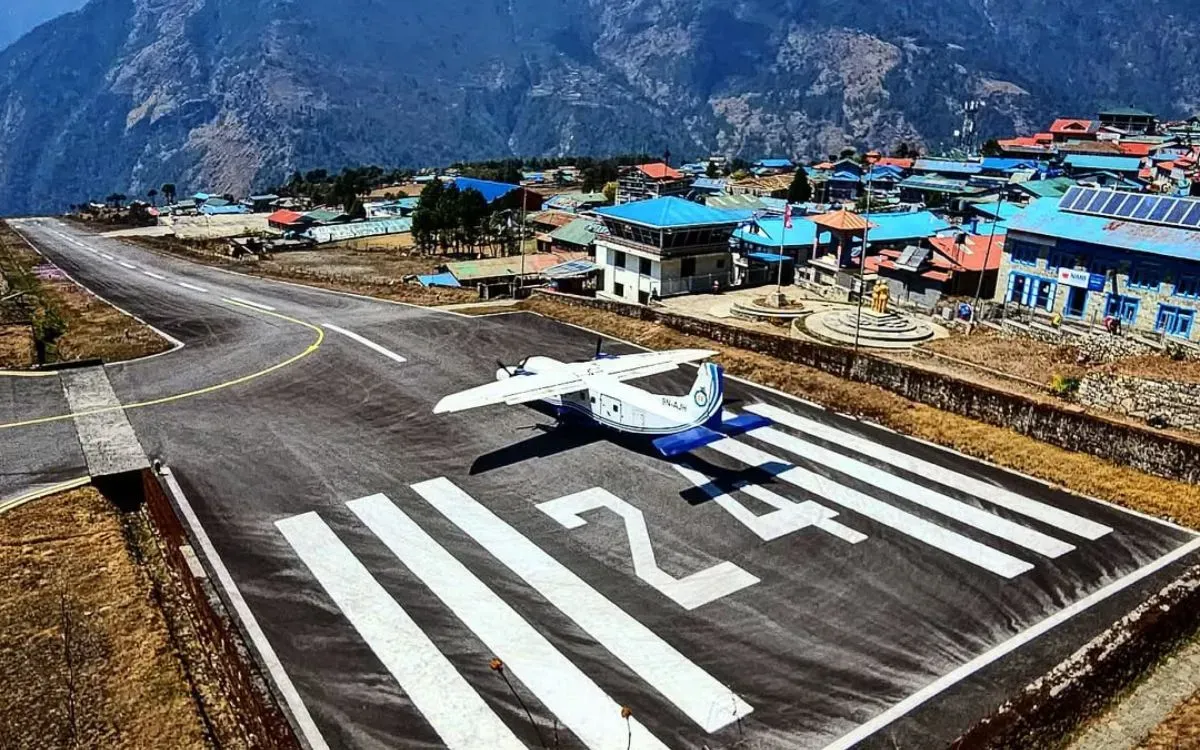
The Tenzing-Hillary Airport is a good example with a short runway at only about 527 meters, counted as 'one of the most dangerous airports in the world'; a slope; and surrounded by mountains with no place to go if you have to make a go-around.
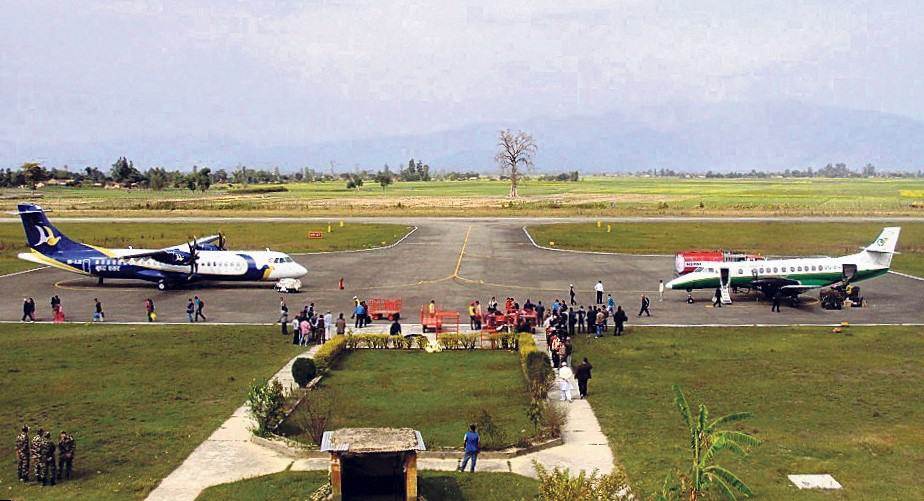
Many airports that may be considered easier to fly into, such as the recently opened Pokhara International Airport, will also have to deal with rapid weather changes due to the numerous hills surrounding them.
For this reason, pilots in Nepal undergo extensive training on how to fly in the mountains. Since there are so many more mountains in Nepal compared to the majority of the world, most pilots in Nepal have more experience, in terms of manual flying, than pilots from other parts of the world that do not have as many mountains.
Nepal’s aviation industry has had its share of accidents in the past; however, such accidents have formed a global perception of Nepal’s aviation industry, which lacks context.
The reality is that, on average, there are many delays or cancellations that occur before the risks to the safety of passengers increase to an unacceptable level.
All airlines that fly into Nepal adhere to established minimum weather standards, prioritize safety over a flight schedule, and practice good self-discipline by being able to decide not to fly under certain conditions. This means when a flight is canceled, it is not seen as a weakness, but as an example of caution.
Although flying provides an easy way of getting from Point A to Point B, many hidden difficulties can occur when you’re traveling by airplane. Here are just a few of them:
1. Delays are common
Flights to places such as Lukla or Jomsom can be delayed for countless hours and sometimes even days.
2. Cancellations can happen with no warning
Weather conditions can change drastically from one moment to the next, particularly during monsoon and winter.
3. Flights can be oversold
During busy trekking periods, flights may be moved or people will be bumped from their seats altogether.
4. Weight restrictions are not flexible
Because small planes are generally used to service these areas, the amount of luggage each person can carry is limited. So trekkers may want to consider shipping most of their gear ahead of time.
Aviation Is Necessary In A Variety Of Circumstances
Unfortunately, there are several instances where flying is the only option:
- The Everest Base Camp trek involves multiple treks.
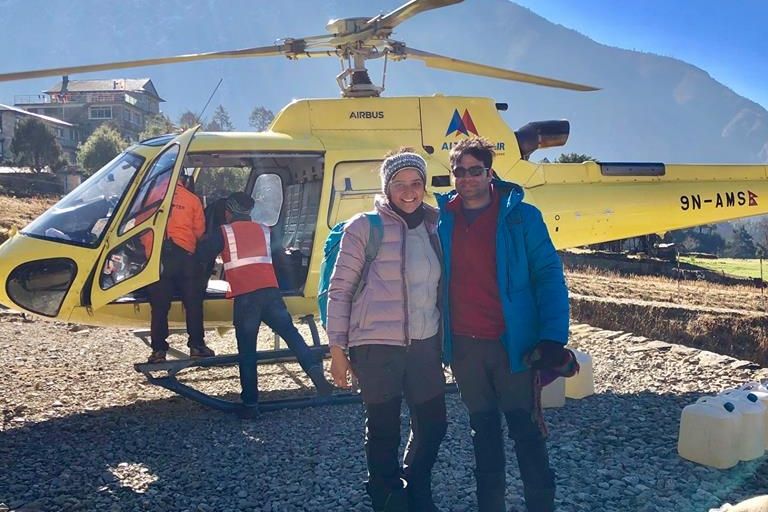
- Certain areas associated with Everest trekking are only accessible via flight.
- Travellers who have limited time must travel by air if they wish to reach their destination within a reasonable period.
Without an airplane, getting to all of these locations could take weeks (or more) longer than if you were able to take advantage of our current system of air transportation.
Overland Travel in Nepal
What it's Really Like to Travel by Road in Nepal
Traveling by road in Nepal is not only about distance rather,it is about endurance.
A road trip from Kathmandu to Pokhara can involve:
- Constantly winding roads and curved roads
- Lots of stops due to traffic or construction
- Continuously varying road quality
- Even well-known highways like the Prithvi Highway can be very unpredictable at times.
Types of Transportation Available for Road Travel (and Their Differences)
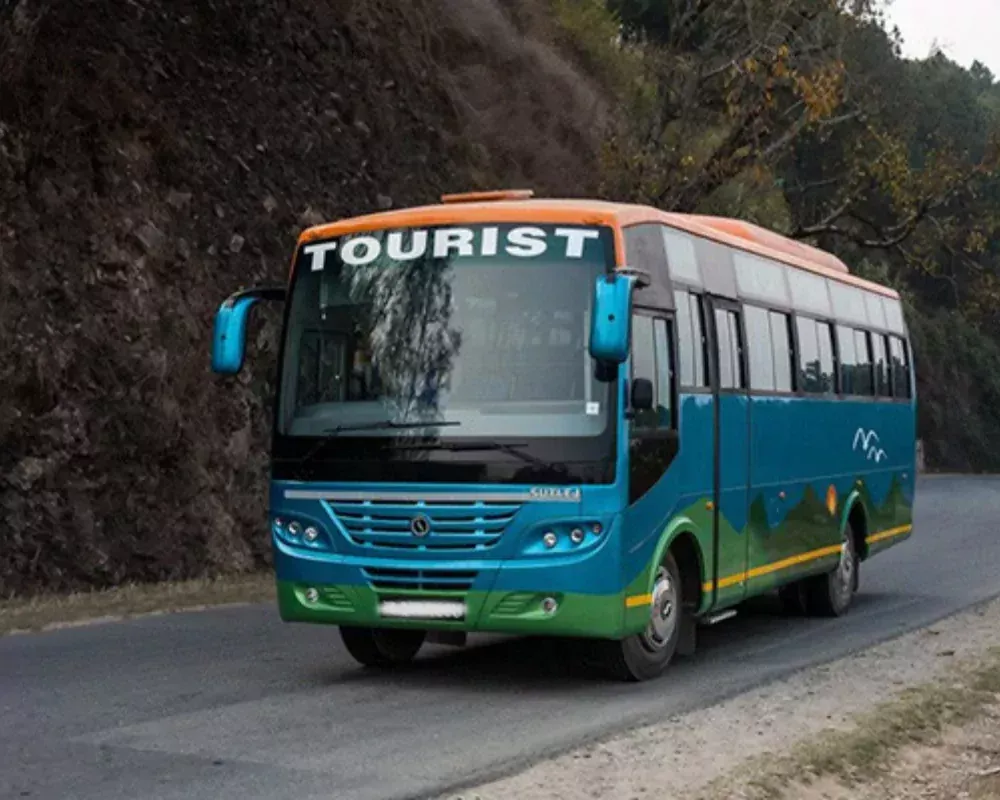
Tourist Buses
These are the most popular form of transportation for travelers:
- Fixed route and schedule
- Air conditioning (sometimes)
- Safer driving standards than other forms of transport
- Local Buses
Are the cheapest way to travel but:
- Often overcrowded
- Very frequent stops
- Less comfortable than other forms of transport
- Private vehicles (or jeeps)
Provide the most flexibility to choose your own route or schedule but:
- Cost more money to hire or rent
- Are dependent on the skill level of the driver and road conditions
How Road Travel is Affected by Seasonal Conditions
Monsoons (June to September)
Heavy rains cause landslides and blockages of roads. Many times delays of several hours or more can occur because of landslides.
Winters (December to February)
Heavy fog in the plains and snow makes driving conditions very dangerous.
Spring and fall (the best times of year to travel by road) Have fairly stable driving conditions during the day.
However, traffic could still cause delays.
The Psychological Side of Road Travel
This often goes unrecognized long durations of travelling through curves and hills and valleys on winding roads can create challenges like:
- Motion Sickness
- Fatigue
- Mental Exhaustion
Many travellers will find that these challenges are more difficult than the actual physical travel itself.
Air vs Land: The Reality Based Comparison
1. Time Efficiency
Traveling by airplane is extremely faster than travelling by automobile. For example, a 25 minute flight is much quicker than an 8 hour drive. However, sometimes delays associated with flying can take away and exceed the time benefit.
2. Reliability
Airlines are affected by weather conditions. Roadways are affected by the condition of the roads.Neither are completely reliable, just in different ways.
3. Cost vs Value
Air travel is expensive, but will save time. Land travel is inexpensive, but will take time.
Ultimately, what is your time worth plays a huge role.
4. Safety in Practical Terms
Air travel is lower frequency (incidents), but higher impact. Land travel has higher frequency (incidents) but lower visibility (incidents)
Statistically, land travel is safer (lower risk) than air travel.
Practical Tips Most Guides Don’t Tell You
If your trip includes a flight, plan on having 1 to 2 buffer days.
- Schedule early morning flights to increase your chances of good weather.
- If flying west to mountainous areas sit in the left-hand seats.
- If traveling by road, plan to take medicine for motion sickness.
- Plan your flights for the day before you trek to avoid tight connections.
- Be mentally prepared for delays during the monsoon season regardless of how you are getting there.
Understand That When Traveling in Nepal It Is About Flexibility, Not Perfection.
The biggest mistake that people traveling to Nepal make is that they think they will have everything planned and everything will go according to plan. Traveling in Nepal is constantly changing and therefore it is dynamic; the weather is always changing, the roads can close, and the flights will be late. That is all part of what makes the trip meaningful; the unpredictability of your travels and how you handle them.
Choosing to travel by air or overland transportation is not about which is better than the other but rather knowing what you're getting into.
If you remain flexible, plan smart, and understand the truth of the situation, both air travel and ground travel can be great memories of your time in Nepal versus something that interferes with your trip.
FAQ
Are mountain flights more dangerous than city flights?
Yes, they are more technically complex due to altitude and weather, but the pilots that operate the flights are highly trained and work under strict regulations.
Why are flights in Nepal often canceled?
The main reason flights get canceled in Nepal is because of bad weather. In order for a flight to be conducted safely in the mountains, there has to be good visibility.
Is night travel by road safe?
Traveling at night by road is also not encouraged because there is decreased visibility and an increased chance of an accident occurring.
What is the safest way to travel in Nepal?
There really isn't a single way to travel safely in Nepal, but the number of ways that work best is by using reliable transportation companies, traveling during the day & being flexible with your plans.
Should I avoid flying in Nepal altogether?
No, flying is not really an option that you should avoid completely. Flying is needed to reach parts of Nepal that are remote from an airport on the ground, as well as being practical in terms of getting from one place in Nepal to another as long as you take time to plan accordingly.