
How to Plan a Meaningful Trip to Nepal During Buddha Jayanti
Planning your trip to Nepal during Buddha Jayanti (Buddha's Birthday celebrations). This will not only provide locations to visit but also create an environment that you can derive peace from, create a medium for reflection, and connect with the depth of culture associated with this celebration. This sacred celebration of Buddha Jayanti (the birth, enlightenment, and passing of Lord Buddha) will cause the atmosphere in the country and especially in all the Buddhist sites to be calmer and more spiritually vibrant.
When you plan your journey with the intention to have it be an experience that is filled with deeper meaning rather than being an ordinary vacation, the possibilities for you to create a journey that connects you to the Buddha is boundless.
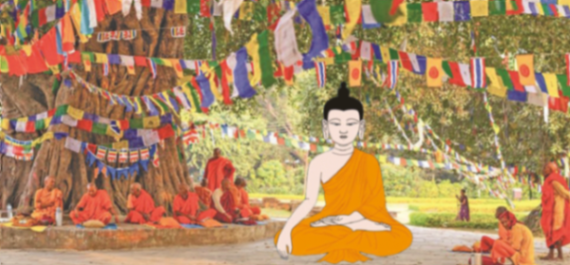
Choose Destinations of a Spiritual Nature
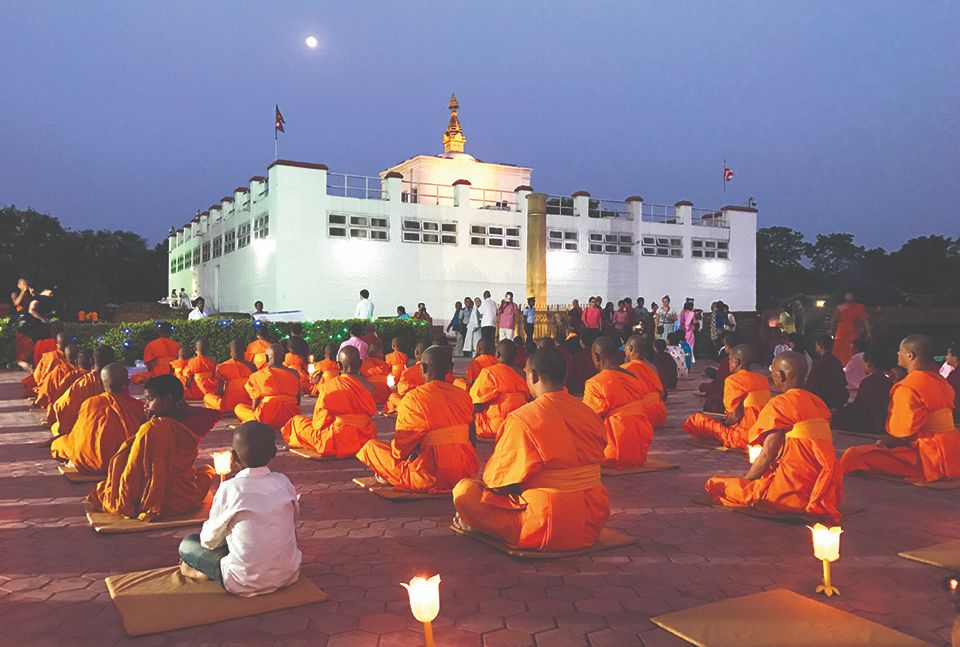
Your first step is to select the spiritual locations that allow you to get an understanding of the Buddhist culture that Buddha Jayanti represents. The most important destination is Lumbini (the birthplace of the Buddha and a UNESCO World Heritage Site). During this time, Lumbini will become a spiritual centre for global monks, pilgrims, and travellers to come together for prayers, chanting, and peaceful ceremonies. Walking through the Sacred Garden and the Maya Devi Temple will provide a serene connection you will have that goes beyond sightseeing.
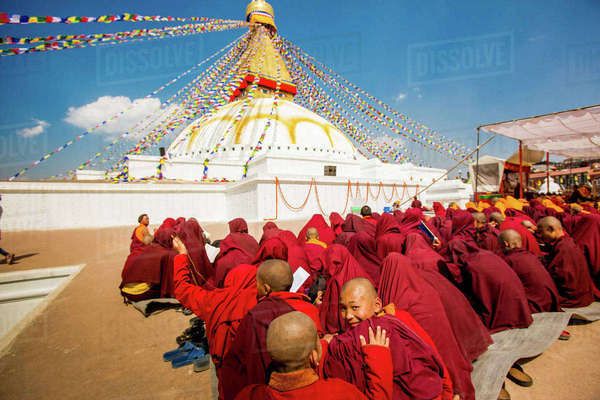
In Kathmandu Valley, it is essential you visit the Swayambhunath Stupa and the Boudhanath Stupa for their cultural importance. As you observe the many devotees lighting butter lamps, spinning prayer wheels, and creating meditative circles around the stupas, you will feel both the peacefulness and the power of the environment that will allow you to slow down and be present.
Plan Your Travel Timing and Stay
Buddha Jayanti usually falls in April or May. The weather is warm and sunny at that time, so it's an excellent opportunity to enjoy yourself and culturally experience the region. The festival attracts many visitors from both within Nepal as well as abroad, so it's advisable to make accommodationarrangements soon, particularly if you plan to stay close to Lumbini or other prominent sites in Kathmandu (many of which are stupas).
When you're closer to your place of worship, you can take in the early morning chanting and evening ceremonies without having to worry about getting there. Those quiet hours may prove to be the most important of your journey.
Experience Over Itinerary
A fulfilling vacation is defined by your level of enjoyment at each of your destinations as opposed to the number of locations you see; therefore, instead of racing through as many sites as you can, spend some time resting and unwinding in one location such as a monastery or waiting to observe a ceremonial activity being performed. Walking around a stupa with the local people can be a source of inspiration and a way to meditate.
Buddha Jayanti is celebrated with numerous monasteries providing meditation sessions/teachings to help you to connect to the Buddha's teachings and create a personalized experience on your spiritual path.
Respecting Local Culture and Spirituality
When reflecting on the value of your journey and during your travels, there are two important points to remember regarding the local culture while visiting any religious place: respect for the culture and for the local spiritual practices. When visiting a religious site, dress conservatively, take off your shoes when needed, and give respect by remaining silent in any area of worship or prayer. Respect is shown when creating time at the religious site for a genuine connection to this sacred space.
Rethink your way of approaching the religious sites as you would a typical tourist site, rather approach them with a sense of patience and awareness, allowing yourself to feel the peacefulness of the energy that exists within each area.
Mindful and Simple Living
For a lot of individuals, simple living is an important aspect of Buddha Jayanti.You can continue on your journey of simple living while you travel by eating only vegetarian foods, eating mindfully, and not accumulating excessive material possessions during your travels. Some monasteries and temples will provide communal/simplistic meals, allowing time to connect with their traditions and cultures.
To get the most out of your experience, slow down, avoid distractions, and focus on being alive in the present moment. These are ways to make your trip more satisfying.
Include Gentle Cultural or Nature Activities
While your trip is mainly focused on the spiritual side of travel, it will be enhanced by a few gentle cultural or nature activities. Examples include visiting sites near your lodging that are of heritage importance; walking through the more traditional parts of the communities you visit; and spending time in nature. This will give you a more balanced trip.
The key to doing this is to not overuse your schedule. By leaving open spaces in the schedule, you'll have time for spontaneous experiences that are typically the things you will remember the most.
Travel with the Intention and Openness
The most important factor when planning a meaningful trip during Buddha Jayanti is your attitude. Be sure to approach the trip with an open and curious mind, and be ready to take time to experience a slower pace of life. If you are looking to have a spiritual experience, or just to experience a peaceful way of traveling, the opportunity for you to disconnect from your normal life exists at this time in Nepal.
If you travel with good intention, Buddha Jayanti will become more than just something you witness; it will be something that you experience and will continue to be a part of how you view travel, culture, and your own identity long after your trip is over.
How to Plan a Meaningful Trip to Nepal During Buddha Jayanti
Planning a special trip to Nepal for Buddha Jayanti requires more than just a hotel and plane tickets; it involves understanding the spirit of the festival and the way in which you will travel there. This may make your trip feel like an authentic journey rather than tourism if done correctly.
1. The Best Way to Get Ready Before Travelling
You can prepare yourself by finding out what exactly Buddha Jayanti denotes before travelling
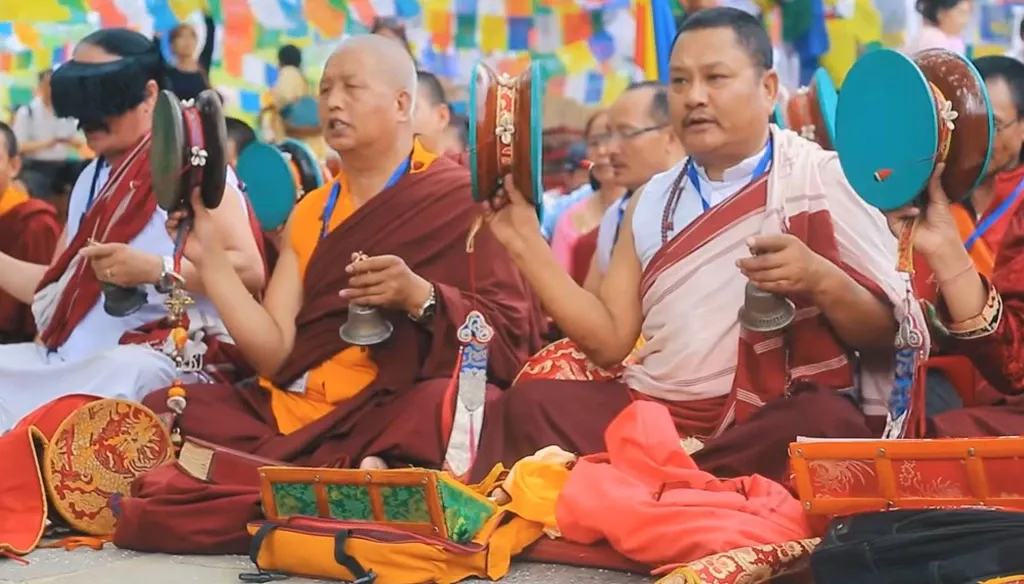
to Nepal. It is considered one of the most spiritually significant days for Buddhists throughout the world since it signified three key occasions in Lord Buddha's life: his birth, his Bodhi - or 'awakening '-and his entry to Nirvana (or 'heaven'). Knowing this will enable you to think about your visit to Nepal differently. Instead of rushing from one location to another and taking pictures, you will observe the many rituals associated with Buddha Jayanti, which will help you understand and appreciate the significance of the occasion. For instance, when you see people lighting butter lamps, you will notice the intensity with which they are doing so, as well as the seriousness with which they chant prayers and walk around stupas. This type of awareness will alter your entire travel experience.
2. Choose the Right Route for Your Journey
A well-planned journey can make your trip to Buddha Jayanti more meaningful. If you can, include Lumbini in your itinerary before heading to Kathmandu Valley. Plan to spend at least two or three days in Lumbini so that you have time to see both the Maya Devi Temple and the peaceful Monastic Zones created by various nations. Each monastery has its own architectural design and philosophy, which will enhance your experience.
After visiting Lumbini, you should continue on to Kathmandu Valley(Boudhanath Stupa and Swayambhunath Stupa). The Valleys provide a completely different experience than that offered in Lumbini. The energy is more intense with many people worshipping at stupas or into their monasteries.
By leaving Lumbini and traveling to Kathmandu Valley, you're able to balance both quiet time for reflection as well as time for cultural experiences.
3. Choose Accommodation near Monasteries
The location of your accommodation will help determine how profoundly you experience Buddha Jayanti. By choosing accommodations near some of the major stupas and/or monasteries, you will have an opportunity to view early morning and evening rituals without any effort. The morning hours, when the monks begin chanting and when the local people arrive for prayers, provide an especially calm and grounding experience.
If you live close to the areas of your visits, you have the opportunity to visit more than once a day. You can return in the evening to visit the areas when thousands of butter lamps illuminate the location. The atmosphere will change completely due to the lights.
4. Give Your Trip The Time It Needs To Slow Down.
One of the biggest mistakes made by visitors to Nepal is over-extending themselves. The time during Buddha Jayanti is a time when taking your time is very important. Allow yourself to take time to sit and observe the surroundings.
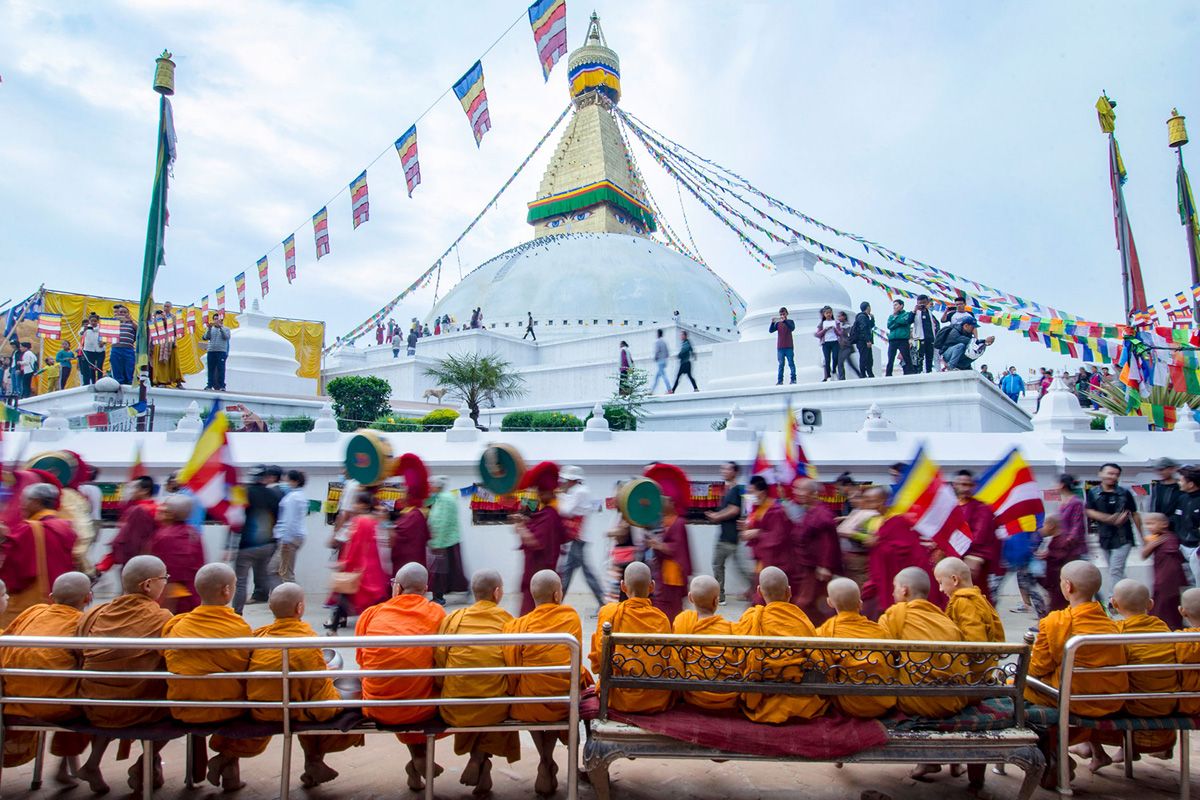
Rather than visiting the Boudhanath Stupa once and moving on. You should set aside time each time to go to the Stupa to see how the rhythm of life flows. Observe how people are walking, praying, and interacting with one another. You may find that these will be the most treasured moments of your trip.
5. Get Involved With What You Are Doing.
Getting involved with what you will do is what will create a truly memorable experience. Walking around the stupa in a clockwise direction and joining the kora will cause you to be more mindful of your surroundings. You can light butter lamps as a sign of goodwill and compassion. You should participate in any meditation sessions or teachings by the monks if you have an opportunity; if they are available, do.
Although the activities above may appear simplistic, they offer you an opportunity to grow in your appreciation for a place and the meanings behind the traditions within that venue. You do not have to be a follower of any religion for you to take part, only your presence and respectful behavior is required.
6. Be Culturally Aware
A religious venue is not simply a place of tourism, but rather a site that is actively used for religious purposes. When interacting within the confines of the venue, remember to dress modestly, keep your voice quiet, and refrain from any behaviors that may be considered disruptive to the local culture.
In many facilities, a photographer is welcome; however, consideration should be given to the facility's practices and local customs in conducting business transactions as well as to the photographer in lieu of the facility, particularly when photographing an event occurring in conjunction with rituals. There are some situations that a better photo may be obtained by simply enjoying the moment of being in a particular site than by taking a photograph of it.
7. Live According to the Spirit of the Occasion
Many travelers neglect to consider how their daily lifestyle affects the overall experience that can be had during their travels. A visitor can illustrate the themes of the Buddha Jayanti (peace, compassion and simplicity) through the types of foods consumed, light eating of food and foods may be prepared for vegetarian consumption and through consumption of minimal food and beverages that are permitted.
Making conscious decisions while attending this event can heighten the experience you have at this festival. You can find joy in the festival's essence when you choose to partake in simple meal options; share quiet moments; and practice mindful actions.
8. Create Reflection Opportunities
Reflection is a key element of forming significant memories during travel. During your travels, create time to review your experiences. For example, when you are at a monastery, sit in its court yard and meditate or write your thoughts down at the end of the day. Buddha Jayanti in Nepal provides an environment that enhances opportunities for self-reflection. The peacefulness that surrounds you allows you to take a break from the challenges of daily life and to reconnect to yourself in an environment dedicated to spiritual practice.
9. Flexibility in Scheduling
Planning for your trip is essential; however, maintaining a degree of flexibility will allow the trip to be more authentic, as well as provide opportunities to connect with other travelers, the local culture, activities and places that you may not have otherwise considered while planning your trip.
Having the willingness and readiness to experience what is unfolding for you is what will allow your journey to naturally unfold. Sometimes it is these impromptu opportunities for connection that create some of the most powerful memories.
Conclusion
If you're going to visit temples or prayer halls in Nepal, then you should wear modest, comfortable clothing that covers the elbows and knees and allows for easy, unrestricted movement (comfortable shoes will also be needed since many temples will require that visitors must remove their shoes).
Buddha Jayanti (the birthday of Siddartha/Gautama) is not just about seeing the important sites; it is also about experiencing a rare sense of peace and connectedness. Each of the Buddha's sacred sites have special meaning to him. If we can open ourselves physically, emotionally, and spiritually to receive spirituality in the temple of Lumbini (where Siddhartha was born), the Buddha Stupas in Boudhanath and Swayambhunath, it will change our lives.
Visitors to Nepal during Buddha Jayanti, by taking the time and putting forth the effort to plan their trip to Nepal, will not only gain insight into Buddha Jayanti's significance but will receive the rare gift of a slower-paced life. This experience could forever change visitors' views of their fast-paced lifestyles once they return home.
FAQ
Where is the best place to travel when going for Buddha Jayanti travel in Nepal?
The largest destination to travel for Buddha Jayanti will be Lumbini, where Buddha was born, and the heart of most major celebrations. The sites of Boudhanath Stupa and Swayambhunath Stupa are also in Kathmandu where both are places to experience large crowds and ceremonies that feature an abundance of spiritual energy.
How long should I stay for a Buddha Jayanti trip to Nepal?
A typical Buddha Jayanti tour can take between 5-7 days. This will give you the chance to see the best locations throughout Lumbini, as well as an opportunity to enjoy many of the most beautiful spiritual places in and around Kathmandu without having to rush. If you prefer a more relaxed and introspective trip, you can stay longer!
Will Buddha Jayanti make Nepal overcrowded?
Yes, popular attractions will experience larger crowds. However, while Buddha Jayanti visitors will be coming from many different places throughout Nepal, the atmosphere will remain peaceful instead of chaotic. Many people prefer to reflect quietly during early morning and late evening, which will be much quieter.
Can non-Buddhists participate in events associated with Buddha Jayanti?
Yes, the Buddha Jayanti festival is open to all humans, regardless of their faith. Non-Buddhists can participate in many of the same activities as Buddhists, including the lighting of butter lamps, walking around stupas, and practicing meditation. Just be respectful toward the monks and nuns who will be performing these rituals.