
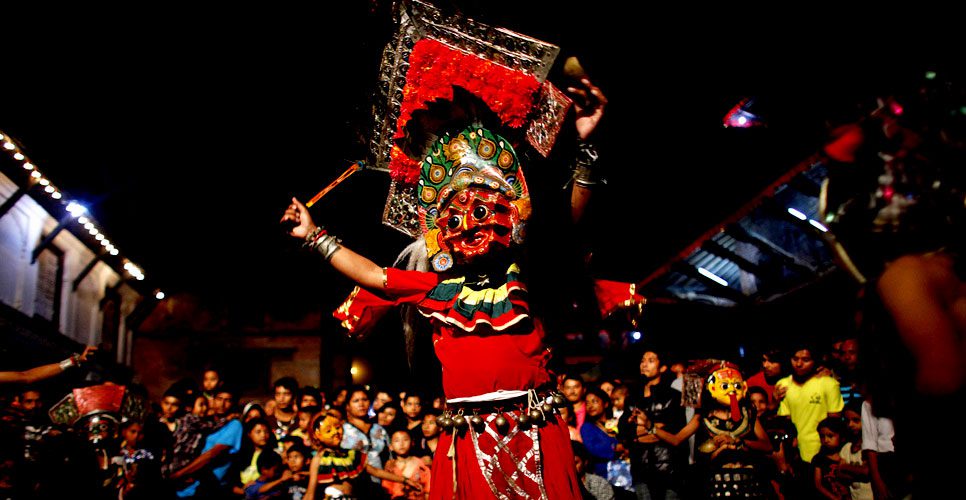
Festivals in Nepal: When to Visit for Cultural Experiences

Nepal is a wonderfully diverse country with authentic traditions, and spiritual vitality that permeates the entire country, but it is also a country with hundreds of vibrant festivals that illustrate the spiritual and cultural diversity of Nepal. Between energetic forms of ancient Hindu worship and similarly energetic celebrations of the return of buddahood in Tibetan Buddhism, there is something wildly something going on every month of the year in Nepal. Therefore the best way to identify your next travels is to base your trip around the main festivals within Nepal. Thus, the best way to identify your next travels is to organize your trip around the major festivals within Nepal.
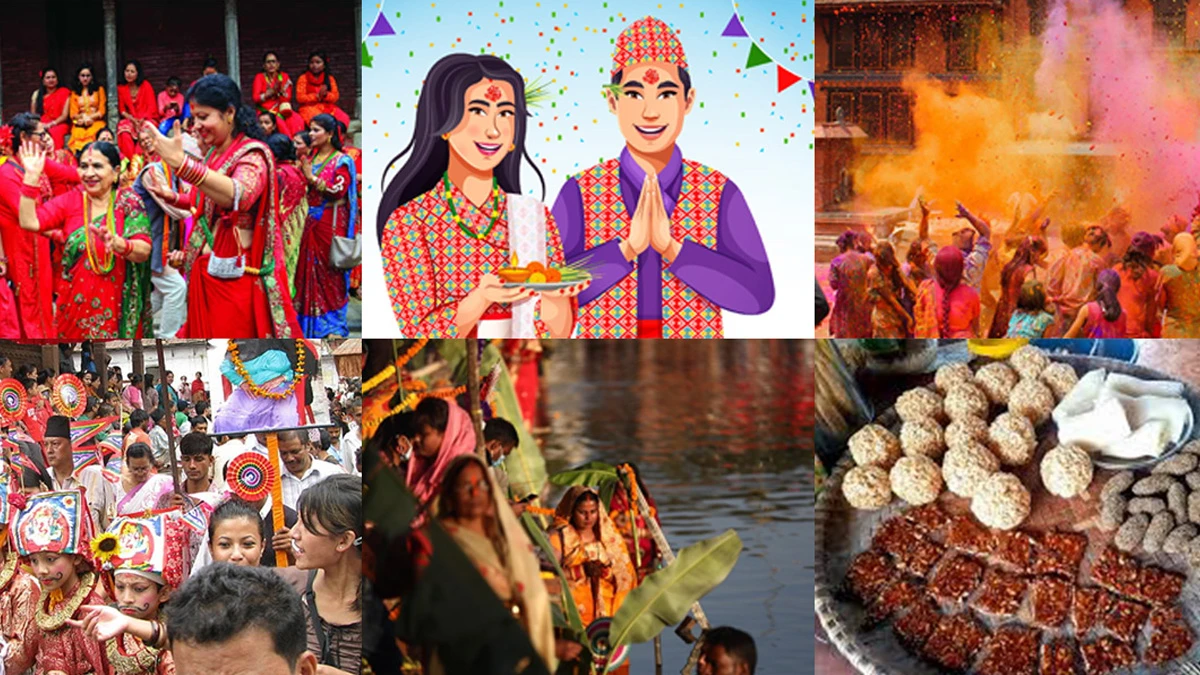
In this blog, we will assist you in identifying what the major festivals in Nepal are and when they happen, what they entail, and how to put together a trip to be part of them.
What Is It Like To Travel To Nepal In The Midst Of Festival Season?
Being in a festival in Nepal is not simply being in a ‘parade’ or ‘temple ritual’, but being part of it. Being shoulder to shoulder and walking in rhythm with the locals, experiencing the crush of the events, tasting local sweets during Tihar Festival, these experiences connect you to the culture, the heritage and the hospitality of Nepal.
Key reasons to visit during festivals:
Authentic community involvement
Festivals provide an authentic opportunity to appreciate what Neplai people do day to day, and the practices that inform everyday life. You will witness practices and rituals that are several hundred and thousands of years old, being done with customary pride. Festivals also afford you the chance to involve yourself with local folks when they are actively jubilant and most enthusiastic. The breadth of experience you will achieve from a festival is not comparable to tours which typically have a sightseeing-oriented agenda.
Incredible visuals
In addition to socially and culturally immersing yourself in a festival, there are also visual spectacles provided in the form of the amazing architecture, bespoke costuming, and fantastic parades. There are incredible visuals to capture in every direction whether it be the masked dancers of Indra Jatra or candlelit temples during Tihar. These experiences generate dynamic, unique, and culturally relevant visuals. For photographers or content creators, you will find an infinite heap of rich visual and experiential inspiration.
Traditional food, music, and dance
During festivals, there are special foods that you normally do not get to eat on an everyday basis – sel roti during Tihar or yomari during Yomari Punhi. There is music and dancing in the streets: folk drumming, dancing, and traditional Newari music. These are sensory events that deepen your knowledge of different ethnic cultures of Nepal. It is a feast for not only your stomach but also your spirit.
Local and traditional festivals
A hands-on opportunity to learn about Hinduism and Buddhism Festivals are religious traditions with their roots in the spiritual context of Nepal. A festival provides a chance to understand rituals, deities, legends, and sacred practices of both Hinduism and Buddhism. When you see puja, prayer, and symbolic practices, you can understand how those practices embody those beliefs. Festivals are a cultural learning experience disguised as celebration and participation.
More colorful and exciting in towns and cities
The color and energy generated by festivals comes alive in towns and villages and even remote mountain villages. There is huge presence of colorful lights, flowers, and mandalas! Amidst it all, people are all wearing traditional ethnic clothing. There are millions of collective identities in expressions of happiness and celebration wherever you find yourself adding color to every location!
Major Festivals in Nepal
1. Dashain (September-October)- the biggest Hindu festival in Nepal!
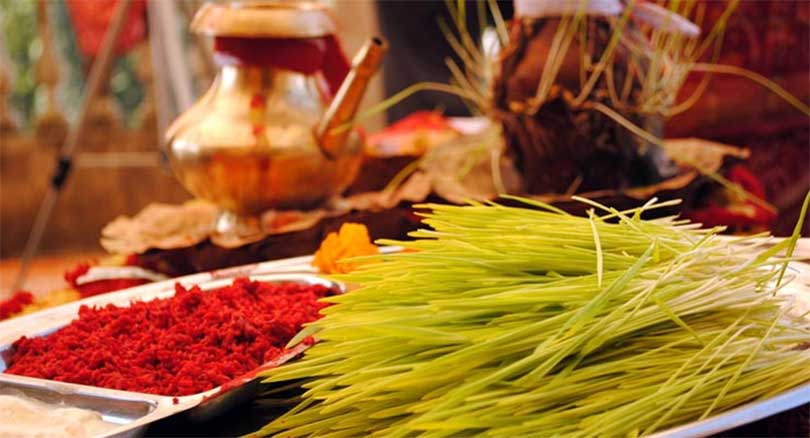
Dashain is the longest and most important festival to celebrate in Nepal representing the victory of good over evil. Itis a 15 day festival with significance each day, culminating the festival on the tenth day (purnima) with Elders applying tika and blessed jamara to younger members of their families. The Dashain holiday is dedicated to worshipping Goddess Durga, who is also recognized as Goddess of power and protection, cleaning the home, and purchasing new clothes and gifts in order to reassemble with family on this special occasion!
There are fairs in all public squares, you will see traditional bamboo swings built in many villages. People fly kites wherever they are in the country to enhance the celebrations! Animal sacrifices are still held at a few temples to maintain historical customs; a remarkable opportunity to experience the honest rituals and demonstrate family closeness is presented as most of the population shuts down for Dashain!
Key Takeaways:
- Festivals in Kathmandu and the surrounding areas of Nepal,
- Are massive festivals and celebrations,
- with kites, swings, and feasting!
- Best Experience in: Kathmandu, Bhaktapur, or in rural villages for the traditional experience.
2. Tihar (October-November)- Festival of Lights and Animals.
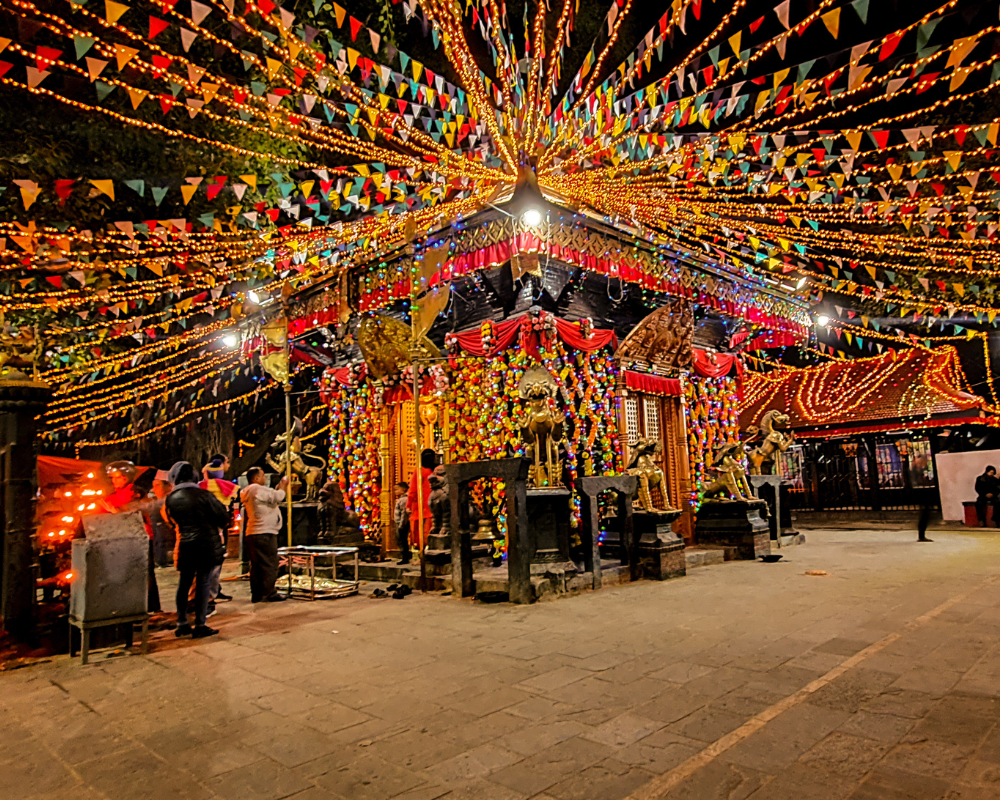
Tihar is a colorful festival that pairs the spiritual with the visual, and is hard to miss with all that defines the five days. Every day has a different being that is honored: crows, dogs, cows, oxen, and ends with brothers. Houses are adorned with special decorations of oil lamps, candles, and rangolis (colored pattern made with flour, rice, colored sand, or flower) to Laxmi, goddess of wealth, at her Laxmi Puja.
The final day we celebrate Bhai Tika, the love between siblings, where sisters put the tika and blessings garland on the brothers. Children sing Deusi-Bhailo folk songs to their neighborhoods, and everyone adorns their houses joyously with gaiety and song in appreciation of the season. With the lamps and sound of song in theTihar is undoubtedly one of the most popular holidays in Nepal.
Main Attractions:
- Entire towns lit up in lights
- Laxmi Puja rites
- Traditional Deusi Bhailo singing and dancing
- Best Place to Experience: Kathmandu, Pokhara, and minor towns for authentic home celebrations
3. Holi (March)- Festival of Colors
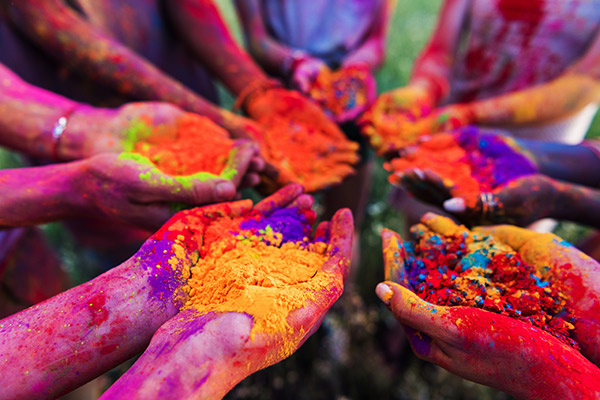
Holi is a chaotic outpouring of color and energy which celebrates the end of winter and the arrival of spring. Initially a Hindu festival recognized with the tales of Lord Krishna and His relationship with Prahlad, it has turned into a happy public holiday since. People will splash each other with colored powder and water, dance in the streets, and blast loud music.
Its a weeklong opportunity for togetherness, where social hierarchies collapse into a big party atmosphere. There are many friendly/welcoming open spaces where tourists can access to take part in Holi, particularly in Basantapur in Kathmandu or Lakeside in Pokhara. Although it is mostly a fun time, there also is a spiritual message of love, forgiveness, and new beginnings.
Key Highlights:
- Colorful Powder Splashing and Water Balloon Fighting
- Singing, Dancing and Street Processions – Public Parade
- Inclusive – For Tourists Too!
- Best Place to Enjoy: Kathmandu (next to Basantapur), Pokhara, and Terai Regions.
4. Indra Jatra (August–September)- Kathmandu’s Most Vibrant Street Festival
Indra Jatra is a vibrant eight-day festival of the Newar people and occurs mostly in and around Kathmandu. It is a celebration of Indra the King of Heaven and Rain God and is an opportunity to experience a taste of the culture of this region. The festivities start with the raising of a ceremonial wooden pole (Yosin) and continue with performances of masked dancers such as Majipa Lakhey that represent the guardian dieties.
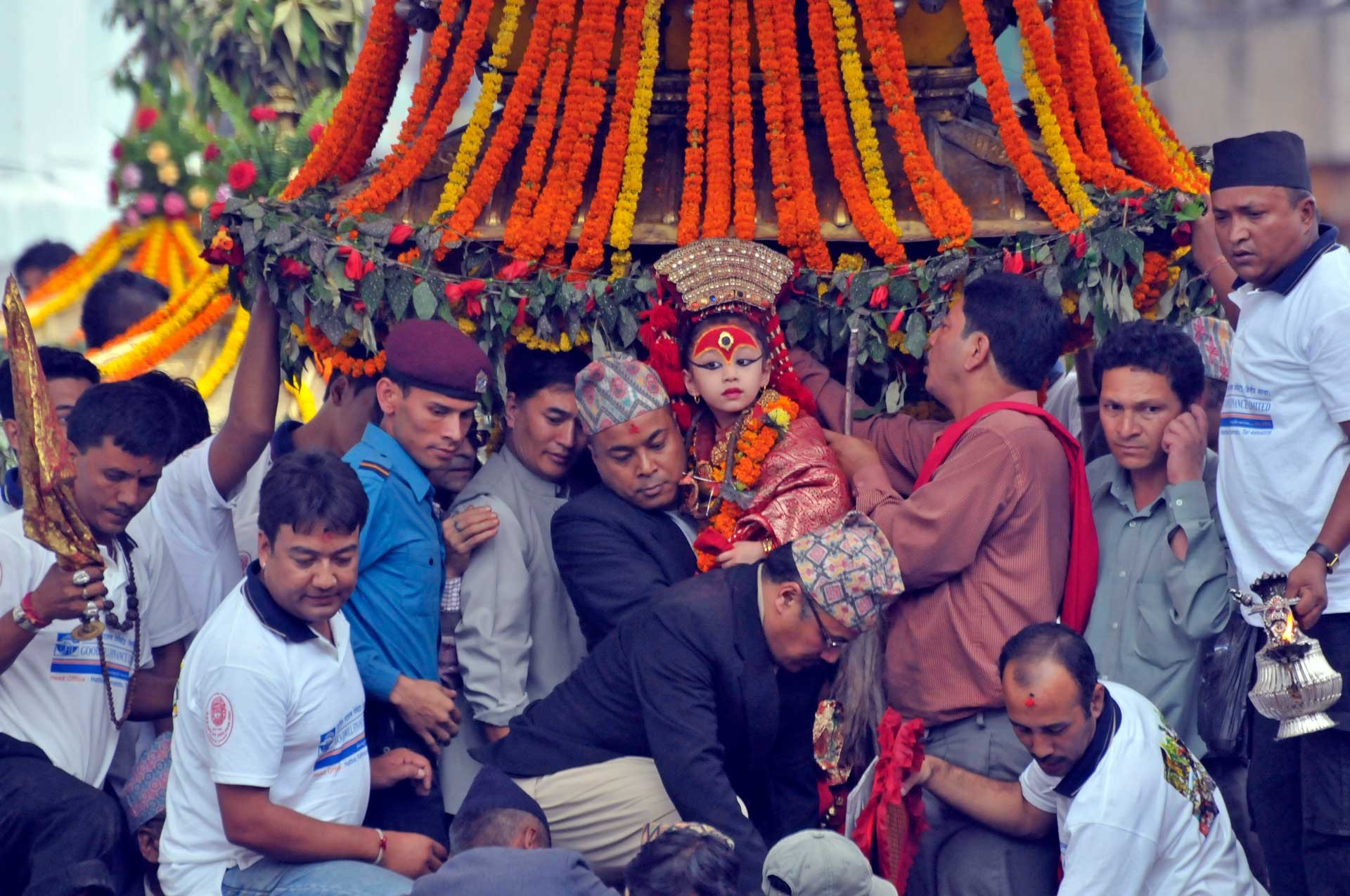
Perhaps the most popular event of the festival is the chariot procession of the Living Goddess Kumari through the ancient streets of Kathmandu Durbar Square. From stone spouts there is a steady supply of local beer, crowds of many thousands gather to watch, and there is a atmosphere of complete celebration and religious devotion that makes it an unforgettably rich experience.
Top Highlights:
- The Mijpa Lakhey and all other mask dances
- The Kumari’s chariot procession
- The beer flowing from traditional spouts in Basantapur
- Artistic Attraction: Kathmandu Durbar Square
5. Buddha Jayanti (April-May)- Celebrating the Birth of Lord Buddha
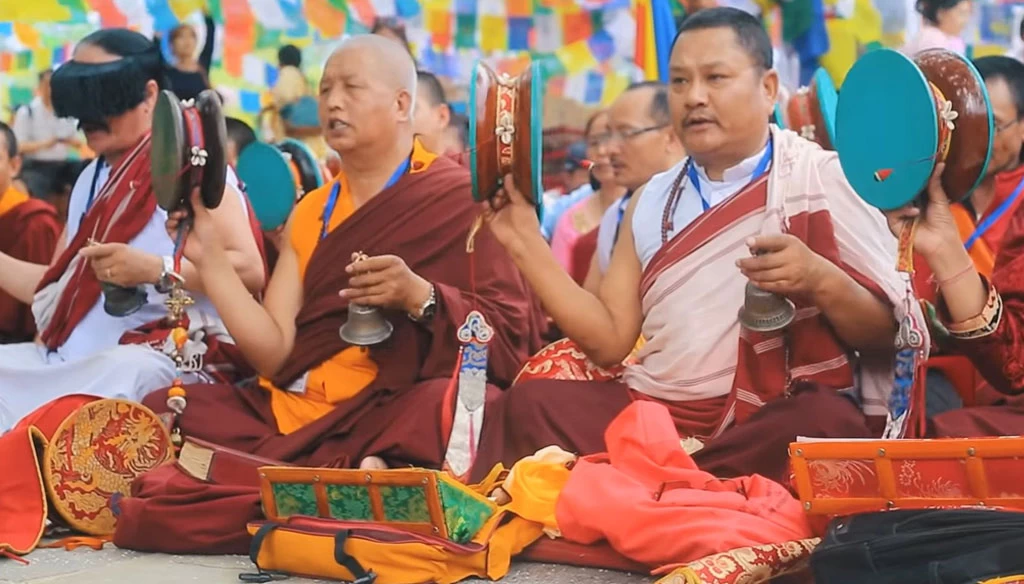
Buddha Jayanti is a quiet, relaxed and somewhat spiritual event. It marks the birth, enlightenment and nirvana of Lord Buddha. It is a day largely for Buddhist communities, and it is a day of remembrance, characterized by peaceful prayer, offerings and experiencing perhaps the most meditative of rambles with monks chanting their sacred texts, or devotees lighting butter lamps at temples and stupas.
Buddhists from near and far journey to sacred Buddhist sites, whether it is in Lumbini (Buddha’s birthplace), or locally in Kathmandu at Swayambhunath or Boudhanath. The atmosphere is some-what solemn, reverent and peaceful it an ideal opportunity to get a glimpse into a little sliver of Nepal’s Buddhist culture, whilst learning about Buddha’s message of peace and compassion.
Key Highlights Include:
- Prayer ceremonies and offerings of butter lamps
- Chanting of Buddhist scriptures
- Pilgrimages to sacred places of Buddhism
- Best Places: Lumbini, Swayambhunath (monkey temple), Boudhanath Stupa
6. Teej (August-September)- Fasting and Dancing Women´s Festival
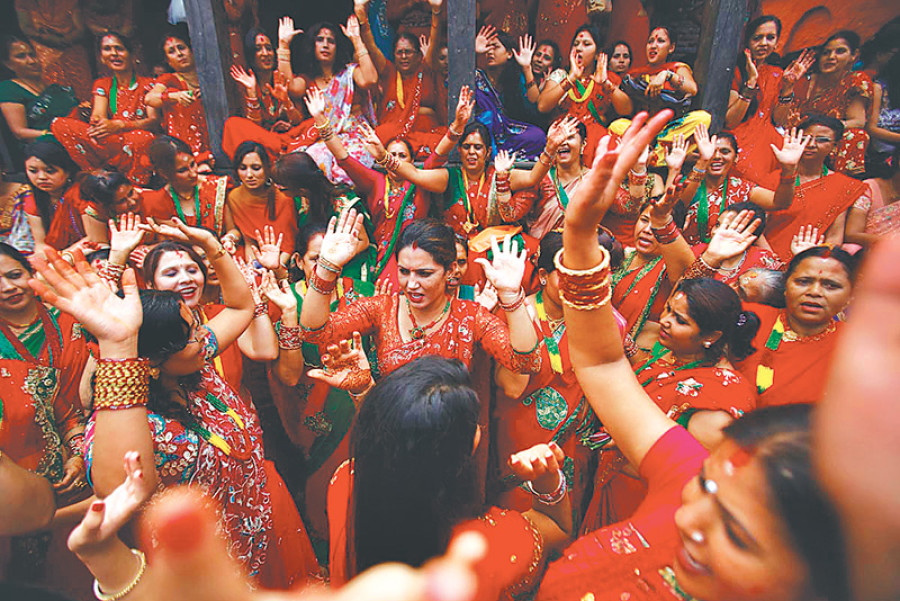
Teej is a large festival for women which is a marriage homage to devoted women and woman power. Nepali women wear long spacey red saris, and in many cases, congregate at a temple like Pashupatinath and sing devotional prayers. Most women attending the festival will be fasting for the day to pray for auspiciousness and marital happiness for those that are married or a prayer for a future husband to enjoy good health.
Women will have a Dars or a special ceremonial meal before they begin their fast. Throughout the festival of Teej the temple courtyards are full of singing and traditional praying/dancing from all parts of Nepal. It is a colourful expression of sisterhood and love and the most photogenic and happiest festival you can experience in all of Nepal.
Main Highlights:
- A female driven procession and dance party
- Pashupatinath Temple packed with women
- Cycling unique feast (Dar) and rituals
- Place to celebrate: Pashupatinath Temple Kathmandu
7. Maghe Sankranti (January)- Harvest - Solstice Festival
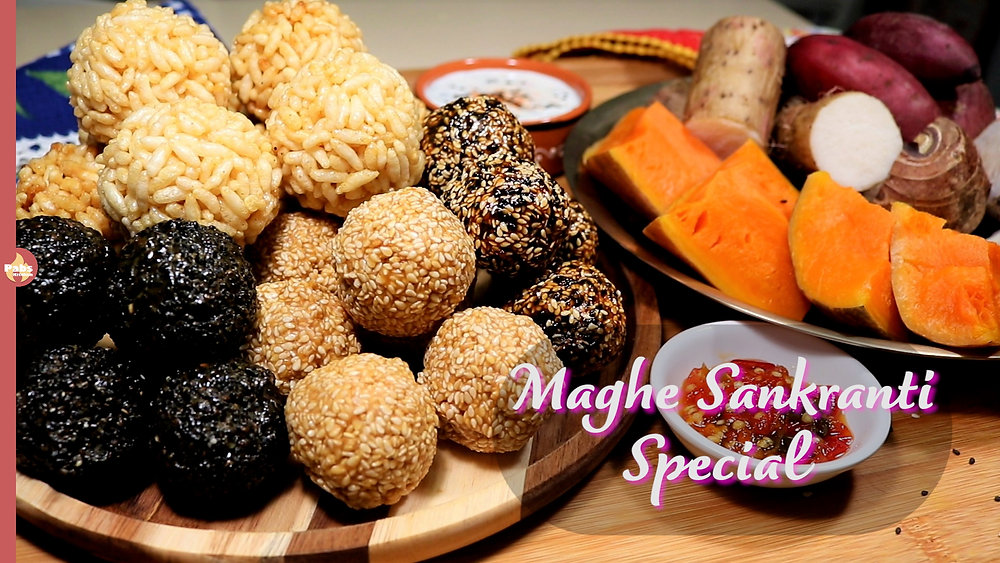
Traditional Maghe Sankranti definitions center around the sun moving to the northern hemisphere for longer, warmer days. Families wake up very early to bathe in holly rivers. Then they gather and eat seasonally available sweet food: sesame sweets (til ko ladoo) with molasses, yams, and ghee.
Daily trips happened to sacred confluences, like Devghat, and many will bathe to worship gods maximum health and wellbeing. The nature of Maghe Sankranti is the end point of relative renewal and calming reflection especially compared to the very loud, riotously large festivals in Nepal.
Main Attractions:
- Pilgrimages to river confluences (Devghat, etc.)
- Sacred bathing Homemade traditional foods
- Best Place to Experience: Devghat, Chitwan, or village locally
8. Gai Jatra (August)
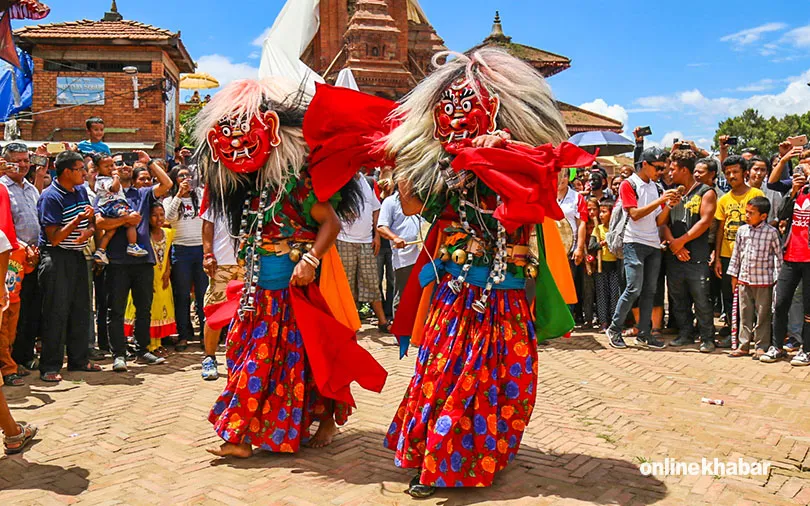
Festival of Cows and Laughter Gai Jatra, or the “festival of cows and laughter”, is one of Nepal’s most distinctive festivals as it combines the concept of memory and humour. Families who have lost loved ones in the past year join the parade by leading a cow, or young child dressed as a cow, and guide the soul onward. It is a healing tradition that transforms grief into a celebration. The streets of Bhaktapur, Patan, and Kathmandu are filled with comedic sketches, parody raps, and traditional instruments. This festival physically illustrates joy and togetherness through laughter-based celebrations with lively entertainment. Gai Jatra plays a significant role in helping the community express sadness through humour and community support, which makes it very emotional, and incredibly funny and uniquely cultural.
Main Attractions:
- Street parades with traditional acts and hilarious sketches
- Processions of cows (or children in cow costumes)
- Satirical performances with laughter
- Best Viewing Places: Bhaktapur, Patan and Kathmandu
Advice for Festivals in Nepal
- Book early: Flights and hotels are booked quickly for the blockbuster festivals of Dashian and Tihar
- Dress appropriately: Dress conservatively, remove your shoes or sandals in temples
- Ask first: Always ask before taking pictures especially for sacred rituals or family occasions
- Be respectful: Be respectful when you participate and follow local etiquette
- Stay longer: Nepal is huge and has usually lots of rituals on many days of the festival
Festival Calendar Summary (Quick Reference)
| Month | Festival |
| January | Maghe Sankranti |
| March | Holi |
| April – May | Buddha Jayanti |
| August | Gai Jatra, |
| September | Dashain |
| October | Tihar |
| August | Teej |
| August | Indra Jatra |
Final Thoughts: The Best Times to Visit Nepal for Cultural Festivals
Although Nepal is a unique destination at all times, August to November is the best time to visit for cultural festivals, so you are going to be in for an Awesome experience! There is a festival literally every week during these three months and the clear skies and onset of the trekking season could not be better!
Whatever your preference; whether you are attracted to the spiritual vibe of Buddha Jayanti or the explosion of colours and energy of Holi, being able to participate and witness at least one festival in Nepal will allow for a much greater understanding of Nepal’s heart and soul. Therefore, time your visit to fall within one of these extraordinary occasions, and walk away with experiences and memories to last a lifetime.If you are planning to visit Nepal then contact us today at Happy Mountain Nepal, Facebook, Instagram, or TikTok.