
What acts are permitted and considered good in Nepal?

Tourism Consultant / Founder and Travel Specialist at Happy Mountains Nepal /17 years of Experience /Worked with 10 Travel Agencies /Personally led 500+ Individual Travelers to Nepal.
Welcome to Nepal
Visiting Nepal is like being in a cultural shade that is alive. Every moment excite in a smile. Every time we receive a “Namaste,” or when we view the prayer flag. It is a space and time in history tied to culture and spirituality. Nepal has beautiful aspects of natural beauty. But what you ultimately realize is that the depth of richness is based in the people and culture.
After working in the travel industry in Nepal for over 17 years, working with over 10 travel companies and engaging with over 500 travelers from abroad. I have realized to experience cultural decency in both Nepal and other countries. It is not just a matter of respect; it is the difference between being a visitor, and more of simply being invited in.
I have personally witnessed travelers have a more meaningful experience in the country when these simple requests of my travel company, Happy Mountains Nepal, were enacted, to just follow the country’s customs. For all of you, I wanted to provide simply some Do’s and Don’ts for Nepal. These are not rules, although they should be rules. But simply a connection from your heart to the heart of the country.
DO’S in Nepal
1. Greet People With “Namaste”
In Nepal, greeting someone is more than just respect, it is spirited and a reciprocated act. When you press your palms together and bring your head down while saying “Namaste”. You are saying “I honor the divine in you.“ In one second, this simplicity conveys a greeting filled with warmth, respect and humility.

While handshakes have become prevalent in the cities “Namaste“. It is the most sincere gesture of greeting and respect from a social and cultural perspective in the country. Its application is independent of local language. And it is sure to win a smile, no matter where you are in the city or the village. Whether it is to greet the monk at Swayambhunath or with the porters in Lukla. Or with a Nepali family hosting you in the mountains of a remote village.
As a guide in the region over the years. I have observed that travelers greeting local people with “Namaste” tended to have the warmest responses. From receiving local Nepalis to tea or conversation. It is so simple yet a sincere gesture for Nepalis everywhere.
2. Please be Respectful to Temples, Monasteries and Faith
Nepal is a lively spiritual country in which Hinduism and Buddhism abound along. Temples, stupas and monasteries alike are not for tourism purposes. They are living, breathing worship spaces. Please be respectful of the rule of religious engagement and remember to take your shoes off. Cover your knees and shoulders, and walk around stupas & shrines in a clockwise motion.
While visiting temples, stupas, and monasteries. Please speak quietly, do not touch ritual objects or statues, and do not take photos unless you request permission first.Many travelers do not know that little things the traveler may not even think about. Such as standing too close to a monk during prayer. It may be too unwanted for the temple’s tradition.
When I was in Khathmandu visiting Swayambhunath Stupa, I saw a tourist trying to take a selfie while walking backward around the stupa. The woman, a local, politely stopped him from walking the wrong way and pointed him in the right way, explaining that people always walk clockwise as a sign of respect . The tourist smiled, nodded, and went back to the correct path. This is a small moment but it stood out to me as a reminder that respect and awareness instead of a perspective of sightseeing, is more important while visiting a place.
3. Dress Modesty, Especially in Villages and Temples
Although Kathmandu or Pokhara feel modern, the rest of the country is more conservative. And dressing with modesty is a way to show respect. Both to those around you and their customs. Consider during your visit, men should not wear short sleeves and wear long pants. Women should be wearing clothing that will cover their shoulders to their knees. During their visit to rural areas or a religious site.

Dressing modestly is functional as well. Although bright and sunny, the weather in the mountains can be extreme. And many temples will not allow bare shoulders in those facilities. Dress respectful for short time in a village or temple, to show the Nepali people you appreciate their hospitality but also respect customs.
My personal experiences of traveling with Happy Mountains Nepal have shown me that dressing appropriate may impact me in conversation with people. Dressing respectfully and modestly with clothing generally gets you easier access to the conversation, be it nods, smiles. Or even blessings at the monasteries creating a beneficial environment for discussions.
4. Always Request Permission When You Want to Take a Picture of Someone
Nepal is a very photogenic country. However, each photo tells a story, and you nearly always need to ask for consent or permission to take a photo. When it is a landscape or monument that you can freely take a photo of. It is totally okay, but when it is a picture of someone. Especially many people, it will require you to give them their privacy and ask for their permission. It is always better to ask before taking a picture of someone. And especially in a rural village or in a religious ceremony, or picture of a monk, and of course the elderly.
This politeness of asking for permission to take someone’s picture could help you avoid awkward misunderstandings. With a person who might feel shy or uncomfortable or who might be willing and happy to pose for you and invite you into their house!! It is more of a human connection than merely capturing a moment.
For example, I took a picture once of an old woman in Ghandruk after asking her if I could take her picture. And she smiled at me and replied, “Now you take my picture with you, to your country.” This exchange based in respect was stronger than any photo. I have taken in front of any of the mountains.
5. Do Receive Nepali Foods Nicely
In Nepal, food, and the act of sharing it, can be seen as sacred. Meals such as dal bhat, momos, or a delicious bowl of gundruk soup signify warmth, love, and connection. If made an offer of food, it is socially accepted and respectful to take at least a small amount. As an expression of thanks and respect. The meals should be eaten with right hand only, as the left hand is considered unclean.
In villages, many of their foods are harvested and grown directly from family-based farms. In some way, by eating their food, you acknowledge their hard work and express appreciation for their generosity. Always eat all of the food provided, as food has more than literal/biological worth in Nepal, it also has spiritual worth.
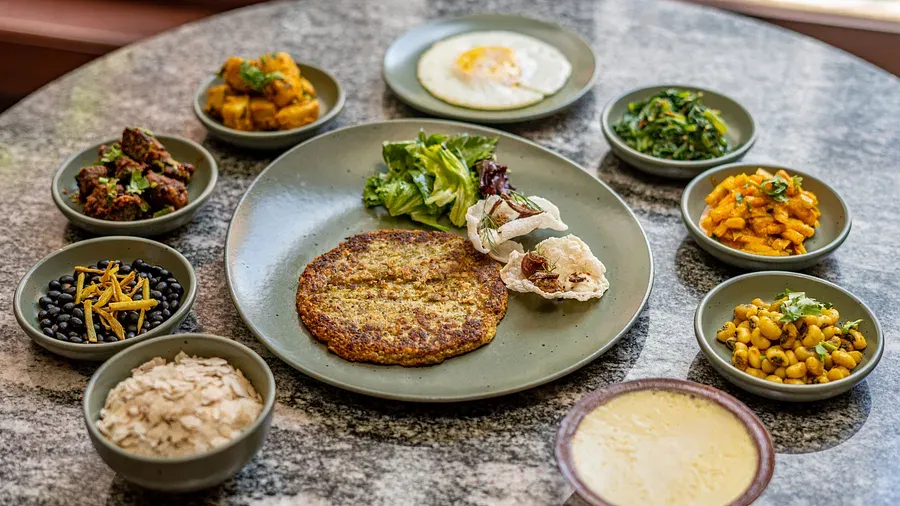
I have eaten simple, delicious, and sustain meals of dal bhat for days. After trekking through extremely remote of Nepal, served to me and my trekking group by families who had not a lot, but shared everything they had with us. I can say my experience is that, when travelers take a humble approach to food. They often develop friendships that last long after the journey.
6. Don’t Forget to Learn Some Words in Nepali
If you really want to up the value. Even a few words in Nepali will dramatically enhance your travel in Nepal. Words like Dhanyabad (thank you), Ramro cha (it’s nice), or Sanchai hunuhuncha? (how are you?) will connect you instantly.
Nepalis will appreciate you and will value you more. Even when you try (even if imperfectly) to speak the language. Speaking this is not only the reason to speak. But will generally provide a better communication experience between strangers and often will provide more hospitality.
When I lead treks in Nepal with Happy Mountains, I try to remind trekkers to say hello to their porter, or the villagers in Nepali. The smiles you receive in return is worth more than you could know. It is evidence that language (while imperfect) connects us all.
7. Don’t Forget Support Local Tourism and Sustainable Tourism
Tourism is the lifeblood of Nepal so make sure its responsible tourism. Choosing a local guide, spending the night in the family lodge, And buying goods sourced in the local community contributes to sustaining the community.
At Happy Mountains Nepal, we encourage sustainable, community tourism. When you spend your money in the villages directly you are not just travelling you are empowering! Spending your dollars at local businesses supports cultural traditions and enables the next generations to be able to share their traditions and cultural heritage with pride.

Every rupee spent locally has a ripple effect for positive change. From the yak herder in Manang to the porter in Namche Bazaar. Responsible tourism will enable you to create a meaningful experience for both traveler and host.
DON’T IN NEPAL
1. Don’t Touch People’s Heads
In Nepalese and Buddhist culture, the head is the sacred part of the body. Being the seat of one’s soul and spiritual energy.In a traditional sense, touching one’s head in a playful manner can be perceive as disrespectful, particularly in reference to monks, elders or children.
Even though this belief may seem odd or unusual to outsiders. It is a manifestation of Nepal’s deeply rooted spiritual beliefs. Respecting this opposition shows what kind of traveler you are and to some degree implies understanding local attitudes.
During my time leading younger trekkers in monasteries. I would often share with them the importance of saying Namaste to a monk. And caution against a possible enthusiasm of a pat on the shoulder or head.
2. Do Not Point Your Feet at People or Religious Images
In the Nepalese culture, your feet are refers to the ‘lowest’ part of the body. It is associated with
being impure. To point your feet at someone is considered rude, even when directionally aimed near a religious person or religious image.
When sitting in “the temple,” or even on the floor, keep your legs off to an angle or crossed inward. Do not have the soles of your feet toward someone. Do not step over someone or something considered sacred.
I once saw a traveler sitting cross legged who, in his ignorance, pointed his soles in the both direction of a Buddha statue. The monk did not utter a word. But by his presence and body language, said everything about his discomfort. Little awareness, much respect.

3. Refrain from Public Displays of Affection
Nepal is warm and friendly in spirit yet conservative in practice. Holding hands is okay, but kissing, hugging or other overt behavior will make locals uncomfortable. Especially in rural areas.
Even when married, Nepalis rarely publicly display affection. This does not mean the warmth of Nepal does not exist. It instead is simply shown differently. Affection comes in the form of smiles, care, and honest hospitality.
When I spot travelers respecting this boundary, my respect and admiration for them only grows. For locals, this means that travelers are mindful guests rather than visitors without awareness to their culture.
4. Don’t Wear Shoes in someone’s Home or Temple
Shoes no matter how clean, carry dust and impurity. Removing shoes in almost every Nepali home, temple, and monastery will show respect. There will often be shoes lined up at the entrance to the home or temple and you would only need to follow the hint.
Failing to take your shoes off is one of the most strong ways of accidentally offending somebody. Even in modern apartments in Kathmandu, it seems people automatically take their shoes off when entering a household.
Regardless I’m sure I explain to my groups, “If you see shoes outside; that is Nepal’s grumpy way of saying, bring your respect, and leave your dust behind.”
5. Don’t disrespect sacred objects.
When it comes to prayer wheels, tourist statues, and prayer flags. They may look decorative, but they are sacred. Do not step on, or sit on, or place items on or over the things that are religious objects or materials. Respect and take care of things that contain the traditions and the meanings of gods, saints, and faith.
For example, prayer flags are to be placed in a pole and never touched with one’s feet. Another example, is that prayer wheels need to be turn clockwise. And only when you are peaceful, not as if they were toys given to you for a photo prop.
I remember one time seeing a tourist try to climb a chorten (stupa). For a photo during a trek in upper Mustang. Some locals saw this and were visibly upset. The tourist did go apologize and realized religious reverence is a real part of the Nepal travel experience.
6. Don’t be wasteful with food, or water.
For the villagers of high-altitude areas, food and water are precious resources. To waste either is an insult to those whom live in such severe climates. Eat everything that has been served to you, and only take what you can eat.
Use a refillable bottle as opposed to a plastic bottle. Most trekking routes currently have drinking water accessible to fill bottles. At Happy Mountains Nepal, we have been working to run refillable bottle campaigns to help reduce plastic waste and protect the vulnerable ecosystem of the Himalayas.

When travelers take into consideration the little things, they become part of the story of conservation in Nepal as opposed to conversation statistics.
7. Do not expect Western punctuality.
Time in Nepal is a different experience. Travel delays, weather, and schedules all add to the experience of time in Nepal. Where in the Western World you might become frustrated, after a little patience you will find much more in that peace.
This flow provides a wonderful experience of Nepal. Conversations at leisure, unplanned diversions, and sudden acts of kindness. Hence, the best way out would be to go slow, as it allows you time for reflection.
I often tell my clients, “Here in Nepal, the mountains do not hurry, so neither should you.” It is not being inefficient; it reminds that life here has a speed of gratitude.
Some of the major Cultural Etiquette
It is cultural etiquette to practice the following tips, small acts that yield large impressions:
- Your right hand should be used to give or accept anything, food, gifts, or money.
- Stand if seniors enter the room. This is a style of respect.
- Remain calm in temples or public places. Loudness is ignored.
- Walk clockwise when passing around stupas or temples.
- Never lose your temper; calmness commands respect.
- Say hello to kids as well as elders.
- Always obtain permission before entering a monastery or private courtyard.
These gestures might seem small, but they form the true soul of cultural harmony in Nepal.
Lessons from 17+ Years in Tourism
After 17+ years in tourism, one truth remains: respect builds a relationship. When we act respectfully, whether with a namaste, modestly dressed, or with a warm smile. We foster trust and friendship.
My experience over the last 17+years guiding travelers with Happy Mountains Nepal has been one of the most rewarding. I have worked with travelers from over 25 countries, who with their courageous decision to travel.I have chosen culture over comfort, connection over experience.
Nepal is a land of patience and humility. When you slow down. Listen and appreciate the experience, Nepal will always return your favor with stories, laughter. And a kind of love that you will carry with you for the rest of your life.
About Happy Mountains Nepal
Happy Mountains Nepal is a locally founded travel agency, dedicated to the concepts of ethical, responsible, and community based tourism. Our belief is not to simply take travelers to the mountains, but rather to bring the travelers to the people who live within the mountains.
 Farewell Group Photo
With expert guides, an awareness of cultural sensitivities, and genuine interest in local populations. We facilitate sustainable, safe, and life-affirming experiences. Regardless of whether you are walking to Everest Base Camp, trekking around Annapurna. Or going on a cultural heritage experience. The message is the same: travel with heart, and travel with respect.
Final Thoughts from Resham Rjal (Ray)
Traveling in Nepal is about much more than the need for a tick on a box, or moving days along a list with milestone. It is about traveling among humanity is its most raw form. You will be stunned by the magnificent sceneries, but it will be the culture that feeds your soul.
After 17+ years of preparing the journey for travelers, this I can say with confidence:
“If you travel with respect, Nepal will give you far more than you came seeking. It won’t just provide you with mountain scenery it will provide you with yourself.” So remember the do’s and don’ts of behavior; travel with purpose. And let Nepal travel change your view of the world.