
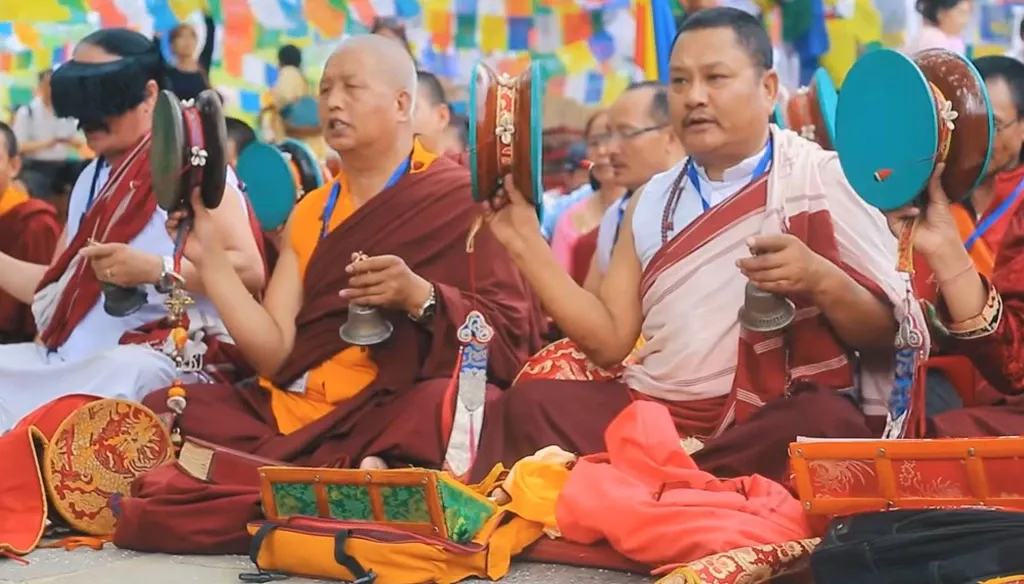
Why Buddha Jayanti is the Best Time to Visit
Peace tourism has evolved from a niche concept into an international trend; people’s experiences are changing as they move away from busy, fast-paced trips to a variety of journeys that fulfill the needs of their spiritual, emotional and physical selves. Since Gautama Buddha was born in Nepal, the country provides one of the most authentic settings in which to learn about and experience peace tourism.Especially during Buddha Jayanti, when the conditions for peace travel are most favorable.
This blog explains the characteristics of Buddha Jayanti that contribute to making the experience of peace tourism in Nepal extraordinary through a discussion of Buddha Jayanti atmosphere, rituals, sites, psychology and transformation effects on participants.
What Is Peace Tourism and How Does It Relate To Nepal?
Peace tourism represents intentionally travelling. There is little focus on speed, as visitors slow down and develop an appreciation for the culture and customs of the areas in which they engage. Visitors use peace tourism to develop inner peace in large part through their focused engagement with the culture of a location and the slower pace of activities associated with peace tourism. While travellers typically associate Nepal with adventure tourism, they can develop a powerful sense of peace from engaging with a specific culture through the use of peace tourism.
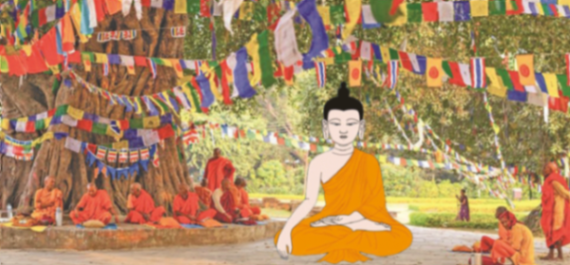
Spirituality in Nepal is ingrained in everyday life. Temples don't have sole ownership of the term "spirituality"; it is part of daily life. Those who live in Nepal hang prayer flags on hills, sing hymns of praise in monasteries and display love and kindness as part of their day-to-day routine. Buddha Jayanti increases the everyday spirituality of the country through events resembling a place of meditation.
What is The Significance of Buddha Jayanti
Buddha Jayanti is when people celebrate three milestones in Siddhartha Gautama (Buddha) life; his birth, enlightenment, and finally passing into nirvana, make it one of the very holiest days for all practicing Buddhists, everywhere.
Reflective Meditation is the Focus of the Holiday
The celebration of Buddha Jayanti isn't meant to be a huge celebration; it is meant to be more reflective than anything else. There will be lots of people doing the following:
- Sitting in silent meditative prayer for hours
- Bringing food and donations to monks
- Releasing birds as a gesture of kindness and compassion
- Singing and reading ancient scriptures from temples out loud
- You will feel calm when surrounded by quiet. You will feel as if there is respect or order in what you are doing.
Important Places You Need To Visit As Part Of This Experience
Lumbini
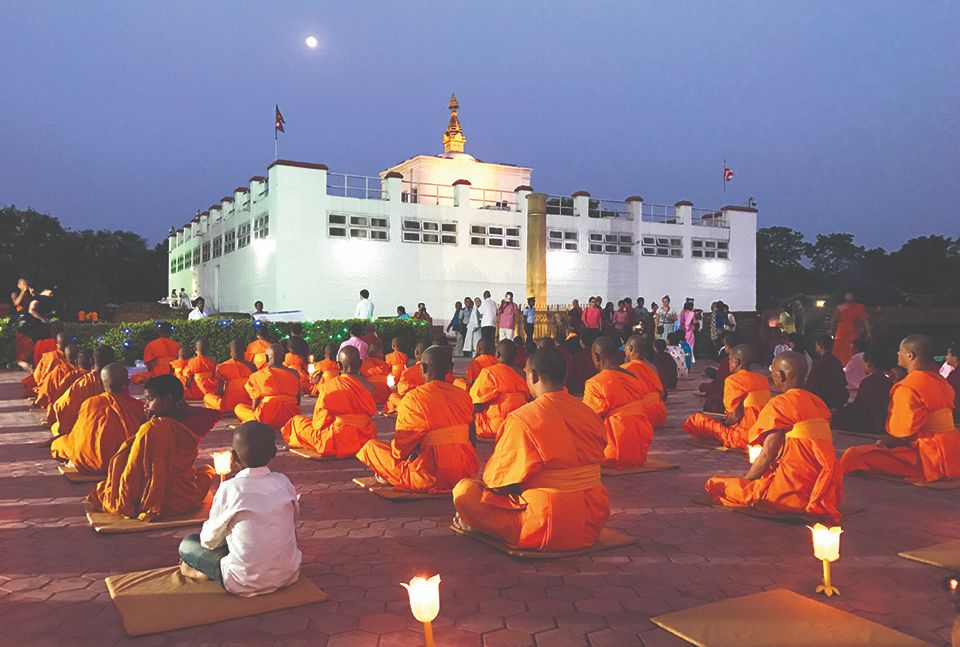
The place where you will get the most out of celebrating Buddha Jayanti is Lumbini; a World Heritage Site by UNESCO. It is also the birthplace of Buddha and is a place where thousands of people travel from around the world to visit.
The sacred temple of Maya Devi is located at the heart of Lumbini, which is the site of Lord Buddha's birth. Many countries have built monasteries at Lumbini in different styles, according to their own interpretations of Buddhism.
During Buddha Jayanti:
- Prayers are chanted in many languages throughout the area.
- Ritual ceremonies by monks are held at the temple from sunrise until sunset.
- The lights from butter lamps fill the temple complex with illumination during the night.
- While walking within the area of Lumbini during this time appears to be a world-wide gathering of spiritual beings focused on peace.
Boudhanath: The Heartbeat of Tibetan Buddhism.
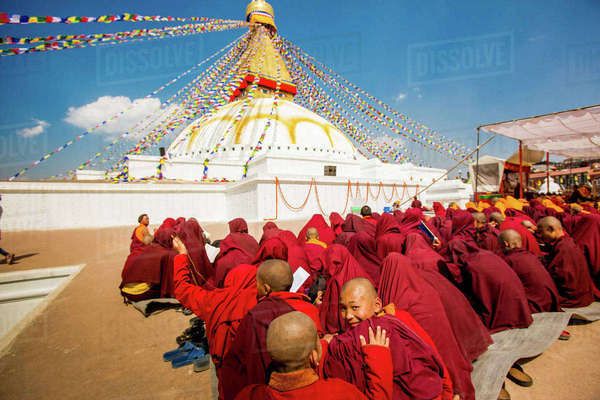
Boudhanath Stupa, located in Kathmandu, is the largest stupa in the world and a center of Tibetan Buddhism.
During Buddha Jayanti:
- Devotees will enter into kora (the act of walking around the stupa) to pray.
- Prayer wheels continuously turn, generating an atmosphere of rhythmic and calming energy.
- Chanting and teachings will take place in the monasteries surrounding the stupa.
- This immersion into the Buddhist experience of being deeply at peace happens as; when you arrive you will fit right into the rhythm of walking slowly, quietly observing, and connecting with your inner peace.
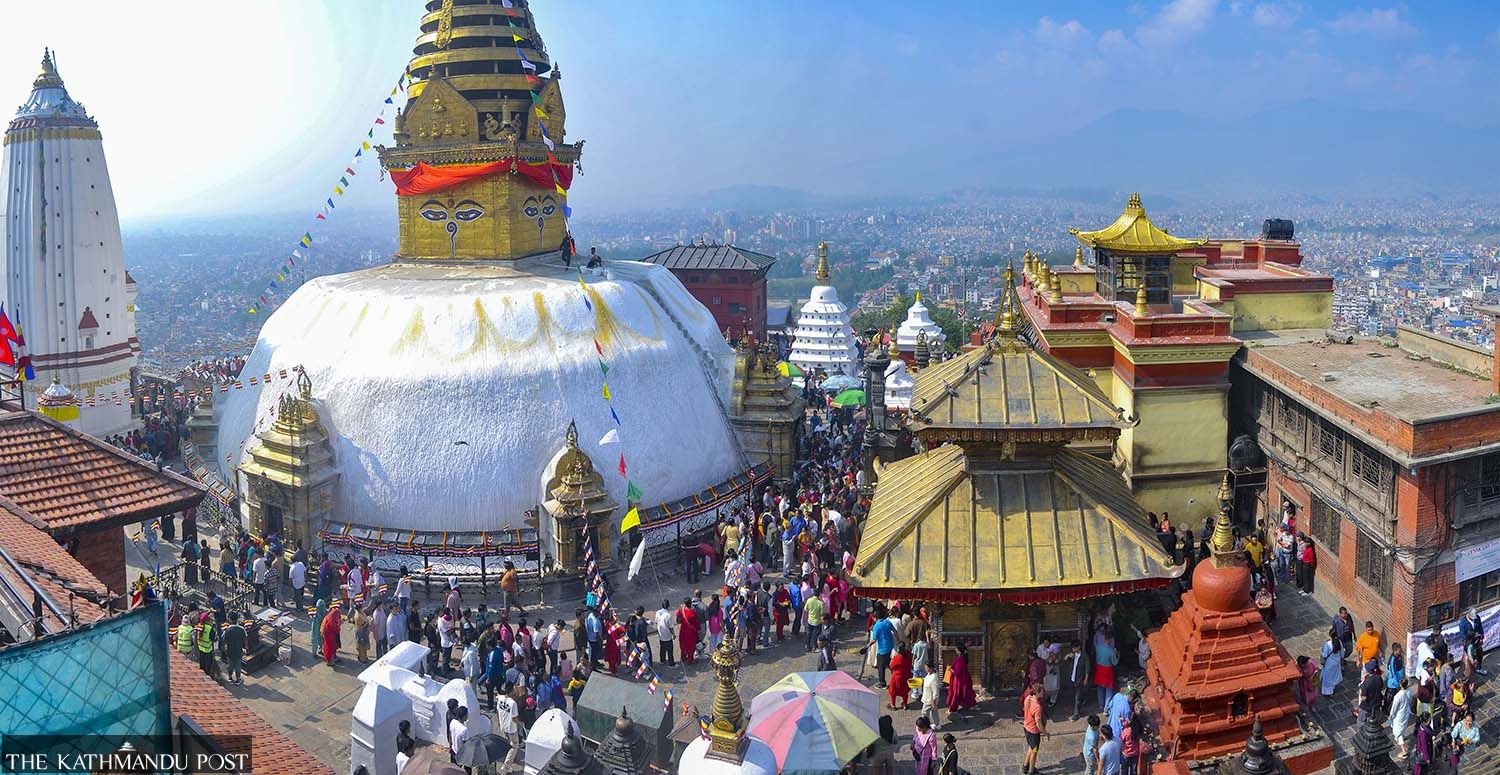
Swayambhunath: A Blend of Spirituality and Nature
Swayambhunath sits atop a hill with spiritual importance and beautiful views of the Kathmandu Valley.
Buddha Jayanti is celebrated:
- People come up without talking or praying,
- Monks perform rituals at sunrise,
- Tranquil surroundings help you meditate and reflect,
- Natural beauty combined with energizing prayer create an ideal atmosphere for those looking for clarity of thought or peaceful scenery.
Pashupatinath: A Distinct Spiritual Difference
While Pashupatinath Temple is primarily a Hindu temple, it represents the spiritual harmony that exists throughout Nepal.
During Buddha Jayanti, you will see:
- Interfaith respect and peaceful coexistence,
- Rituals reinforcing life, death and spiritual transcendence,
- A greater understanding of Nepal's unique religious diversity,
- The diversity of religion contributes to the overall richness of peace tourism in Nepal.
The Psychology of Traveling During Buddha Jayanti
The experience of this time is about more than what you see; it’s about how you feel.
1. Decreased Stress and Speed
The atmosphere encourages you to take your time because there are no loud things to distract you from relaxing your mind.
2. Group Calm
Sitting in the presence of others who are meditating, praying or being kind is calming for everyone around them. This does reduce anxiety and promotes emotional stability.
3. Digital Detox
Unlike other digital detox places where you are forced not to use your phone all the time, people feel so engaged in the moment that they tend to forget about checking their phones.
4. Mindful Living
Small activities like walking, breathing, and observing start to feel more purposeful and intentional.
Activities Found in Peace Tourism
Staying in Silence at a Monastery
Most monasteries have short stays where you can live like they do by following a monk's daily routine (meditating, eating simple foods, and practicing silence).
Mindful Walking Tours
Walking slowly through heritage sites while focusing on your breath and your environment will increase your awareness, calmness, and mindfulness.
Volunteer and Compassion Activities
Participating in community service, distributing food, or supporting a local initiative is in line with what the Buddha teaches us.
Sound Healing and Chanting Sessions
Repetitive chanting can create a soothing vibration, allowing the mind to become very relaxed.
What Makes This Experience Different from Traditional Travel
- Most travel is about exploring outwardly; you see new places.
- Peace tourism during Buddha Jayanti is about exploring within yourself.
- It’s about gathering moments of clarity rather than gathering photos.
- Instead of rushing, you slow yourself down.
- Instead of being distracted, you find the present.
Conclusion
Peace tourism during Buddha Jayanti is not just a vacation; it is a life-changing experience that will alter your perspective of the world and your place in it.
In a world that moves so quickly in a commercialized manner, the Buddha Jayanti experience provides you with something you cannot find anywhere else: stillness, meaning and human connection.
If you are seeking peace of mind, emotional stability, or even just a break from your everyday chaotic life, come to Nepal during Buddha Jayanti, where you will find it quietly, gently and exponentially.
FAQs
Can I go to Buddha Jayanti as a solo female traveler?
Definitely, Nepal is a safe place overall, and the culture is friendly toward female travelers alone.
How many days do I need to have an enjoyable experience in Nepal while attending the Buddha Jayanti festival?
You should plan to stay in Nepal for a minimum of 5-7 days to explore the sights and relax at some point during your visit.
Is it possible to learn how to meditate at the Buddha Jayanti festival ?
Yes, most of the monasteries in Nepal allow you to meditate as a beginner.
What is a better location for peace tourism?
Lumbini will provide more of a spiritual experience than Kathmandu, along with being more challenging to access and having fewer available cultures.
While visiting the temple in Lumbini, what should I wear?
You need to wear outfits that cover both your shoulders and knees when you are in the temple or at a monastery to ensure respect.