
The Best Photography Spots in Nepal

Nepal’s visual splendor begins with the majestic peaks of the Himalayas, which serve as a breathtaking backdrop for any photographer. Ancient temples covered with sculpting, tranquil lakes in the mountains, and native animals! The breathtaking mountains, ancient temples, tranquil lakes, and native animals are just some of the many subjects fotographers have depicted in their photography and have exhibited in various ways representing their individual artistry.Each of the many regions of this beautiful country provides inspiration to photographers and creates many different looks using various natural materials and colors in addition to being created by man.
Culturally, photography has become an important aspect of society in Nepal and is influenced by how we relate to nature through photography.Photographers will find a wealth of information about the cultural connection between people and nature through photographs taken in the many different situations in which they work.
For example, a great deal of time, many photographers capture imagery of people performing ceremonies and rituals during various festivals, visiting remote mountain monasteries, and living lifestyles that are more like those of traditional villagers, all of which provide storytellers with incredible insight into the unique and interesting stories that can be told about the lives of these people.

When photographing landscapes and working with portrait images, photographers often get the best of both worlds. They get close to nature and see how the photographer views the landscape in relation to human beings, and they also have the opportunity to express their creative talents and the way that the photographer sees the world as a whole through the lens of the camera.
In all situations, photographers will be able to produce amazing and dramatic photographs of stunning landscapes in addition to spectacular close-up portrait images. This blog highlights some of the finest photography locations in Nepal based upon their overall beauty, ease of location, and variety of visual content.
1. Everest Region
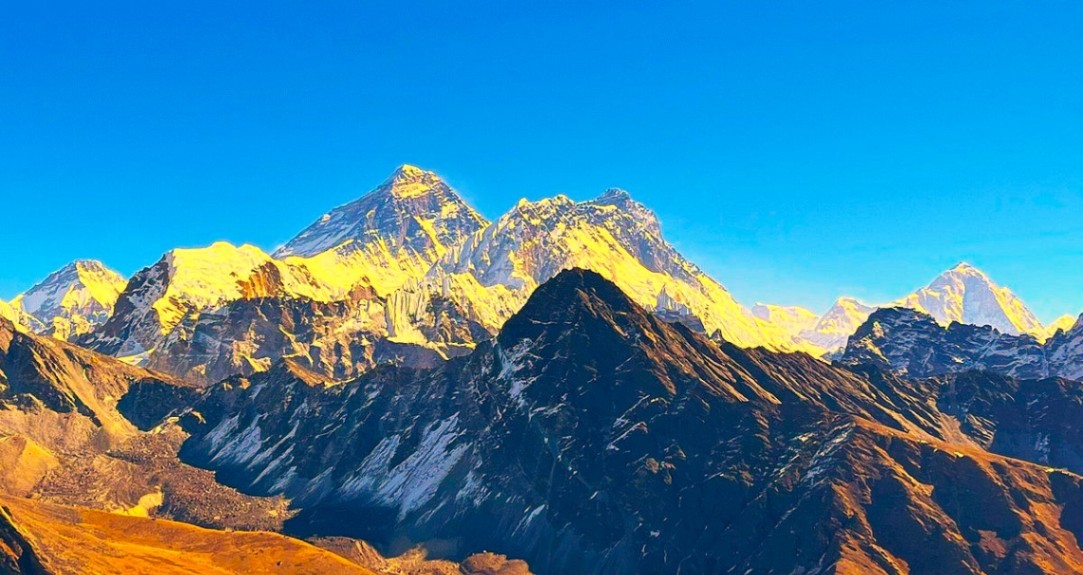
This region is often seen as the best place in Nepal for photographing mountains. This area is home to Mount Everest (the tallest mountain on Earth). As well as some of the most impressive scenery, including the massive ice walls, deep valleys, and towering peaks of some of the tallest mountains in the Himalayas (for example, Lhotse, Nuptse, and Ama Dablam). Because of the combination of size and general beauty of this terrain, it offers many opportunities for wide-angle landscape photography showing nature at its most powerful.
In addition to the mountains, there are many opportunities for photographing culture in the Everest Region. The Sherpa people live in their unique high-altitude settlements such as Namche Bazaar and Pangboche, shaped by the influence of Buddhism and by the mountain environment where they’ve spent several centuries living. Many of these villages include monasteries decorated with prayer flags and mani stones, which add both cultural and spiritual significance to photographs made there, and there are also many interesting scenes of daily life taking place in these villages, such as yak caravans, mountaineers getting ready to climb, etc., which can be used to depict a story through photography.

The changing light conditions within the territory offer new and completely different lighting conditions throughout each day. For instance, typically mornings are composed of clear, crystal-clear skies, whereas in the afternoon clouds create dynamic shading and contrast across the mountain peaks of the Himalayas. The combination of altitude, lighting, and landscape makes this region one of the most rewarding locations to photograph in the entire world.
Photography Tips
- Wide-angle lenses work best for photographing Everest and the surrounding peaks to show their true grandeur.
- Photograph first thing in the morning to achieve clarity of vision as well as gentle light falling across the peaks.
- Including occasional prayer flags, trail signs or the occasional trekker will enhance your shot.
2. Poon Hill
Poon Hill should always be prepared with extra batteries in order to ensure there is never a shortage in the cold weather environment.
Many photographers who wish to see and photograph a sunrise will chose Poon Hill as one of the best places to capture the sun as it rises because of the great advantage of it being easily accessible to many landmarks other than Mount Everest, and having easy access to great landscape with a wide diversity of mountains on any clear day. Many photographers will trek into lower elevations and still be able to get a variety of mountain views from the various mountain heights on the way up.

Poon Hill has an incredible sunrise experience for photographers, in which the sun is a beautiful wave of blue, purple, and grey turning to orange as the day begins; and that dramatic colour change will create an interesting contrast for landscape photography. Additionally, misty valleys add an extra layer of depth to many photographs.
The villages that surround Poon Hill will offer ample opportunities for capturing village and culture photographs. The area's stone houses, terraced farmland, and forest paths bordered by blooming rhododendrons will add richness to any photographer's storytelling capabilities. The combination of breathtaking natural beauty and local colour make this location one of the best places to consider when looking for a photography destination.
Photography Tips
- Arrive early enough to photograph both the blue hour and sunrise
- Use a tripod when photographing in low light and while doing HDR
- Include a person or tree for scale in your photographs
- Find the beauty of your photography in Kathmandu Valley by capturing the full spectrum of life and culture around the city.
- Take a good look at what a very beautiful, vibrant and interesting world you live in. Every person you meet will provide a new opportunity to create your own artistic interpretation of the world around you.
3. Kathmandu Valley
Nepal has many city centers. The Kathmandu Valley has very cosmopolitan communities. There are so many ways to experience how the people in this region celebrate culture through their art. Go outside and take some amazing photographs around the - your local landmarks and places of interest.
Kathmandu Valley has many memorable things about it. You will see amazing monuments and fine buildings; you will see a unique form of architecture that is exclusive to this part of Nepal. There are many UNESCO Heritage Sites located in Kathmandu Valley. They include the cities of Kathmandu, Patan, and Bhaktapur. On this traveling adventure, you will have the opportunity to experience an endless array of architecture and design, as well as be surrounded by the beauty and rich heritage of the Newar people.
In addition to visiting the cities of Kathmandu, Patan, and Bhaktapur, you may want to explore the areas surrounding these three cities, especially while you are taking street photographs. You will be pleasantly surprised by the sheer number of views you will have into how different and colourful the lifestyles of everyday people are.

Moreover, how old customs are integrated with new urban living, provides many dimensions and richness to visual narratives. Festivals create further energy through movement, colour and emotional expression within the streets.
Natural lighting is critical to successful photography within the Kathmandu Valley. The early morning light is soft and shadows are less contestable. Evening lighting creates very sharp contrasts and is created through the light of temple lamps. Great vantage points are provided by rooftop views and higher-level courtyards within the city.
Photography Tips
- Visit cultural heritage sites prior to 0700 hours to capture their beauty in gentle morning light with fewer human beings present.
- For portraiture and nighttime temple imagery; yes to the use of prime lenses.
- Look for photographic opportunities related to detail (hand, carvings, etc.) and close-up images of faces.
- Be sensitive/considerate to traditional customs of the people, and obtain permission before photographing them.
4. Pokhara
Pokhara, often regarded as one of Nepal's most picturesque cities. It has a combination of mountains, rivers, waterfalls and relaxed culture. The stunning peaks of the mountains make Pokhara an ideal setting for all photographers, whether they are amateurs or professionals. For many calm mornings, the fresh water of Lake Phewa reflects both the distant Mt Machhapuchre as well as the mountain ranges surrounding it. The lake provides photographers with balance, symmetry, and a unique place to experiment with their photography.
In addition to being surrounded by boats, temples and cafes that provide interest, photographers can find balance in their compositions by using those elements in reflections on the lake. Sarangkot is a very popular place to photograph sunrise since, like many waterfalls and caves, Sarangkot offers long exposure, moving water opportunities for serious photographers. Pokhara offers photographers a vast range of photography environments and options.

Photography Tips
- Early in the Morning is the Best Time for Capturing Reflections.
- Take Advantage of ND Filters for Long-Exposure Waterfall Photography.
- Include Boats and/or Temples in the Framed Photographs of the Mountains to Create Depth
- Take Sunset Silhouette Photos Along the Lakeshore.
5. Upper Mustang and Gosaikunda
Upper Mustang is a "photographer's paradise" with Surreal Landscapes and Ancient Tibetan Culture. It is an excellent place to take that special photograph. It has a great contrast of the area's arid condition compared to the other areas of Nepal, which are generally green.
Lo Manthang, a city enclosed by a wall, represents the cultural center of Upper Mustang. Many Monasteries, Whitewashed Houses, and Narrow Alleyways present an Ancient and Timeless Nature that is still Present Today. The climatic regions of the Mustang are not as climatically diverse and remote from the lower valleys when compared to the Gosaikunda and Langtang regions. This allows for excellent photographic opportunities because of the richness of their light and long shadows. Both the Mustang and Gosaikunda/Langtang geographical regions allow for the creation of abstract compositions with thickly pronounced lines and contrasts due to the geographic and climatic distances between the two. In fact, using these different geographical characteristics, an artist may create many unique abstract photographic compositions of their own.

Gosaikunda and Langtang regions through photography, the best times for light are early in the morning before sunrise and later in the evening just after sunset, when the sun is setting on the horizon creating a gentler and softer shadow effect. Another tip for creating better photographs is to use a polarizing filter. Polarizing filters are able to provide a stronger blue sky effect and reduce the amount of glare reflecting off the water in photographs. Polarizing filters also allow the photographer to see more clearly through the lens when photographing lakes.
When taking photographs of trail signs or cliff face areas, focus your attention and energy on the textures and lines of the subject rather than the colours. Photographing will include capturing all of these beautiful features, including the prayer flags; also the large, traditional stone houses that locals call home. Grazing Yaks will give you strong foreground views with majestic backdrops of some of the highest & most beautiful mountain ranges on earth. During the springtime when the weather patterns change dramatically they are usually bright lush green. However, when winter arrives the weather patterns will change again to be snowy and seasonal looking.
Photography Tips
- Reflective surfaces will provide truly interesting photographs when shooting Gosaikunda Lake.
- Use the clouds in your photographs as a great source of diffused light when shooting in the forest.
- Document and capture daily village life to create visually compelling stories.
- Always protect your camera equipment against abrupt weather swings.
7. Chitwan National Park and Koshi Tappu National Park
Both Chitwan National Park and Koshi Tappu National Park provide photographers with a completely different photographic experience. Most photographers expect from both parks, and they provide photographers the opportunity to photograph wildlife as well as nature. Chitwan National Park is known for its one-horned rhinoceros, deer, crocodiles, and its rich, dense jungles. The lush riverbanks and expansive grasslands and rich jungles allow wildlife photographers to create layered photographs.
Koshi Tappu is a bird photographer's paradise. There are thousands of different species of both migratory and resident birds here, and there are many different types of landscapes, including wetlands, rivers, and wide-open sky areas with clear backgrounds so that birds will stand out. Early in the morning when mist is present creates additional depth and interest in the photographs.
When taking wildlife photographs in Nepal, it is necessary to have a great deal of patience and a thorough understanding of the different animal behaviours and lighting conditions before good photographs will be taken of the animals. Photographers are much more likely to be successful in this field if they first scout out locations before heading out and waiting until there is an ideal time of day with good weather conditions as well as waiting until everything is exactly right to capture the most perfect shot possible.

Photography Tips
As per the wildlife photographer “Asmit Dhungana” with over 13 years of experience in WildLife experience, he gave a few tips for someone who loves photographhing in the wild-:
- When photographing wildlife, it is recommended to use long lenses to be able to capture wildlife from a healthy distance as well as to get more detailed photographs.
- The best times to photograph wildlife are early and late in the day.
- Photographers will want to shoot photographs of wildlife focused on capturing the number one image which is the eye(s) of the birds while depicting birds in their natural surroundings.
- Photographers will want to photograph wildlife with the maximum amount of shutter speed available so that motion blur is not prevalent in the images.
Conclusion:
In Nepal you will find a plethora of opportunities for photographers to capture beautiful images. Regardless of whether you photograph mountains, cities, lakes or jungles you will find many opportunities to create amazing photographs. Planning ahead, respecting cultural practices and preferences, and taking advantage of the light are some of the ways to have an enjoyable photographic adventure in Nepal.