
Ethnic Groups of Nepal: A Complete Guide
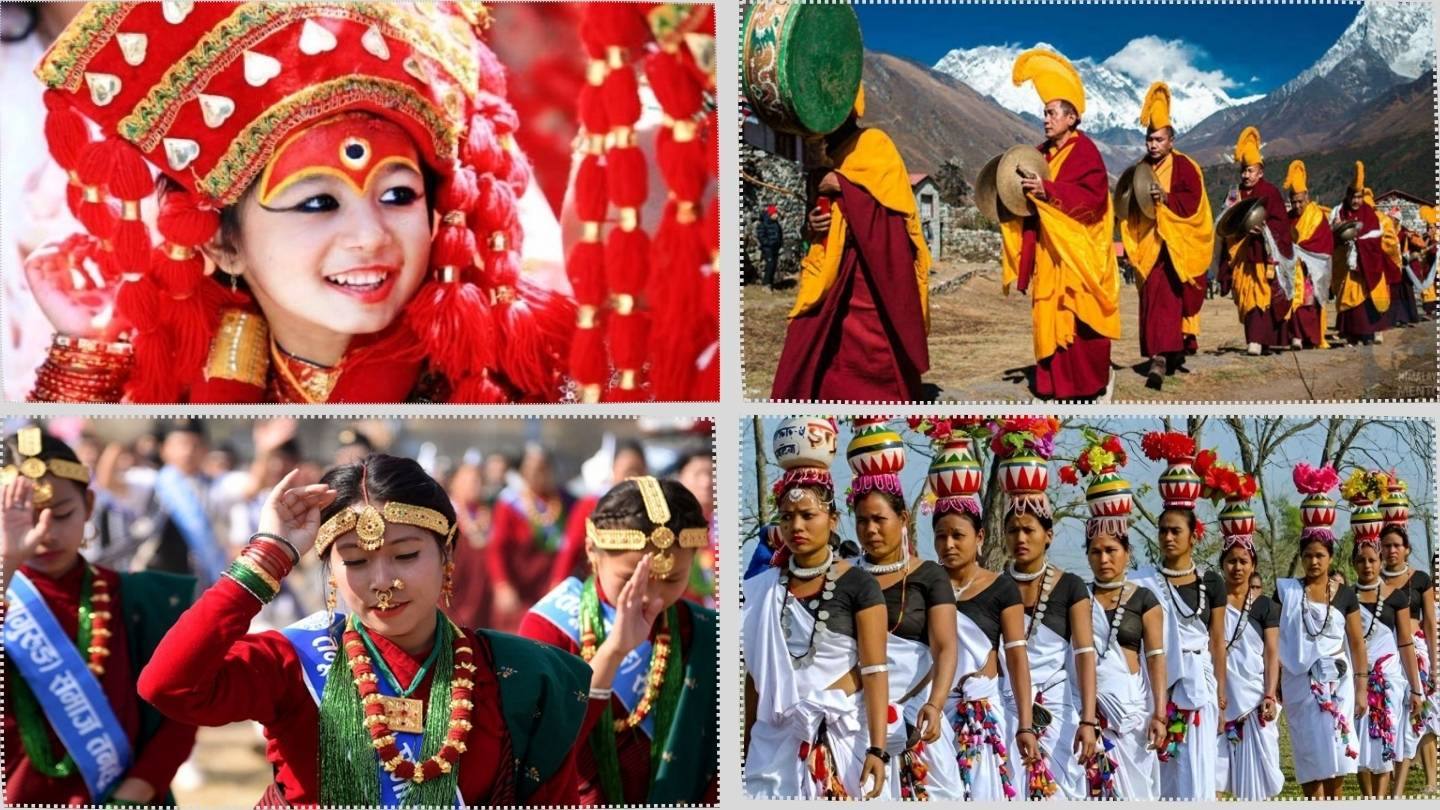
Although Nepal is a small country in South Asia, it is a country of diverse cultural backgrounds. There are many ethnic groups in the high Himalaya mountains; hills and in the Terai plains with their own language, traditions/ways of life, festivals, food, clothes, and history.
Ethnic group is one of the most important aspects of the identity of Nepal. The communities have inhabited portions of the hills, valleys and the plains of the South for hundreds of years and others have developed distinctive cultures in the hills.
Frequently, one gets the impression that travelling through Nepal is like going through various cultural worlds. They have a taste of the Sherpa culture of Everest region, Newar culture of Kathmandu Valley, Tharu villages of Terai, Gurung and Magar villages of the hills and Tamang villages around Kathmandu Valley and central Nepal.
Nepal is more than just a place to see mountains and trek; it's a place of cultural diversity. It is a nation of language also, a nation of communities, customs and life traditions.
Ethnic Diversity in Nepal
There are a large number of ethnic, caste and indigenous communities in Nepal. Nepal has over 140 castes and ethnic groups as per the national census.
The communities are located in various geographical areas. Traditionally, some have been residing in the Himalayan region, some in the mid-hills and others in the Terai.
It is crucial to realize that Nepal's communities are not necessarily contained within geographical boundaries. There are now many ethnic groups scattered throughout the country, especially in urban areas like Kathmandu and Pokhara.
The diversity is manifested in:
- Languages
- Traditional clothing
- Food
- Festivals
- Religious practices
- Music and dance
- Architecture
- Marriage traditions
- Traditional occupations
- Art and handicrafts
- Oral histories and folklore
Major Ethnic Groups of Nepal
Some of the most well-known ethnic communities in Nepal include:
- Newar
- Sherpa
- Tamang
- Gurung
- Magar
- Tharu
- Rai
- Limbu
- Sunuwar
- Kirat communities
- Gurung
- Thakali
- Bhujel
- Chepang
- Sarki, Damai and other Dalit communities
- Madhesi communities
- Muslim communities
- Brahmin and Chhetri communities
Below is a closer look at some of Nepal's major and culturally distinctive communities.
1. Newar
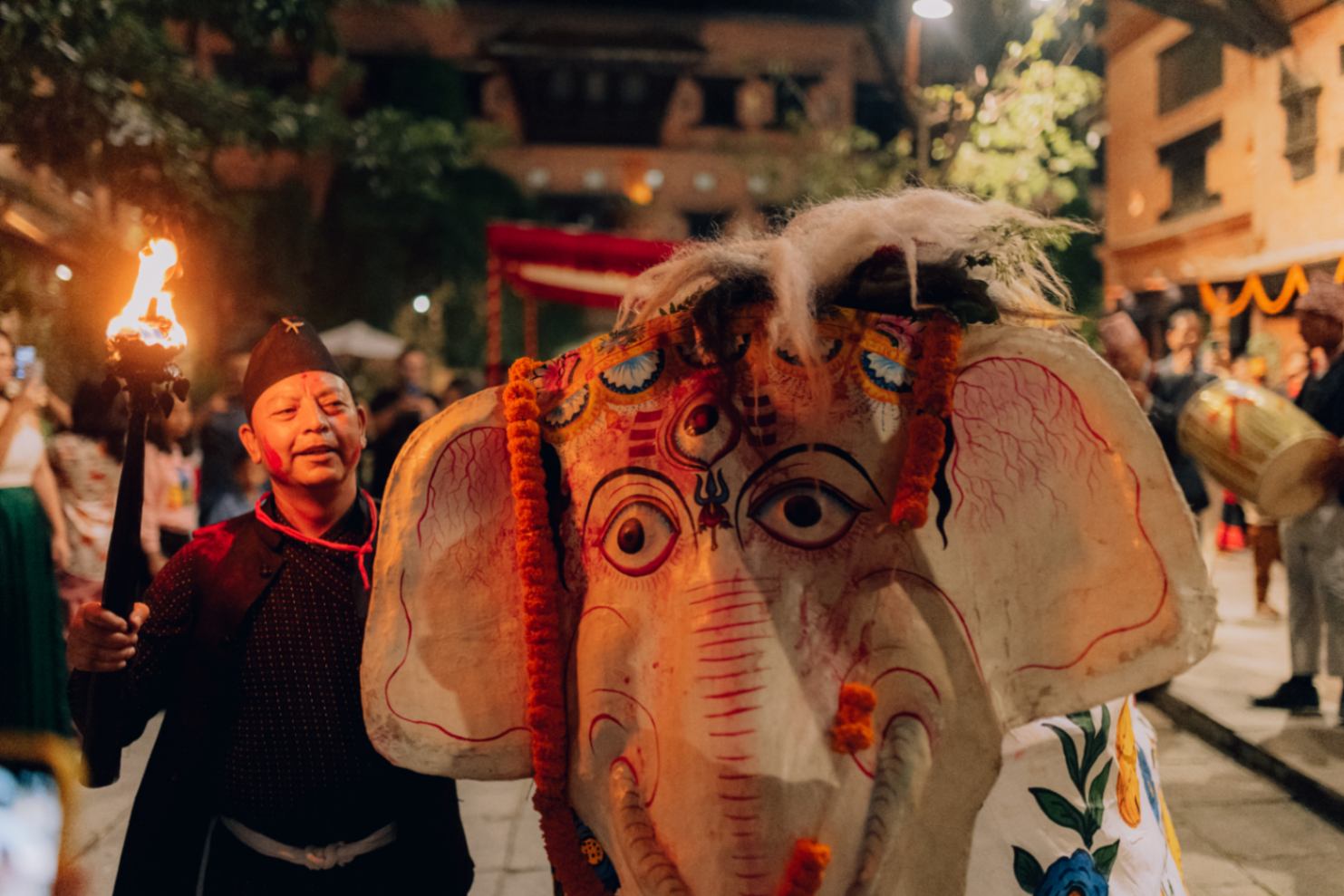
The Newars of the Kathmandu Valley are among the most historically significant communities in the Kathmandu Valley.
The Newar civilization has contributed greatly towards the development of Kathmandu, Bhaktapur and Lalitpur. The community is particularly well known for its architecture, festivals, traditional art, metalwork, wood carving and cuisine.
Buddhism and Hinduism are important in Newar culture.
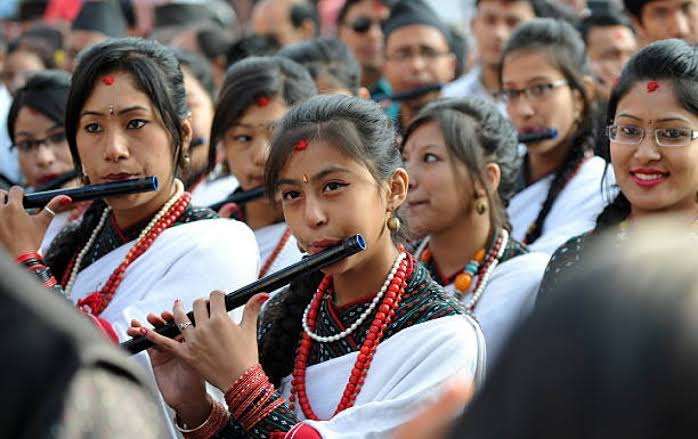
The following are some of the best places to experience Newar culture:
- Kathmandu
- Bhaktapur
- Patan
- Kirtipur
- Bungamati
- Khokana
Newar festivity are Indra Jatra, Bisket Jatra, Rato Machhindranath Jatra and traditional jatras.Newari food is also famous throughout Nepal. Popular dishes include:
- Newari khaja set
- Yomari
- Bara
- Chatamari
- Samay Baji
- Choila
- Aloo tama
- Kwati
The historic cities of the Kathmandu Valley are among the best places for the travelers who are interested in the Newar architecture and culture.
2. Sherpa
Sherpa are very closely related to the high Himalayas of Nepal, especially Solukhumbu region.
The Sherpa culture is deeply rooted in Tibetan Buddhism and the lifestyle of the mountain. It is the tradition of the community that they live in high elevations in the mountains where farming and animal husbandry and trade plays significant roles in their lives.
Nowadays, the Sherpa are known the world over for their work in mountaineering and trekking in the Himalayas.But mountaineering isn't the only thing that is Sherpa culture.
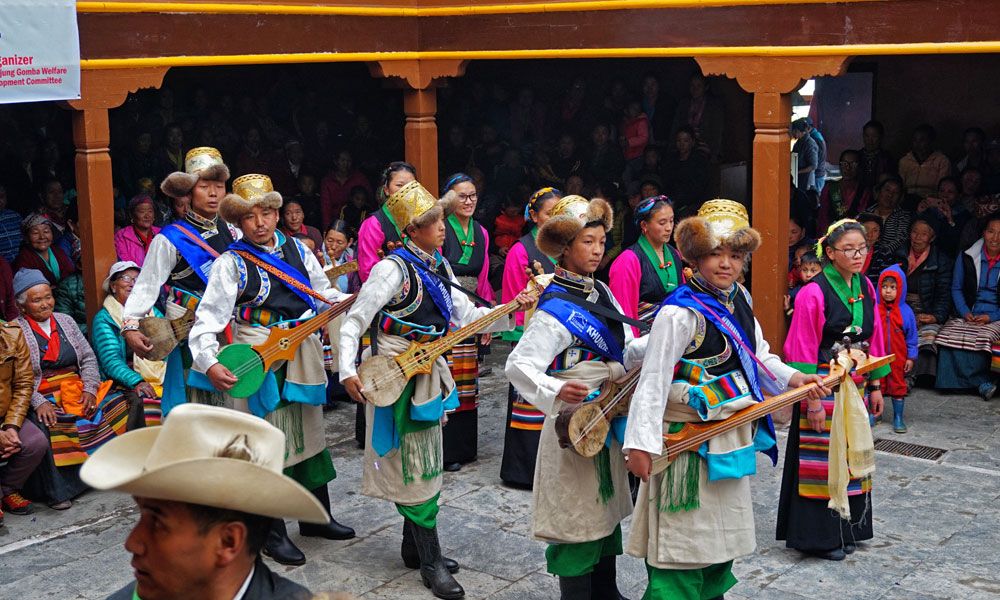
Sherpa villages are noted for:
- Buddhist monasteries
- Prayer wheels
- Mani walls
- Chortens
- Traditional houses
- Mountain festivals
- Tibetan Buddhist traditions
Sherpa culture is an experience that is commonly found at Namche Bazaar, Khumjung and Thame and the surrounding villages.
One of the significant festivals of the Sherpa Buddhist community in the Everest region is the Mani Rimdu Festival.
3. Tamang
Tamang is one of the significant ethnic group in the central hills of Nepal. The large Tamang community can be seen in the Kathmandu Valley and around the districts of Rasuwa, Nuwakot, Dhading, Makwanpur and Sindhupalchok.
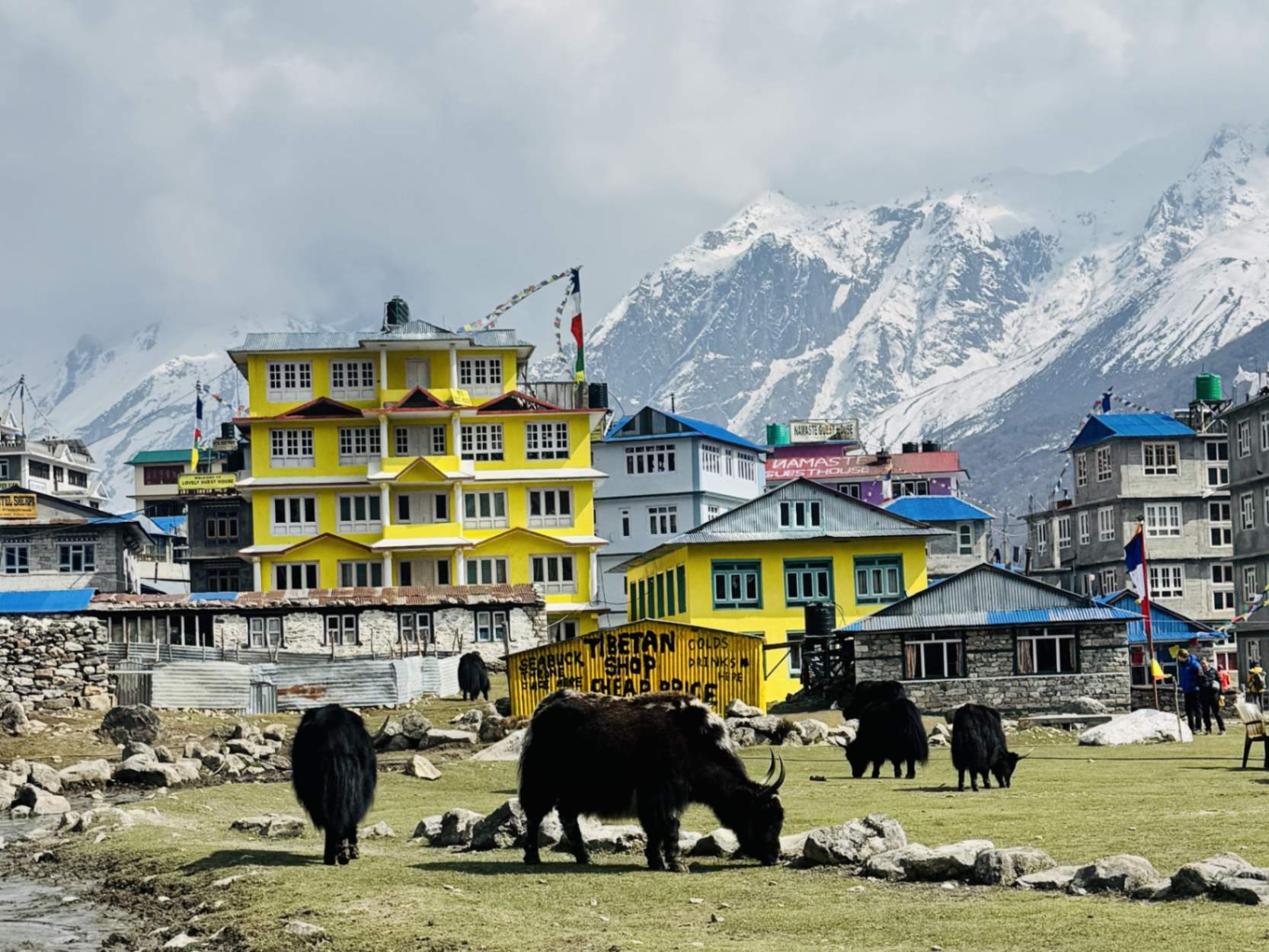
The culture of Tamang has Tibetan Buddhist influences.
Tamang communities are traditional to:
- Buddhist monasteries
- Tamang songs
- Traditional dances
- Colorful clothing
- Mountain agriculture
- Handicrafts
- Unique language and culture practices
The Tamang Heritage Trail in the Langtang region is an opportunity to experience Tamang villages and traditions.
4. Gurung
Traditionally the Gurung are known to be related to the hills and mountains of the central part of Nepal.
The major Gurung settlements are located in the area surrounding Annapurna, Lamjung, Kaski, Gorkha and its surrounding areas. Gurung culture is well known for its music, dance, festivals and traditional lifestyle in the villages. The community has also been a key player in the history of Gurkha military service.
The Gurung villages are a favorite among trekkers as they are traditional communities through which many trekking routes travel. The Gurung Heritage Trail and trekking areas around Annapurna provide opportunities to experience Gurung culture.
5. Magar
The Magar represents one of the biggest indigenous communities in Nepal. They are considered to be native to the hills of western and central Nepal. Magar are present in such districts as Palpa, Myagdi, Baglung, Rolpa, Rukum and Tanahun. The Magar Culture has its own language, dance, song, clothing and traditions. The many Magar villages are nestled in beautiful hill landscapes, and are gaining in popularity for cultural tourism.
The Magar community is also deeply connected to the Gurkha military heritage.
6. Tharu
The Tharu are one of the major tribal group of Terai and Inner Terai region of Nepal.They are traditionally inhabiting areas such as Chitwan, Bardiya, Kailali, Kanchanpur and other parts of southern Nepal.The Tharu culture is a special interest because of the tropical and sub-tropical environment of the Terai where it has evolved.
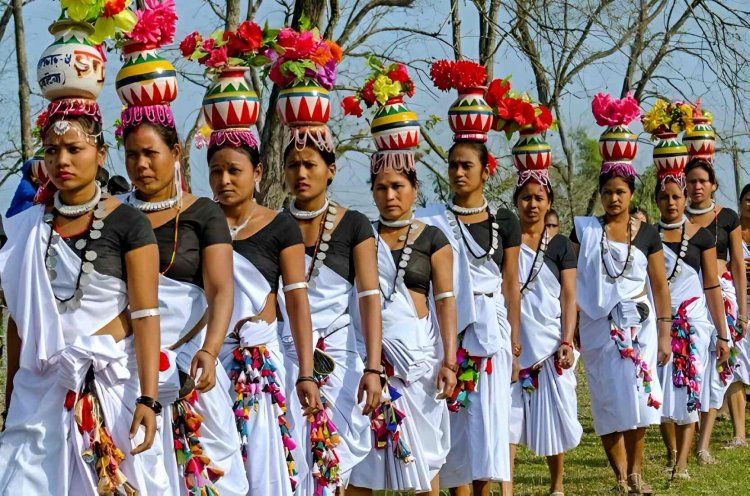
The following are all part of the traditional culture of the Tharu people:
- Distinctive houses
- Wall paintings
- Traditional clothing
- Folk music
- Dance
- Agricultural traditions
- Local cuisine
- Community festivals
The Tharu people are significant to tourism in Chitwan and Bardiya.
Here they can enjoy the Tharu cultural shows, experience the traditional villages and local cuisine.
The Tharu festival Maghi is one of the most important celebrations for the community.
7. Rai
The Rai are a significant indigenous group with the primary association to Eastern Nepal.
The Rai people are residing in the hills of the districts like Bhojpur, Khotang, Solukhumbu and its neighbouring districts.
There are a variety of languages and cultural traditions among the Rai people. Traditional beliefs are sometimes linked to Kirat traditions.
The music, dance and oral traditions are a vital aspect of the rai culture.
One of the most celebrated festivals amongst the Kirat communities is the Sakela festival.
8. Limbu
Limbu is an indigenous group mainly inhabiting the eastern part of Nepal (historically known as Limbuwan. The major Limbu settlement can be seen in some districts like Taplejung, Panchthar, Ilam and Tehrathum.
The Limbu culture is closely related with Kirat culture.
The community is celebrated for its:
- Traditional dances
- Folk songs
- Distinctive clothing
- Oral traditions
- Indigenous religious practices
- Cultural festivals
- Limbu cultural traditions are related to the Dhan Nach and Chyabrung
9. Thakali
The Thakali community is indigenous to the Thak Khola area of Mustang. The community is relatively small with a high sense of community identity.Thakali cuisine is a speciality of Nepal.
The typical dish served in Thakali is:
- Rice
- Dal
- Vegetables
- Pickles
- Meat
- Local side dishes
Nowadays, Thakali restaurants are available all over Nepal, particularly in Kathmandu and Pokhara.
There are several places to learn Thakali culture, such as the Kali Gandaki valley and the villages of Marpha, among others.
10. Chepang
Chepang are an indigenous group, historically linked with the hills of central Nepal.
The Chepang live in remote areas in Chitwan, Makwanpur, Dhading and other districts.
Traditionally they have lived closely with forests, farming and nature. These cultural practices, language and knowledge of local plants and forest are a significant part of the rich indigenous heritage of Nepal.
11. Sunuwar
The Sunuwar are an indigenous people primarily connected with the eastern and central Nepal.
Have their own language, cultural traditions and traditional practices.
Historically, people of the Sunuwar community have dwelled in the hills and have retained their distinct cultural identities amidst the growing urbanization and migration.
They have traditional festivals, music and dances which are important part of their cultural heritage.
12. Bhujel
The Bhujel community is associated to the hills of Nepal traditionally. The Bhujel are widespread in the country, most notably in Western and Central Nepal.
They have certain unique traditions, language, music, and community practices that constitute their culture.
The migration and modernization have affected the traditional life of the community, but there are still festivals and community groups that help to uphold traditional ways.
13. Madhesi Communities
There are various communities that live in Terai area and are grouped under a common madhesi cultural region.
It can refer to a number of different caste and ethnic groups and their associated language, traditions and practices.
The languages mostly spoken throughout the Terai are:
Maithili
Bhojpuri
Awadhi
Hindi
Tharu, other local languages
Music and food, clothing, festivals and religious traditions are especially rich in Madhesi culture.
Janakpur is one of the greatest cultural areas of the Terai and has close relationship with Maithili culture.
15. Dalit Communities
The Dalits have been an integral part of the social and cultural life of Nepal.
The Dalits are a group of communities in Nepal, each having its own traditions and occupational history.
Historically known Dalit communities are:
- Kami
- Damai
- Sarki
- Gaine
- Badi
These communities have played significant roles in the Nepali music, metalwork, leatherwork, tailoring and other traditional professions.
Nepal's current laws have abolished caste discrimination and untouchability, and social inequalities and discrimination are significant concerns. The ethnic communities of Nepal have different mother tongues or languages.
The greatest manifestation of the cultural diversity in Nepal is there language.
Nepali is one of the numerous languages used in Nepal, which belong to various language families.
Some languages spoken include:
- Nepali
- Maithili
- Bhojpuri
- Tharu
- Tamang
- Newar
- Bajjika
- Magar
- Doteli
- Urdu
- Gurung
- Rai languages
- Limbu
- Sherpa
Language is intricately linked to Cultural identity. Traditional languages contain folklore, songs, oral history and cultural knowledge for many communities.
Religion and Belief Systems
Nepal is a country of multiple religions.
There are two major religious traditions: Hinduism and Buddhism, as well as Islam, the Kirat traditions and other beliefs. There is not a one-to-one correspondence between religion and ethnicity.
For instance, there are many Newars who practice both Hindu and Buddhist religions. The Sherpa and many of the Tamang people are very Buddhist while the Kirat people (Rai and Limbu) have a distinct indigenous religious culture.
Local traditions and ancestral customs may also be intertwined with religious beliefs.
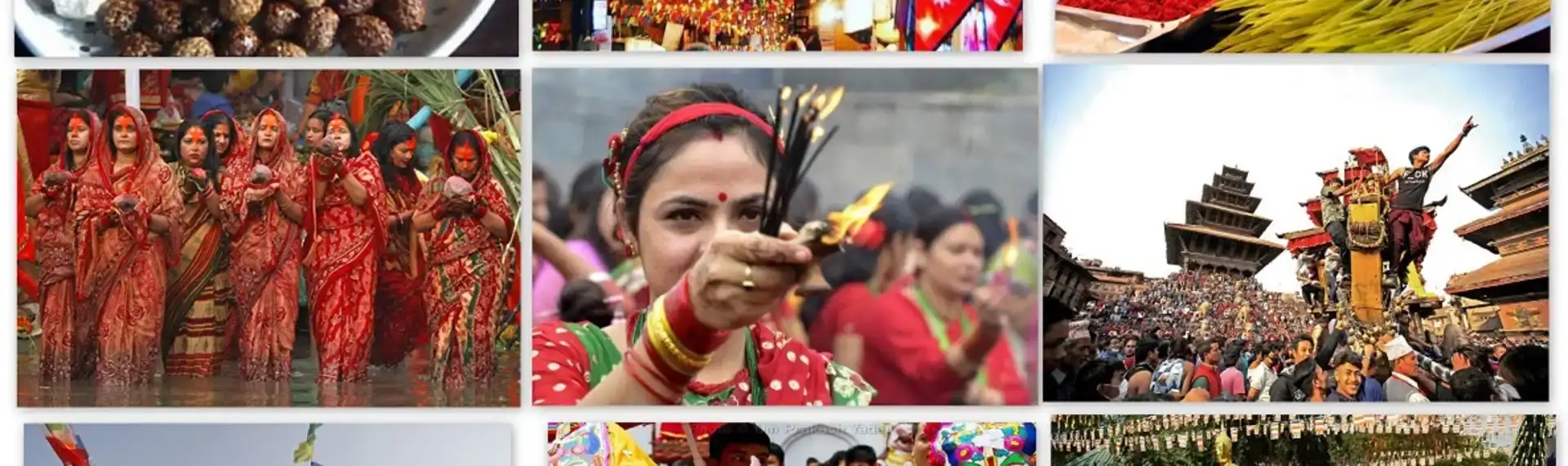
There are traditional festivals in every ethnic community in Nepal.Each ethnic community hosts traditional festivals in Nepal. No better way to experience the cultural diversity of Nepal than on a festival day.
Each community has their own festivals and some festivals are shared among the communities.
Important examples include:
- Dashain
One of the important festivals of Nepal, Dashain is celebrated throughout the country.
Tihar
Another main festival is Tihar, which is filled with lights, family gatherings and animal and deity worship.
- Indra Jatra
Indra Jatra is particularly important in Newar culture and is celebrated in Kathmandu.
- Maghi
Maghi is of particular significance in the lives of the Tharu.
- Sakela
Sakela is related to Kirat people, mostly to the Rai.
- Lhosar
Various types of Lhsar are observed by various Himalayan and Hill communities such as Sherpa, Tamang and Gurung communities.
- Mani Rimdu
Mani Rimdu is a significant Buddhist holiday linked with the Sherpa people in Everest region.
Traditional Food of Nepal's Ethnic Communities
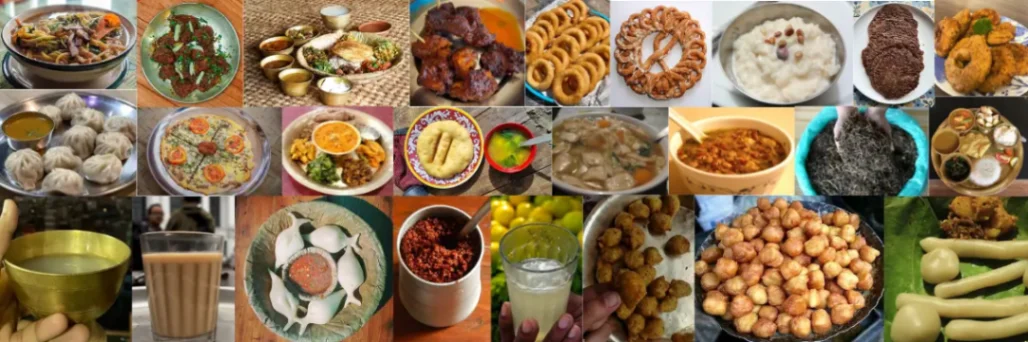
Another cultural diversity in Nepal is food. While dal bhat is consumed all over Nepal, each community has devised its unique dishes and cooking methods.
Some examples include:
- Newar: Yomari, bara, chatamari, choila and samay baji.
- Thakali: Pickles, Khana (meat dishes) prepared in the area.
- Tharu: Local rice dishes, fish, vegetables and local preparation.
- Sherpa: Tibetan cuisine inspired dishes like thukpa, momo and others from the Himalayas.
- Tamang: Local foods, fermented foods and traditional dishes.
- Geography can influence food traditions. Traditionally, the foods of the communities of the hills were adapted to cold weather, and those of the communities of the Terai were adapted to the rice, fish, vegetables and food products of the agricultural regions.
Why Ethnic Culture Is Important to Nepal Tourism
One of the best assets of Nepal tourism is its culture. Many travelers initially come to Nepal for the Himalayas, trekking and adventure. But often, their most memorable experiences are through interaction with local communities. A single trek can lead to several cultural landscapes.
For instance, on the Annapurna trek, one will get to see the Gurung, Magar and Thakali culture in the villages.
In the same way, trekking to the Everest Region brings the visitors to the Sherpa culture.
Economic opportunities for rural communities can be created via cultural tourism by means of:
- Homestays
- Local guides
- Traditional food
- Handicrafts
- Cultural performances
- Village tourism
- Community-based tourism
Cultural Tourism and Responsible Travel.
The development of responsible and cultural tourism.Ethnic groups should be approached with respect. Culture is not just entertainment. Responsible cultural tourism can be practiced by:
- Getting permission before taking pictures of others
- Dressing appropriately
- Respecting religious sites
- Learning the local language, such as greetings.
- Supporting local businesses
- Purchasing handicrafts of local origin
- Avoiding disrespectful behavior
- Following local customs
- Do not trespass onto private property or sacred sites.
- Where possible, opting for community-based tourism.
Respectful tourism can be instrumental in both the preservation of culture and the benefit to local communities.
Best Places to Experience Nepal's Ethnic Diversity
For a variety of cultures, visit:
- Destination
- Cultural Experience
- Kathmandu
- Newar culture and heritage
- Bhaktapur
- Festivals and Newar architecture.
- Patan
- Newar art, temples and crafts
- Namche Bazaar
- Sherpa culture
- Khumjung
- Sherpa village life
- Langtang
- Tamang culture
- Annapurna
- Gurung and Thakali culture
- Mustang
- The culture that is influenced by the Himalayas and Tibet.
- Chitwan
- Tharu culture
- Bardiya
- Tharu traditions
- Janakpur
- Maithili culture
- Ilam
- The communities of eastern Nepal are quite diverse.
- Taplejung
- Limbu and Himalayan cultures.
The Importance of Indigenous Communities in Nepal
The indigenous communities of Nepal have a strong association with mountain ranges, forests, rivers and agriculture in this country. Through their traditional knowledge they can make a contribution towards the environment and sustainable living.
The local residents have acquired expertise in a variety of areas:
- Medicinal plants
- Farming
- Forest management
- Animal husbandry
- Local weather
- Mountain environments
- Traditional construction
- Food preservation
Such knowledge is one of the important cultural heritage of Nepal.
Final Thoughts
Ethnic Groups in Nepal are the core of the nation's culture. The diversity of Nepal can not be understood with just its mountains, temples, or historic cities. There is a real cultural wealth in the people, languages, festivals, food, clothing, traditions and architecture of the country.
Every region has its own cultural experience; from Newar communities in the Kathmandu Valley to Sherpa communities in the Himalayas and the Tharu communities in the Terai.
These communities offer a glimpse into the lives of Nepalese people beyond the scope of conventional tourism, making them an attractive destination for travelers seeking a deeper understanding of the country. It enables the visitors to learn about the impact of Geography, History and Community on life in Nepal.
The ethnicities of Nepal are so diverse that visiting the country for trekking, cultural tourism, heritage exploration or just to learn more about the country requires to experience the country's various ethnic cultures to make it more meaningful to them.