
Culture Shock in Nepal: A Complete Guide for First Time Travelers
Nepal is a country that evokes feelings of amazing familiarity in people’s hearts as well as feelings of complete strangeness at the same time. This country is known for its incredible mountains, excellent paths for trekking and great sacred places, wonderful rural areas and excellent hospitality of its people. However besides impressive views and fascinating paths, this nation has a great culture that has been developed throughout many years of its own existence.
People who visit this celestial country for the first time will get to know a lot of peculiarities of the style of life in this community. Communication, having meals, travelling, dressing and worshipping are going to be different.
This phenomenon is called culture shock.
Culture shock does not mean that there is something wrong with you. It just means that people feel a kind of confusion or surprise when entering an unfamiliar environment.
Some people are really benefitting from getting this type of experience, while some people are struggling with it. But generally speaking, if a person is open-minded and prepared before entering the new world, then there will be no problems with culture shock.
What Is Culture Shock in Nepal?
Culture shock is considered to be an emotional and mental adjustment which may occur while you are in an unfamiliar setting. In Nepal, this might happen in many ways. For example, the way people speak varies greatly, from people sharing food to the visible presence of religions in daily lives. Public transportation is usually crowded, while the arrival times are not something that one can rely on.
Furthermore, one can notice that the culture shock is introduced by various differences in personal space, clothes, social relations, hospitality noise levels, bargaining, and relationship with time.
Initially, these changes can seem confusing but in time one learns the meaning behind them and starts realizing that things are not that bad at all.
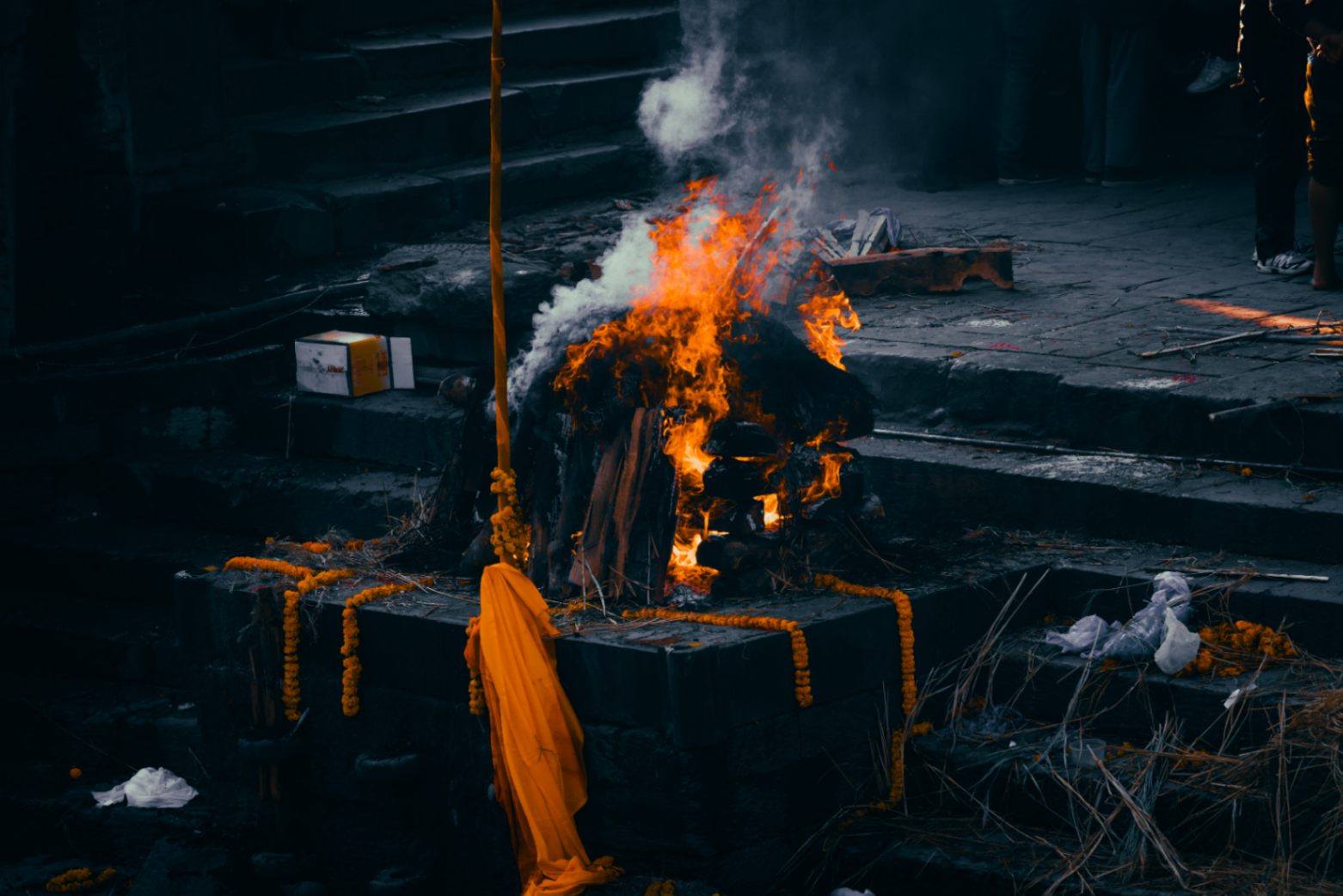
Burning a dead body by the Bagmati River
The Warm Hospitality Can Be a Culture Shock
Many travelers visiting Nepal notice the welcoming attitude of the locals.
Nepali culture promotes hospitality, and therefore guests are treated kindly and with courtesy, and locals may even help those tourists who look lost.
You may expect to find someone offering you guidance to your destination, helping you look for a bus, suggesting some food, or just talking.
For many people from other societies, where people are more reserved in their behavior, such hospitality may seem too much in the beginning.
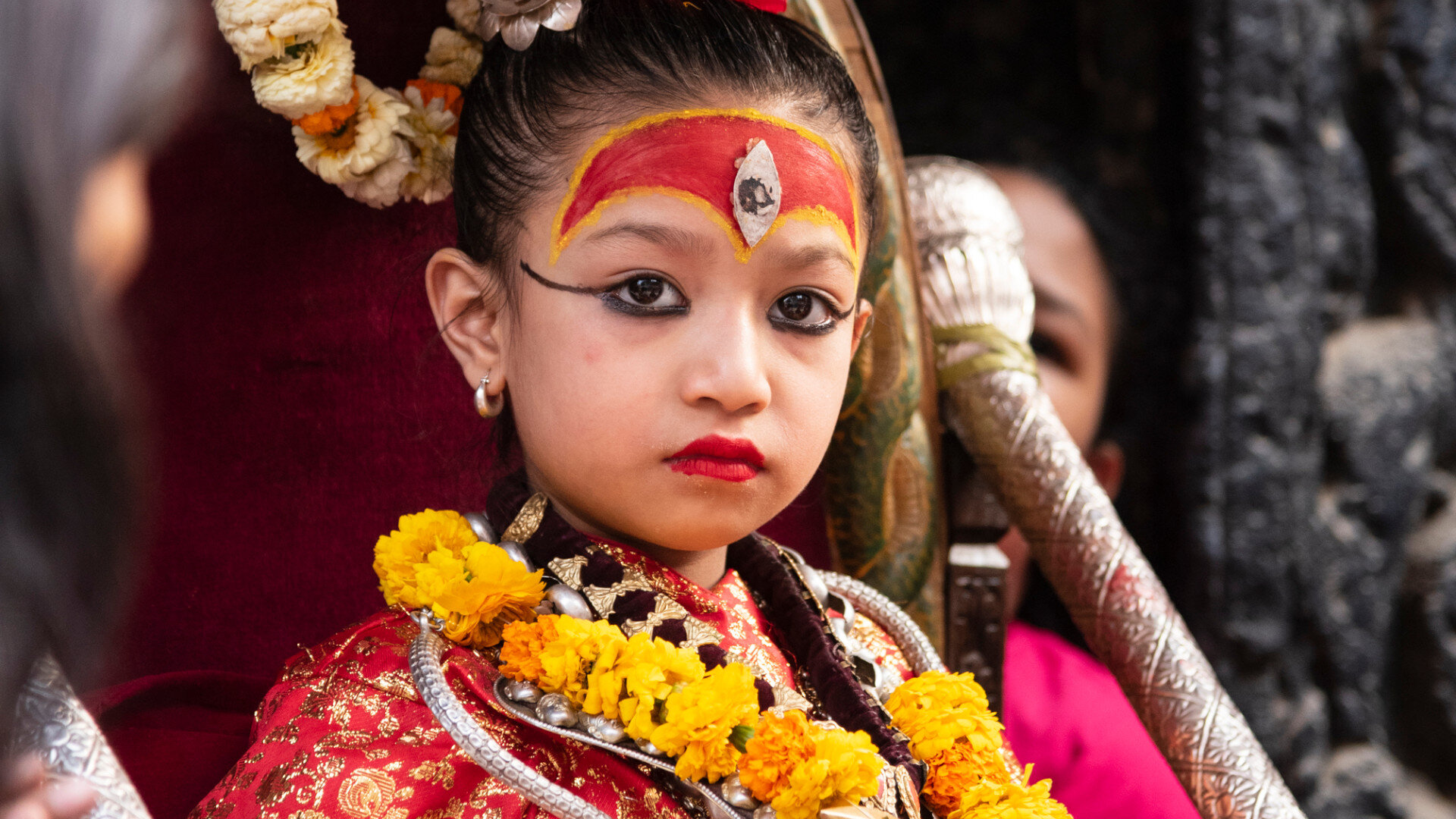
A Kumari(living goddes) Taking out for the public ceremoney
People living in rural areas can be even more hospitable. When visiting someone, the visitor can often be offered tea and food, and even a place to sit, without knowing the guests beforehand.
Rather than seeing this behavior as something unusual, one needs to appreciate this important part of Nepali culture.
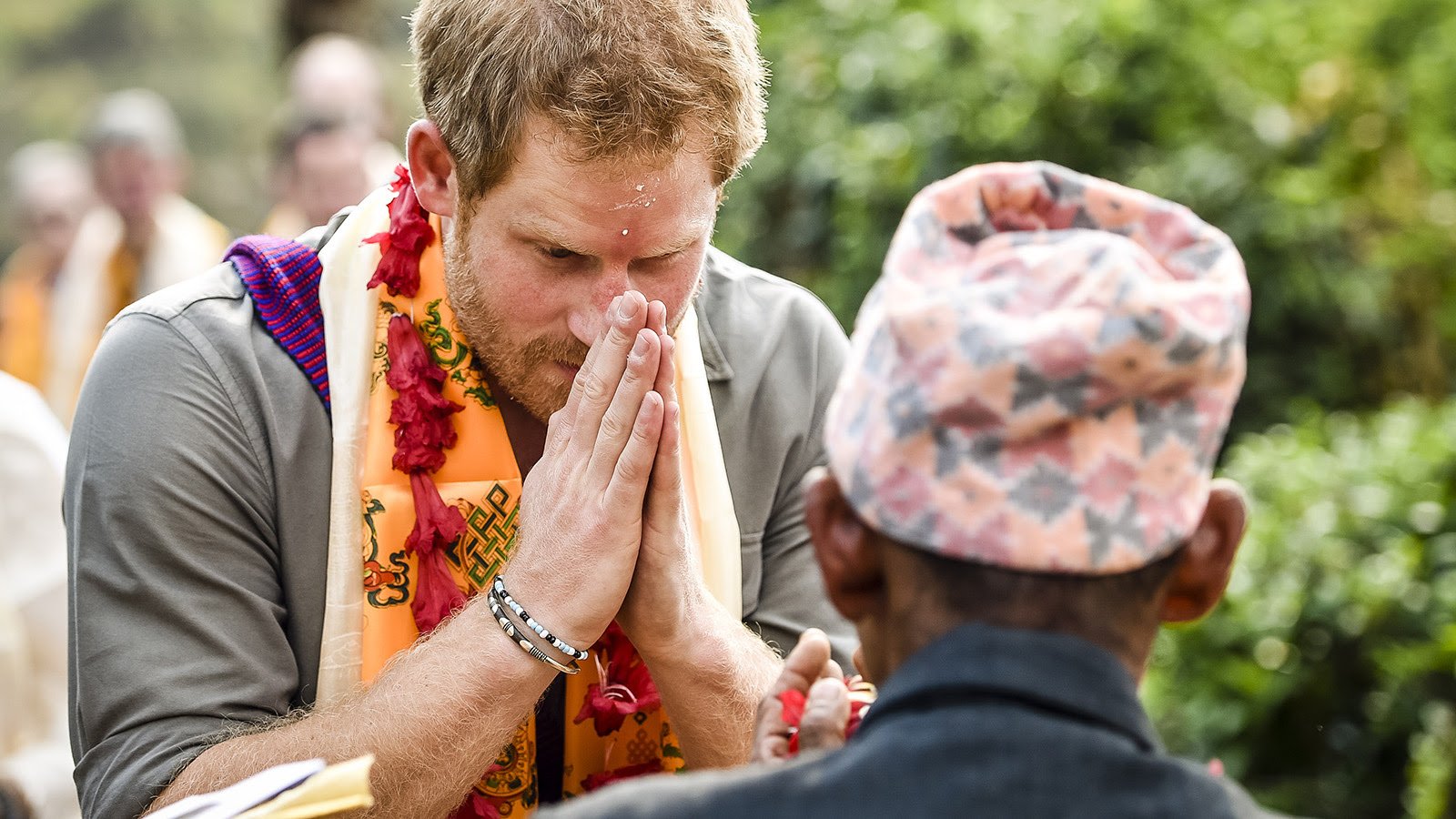
Namaste Means More Than a Greeting
One of the words a visitor to Nepal will hear and will have to use frequently is the word "Namaste. Visitors may think that Namaste is just a greeting for travelers. However, it has a much more significant and cultural importance. You could hear this word from hotel staff, guides, shopkeepers, elderly people, people practicing religion and locals.Even simple use of Namaste in the correct way is enough for travelers to show their cultural awareness level.It is enough to say Namaste while smiling.
About Personal Questions
Another type of culture shock in Nepal lies in the manner in which people talk to strangers.You might probably hear something about such questions about you such as age, marital status, job and family situation and place of residence.
Asking those questions is inappropriate for many western countries. Nevertheless, in Nepal, asking personal questions is a way to express interest and establish communication. This does not mean that you should answer all of the questions. If you don’t want to answer, you can just say something general or change the topic of conversation.
Time Can Feel Different in Nepal
Travelers accustomed to promptness might be somewhat discontent with the Nepali understanding of time. Transportation delays due to various reasons that come into play such as changes in weather, traffic, road conditions, etc. could make timing difficult.
This is most obvious when traveling with local buses or in remote mountain areas.
What might be anticipated as a journey of some hours might last a lot longer due to the situation on the road.
In the case of planning your journey, you will most probably do better not to plan every minute of your trip and keep in mind that some flexibility in your itinerary is very important.
Local Transportation Can Be a Major Culture Shock
One of the main differences tourists will experience is transportation. The streets of Kathmandu are muddy and loud. You can expect to see motorcycles, cars, buses, taxis, and pedestrians on the same roads.
Local buses are different from tourist buses since they are not as comfortable. They are crowded with passengers, cargo, and take longer to get to any destination.
Tourists accustomed to the well-organized public transportation system may find local transport to be chaotic, but actually, local transport offers a wonderful opportunity to experience Nepalese life.
If you travel using local buses, prepare to be patient and watch locals on buses and trains.
The Food Culture May Take Some Adjustment
Nepal is known for many things, but one of the prominent causes of culture shock is definitely food. One of the simplest items on the menu is dal bhat, which is usually a combination of rice, lentils, and vegetables. Dal bhat is popular throughout the entire country as the people eat it at homes, restaurants, guesthouses, and teahouses.
It is interesting how rice and lentils can make their way into the meal almost every time.
Additionally, there are many more dishes that make up Nepali cuisine such as momos, thukpa, sel roti, chowmein, dhido, Newari foods, pickles, curries, etc.
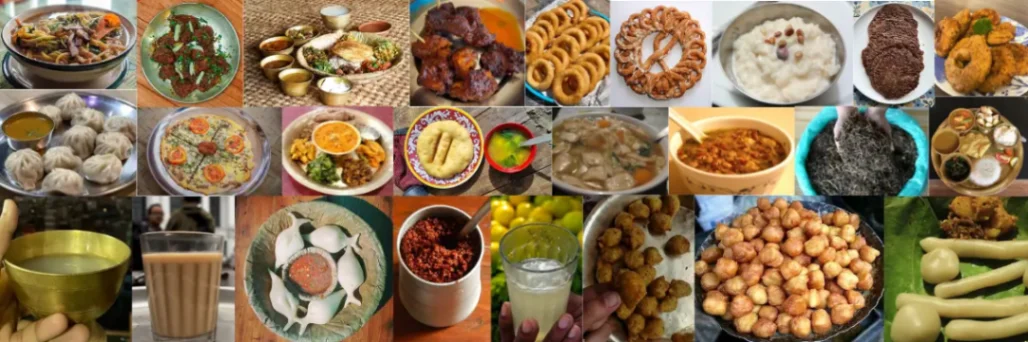
The flavoring ingredients may vary a lot as well as the cooking techniques would.
If you do not eat spicy meals, you might want to choose mild dishes and inform the staff at a restaurant about your preference.
Eating With Your Hands Can Feel Unfamiliar
In some cases, the traditional meal of Nepal is consumed with the right hand instead of eating utensils. This may feel strange for visitors, who have traditionally always used forks, knives, or spoons to eat. When eating by hand, if you wish to do so, watch the way local people eat and use your right hand.
If you would like to use a spoon, it's fine to ask for one.
The key is to not be embarrassed. Traveling is learning about something new, but being respectful of the customs.
Food sharing is an important social experience.
Food is linked to family and community in Nepal. Eating can be a social event instead of an "activity time-out. When people offer to share food or tea, their offer may also be a sign of hospitality and friendliness. The refusal of food repeatedly in some communities, may be less friendly than to just take a little food.
Be sure to tell people what you can and can't eat if you have special dietary requirements or allergies.
Religious Culture Is Visible Everywhere
Nepal's religious diversity is one of the most fascinating aspects of the country.
Hinduism and Buddhism are especially prevalent in the country, with other faiths also present.
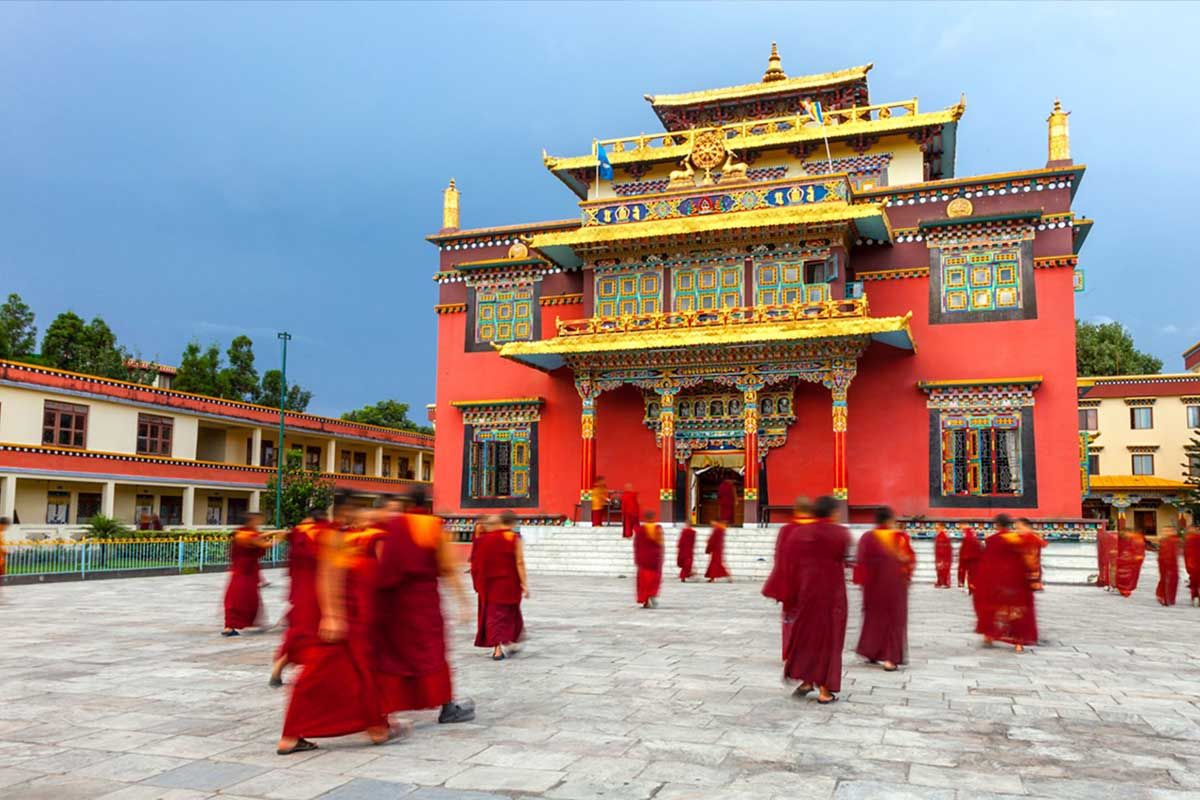
Religious images, bells, prayer wheels, prayer flags, monasteries, stupas, shrines, and temples can be seen in the cities, villages, and mountain areas.
Religious practices can at times be a shock to the visitors when they are woven into common daily life. Someone can pause while traveling to work at a shrine to light a butter lamp, turn a prayer wheel or make an offering.
In Nepal, religion is not always experienced like in other countries, such as the separation of religious practices from daily life.
Temple Etiquette Can Be Different
One should be careful in visiting religious sites. There are some temples that let tourists enter out of certain areas, and other temples that close certain areas for the tourists.
Always look for signs or ask before entering. When asked, take off shoes, dress appropriately, refrain from needless touching of religious items, and request permission before taking pictures of worship or ceremonies.
Keep in mind that a temple isn't just a tourist spot. It is a place of worship for many.
Photography Requires Cultural Sensitivity
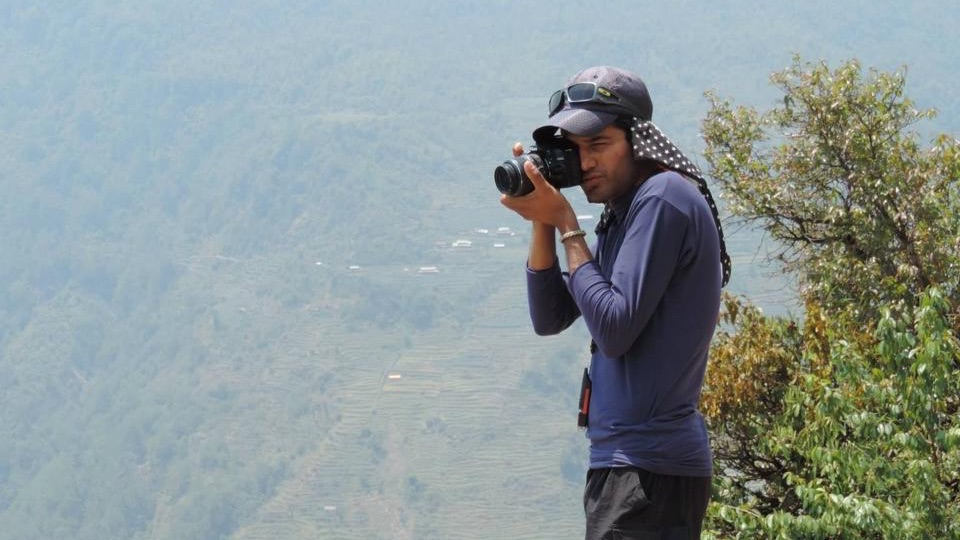
Nepal is a very picturesque country, but not everything is suitable to be photographed.
Monks, religious activities, locals, children, traditional houses and festivals are common targets of tourist photography. It is polite to ask for permission before taking someone's picture.
This is true for religious services as well. Certain moments are deemed to be private, sacred.
Asking permission can save you from awkward moments and respects those you are photographing.
Personal Space Can Feel Different
Visitors from nations with a greater emphasis on personal space might notice that the interactions between people in Nepal can be closer.
This may occur in crowded buses, markets, festivals, queues in buses and on the streets.
Personal space can be very restricted in the public transport system.
Don't take every close encounter as a hostile take-over, but pay attention to the context and physical space. Simultaneously, it's important to know how and when to set limits and boundaries.
Street Markets Can Feel Overwhelming
Nepal's markets are vibrant, noisy, and often crowded and bustling.
Vegetables, spices, clothes, handicrafts, religious items, street food, household goods and so much more can be seen all around each other. The shopkeeper can proactively come forward to sell you its products. This may be stressful for the first few minutes, as they are accustomed to less noise and fewer salespeople.
If not, a courteous "no, thank you" should suffice.
Nepal's Cattle and Animals May Surprise You
Nepali animals live in our daily lives.Dogs, cows, goats, buffaloes, chickens, monkeys and other animals may be seen in unusual places. Cows are occasionally seen walking in the streets or keeping a close watch on shops and temples, especially cows.
It may appear strange to outsiders accustomed to a rural landscape, where the wild animal lives in harmony with people.It can be surprising to travel to a place where large animals do not freely roam the town.
The simplest solution is to ensure adequate room and don't feed or touch animals if you do not know what is going on.
Kathmandu Can Feel Busy and Chaotic
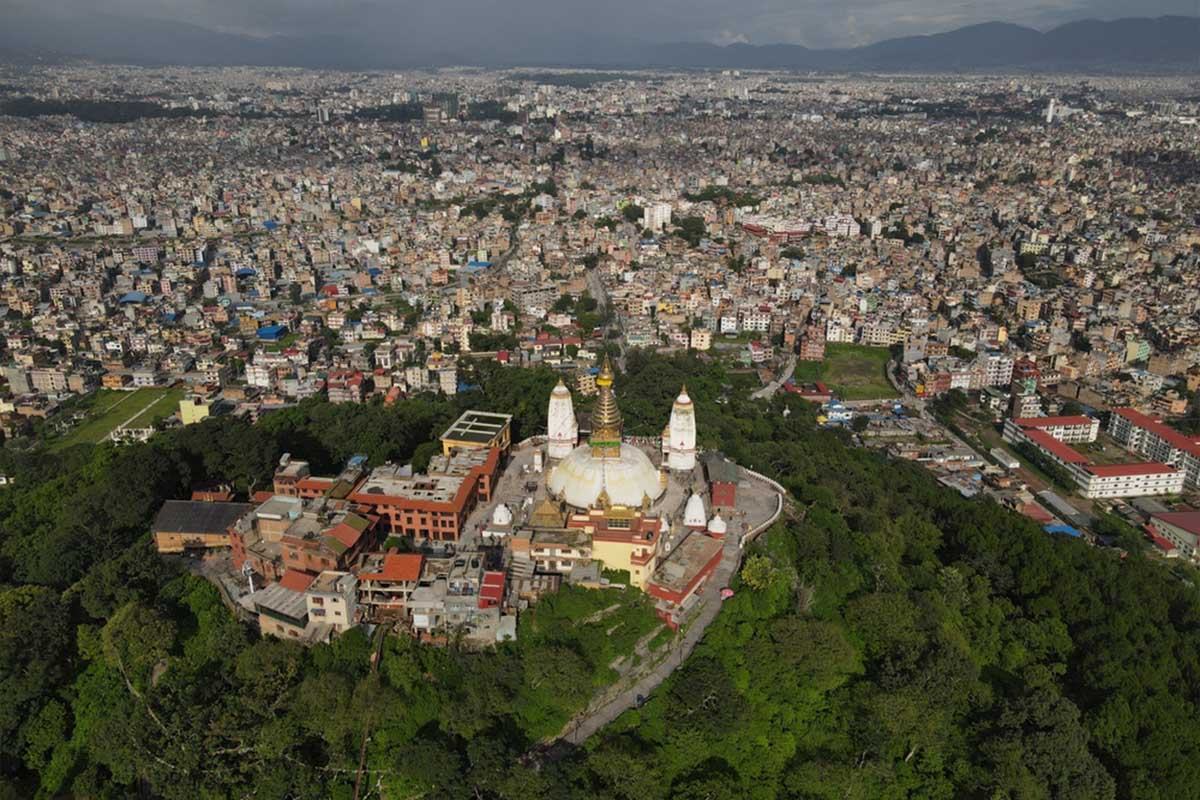
Kathmandu can be one of the most culture-shock inducing places for those who are visiting for the first time. The capital has ancient temples, traditional neighborhoods, modern cafes, offices, hotels, motorcycles, construction and traffic, and fast changing urban areas.
At one time you might be walking beside an old centuries old temple. In a few minutes you could be on a busy street with a lot of cars and shops.
The city is loud, dusty, overcrowded and unpredictable. Take time to get used to Kathmandu, don't expect it to be like home. It is possible to experience everything differently in the countryside of Nepal. There can be a huge difference between Kathmandu and the countryside in Nepal.You can visit this link to know more about travelling to other cities alone with Kathmandu.
Outside of the major cities, life could be more relaxed in mountain and village settings. Rely on agriculture, livestock, tourism and relationships within the community.
Infrastructure can also be less extensive.
There might be less transportation, less Internet, less shopping, and easier to live in.
This is not bad for many travellers to Nepal. That's what makes going to rural areas exciting.
Family and Festivals Can Be Extremely Energetic
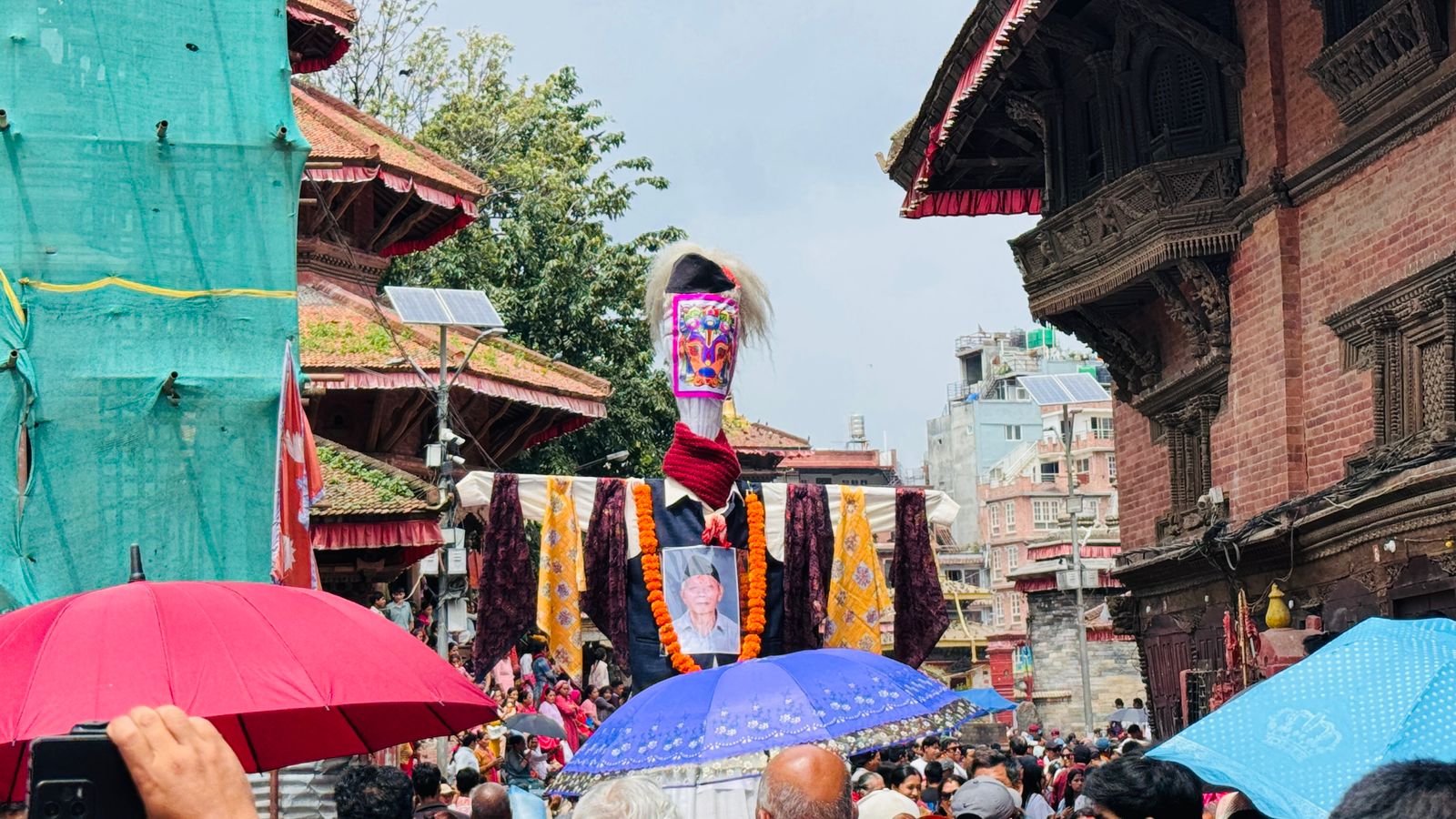
The festival season is very rich in Nepal. Different communities celebrate Dashain, Tihar, Holi, Teej, Indra Jatra, Gai Jatra, Bisket Jatra, Buddha Jayanti, Janai Purnima, Mani Rimdu and various other festivals.
Music, dancing, processions, religious rituals, food, families, and crowds are all a part of festivals.
Visitors who have not witnessed a Nepali festival may get a surprise.
Remember that festivals are cultural and religious events, not just tourist spectacles if you attend.
Family relationships are very significant within many Nepali families. Strong relationships between parents, children, grandparents, relatives and neighbours may be observed by visitors.
Many communities have choices that include family members rather than being individual choices. Relationships within the community are also significant, especially in smaller towns and villages. It might be different for visitors from very individualistic cultures.
Knowing the significance of family and community can help you describe a range of behaviors you observe in your travels.
Hospitality Does Not Always Mean Luxury
Nepali hospitality doesn't have to be costly hotels or luxurious services. It might be as easy as offering you tea or helping you find your way or sharing food or offering you a seat.
It's possible to provide very welcoming hospitality in a small home, especially in the countryside.
This is one of those lessons that travelers can learn from Nepal.
It is not always the most comfortable and luxurious that is the kindest.
Internet and connectivity may surprise you.
Internet connection could vary according to traveler's location.
Connectivity is also generally high in Kathmandu and tourist hotspot areas while in the remote mountainous areas it's lower. In areas where trekking is performed, connectivity to the internet might slow down or become unreliable and sometimes charging or electric power may be limited. For those who work at home or who rely heavily on their smartphone, be ready for interruptions from time to time.
Save essential maps, documents, tickets and information before moving into an area where cell service is available.
Culture Shock Can Happen During Trekking Too
Culture shock is not a phenomenon exclusive to urban areas. In trekking, you might be accommodated in teahouses or small lodges, eat with other people in the trek, live a simple life and get close to the locals.
Bathroom, shower, heating, electricity, internet and food offerings can be simpler than you think.
The higher you go, the more important it gets to make adjustments to expectations.
Luxury is not the aim of trekking. It's the sense of living in the mountains, the sense of relating to the landscape and the communities.
How to Handle Culture Shock in Nepal
It is recommended to understand Nepal as an adventure rather than a place of mystery.
You should try to learn a few Nepali expressions before the journey. Familiarize yourself with some temple customs. Sample local delicacies. Talk to people. Be patient with transportation. Accept the fact that the things won’t always happen the way you expect.
- Most importantly, give yourself time.
- Don’t expect to get everything clarified in the first couple of days.
- The more you interact with local people, the easier it will be for you to deal with the difference.
- Begin With Learning Some Nepali Expressions
- Your knowledge of a few phrases of Nepali will make the communication much easier.
- Namaste is a word used for greeting and as a respectful way to address.
- Dhanyabad means thank you.
- Hajur is often used in giving a respectful answer.
- Ramro cha is the word used to say that something is good.
- You do not need to master Nepali language; even a small knowledge of the language shows your intention to respect the local culture.
- Be Patient With Unexpected Situations
Culture Shock Can Become Cultural Appreciation
Initially, the discomfort related to culture shock is subject to change over time.
A crowded bus ride can become a great story. A meal taken with the use of your hands can become the best meal in your life. Talking to a stranger can turn into a wonderful memory. A festival that seems rather confusing at the beginning can transform into an event that you would like to attend all over again.
These changes indicate that culture shock can ultimately transform into cultural gratitude.
At first, you notice differences. Next, you begin to understand those differences and, at the end, you are surprised to find that some of those differences make a strong impression on you.
Things that tourists should know about Nepal.
First of all, when you are going to Nepal, prepare yourself for something other than what you are used to at home. Respect the places of worship and local customs. Ensure that you are wearing the right clothes when visiting temples, local areas, etc. Keep an open mind about food and means of transport. Carry leisure money in case you want to travel far away from the center of tourism. Do not forget to download important information
Conclusion
It's perfectly normal to have a culture shock in Nepal while visiting, particularly if it is your first trip. The traffic might be so much that you find it overwhelming, the food is new to you, the transportation is irregular, and the social interactions are different, or even the religious customs that you find difficult to understand.
However, these variations are what makes Nepal an interesting destination as well.
Nepal is not just the place to visit Mount Everest or trekking it. It's a land of living traditions, varied communities, ancient history, warm hospitality, vibrant festivals, culturing beliefs and a constantly evolving modern day and age.
But if you approach the experience with patience, curiosity and respect, culture shock can be a valuable experience.
It is then that a trip to Nepal can be more than sightseeing. It turns into a true cultural experience. If you are planning a visit to Nepal and want to know more about adventure in Nepal, then you can contact us at Happy Mountain Nepal, on Facebook, Instagram, or TikTok.
FAQs
Do people in Nepal tend to experience culture shock?
Yes, One can experience culture shock because Nepal has different traditions in social, cultural and religious aspects, attitudes towards time and personal space, food habits and transportation system as compared to the rest of the world.
Which is the worst culture shock in Nepal?
Some of the largest cultural differences for many visitors might be related to the crowd on the bus, the hustle and bustle of the city, religious practices, the variety of foods, personal questions, and the perception of time.
Is Nepal a good tourist destination?
Nepal is famous for its hospitality towards the visitors. In tourist areas, the people are more used to tourists and in less touristy areas they might be more curious about tourists.
Is it impolite to use the name 'Namaste' in Nepal?
No, Namaste is a respectful and widely used greeting. When used appropriately, it may be an easy way to demonstrate respect to the local culture.
Is it fine for tourists to wear shorts in Nepal?
Generally, tourists can wear casual clothes in most tourist areas, but modest clothes are advised when visiting the temples, monasteries, traditional communities, and religious sites.
Do people eat with their hands in Nepal?
Yes,Traditional Nepali meals may be eaten with the right hand. Visitors can also request a spoon if they are more comfortable using utensils.
How can I avoid culture shock in Nepal?
Research local customs before your trip, learn a few Nepali words, remain flexible, respect religious practices, try local food, and avoid judging unfamiliar customs too quickly.