

Conservation Areas in Nepal: A Complete Guide to Nepal’s Protected Landscapes
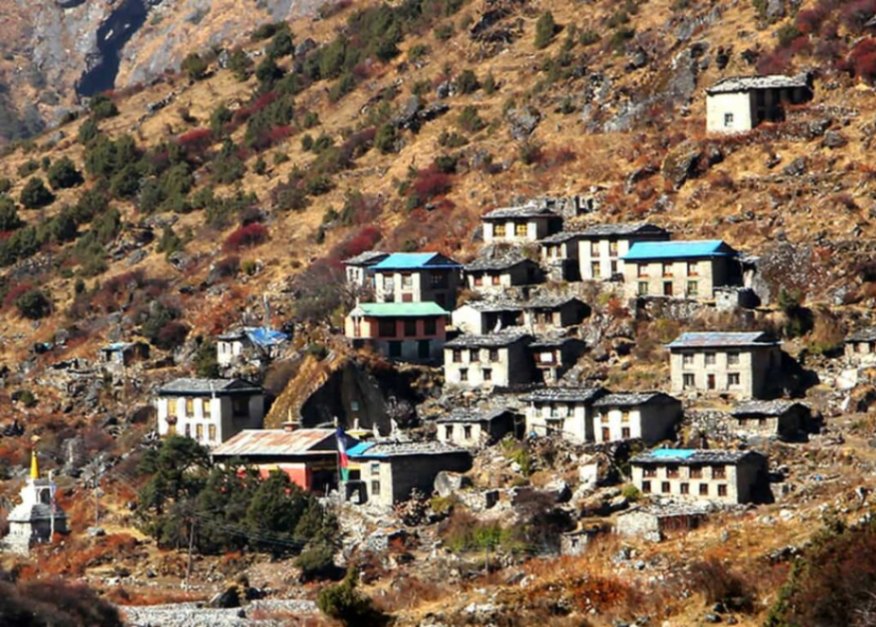
Nepal is known for its Mount Everest, trekking routes in the Himalayas, ancient temples and rich cultural scene. However, there is another significant aspect of Nepal's natural history, the conservation areas, apart from the famous mountains and cities of Nepal.
Conservation areas are a means of safeguarding some of Nepal's most important landscapes while enabling local communities to live, work and manage the landscape. Endangered wildlife, rare plants, high mountain ecosystems, forests, rivers and traditional villages are found in these areas.
Conservation areas are places for travelers to discover Nepal outside the typical tourist circuit. The conservation areas have varying characters ranging from the dramatic landscapes of Manaslu and Annapurna to the remote valley of Kanchenjunga and Gaurishankar.
The guide covers the information regarding the locations of conservation areas in Nepal, wildlife, attractions, trekking opportunities, conservation importance and information for visitors.
What Is a Conservation Area in Nepal?
A conservation area is a designated area for conservation and biodiversity, and engages local communities in sustainable management of the area.
The conservation-area model in Nepal relies heavily on the involvement of the local community, as compared to protected areas where conservation will be managed from a more centralised point.
Under conservation rules, some users of the forest can continue traditional activities like farming and raising livestock,local people, as well as tourism-related activities.
This will be done to achieve a balance between:
- Wildlife conservation
- Forest protection
- Sustainable tourism
- Local livelihoods
- Cultural preservation
- Natural resource management
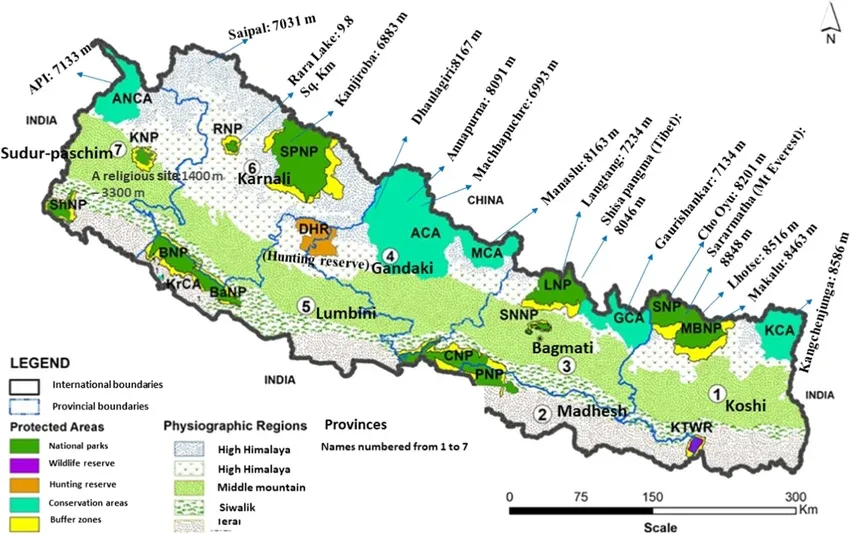
- There are currently six conservation areas in Nepal.
List of Conservation Areas in Nepal
Here are the six conservation areas of Nepal:
| Conservation Area | Province | Districts/Location | Main Highlights |
| Annapurna Conservation Area | Gandaki | Mustang, Manang, Myagdi, Kaski, Lamjung | Annapurna, Thorong La, diverse ecosystems |
| Manaslu Conservation Area | Gandaki | Gorkha | Manaslu, Larkya La, Tibetan culture |
| Kanchenjunga Conservation Area | Koshi | Taplejung | Kanchenjunga, red panda, remote villages |
| Gaurishankar Conservation Area | Bagmati | Dolakha, Ramechhap, Sindhupalchok | Gaurishankar, Rolwaling Valley |
| Api Nampa Conservation Area | Sudurpashchim | Darchula | Api and Nampa mountains, remote Himalayas |
| Krishnasaar Conservation Area | Lumbini | Bardiya | Blackbuck conservation |
The environments these conservation areas consist of vary from the lowland grasslands on the Terai to the high Himalayan valleys.
For first-time visitors
Probably the best choice is Annapurna Conservation Area, due to its tourist facilities and opportunities for trekking.
For adventure seekers
Manaslu and Gaurishankar are extreme trails and adventurous areas.
For wildlife lovers
Kanchenjunga is a great destination to experience the wild life of the Himalayas particularly the red pandas, on the other hand Krishnasaar presents one's with an entirely different lowland wildlife experience.
For travellers wanting something special
Api Nampa is the best option for those seeking to explore a lesser-known region of Nepal and experience the far-western Himalayas.
These are the six places that matter, and for good reason.
The six conservation areas of Nepal collectively represent the remarkable ecological diversity of Nepal.
The protected landscapes range from the blackbuck grasslands in the Terai to the snow-covered mountains of Kanchenjunga and Api, where forests, mountains, rivers, wildlife habitats and traditional communities are conserved.
They also illustrate an important principle of conservation and the preservation of nature: man is not fully excluded from the landscape by keeping it preserved. There is a possibility for community involvement, responsible tourism, sustainable resource usage, and protection of wildlife.
People aren't just going to these areas to take in the beauty. It's also a chance to help the local community and to be part of the preservation of Nepal's natural heritage for generations to come.
Conservation Areas in Nepal: Detailed Guide to All Six Conservation Areas
Nepal's topography is the most variegated in the world ranging from the lowland Terai grasslands to the world's highest peaks. In order to preserve this natural and cultural heritage, the Government of Nepal has declared certain protected areas in the country, such as six conservation areas.
The landscape, wildlife, culture and tourism within each conservation area is different. Some are well known for hiking in the hills and others establish themselves for the protection of rare animals and endangered habitats.
1. Annapurna Conservation Area
Annapurna Conservation Area is the biggest conservation area of Nepal and is one of the most popular protected areas in the country. It encompasses the parts of Kaski, Lamjung, Myagdi, Manang and Mustang districts.
The area has been known for its exceptional geographical and ecological diversity. The journey through Annapurna region may lead you through green subtropical forests, terraced farmland up to alpine meadows, high mountain passes, glaciers and dry lands of the Mustang region.
Some of the highest peaks in Nepal, including Annapurna I, Annapurna II, Annapurna III, Annapurna IV, Annapurna South, Dhaulagiri, Machhapuchhre and Nilgiri surround the area.
The cultural diversity of the area is also remarkable. It is home to the Gurung, Magar and Thakali, Manangi and other communities since generations. An important part of Annapurna experience is the traditional stone houses, monasteries, temples, prayer flags and the mountain villages.

Major attractions
The most popular places in the Annapurna region are:
- Annapurna Base Camp
- Annapurna Circuit
- Thorong La Pass
- Tilicho Lake
- Poon Hill
- Ghorepani
- Manang
- Muktinath
- Jomsom
- Marpha
- Mustang
- Tatopani
Significant wildlife in the conservation area includes snow leopard, Himalayan tahr, blue sheep, musk deer and many species of birds.
Annapurna is an easy conservation area to explore for a traveller as the tourism network is well developed. Trekker accommodations, hotels, restaurants, guides, transport and other services are available along many of the popular routes.
2. Manaslu Conservation Area
The Manaslu Conservation Area is situated in Gorkha District of Central Nepal. The region has Mount Manaslu at its centre which is the world's eighth highest peak at 8,163m.
Manaslu is famous for its remote scenic landscape, its dramatic mountain scenery, its traditional villages and its Tibetan-influenced culture. It is less busy than the more popular Annapurna and Everest areas, in general.
The landscape changes significantly as trekkers move higher into the mountains. The lower part includes forests, rivers, waterfalls and agricultural settlements, the upper part rugged mountain area with glaciers and high mountain valleys.
Samagaun and Samdo villages are some of the well known villages. The upper region of Manaslu is influenced by the Buddhist culture, and there are many chortens, prayer wheels, mani walls, prayer flags and monasteries.

Major attractions
The conservation area supports a number of Himalayan species such as:
- Snow leopard
- Blue sheep
- Himalayan tahr
- Musk deer
- Red panda
- Himalayan black bear
- Himalayan birds
- Manaslu Circuit Trek
The Manaslu Circuit Trek is the area's main attraction. The trail passes through the Budhi Gandaki Valley finally leading to the steep Larkya La Pass.
The hike offers high altitude climbs, Buddhist culture, traditional villages, wildlife and mountain scenery.
Please refer to the latest permit and guide regulations before starting your trip as some parts of Manaslu region have restricted-area regulations.
3. Kanchenjunga Conservation Area
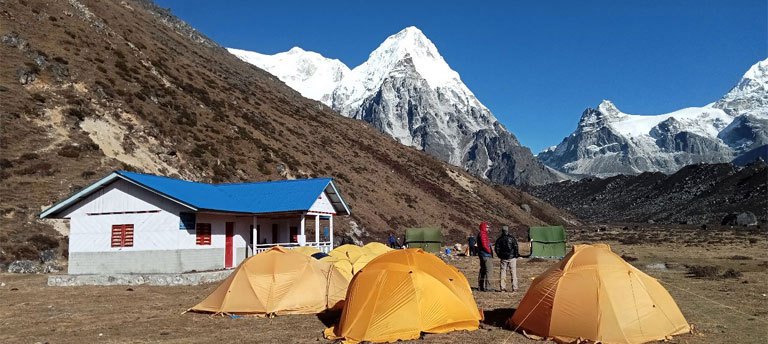
The Kanchenjunga Conservation Area is in the eastern part of Nepal, in Taplejung District. It preserves one of the most remote and spectacular landscapes in the Himalayas in this country.
The conservation area has been named after the third highest mountain in the world, Mount Kanchenjunga (8,586 m).
The ecological diversity is one of the most important features of Kanchenjunga. Subtropical forests, temperate forests, alpine meadows, high altitude valleys, glaciers and rugged mountain terrain are all found in the region.
In the spring, numerous areas of the region are colorful with blooming rhododendrons and other Himalayan flowers.
Major attractions
Kanchenjunga is especially significant for wildlife of the Himalayas. The area supports:
- Red panda
- Snow leopard
- Himalayan black bear
- Blue sheep
- Himalayan tahr
- Musk deer
- Himalayan birds
One of the most important species related to conservation activities in the region is the red panda.
Kanchenjunga Base Camp Trek
The Kanchenjunga Base Camp Trek is the most popular trek in the conservation area.
The hike takes the visitor through forest, through remote mountain villages, through rivers, valleys and high-altitude terrain before arriving at the incredible vistas of Kanchenjunga.
The region is less visited and has lesser infrastructure development in comparison to popular trekking regions like Annapurna. This is a great place to visit for those who prefer a more secluded trip in the Himalayas.
But its isolation also requires well prepared, well-equipped, and time-taking trekkers.
4. Gaurishankar Conservation Area
The Gaurishankar Conservation Area is in the central region of Nepal, in the districts of Dolakha, Ramechhap and Sindhupalchok.
It was named after Gaurishankar Himal, one of the prominent mountains of the region.
The conservation area encompasses a variety of forest, river, mountain valley, glacier, alpine meadow and traditional settlements.
It is home to one of its most popular landscapes, the Rolwaling Valley.
The valley of Rolwaling is a remote Himalayan valley with dramatic peaks, glaciers and steep mountain slopes. It is visited much less than the main trekking areas of Nepal.
Tsho Rolpa Lake
The highest point of interest in the vicinity is the beautiful and high altitude glacial lake, known as Tsho Rolpa.
Beautiful scenery of the Himalayas is dotted around the lake and it has become a popular destination for the adventurous trekking enthusiast.
Major attractions
The area of Gaurishankar offers habitat for a number of important species including:
- Red panda
- Snow leopard
- Himalayan black bear
- Musk deer
- Himalayan tahr
- Various mountain birds
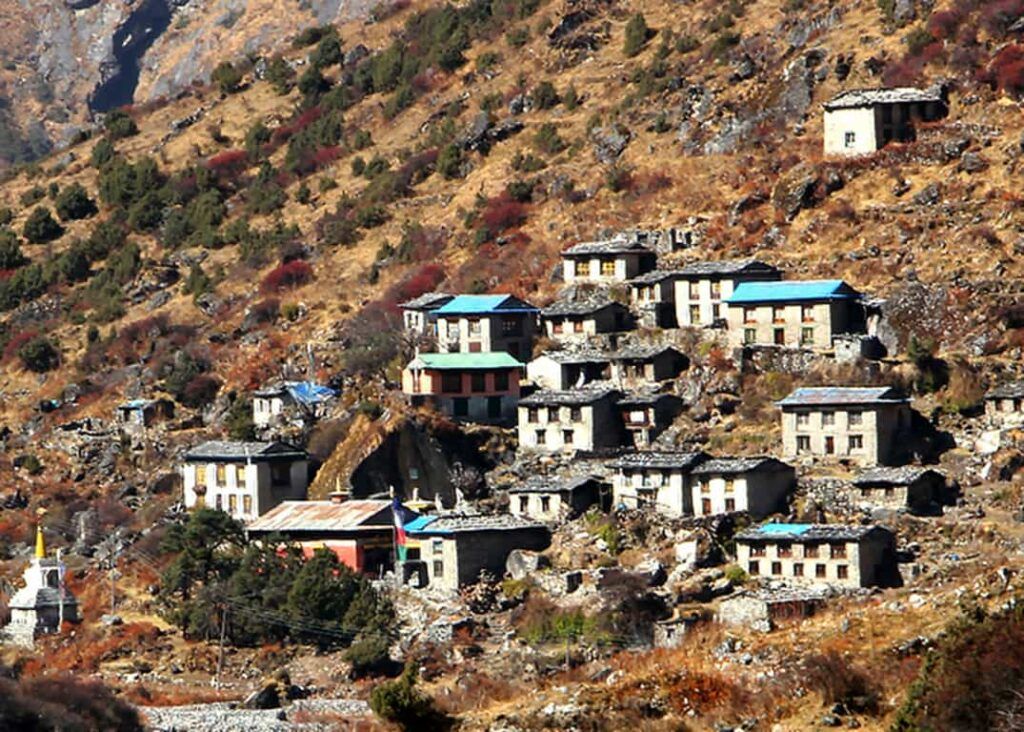
The area is also of cultural significance. Various traditional villages, monasteries, temples and religious sites are spread across the area.
Rolwaling Valley Trek
The Rolwaling Valley Trek is the main trekking attraction.
It is considered a challenging Himalayan adventure and is better suited to experienced trekkers who are comfortable with remote environments and high-altitude conditions.
5. Api Nampa Conservation Area
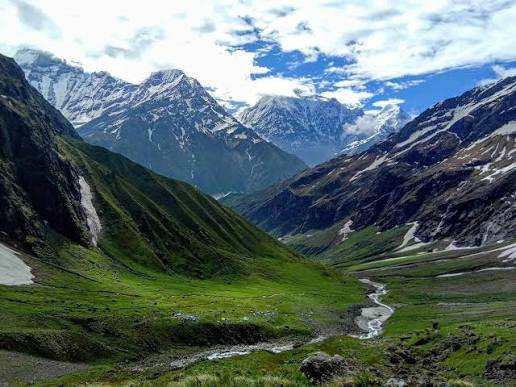
The Api Nampa Conservation Area is situated in Darchula District far west in Nepal.
It is one of the few lesser known conservation areas in Nepal and is a chance for travellers to explore the remote western Himalayas.
Mount Api and Mount Nampa are two significant mountains and thus the name of the conservation area.
It comprises high peaks of the Himalayas, forest, river valleys, alpine meadows, and far-flung villages.
Nepal's far west is relatively less visited by foreign tourists as compared to other part of the country like Annapurna and Everest. This means that, at Api Nampa, the journey is significantly quieter, less commercialized and much more of a natural experience.
Major attractions
The conservation area supports a number of Himalayan species, such as:
- Snow leopard
- Himalayan black bear
- Blue sheep
- Himalayan tahr
- Musk deer
- Red panda
- Various bird species
Forests are also important for their medicinal plants and other natural resources that are traditionally used by the local communities.
The local community and culture.
The lifestyles of the residents in and around the conservation area are intricately linked to the mountains, forests, rivers and agricultural land.
The traditional villages and local customs give the travelers an opportunity to experience the less-touristed side of Nepal.
What makes it worth travelling to Api Nampa?
Api Nampa is ideal for those looking to unwind in the more quirky of Nepal.
It is especially fascinating for trekking veterans, adventurers, photographers, researchers, and those interested in the remote Himalayan environment.
Tourism infrastructure is very limited and travellers should plan carefully in advance and get up-to-date information before travelling.
6. Krishnasaar Conservation Area
The Krishnasaar Conservation Area has some unique characteristics over and above the other conservation areas in Nepal which lie in the Himalayan mountains.
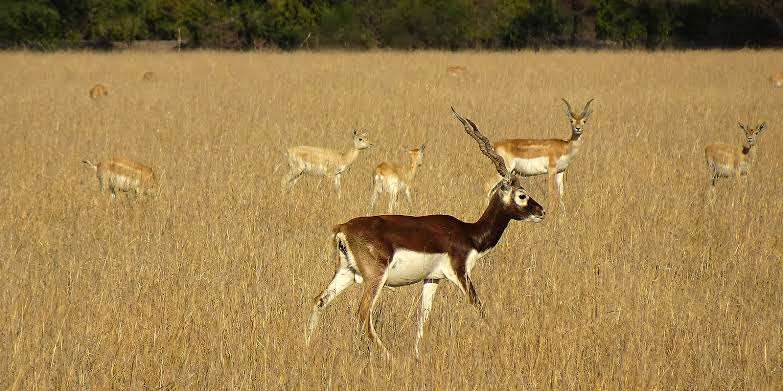
It is situated in Bardia area of Lumbini Province, and was set up primarily for the protection of blackbuck (Krishnasaar).
The blackbuck is a unique antelope species with dark and white colouration and with the curved horns of the adult males.
The significance of the conservation of blackbuck.Conservation value of black buck.
There has been a decline in blackbucks due to loss of habitat, hunting, and human activities. Therefore, conservation of remaining habitat is important for them.
Blackbuck can live and reproduce in the protected environment of the Krishnasaar Conservation Area.
It serves as a benefit to more than one animal. Blackbuck conservation also safeguards Terai grasslands, a significant ecosystem which has been under pressure due to agricultural expansion, settlements, infrastructure, etc.
Conclusion
The major highlight is the chance to see blackbuck in their natural habitat and understand more about efforts for their conservation.
Bardiya area surrounding it is also famous for nature and wildlife tourism.
Unlike Annapurna, Manaslu or Kanchenjunga, the main importance of Krishnasaar lies in wildlife conservation and protection of lowland grassland habitat and not in being a popular trekking destination.
Every conservation one visits has its own significance. If you are a first-time visitor to the conservation area, Annapurna might be the best option for you as it offers very well-developed tourism structure.
However, if tranquility and challenge are your priorities in travel, then Manaslu and Kanchenjunga are the right ways to go.
If wildlife is the main interest, Kanchenjunga offers great options for observing wildlife in the Himalayas; Krishnasaar provides absolutely different experience focused on blackbuck and Terai grasslands while Api Nampa is your option in case one is interested in traveling to more remote areas.