
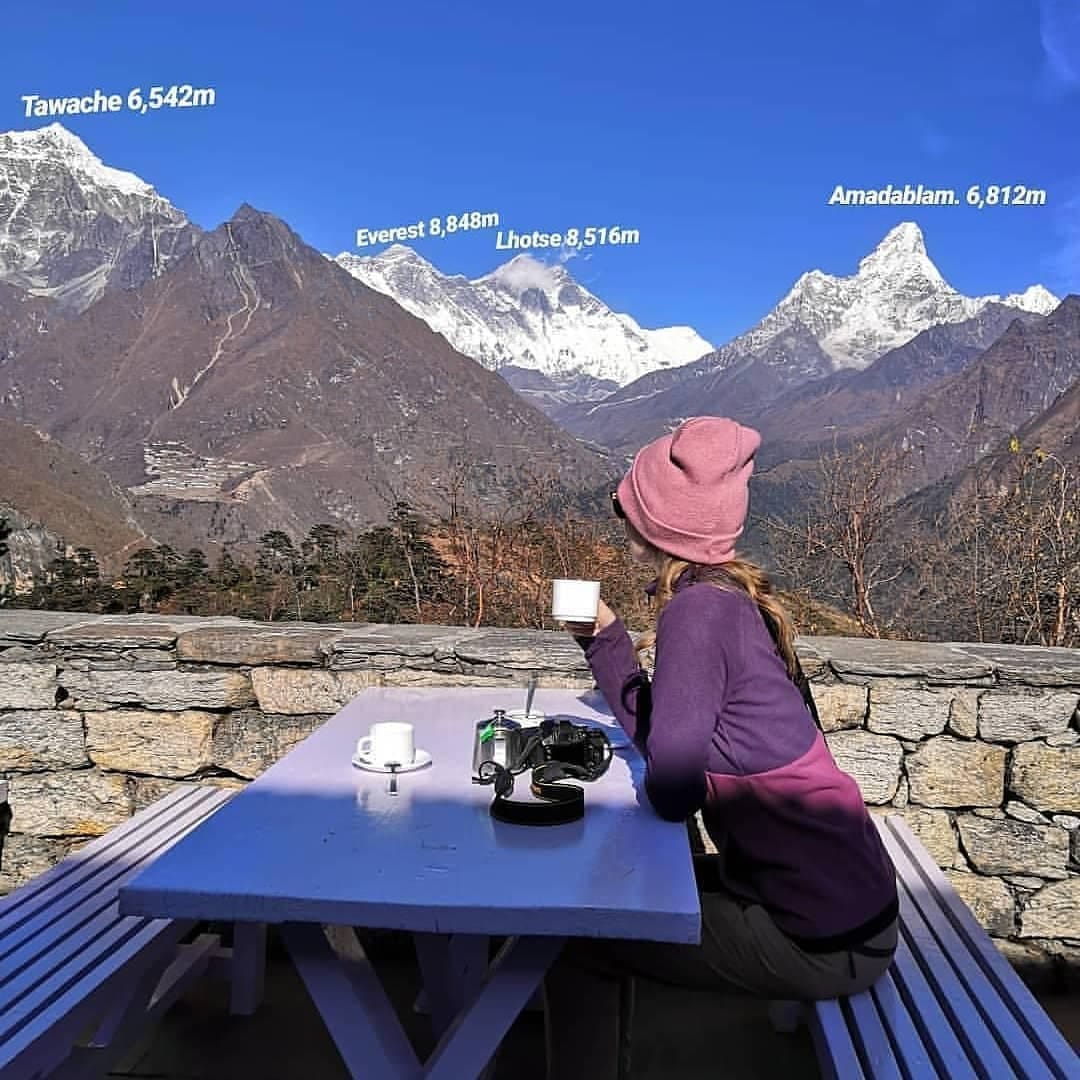
Accommodation, Hotels, and Eateries During the Everest Base Camp Trek
The journey to reach the base camp of Mount Everest can be much more than just a hiking experience; along the way, you will also meet many friendly local people who live in the Himalayas. You'll experience this hospitality through your overnight lodging accommodations, which can range from simple tea houses and lodges all the way to five-star hotels, depending upon where you are on the trek.
No matter how long you've trekked throughout the day (usually up to 12 hours). You'll enjoy the comfort of a warm meal, a soft bed, and friendly staff at each of these unique types of lodging. There are many different types of lodging available between Kathmandu and Everest Base Camp; some lodging options will be found in larger towns (such as Lukla or Namche Bazaar), while others will be located in much more remote locations (such as Lobuje or Gorakshep); no matter where you decide to stay. The variety and types of accommodations along the Everest trekking route are an important part of your overall experience while trekking to Everest Base Camp.
This guide provides details regarding the various lodging options available to trekkers, including popular lodging locations; where food is available to eat at the different rest stops located between Kathmandu and Everest Base Camp; and general tips for how to make the most of your stay during your trek.
Teahouses: The Primary Lodging Choice Available Along the EBC Trek
Trekking to Everest Base Camp offers trekkers many options for accommodations, with teahouses being the main lodging establishment available. Teahouses are family-run, and thus most of the income generated from teahouse lodges goes directly to the local Sherpa families who own and operate them.
Almost all teahouses provide twin-share sleeping accommodation with wooden beds, basic mattresses, pillows, and blankets, as well as provide little heating in the sleeping area, with the only source of heating in a teahouse usually being the centrally located fire (which usually burns yak dung or wood) located in the teahouse dining hall. The bathrooms are predominantly shared by guests, with a few of the larger teahouses located in Namche and Dingboche offering attached bathrooms.

The atmosphere of teahouses is often social, with trekkers sharing a communal dining and gathering space at the teahouse after an exhausting day of trekking. Visiting trekkers to a teahouse will usually find other trekkers from all over the world seated in the teahouse dining area enjoying tea, sharing stories, and enjoying a warm meal together. In addition to meeting other international trekkers in the teahouses, you will have the opportunity to meet and experience local Sherpa families' hospitality while visiting the tea houses in the Khumbu region.
Popular Hotels and Lodges Along the Route
In terms of comfort and luxury, lodging at the Everest Base Camp Trek is comparable to those found in other remote locations. However, some of the villages along the way are beginning to have newer lodges and hotels that are capable of offering some degree of comfort.
Most people will stay in Lukla for one night prior to leaving to fly back and forth to the area. There are many different types of places to stay in Lukla, which will help prepare you for your trek because you will have a comfortable place to sleep.
Namche Bazaar is the main trading center in the Khumbu and has some of the best lodging available with many different options for each person's taste. Hotels, bakeries, and cafés are just a few of the options available, and most lodgings also have Wi-Fi. Review the Everest Base Camp Trek: What You Need to Know Before You Go.

There are also many lodges near Namche that provide heated rooms and have several other amenities for guests to enjoy. The lodges in Tengboche, Dingboche, and Lobuche are standard trekking style and have shared bathrooms and dining areas. The lodges in Gorakshep (the last village before reaching Base Camp) are simple and have fewer amenities than other villages because of their location; however, they will accommodate guests, and there is enough space to sleep.
Typical Room Facilities During the Trek
As trekkers ascend through the mountains, accommodation options gradually become less advanced and/or refined. Many lodges in lower altitude areas such as Phakding and Namche Bazaar provide options for hot showers, electricity for charging batteries, and Wi-Fi.
However, once trekkers have reached higher altitudes such as in Dingboche, Lobuche and Gorakshep, fewer options for electricity exist. At these higher altitudes, electricity is generated through solar power, so when trekkers charge their batteries, they may be required to pay separate charges. Also, most rooms do not have heating, and therefore trekkers will need to have sleeping bags that are warm enough for sleeping comfortably with little or no heat.
Even though the accommodations may be simple, the dining hall typically has a nice warm environment for guests to gather and relax and essentially take a break during the long day of hiking before continuing to hike the next day again.

Food During the Trek
Food is a particularly significant component of refuelling during the Everest Base Camp trek. Teahouses provide a surprising number of menu options, which range from traditional Nepali food to many international comfort food options.
The most popular food available while trekking in Nepal is called "Dal Bhat," a traditional dish made from rice, lentil soup, various types of vegetable curry, and pickles. Many people who trek typically have a regular meal of dal bhat because it provides an adequate amount of nutrition, and because trekkers receive as much food as they need (unlimited refills).
In addition, other popular types of food that are available include fried rice and noodles, soups, pancakes, omelets, pasta, and potatoes. Breakfast may consist of porridge, toast, and eggs or Tibetan bread. There are bakeries, like in Namche Bazaar, which serve cakes, pastries, and coffee for trekkers within the larger villages.
When traveling within the Everest region, there are many options to try food of the Sherpa culture that will help you to understand this unique culture. One of the best dishes that you can try while trekking through the Everest region is called "Sherpa Stew," a hearty soup that consists of vegetables, noodles and at times meat, all of which provide a great deal of warmth during the very cold conditions within the region.
One other item of great interest is Tibetan bread, which is typically offered at breakfast with honey, jam, or eggs. Momos, which are dumplings that are filled with either meat or vegetables and served steamed, will also be available along the trail at many of the lodges.
These types of food on the trek will continue to supply you with the warmth and energy that you will need to complete your journey, given the difficulties you will face.
The role of tea houses along the way is another aspect of the trekking experience in Khumbu, as tea culture is a major component of estimating where you'll stop to rest along your trek. You'll find every tea house has a variety of hot drinks, including black tea, ginger tea, lemon tea, and butter tea.

Having hot fluids in your body, as well as drinking hot fluids will allow you to stay warm and hydrated while trekking at high altitudes. Trekkers regularly use ginger tea to assist with digestion and to help alleviate some of the discomfort of being at higher elevations.
There are some places in Namche Bazaar where you can have a relaxing experience at a café or bakery and enjoy having coffee and pastries and, sometimes even a pizza.
Cost of Accommodation and Meals
Accommodation costs are very low along the Everest Base Camp trail; however, they become higher the further up the trail you go. Rooms at lower altitude villages (for example, Phakding) typically cost around $5-10 per night, while higher altitude villages such as Lobuche and Gorakshep may have room rates of $10 to $20 or more.
The cost of food on this trail ranges from approximately $5 to $15, depending on what you order and where you order it from. Because food is so difficult to transport to higher altitude villages, as you go higher your food costs will invariably increase. Many trekkers will want to take some simple measures to ensure they have the best possible experience during their trek to Everest Base Camp.
If you can, plan and reserve a place to stay in one of the busier villages (for example, Namche Bazaar or Gorakshep) during the peak trekking seasons (spring and autumn).
Trekking tourists should always bring some money along the way since it is hard to find ATMs or accept credit cards when traveling through the mountain region. A sleeping bag, power bank (for charging cell phones), and tablets for purifying water will also help make for a pleasant stay during your trip.
Remember that respecting the different cultures, as well as helping your local economy by purchasing from small family-run teahouses, is very important to the sustainability of this region and to its long-term success as an adventure destination.
Conclusion
The accommodations and foods provided through the Everest Base Camp trek are fairly basic, but any adventure like this will be enhanced through what you experience on the trail each day. Each stop along the trail has its own unique character, and between the Teahouses that serve you restful sleep, the warm meals you eat, and the gracious hospitality of each Sherpa, your time on the trail will create a special bond and your memories will be even more special. If planning your adventure, explore our Everest Base Camp Trek package.
The feeling of sharing a hot meal (Dal Bhat) with your fellow backpackers after a long day of hiking is an experience that will stick with you for a lifetime. Sharing tales about your journey with others as you sit in a beautiful lodge in one of the majestic mountains of the world adds warmth and makes your time on one of the most famous trekking routes feel even more special.