
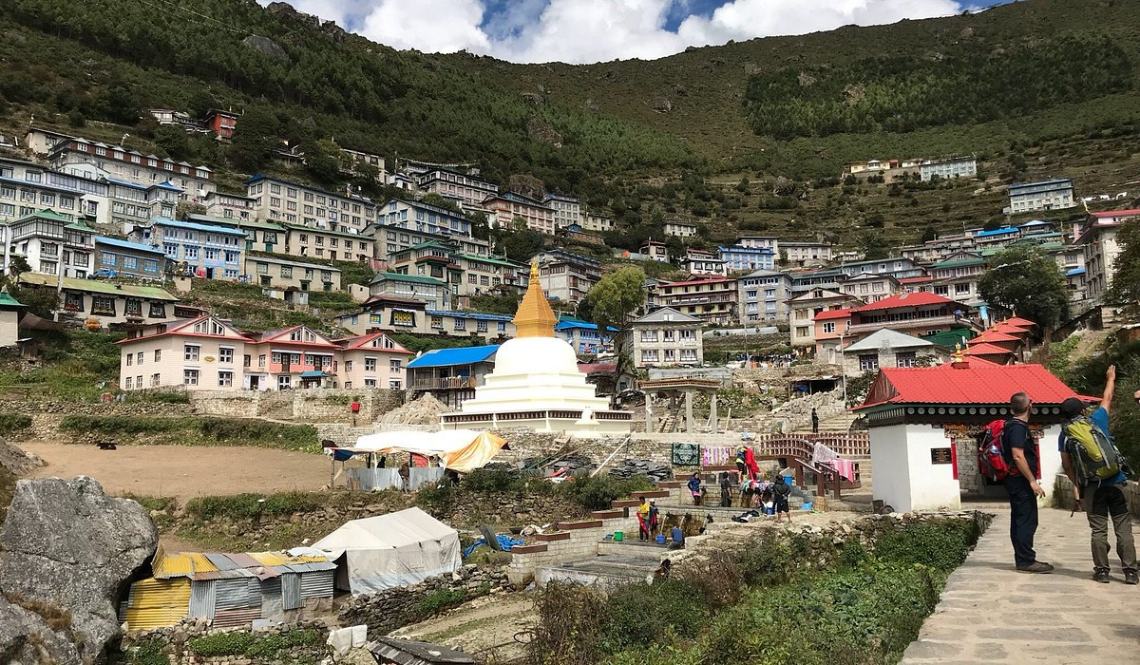
Mistakes I Made While Traveling in Nepal
Nepal has been on my travel bucket list since my childhood. It was a place of snow-covered mountains, ancient temples, colorful festivals, and warm hospitality, all of which made it seem like a dream come true. On arrival, I thought I had made all the arrangements and it was all going to be fine. I read travel blogs, watched videos and carefully packed. But after some time, I came to know that after every day, it is something new I get to learn in Nepal. There were some things that were hilarious, and some that made my life harder than it should've been. In retrospect, it was these experiences that made the remainder of my journey easier and more enjoyable.
Here are the top 10 things I did wrong on my first trip to Nepal, and how I learned from them.
1. Underestimating Nepal's Geography
Before arriving in Nepal, I studied the map and decided that it would be easy to travel around the country. I didn't think that Nepal was that big, it would only take a couple of hours to get from one place to another. I was planning my route by distance, not roads. We decided to explore Kathmandu, Pokhara, Chitwan and Lumbini in a week, which seemed quite reasonable.
The truth was, however, that everything was quite the opposite. Most of the roads are steep with numerous curves and narrow roads, and hills and mountains dominate the landscape in Nepal. Travel time from one location to another may be longer than the map indicates, despite their proximity. One time, it took nearly ten hours when the roadwork was in progress, traffic was heavy, and a landslide was cropping up. I was late to the place, tired and couldn't enjoy the evening as I had intended because of the unexpected delay.
Travel times are also significantly affected by weather. The monsoon season can cause landslides to close the roads, and the wintertime fog can also cause domestic flights to be delayed. Clear mornings are sometimes considered sunny afternoons, but in the mountains this is not always the case, impacting on transport scheduling.
What I learned
Do not take map distance as a travel time. Be sure to consider estimated driving times, road conditions, and weather forecasts before driving. Always allow for additional days of buffer time in your travel plans to avoid missed flights and other bookings due to unforeseen delays.
2. Packing Too Many Clothes
As many first-timers do, I packed for all contingencies. I packed several pairs of jeans, extra shoes, several jackets, clothes to wear for pictures and clothes that I thought I might need "just in case". I knew I was well equipped at the airport.
This confidence was soon lost when I began traveling around Nepal. It was getting tiresome to go through the tight streets and bus stations with my heavy backpack and also to head up hill to the hotel entrance. Each move I made, I was afraid to pick up my suitcases. If you thought you were going to have to pack more sophisticated gear, you were wrong, because I somehow ended up wearing the same comfortable hiking pants and moisture-wicking shirts for just about every day, and the same lightweight jacket.
One of the things that I didn't anticipate was the ease with which clothes can be washed in Nepal. Many trekking villages have simple laundry facilities and cities like Kathmandu and Pokhara have affordable laundry. I could have packed half the clothes I took and washed my clothes on the way.
With all that was going on, there wasn't much space left for souvenirs either. At the end of the journey, I wanted to take some homemade crafts and local tea, as well as some traditional clothing, but my suitcase was already packed.

What I learned
Pack as smart as possible, and not any more. Opt for lighter materials that can be layered and add or subtract as needed. You'll thank yourself for having a lighter backpack each and every day along the way.
3. Ignoring Altitude Sickness
The most valuable thing I learned was on my first high elevation hike. Before the trip, I was running regularly and thought that this wouldn't be an issue with altitude sickness. I thought that with good stamina and strong legs I could do the mountains.
However, as is the case with most things, the altitude doesn't pay attention to how fit you are.
I was feeling well on the climb, as I kept going. However, this evening, I had a very severe headache, lost appetite and was unable to sleep. Just walking around was making me unusually out of breath. Initially, I somehow tried to disregard the symptoms, thinking they would go away after I had rested.
Fortunately, my guide noticed the early signs of Acute Mountain Sickness (AMS) and took it seriously. We slowed our way up, took water and gave my body a period to adapt. It was within a day that I began to feel much better. Retrospectively, I was not only lucky not to have been injured from an altitude-induced illness by continuing to climb without acclimatizing, but I also found that I was fortunate in my ability to acclimatize well.
Anyone, not just the elderly or unfit, can get altitude sickness. As you ascend, there is less oxygen available and your body must acclimate to the increased elevation. Failure to respond to the symptoms can result in serious health issues.
What I learned
Adhere to acclimatisation guidelines, drink lots of water, don't rush to higher altitudes, listen to your body. There's no peak or vantage point worth the danger to one's health.
4. Not Carrying Enough Cash
From a country where digital payments are prevalent, I thought I would easily be able to pay with my phone or a bank card in Nepal. This was fairly effective in Kathmandu and Pokhara at numerous hotels, cafés and restaurants. That made me feel like I was all right.
It was a completely different story when I got to the countryside.
The small village, tea houses and local stores would only take cash. Others didn't have any ATMs, or had ATMs that were out of service or were depleted of cash. During one of my journeys, I realized that I was short of funds for a few days' worth of meals and lodging. But I made it, as I had carefully planned and budgeted all my funds and yet I had a little left, but it was an unnecessary source of stress.
Another lesson I learned is that it's very handy to have smaller denominations. Small bus companies, small shops that sell groceries and tea shops on the roadside are often unable to give change for high-denomination banknotes.
What I learned
Take out sufficient Nepali Rupees prior to going to remote areas and always carry a variety of denominations. When you have enough cash on hand, you can put yourself at ease and make it easier to buy things.
5. Trying to Visit Too Many Places
So, in my initial planning of the Nepal trip, I wanted to see everything. The list of really amazing places in the country was endless to select just a few. That meant that I had the opportunity to see the heritage sites of Kathmandu, the lakes of Pokhara, Chitwan National Park, Lumbini, Bandipur, Mustang and even trek up the Himalaya.
The schedule was on the exciting side when it was written.
Actually, it turned into draining.
Almost every day was a day filled with packing and unpacking bags, boarding buses, checking in to hotels and arranging for the next trip. I never really got to enjoy the places I was going to, I was just always focused on where I had to go next.
One night in Pokhara, I realized that I had spent more time traveling than sitting beside Phewa Lake. At that time, I felt uncertain as to what I was doing travelling so far. Did I try to have a Nepal or just check off the famous ones?
Things changed when he slowed down. I spent more time in one location, and found quiet cafes, hidden viewpoints, local markets, and conversations with the locals, which I would have missed otherwise.
What I learned
Better is better than more. Select fewer places to visit and spend more time there. In Nepal, time is truly money.
6. Not Respecting the Weather
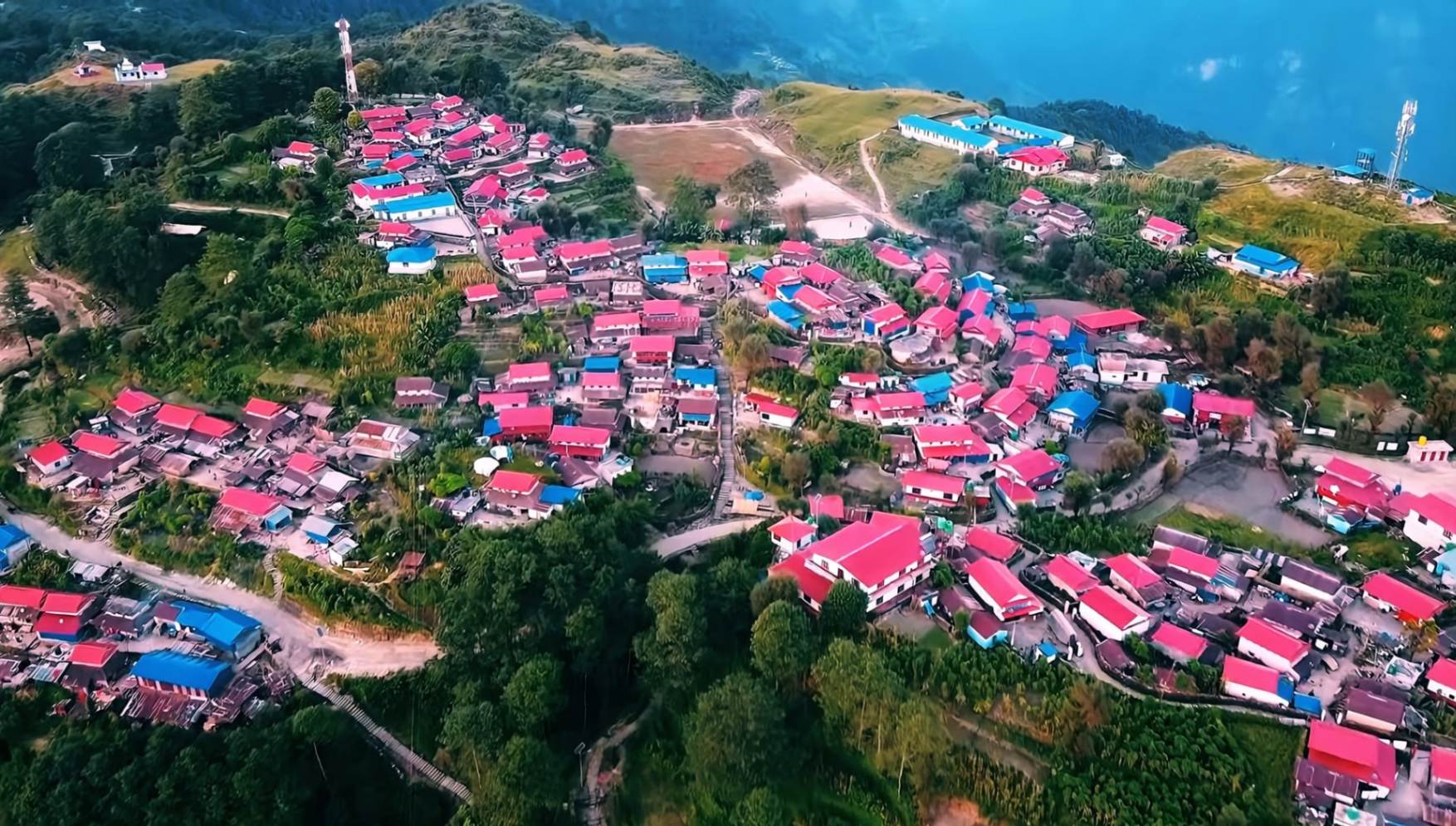
The weather in Nepal is extremely unpredictable, particularly in the hills and mountains. On one morning on my journey, I arose to find bright sunshine and clear blue skies. The forecast was for fine weather, so I stowed away my rain jacket at the base of my pack.
After about a couple of hours, dark clouds suddenly came into view. After a few minutes, the rain became quite heavy. My rain gear had to be searched for, and I was already drenched by the time I located it. My clothes were wet, my shoes were uncomfortable, and my camera required additional protection from precipitation.
Owing to the variable height of the mountains and local climate, mountain weather changes quickly. At times, short afternoon showers can occur even in this dry period.
What I learned
Have an extra warm layer, rain jacket and backpack cover handy. The weather in the morning can be perfect to begin with but can change quickly.
7. Forgetting That Trekking Is More Than Walking
Before I came to Nepal, I thought trekking was nothing but walking for a long distance in beautiful surroundings. I walked home regularly so I had no fear of the physical aspect.
The Himalayas soon debunked that theory for me.
There are thousands of uneven stone steps, steep uphill climbs, rocky trails, suspension bridges and days of constant walking in many trekking routes. The thinner air at higher elevations makes everything more difficult.
The endless staircases were particularly challenging. I had climbed for hours, but my legs were tired, not because of the distance but because of the hours! I discovered that walking is not the sole requirement for trekking; it is a matter of strength, balance, endurance, and mental determination.
What I learned
Practice before going on your trip by walking around carrying your backpack, climbing stairs, strengthening your legs, and hiking. When trekking, it helps to prepare ahead so you can enjoy your journey without getting injured.
8. Eating Too Adventurously on the First Day
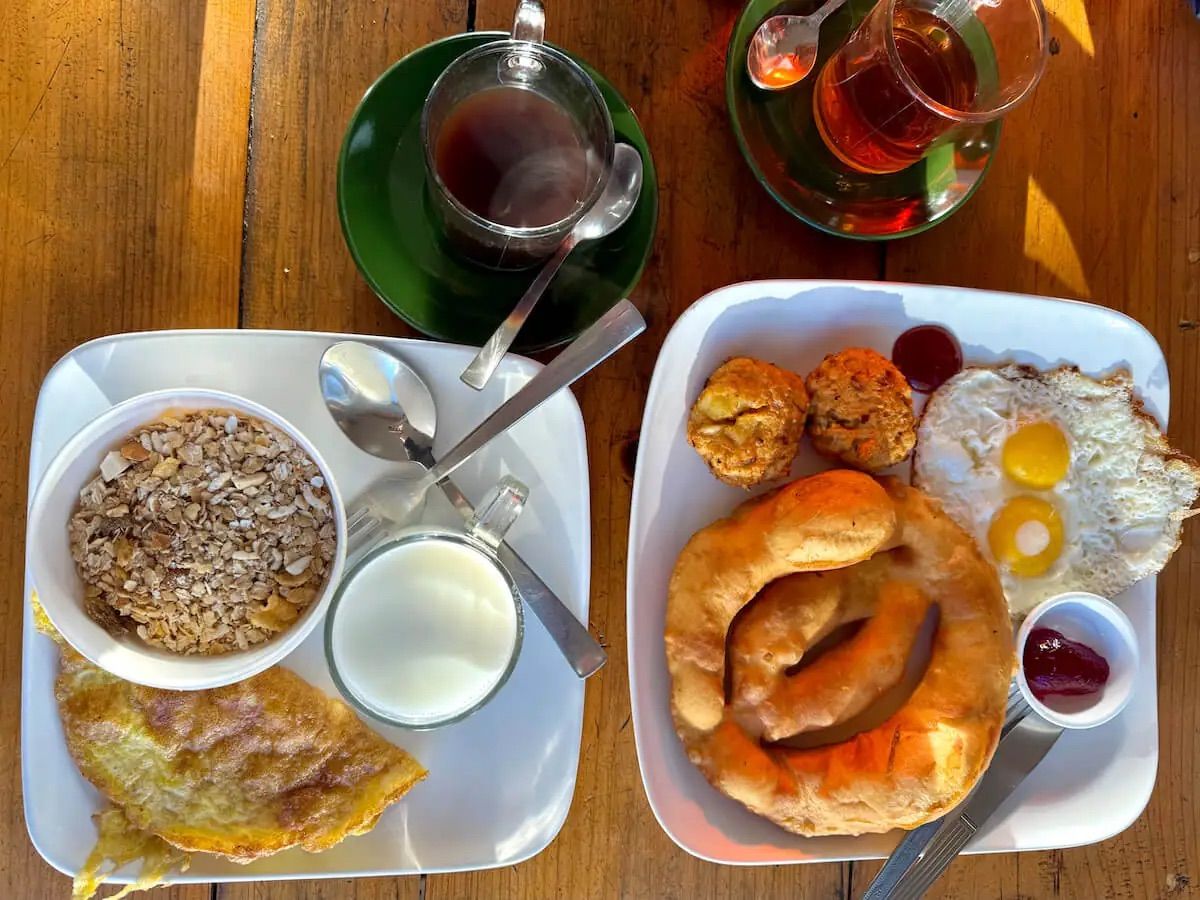
My favourite thing was to taste authentic Nepali food. Upon reaching their institution, I was unable to help myself and tried it all. My first day included spicy curries, street food, momo, chatpate, and other local food.
Although the food was delicious, my stomach wasn't ready for such a sudden change in diet. I wasn't used to all the spices, the taste of the food, the traveling and the different water I had to drink, and it took a toll on my digestive system. I spent a lot of the next day recuperating, and only did the exploration of Kathmandu the next day.
It was a reminder that even food that is good, should be introduced slowly when traveling to a new country.
What I learned
Eat fresh foods that are cooked at clean restaurants, drink bottled or purified water, and add up spicy foods gradually over a few days. You will feel better in the future!
9. Forgetting to Slow Down
The first couple of days were spent visiting as many of the famous attractions as I could. I headed from one temple to another, quickly took some pictures and headed for the next temple.
One day I was able to see that I was gathering photos rather than experiences.
I have some of my best memories from well-known tourist sites. They were quiet mornings watching the sunrise over the mountains, listening to the monks chanting in a peaceful monastery, talking to other trekkers around a fireplace and watching prayer flags fluttering in the wind.
Those simple moments gave me much more appreciation of Nepal than any sightseeing checklist ever could.
What I learned
Take time to stop, watch and just enjoy your surroundings. Some of the best memories to treasure are the ones you never thought about.
10. Not Talking to Local People Enough
I wish I had spent more time getting to know the locals!
I didn't know how to talk to the locals at first as I felt I didn't know what to say and had some concerns about the language barrier as well. So I just travelled around with the tourists. However, as I continued to travel and meet with the locals, I discovered the Nepalese are very welcoming and friendly.
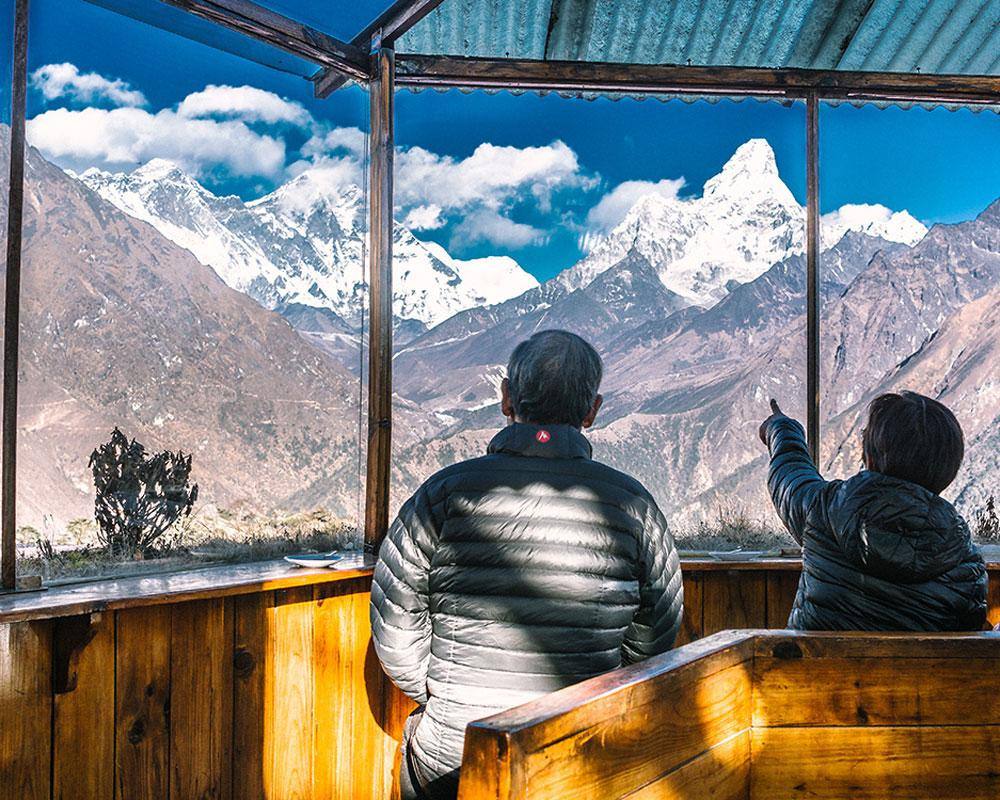
Many interesting stories of life of the mountains were shared by the owners of the tea houses. The merchants would tell me many things about the customs and traditions of the festive days. I would never have seen these incredible places if I had been traveling alone, and I would never have had the chance to eat the many local delicacies the restaurant owners recommended if it had not been for them.
And all the conversations I had changed my whole experience in Nepal. Finally, I found the key to my voyage and the value of people in this country.
What I learned
Always greet people with a smile and respect, ask interesting questions and show an interest in the local culture.
Conclusion
Looking back, I would not remove any of these errors as each one gave me some knowledge about traveling, not only in Nepal, but anywhere in the world. I learned how to travel more patiently, how to be more prepared and how to be more mindful of the effects of high altitude and so much more because of every challenge I faced.
In Nepal, "hurry up" is not a desirable quality! A country that's best taken at a leisurely pace and is often more about the trip than the end. From the tea time in a mountain village to the sunrise over the Himalayas, centuries-old temples and the locals who love telling about their culture, Nepal is a place that makes you take time to appreciate things.
When going on your first trip do not worry about making it perfect. Research, pack appropriately, respect the mountains, be flexible and allow for unexpected adventures to happen. The best travel memories are the ones that you didn't expect.
I hope that these lessons will help you to avoid making any of my mistakes, yet still have enough room to make your own memories! There is so much to discover in Nepal: stunning scenery, heritage, and some of the most generous people you'll ever meet. Don't be afraid of the people you meet; respect their culture and accept the unexpected. You will bring back amazing stories, memories for a lifetime and a desire to return to Nepal.