

Complete Nepal Weather Guide
Nepal is one of the few places in the world to have tropical hot weather, lovely hills, alpine meadows, and the highest snowy peaks all in one tour. The variety of landscapes in the country makes the weather in Nepal special. Whether you want to trek the Himalayas, visit the ancient temples in Kathmandu, go on a wildlife safari in Chitwan, or have a holiday in Pokhara, knowing the weather conditions in Nepal is that first step to successful travel.
Nepal's weather conditions are different from many other countries. The weather changes according to the height. For example, you can have a sunny day in Pokhara and in the Everest region, you can find snow, while Terai can be sweltering with temperature reaching 35 degrees or more. Due to these differences, the travelers have to select suitable time of the year according to their purposes. Trekking, sightseeing, wildlife tours, photo shooting, and mountain climbing can be done only at certain seasons of the year.
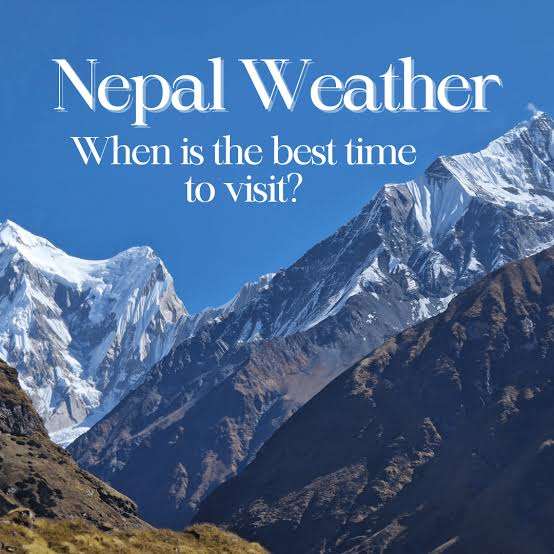
This complete guide tells you about the seasons in Nepal, average temperatures by month, rainy season, weather in winter and spring, good trekking routes and tips on what to take along with you when you travel to Nepal.
Types of Seasons
Summer Season
Nepal experiences four distinct seasons: spring (March-May), summer/rainy season (June-August), fall (September-November), and winter (December-February). Each season significantly influences Nepal's landscape, weather, and travel experiences that people have while exploring this beautiful country.
The spring season is characterized by blooming rhododendron trees, mild weather, and excellent trekking opportunities that the spring offers to visitors to Nepal. Summer brings many rains, covering lows with green carpets of vegetation. Autumn stands out for crystal-clear skies, picturesque mountain peaks, and comfortable weather conditions that many visitors enjoy during this season.
Winter is a very cold season, meaning that most tourists do not visit the country during these months.
Seasons impact festivals celebrated in the country as well as animal life. This is essential to know when planning a trip to Nepal, as sometimes the traffic is too heavy, while other times it is not worth visiting at all.
Monsoon Season
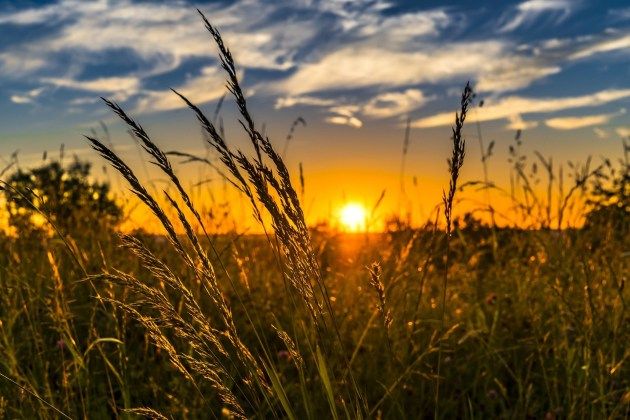
In Nepal, the monsoon season occurs from mid-June until the end of September. During this season, the wind blowing from the Bay of Bengal brings moisture and accounts for about 80 percent of all the rain that falls in Nepal during the year. The eastern areas of the country tend to receive more rain than the western regions, while the areas lying in the back of the Himalayan Mountains, including Upper Mustang and Upper Dolpo, enjoy a dry climate due to the rain shadow effect.
Many tourists do not choose to travel to Nepal during the monsoon season since heavy rainfall creates slippery trails, limits visibility of the mountains, causes flight delays, and leads to landslides. However, even though this season does not sound too favorable, it has its own advantages. Hills turn green unbelievably, rivers and waterfalls are full of water, rice terraces are covered with crops, and forests come to life after rain. After rains, the air seems fresh, flowers bloom, and photographers like to take pictures of clouds.
From the point of view of budget tourists, the monsoon season is a good time to travel to Nepal as hotels and trekking companies lower their prices. What is more, an attraction is not crowded with visitors, which means that the trip will be quiet. It is necessary to plan your route carefully and use a rain shadow route to make the trip a success.
Winter
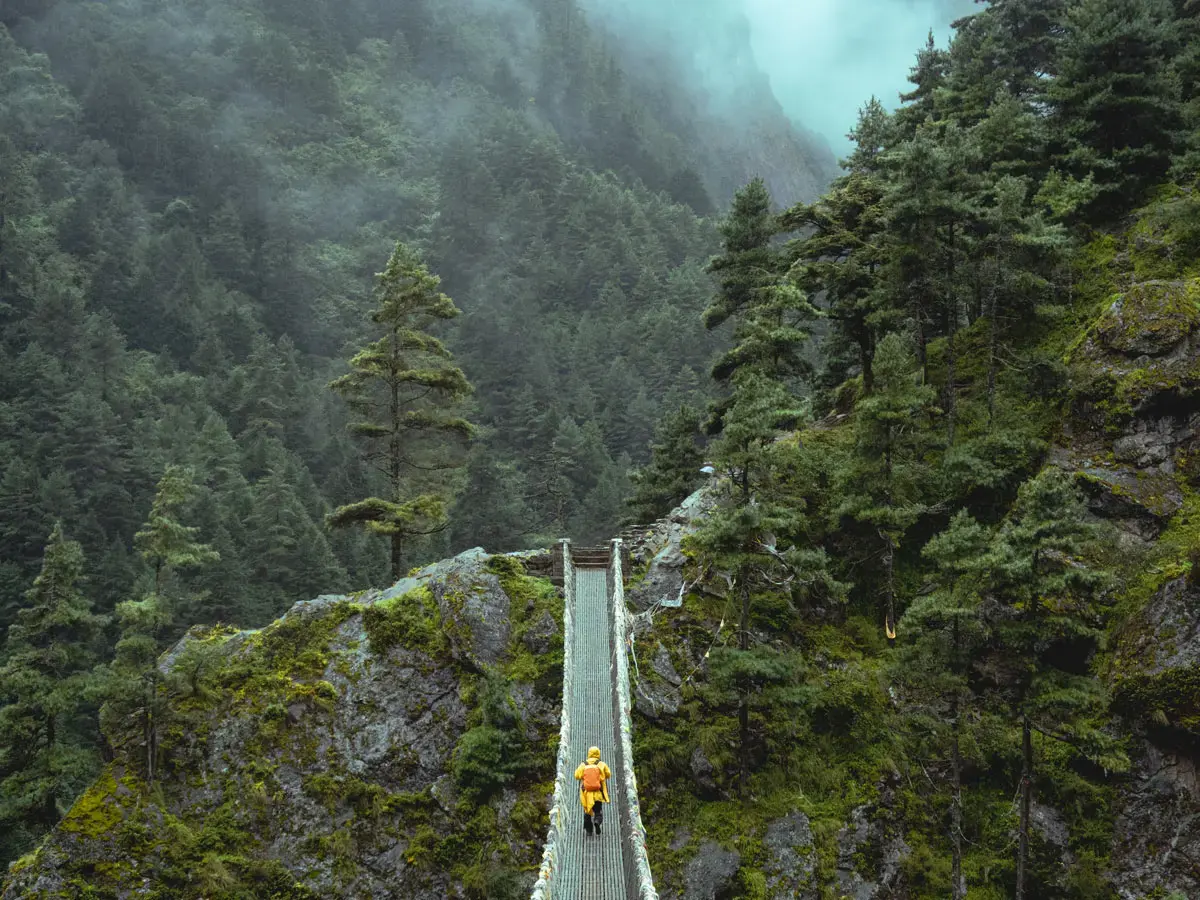
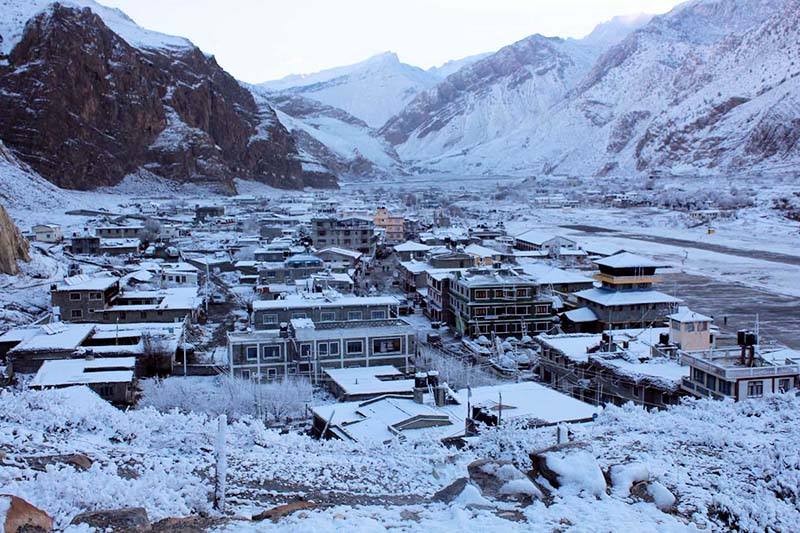
The season of winter in Nepal takes place from December to February, with cold winters, which people mostly experience in the mountains of Nepal. In other places like Kathmandu or Pokhara, the weather is warm and sunny. In places that are above 4,000 meters, the temperature can be lower than -20 degrees Celsius.
Even though it is very cold, this is a good time to travel since the weather is quite dry and cold after the autumn. The winter season offers breathtaking views of the Himalayas. As there is less tourist flow during this time, it's easier to find accommodation and see the sights of Nepal.
Travelers can prefer the hiking routes of that are on lower elevations like Ghorepani Poon Hill, Australian Camp, as well as other trails where the temperature is not freezing cold. To be warm during the trips, travelers need to remember to pack warm winter jackets, thermal clothing, gloves, winter boots, and other necessary winter clothing.
Spring Season
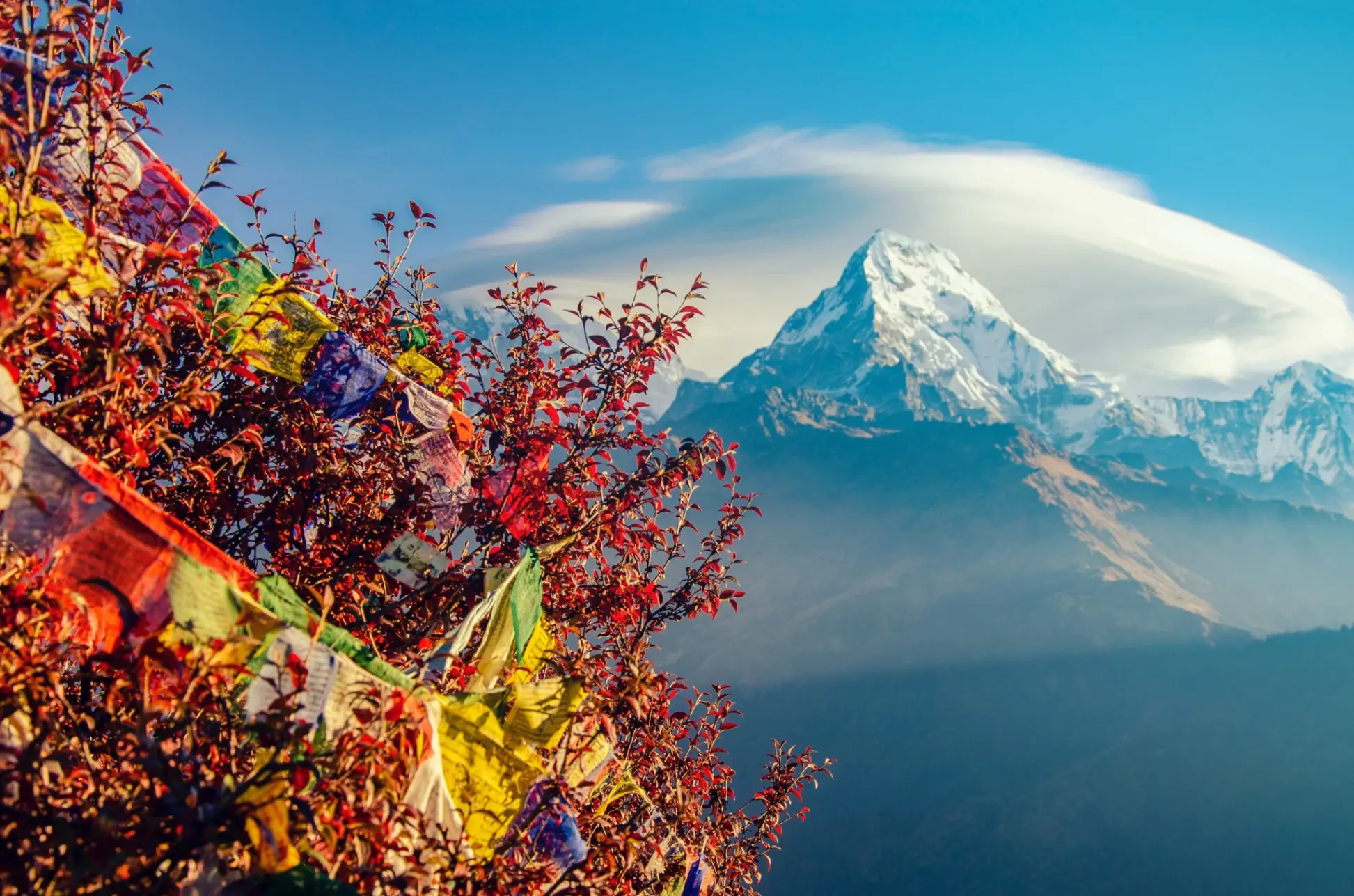
Spring spans the months of March through May, making it one of the most beautiful times of the year in Nepal. The onset of warmer weather brings about melting snow and blooming rhododendrons, filling the image of the mountains with colors of red, pink, and white.
Weather during spring months is typically warm and stable, not to mention that mornings are usually clear and ready for a fantastic view of the Himalayas. Days are warm enough for hiking, while evenings don't get very cold.
Spring is popular with trekkers since there is no snow blocking the high mountain passes, while rain has not yet started, taking them to such famous trekking trails as Everest Base Camp, Annapurna Base Camp, Langtang Valley, Mardi Himal, and Manaslu Circuit.
Monthly Temperatures
Due to its geographical variety, the climate in Nepal varies significantly. The Terai region is warm during all seasons, while the steeper areas are characterized by moderate temperatures and the establishment of the Himalayas results in much colder climates. Speaking of places such as Kathmandu and Pokhara, tourists enjoy pleasant weather in these places all year long, and even in spring and autumn, during their trips to the hills, the temperatures are low. Therefore, it is crucial to check the weather forecast before planning any trip.
| Month | Kathmandu | Pokhara | Everest Region |
| January | 2--19°C | 8--20°C | -15 to 5°C |
| February | 5--21°C | 10--22°C | -12 to 7°C |
| March | 10--26°C | 15--28°C | -8 to 10°C |
| April | 13--29°C | 18--31°C | -5 to 12°C |
| May | 17--30°C | 20--32°C | 0 to 15°C |
| June | 20--29°C | 22--30°C | 3 to 16°C |
| July | 21--29°C | 23--29°C | 5 to 16°C |
| August | 21--29°C | 23--30°C | 5 to 16°C |
| September | 19--28°C | 21--30°C | 2 to 15°C |
| October | 13--27°C | 18--29°C | -2 to 12°C |
| November | 8--24°C | 13--27°C | -8 to 8°C |
| December | 3--20°C | 9--22°C | -12 to 5°C |
Trek Recommendations
In addition to stunning weather conditions, Nepal is one of the finest places for trekking in spring as well as autumn due to the picturesque scenery of mountains. Some of the famous trekking routes in Nepal include Everest Base Camp, Annapurna Base Camp, Langtang Valley, and Mardi Himal. In summer, trekking occurs in the northern regions of Upper Mustang and Upper Dolpo, but trekking in general in Nepal is done in spring and fall.
Conclusion
Whatever time of the year you choose to go to Nepal, you are likely to have an interesting experience. Spring is the season when countries are covered in colorful rhododendrons, whereas autumn is the time for amazing views of the Himalayas. Summer is the time of green surroundings and adventures, and winter means tranquility and serenity.