
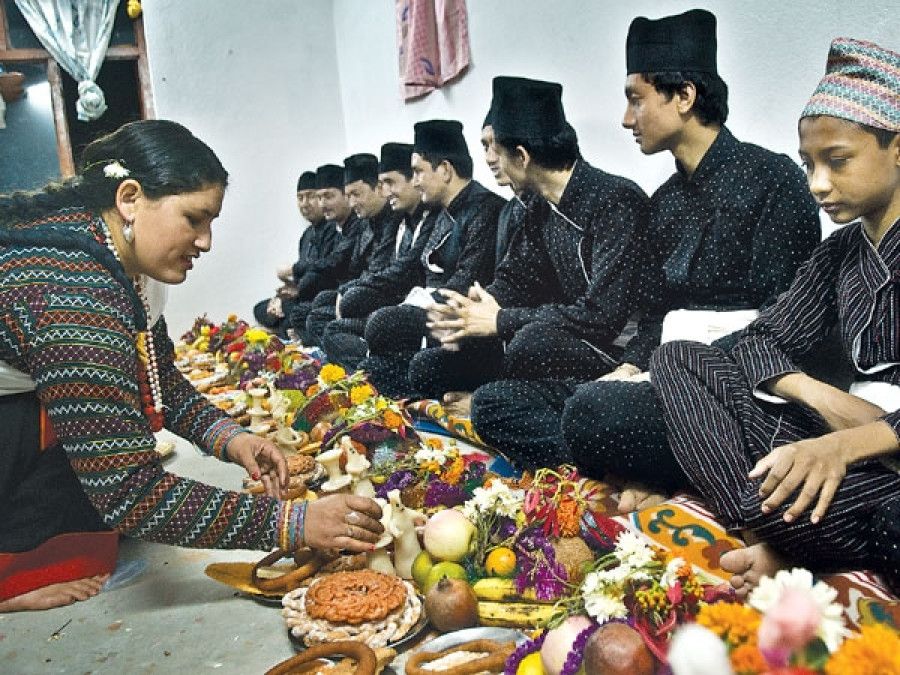
How to Experience Tihar in Nepal as a Tourist
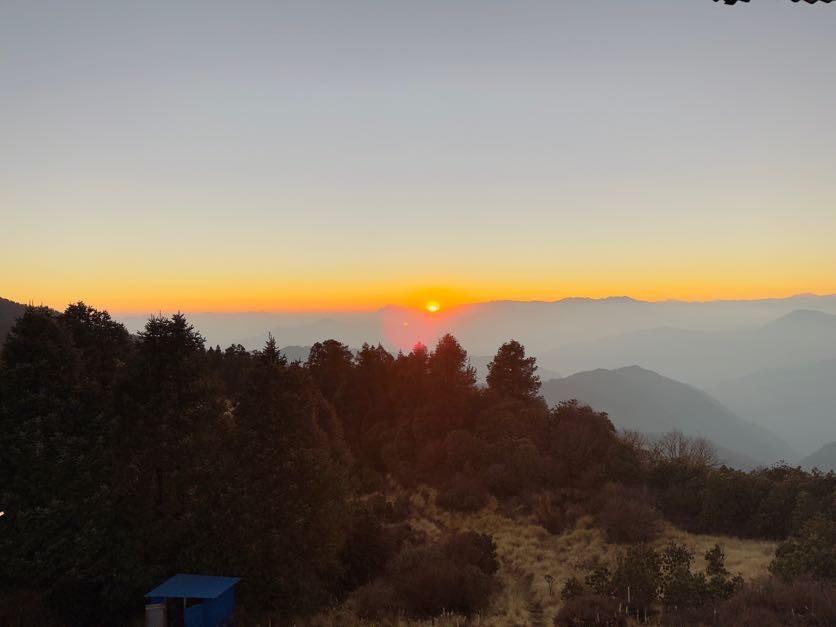
Festivals are a way of life in Nepal, where they are a source of unity, a celebration of ancient customs, and a way to create a memorable cultural experience. Tihar is one of the most beautiful and colourful festivals, among others, celebrated. Tihar is also called the Festival of Lights, in which the cities, towns and villages in Nepal turn into bright, joyful spaces adorned with oil lamps, colourful decorations, flowers, music and happiness.
It is not just about the festival for international visitors when they visit Tihar in Nepal. It is a chance to learn about the culture of Nepal, engage in local customs, taste traditional cuisine and embrace the hospitality of the Nepalese people.
Tihar is a 5-day festival that is not like many other festivals that are celebrated in one day. Every day is a religious and cultural day. All of the rituals carry a significant meaning and message, from aiding in worshipping crows and dogs, to welcoming in Goddess Laxmi, to fostering brother-sister relations.
Tihar is a great opportunity for people to visit Nepal without the mountain and trekking experience if you are moving to Nepal during the festive season. There are countless ways to be a part of this beautiful celebration, whether you are exploring the streets of Kathmandu or visiting some traditional villages or staying with a local family.
Let's take a look at how as a tourist you can experience Tihar in Nepal.
What Is Tihar and Why Is It Celebrated in Nepal?
Tihar is one of the major Hindu festivals that is celebrated in Nepal. Also called Deepawali or Yamapanchak. The festival celebrates various relationships between humans, animals, nature, and God.
Generally, Tihar is celebrated for five days starting from Kaag Tihar and ending with Bhai Tika. Every day is a different way of showing respect, appreciation, love and connection to our spirits.
Amongst the most lovely part of Tihar is the celebration of animals. Crows are revered on a different day from dogs and cows, which are symbols of communication, loyalty, and prosperity, respectively. The festival is also dedicated to the worship of the Goddess Laxmi, believed to bring wealth, happiness and good fortune into the homes.
Tihar offers the tourists a better glimpse of Nepal's culture. It enables visitors to gain insight into the relationship of religion, family and community festivities in daily Nepali life.
In Nepal, Tihar is celebrated on which day?
Tihar is observed annually as per the lunar calendar of Nepali (usually in October/November). It generally occurs soon after Dashain, which is another important festival in Nepal.
The festival is celebrated over five days, though depending on local customs and the lunar calendar, there can be additional celebrations and rituals.
The five days are:
Day 1: Kaag Tihar: Worshipping crows.
Day 2: Kukur Tihar: Celebrating dogs.
Day 3: Gai Tihar and Laxmi Puja: Worshipping cows and Goddess Laxmi.
Day 4: Govardhan Puja and Mha Puja: Celebrating nature, self-purification, and the New Year in the Nepal Sambat calendar, depending on the community.
Day 5: Bhai Tika: Celebrating the special relationship between brothers and sisters.
If you are planning to visit Nepal specifically for Tihar, it is a good idea to arrange your travel dates around the five-day celebration. This gives you enough time to witness different rituals and experience the festival in various communities.
Five Days of Tihar: What Can Tourists Experience?
Understanding the five days of Tihar will help you appreciate the festival more deeply. Each day offers something different, making the entire celebration an interesting cultural journey.
Day 1: Experience Kaag Tihar
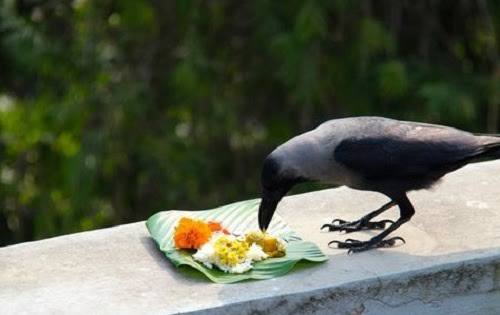
The first day of Tihar is referred to as Kaag Tihar meaning Crow Festival. This day crows are worshipped and fed by the Nepali family.
According to Hindu mythology, the crow is a messenger of the God of Death, Yama. Crows are believed to deliver bad news and good luck if fed.
People may be observed putting rice, grains, sweets, etc. out for crows early in the morning on rooftops or courtyards, or open spaces.
Be a tourist and witness this amazing tradition and get to know the religious importance of animals in Nepalese culture.
A simple but profound experience aimed at engaging visitors with the profounder values of Tihar.
Day 2: Celebrate Kukur Tihar, the Festival of Dogs
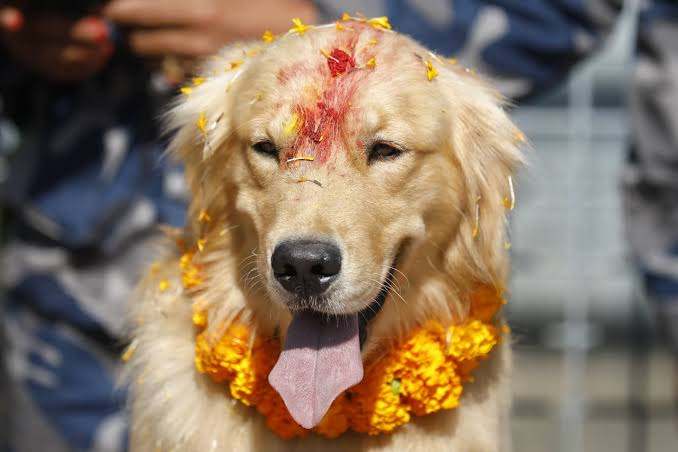
Kukur Tihar is one of the most popular and photographed days of Tihar. On this day, dogs are honoured for their loyalty, companionship, and protective nature.
Dogs are garlanded with flowers, given special food and red tika is placed on their forehead. The day is truly heartwarming, as even street dogs are not excluded from the celebration.
Families will be seen dressing up their pets with colourful garlands and feeding them tasty treats. In many areas, folks additionally upload pictures and videos of their dogs participating in the festival.
Kukur Tihar is an excellent place for international tourists to see the bond between the Nepali people and animals.
If you are an animal lover, this is a particularly memorable experience. You can watch the festivities, ask to have them photographed with the dogs' permission, and find out why animals are so integral to Nepali culture.
But, remember never to be too hasty with new dogs, always give space.
Day 3: Experience Gai Tihar and Laxmi Puja
The third day is considered one of the most important days of Tihar. It is a festival celebrated as Gai Tihar and Laxmi Puja.
Cows are considered sacred animals in the morning, symbolizing prosperity, motherhood and plenty. Garlands, tika and other offerings are used to decorate them.
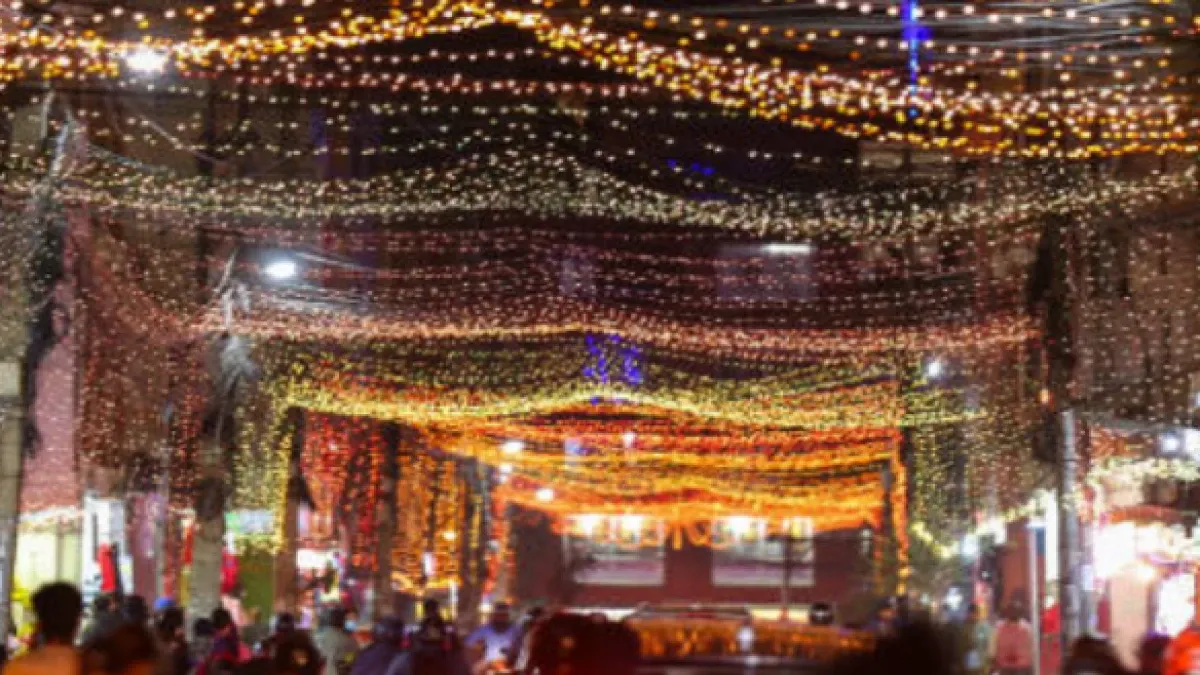
The rest of the country is beautifully lit up during the night.
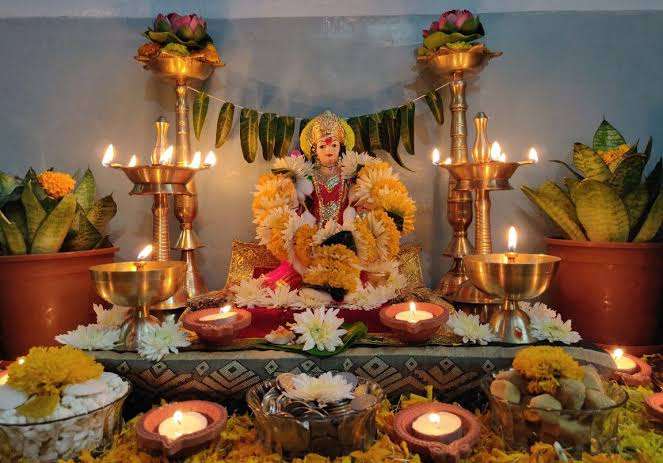
People decorate their houses, clean them, light their oil lamps (diyos), put flowers in front of the door and make the traditional rangoli patterns for their houses.
These decorations are primarily made to invite Goddess Laxmi, goddess of wealth and prosperity, into their homes.
A tourist's visit to the local area of Nepal during puja of Laxmi can be a memorable experience. The streets turn colorful, the houses are illuminated with lights and families get together to pray.
Small footprints are also visible going from the door to the prayer room. The footprints are used as a symbolic path to usher Goddess Laxmi into the house.
If staying with a local family, inquire to see if you may see their evening puja. It's a fantastic method to know the meaning of the festival spiritually.
Day 4: Experience Govardhan Puja and Mha Puja
Tihar is observed on Day 4 in various ways in Nepal.
Govardhan Puja is one of the many Hindu festivals in which people worship Govardhan Mountain. In a few traditions, people build a symbolic mountain with cow dung and pray to express their gratitude towards nature and the resources.
It is also celebrated as Mha Puja day in other communities particularly among the Newar people in the Kathmandu Valley.
Mha Puja is the worship of the self. It is an important tradition of the Newars to celebrate self-purification, good health, prosperity and the commencing of a new year in the Nepal Sambat calendar.
In Mha Puja, the members of the family sit together and observe various rituals. They are given blessings, foods and symbolic objects for good fortune.
It is a great chance to learn Newar culture for tourists visiting Kathmandu, Bhaktapur or Patan.
Visitors can discover the traditional settlements, witness the community's festivities (which are open to visitors), and learn how community members keep their culture alive through festivals.
Day 5: Celebrate Bhai Tika.
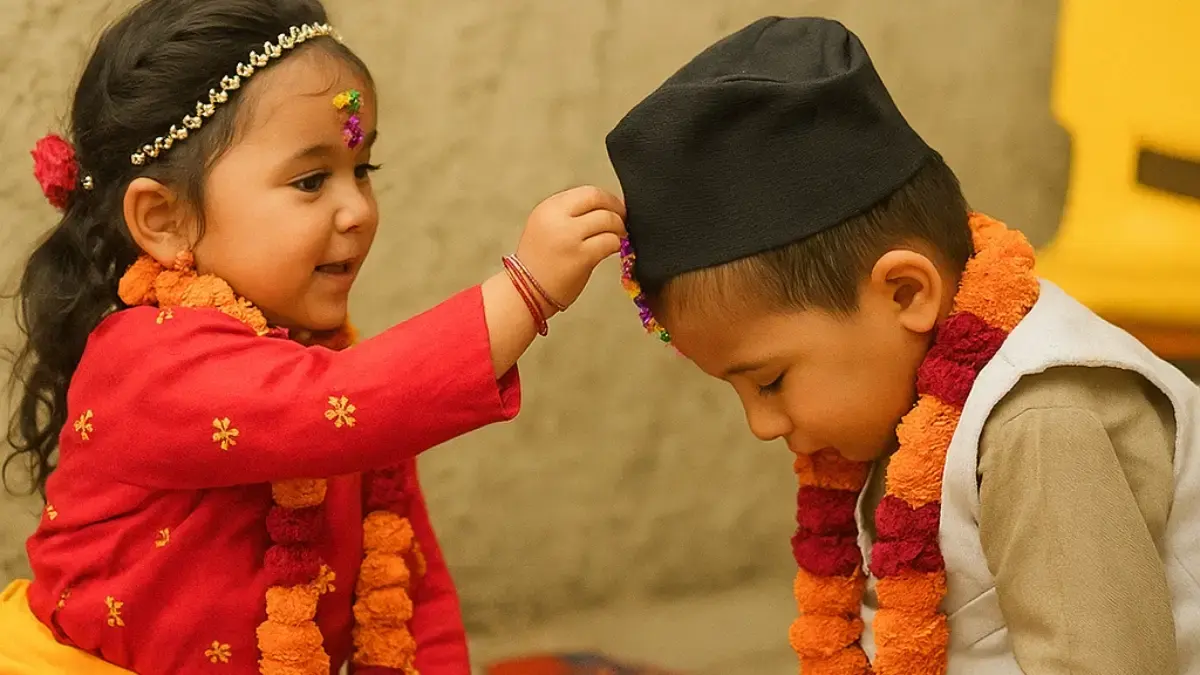
Bhai Tika is the fifth and last day of Tihar. It celebrates the special relationship between brothers and sisters.
On this day sisters apply colourful tika on their brothers' foreheads, garlands with flowers around their necks and pray for a long life, happiness and prosperity for their brothers.
Sometimes brothers give gifts and blessings to their sisters, symbolizing love and protection.
The most well-known aspect of Bhai Tika is the wearing of a colorful seven-colour tika, though some families and communities may have different customs.
Fabulous feasts are done in the family's kitchens, presents are exchanged, and the family enjoys some time together.
To the tourists, Bhai Tika is a chance to learn about the significance of family relationships in the Nepali society.
Bhai Tika celebration is a special culture, when invited to celebrate with a Nepali family. If you are invited you can join in the celebration also.
Best Places to Experience Tihar in Nepal as a Tourist
Although Tihar is celebrated throughout Nepal, certain destinations offer particularly interesting cultural experiences. If you want to understand the festival beyond the decorations, visiting traditional settlements and local neighbourhoods is highly recommended.
1. Kathmandu: Experience Tihar in the Capital City
The festival is celebrated all over the city and one can experience Tihar best in Kathmandu.
During Tihar, people decorate the streets, shops, temples, with beautiful lights and flowers, and also decorate their homes.
The festive ambiance can be seen around Thamel, Basantapur, Ason and Indra Chowk.
The traditional marketplaces are open for walking, local shops can be found for shopping, festive food can be enjoyed, and stunning decorated houses can be photographed.
The old streets of Kathmandu are particularly fascinating at evening time of Laxmi Puja.
Kathmandu is a great place to sample both the modern and the traditional!

2. Bhaktapur: Experience Traditional Newari Celebration.
Bhaktapur is one of the richest cultural places in Kathmandu Valley. It is noted for its traditional architecture, brick paved streets, temples and courtyards that create a beautiful setting for Tihar celebration.
Local houses and community venues are adorned with flowers, oil lamps and colourful designs throughout this festival.
One can experience the traditional squares (Bhaktapur Durbar Square, Taumadhi Square) and its neighboring traditional communities while watching the local celebrations.
Bhaktapur is also a great place to learn more about the Newar culture, including their favorite festival, Mha Puja and the celebration of the Nepal Sambat New Year.
Bhaktapur is also a great place for architecture, history, photography and culture lovers for a memorable festive atmosphere.
3. Patan: Festival, Art & Culture.
Another great place to visit for Tihar experience is Patan which is also called Lalitpur.
It is well known for its traditional architecture of Newari, Buddhist monasteries, temples and art heritage.
On this day, the local community decorates their home and courtyard with lights, flowers and traditional rangoli patterns.
This is especially for those who wish to experience the festive mood and enjoy the traditional architecture of Patan Durbar Square.
There are also a number of nearby courtyards and traditional settlements to explore, which will help you to get a sense of the importance of festivals in the local community.

4. Pokhara: Celebrate Tihar With Mountain Views
The ambiance of Pokhara is different during Tihar. The city is known for its beauty, mountain views and laid-back attitude, that are enhanced by festive decoration.
It's of special interest in the Lakeside area during the festival. Lights and flowers are frequently used to decorate restaurants, hotels and local businesses.
Phewa Lake offers an evening walk, visits to local markets and celebration of the festive season in the City.
Pokhara is a great place for people who are looking for a blend of culture and nature.
Visit the traditional Nepali villages and experience what it's like to stay in the homes of local families.

5. Traditional Nepali Villages: Experience Tihar With Local Families
Colourful decorations and public festivities can be enjoyed in major cities, but villages can offer an understanding of the traditions of the family and community behind the festival.
Families can be seen preparing traditional food, sweeping streets, hanging decorations on the doorsteps, and practicing local customs.
Other cultural events that occur are Deusi Bhailo dramas, folk music and neighbourly gatherings, depending on the community.
This can be enhanced through a homestay experience. Living in the home of a family in the neighborhood helps you to learn more about Tihar by engaging in everyday conversation and activities.
Experience Deusi Bhailo: The Musical Heart of Tihar
One of the most exciting traditions of Tihar is Deusi Bhailo.
In the festival, children, young people and adults visit the neighbourhoods singing traditional songs and doing dances.
Bhailo is traditionally associated with a group of girls / women and Deusi is associated with a group of boys / men. But today these shows are for men and women of various ages.
The performers sing the traditional verses, play musical instruments and dance in front of houses. In turn, people give fruits, sweets, money and other things to the house owners.
The atmosphere created by Deusi Bhailo is such that the public is actively involved and there is a lot of celebration.
These performances are likely to be seen by tourists visiting the neighbourhoods. A wonderful chance to taste and learn Nepali folk music and how traditional celebrations help to create a sense of togetherness in the community.
Respectfully enjoy experiences when invited by a group. Your local guide/host can also tell you the meaning of the songs.
Taste Traditional Nepali Food During Tihar
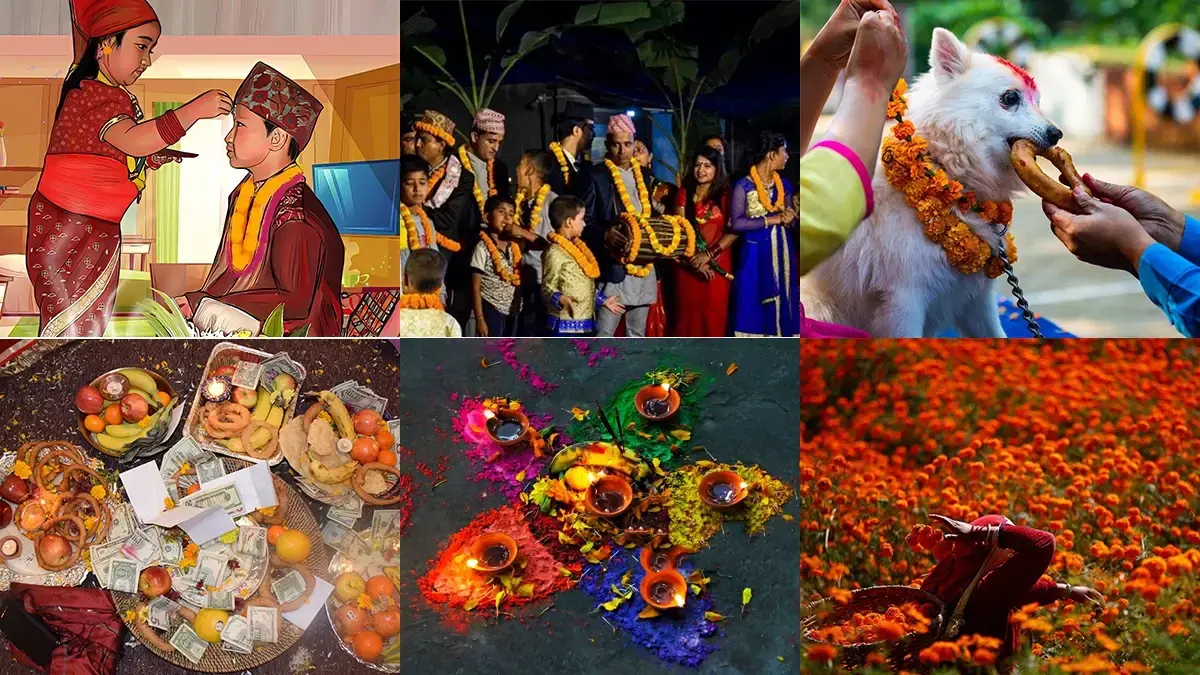
Delicious food is a must in any festival in Nepal. During Tihar, families make special food, sweets and snacks for distribution to the families, neighbours and guests.
Tourists can experience the Nepali culture through trying out the local food that is especially prepared for the festive season.
A few items you should have a sample of are:
Sel Roti: A traditional ring shaped rice flour bread which is crispy on the exterior and soft on the inside. It is usually made at major festivals in Nepal.
Anarsa: A sweet dish in which rice flour and jaggery or sugar is used, and is prepared differently in various parts of the country.
Fini Roti: A thin, layered festive bread, which is particularly loved by some communities of Nepal.
Kheer: A sweet rice porridge made with milk, rice and sugar.
Mithai: Traditional sweets of various types are served to the family members and guests.
Aloo and other festive snacks: Families like to make savoury snacks for visitors and relatives.
During Tihar, you will also see members of families visiting neighbours and giving away their homemade food and sweet items.
On a local invitation, you will be offered a little of Nepali cuisine, which is a nice gesture of their hospitality.
Join in Rangoli and Traditional Decorations
Home decoration is one of the most beautiful aspects of Tihar.
Families make beautiful rangoli patterns at their doorsteps using coloured powders, flowers, rice and other natural colors during the celebration of Laxmi Puja.
It is believed that these designs welcome Goddess Laxmi and bestow good fortune.
The houses are also adorned with marigold garlands, colourful lights, oil lamps and candles.
It is possible to observe how local families make these designs as a tourist. For any homestays or with a local host, you can inquire if you can assist with basic decorations.
This activity is really fun for travellers who like art, photography and culture.
Be sure to ask before taking pictures of private home decorations or entering residential courtyards.
Join a Local Family Celebration
The best Nepal Tihar experience is to spend time with a local family.
A local home offers a better understanding of the festival's meaning, while a hotel or tourist site can introduce you to it.
- One can witness the preparations of the festivals, decorate their house, set up the puja, cook the traditional food and receive guests.
- You can also find out the history of various practices and the significance of various offerings.
- This type of cultural experience is well suited to homestays. There are many families in Nepal who like to share their traditions with the foreigners.
- If interested, talk to your host prior to participating. Others may be family-specific or religious in practice and it is important to be aware of and respect their preferences.
- This section covers cultural etiquette, ideas which should be known by tourists during Tihar.
While the festival is generally open to tourists, it is essential to be aware of some of the customs so that you can enjoy and respect the experience.
- Respect Religious Rituals: Some activities are not public performances, but religious ceremonies. Be quiet and take notes on what your hosts instruct you to do.
- Remove Your Shoes When Required: When entering into a Nepali home or some religious areas, see if you should remove your shoes.
- Do not assume that you can participate in all rituals: ask before participating. Please consult your host/guide before entering.
- Dress Modestly and Comfortably: Modest and comfortable clothing is appropriate at the temple, traditional neighborhoods and in one's own home.
- Be Respectful Around Animals: Keep animals away from you or push them into poses, don't interrupt them during Kukur Tihar or Gai Tihar.
- Respect Local Traditions: Tihar may be celebrated in various ways in different communities. Be open to learning, not comparing traditions.
- Avoid Wasting Food: Do not take more than you can eat if you are invited to join someone for a meal.
These simple rules will allow you to be a part of the festival without offending the people and traditions that make it so special.
Is Tihar a Good Time to Visit Nepal?
Tihar, indeed, can be a great time that you can spend in Nepal, particularly if you are into cultural tourism.
October and November are popular months for travelling in Nepal. These months can be very pleasant to travel in and have relatively clear skies, as well as conditions for sightseeing in the city and mountain areas.
You can experience cultural sightseeing, trekking, adventure and visit to the traditional settlement during Tihar period.
For instance, you might visit Kathmandu Valley prior to or after you have finished a trekking adventure to Pokhara, or simply take in the festive ambiance following that.
But in planning your trip there are a few things you need to consider.
There may be a reduction in hours at some government offices, businesses and shops during the festival. Other areas of travel such as transportation and accommodation may be busy during certain holiday seasons.
Scheduling your hotel and other key travel plans should be done in advance.
Also keep an eye on the official dates of the festival for the year in which you want to go, as Tihar is a lunar festival.

What to pack for Nepal during Tihar?
Correct packing will make your Tihar holiday comfortable.
October and November are good months with nice daytime weather, but mornings and evenings are generally cool.
Pack comfortable walking shoes, light clothes for sightseeing during the day, a warm coat for the evening, and appropriate clothes for visiting religious/cultural sites.
It's helpful to have a camera or a smartphone to take photos of holiday decorations and cultural activities.
A small day bag, a reusable water bottle, sunscreen and individual needs will also be useful for anyone planning to be in the Kathmandu Valley.
If travelling to trekking areas to celebrate Tihar, please note that trekking locations have other requirements such as additional clothing and equipment depending on the trek and altitude.
Why Should You Experience Tihar in Nepal at Least Once?
But travelling is more than just about beautiful destinations. It's also about being able to appreciate various cultures, get to know people, and make memories that will last long after you're back home.
At Tihar, you will be able to experience all these and more.
It welcomes visitors to the values of family, respect for animals, gratitude for nature and the value of relationships within the community.
An evening of Deusi Bhailo is enjoyable, with beautifully-decorated houses, delicious homemade sweets and the warm glow of oil lamps in a traditional neighbourhood.
The happiness of people is what is special about Tihar. Families unite, neighbours exchange gifts, children revel in the festivities, and communities keep traditions alive.
These moments are all the more enriching for international visitors to Nepal and its people.
Conclusion
Travelers should visit Tihar in Nepal to witness the true beauty of the area.
Tihar is more than just a festival of lights. It's a feast of relationships, thanks, abundance, and culture.
Tours to Tihar in Nepal offer tourists a chance to discover the country outside of its popular mountains, hiking trails and natural wonders.
The celebration is experienced differently at each and every location, from the colourful streets of Kathmandu to the traditional courtyards of Bhaktapur and Patan.
The entire activities of Kukur Tihar, the lights of Laxmi Puja, Deusi Bhailo and the traditional foods with the local families all help you come closer to the Nepali culture.
When you are on your travels to Nepal for the festive season, embrace Tihar! It could be one of the most beautiful cultural recollections you will have of your visit.
At Happy Mountain Nepal, we think the best travel experiences are one that brings people together with each other, culture and tradition. Travelers who wish to visit Nepal and enjoy its festivals other than a normal tourist, may not hesitate to contact us and make your next cultural tour with our team.