
Visiting Nepal to Experience Dashain and Tihar: When to Visit and What to Expect
In Nepal, culture, traditions, spirituality and everyday life are intrinsically linked. The country is open to tourists all year round, but the festive season is especially memorable for experiencing its rich culture. Dashain and Tihar are two of the most significant festivals in Nepal, characterized by their joy, family gatherings, and filling homes, streets, temples, and neighborhoods.
The Dashain is a time of victory of good over evil and is linked to the worship of Goddess Durga. Known as the festival of lights, Tihar celebrates two things: the connection between man and animals and the worship of the goddess Lakshmi, and the bond between brothers and sisters. These festivals together, expose various facets of the religious beliefs, family traditions, hospitality and community life of Nepal.
If you are an international tourist, you will get to see Nepal out of the pack of its popular mountains and trekking trails during Dashain and Tihar. Enjoy seasonal delicacies, visit the decoration of cities, watch cultural performances and get to know how the Nepalese family members celebrate these special occasions.
However, when will you go to Nepal to enjoy both festivals? How is the weather in this season? Will tourist attractions and transportation services remain open? So, what should you get from your trip?
This guide will provide answers to these questions and make your visit to Nepal more meaningful during Dashain and Tihar.
Understanding Dashain and Tihar: Two Festivals That Define Nepal's Festive Season
Dashain and Tihar are celebrated based upon the Nepali lunar calendar. Thus, their date moves annually on the Gregorian calendar, but tends to be in September to November.
While both festivals are very popular in Nepal, the traditions, rituals and practices undertaken during these festivals may vary from community to community, region to region and family to family.
Dashain: Celebrating the Victory of Good Over Evil
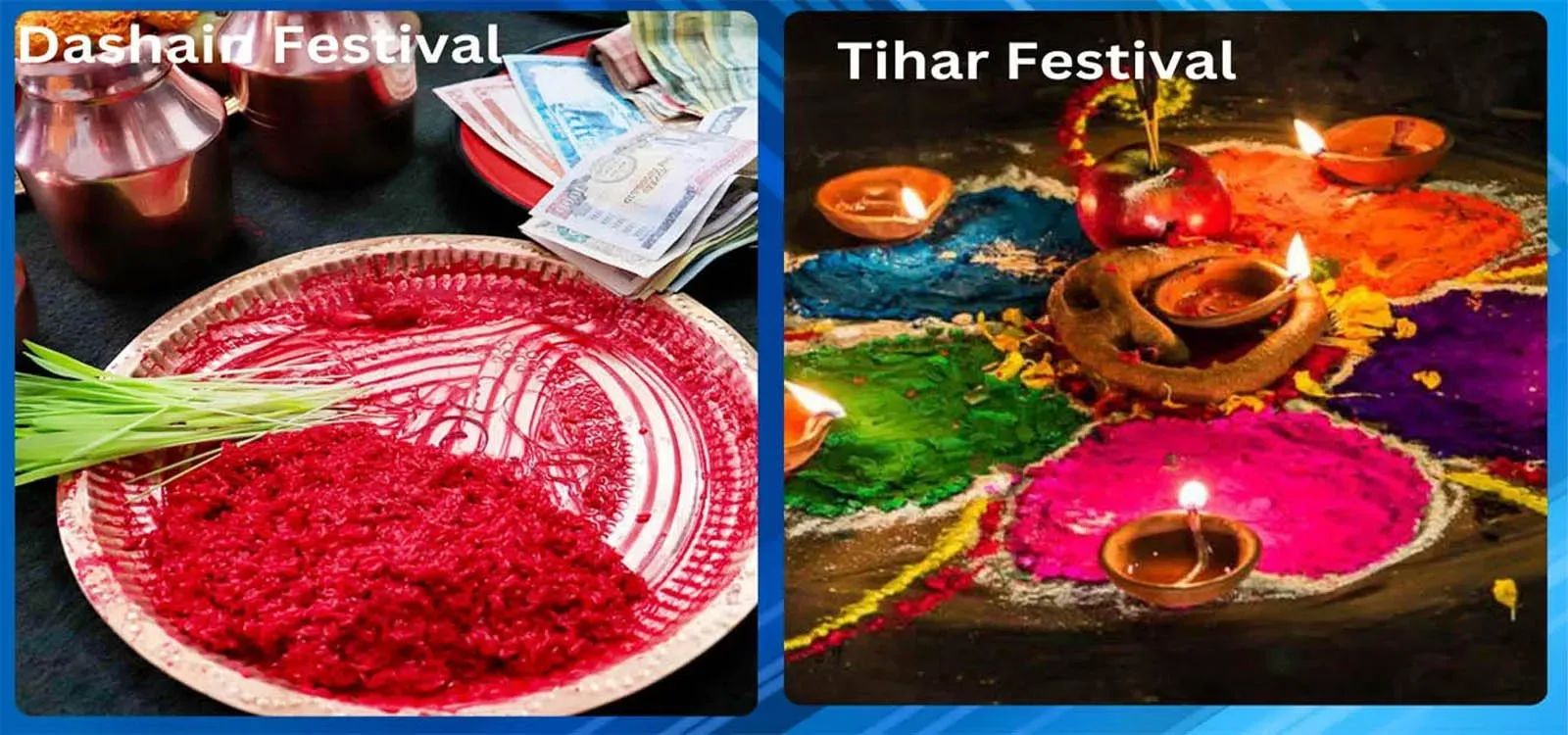
The festival of Dashain is one of the longest and the most important ones in the country Nepal. It is a festival of good over evil, especially in celebrating the triumph of Goddess Durga and the demon Mahishasura.
To many Nepalese, Dashain is a festival, a time to get together, to receive blessings, to wear new clothes, to enjoy the delicious food and to have a break from day to day activities. City dwellers frequently make pilgrimages to their native villages and homes to rejoice with their parents, grandparents, family and friends.
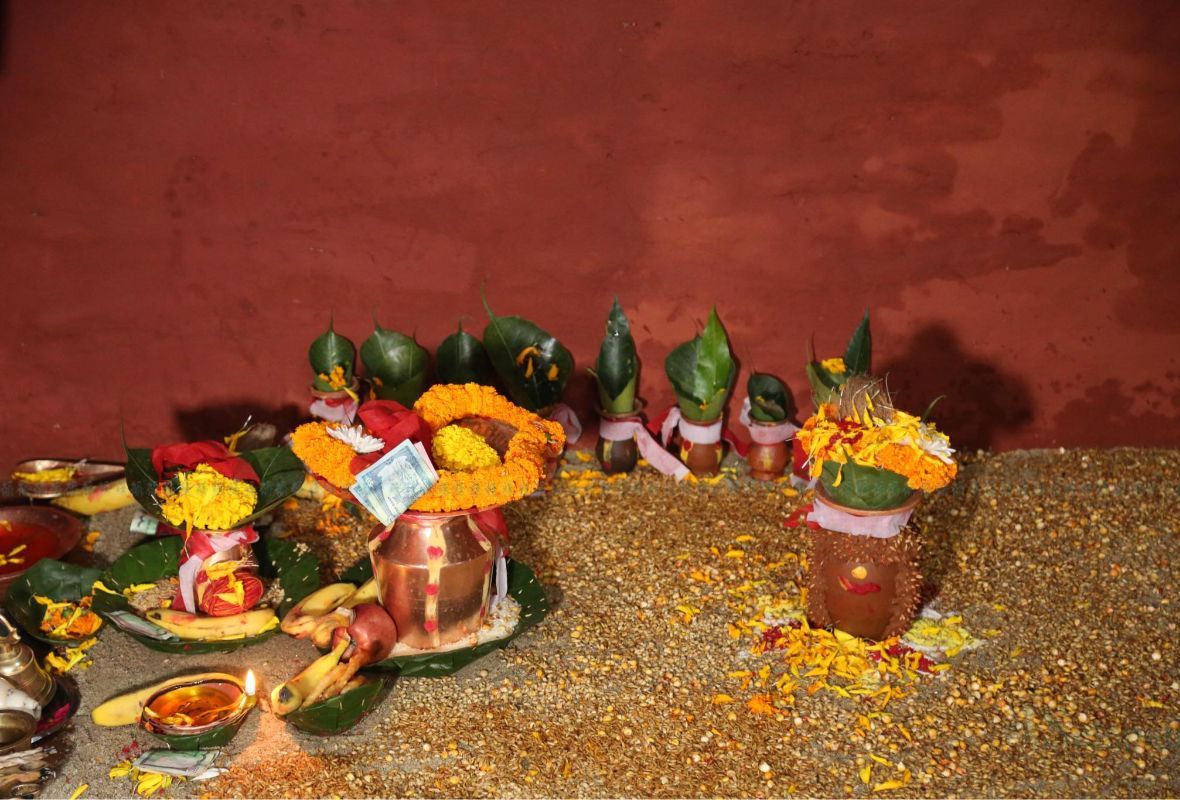
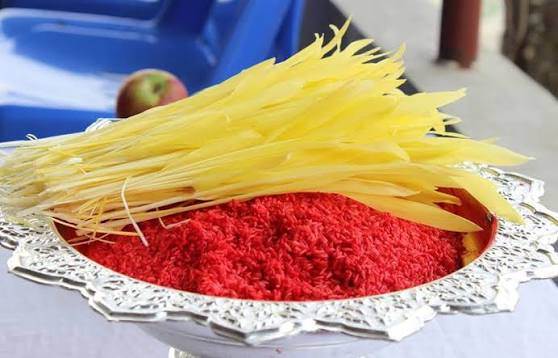
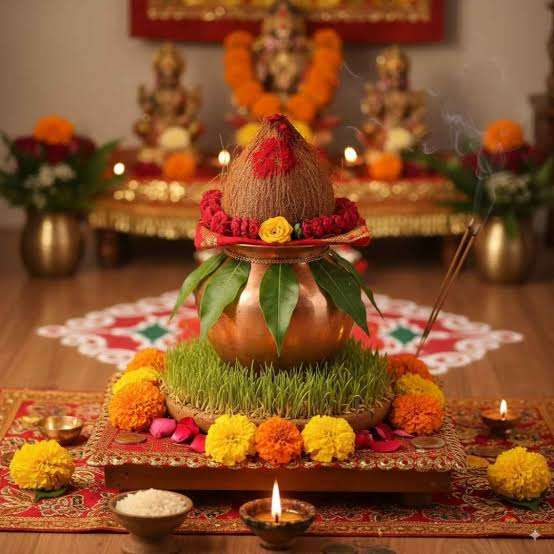
The festival starts with Ghatasthapana, where families create a sacred vessel, and traditionally plant barley seeds to grow the jamara. Later in the festival, these yellow-green shoots are an important element of the blessings.
As the days go by, families visit the temple, cook traditional dishes and clean up the house, and make preparations for the big feast in Dashain. The tenth day called Vijaya Dashami is a special day. Elders give the tika (usually a mixture of rice, yogurt and vermilion) on the foreheads of younger members of the family and say a few prayers on this occasion, giving jamara and blessings to everyone.
Dashain is a time for visitors to experience Nepal's close family bonds and religious practices. Familiar sights include family visiting with gifts, children in new clothes, houses decorated for assemblies and communities involved in worship.
But it is not a show for visitors, it is a family event. The best experiences can be gained from listening and respecting the local people and their culture.
Tihar: Nepal's Beautiful Festival of Lights
After Dashain, Tihar is another important festival in Nepal. It is celebrated for five days, each day having a cultural and religious meaning.
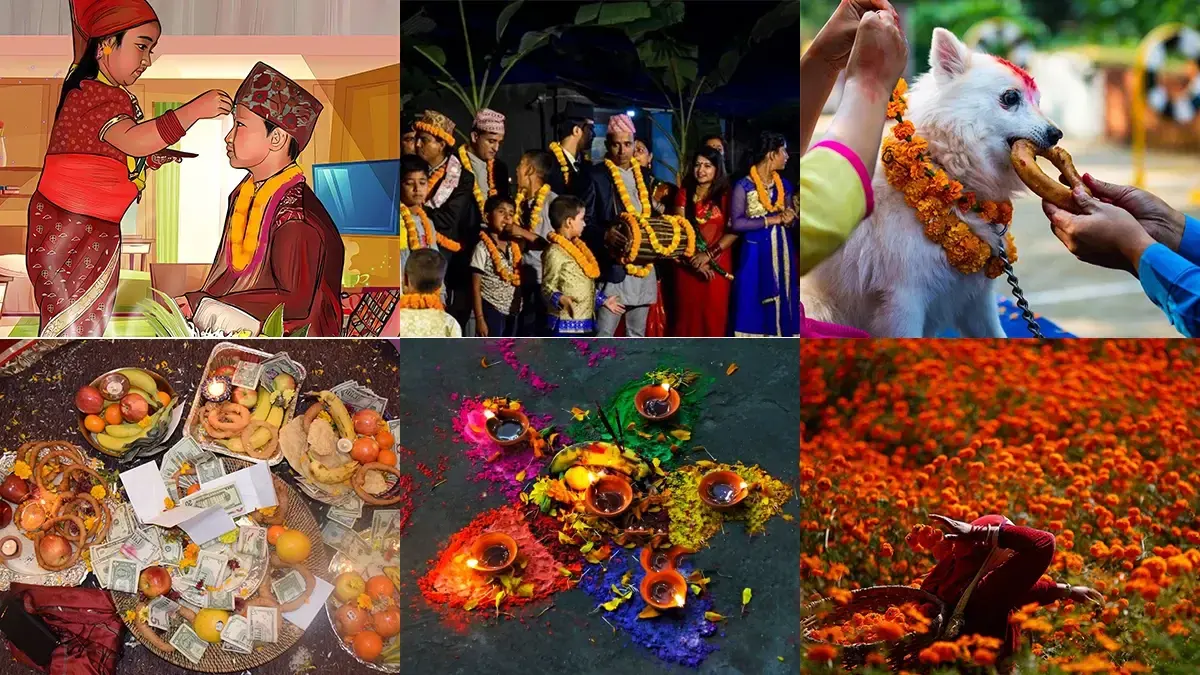
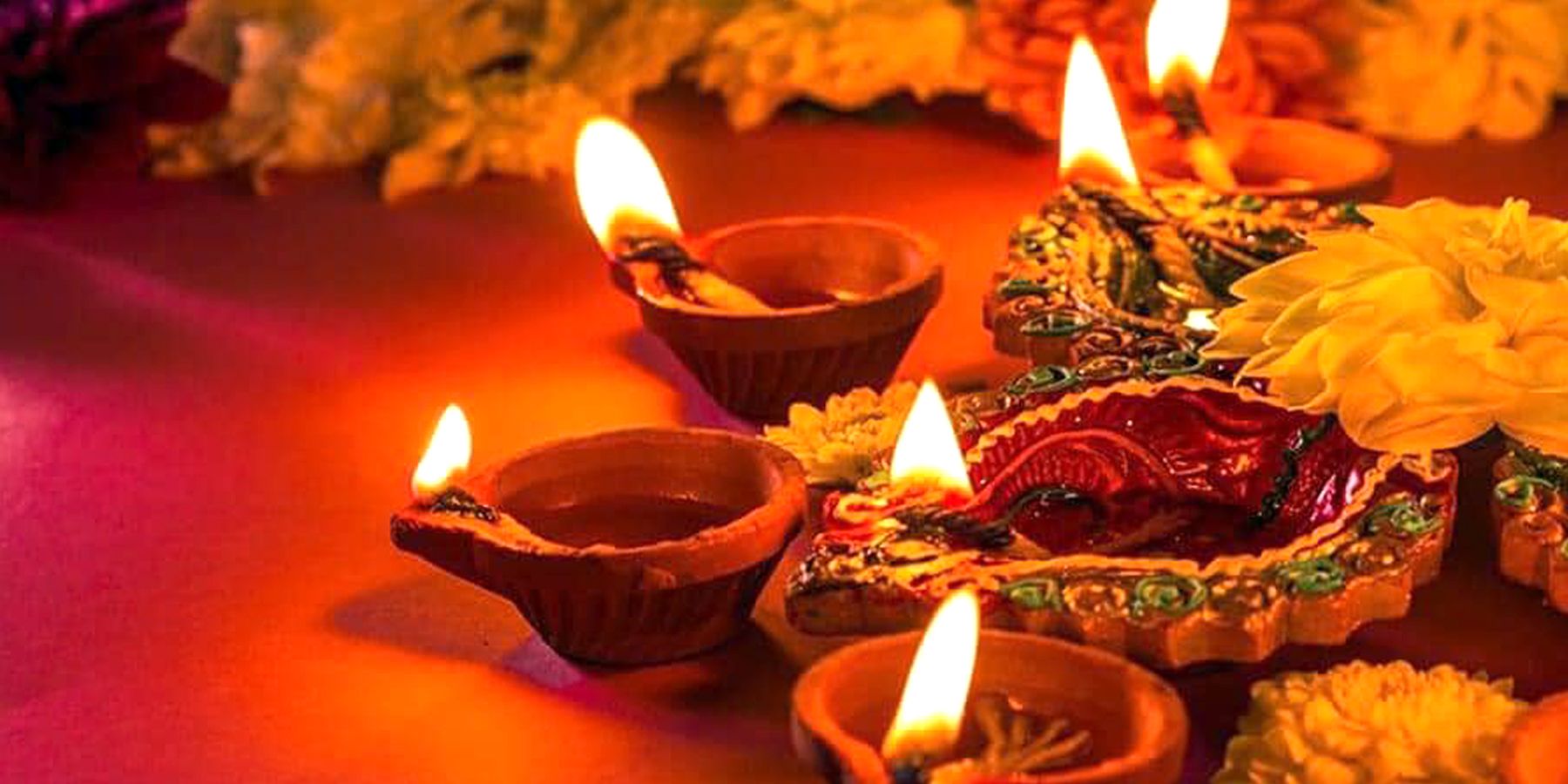
The festival is notable for the decorated houses, the colorful rangoli designs, marigold garlands, oil lamps, candles and electric lights. The evenings of a few neighborhoods in Tihar seem to be particularly beautiful.
On the first day (Kaag Tihar), crows are worshipped. The second day is the Kukur Tihar where we thank our dogs for their companionship and loyalty. Dogs are adorned with flower garlands and fed with tiktā and special food.
Gai Tihar and Laxmi Puja are one of the most colourful days during the celebrations of the festival. In Hindu belief it is said that cows are revered, and Goddess Lakshmi who is believed to be the goddess of wealth and prosperity is worshipped in houses and business.
Families decorate their entrance with rangoli and make pathways towards homes symbolically to welcome Goddess Lakshmi. Windows, courtyards and doorways are lit by lamps, which offer a warm and festive atmosphere.
Different communities celebrate day 4 in different ways. This can also involve the worship of oxen (Govardhan Puja) or the worship of Mha (among the Newar community). Mha Puja is a unique Newar tradition which involves purification and worship of oneself and is linked to the New Year's Day of many Newars.
On the fifth day, Bhai Tika, it is a day to mark the unity of brothers and sisters. Sisters observe rituals for the welfare of their brothers, give coloured tika, garlands and gifts to their brothers.
Deusi-Bhailo is another highlight of the Tihar festival, during which groups go house to house singing traditional songs and doing dances in return for food, gifts, or money.
Tihar is a beautiful time for visitors to enjoy the sights and sounds of Nepal, as well as its religious traditions and cultural festivals. It is also a festival to witness the hospitality of Nepal, which is more visible on this day.
When Is the Best Time to Visit Nepal for Dashain and Tihar?
If taking part in the festival of Dashain and Tihar is the primary reason for visiting, you should visit during the period of Dashain and Tihar, and not just the travel dates as they are influenced by the weather.
The festivals are Lunar based and therefore, their dates vary each year. The two festivals Dashain and Tihar are almost always held in September-October and October-November respectively.
This is dependent on the year.
It's best to review the official Nepalese festival calendar before making your international flight, domestic travel, hotel and cultural program reservations.
Visit During Dashain for Family Traditions and Religious Celebrations
For those who are interested in religious functions, traditional family functions, visiting temples and learning about the significance of Nepalese festivals, you should visit during the principal days of Dashain.
The time during Fulpati, Maha Ashtami, Maha Navami and Vijaya Dashami is special.
It's possible that during these days, there will be more movement around the temples and traditional neighborhoods. Families are united for rituals, a festive meal is prepared, and families head out to visit their elders.
A good point to start exploring the cultural aspect of Dashain is from Kathmandu Valley. Visiting historic towns, traditional courtyards, and religious sites will help to grasp the connection between festivals in Nepal and life.
Please note that some religious buildings may be closed in some circumstances for certain rituals. Respect and dress in line with local guidance and seek permission before photographing individuals or ceremonies.
Visit During Tihar for Lights, Decorations, and Cultural Activities
If you enjoy the vibrant colors of the streets, the light of illuminated homes, the traditional songs and festive decorations, Tihar is a wonderful time to visit Nepal.
The days leading up to the celebration of Laxmi Puja are truly appealing for photography enthusiasts and culture explorers.
The traditional architecture can be beautifully adorned with the lights, flowers, rangoli and festive decorations in Kathmandu, Patan and Bhaktapur. The evenings bring a lot of life to local neighborhoods.
The last day, “Bhai Tika” is also a significant day of the event, though most of the celebration occurs among the family.
If you are traveling, be aware that these are real traditions and not showy displays. Many of the most spectacular times can be in residential courtyards or private residences, where it is important to only enter by invitation.
Can You Experience Both Dashain and Tihar on One Trip?
Yes, Both festivals can be enjoyed in one trip with a bit of planning.
You should compare the annual dates for Dashain and Tihar, and make sure you have enough time upon your arrival to experience the celebrations you are most interested in and enough time when you leave to enjoy the events you would like to experience.
Staying for about 2-3 weeks might offer some more flexibility, but this might depend on your plans, budget and interest in trekking or other destinations.
One could start celebrations with Dashain in Kathmandu Valley, visit the surrounding cultural towns and stay in Nepal during Tihar. You can also visit Pokhara or do an appropriate trek in between festivals, according to the festival calendar.
However, the time between the festivals varies each year. Always verify the dates, and make travel plans based on the dates and not the travel schedule.
What Is the Weather Like in Nepal During Dashain and Tihar?
Another reason is that the Dashain and Tihar period falls during the pleasant season in Nepal during autumn.
The summer monsoon is followed by clearer skies, greener landscapes, and clearer mountain views. Climate is pleasant in many tourist areas, but it can be hot or cold depending on the location and elevation.
Kathmandu Valley
During most of the autumn season, the day time weather is relatively comfortable in Kathmandu, Patan and Bhaktapur. The mornings and evenings are cool, particularly later in the season.
Such circumstances are ideal for visiting historic squares, temples, local markets, museums and traditional neighborhoods.
Light layers and a jacket are helpful, especially if you'll be spending hours outside at night viewing the Tihar decorations.
Pokhara
The relaxed lifestyle, lakeside living and access to the Annapurna region are what Pokhara has to offer. Fall is a great time to see and do things outside.
A festival visit can be matched with boating on Phewa Lake, a visit to the lakeside area, a visit to local viewpoints and/or for a short trek.
The mountain's visibility is never certain, however, and sometimes clouds or rain may occur.
The Himalayan Regions
Trekking in Nepal is very popular during the fall season as the weather conditions are conducive to trekking as compared to the monsoon season.
Practically if you wish to combine with Dashain and Tihar, you can also visit the Annapurna region, Everest region or Langtang Valley.
The selection should be based on duration of travel, fitness, trekking experience, altitude conditions and means of transport.
Keep in mind that it gets much colder at higher altitudes. The right suit, acclimatisation and preparation are required.
The Terai and the southern part of Nepal.
The weather in the Terai is normally warmer than that of Kathmandu Valley and the Himalayan areas. This allows for the opportunity to visit cultural sites, nature reserves and local communities in the Christmas period.
For wildlife enthusiasts, travelers can choose between Chitwan National Park and Bardia National Park; but keep in mind that wildlife sightings and activities will vary depending on conditions and park policies.
For those of you who want a more temperate climate and a blend of culture and nature, the Terai might be a great fit for you.
Where Should You Go in Nepal During Dashain and Tihar?
The type of festival you opt for will dictate your festival experience. Certain locations are ideal for cultural exploration, and others offer the opportunity to enjoy the festivities amidst the beauty and adventure of nature.
- Kathmandu is a Cultural Starting Point.
Kathmandu is a good base from which to plan a festival holiday, for it provides the opportunity to visit historic temples, traditional neighborhoods, cultural attractions, and to travel the rest of the valley.
In the days of Dashain, you can visit places of religious significance and understand the preparations of the city for the festivities. Evenings in decorated neighbourhoods in Tihar can point to another part of the cultural life in Kathmandu.
The city offers some of the best known cultural attractions such as Swayambhunath, Pashupatinath, Boudhanath, Kathmandu Durbar Square, etc. During major religious festivals, access and visiting restrictions may be in place, as well as the duration of the festival - please check local arrangements beforehand.
There are also a variety of lodging, dining and transportation choices in Kathmandu. The schedules of public services and business hours may be adjusted, however, during festivals.
Bhaktapur: Traditional Architecture and Festive Atmosphere
Bhaktapur is a great place for those who are interested in the traditional Newar culture, old architecture, pottery and local crafts.
The city is characterized by its brick streets, courtyards, temples, and historic squares, which provide a unique setting for exploring the city's cultural scene.
Traditional homes and streets can be adorned with flowers, lights and rangoli during Tihar. The ambiance may be particularly inviting to people that like photography and slow traveling.
Bhaktapur is also a place to taste their local food and traditional Newar cuisine. In response to availability, you may get a chance to sample food like yomari, bara or juju dhau.
Visitors are reminded that many of the historic courtyards and religious facilities are still very much in use in the community. Respect private property and obey directions around temples and shrines.
Patan: Art, Heritage, and Newar Traditions
Patan (Lalitpur) is renowned for its traditional architecture, metal work, wood carvings and its rich Newar tradition.
The temples, historical structures, and artistic features of Patan Durbar Square make it a place of great interest, and there is much to discover.
There is an opportunity to witness the link between festivals and local identity and traditional craftsmanship during the visit to Patan during Dashain and Tihar.
Enjoy activities such as exploring heritage sites, walking through residential areas dressed for the celebrations, visiting workshops (available), and tasting of local food and drink.
Pokhara: Festivals and Relaxed Lakeside Travel
Pokhara is best for those seeking cultural and outdoor enjoyment.
Take some time to enjoy Phewa Lake, explore local markets, visit viewpoints or take it easy in a café on the banks of the lake.
If you have time to explore, you can also take any of the short hikes or depart from Pokhara on a trek to the Annapurna region.
While Kathmandu Valley is ideal for experiencing the traditional festival rituals, Pokhara has a different vibe, and provides an opportunity to enjoy the natural beauty of Nepal.
Chitwan: Wildlife and Local Culture
If you'd like to visit other places in Nepal besides the cultural hubs, then you should add Chitwan to your list.
The area offers wildlife activities, forests and an opportunity to learn about the local community.
The activities can range from guided jungle walks, canoe trips, birdwatching and wildlife excursions through the various aspects of the park regulations, depending on the season and the services offered.
If you have 2 or more weeks in Nepal, then complement the trip with Chitwan to enjoy the festival.
Please note, however, that major festival dates may cause some services to be reduced in their schedules but must be planned carefully.
What Will Your Overall Experience Be Like?
If you wish to experience Nepal on a different level, away from mountains, trekking routes or the sight of tourists, then you should be ready to experience it during Dashain and Tihar.
The festive season brings in a new set of atmosphere. Markets might be busier in the lead up to Dashain as people shop for new clothes, gifts, food and household items. Families tend to need more transportation when they're getting ready for a trip home.
In the time of Dashain, emphasis is placed on the religious rituals, family gatherings and taking blessings from elders.
Tihar offers another visual experience. The streets are lit up and decorated after dark, flowers are prominently displayed, and homes and businesses are adorned with lights and decorations.
You can listen to traditional songs of Deusi-Bhailo, watch exchange of gifts and observe the respect given to animals during certain days of the Tihar festival.
Through these experiences, deeper insight is gained into Nepalese society. You aren't just visiting monuments and museums, you are seeing the traditions that continue to define the life of the people.
Can You Trek in Nepal During Dashain and Tihar?
Yes, The festival period coincides with one the most popular trekking seasons of Nepal.
For cultural travellers who also love the outdoors, you can go ahead and plan a trip to Dashain or Tihar and a trek to the Himalayas.
Everest Region
Everest region is an excellent destination for trekking, trekkers enjoy the Sherpa culture and the Himalayan landscapes while visiting the highest region of the world.
The duration of the Everest Base Camp trek is typically two weeks or longer, depending on the route taken, acclimatization strategy, and starting point.
Time for transportation delays and weather condition changes should be included.
Annapurna Region
There are a number of trekking routes to choose from in the Annapurna region, ranging from the shorter to longer ones and the higher to lower altitudes.
Some of the popular treks are the Annapurna Base camp trek, the Annapurna Circuit trek, and Pokhara area short trekking tours.
The best choice depends on how much time you wish to devote to hiking, and how much of the festival period you wish to spend in the cities.
Langtang Valley
For those who don't want to go on one of the country's longest treks, Langtang Valley is another choice that offers both Himalayan scenery and cultural experiences.
Trek time is dependent on the route and the path.
Suitable acclimatisation, preparation, weather awareness and equipment are all important for any trek in the Himalayas as is the case in any trek.
How to Combine Trekking with the Festivals
The most effective way to trek and festivals together is to set priorities prior to booking.
To enjoy the main part of Dashain or the lit up streets of Tihar, plan your city stay accordingly.
This can then be planned as a journey before or after the party.
Don't arrange a close sequence of a trek and an overseas flight. Travel schedules can be impacted by weather delays, roads and domestic flight disruptions.
You can be able to take in the festivals without feeling rushed with a flexible itinerary.
Travel Challenges to Expect During Dashain and Tihar
While the festive season provides plenty of cultural attractions, it is important to know what difficulties you may face when travelling during this time.
- Transportation can get crowded.
A lot of people leave their cities and go back to the districts and villages before the onset of Dashain. Long-distance bus, air transport, and other modes of transportation might see a considerable surge in demand. Plan domestic and long-distance trips ahead of time, particularly when traveling on a particular date. Don't schedule too many destinations back-to-back if you are travelling to several.
- Some Businesses May Close
For some Businesses, it may be a day of closure. During the big festival days, family-run restaurants, shops, and local establishments might be temporarily closed.
Accommodation facilities for tourists can operate, but with different times and facilities available.
Verify key appointments with accommodation providers and tour operators prior to travel.
- Popular Attractions May Be Crowded
During major religious festivals and cultural events, religious sites and cultural attractions can become crowded.
For public celebrations, please arrive early if suitable and adhere to instructions.
For a more tranquil visit, try visiting on less hectic days around the festivals for Heritage visits.
- Respect Religious Customs
For many, Dashain and Tihar are significant events in Nepal. Dress modestly when visiting temples, and remove shoes when appropriate; obey local directions on entrance restrictions.
Keep out of religious ceremonies and private residences unless permission is given.
Keep in mind that each community practices in its own unique way, and don't assume every family celebrates in the same way.
Essential Travel Tips for Visiting Nepal During Dashain and Tihar
A little preparation can make your festival holiday more comfortable and rewarding.
1.Make sure to look at the festival dates:The Gregorian dates of Dashain and Tihar change from year to year, as these holidays are based on the moon cycle. Please verify travel dates prior to booking.
2. Book accommodation early: Book hotels in Kathmandu, Pokhara and elsewhere in advance, especially when travelling during busy travel days.
3. You will need to plan ahead for transportation: High demand for or changes to domestic flights, tourist buses and long distance transport services.
4. Be flexible about your plan: Plan additional travel time, delays due to changing weather and any festival closures.
5. Carry appropriate clothing: Fall is a nice time of the year, but mornings and evenings are cool. If you have to go to the higher elevations, pack layers.
6. Bring some cash: For some small businesses there are fewer payment alternatives, or fewer ATMs or other services are available during the holidays.
8. Read some Nepali phrases: Expressing "Namaste" and "Dhanyabad" (thank you) in the local language is a great way to connect with the locals.
9. Do not take photos without permission: Respect the privacy of others, especially during family rituals, temple and events in residential areas.
10. When appropriate, select local guides: A local guide will help you understand the meaning of traditions and offer you the right cultural experiences.
10. Be respectful towards animals: Specific rituals may involve dogs, cows, crows and animals during Tihar. Respect animals and do not disturb or feed animals without proper guidance.
11. Make a meal plan: During the major festival days some restaurants might be closed. Check with your hotel for the availability of nearby options and meal opportunities.
12. Respect local customs: Be gracious if invited, respect family and house rules, and note that some of the festivals may be for family or community use, not public.
A Suggested 14-Day Nepal Festival Itinerary
If you want to combine Nepal's festive atmosphere with cultural sightseeing and natural beauty, a two-week itinerary can provide a useful starting point.
The exact itinerary should be adjusted to match the annual festival dates.
Days 1–4: Kathmandu Valley and Dashain
Arrive in Kathmandu and take the first few days to explore the city's cultural heritage.
Have a look at some historic squares, temples, stupas and traditional neighbourhoods (as per opening and accessibility).
If you arrive during the time of Dashain, try to schedule some time to get to know the festival from a local guide or host.
It is also possible to visit the nearby Patan and Bhaktapur where you can learn about their architectural and cultural heritage.
Days 5–7: Explore the Valley and Local Traditions
Spend some more time in Kathmandu Valley at leisure.
Check out the old markets, explore traditional handicrafts, and enjoy NEPALI cuisine.
In the case of Dashain, if it is in session, then watch public celebrations, if allowed. If you have already spent the holidays in celebration, take a chance to explore the cultural attractions before heading to another destination.
Days 8–10: Pokhara
By road or domestic flight, if available and preferred, to Pokhara.
Savor the Phewa Lake, wander around the lakeside area, visit local viewpoints and take time to unwind.
If the weather is favorable and/or you have the time to spare, short hikes can be arranged.
Day 11 – 12 :Nature or Cultural Exploration
Select a short nature hike or go back to Kathmandu Valley based on the dates of Tihar.
For many people, going back to Kathmandu before the deadline, so they can be there to experience the festivities, is more valuable than going to another place.
On the other hand, if you are travelling during the Tihar season, you could go to the Chitwan or anywhere else instead and then return to the valley.
Days 13–14: Experience Tihar and Depart
The last few days are for wandering around adorned neighborhoods, toasting to the holidays with food, and picking up some of Tihar's customs.
Visit on a night when the celebration of Laxmi Puja falls, and enjoy an evening stroll around the appropriate public places and enjoy the lights and decorations there.
Have flexible travel plans and do not have to rely on a last minute domestic connection to get to an international flight.
Note: Itinerary is a sample schedule and not a definite list of festivals. Being Dashain and Tihar dates change from year to year, please check the calendar first and plan your trips around the days that you would love to experience the most.
Is Visiting Nepal During Dashain and Tihar Suitable for First-Time Travelers?
Yes. This is a great time to experience the town for the first time, particularly if you like culture, cuisine, religion, photography, and local customs.
Nepal has ancient cities, beautiful scenery, friendly people and adventure.
But, the holiday season is somewhat different from a normal sightseeing vacation.
Rather than trying to accommodate everyone's normal business hours, take the festivals into account and give time for changes to occur.
If this is your first time in the region, consider having an area tour guide to accompany you on cultural excursions, booking any airport transfers ahead of time, or looking for a hotel that provides reliable “guest support” to help in the event of a problem.
In case you wish to enjoy the Nepalese culture, you might want to spend a few days in Kathmandu Valley instead of visiting multiple destinations.
If you would like to experience festivals along your trekking, then it is important to have sufficient time for both.
Not every trip is about as far as it can be. It's the one that allows you to savor the destinations you travel to and the customs you experience.
Why Dashain and Tihar Are Worth Experiencing in Nepal
Dashain and Tihar provide a glimpse of Nepal that tourists may not be able to observe in their normal tourist experience.
Dashain signifies the value of family gatherings, religious observance, blessings and bonding with elders.
Tihar brings in a new dimension of lights, flowers, music, animal worship and celebration of sibling relationships.
The festivals reflect the intersection of religion, culture, community and everyday life in Nepal.
They also provide tourists with a chance to experience the diversity of the country's culture. The festivals are popular and also individually different festivals, interpretations and traditions found within the individual communities and families.
It can be particularly enriching if visitors come to the experience with curiosity and respect.
Don't just take pictures of anything, or go to the public events, but spare a few minutes to find out why some rituals are significant and how families get ready for the celebrations.
An hour with a local guide, a trip to a traditional neighborhood or an offer to enjoy the festivities at a meal might impart more of an impression than a lengthy list of sightseeing opportunities.
Conclusion
During Dashain and Tihar, visiting Nepal is an opportunity to witness the nation's most culturally crucial time.
During Dashain, family members gather, whereas during Tihar, homes are lit up and decorated in a myriad of colors, giving one a better insight into Nepalese culture.
Autumn is also the time to explore historic cities, taste some delicious Nepalese cuisine, visit natural attractions and plan Himalayan adventures.
The secret is to plan your travel time wisely. Refer to the festival calendar, book up valued transport and accommodation well in advance and be open to any alteration in business hours and travel plans.
You can design a trip that involves cultural travel and the natural beauty of Nepal, no matter what you choose to do during the day: explore the heritage of Kathmandu Valley, lake bath in Phewa Lake in Pokhara, or trek through the Himalayas.
Most importantly, bear in mind that Dashain and Tihar are not just things to look at. They're celebratory events that unite families and communities.
Come with respect, curiosity and an open mind, and you may find your holiday just as much as you imagined.
If you are thinking of travelling around Nepal during Dashain and Tihar and want to experience the culture, learn about the country, visit scenic places and have some adventure, you can plan your trip with Happy Mountain Nepal.
This holiday season, immerse yourself in Nepal's culture, people, scenery, and likable hospitality.