
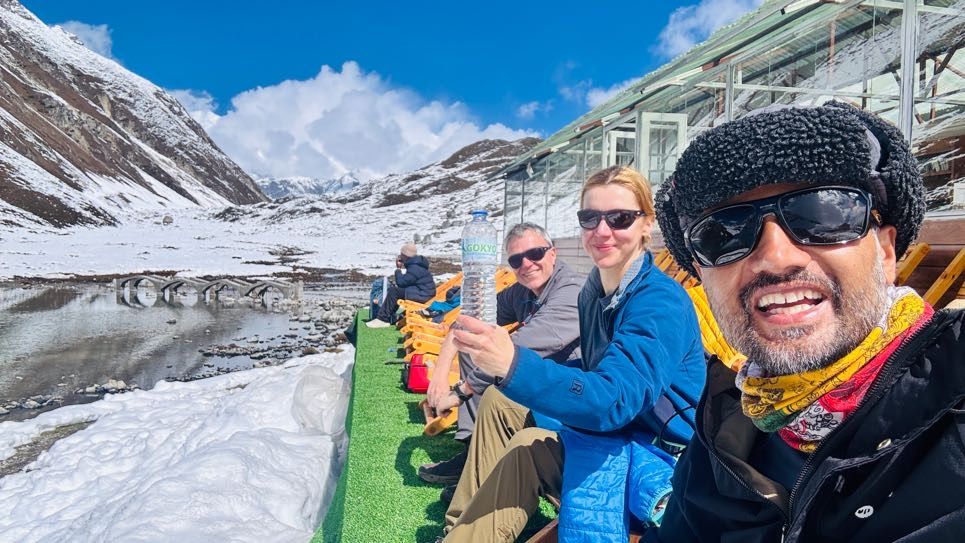
Gokyo Trek: A Complete Guide to Nepal’s Stunning Gokyo Lakes and Himalayan Adventure
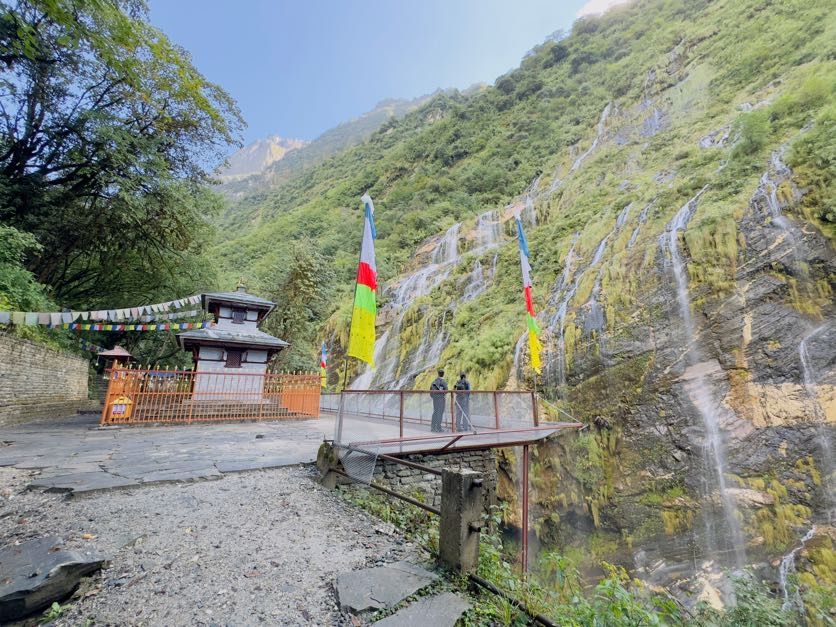
Nepal boasts some of the world's most amazing trekking routes, and the Gokyo Trek is certainly one of these. Gokyo Trek is one of the most incredible tours to the Everest region with a perfect blend of the turquoise glacial lakes, majestic peaks, traditional Sherpa villages, and stunning views of the mountains. It is a good option for trekkers who want to enjoy the beauty of the Everest region but are looking for an alternative to the usual route to Everest Base Camp that is more remote.
This trek passes through the stunning Khumbu Valley along old trails and amidst snow clad mountains, quiet forests and traditional villages. The highlight is the amazing Gokyo Lakes, a series of six glacial lakes, each with an incredible turquoise and blue colour. Along the way, you will also get a chance to climb Gokyo Ri, a popular viewpoint that offers the best panoramic views of Mount Everest, Lhotse, Makalu, Cho Oyu and others.
The Gokyo trail is a relatively quiet trek, as opposed to the more crowded route to Everest Base Camp. It can provide travelers with flexibility and time to discover the Everest region's natural beauty and cultural richness at their own pace.
From experienced trekker to an adventure seeker in search of a memorable trek in the Himalayas, the Gokyo Trek is sure to leave an indelible mark on you.
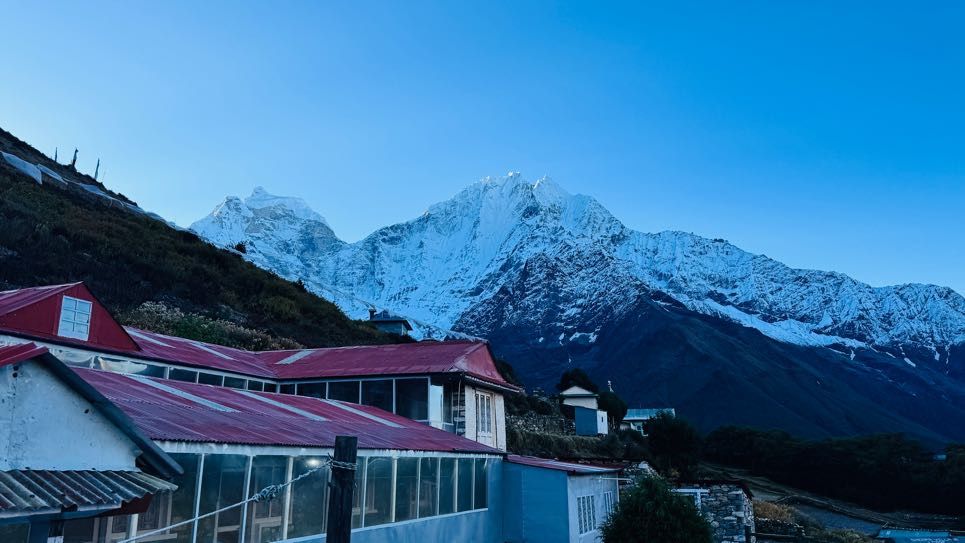
What is the location of Gokyo trek?
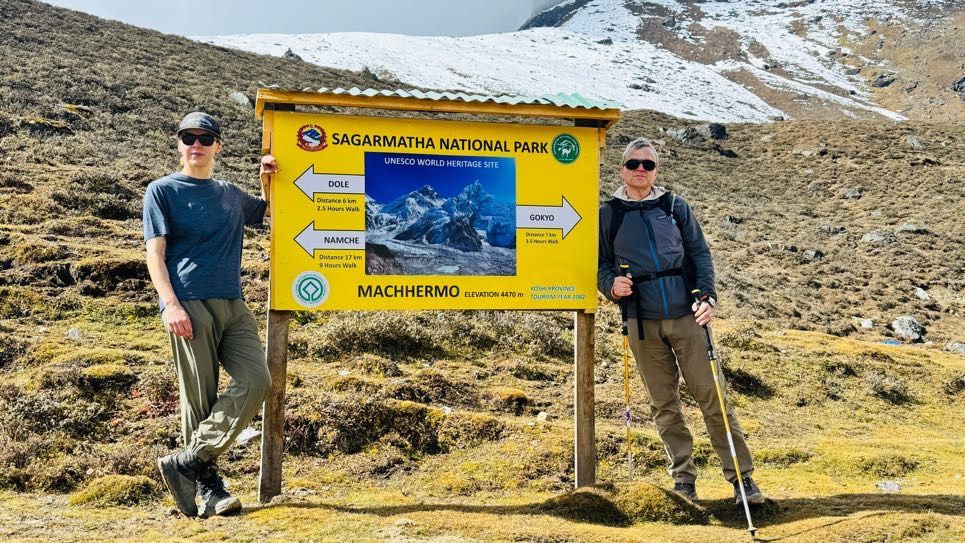
The Gokyo trek is in the Solukhumbu district of Nepal's north-east part in the Sagarmatha National Park. The walk is in the Everest region, passing through the gorgeous Dudh Koshi Valley gradually heading towards the Gokyo Valley.
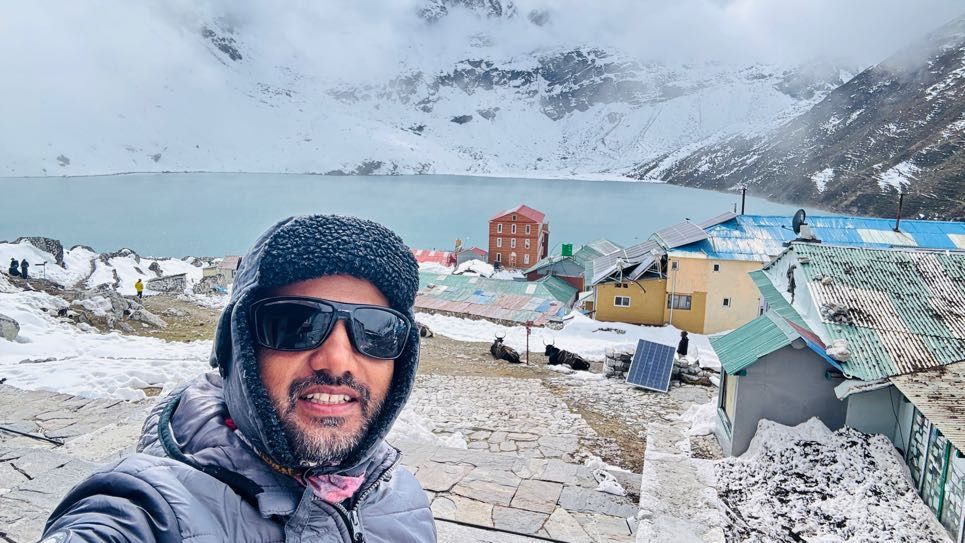
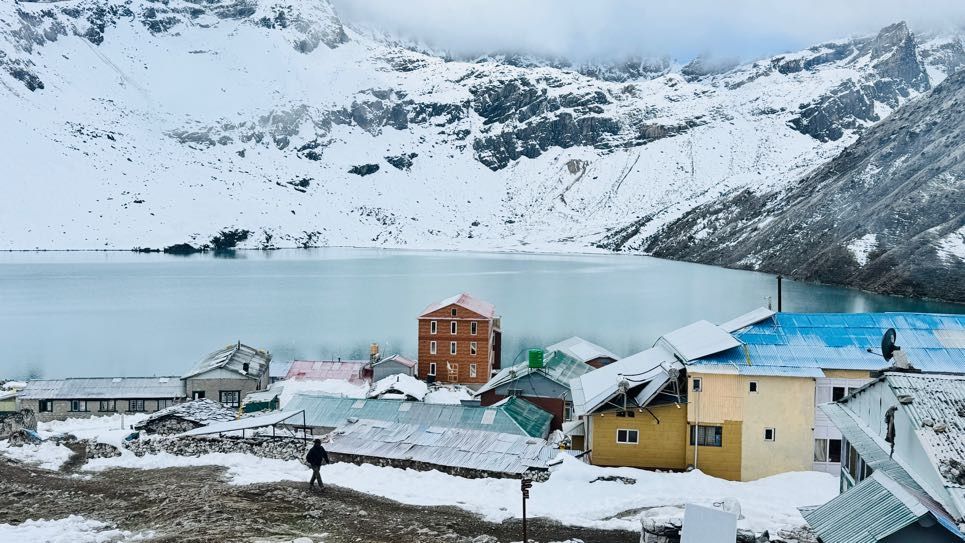
The main place where you halt at the end of the trek is Gokyo Village neighbouring the wonderful Gokyo Lakes, at an altitude of about 4790m above sea level. The village has an amazing backdrop of the majestic Himalayan Mountain ranges with the mighty Ngozumpa Glacier, one of the largest glaciers in the Himalayas encircling it.
The journey normally starts with a scenic flight from Kathmandu to Lukla. From Lukla, the traditional Everest trekking route passes through Phakding and Namche Bazaar on a different route towards Dole and Machhermo.
Gokyo is a great place for visitors who are not interested in the well-trodden route to Everest base camp.
Why Choose the Gokyo Trek?
The Gokyo Trek is one of the best treks in Nepal. Everest Base Camp is a popular destination for tourists in the Everest region, however, Gokyo presents another perspective of the Himalayas.
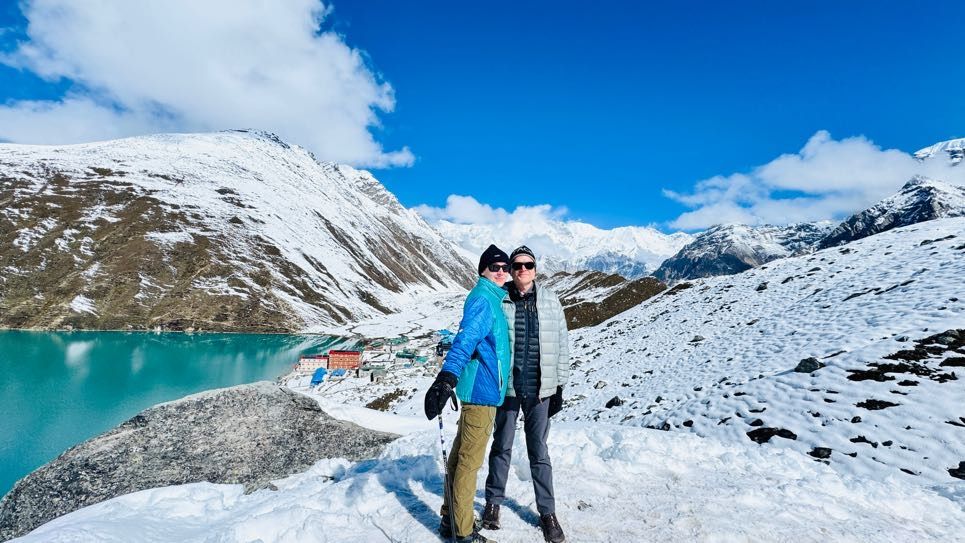
The main attraction of this hike is the chance to see the beautiful Gokyo Lakes. The turquoise water is clear and beautiful, contrasting with the snow-covered mountains around them.
The hike is also to Gokyo Ri. The trekkers can enjoy panoramic views from the summit of some of the highest mountains in the world including Mount Everest. This vantage point is especially favored for capturing photographs of the sunrise, with the sun's rays hitting the peaks of the Himalayas.
This hike also provides a fantastic cultural experience. Trekkers experience the traditional Sherpa villages, monasteries, meeting local communities, and high Himalayan lifestyle.
Here are some reasons why Gokyo should be on your Nepal trekking bucket list:
- Beautiful turquoise glacial lakes.
- Remarkable views of Mount Everest and other peaks of the Himalayas.
- An alternative trek to Everest Base Camp that is not as crowded.
- Opportunities to learn about the Sherpa people and their traditions.
- Incredible views of Ngozumpa Glacier.
- The rewarding climb to Gokyo Ri.
- Great opportunities for landscape and/or mountain photography.
Major Highlights of the Gokyo Trek
1. Gokyo Lakes
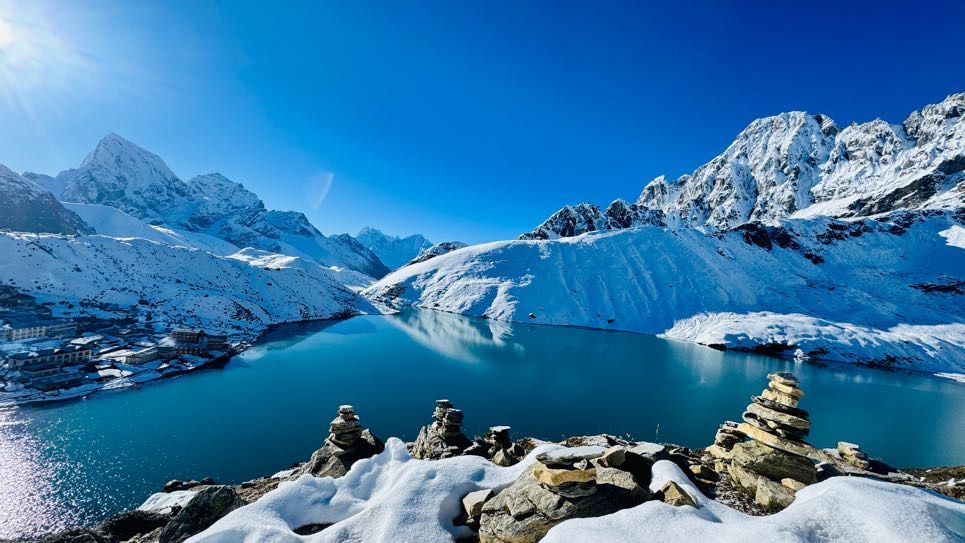
The highlight of the trek is the Gokyo Lakes. Located at high altitudes in the Gokyo Valley, these beautiful glacial lakes are famous for their remarkable blue and turquoise colours.
There are six main lakes collectively known as the Gokyo Lakes with each lake having a distinct landscape & ambiance. The third lake is called Dudh Pokhari and is especially popular due to the location of Gokyo Village on the bank of this lake.
Rocky mountain slopes, glaciers and snow covered peaks surround the lakes. In good weather, their reflections produce spectacular views, making the site particularly popular with photographers.
The lakes are also the place of worship for the Hindu and Buddhist communities. The region has many pilgrims and religion promotes the conservation of these natural water bodies.
2. Gokyo Ri
Gokyo Ri is one of the most sought after viewpoints in the Everest region. The summit is at about 5357 metres and provides a panoramic view of the surrounding Himalayan landscape.
Normally the ascent starts early in the morning from Gokyo Village. The climb is tough due to the elevation and steepness of the trail, but it is very rewarding to get to the top.
On the top, the trekkers can see 4 of the world's highest mountains; Mount Everest, Lhotse, Makalu and Cho Oyu. The experience is made even more gracious with magnificent views of Ngozumpa glacier and Gokyo Lakes.
Gokyo Ri is best visited during the sunrise. The sun is rising, and the surrounding peaks start to shimmer in the sunlight, forming an unparalleled Himalayan vista.
3. Ngozumpa Glacier
The other major attraction of the Gokyo Trek is the Ngozumpa Glacier. It is the longest glacier in Nepal that passes through the upper Gokyo valley.
The glacier forms a scenic image of ice, rocks and glacial structures. It is enormous, and can be seen by trekkers as they approach Gokyo Village and explore the lakes.
The glacier is also an important part of the Himalayan environment. It's a part of the freshwater system of the region, and it's a manifestation of the impact of rising and falling temperatures in the Himalayas.
4. Namche Bazaar
Namche Bazaar is one of the most significant settlements in the Everest region. It is at an altitude of about 3440 metres and is commonly referred to as the gateway to the Everest region.
The town has been constructed on a natural slope of the mountains and boasts stunning vistas of the surrounding peaks of the Himalayas. It is home to restaurants, bakery, trekking shops, accommodation and local markets.
Namche is also a crucial acclimatisation location. In general, trekkers stay here for one more night so that their bodies can acclimatize to the growing elevation.
The visitors can enjoy the local market, visit the Sherpa culture museum, taste the local food and experience Sherpa hospitality.
5. Traditional Sherpa Villages
The Gokyo Trek is not just about the stunning views of the mountains. It's also a chance to get to know the culture and traditions of the Sherpa people.
On the way there are villages like Phakding, Namche Bazaar, Dole and Machhermo. The settlements are representative of the traditional lifestyle of the communities in high Himalayas.
Enjoy the sight of traditional stone houses, prayer flags, mani walls, monasteries and prayer wheels. People are hospitable and very close to the mountains.
The trip is more meaningful and gives a greater insight into the meaning of the Everest region when visiting the local communities.
Gokyo Trek Itinerary: Day-by-Day Guide
The Gokyo Trek generally takes around 12 to 14 days, depending on the starting point, acclimatization schedule, weather conditions, and walking pace.
Below is a suggested 13-day itinerary for the Gokyo Lakes Trek.
Day 1: Arrive in Kathmandu.
Your trip to the Himalayas starts with your arrival in Kathmandu, the capital of Nepal.
When you arrive at the Tribhuvan International Airport, you will be met by a representative from your trekking company, who will take you to your accommodation.
Once you have arrived you can unwind and walk around the surrounding streets of Thamel. This vibrant tourist area is known for its trekking shops, restaurants, cafes and souvenirs.
Later you will meet your trekking guide and talk about the trek which you are going to do. Your guide will inspect your trekking gear, and prepare you for the trip.
Overnight in Kathmandu.
Day 2: Fly to Lukla & hike to Phakding.
A great day of flying to Lukla is the first step towards the Everest region.
The flight is a great aerial view of the Himalayan landscape. You will then be taken to Lukla, home of one of the world's most famous mountain airports, the Tenzing Hillary Airport, after around 30-40 minutes.
Upon arrival you will get acquainted with the local trekking group, and prepare for the trek, after which you will set out for Phakding.
The path slowly descends through gorgeous mountain scenery, small villages, prayer wheels, suspension bridges and traditional dwellings.
You will also walk along the Dudh Koshi River, with the tranquil ambiance of the valley.
Phakding is reached after about 3-4 hours of a hike.
Overnight in Phakding.
Day 3: Drive to Phakding and trek to Namche Bazaar (3,548m).
Today, it's the continuation of the journey towards Namche Bazaar.
The trail runs along Dudh Koshi River with beautiful pine forests and traditional Sherpa villages. There are some suspension bridges to pass through, including the famous Hillary Suspension Bridge.
On entering Monjo, you will be entering into a UNESCO World Heritage Site, Sagarmatha National Park, which is renowned for its spectacular biodiversity and Himalayan scenery.
The last stretch is difficult going up hill to Namche Bazaar.
Then a couple of hours of walking brings you to Namche where you will get your first impressive views of the surrounding mountains.
Overnight in Namche Bazaar.
Day 4 : Accliatization Day at Namche Bazaar.
Acclimatisation is an essential aspect of trekking at high altitude, and today is for helping your body acclimatise to the rising altitude.
There are also some short hikes to Everest View Hotel or to visit local viewpoints.
Everest View Hotel is renowned for its breathtaking views of the mountains, including Everest itself when the weather cooperates.
The Sherpa Culture Museum is also worth visiting where you can find out about the Sherpa culture, their mountaineering achievements and their way of life.
Take the afternoon to explore Namche Bazaar, have dinner and pack for the rest of the trek.
Overnight in Namche Bazaar.
Day 5: Hike from Namche Bazaar to Dole.
Following breakfast you will depart from Namche Bazaar and head the trail towards Dole.
The trail then slowly rises above the main route to Base Camp of the Everest until it branches off to the Gokyo Valley.
You will have amazing views of Ama Dablam, Thamserku and more of the Himalayan summits.
One of the routes goes through the beautiful village of Mong La which overlooks the valleys.
From this point you will go downwards a little before heading upwards through rhododendron and juniper bushes.
In a several hours walk you arrive in Dole, which is a small village, set in mountain scenery.
Overnight in Dole.
Day 6: Trek from Dole to Machhermo
This day's trek is further into the beautiful Gokyo Valley.
The path slowly ascends through open areas, through small villages and mountain pastures. The vegetation becomes sparser and the terrain is more rugged with the rise in altitude.
You will be travelling through scenic view points with stunning panoramic views of Cho Oyu and other peaks of the Himalayas.
Eventually you will reach Machhermo after about 4–5 hours trekking.
It's a small place that's a necessity for trekking towards the Gokyo Lakes.
Overnight in Machhermo.
Day 7th: Trek to Gokyo from Machhermo.
It is one of the most exciting days of the trek as you near the renowned Gokyo Lakes.
After breakfast, you will continue along the trail towards Gokyo. The route gently rises through the rocks and gradually unveils ever more stunning vistas of the surrounding peaks.
In the direction of the third lake, you will cross the first and second Gokyo Lakes before arriving at Gokyo Village which is located in the third lake.
The blue turquoise water and the extraordinary scenery of the mountains and quietness of the surroundings make a unique atmosphere.
Gokyo is where you'll hone your hiking skills and appreciate the stunning landscape, as you head to the lakeside region.
Overnight in Gokyo.
Day 8: Hike to Gokyo Ri and visit Gokyo Lakes
One of the most memorable days of the Gokyo Trek is today.
Early in the morning you will be up to climb Gokyo Ri at around 5,357 metres.
This is a steep and physically challenging climb, but is worth every step up for the fantastic mountain views.
The view from the summit is panoramic, with a view of Mount Everest, Lhotse, Makalu, Cho Oyu and the surrounding peaks of the Himalayas.
You'll also witness the beauty of Gokyo Lakes and the massive Ngozumpa Glacier from the sky.
Following a brief stay at the viewpoint, it will be time to head down to Gokyo Village.
The rest of your energy, weather and time dictates what you want to do, which might include some other lakes, or just sitting and basking in the stunning turquoise water.
Overnight in Gokyo.
Day 9: End day in Dole
Once you have had a great time in the beautiful Gokyo Valley, you will be on the way back.
The hiking trail is the same path as the one in the lakes and rocky mountains.
You may see the sceneries changing and vegetation slowly re-appearing as you make your way down.
On the way to Dole you're going to pass through Machhermo.
Overnight in Dole.
Day 10: Trek from Dole to Namche Bazaar
On today's day you will continue to descend towards Namche Bazaar.
The route goes through the Mong La town and through beautiful mountain landscapes.
Walking becomes easier as you descend; the forests and old villages are to be enjoyed.
Once you've arrived at Namche, you can take time to savor the delicious food, soak in the atmosphere, and enjoy yourself after the completion of the Gokyo Valley section of your trek.
Night stay in Namche Bazaar.
Day 11: Trek from Namche Bazaar to Lukla.
Following breakfast, you start the last day of trekking.
It passes through the suspension bridges, the forest and the old villages.
Before arriving at Lukla, you will go through Monjo, Phakding and a few other small villages.
The trail is downhill for the majority of its course, but there are short uphill sections.
Once you reach Lukla you can enjoy your trekking accomplishment with your guide and trekking group.
Overnight in Lukla.
Day 12 : Fly from Lukla to Kathmandu.
A return flight from Lukla to Kathmandu will be made today.
This short mountain flight is another chance to take in scenic views in the mountains from the air.
On arrival in Kathmandu, you will be picked up and dropped off at your hotel.
The rest of the day can be spent in shopping, city exploration or relaxation, after the trekking adventure.
Overnight in Kathmandu.
Day 13: Kathmandu to Lukla by air and then to Bhorthali by jeep.
You have reached the end of your Gokyo Trek.
Depending on your flight schedule, you will have breakfast in your hotel, before getting transferred to the international airport.
You will take away wonderful memories of the Gokyo Lakes, majestic mountains of the Himalayas, Sherpa villages and the incredible hospitality shown to you by the local people.
Best Time for the Gokyo Trek
Choosing the right season is important for enjoying the Gokyo Trek. Weather conditions, visibility, temperature, and trail conditions can significantly influence your trekking experience.
The two most popular trekking seasons are spring and autumn.
Spring Season (March to May)
Spring is one of the best seasons for the Gokyo Trek. During this period, temperatures gradually become warmer, and the weather is generally favourable for trekking.
The lower sections of the trail become beautiful with blooming rhododendrons and other seasonal flowers.
The clear mountain views, comfortable daytime temperatures, and colourful landscapes make spring an excellent time for photography and exploration.
March, April, and May are particularly popular among trekkers visiting the Everest region.
Autumn Season (September to November)
Autumn is another excellent season for the Gokyo Trek.
After the monsoon season, the skies generally become clearer, offering spectacular views of the Himalayan mountains.
The trails are usually in good condition, and the surrounding landscapes look fresh and beautiful.
October and November are particularly popular because of their relatively stable weather and excellent mountain visibility.
This season is ideal for trekkers who want to enjoy clear panoramic views of Everest and the surrounding peaks.
Winter Season (December to February)
Winter trekking in the Gokyo Valley is possible, but it requires additional preparation.
Temperatures can become extremely cold, particularly at night and at higher elevations. Snowfall may affect the trekking routes, and some teahouses may close during the quieter months.
However, winter offers a peaceful experience with fewer trekkers and beautiful snow-covered landscapes.
It is more suitable for experienced trekkers who are comfortable with cold weather and changing mountain conditions.
Monsoon Season (June to August)
The monsoon season is generally less favourable for the Gokyo Trek.
Frequent rainfall, cloudy skies, and poor visibility can affect the trekking experience. Flights to and from Lukla may also face delays or cancellations because of changing weather conditions.
The lower sections of the trail can become slippery, making walking more challenging.
Although the region remains beautiful during this season, spring and autumn are generally better choices.
How Difficult Is the Gokyo Trek?
Gokyo trek is generally rated a medium to challenging high altitude trek.
It does not involve any technical climbing, but the walkers need to be in good physical condition, have stamina and can walk for a few hours a day.
The biggest challenge is the increasing altitude. The Gokyo Village is at about 4790m and Gokyo Ri at about 5357m.
There is not a lot of oxygen at these altitudes. Even physically fit people can have trouble breathing, be tired, or have symptoms of altitude.
There are also portions of the trail that have steep hills, downhills, rocky areas and open mountain roads.
The following are some of the things you should do before starting your journey:
- Take a walk or hike before your trip.
- Add aerobic activities like running, cycling or swimming.
- Do exercise walking going up and down hill.
- Work on strengthening your legs with squats, lunges and going up and down stairs.
- Use a backpack when practicing hikes.
- Keeping a comfortable pace while walking.
- Give proper acclimatization period.
No athletic skills are required to do the Gokyo Trek. With a little preparation, though, it can be a more comfortable and enjoyable experience.
Gokyo Trek vs Everest Base Camp Trek
Both the Gokyo Trek and Everest Base Camp Trek are popular trekking adventures in Nepal. They share some sections of the route, but the overall experience is different.
The Everest Base Camp Trek takes you towards the base of the world's highest mountain, offering an opportunity to stand at the famous Everest Base Camp.
On the other hand, the Gokyo Trek takes you into a beautiful glacial valley known for its turquoise lakes and panoramic mountain viewpoints.
The following comparison highlights some of their major differences.
| Features | Gokyo Trek | Everest Base Camp Trek |
| Main attraction | Gokyo Lakes | Everest Base Camp |
| Highest point | Gokyo Ri, 5,357 m | Kala Patthar, approximately 5,545 m |
| Major highlight | Turquoise glacial lakes | Mount Everest Base Camp |
| Landscape | Lakes, glaciers, mountains | Glaciers, valleys, mountains |
| Crowds | Generally fewer trekkers | Generally busier |
| Difficulty | Moderate to challenging | Moderate to challenging |
| Duration | Around 12 to 14 days | Around 12 to 14 days |
If you enjoy beautiful lakes, peaceful landscapes, and panoramic mountain views, Gokyo is an excellent choice.
If visiting the iconic Everest Base Camp is your main goal, the traditional Everest Base Camp Trek may be more suitable.
Experienced trekkers with sufficient time can also combine both routes through the challenging Cho La Pass, creating an unforgettable Himalayan adventure.
What Permits Are Required for the Gokyo Trek?
Trekkers visiting the Gokyo Valley must obtain the required permits before entering the trekking area.
The most common permits are as follows:
1. Sagarmatha National Park Entry Permit
The Gokyo Valley is part of Sagarmatha National Park. So, entry to the area requires a national park entrance permit.
The permit is used for conservation, environmental protection and national park management activities.
There are two entry permits for Khumbu Pasang Lhamu Rural Municipality.
2. Khumbu Pasang Lhamu Rural Municipality Entry Permit.
The local entry permit from Khumbu Pasang Lhamu Rural Municipality must also be obtained by the trekkers.
This permit helps to develop the local infrastructure and to manage the tourism in the Khumbu region.
Permit fees may be subject to change and requirements may differ, please review the most up-to-date information prior to travel.
If you are travelling with a registered trekking company, your company can take care of the permits.
Accommodation and Food During the Gokyo Trek
The Gokyo trek is mostly accommodated in local teahouses and mountain lodges.
There are teahouses that offer the basic but comfortable facilities for trekkers. Most provide twin sharing rooms, beds, blankets, pillows and shared bathrooms.
The facilities are reduced as you get higher in elevation. Hot showers, charging stations and Wi-Fi might be available for a fee in certain places.
Dining spaces are typically inviting, and friendly, and create a perfect setting for a delightful evening after a long day of hiking.
Traditional Nepali food and popular international cuisine is available.
Some popular food choices include:
- Dal Bhat Tarkari
- Vegetable fried rice
- Noodles and pasta
- Tibetan bread
- Soups
- Porridge
- Eggs and potatoes
- Pancakes
- Tea and coffee
The dal bhat is a favorite among trekkers for the carbs, protein and energy it offers for long days of walking.
It's also crucial to keep drinking plenty of water and eating a well-balanced diet during the trip.
What Should You Pack for the Gokyo Trek?
Packing the right equipment is essential for a comfortable and safe trekking experience.
Because the Gokyo Trek reaches elevations above 5,000 metres, temperatures can change significantly throughout the day.
You should prepare for sunny afternoons, cold mornings, strong winds, and possible snowfall.
Here is a basic packing list:
Clothing
- Thermal base layers
- Fleece jacket
- Down jacket
- Waterproof and windproof jacket
- Trekking trousers
- Comfortable trekking shirts
- Warm gloves
- Woollen hat
- Neck warmer
- Warm trekking socks
- Comfortable underwear
Footwear
- Waterproof trekking boots
- Comfortable camp shoes or sandals
- Extra pairs of trekking socks
Trekking Equipment
- Backpack
- Sleeping bag suitable for cold conditions
- Trekking poles
- Sunglasses
- Headlamp
- Water bottles
- Water purification tablets or filter
- Quick-drying towel
Personal Essentials
- Sunscreen
- Lip balm
- Personal toiletries
- First-aid kit
- Personal medication
- Hand sanitiser
- Wet wipes
- Power bank
- Camera
A good-quality sleeping bag and proper layering are particularly important during colder months.
You should also avoid carrying unnecessary items because a lighter backpack makes high-altitude walking more comfortable.
Altitude Sickness During the Gokyo Trek
Altitude sickness is one of the most important challenges to understand before starting the Gokyo Trek.
As you gain elevation, the amount of available oxygen decreases. Your body needs time to adjust to these changing conditions.
Acute Mountain Sickness (AMS) can affect anyone, regardless of age, physical fitness, or previous trekking experience.
Common symptoms include:
- Headache
- Nausea
- Dizziness
- Loss of appetite
- Difficulty sleeping
- Unusual tiredness
- Shortness of breath
It is important to acclimatise to the altitude to minimize the chances of altitude sickness.
There should be sufficient rest days especially at the Namche Bazaar. Trekkers should also walk at a slow pace and not climb too rapidly.
Hydrate, eat regularly and listen to your body.
Do not underestimate signs and symptoms of altitude sickness. If symptoms worsen, cease climbing and lower to lower altitudes. If the person is having severe symptoms (walking with a wobble, confusion or difficulty breathing while at rest), they must be taken down to the ground and medical help summoned.
You should be checked on by your trekking guide throughout the trek.
Is Gokyo Trek for Beginners?
The Gokyo trek is indeed a hike for beginners as long as they have proper physical fitness and have a well planned itinerary.
It is not a simple introductory hike however, as it goes up to quite high altitudes and a number of days of walking is required.
Beginners should begin preparations at least 2-3 months prior to the trek.
Endurance can be improved with regular walking, hiking, stair climbing, and cardiovascular exercises.
Before setting off on a high-altitude trek, it is also crucial to know about the difficulties of such an adventure.
For beginners, a guide is recommended, and extra days in the acclimatisation period suggested.
It is possible for beginners to experience the incredible beauty of this Gokyo Valley with the right preparation, patience and a gradual walking pace.
Is it possible to combine the Gokyo Trek with the trek to Everest Base Camp?
Yes. For those who are advanced trekkers, the Gokyo Lakes trek is another thrilling option that you can do with the Everest Base Camp trek.
This is a joint adventure to explore two of the popular destinations of the Everest area.
The typical route goes through Namche Bazaar, Dole, Machhermo, Gokyo Lakes, Gokyo Ri and the steep Cho La Pass.
Once you cross over Cho La Pass you head towards Dzongla and Lobuche before following the traditional route to Everest Base Camp.
Then, you can head for the Everest Base Camp and trek to Kala Patthar for stunning Himalayan vistas.
Cho La Pass at about 5420m may be quite difficult due to steep slopes, rockier areas and snow and ice.
This trek is a combined trek and is on average longer, physically more demanding and better acclimatized than the standard Gokyo trek.
For those who wish to see more of the Everest region in one adventure, however, it is a great option.
Responsible Trekking in the Gokyo Region
Gokyo Valley is an eco-sensitive area of the Himalayas. It has lakes, glaciers, forests and wildlife which are significant elements of the natural ecosystem.
With the rising tourism in the Everest region, responsible trekking has become very important.
All visitors can help preserve the natural beauty of this destination.
Here are a few tips on doing your part in responsible trekking:
- Avoid Plastic Waste
- Bring reusable drinks bottles and minimize the use of single-use plastics. Dispose in designated waste disposal areas.
- Respect Local Culture
- Sherpa communities can be found in the Everest region, where they have a strong Buddhist tradition.
- Respect Monasteries, prayer flags, mani walls, and religious practices.
- Support Local Businesses
- Where possible, stay in local teahouses, restaurants and services.
- When patronizing local businesses, you are helping support the mountain economy.
- Establish a protected zone for the Gokyo lakes.
- Do not dump rubbish in the lakes or into areas surrounding the lakes. Keep in mind that these lakes are of religious significance and are sacred to the environment.
- Respect Wildlife
The Park of Sagarmatha has some Himalayan animal wildlife species. Observe animals from a distance and don't disturb their natural habitat.
Responsible trekking helps to sustain the Gokyo region for future generations.
Conclusion
The Gokyo Trek is more than just a mountain trek. It is a trek through stunning landscapes of the Himalayas, Sherpa villages, ancient Buddhist culture and some of the most amazing glacial lakes in Nepal.
The journey from Lukla to Gokyo Village is a thrilling experience, from the flight to the tranquil atmosphere. This hike is an unforgettable experience and is surrounded by the turquoise Gokyo Lakes, impressive Ngozumpa Glacier and panoramic views from Gokyo Ri.
If you are planning a trip to Nepal for your first trip to the Himalayas or you are a seasoned trekker who wants to see another beautiful part of the Everest region, Gokyo should be included in your travel bucket list.
We believe, at Happy Mountain Nepal, that each and every trek should be memorable and pleasant, safe and comfortable. Our team of experts is always ready to assist you in organizing your Gokko tour with the right itinerary, the locals' knowledge and the right trekking equipment.
For those who wish to visit the beauty of the country and enjoy the magnificent Gokyo Lakes, Contact Happy Mountain Nepal and start planning your Himalayan adventure today.
FAQs
- How many days does Gokyo trek take?
The 12-14 day Gokyo Trek is typical, which includes arrival, departure, acclimatization days and days of trekking. This can vary depending on your travel plans and itinerary.
- is the highest point on the Gokyo Trek?
The peak point of the standard Gokyo Trek is Gokyo Ri at around 5,357 metres above sea level.
- Is it possible to see Mt. Everest from Gokyo Ri?
Yes, The summit of Gokyo Ri promises great views of Mount Everest, Lhotse, Makalu and Cho Oyu. One of the best vantage points of the Everest region.
- Do the Gokyo Lakes freeze in winter?
Depending on the temperature and weather conditions, some of the lakes in the Gokyo Lakes may be completely or partially frozen during the winter season. This results in a gorgeous yet freezingly cold scene.
- Do you need a guide for the Gokyo Trek?
It is highly recommended to hire a knowledgeable guide. A guide is there to help with navigation, place accommodation, local communication, awareness of elevation and emergency situations. Please refer to current trekking and national park guidelines before travelling.