
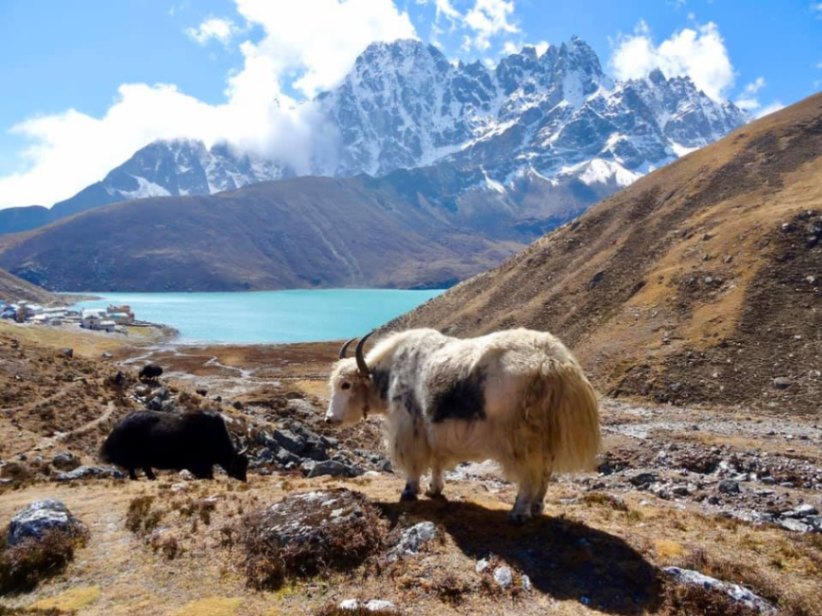
Gokyo Lake: A Queen of the Himalayas

Introduction
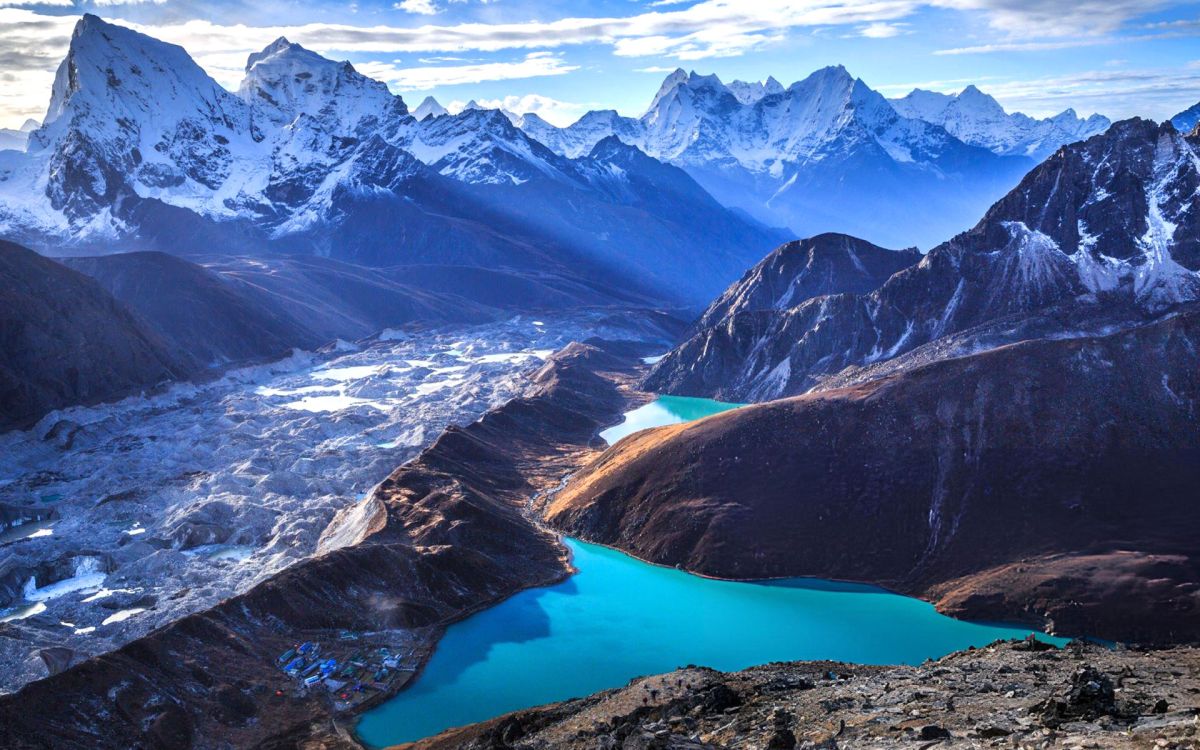
High in Khumbu, at the altitude of thin air and jangly prayer flags moving in slow motion, is Gokyo Lake-one of the most beautiful alpine destinations in the world. But it is not just one lake. There are six glacial-fed turquoise lakes, each stunning to behold, at and above the height of 4700 meters (15,400 feet) above sea level, surrounded by the tallest giants of the Himalayas, most notably Cho Oyu, the world’s sixth tallest mountain; and the massive Ngozumpa Glacier, Nepal’s longest glacier.
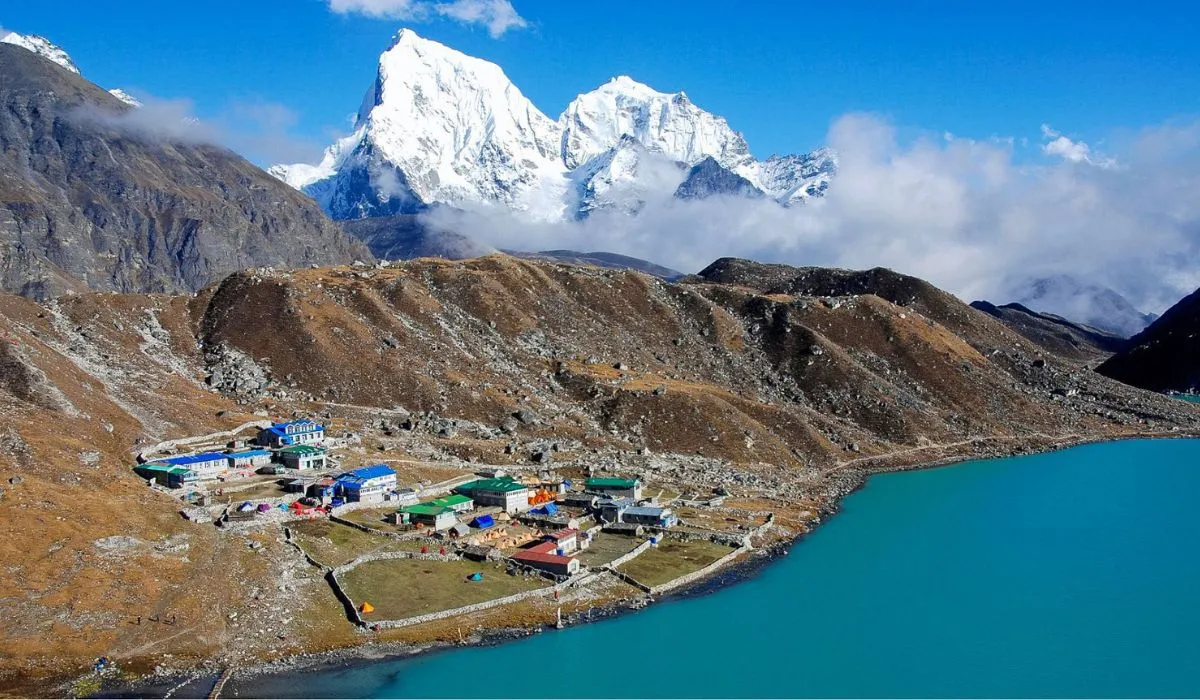
Gokyo is somewhat of an underdog, despite its extraordinary beauty. The Gokyo trek sees far less traffic than the Everest Base Camp trek, and thus has less noisy lodges and a far less crowded experience overall. To see the reflection of the mountains in the perfectly still water, the tranquil village of Gokyo, and the holiness of the lakes to Hindus and Buddhists (both) makes being in Gokyo special, and worthwhile of the title Queen of the Himalayas.
Where is Gokyo Lake?
Gokyo Lakes are located deep in Simogma, in Sagarmatha National Park, a protected area in eastern Nepal is a UNESCO World Heritage Site, which is rich in biodiversity, home to Mount Everest and many of the highest peaks in the Himalaya.
Of the six lakes, the most famous is Dudh Pokhari, which is adjacent to Gokyo Village, at an astounding 4,790 meters (15,715 feet) above sea level. Dudh Pokhari means “Milk Lake”. It is a glacial lake, so it has a milky-blue color to it.
The lakes are fed with meltwater from surrounding glaciers, including the enormous Ngozumpa Glacier, and are in fact part of the highest freshwater lake system in the world. These lakes are sacred and pristine not just geologically, but also spiritually important; people travel from all over the world to visit the lakes as pilgrims and trekkers.
Why is Gokyo Lake Called the Queen of the Himalayas?
The name “Queen of the Himalayas” fits Gokyo Lake for several reasons:
Mesmerizing Beauty:
Gokyo Lake receives its royal name in part of its magnificent beauty. The emerald blue water reflects some of the highest peaks in the world, not least of all, Everest, Lhotse, and Makalu. The sight of Gokyo Lake´s breathtakingly grand landscape can certainly hypnotize you. On a clear day, it is so perfectly clear and vivid, you can visualize the mountains floating on the lake. Surrounded by ridges dusted with snow, glacial river valleys and dramatic sky colors, Gokyo is possibly one (if not the one) of the most stunning and serene landscapes throughout the entire Himalayas.
Sacred Significance:
However, Gokyo still means more than just beauty. Gokyo is sacred to both Hindus and Buddhists holding it in high regard, as it is said the lakes are the home of holy male and female deities. Hundreds of pilgrims, chasing cleanliness and blessings, trek to this high-altitude lake to wash in the freezing lakes on the annual festival called Janai Purnima. The spiritual meaning of Gokyo Lake adds to its collective identity as a place of pilgrimage and importance in culture, beyond being simply visual beauty on a trek.
Less-Crowded Serenity:
Trekkers on this route receive the rewards of calm landscapes, peaceful villages, pristine nature, and no tourists. Trekking through this less-traveled path naturally enhances a spiritual and emotional connection with the Himalayas, giving Gokyo the feeling of a hidden royal sanctuary, indeed earning the name “Queen of the Himalayas”.
The Gokyo Trek: An Alternative to Everest Base Camp
For people looking for almost as stunning a trek in the Everest region but not as well-travelled, the Gokyo Valley Trek is a perfect option.
Renjo La Views
Crossing the Renjo La Pass (5,360 M) on the Gokyo trail is one of the most exciting moments. This high mountain pass will provide fantastic sweeping views of the whole Everest Region and four of the World’s highest peaks, Mt. Everest, Cho Oyu, Lhotse, and Makalu. The climb is hard and strenuous; it is a long, steep uphill path with switchbacks and rocks, which certainly makes it slow and painfully tiring; however, definitely worth it.
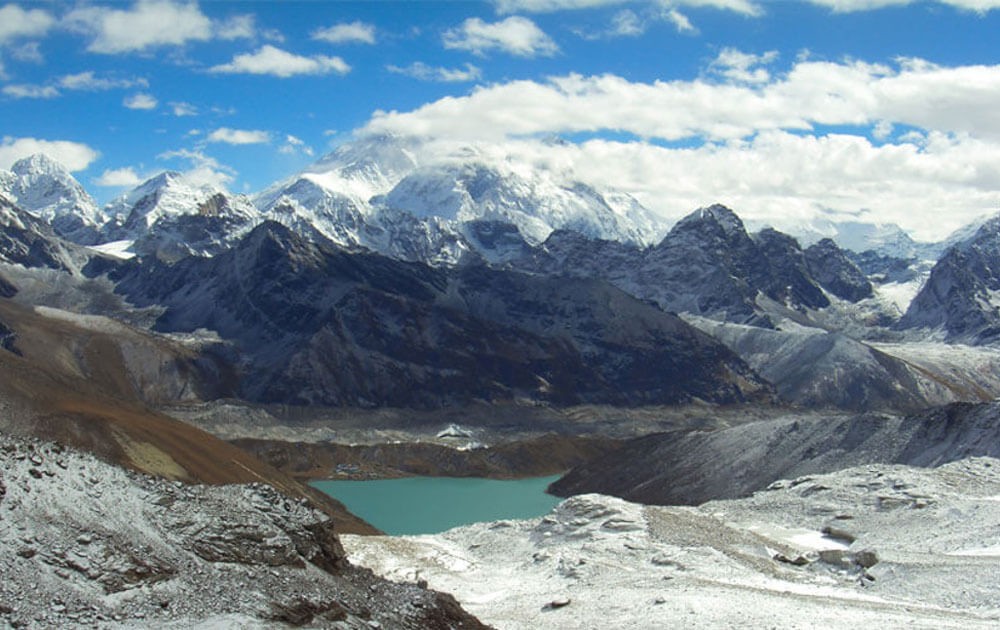
Once at the summit of Renjo La, the Gokyo Valley is clearly visible below, surrounded by towering peaks, blue turquoise lakes, and the view is that stunning. The masterful Himalayan scene looks painted by numbers. The route is quieter than the main EBC route, so the massive scenery is even more enhanced by the solitude and grandeur, making this a perfect place to take photos and reflect, or sit still and feel nature breathe around you.
Gokyo Ri Summit
Gokyo Ri is a trekking peak; at 5,357 meters, it is the highest non-technical viewing peak, or trekking peak, in the Everest region, and it is also higher than Everest Base Camp.
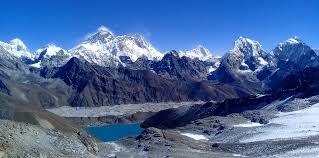
The summit itself is well worth the hike! The panoramic experience at the top gives trekkers an unobstructed view of everything to a full 360 degrees; you get an outstanding view of Mount Everest, the Ngozumpa Glacier, and, quite fantastically, the entire chain of Gokyo Lakes below. It gives you one of the best views out there in the Himalayas, and it is also a wonderful quiet alternative to the crowds at Kala Patthar looking from that viewpoint.
Ngozumpa Glacier Travels
The Ngozumpa Glacier is the longest in Nepal at 36 km long and flows from Cho Oyu down into the Gokyo Valley. Trekking next to or across the glacier is like walking on a river of frozen rock and ice. The surface is rough and is consistently loaded with movement, which is dissected by crevasses, ice cliffs and streams of meltwater separating the glacier’s snow and ice.
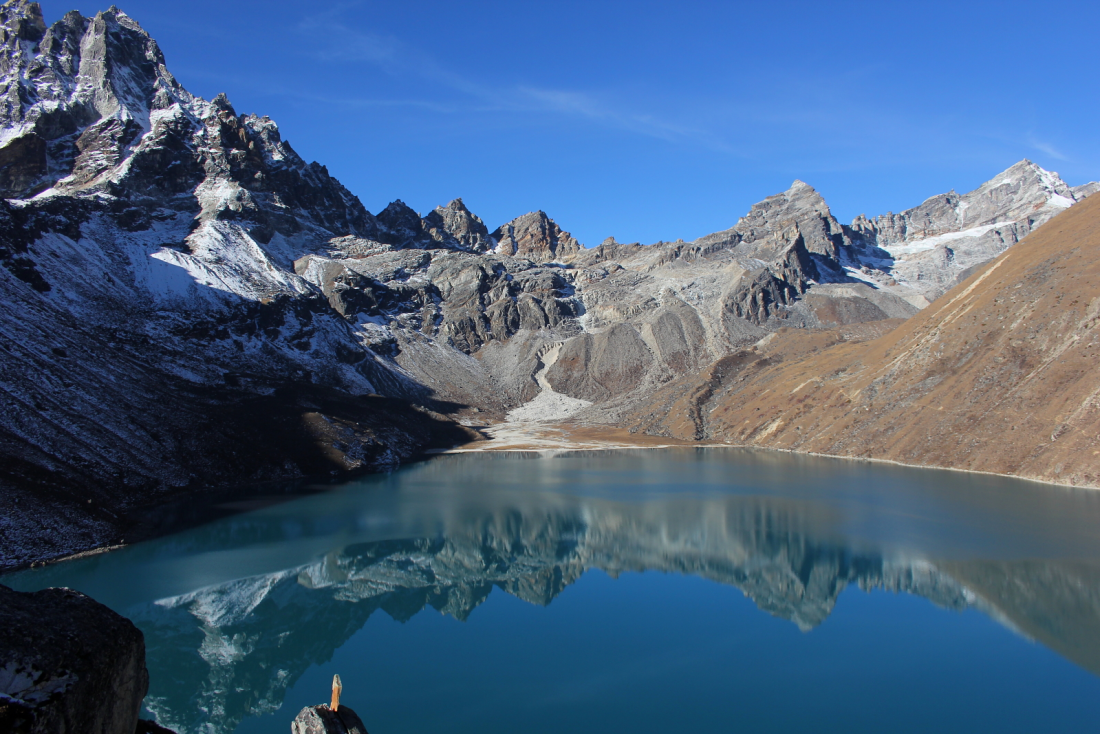
For all trekkers in the area, the drama of the Ngozumpa glacier is incredible to behold, with the tranquility of the lakes, and contrasts the beauty of the forms currently being carved out of the landscape by the forces of nature in the Himalayas. It’s a tad wondrous that, as (and because of) climate change, the blessings of enhanced peril are setting up the conditions for glaciers to crack apart, people can still view the indulging scene of the glacier and lakes not just as something visually stunning, but also as an experience reinforcing the fragility of the much larger world we live within.
Gokyo Lakes: Sunrise
The Gokyo Lake system contains six main glacial lakes that differ in size, color, and character, and are considered to be among the world’s highest freshwater lakes. The lakes are located at multiple levels along the valley, and while each lake is stunning, at some level they all get converted to a hidden Himalayan paradise when trekking from one to the next, with each lake providing a different perspective of the surrounding peaks.
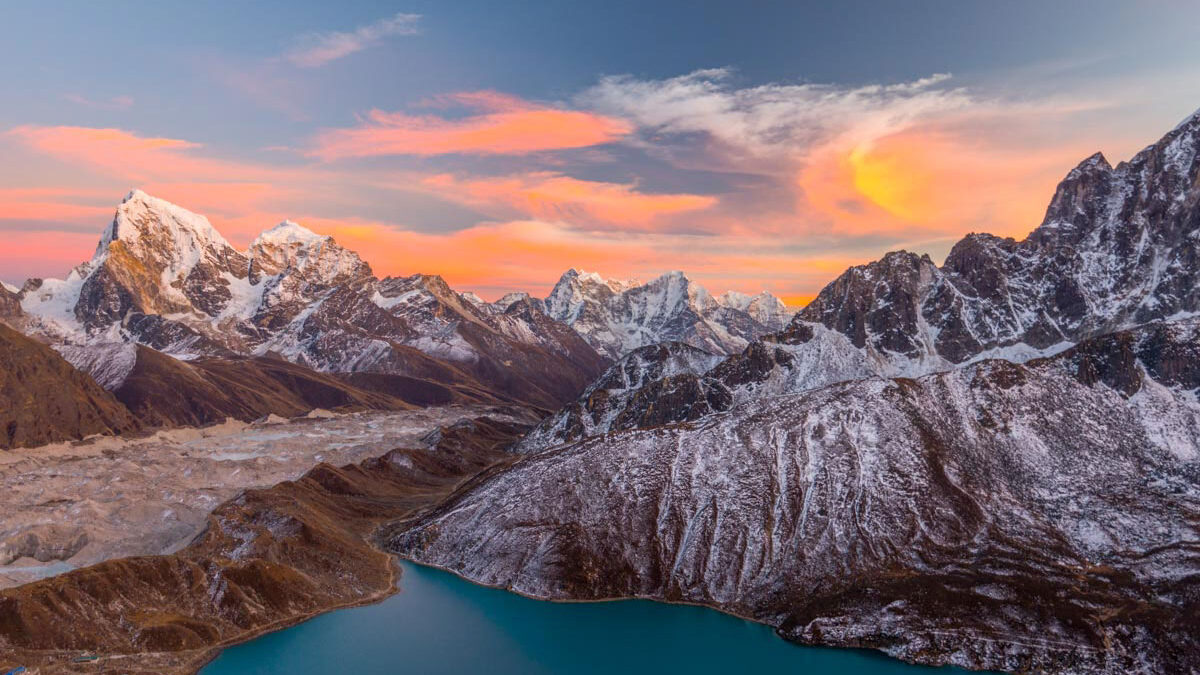
The lakes are draped in magic at sunrise and sunset when the transfixed light melds the canvas of the sky into oranges and pinks, and the cyan water mirrors the snowy summits above.
Whether it is appreciating the first rays of sun on the peaks in silence, or enjoying that last golden wash of colorful light across the lake, each of those moments was both visual and spiritual. Trekkers will comment on how it was one of their most peaceful and beautiful moments and how it collectively ranks in their best moments during their time in the Himalaya.
Best Time to Visit Gokyo Lake
The prime trekking time to get to Gokyo Lake:
- Spring (March to May)- warm temps, new rhododendron bloom, typically clear skies, and Fall
- (September to November)- fair views, comfortable trek temps-basically considered moderate. As well, you have to eliminate the rainy season
- (June to August) and deep winter
- (December to February) conditions- lots of snow, risk of being slippery, or the snow will be blocking your path due to space.
Route to Gokyo Lake
General outline to Gokyo Lake prospects: The following is a general route to get to the start destination of Gokyo:-
1. Fly to Lukla from Kathmandu (30 minutes)
The trek to Gokyo starts with an exciting mountain flight to Lukla from Kathmandu, a small village in the Everest Region (2860 m). The flight takes only thirty minutes but gives stunning views of the Himalayas from above, and a hair-raising approach to the Tenzing-Hillary Airport (the world’s most adventurous airstrip). Most treks in the Everest region start from Lukla, so it is normal that either trek will start in Lukla, whether the trek to Gokyo or Everest Base Camp.
2. Trek from Lukla to Phakding (2,610m)
The trek from Lukla to Phakding is a gentle downhill trek, which takes 3- 4 hours. You will pass through forests of pine trees, several small villages, and cross several suspension bridges spanning the Dudh Koshi River. This will be a good day of acclimatization with relatively easy walking. You will begin to feel the altitude and hopefully begin the process of your body acclimatizing to a higher elevation.
3. Phakding to Namche Bazaar (3,440m)
This part of the trek will progressively be slightly harder, but it is so rewarding and an expected active walking time of about 5- 6 hours. You will be hiking through Monjo, and then enter Sagarmatha National Park, where you will encounter suspension bridges to cross, some steep sections including switchbacks, and eventually arrive in Namche Bazaar, the largest village on the trek. Namche Bazaar is a good cultural and logistical hub and so most trekkers tend to take an additional acclimatization day here.
4. Namche Bazaar to Dole (4,200m)
From Namche, you will divert from the Everest Base Camp trail and continue to the less widely followed side of Gokyo Valley to Dole. This portion of the trek takes approximately 5-6. This route features views of Ama Dablam, Thamserku and other peaks of the Himalayas and allows you to pass through Kyangjuma and Mong La, a small hilltop village, which you will go over and start your descent slightly before the ascent to Dole.
5. Dole to Machhermo (4,470m)
This portion of the trek is steadily uphill too, but only requires 4-5 hours. It is more open and alpine here, so the low vegetation and views are fantastic. It is worth noting that you may even come across some musk deer or Himalayan birds. Machhermo is a quiet spot with only a few lodges and is commonly used as yet another acclimatization halt before pushing to higher elevations.
6. Machhermo to Gokyo (4,790m)
The final climb to Gokyo Village should take approximately 4-5 hours, and as with the preceding sections, the scenery is stunning. As you continue on the trail, you will be exposed to many smaller lakes before arriving at Dudh Pokhari, the third and most well-known of the Gokyo Lakes. Gokyo has so many peaks around you, and you have so many directions to explore a high-altitude paradise. You may decide to scale Gokyo Ri, or you can head west to check out the other lakes even further north.
Gokyo: What will happen in 2025
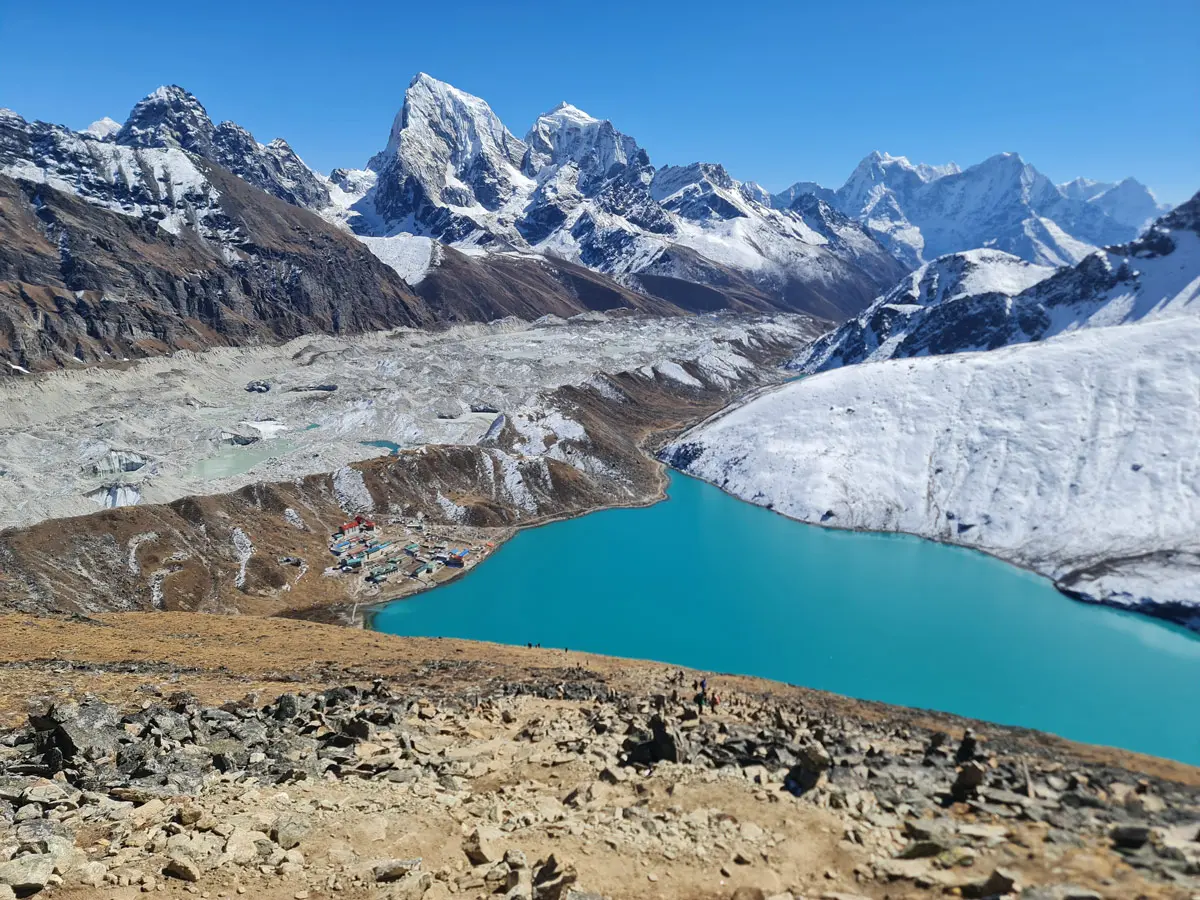
Gokyo in 2025, after most people on the planet had the unwanted experience of the negative impacts of COVID-19, and more importantly, the restart of the tourism sector in Nepal, one could expect trekking trails like Gokyo to welcome new domestic and international adventures safely, in some refurbished lodging, and with a much greater consciousness about sustainable travel. In 2025 will still be a terrific destination for nature lovers and off-the-beaten-path trekkers who want lovely views of the Himalaya without the typical tour-rific Everest Base Camp experience. The trails will be better maintained, with more signage, followed rubbish bins, and better designated safer pathways.
The local communities have received better training on eco-tourism and hospitality, especially in the Gokyo Valley, which translates into a better standard of service in the teahouses and lodges. Lesser accommodation options will have cleaner rooms, more frequently (or consecutively) offer solar hot showers, will offer wi-fi, and will now offer menu options specifically using ingredients sourced from locals in an eco-friendly approach.
Tips for Gokyo Trekkers
To make the most of your trip to Gokyo, here are some practical and essential tips:
Book Your Flights to Lukla in Advance:
There is a very limited number of seats available on flights from Kathmandu to Lukla, and this small number does not change with demand. It is best to try and book your tickets in advance, especially in the spring and autumn months when trekking traffic is high. Some flights are now being diverted to Ramechhap Airport, which is about a 4-hour drive from Kathmandu, so you will want to get your flights booked in advance and plan your schedule accordingly.
Hire a Local Guide or Porter:
The Gokyo trek is a teahouse trek, meaning it is possible to do it solo, but we strongly recommend employing a licensed local guide or porter. A local guide or porter can be instrumental to your experience through cultural knowledge, route finding, and safety. Additionally, it is best to utilize as many locals as possible when participating in a trekking holiday in a new and strange country.
Take Some Altitude Medication and Water Purification Tablets:
Since Gokyo is above 4,700m, acute mountain sickness (AMS) can be a possible challenge. Bring altitude medication (Diamox), and make sure you have time for proper acclimatization. In high-altitude areas, there will be very limited safe drinking water, so be sure to plan on taking some water purification tablets or a portable water filter to prevent getting sick and to help limit the consumption of plastic bottles!
Where to Stay on the Gokyo Lake Trek
The Gokyo Lake trek has a number of tea house choices along the trail to allow trekkers with the basic, modest options to rest, eat, and recover from a long day of trekking. The lodges are run by local families and are a critical element to the Himalayan Trekking experience, providing lodging, service, hospitality, and basic meals with incredible views.
1. Lukla (2,860m)
As the first and last stop of the trek, there are many lodge and hotel options available in Lukla related to amenities and standard compared to the higher altitude stops. Some lodging offers private rooms with an attached bathroom, wi-fi, and hot showers.
Recommended for: The arrival night or last night before flying back to Kathmandu.
2. Phakding (2,610m)
Phakding is a frequent first-night stop for acclimatization and scenic as well. There are a number of tea houses that provide warmth along the Dudh Koshi River. The lodges are simple, but clean, with warm dining halls and local food.
Recommended for: A light first day of trekking after flying into Lukla.
3. Namche Bazaar (3,440m)
Namche is the biggest town in the Khumbu region. This is where you will have the most options for lodges along the Gokyo route. You will find bakeries, gear shops, portal cafés, as well as striped shirt next. star hotel.Radio and meals with good wi-fi. Namche Top Tip: Make sure you relax and acclimatize in Namche! Recommended for: Resting and acclimatizing (1-2 nights)
4. Dole (4,200m)
Dole is much smaller, much quieter than Namche, and is where trekkers first start to feel the essence of being remote on the trail. Lodges were also simpler in Dole, but hearty meals and warm beds were assured. The bathrooms will be shared and will have a common area heated with a yak dung stove. Recommended for: Overnight stay, on the ascent to Gokyo.
5. Machhermo (4,470m)
Machhermo is a nice place to visit that can be utilized as an acclimatization stop. The tea houses have basic accommodation with warmth and hospitality. You’ll find that the tea houses embrace a feel of the mountain with rustic charm. It’s a nice place to stop and recuperate before you take on Gokyo.
Recommended for: Safe adjustment to altitude before you reach Gokyo.
6. Gokyo Village (4,790m)
Gokyo itself has some tea houses beside Dudh Pokhari (the 3rd lake). Accommodation is much more limited in Gokyo, so it is good to arrange a booking in peak times. Rooms are bare bones. This doesn’t leave a lot of room for amenities. A few have limited solar and Wi-Fi, but the prettiest part is the turquoise lakes and high peaks.
Recommended for: base camp to further explore Gokyo Ri, other lakes, and rest days.
What to Expect in Tea Houses
1. Basic Twin-share Rooms with Beds, Pillows, and Blankets
Each tea house has twin-share rooms for two single beds. Twin-share rooms are the basic and utilitarian option. The room itself is made of stone or wood and has functional but thin mattresses and warm blankets. Each bed comes with a pillow, fitted sheet, and quilt. Trekkers are reminded in strong terms to bring a warm sleeping bag. As trekkers will be sleeping in cold temperatures at the higher altitudes. Since the tea house rooms usually do not have any heating. You may encounter very cold nights, especially at altitudes above 4,000 m. Although tea houses do not have many bedding items such as extra blankets, many have extra blankets available, free of charge, if a trekker asks.
2. Shared Sickrooms (Sometimes outdoors)
The bathroom situation in tea houses is formal or shared. It is usually means that everyone is using the same bathroom, so expect systemic personal hygiene. Depending on the personal hygiene option in lower regions, such as Namche Bazaar or Lukla. Toilet facilities are usually western-style toilets, and hot showers (solar or gas) are available throughout the lower range.
3. Foods
As for the menu of local and international meals on -site. Tea houses have a surprisingly large food menu, especially in lower altitude villages. You will see items like hearty and filling.
- Dal Bhat (rice, lentils, and vegetables) a traditional and nutritious meal, and typically they offer free refills.
- Noodles, fried rice, pasta, soups. Momos (Nepali dumplings).
- Eggs, pancakes, and toast. Drinks include tea, coffee, hot chocolate, and lemon ginger honey.
Tips for Staying:
- Always have cash (Nepal rupees) as payments.
- Carry a good sleeping bag if you want warmth above 4,000m
- Eating where you sleep is paying respect to the lodge owners by giving them a meal.
- Book ahead in peak season March-May, September-November, if trekking.
Conclusion: A Crown Jewel in the Himalayas
Gokyo Lake is more than a trek; it is an experience that reaches to the heart and soul. It is both spiritual, a magnificent high Himalaya view, and pristine wilderness nature. It truly lives up to its meaning, Queen of the Himalayas. The awe-inspiring Gokyo Lake trek will create an experience for all lovers of nature. Contact us today at Happy Mountain Nepal, on Facebook, Instagram, or TikTok.