
Gokyo Lake Trek: Complete Guide to Nepal's Most scenic Himalayan Trek
The Gokyo lake trail is one of the most beautiful and spectacular treks in Nepal. It is located in the Himalaya region. Many trekkers like to discuss how the area has such a wide variety of scenic beauty, including the Blue lakes. Within this blog, we will be a complete and thorough explanation of the Gokyo Lake Trek. Each aspect of the journey is detailed in a simple, easy-to-read manner so you will know what to expect during your trek and what it will be like to experience it.
The Early Moment We See Gokyo Lake,
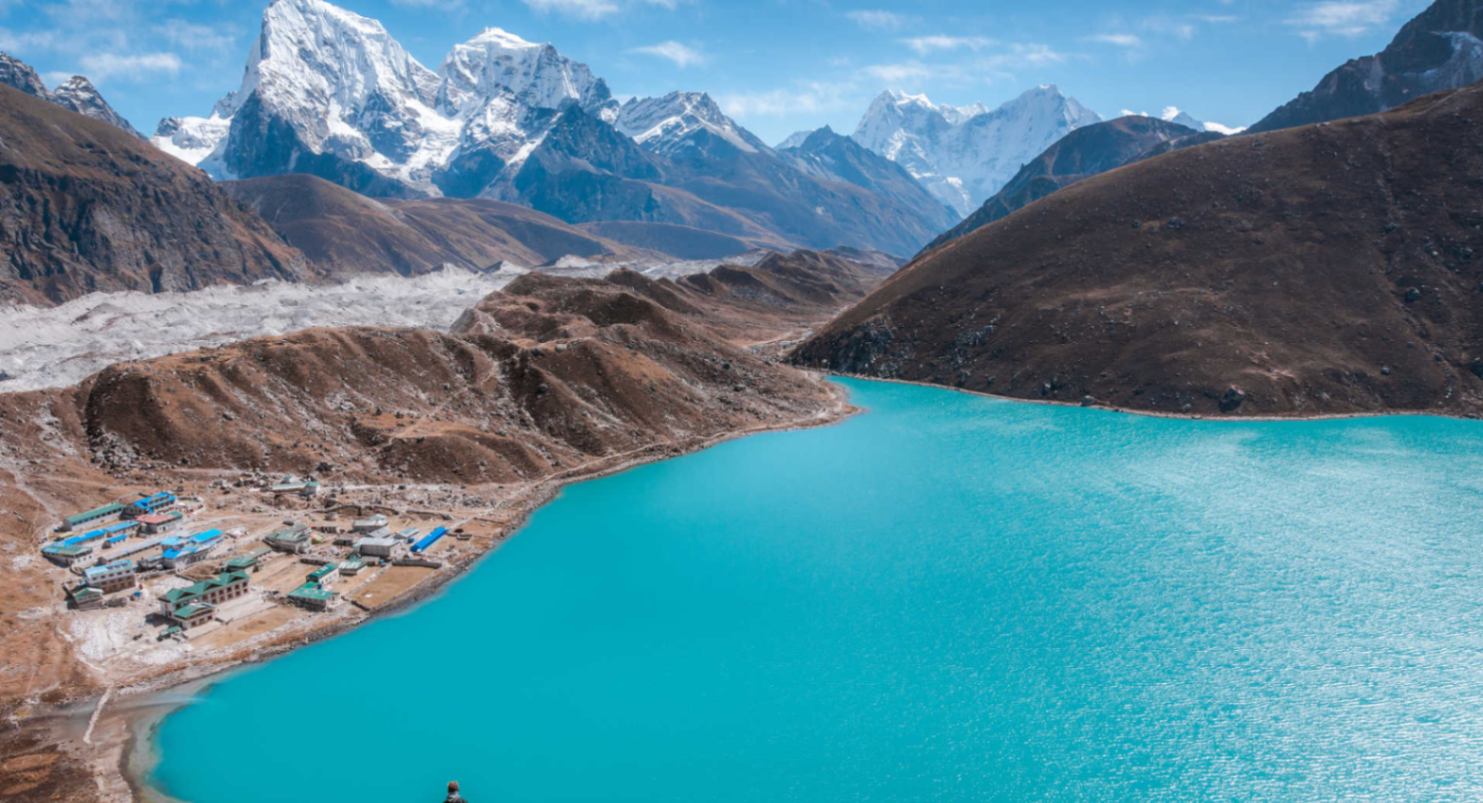
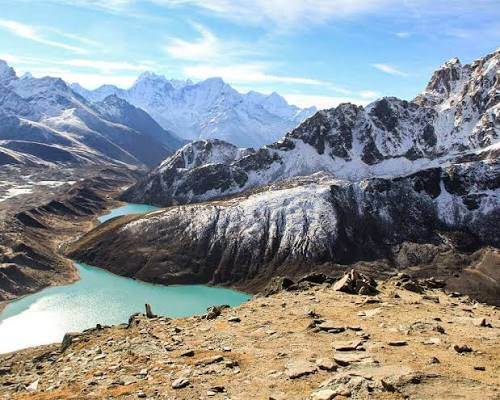
You will feel something unique and special when you first encounter Gokyo Lake.Experiencing the serenity and beauty of the water is an unmatched experience. The striking difference in colours also caught my attention; mornings always have a deeper blue hue to them, while as the sun rises, the water gradually turns to bright turquoise and shines brightly with harsh sunlight.
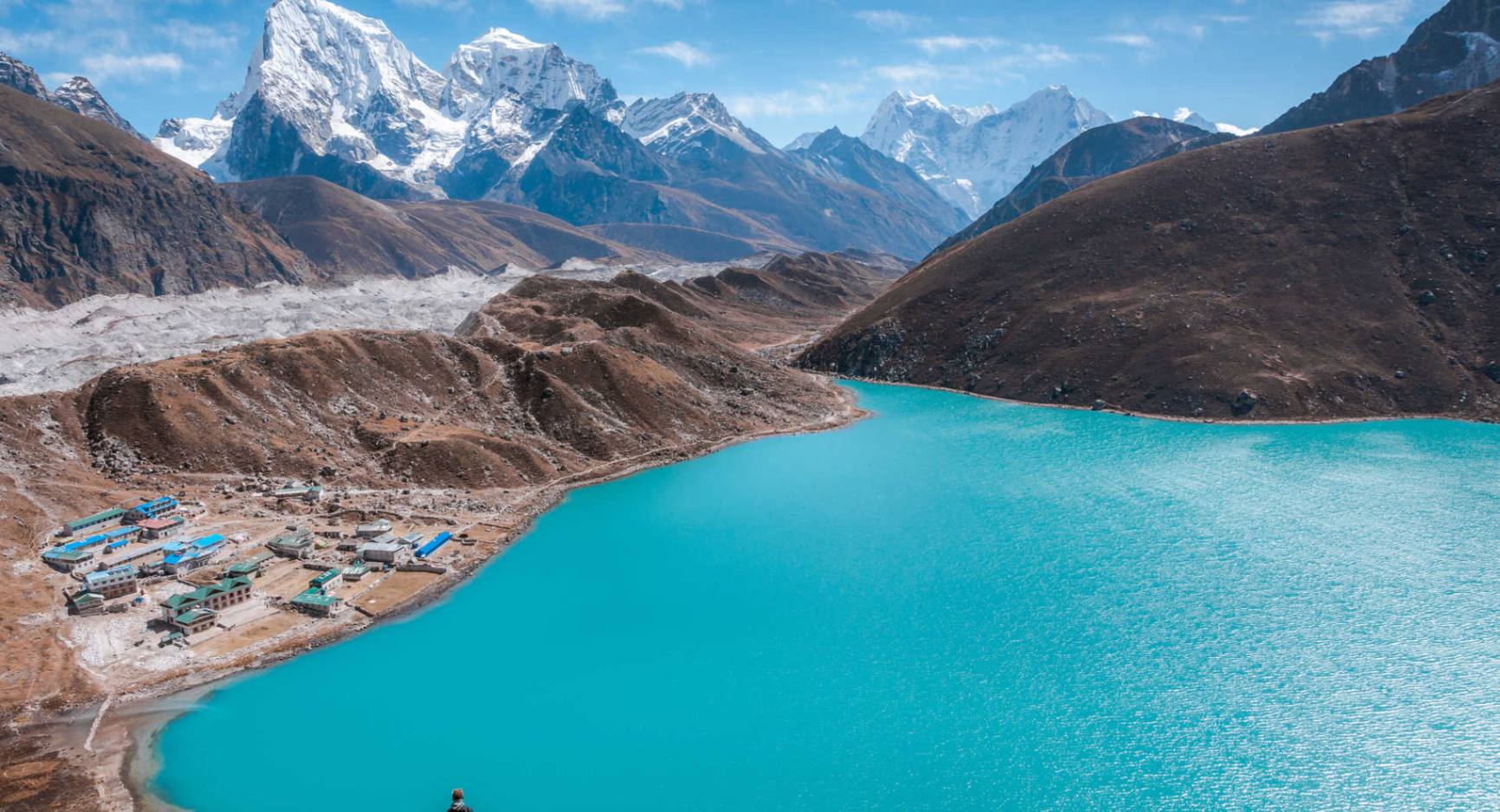
The mountains in the background seem to give life to this sight and make it an incredible view like a painting. Most trekkers say that they remember this experience forever because they feel that it is very peaceful and surreal. It can be said that Gokyo is surrounded by silence compared to other popular treks. There is very little noise on the Gokyo Trail except for the low sounds of wind and water. The pace is relaxed and slow to let one look around at everything: big mountains, moving clouds, stones on the trail, and rivers beside you. In fact, all these small things provide a strong emotional connection between you and what you see, creating an emotional memory.
Additionally, the welcoming and friendly smiles of the Sherpa communities will leave you with fond memories of your journey to Gokyo Lakes, which is also more easily accessible via trekking than the Everest Base Camp trek.
Because lesser crowds allow for trekking in a more peaceful and calm atmosphere. The fresh mountain air, and the opportunity to experience this beautiful place in a very introspective manner. You will also be able to experience many Sherpa Villages and Homes along the way to Gokyo Lakes, as well as visit the numerous prayer stones, monasteries and flags which are located along the trek.
Expeditions to the Gokyo region and the Sagarmatha National Park, which is a UNESCO World Heritage Site, include the world's tallest mountains, including Mount Everest; glaciers; ancient foaming forests; and an immense number of endangered and threatened plants and animals.You will only walk through the vegetation zone of Sagarmatha National Park as you ascend towards the northern tip of the vegetation zone (the alpine zone), where the temperature may drop significantly lower than it does now.
Upon reaching the Gokyo Lakes, expect to be at about 4790 meters (15,000 feet).The third Gokyo lake is the most well-known Gokyo Lake and one of the highest fresh water lakes on Earth (approximately 4810 m/15,800 ft.) located next to the Gokyo Town.
From this location, you will have a clear view of the four highest peaks on planet Earth. All of which are over eight thousand meters (26,000 ft): Everest, Lhotse, Makalu and Cho Oyu! When it comes to scenic beauty of all 4 peaks, this area is a great spot to take advantage of seeing these 4 monstrous mountains. Gokyo trail is recognized as one of the best trek routes in the world with its breathtaking scenery.
To get to Gokyo Lake is quite a long journey that leads through forests, rivers, hills, and up onto high altitude terrain. Each and every day of your journey will provide you with a different experience.
Below is a step-by-step guide to arrive at Gokyo Lake:
Day 1. From Kathmandu to Lukla
Your journey starts with your flight from Kathmandu to Lukla. Through its windows, you are taken to a small airplane that offers breathtaking views of towering snow-capped mountains, lush green hills, and sparkling blue rivers. The average flight time for this is thirty minutes. The short landing strip and incline of Lukla Airport, which have been constructed into the mountain's side, are its most well-known features.
Day 2. Lukla to Phakding
The airport marks the end of what has been a long day of travelling. The trek will lead you to other trekkers who share the same route as your own, which will lead to Phakding. You will pass many shops, stop at several prayer stones, and cross many suspension bridges while walking along the Dudh Kosi River. The sound of the river around you can give you the relaxing sensation of being outside with nature for the first three to four hours of your trek to Phakding.
Day 3. Trekking Phakding to Namche Bazaar
Although the way from Phakding by foot to Namche Bazaar is strenuous mentally/physically, it also presents many opportunities for enjoyment. On this trek there are many scenic vistas/sounds to enjoy, possibly among some of the most beautiful views you will see, such as hanging bridges that cross between pine trees. Namche Bazaar will be at approximately 4,000ft (1,220m) above sea level, meaning a steep (2) climb will have brought you there, with beautiful mountain views all around amongst some of the highest peaks on earth.
When you arrive at Namche Bazaar, you will experience not only how the Sherpa people live, but you will have a large variety of shops that sell outdoor gear for climbing and also places to eat local food (cafés/bakeries/restaurants) in the many shops and cafés that surround the bazaar. You will find beautiful scenery and also some of the tallest buildings in the world are located near Namche Bazaar.
Day 4 . Rest in Namche Bazaar
On your day off, you can opt to go on a little day hike back to either the beautiful views from Everest View Hotel or to the Village of Khumjung. The rest day is to allow your body a chance to adapt to the increased elevation of Namche Bazaar and enable you to acclimatise to the decrease in air pressure.
Day 5. Namche to Dole
From Namche Bazaar onwards, the EBC (Everest Base Camp) trail will break off for a new route towards Dole; the tranquillity of being in the less-travelled area provides a peaceful environment and allows for appreciation of the surrounding terrain as you hike in wide-open landscapes; there are few remaining trees in this area, however, there's a beautiful view of the farms below with many grazing yak in the open pastures, as well as long valleys. You'll arrive at Dole in the afternoon.
Day 6. Dole to Machhermo
From Dole to Machhermo, you slowly gain altitude via a high hill that is covered in small plants like bushes and alpines and stone steps (very small rocks). The air gets cooler as you go. Machhermo is a small village with a lot of character as it serves as another rest stop before heading higher.
Day 7. Machhermo to Gokyo
One of the most amazing days of this trek is within the Gokyo region. On this day, you will witness many different Gokyo Lakes. All three lakes are quite different from one another. The closer you get, the more vibrant their colour appears. When you finally reach the third lake (the last lake), you will be taken by surprise at the wide-open water area and the mountains surrounding it.
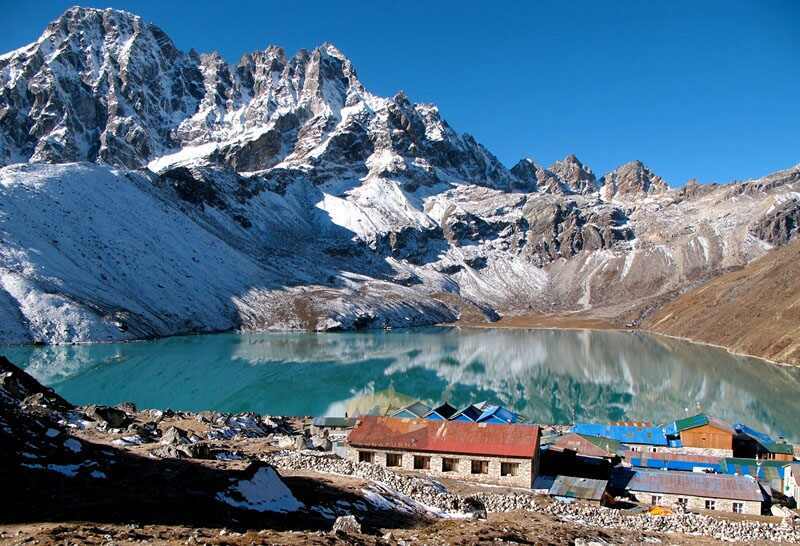
Gokyo village is located next to the third lake, and the houses seem small in comparison to the mountains behind them; therefore, you will spend the night in Gokyo before climbing to Gokyo Ri.
The Beauty at the Gokyo Lakes
1. The Magical Blue Lakes
The five pure lakes located in the Gokyo valley (Gokyo Taal in Nepali) are located at the highest point along the Gokyo Trek. They have been formed through ice melting and have clear waters that are free from any human pollution. Lakes reflect the sun at different times of the day with natural sunlight. In the morning, in the afternoon, the lakes appear light blue, and dark blue. When you are walking through the area, these lakes give a greater feeling of tranquility because of the way they are situated and positioned among the mountains surrounding the areas.
2. Gokyo Ri
When you visit Nepal, Gokyo Ri is another breathtaking sight worth visiting while trekking. The trek to Gokyo Ri takes approximately 2-3 hours, but it is pretty steep; however, it has well-defined hiking trails that lead the way. On top of Gokyo Ri are some of the most beautiful views of cities in the world. From this peak, you will be able to view three of the tallest peaks in the world: Mount Everest, Lhotse, Makalu, and Cho Oyu. There is only one other location from which all three peaks can be viewed simultaneously, and that is at the base camp of Mount Everest.
The beauty of the sunrise at Gokyo Ri cannot be described adequately with words. Golden rays from the sun create an orange-tinged atmosphere filled with gold-toned lighting.
3. Ngozumpa Glacier
The Ngozumpa Glacier is one of Nepal’s longest glaciers and appears like an enormous flowing river of ice mingled with stones. Cracks, waves, and deep blue areas of ice form from constant erosion of surrounding mountains and glaciers. A stroll near the glacier makes one aware of the tremendous power of nature and at the same time allows the viewer to watch the slow change in shape that the glacier undergoes with each passing season, holding centuries of snow and ice.
4. Trekking trails
On the Gokyo trek, one finds something that doesn't exist on the Everest Base Camp route: open space. The trail to Gokyo is much less traveled than that to Everest Base Camp and affords the trekker space to think about nature and their own thoughts, and to hear the sound of their feet upon the ground and wind around them. For trekkers who like the silence and being surrounded by nature, Gokyo is more desirable as a starting point compared to Everest Base Camp.
5. Sherpa Culture & Tradition
During the trek in Nepal, many opportunities to meet Sherpa families along the way are presented; it displays their hospitality, hard work, and pride in their culture. The Ancient Monasteries, spinning of prayer wheels, and Amazing Prayer Flags are part of this insight into the Sherpa's close connection to the Mountains, as well as sharing simple but hearty food; all these put together make the trekking an enjoyable adventure.
When to Go to Gokyo Lake
Autumn (September-November)
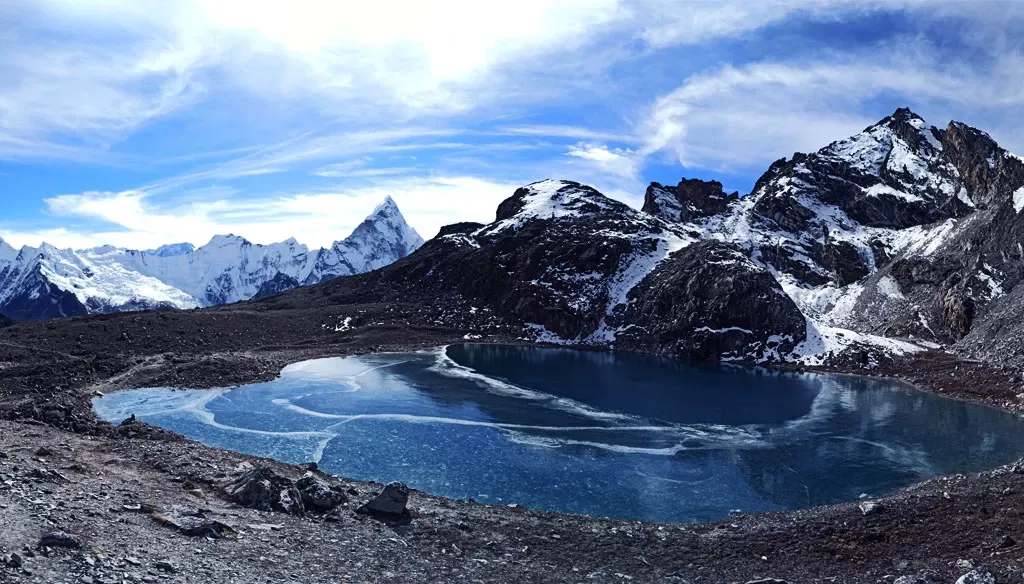
Trekking to Gokyo Lake is an extremely ideal experience in Autumn, as there are generally clear blue skies, a cool environment, great atmospheric views from every part of the surrounding landscape, and almost no likelihood of rain, which means all trails are dry and you will have the best opportunity to take photographs for your memories. In Spring (March to May), trekking to Gokyo Lake is an equally pleasant time to go because of the many flowers blooming; the bright green colours in the forest; a warmer temperature; longer daylight hours; and more expansive views, as in Autumn, although not because of rain. Winter (December to February) is a time when trekking to Gokyo Lake is beautifully calm, although it is also very cold, thus requiring dressing appropriately. Most of the lakes are frozen in winter, and the trails are covered in snow. For snow enthusiasts, and for those who enjoy being away from people, winter has a unique charm. Trekking during winter requires considerably more preparation than trekking in Autumn or Spring.
Monsoon (June-August)
Trekkers least prefer the Monsoon season. The Heavy Rains cause slippery trails, the view of the mountains is blocked by heavy cloud cover, and the lower elevations are often inhabited by Leeches. Flights are often delayed during the Monsoon season. And if you relish the adventure of Rain and Cloudy Weather, then the Monsoon season could be a thrilling time for you.
The Overall Difficulty of the Gokyo Lake Trek
The Gokyo Lake Trek has a moderate difficulty rating. The trek typically consists of several long days of walking, with some unpredictability in terms of the weather. As you make your way up the Gokyo Lake Trek, the possibility of additional clothing needed to keep warm may increase.
What to Expect while Walking the Gokyo Lake Trek
On average, you will be walking between 5 and 7 hours per day; the majority of the days will be classified as 'easier' due to the existence of a well-marked trekking route; however, on some of these days, there may also be additional uphill walking to do. After a few days of walking on this trek, most are used to the long-distance trekking experience; hence your legs should be feeling fatigued by now.
How cold it actually can get on the Gokyo Lake Trek
As you gain altitude (12345), the temperature will drop significantly. The ideal example of the coldest temperatures is either early in the morning or late afternoon; at times while in Gokyo Village, you may have to break the ice in your faucet before filling your water bottle!
Keep in mind that you will want to wear warm clothes in order to remain comfortable on this tour.
The higher you go the thinner the air
As you ascend, you're also ascending through higher altitudes 12345. This results in less oxygen in the air. The result of that is you may feel sluggish or exhausted while hiking and you also may notice you are much more out of breath going up hills versus walking on flat ground. Remember, hiking slow will help you avoid feeling overwhelmed.
Very steep sections
While on this trek, there will be very steep sections of trail. These sections can be found between the Gokyo Ri and any of the hiking sections leading to the elevated end of the trail. These steep areas require you to use greater amounts of energy and more time to navigate through these areas.
When you climb too often, you will experience altitude sickness, which may put you in a bad situation.
The good news is that as long as you walk, drink water, take enough time to rest, you will be able to complete this trek with success. You do not need to be an experienced mountaineer, climb up high using ropes, but simply a healthy body, a positive attitude, and the willingness to walk every day.
Accommodations Description
Description of Accommodations and Food: Accommodations on the Gokyo Trek are in teahouses, which are usually family-owned. They offer basic accommodations at a pretty low cost.
In teahouses, the rooms have two single beds. The walls are made from wood although there is no insulation. The walls will be extremely cold during the night. So trekkers will sleep with a huge blanket or sleeping bag. Most windows have beautiful views of the mountains.
Dining Hall
It is the warmest place, as there is a heater or stove burning in the middle, powered either with yak dung or gas. Everybody eats, talks, and warms up here after a long day of walking.
Food
Food on the trek is basic, but fresh and filling. Options generally include:
Dal bhat: the best for energy
Fried rice: simple and tasty
Soup: keeps you warm
Pasta: good for carb energy
Potatoes: grown locally
Tea & coffee: warm drinks for cold weather.
You are provided with hot meals that give you strength. In Gokyo village, you can even enjoy your meal outside with a view of the lake and snowy peaks.
What to pack for your trek: an in-depth explanation
Packing smart will make your journey safe and comfortable. High altitude areas have unpredictable weather; everything should be warm yet light.
Clothing
You need layers. Layers keep you warm and can be changed easily with temperature changes.
Warm jacket:for evening and early morning cold
Thermal layers: worn next to the skin to retain body heat.
Fleece sweater: Light but warm
Waterproof jacket: for snow or sudden rain
Warm hat - prevents heat loss from the head.
Gloves : keeps hands warm
Woolen socks : for cold nights
Trekking shoes -:Good grip and ankle support
Gear
These things keep you safe and comfortable.
Backpack: Easy to carry your essentials
Trekking poles: Reduce pressure on knees
Headlamp: Useful in dark tea houses
Sunglasses: protect eyes from the snow glare
Sunscreen: High-altitude sun is strong
Power Bank: In the tea houses, charging costs extra.
Health Items
Health items are necessary because medical help is restricted.
First-aid kit
Altitude medications, water purification tablets, safe drinking water, lip balm to prevent dryness. Keep everything lightweight. Weather conditions can turn from sunny to snowy in minutes, so be prepared for it all.
Conclusion
Gokyo Lake trek provides memories for a lifetime. The color of the lake, the cold air, the moment of silence, and the big mountains standing right there give a feeling of peacefulness. Every single moment felt like a reminder of how beautiful nature can be. You will remember the sunrise from Gokyo Ri, sitting beside the lake in the evening, watching yaks stroll across the valley. You remember the smiles of the Sherpa people. These memories are soft yet strong. They stay with you long after the trek is over. Gokyo Lake is much more than a destination; it lingers within as a feeling of calm, beauty, and freedom.