

How to Reach Gokyo Lake?

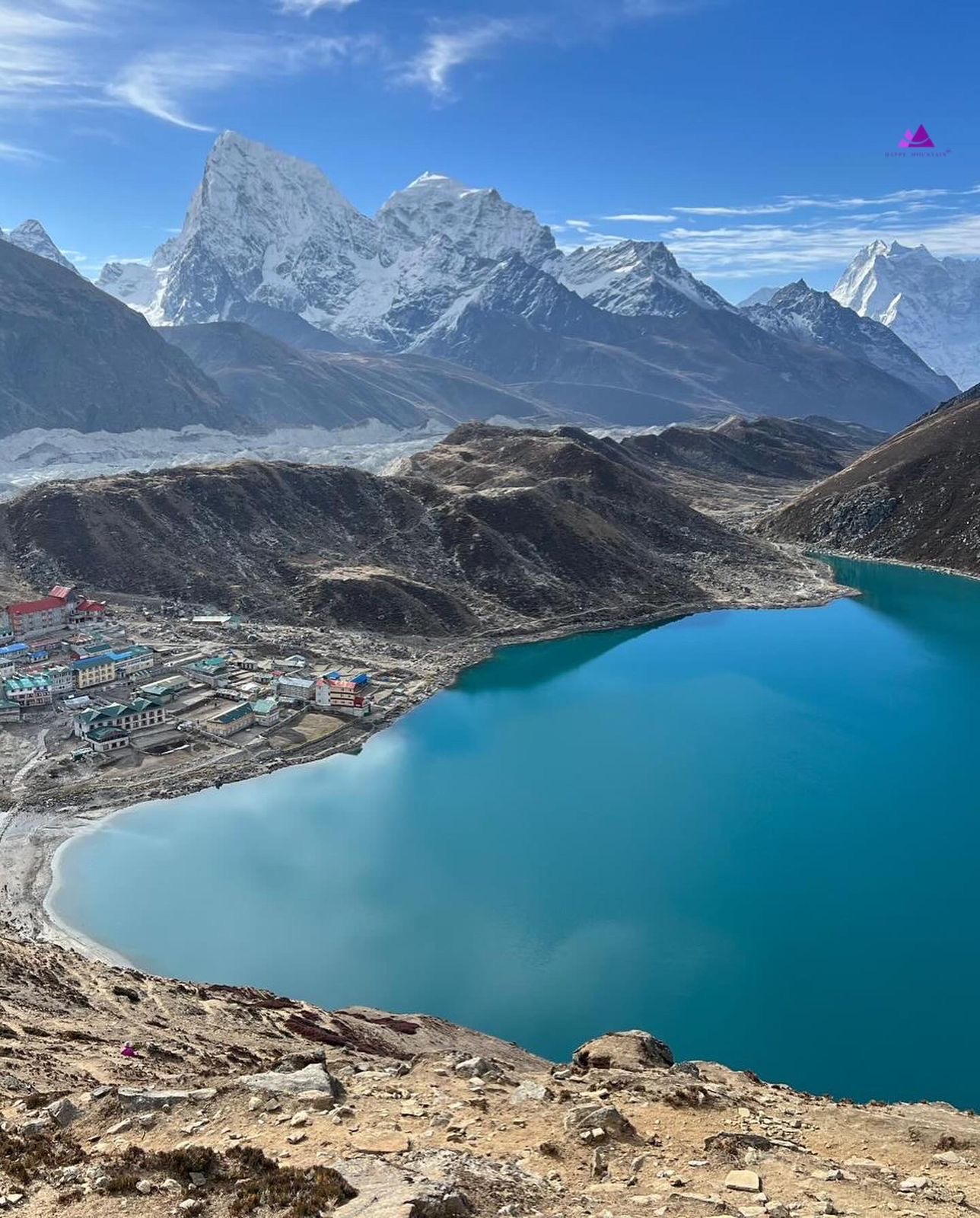
The Gokyo Lake is heart of the Everest region which is located at approximately 4,790 m (15,720 ft). This lake is surrounded by massive mountains, ancient villages, and gigantic ice rivers. Gokyo is a shrine of the highest Hindu pilgrimage site. Gokyo Lake is perfect for trekkers searching for peace and adventure away from the base camp.
To reach the shore of this glacial blue lake will require trekkers to make their way across. Reaching Gokyo Lake will be an adventure all on its own! In this blog, we explain how to get to Gokyo in great detail in this guide, including flight options, trekking options, permits.
Understanding the Location of Gokyo Lake
Gokyo Lake is UNESCO World Heritage site located in the Solukhumbu District of Nepal. Sagarmatha National Park is home to the most iconic mountain, Mount Everest. As well as famous Sherpa villages. The Gokyo Lakes are a series of six glacial lakes located close together. They are fed by melting ice from the Ngozumpa Glacier. The largest glacier in the Himalayas. The Gokyo Lake that sees the most tourist foot traffic is Dudh Pokhari Lake. It is situated right next to the picturesque village of Gokyo.
Because it is in a remote area at a high elevation and a trekking/nature experience. It is very nice but once again there is the link to the logistics of trekking, and a fitness level to consider. Just to state the clear again. The only way to reach the Gokyo Lakes is by helicopter or on foot. Since there is no public road accessible by vehicle or foot. It is simply not accessible by ground other than trekking to get to the Gokyo Lakes from Lukla where you fly into.
The Classic Route to Gokyo Lake via Lukla
The most popular way to access Gokyo Lake is flight from Kathmandu to the Lukla airport. And then trek for a short distance for the best mountain views in the world. Lukla’s altitude is 2860 meters, and the site of one of the most famous airports in the world. The flight is about 30-35 minutes, and travelers gets the best views of the Himalaya. Once you land in Lukla and get off the plane, the real fun begins.
You will walk down to the charming village of Phakding to rest. And spend the first night of your trek. The next day you will walk down the trail alongside the Dudh Koshi River. You will be flowing through more beautiful pine and rhododendron forests, crossing many suspension bridges. You will reach to Namche Bazaar, the famous capital of the Khumbhu region.
Namche Village is at 3,440 meters, and it is the perfect day to acclimatize. It is a mountain town that feels alive because of the combination of bakeries, coffee shops, and hiking gear shops, together with the view of Everest and Ama Dablam. The extra day’s acclimatization here allows the body to slowly adapt to less oxygen, and also one gets to visit the Everest view hotel. It is the Sherpa museum, and more sites here.
After a rest day, the track then separates from the Everest Base Camp route at Namche and moves to Dole, Machhermo and finally to Gokyo village in the north direction. The entire environment shifts as one travels higher, and trees and replaced with alpine grasslands and loose stone walls and peaks covered with snow. The trek doesn’t necessarily feature similar views every day. One travels from loud rivers in lower Khumbu to the silent upper valley. After trekking for about 10 to 12 days, the shining Gokyo Lake lay in front of one’s eyes. The blue water reflecting the white Himalayan peaks seemed a present for every step taken.
The Gokyo and Everest Base Camp Trek Combined.
For the most adventurous people who wants to combine the Gokyo and Everest Base Camp Treks to see both lakes. This adventure connects two world-famous trekking destinations in the Himalayas. Gokyo Lakes and Everest Base Camp involves the Cho La Pass. This pass at 5,420m is more accessible. It is perfectly suited for trekkers and not climbers. The common start for your journey will be a flight to Lukla and going further through Namche Bazaar. After a visit to Gokyo and its lakes. You will go further by joining the visitor of the Gokyo Lakes via the icy Cho La Pass. And resuming the “traditional” EBC tour. While walking on snow, rock, and glacial terrain can be technically and physically difficult. It is such an amazing view and one that ensures at least a plate full of treasure.
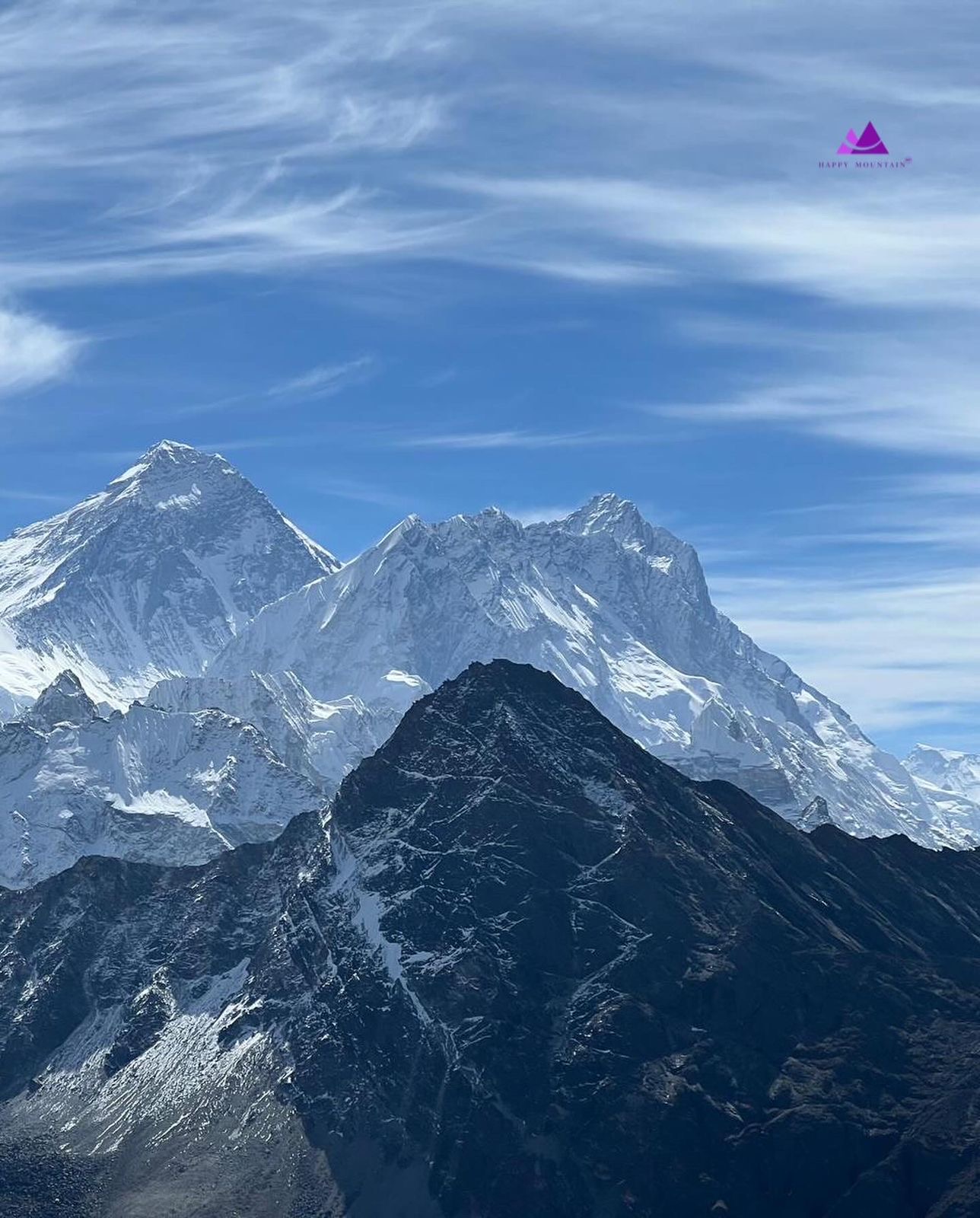
From Khumbu Valley altitude, the trail leads onto Dzongla and Lobuche. And finally to Gorakshep, the final settlement before Everest Base Camp. And the good news, if one is fit enough to hike up Kala Patthar (5,545m). The best place for close-up views of Mount Everest, and then take the same route down to Lukla. This combined traverse is generally around 16 to 18 days walking and is great for trekkers who wish to experience the still beauty of Gokyo within the historic stepping stones towards Everest.
The Traditional Jiri to Gokyo Route
The development of the Lukla airport completely changed the trekking and climbing activities in the area. As it is the first step of the journey easier for a great number of the tourists. The small town of Jiri, which is 190 kilometers east of Kathmandu. It is the base for the hikers and mountaineers. This way, which was taken by Sir Edmund Hillary and Tenzing Norgay during their Everest expedition in 1953. It is regarded as the classic access to Everest.
The journey that begins at Jiri is quite an experience from the start. The trail passes by many terraced farms, dense forest, and the sites of village. This trails gives you idea of the cultural and agricultural heartland of Nepal. After Bhandar, Sete, Junbesi, and Nunthala, you will get to the main trail to Everest at Phakding. Mount Everest can be reached this way but it will demand quite a good physical fitness and a longer time. The drawback here is that acclimatization is done slowly and people will get a glimpse of the traditional lifestyle in Nepal. It is out of the usual commercial trekking routes. The Jiri route is less frequented and more tranquil. It is utterly rewarding for those who adore travel experiences that are not just real but also profoundly cultural.
Helicopter Tour to Gokyo Lake
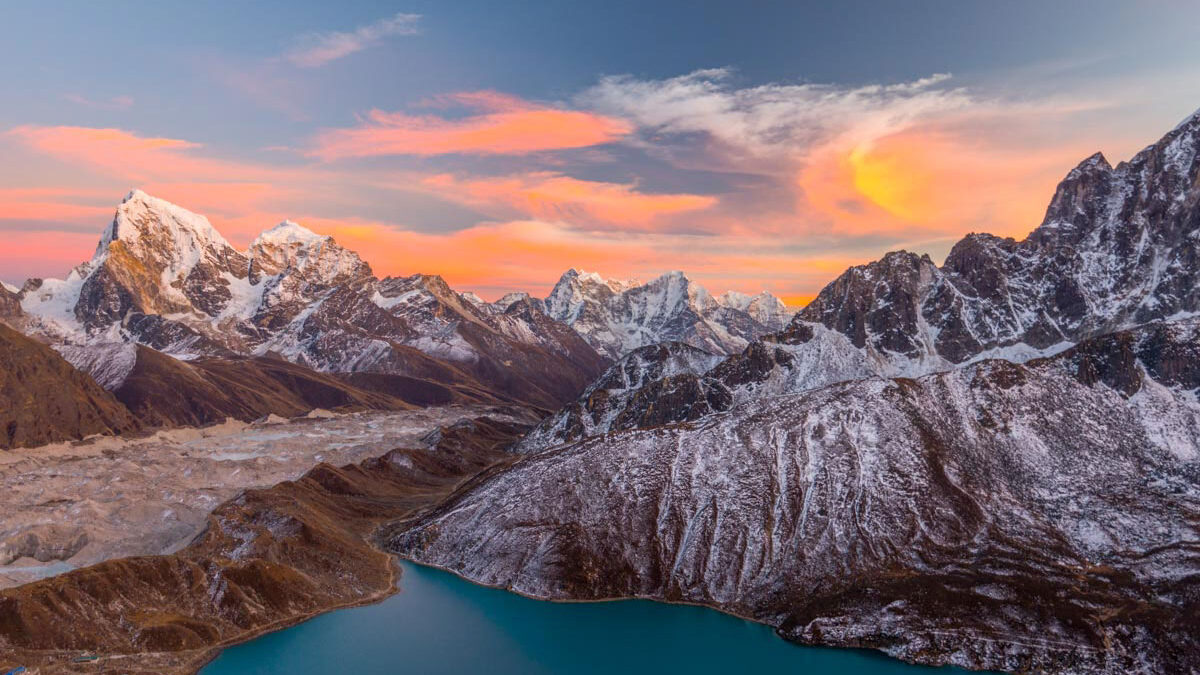
In case you’re very busy or just want to have a luxurious experience instead of hiking. A helicopter tour to Gokyo Lake is a remarkable event that you will never forget. Flights by helicopter generally go out from Kathmandu or Lukla. And take the route pass through the majestic Himalayas and the landscape below them. In just a few hours, you can view some of the most famous mountains in the world Everest, Lhotse, Makalu, and Cho Oyu. And the shining Gokyo Lakes down.
The majority of the trips incorporate a minor stop close to the lake. In order to give the tourists a chance to come out, take pictures, and get the feel of the beautiful view. The whole journey usually takes about three to four hours. It varies from USD 1000 to 1500 per person based on it being a private or shared flight. The option is a great one for capturing moments, luxury seekers, and those who cannot trek for health or time reasons.
Although it may not have the physical challenge and immersive experience of hiking, the helicopter ride gives the traveler an exclusive view of the Himalayas that is hard to compare with any other method of transport. It is therefore the combination of intimacy with nature and comfort that one gets from the helicopter ride.
Permits Required for Gokyo Lake Trek
When you trek through the Gokyo region. You will need to get two permits:
The first is a Sagarmatha National Park Entry Permit, which costs NPR 3,000 (about US$25) for foreigners. You can buy at the Nepal Tourism Board office located in Kathmandu. Or at the entrance checkpoint of the park at Monjo village.
The second document you will need obtain is the Khumbu Pasang Lhamu Rural Municipality Permit. It costs NPR 2,000 (about US$17). This permit goes towards supporting local development and conservation projects, and can be obtained in Lukla or Monjo as well.
It is very important to keep both permits on your person for the duration of your trek, as they will both be checked along the way at random intervals.If you are trekking through a registered trekking agency. The agency generally will take care of the all permit paper work for you
Best Time to Visit Gokyo Lake
Best time to go: The optimal time to come to Gokyo Lake is a question of what kind of experience you expect. The two major trekking seasons in Nepal, as it has already been stated, are
Spring from March to May and Autumn from September to November. It’s typically fantastic from both. Most cases the weather is wonderful, the sky is just clear. Spring has ideal temperatures and the route is set against the blooming rhododendrons. But autumn is generally considered the finest trekking season since the sky is crystal clear after the monsoon has ended. The temperatures are still excellent, and you can stick to a trail lined with trekkers on the way from all over the globe.
Winter (December to February) should only be selected. If you prefer quiet and less populated trips on completely snow-covered routes. Nights are freezing cold and tourism services are temporarily closed in Monsoon. It is recommended for trekkers with experience.
Monsoon (June to August) to the trek is the most extreme time. Due to unanticipated monsoons. Even relatively low-altitude trails are wet and can become hazardous due to increased rainfall.
Physical Preparation and Acclimatization
Gokyo Lake trek is generally considered moderate by most trekkers. Like most treks, the altitude defines the trek’s success. Gokyo village is just about 4,800 meters high, while Gokyo ri stands at just over 5,300 meters.
- Altitude sickness, also known as AMS. It is something you can only avoid by acclimatizing. For this you can begin preparing for your trek at least two months prior.
- You should add enough cardiovascular activities like jogging and cycling.
- Include strength training inequalities focused on your legs and core strength. Also, make sure to stronger your stamina too. Otherwise you have to walk quite a number of hours every day and climb some steep uphill.
- During the trail, take it slow, drink plenty of water, and use acclimatization days to the fullest.
- Spend more days in places like Namche Bazaar and Machhermo and allow your body to adapt to the decreasing amounts of air.
- Additionally, stay away from alcoholic beverages, get enough sleep. And consult your doctor whether you can take Diamox or any other similar medicine to assist you.
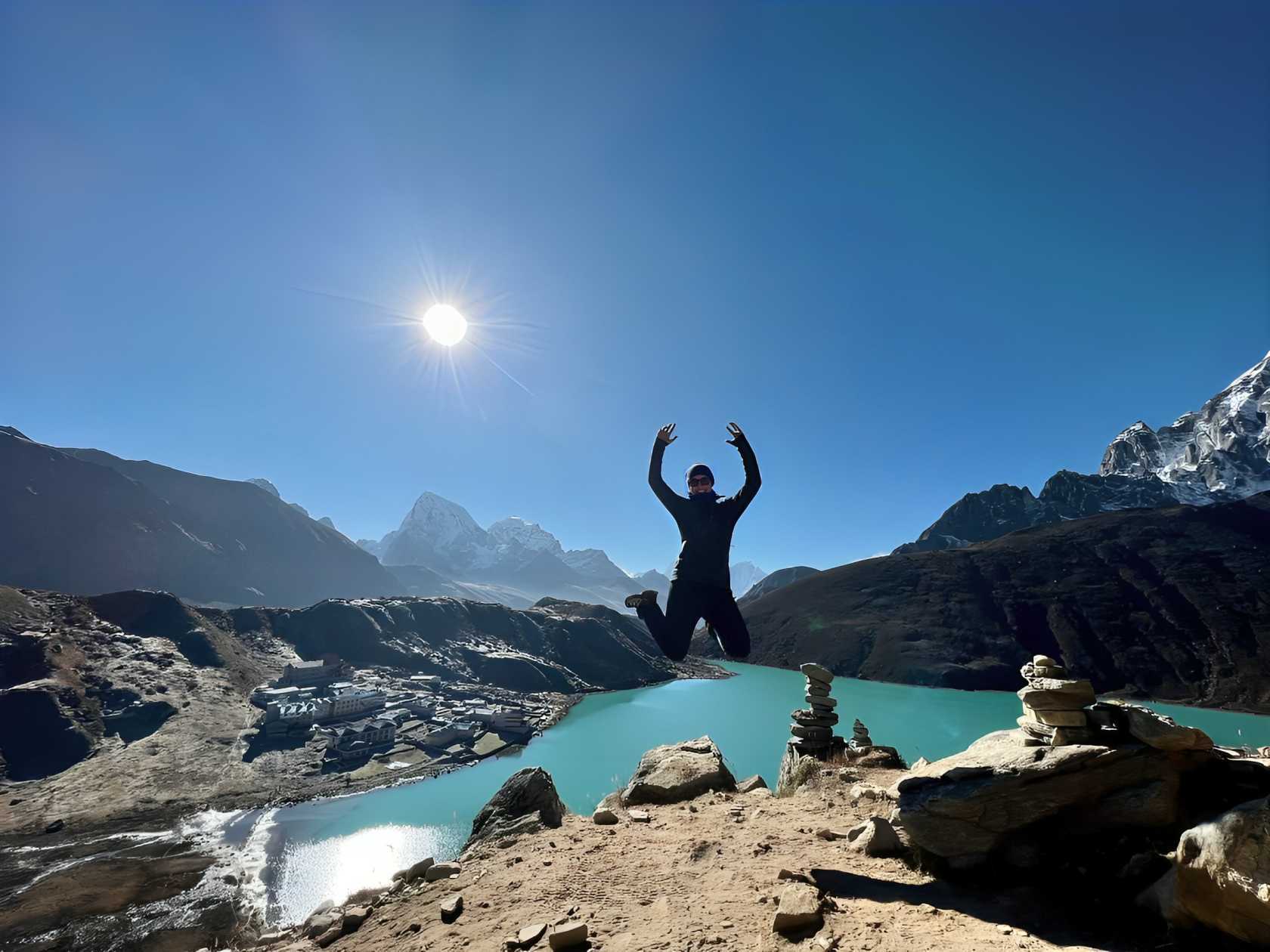
Gokyo Lake
Accommodation and Food During the Trek
The Gokyo route is lined with teahouses and lodges, each owned by a local Sherpa family.
- You can count on simple but comfy accommodations with twin-sharing rooms, wooden beds, and warm blankets.
- Bathrooms are common, and you can also take a hot shower for a small fee.
- The food is unexpectedly diverse for the location. The staple diet is Dal Bhat, a balanced blend of rice, lentil soup, and vegetables that will provide you with the energy to continue trekking.
- Noodles, soups, fried rice, pasta, pancakes, eggs, and potatoes are also commonly available. Food becomes progressively more expensive higher because everything must be carried up by porters or yaks.
- You may find a bakery or coffee shop in Namche Bazaar or much closer then Machhermo during the lower elevations. There you can enjoy a fresh pasty or a cup of Wi-Fi.
- In Gokyo, however, the facilities are less sophisticated and the emphasis is on warmth, comfort, and magnificent nature.
Essential Packing Tips for the Gokyo Trek
Packing is an art that can make or break your trek. You should bring a few warm but lightweight clothes that can be worn in layers and taken off or put on based on the temperature. Some key items consist:
- Carry moisture-wicking base layers, a coat or down jacket, raincoat, walking pants, mittens, a cap, and sturdy walking boots.
- Carry a sleeping bag that is at least-10°C as nighttime in the high Altitude get below freezing.
- Trekking poles will assist in steep or harsh terrain balancing.
- Other necessary gear consists of a headlight, glasses, sunscreen, recycling water bottles, and water purifying pills.
- Because ATPs are free only to Namche Bazaar, bring enough money in currency for food, lodging, and small expenditures.
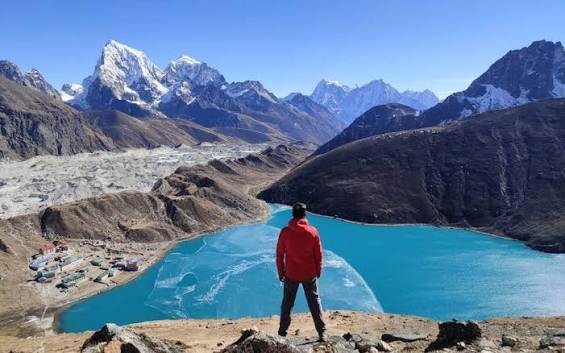
The Journey to Gokyo Lake
Gokyo Lake Trek is not just a hike. It is a journey through one of the most beautiful places on earth. The blue waters of Dudh Pokhari under the shadow of the powerful Cho Oyu. The clinking music of yak bells in the shadow of rocky paths. The warmth of Sherpa feel at Namche adds up to an joy by your side. The regular walk down Lukla or a helicopter ride of your own. Each Gokyo walkway has its tale to tell. The way pushes you to your limits but gifts you moments of restful peace too. When you finally stand again by the showdown lakes and see the mountain extremum reflected in their surfy disturbance. You will understand that Gokyo is not just a scene. It is a feeling.