
Teej Festival in Nepal: Date, Traditions, Rituals and Celebrations
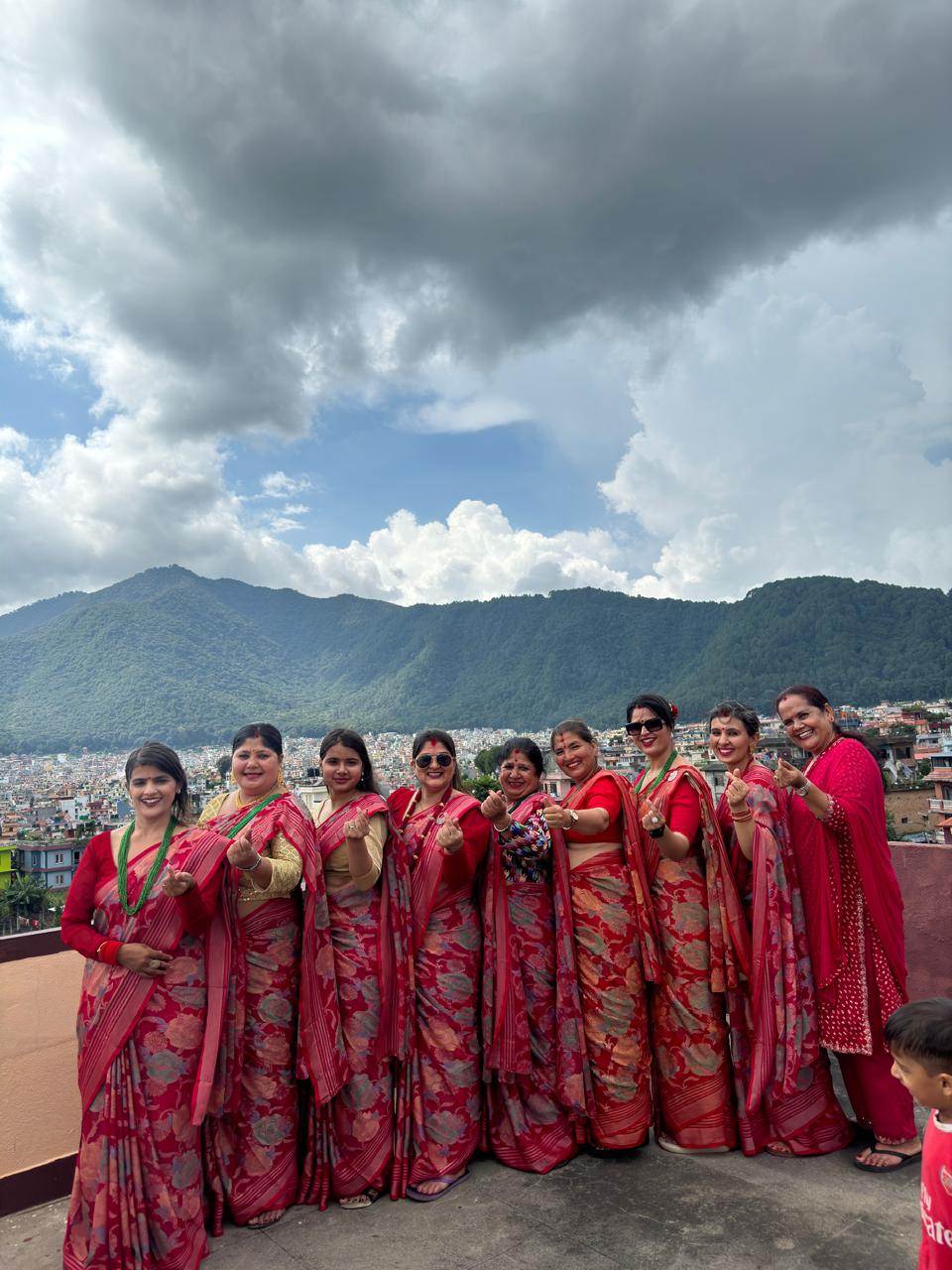
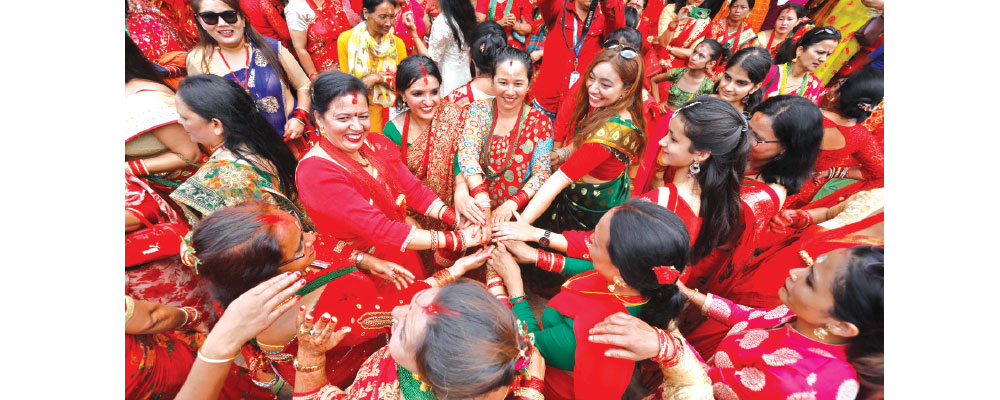
The festival of Teej is one of the most colourful and emotional and culture touch festival in Nepal. Streets, temples, courtyards and family homes bathe themselves in the color of women in colorful red sari, green bangles, traditional jewellery, mehendi, music, dancing, prayers and festive gatherings, every year.
Teej is very religious but comes with a lot more than just religious festival. It is also a celebration of sisterhood, family relations, devotion, cultural identity and women's voice. For centuries, Teej has been a time for women to visit their mother's house, to reunite with their sisters, to have special meals to be served, to sing special songs and to share their emotions with music and dance.
The main day of the festival is Haritalika Teej dedicated to Goddess Parvati and Lord Shiva. The traditional view of married women is to fast and pray for the health, happiness and long life of their husbands. Unmarried women can also celebrate the festival by praying for a good life partner and a happy future.
Teej is particularly festive in Kathmandu Valley, with thousands of women visiting temples, such as Pashupatinath Temple, to pray and join in at the festivities.
For those who wish to enjoy the cultural festivals of Nepal, Teej can be an interesting and unique experience to witness a living tradition of spiritualism, music, food, family and community.
When Is Teej Festival in Nepal in 2026?
Haritalika Teej 2026 Date: Monday, September 14, 2026 in Bhadra 29, 2083 B.S.
Additionally, the Kathmandu Metropolitan City's calendar features Bhadra 28 for feasting on a festival called Dar Khane Din, Bhadra 29 for Haritalika Teej and Bhadra 30 for Rishi Panchami.
The date of Teej keeps moving from year to year (Gregorian calendar) as it is in accordance with the Hindu lunar calendar. It will typically occur in August or September.
Teej 2026 Dates in Nepal
| Occasion | Nepali Date | Gregorian Date | Significance |
| Dar Khane Din | Bhadra 28, 2083 | September 13, 2026 | Festive feast before fasting |
| Haritalika Teej | Bhadra 29, 2083 | September 14, 2026 | Main fasting and worship day |
| Rishi Panchami | Bhadra 30, 2083 | September 15, 2026 | Final purification and worship rituals |
The exact timing of individual rituals can vary according to local religious calendars and traditions.
What is the Teej Festival?
Teej is a Hindu festival, which is more associated with women and is dedicated to the divine relationship of Goddess Parvati and Lord Shiva. The word Teej is traditionally associated with Tritiya (the third day of a lunar fortnight). The third day of the bright fortnight of Bhadra is known as Haritalika Teej day in which Tirthankars are worshipped.
The festival is a symbol of devotion, love, marital harmony, spiritual strength and family relations. It is also very social as the women come together to celebrate, sing, dance, pray, and share their experiences.
The Teej is celebrated in Nepal on many significant days, including Dar Khane Din, Haritalika Teej and Rishi Panchami.
The Story Behind Teej
The identity of Teej is very much associated with the tale of Goddess Parvati and Lord Shiva.
In Hindu mythology Parvati was very much in love with Lord Shiva and wanted to marry him. Over the years she experienced the trials of years of prayer and austerities.
According to one legend, Lord Shiva was Parvati's husband and she was so devoted to him that she kept a fast and did deep penance. It was her faithfulness that led to their marriage.
Haritalika Teej thus celebrates the devotion of Goddess Parvati and her marriage with Lord Shiva. Her story for followers is a tale of patience, faith, determination, love and spiritual commitment.
The story also provides an insight into the reason behind the importance of fasting and prayers in Teej traditions.
Why Is Teej Celebrated in Nepal?
Teej is celebrated for many religious, cultural and social reasons. It is a traditional time for married women to pray for their husbands' health, happiness, prosperity and longevity. Unmarried ladies can fast and pray for a good and compatible husband.
But the significance of Teej has grown and developed over time. Today, many women also consider it to be a celebration of friendship, sisterhood, family, identity, and personal expression.
A festival for women to be together and celebrate, outside of daily duties.
Teej songs are also a significant means of expression. Many modern songs on Teej speak about women's lives, relationships, social status, family issues, migration, marriage, economic hardships and transformation of society.
Day 1: Dar Khane Din
The first important day that is related to Teej is called “Dar Khane Din” which is a day where women have a big feast before the fasting day.
This is one of its most happy aspects of the festival.
Women tend to meet at their relatives and friends' houses or at their maternal house. Families cook many traditional foods and women spend hours eating, talking, singing and dancing.
The feast is of both practical and cultural value. Women traditionally prepare themselves for the next day's fast traditionally with a large meal.
It is also a significant social event called Dar Khane Din. Married women can go back to their parents' homes, meet their parents and siblings, and visit their childhood friends.
The celebration goes on till late in the night in many communities with Teej songs and dancing.
The traditional foods consumed during the celebration of Dar Khane Din.
Foods served at Dar may vary from family to family and region to region. Some foods that are common during the holidays are:
- Dal bhat
- Meat dishes
- Sel roti
- Aloo tarkari
- Pickles
- Yogurt
- Fruits
- Sweets
- Puri
- Seasonal vegetables
- Traditional snacks
The feast is often generous since traditionally it is consumed before the fasting.
Day 2: Haritalika Teej
Haritalika Teej is the main day of the Teej Festival in Nepal.
It is the day where women practice the main religious rituals, visit temples, worship Lord Shiva and Goddess Parvati, sing devotional songs and the women celebrate in a community.
Women wear beautiful red saris or other traditional red clothes. They wear bangles, tieka, mehendi, earrings and other jewellery.
Red is now a symbol of Teej and is linked to love, marital happiness, prosperity, energy and celebration.
Teej Fasting Tradition
One of the most common observances of Teej is to fast.
Some women take the fast of nirjala, that is, without food and water. Some people practice less strict types of fasting based on their health, family habits, beliefs or their own opinion.
Traditionally a woman fasts while praying to Lord Shiva and Goddess Parvati.
The fast is considered an expression of devotion and spiritual discipline. Traditional prayers for married women are for the well-being of their husbands; for unmarried women, a prayer is for a good marriage.
But it can be physically strenuous to fast from water for a prolonged period. Individuals should not make a hard fast to follow if it is not safe for that individual. Religious practices can be observed as per the need and direction of family and religious teachers.
Teej Puja and Worship
Puja is one of the important aspects of Haritalika Teej. Women go to Shiva Temples and pray to Lord Shiva and Goddess Parvati. Flowers, fruits, leaves, water, incense, lamps and other traditional puja materials may be offered.
Devotees can also make or create a representation or worship of Shiva and Parvati in their homes. The aim of the worship is devotion and prayer for the health and happiness of the family, prosperity and spiritual power.
Teej festival at Pashupatinath Temple.
One of the most famous places to experience Teej in Nepal is Pashupatinath Temple in Kathmandu. Traditionally thousands of women gather around the temple area dressed in red and green during Teej. Devotional songs and prayers, dancing and long queues of devotees add to the atmosphere.
According to the Nepal Tourism Board, Teej is a three-day festival that is celebrated by women across Nepal, and Pashupatinath is one of the largest places to celebrate the event, with many women gathering in traditional attire.
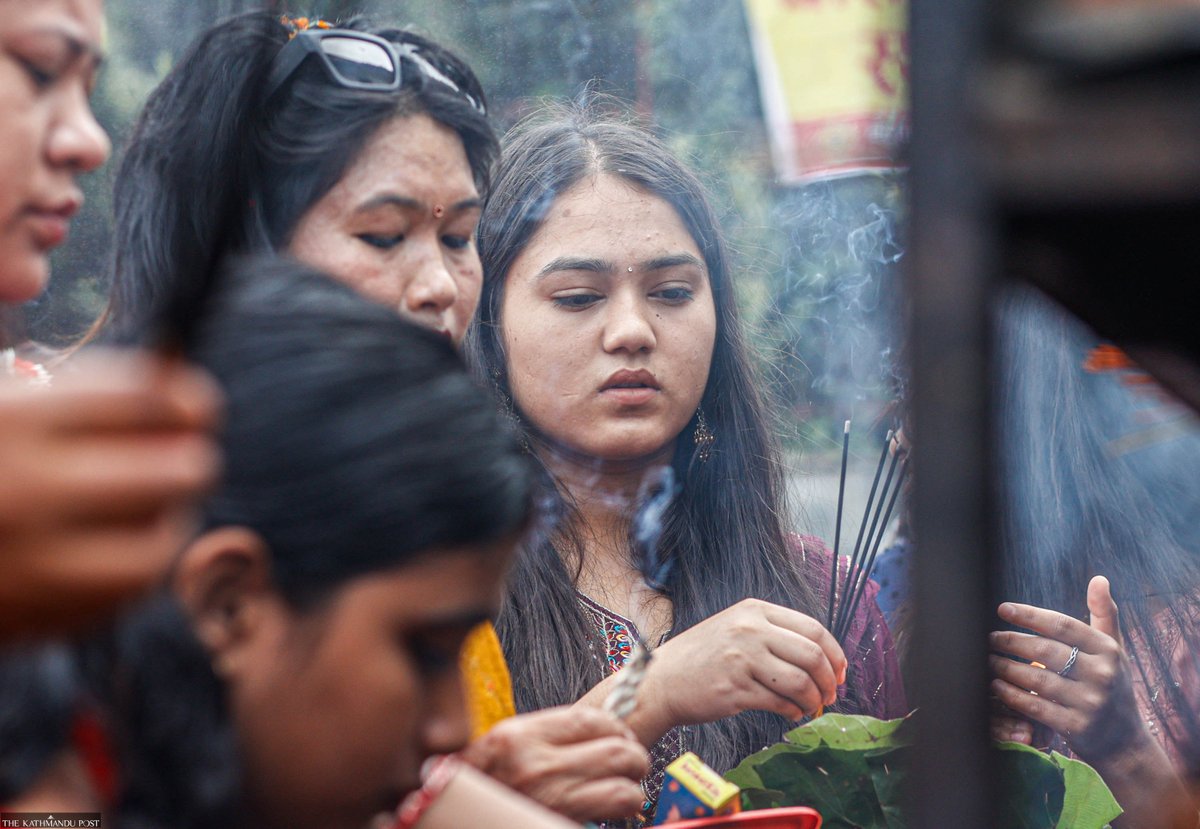
Pashupatinath during Teej is a culture and an experience for visitors. The festival is visually and culturally unique due to the combination of religious devotion, traditional clothing, music and community celebration. It is also a sacred religious site and the visitors should keep in mind while visiting Pashupatinath. Photography should be respectful, and visitors should abide by the rules of the temple, and not interfere with the worshippers.
Teej Songs and Traditional Music
The soul of Teej is Music. Teej songs (Teej geet) are traditionally sung by women as they come together as a gathering of family and friends. The songs may be devotional, emotional, humorous, romantic or critical of the society.
Traditional Teej songs may be about the personal experience of the woman. They might speak about marriage, connections with husbands and in-laws, recollections of the maternal family house, being lonely, family duties, moving, and societal expectations.
This makes Teej music more than entertainment.
In the past, songs had a role in the lives of women as a socially approved outlet for thoughts and experiences that might otherwise have been private.
In modern times, Teej songs have undergone much change. Songs for modern artists are about modern relationships, women's rights, migration, politics, social change, and daily life.
Teej Dance and Celebrations
Teej is also characterized by dancing. Women come together in groups and celebrate with dance, singing the traditional and modern Teej songs. Teej programs can also be organized by community groups, women's groups, schools, workplaces and local clubs.
This can be a religious or devotional ambiance as well as an extremely fun and entertaining one.
Some of the following activities are common to Teej festivals:
- Traditional group dancing
- Teej singing competitions
- Cultural programs
- Musical performances
- Mehendi events
- Community gatherings
- Food programs
- Women's cultural programs
- Charity activities
The activities have contributed in making Teej a religious festival and a big cultural function as well.
Traditional Dress During Teej
Teej is well known for its lively traditional dresses.
Red is the most identified color of the festival. It is common for women to wear red saris, kurtas, shirts, or other traditional garments.
Some other items that are also commonly worn are:
- Green and red bangles
- Pote
- Tilhari
- Gold ornaments
- Earrings
- Necklaces
- Tika
- Mehendi
- Red and green shawls
- Jewelry like pote and tilhari can have specific cultural and marital meaning for married women.
- Vivid dresses also help shape the image of the Teej celebration across Nepal.
- Mehendi and the Teej Festival
- Mehendi is gaining popularity during Teej.
Although mehendi is known as a part of South Asian culture, it has made its way into the lifestyle of the current celebration.
Ladies apply mehendi because it is depicted not only as decoration but as an engaging activity allowing them to spend time ahead of the festival.
Day 3: Rishi Panchami
Rishi Panchami is celebrated after Haritalika Teej and it is associated with the purification and worship of the Sapta Rishi, who are the seven sages. The purification rituals done on this day include bathing and worshipping. There is also a popular belief of using a plant called datiwan for teeth cleansing during the Rishi Panchami festival.
The official website of the Nepal Tourism Board notes Rishi Panchami as the end of the three-day festival and also describes several purification practices.
The practices of Rishi Panchami differ in various communities and families.
The cultural importance of Teej in Nepal
Teej has been given special importance in Nepali culture because it unites religion with family, society, food, and women.
Sisterhood Celebration.
All the women are able to get together and celebrate the festival of Teej.
Women can also take the opportunity to come back home if they have been living far away.
A Connection with the Maternal House
The return to the maternal home at Teej holds great importance in the heartfelt emotion of many married women. In conventional Nepali society, marriage usually signifies parting from the family, making Teej a chance for married women to reunite with their mothers and siblings and refer to their early days.
This emotive connection is still one of the most significant elements of the festival.
A Way for Women to Voice Themselves
Traditionally, Teej songs have helped women express themselves; modern Teej celebrations continue the tradition and deal with themes such as:
Women's independence
Marriage
Family relations
Migration
Gender equality
Housework
Education
Work and social expectations
Thus, Teej is a prominent cultural venue for discussing women's lives.
How Teej Is Celebrated in Kathmandu
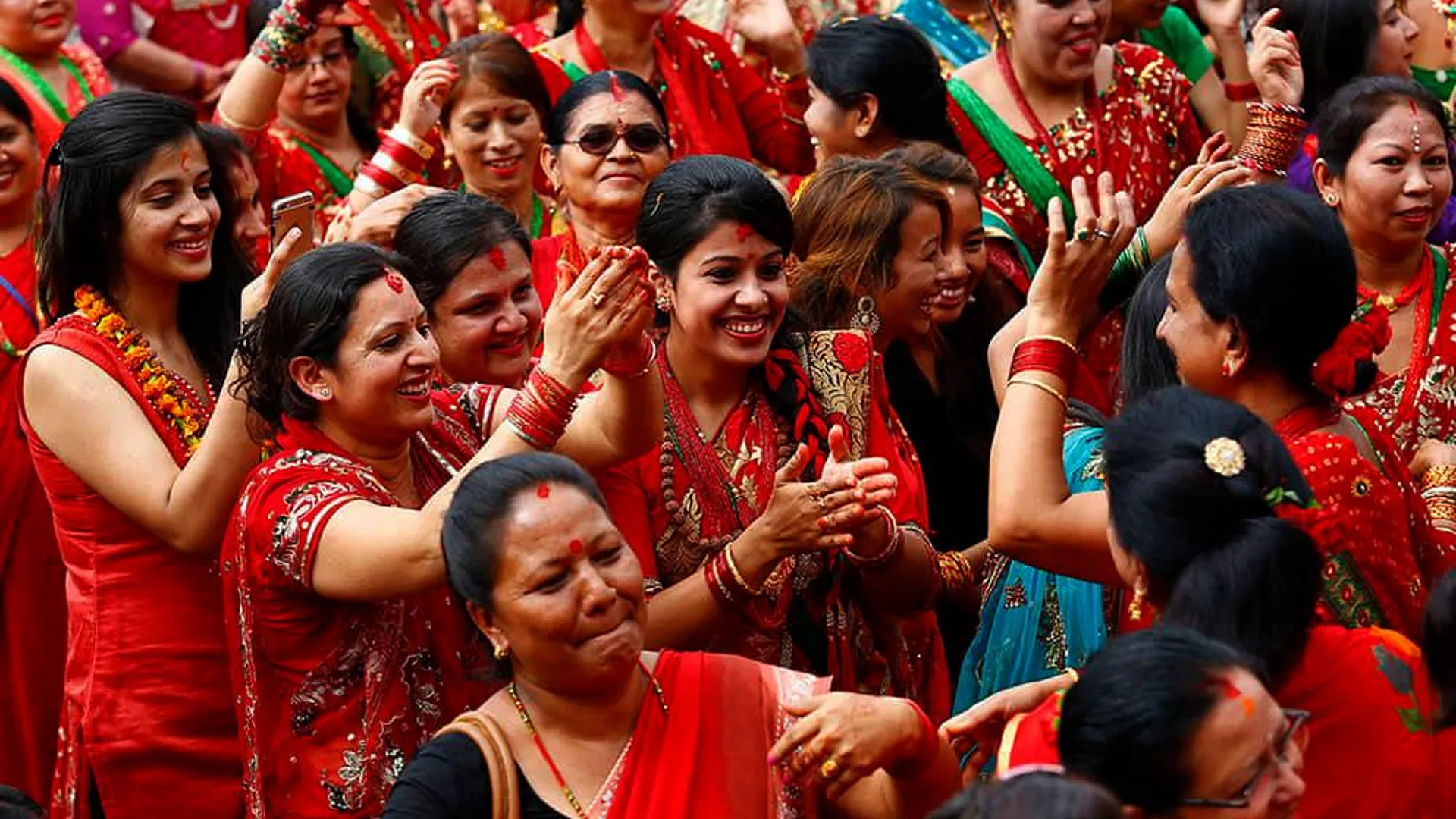
The festival of Teej marks a busy time for Kathmandu city where ladies flock to temples, community halls, restaurants, households, offices, and cultural spots. There are various functions and events throughout the whole city.
The Pashupatinath Temple gets importance during festivals.
- Cultural events take place in other places of the Kathmandu valley, making sure enjoyment in music, dance, food, and worship.
- Visiting Kathmandu city during Teej festival is easy because cultural festivals are plenty and there are lots of historic temples and places to see throughout the city.
- Teej Celebration in Other Places
- Although Kathmandu is an important place for the festival, Teej is also celebrated in various other parts of the country.
- Cities like Pokhara, Bharatpur, Biratnagar, Butwal, Nepalgunj, and others also celebrate this festival.
- People in the remote villages also celebrate it at a smaller gathering or at the local temple.
- Different cultures celebrate Teej in different ways, making it even more diverse.
How Teej Has Changed Over Time
Significant changes have taken place in Teej celebrations as per the changing times of Nepalese society. Formerly, Teej celebrations were not only a form of fasting but were also tied to joint feasting and going back to the mother’s house. Today, Teej celebrations are performed in a bigger and grander way.
Women are now involved in:
- Formal Teej functions,
- Workplace celebrations,
- Philanthropic activities,
- Cultural competitions,
- Restaurant ceremonies,
- Online campaigns,
- Music videos,
- Fashion shows,
- Community activities.
Modern Teej songs have also shifted their focus towards contemporary issues apart from traditional ideas. Social media has revolutionized Teej celebration by making it possible to share images featuring red sari, mehendi, dance, food, etc. Now it is possible to get photos online showing those attributes.
Is Teej Just for Married Women?
Although married women have been traditionally believed to be the main participants in Teej celebrations, single women and girls also wish to contribute to the holiday.
Moreover, single women can also fast and pray for a husband. Moreover, many would simply like to attend the holiday since it is believed to be very important for any culture and family.
At present, Teej is increasingly viewed as an occasion for
What Do People Eat During Teej?
Food plays a crucial role during Dar Khane Din.
A hearty meal is prepared by the families prior to the day of fasting, with a wide variety of Nepali recipes and snacks that differ from one region or household to another.
Some common food items served during Teej celebration include sel roti, dal bhat, tarkari, achar, meat items, yogurt, fruits and sweets.
Food traditions vary across Nepal. Families always prepare special dishes associated with their culture during festivals or gatherings.
Why do people wear red in Teej?
Red has a close association with Teej.
For many Nepali females, the red attire means love, energy, prosperity, joy and married bliss. It is considered to be the traditional dress of married women.
The image of hundreds of women dressed in red during the Teej festival is one of the most recognizable images of the festival.
Teej as a Cultural Experience for Travelers
When one travels to Nepal whenever Teej is happening, this is the chance to get to know the Nepalese culture in a proper way.
Travelers will have the opportunity to:
- Wear traditional clothes
- Worship in the temple
- Enjoy folk music
- Dance in the group
- Taste traditional food
- Take part in community celebrations
- Enjoy women’s cultural events
- Watch religious rites
However, Teej is not intended to be just an event organized for tourists. It's a real cultural and religious tradition.
Travel Tips When Traveling to Nepal
- If anyone is willing to experience Teej, our advice is to follow a few tips:
- Dress properly: Don’t forget about the dress code while visiting temples and places of worship.
- Ask for permission to take pictures: Respect the private life of other people and the rituals that they are having at the given moment.
- Follow the rules of the temple: Be ready to find places where you are not allowed to take pictures or go.
- Be prepared to meet a crowd: Popular temples like Pashupatinath can get extremely busy.
- Don’t disturb the worshippers: People need enough space to carry out their rituals.
- Don’t joke about fasting: Fasting means a lot
Best Place to Experience Teej in Nepal
Pashupatinath Temple, Kathmandu
Pashupatinath is likely the most renowned location to experience the religious aspects of Teej.
During the festival of Haritalika Teej, numerous women gather together to worship Lord Shiva and Goddess Parvati here.
Kathmandu Valley
In addition to Pashupatinath, there are other areas where celebrations are organized by local people in the Kathmandu Valley.
Such places make it possible for you to take delight in Teej festivities socially rather than attending religious activities at the temple.
Pokhara
Pokhara also holds Teej festivities involving women, music, dancing, and other cultural aspects. The tourism sector of this city makes it a good place for anyone interested in traveling to the Annapurna area,Local Towns and Villages.In smaller towns and villages, it would look different.
Teej Festival in Nepal: Religious and Social Meaning
Teej comprises two aspects.
The first aspect is that of religion. In this aspect, women devotees of Lord Shiva and Goddess Parvati observe fasting, and perform various rituals in connection with the actual observance of the day.
The second aspect is that of fasting. Women get together and meet their families and share their stories with each other.
And this is what makes Teej unique in Nepal.
Teej is not just a celebration of fasting; it is rather a manner of maintaining bonds and connections, and relationships among people.
Final Thoughts
The Teej Festival that occurs in Nepal is a wonderful mixture of religion, custom, family bonding, music, food, and cultural expression of the females. Each aspect of the celebration, starting from the festive easter of Dar Khane Din, prayers and fasting of Haritalika Teej and rituals for purification Rishi Panchami, has its own unique meaning. The view of women dressed in red who are gathering in Pashupatinath to sing songs, dance with their friends and to pray is one of the most impressive cultural activities that can be seen in Nepal. At the same time, Teej is developing and getting new meanings. Modern songs, social events, community activities and the questions about women's life have added many layers to this religious celebration. Therefore, Teej is not just a spectacular festival of colors for tourists. It shows how the ancient tradition develops in modern Nepal and leads to modification of its meaning.
FAQs
1.When does Teej happen in Nepal in 2026?
As per the calendar of Kathmandu city, Haritalika Teej, the first day of Teej is celebrated on 14 September 2026.
2.What is the length of time the festival of Teej lasts in Nepal?
Teej is considered as a three-day festival consisting of Dar Khane Din, Haritalika Teej and Rishi Panchami.
3.What does Dar Khane Din represent?
Dar Khane Din constitutes the festive occasion prior to carrying on with the main Teej fast. During this day, women come together in the company of other women in their families and friend circles in order to partake in special meals, songs, dances, and festivities before the fasting period begins.
4.What is the purpose of a fast for women during Teej?
It is believed the fast is intended to show devotion to Lord Shiva and Goddess Parvati. Wives make prayers for the prosperity and long lives of their spouses, while girls wish for a spouse according to their desires.
5.Is it necessary that women follow a dry fast?
Many women actually follow a nirjala fast, meaning fasting without food and water. But this does not imply that a waterless fasting practice suits everyone.