
Experiencing the Teej Festival in Nepal

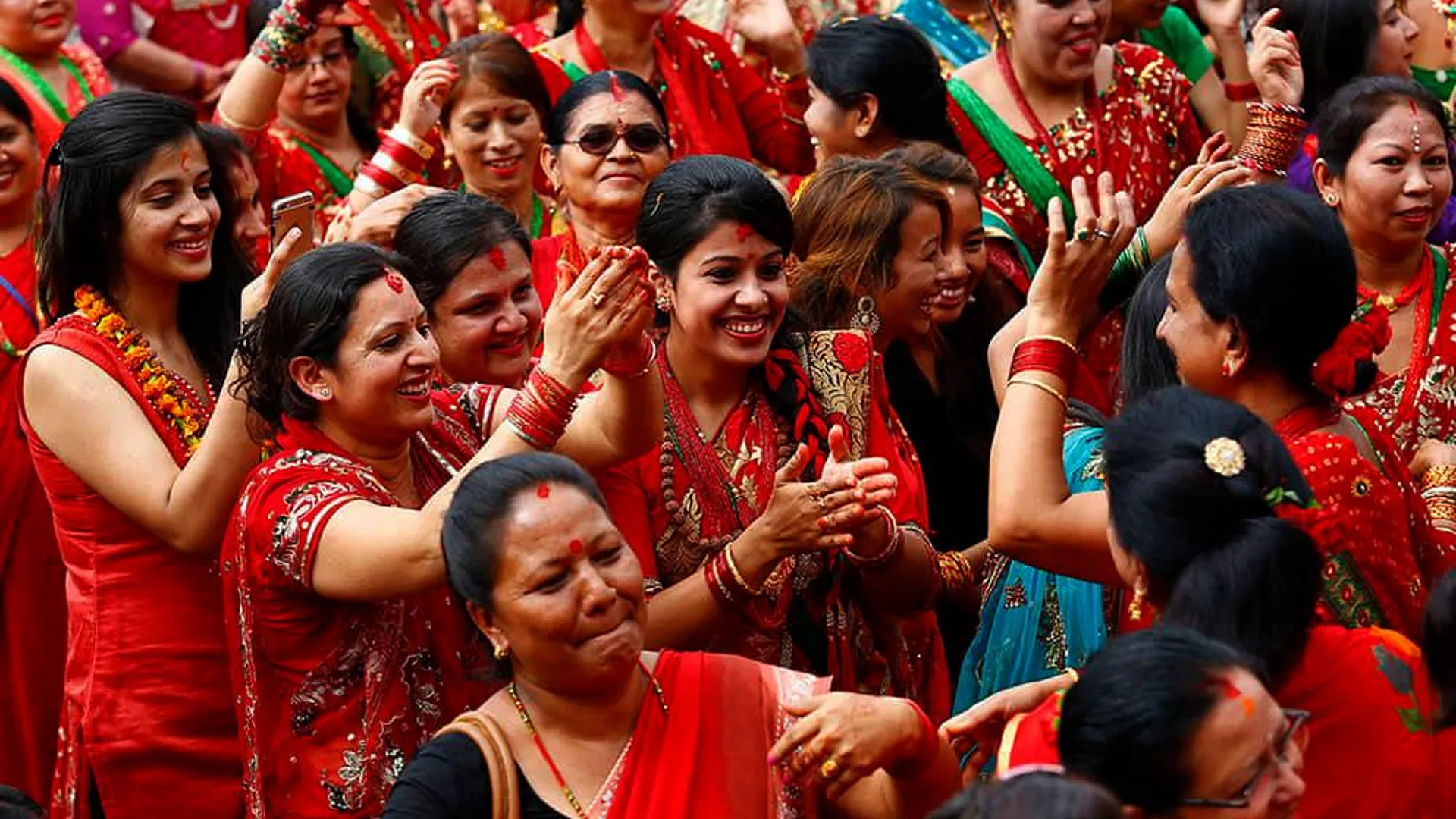
At Pashupatinath, I watched as women in bright red sarees appeared with passion and energy, singing and dancing with uncontainable happiness. I watched as many of them completed fasts with deep belief and prayed together while sharing stories and meals. By evening, they broke their fast with delicious Teej treats that created warmth and celebration all around.
When I was in the UK, my day typically looked like many others, rushing to get the train into London, the grey sky, en route to another busy day. Life is usually full of continuous deadlines, a job, office hours, and weekends that barely allow you time to slow down to enjoy life. I feel that I am going to discover differences in Nepal. I thought that amidst the temples and quiet streets of Kathmandu, I would find some solitude to reflect. But also thought I might be able to breathe the soft silence that settled over my beautiful surroundings. I did not expect to happen upon one of the largest festivals in Nepal, the Teej Festival.
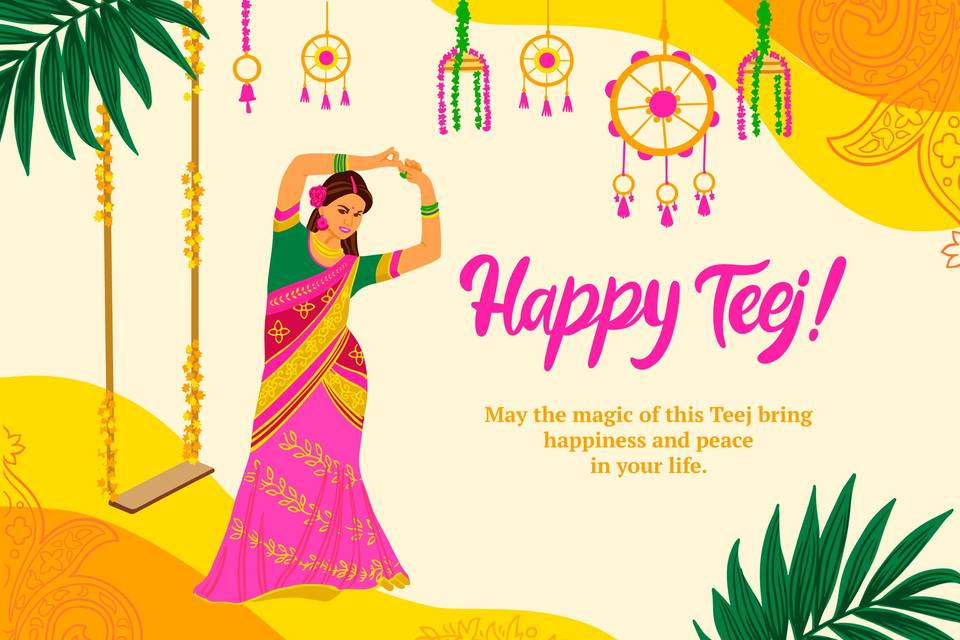
I first remember hearing the word “Teej” from the hotel manager, who expressed some interest and said emphatically that my sole purpose of being there was to experience the festival. Honestly, I did not know what he was talking about. So I inquired further, and he proceeded to explain everything about it. Teej is one of the biggest Hindu Festivals in Nepal, and represents the day Parvati reunited with Lord Shiva after years of praying and fasting. Women observe Teej by fasting, worshiping, singing, and dancing in their colorful red sarees.
When I heard him speak, I was fascinated and somewhat exhilarated. I thought rather naively, just let me go and see it. The next day, I woke up to a very different city; women were out, in red saris and gold jewelry, with green bangles clanging on every step. They were spectacular, and their energy was infectious! I was swept along the shoreline with the river of women to Pashupatinath Temple, one of the holiest temples in Kathmandu.
There were thousands of women here. Some were standing in very long lines waiting to enter for prayers, while others were dancing and singing in groups outside. They had fasted all day, with no food or water, although they didn’t seem tired. The songs they danced to were folk songs they had learned throughout time. The songs usually discuss love and devotion, and the burden that women experience in society. The women danced spiritedly and playfully with other women in circles, clapping and laughing with friends.
I learned that Teej lasts for several days. The first day is Dar Khane Din, a feast day. Women gathered to have a large feast before they started their fast. The second day is the day of fasting and worship, the real day of fasting when women pray for their husbands. If unmarried, pray for a good husband. The third day is Rishi Panchami, which is the day of ritual bathing, or purification for women to seek forgiveness for anything wrong or any sin.
As I was looking around, I couldn’t help but think of life back home. Back in the UK, festivals such as music festivals seem to be somewhat of a fun event. Maybe there is a stage with some music on it, some food stalls, a nd on we go. Teej was a festival of devotion, wrapped in joy and sung with spirit and faith. It felt like both spirituality and true joyfulness. What stuck was the connection. Mothers, daughters, little girls, grandmothers, women from all walks of life came together as women.
They danced, they laughed, they forgot their lives. It wasn’t a festival; it was empowerment, and we were alright, together. As the sun was setting and the singers were somehow still singing and the bells were still ringing from the temple. I realised that Teej was so much more than an event I was documenting. It was a mirror. A mirror that was reflecting all that I had forgotten about celebration. And reminded me of the importance of community. Returning home to the UK, life often feels categorized in purposeful chunks of productivity and deadlines. However, Nepal opened my mind to the idea that the joy felt from life itself can be sacred.
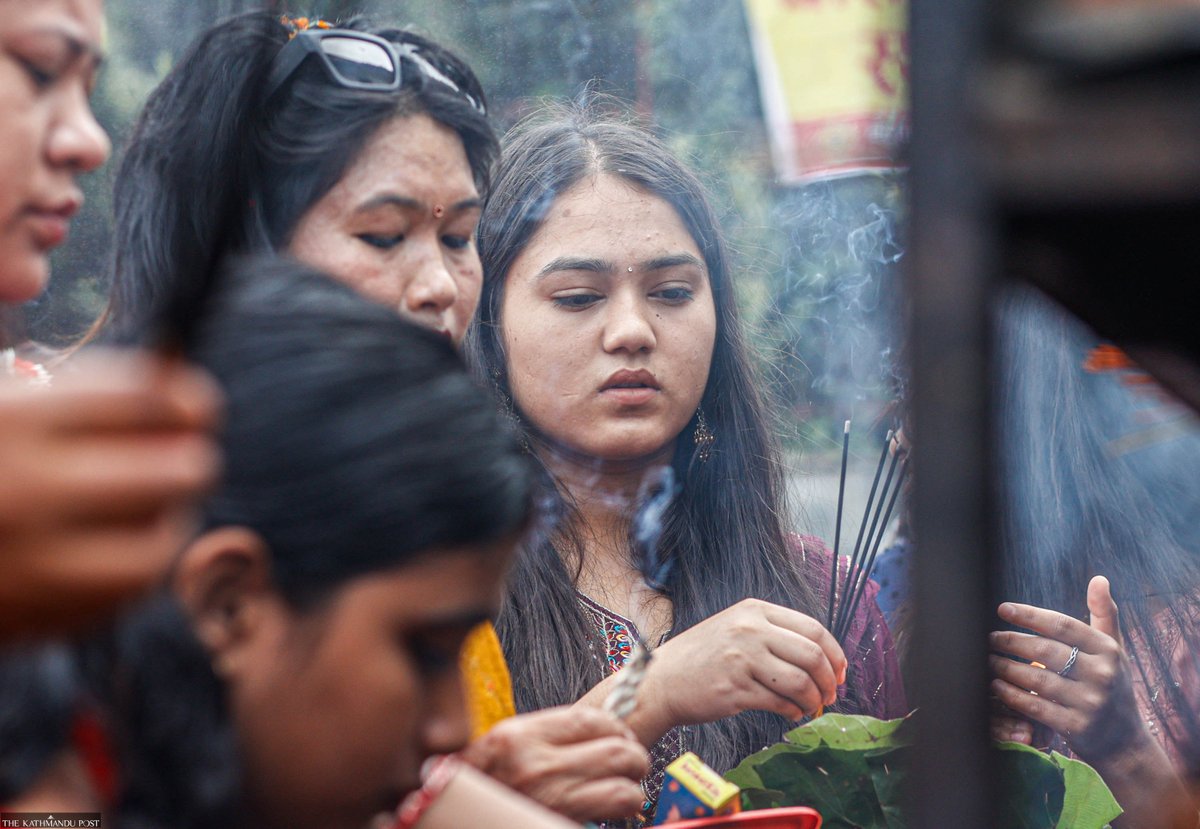
If you ever find yourselves in the beautiful country of Nepal during late August or early September. Make sure you mark a day for Teej. The streets of Kathmandu over these few days have been transformed into an eruption of celebration. That is hard to do justice to with words alone. As someone from the UK experiencing TEEJ, it is undoubtedly one of my most memorable and unique experiences of the trip. It revealed to me a culture where devotion and celebration are entirely entwined. Captured in a red saree, in song, in laughter. In the perseverance of women who are dancing as if they ask their prayers to be carried by every step and movement they make.