

Tea House Trekking Culture in Nepal: Experience the Warmth of the Himalayas
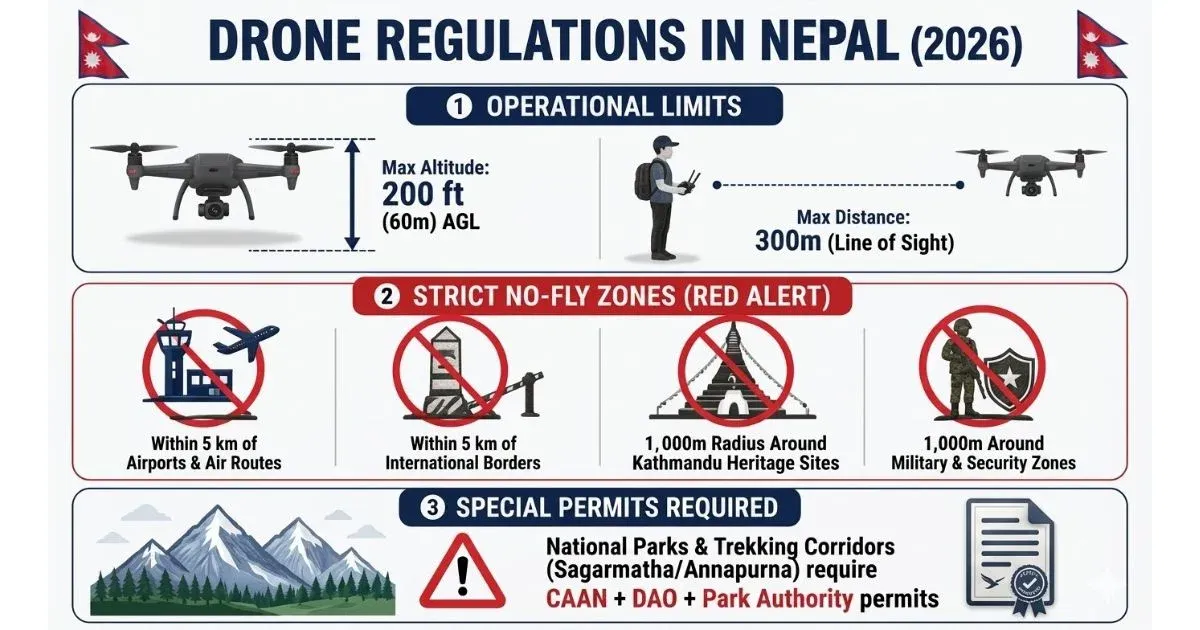
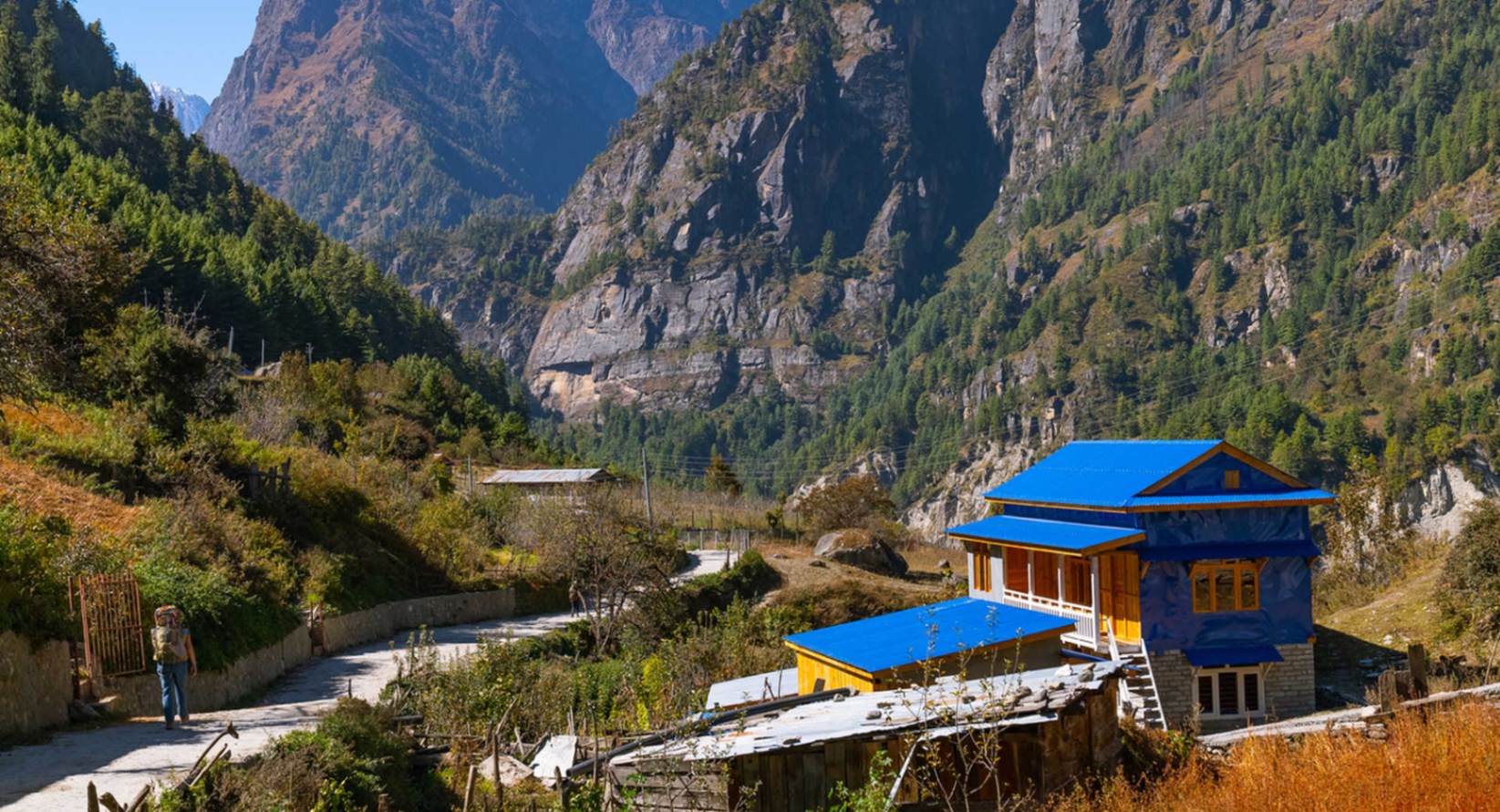
Imagine a narrow mountain path, bordered by snow-capped peaks, green hills, coloured prayer flags and traditional stone houses. Eventually you arrive in a small village after a few hours walking where you are offered a warm meal and a cosy place to rest. Bathing in freshly cooked dal bhat, the trekkers from far and wide sit by the warm dining room and exchange experiences.
This is the charm of the tea house culture of Nepal.
It is not just about climbing up the mountain, standing under the highest peaks in the world, or getting to the mountain destinations in Nepal. It is also a matter of feeling the lifestyle, traditions, hospitality and daily life of the people living in the Himalayas. A significant part of this experience is the tea house, where trekkers can find a place to eat, sleep, relax and meet local people.
While camping trekking is a way of traveling with tents, cookers, and food, tea house trekking is a way of staying in the hotel owned by locals in the trekking paths. These little places offer the essentials of an overnight stay, traditional fare and a chance to see life in the Himalayas from up close and personal.
The tea house has revolutionised the way people visit the Nepalese Himalayas from the popular trails of Everest and Annapurna to the quiet villages of Langtang.
What Is Tea House Trekking in Nepal?
Tea house trekking refers to a type of trekking in which trekkers stay in the lodges, guest houses or small mountain houses that are operated in the local community along the way.
They are usually called tea houses. These are typically family owned companies, offering fundamental services like bedrooms, shared bathrooms, dining rooms, and freshly cooked meals.
These may sound like a place where you can only get tea, but in recent years tea houses have become much more than that. Food and shelter are available, from a wide variety of traditional Nepali dishes through to Tibetan-influenced foods such as noodles, soups, pancakes and even basic international dishes, depending on location and altitude.
Tea houses are placed usually in villages or on regular stopping points of trekking routes. While some are just a simple stone building and have traditional interiors, others are more comfortable with attached bathrooms, hot showers, charging facilities etc. inside the building.
The facilities get simpler as one ascends to the higher elevation and into the more remote mountain settlements.
Tea house trekking is especially popular as it makes trekking in the Himalayas more accessible. Campers need not travel with a large support team and have room for heavy equipment when camping. Rather, they can enjoy the mountains and help local families and businesses.
The History and Evolution of Tea House Trekking Culture
As Nepal has become more popular as an international trekking destination, the tea house trekking culture has grown along with it.
Prior to the development of trekking as a popular tourist activity, there were many mountain communities that relied on agriculture, livestock rearing, trade, and traditional pursuits to feed themselves. In remote Himalayan villages, local houses were the places where travelers had to stay and eat.
With the opening of diplomatic relations with the international world in the 1950s and with the growing number of tourists, trekking as a tourist activity got slowly picked up as one of the most popular ones in the country.
Earlier on, long camping trips were organized. These trekkers were accompanied by guides, porters, cooks, tents and other necessary equipment. They were a very well prepared and resourced set-up.
Local communities realised over time the opportunities that trekking tourism provided them. Small lodges and guesthouses started to open to travellers for the families. Over time these became the tea houses with which every trekker is familiar and which are an integral part of the trekking industry in Nepal.
The popularity of the tea house was evident in the Everest region, Annapurna region and Langtang Valley.
Tea house trekking is one of the most familiar aspects of adventure tourism in Nepal today. It links the international travellers with the mountain communities and provides livelihoods for the local communities.
While the facilities have come a long way, the traditional welcoming spirit of the Himalayas is an integral part of it.
The Warmth of Himalayan Hospitality
The hospitality of the local communities is one of the most memorable things of tea house trekking in Nepal.
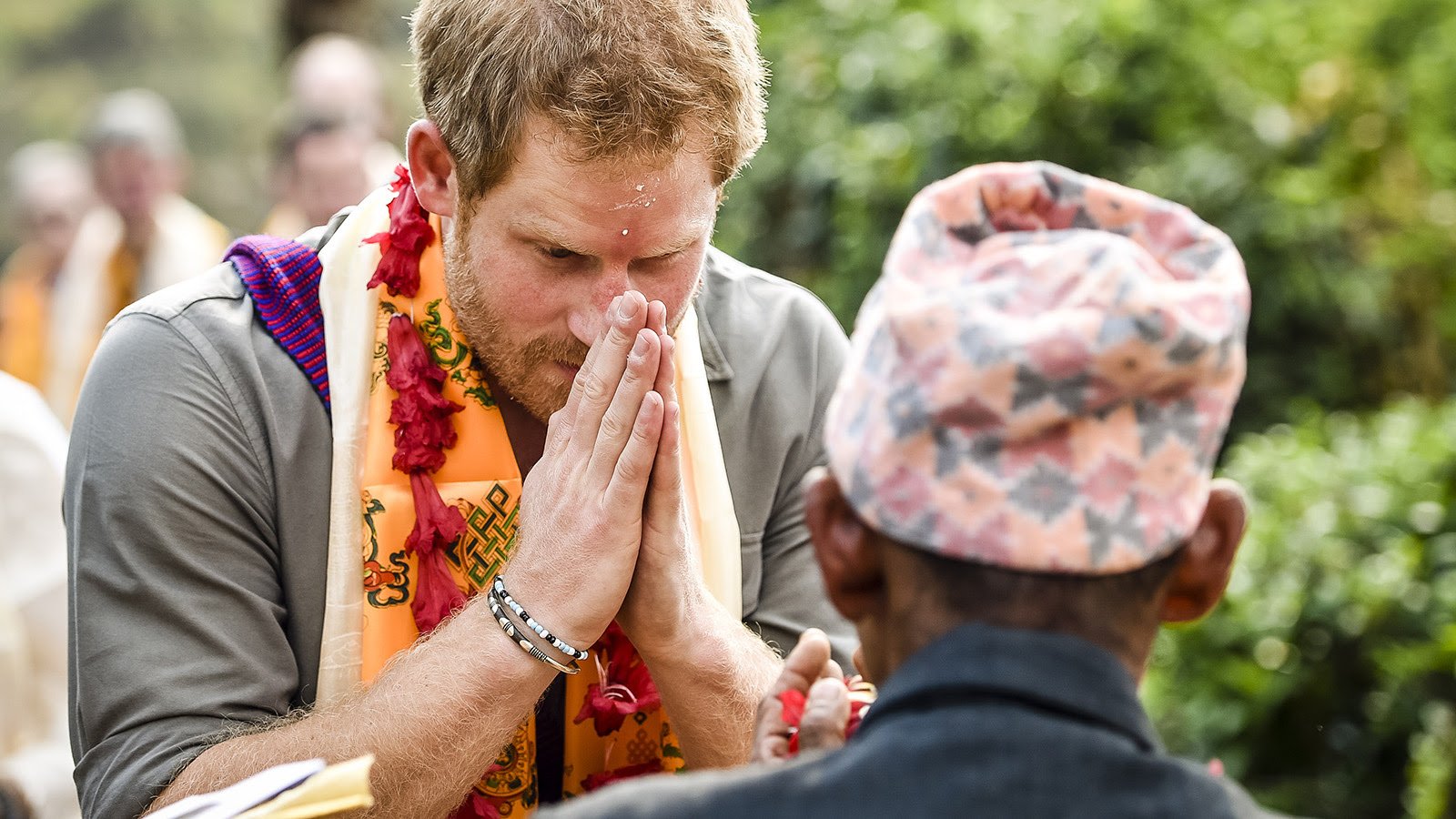
When you've walked for many hours in the mountains and then reach a welcoming tea house, it can be really comforting. People are welcomed with a smile, a cup of fresh tea and a friendly conversation.
Most of the tea houses are family run. One can encounter several generations of the same family at the same time, running the business together. One person prepares the meals, others welcome guests, clean the rooms, or handle supplies.
This family hospitality allows tea house trekking to have a more personal touch than large hotels can offer.
Trekkers also have opportunities to meet with locals, to learn about their lives and how they adapt to the challenges of the high altitude environments they live in.
Tea House Dining Room becomes a Social Meeting Place in many villages. The travelers from various countries sit together and exchange their trekking experiences, speak about the mountain condition and share stories of their trekking experience.
These little moments can be some of the most memorable moments while trekking in Nepal.
What Does a Typical Tea House Look Like?
Tea houses vary depending on their location, altitude, accessibility, and level of development. However, most share a few common features.
Accommodation and Bedrooms
Most tea houses provide the basic accommodations including twin beds, mattresses, pillows and blankets. Some offer private rooms, others may be shared, especially in peak season when there are many trekkers.
Lower elevation and popular trekking areas may have rooms with attached bathrooms and other amenities. However, in the more remote areas, rooms are usually more basic.
It may not be possible to heat individual bedrooms. Rather, the warmest part of the building is typically the dining area.
Dining and Common Areas
In a tea house, the dining room is generally the centre of the house.
It is the place where guests dine, sit, converse and unwind at night. In many dining areas a central heating stove is available (usually made of local materials).
It is very fun on cold nights, when trekkers sit around the stove with a cup of hot tea.
The bathroom facilities and toilets.
Bathrooms are available at the various locations and depend on the trek.
There are some tea houses that have modern toilets with running water, western-style toilets and hot showers. Others have communal toilets and washing facilities.
In higher elevations, there may be less access to bathrooms because of limited water supply and freezing temperatures.
Electricity and Charging Facilities
There are many popular trekking areas where electric power is available, but the quality of the supply and its reliability differ.
Some tea houses are powered by solar energy, and others rely on the electricity network or other energy sources.
Electronic devices may be charged for, especially at higher altitudes, an additional charge may apply.
Access to Wi-Fi and mobile network services is also available in some areas, but mobile coverage may be weak.

Food Culture: A Taste of the Himalayas
Food is an important part of the tea house trekking experience.
After several hours of walking, a warm and nutritious meal provides the energy needed for the next day's adventure. Tea houses serve a combination of traditional Nepali dishes and international food options.
Dal Bhat: The Favourite Trekking Meal
Perhaps, among Nepalese trekkers, Dal Bhat is the most popular meal.
Typically served with steamed rice, lentil soup, vegetable curry, pickles, and possibly other side dishes.
Nutritional, filling and a source of carbohydrates and protein for trekkers' energy.
In many teahouses, the Dal Bhat is accompanied by extra portions making it a favorite among local residents and foreign tourists who trek through the Himalayas.
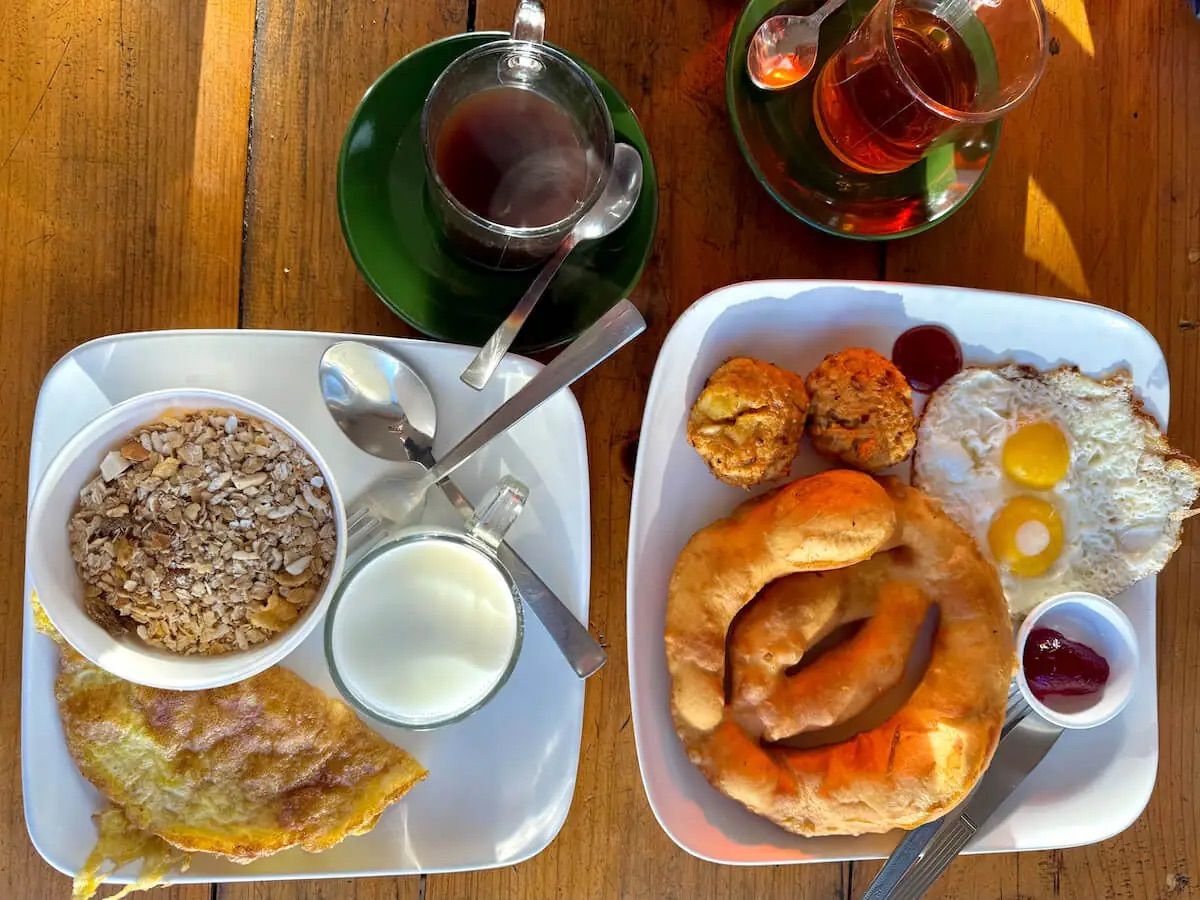
A variety of Tibetan bread and breakfast items.
Tibetan bread, pancakes, porridge, toast, eggs and potatoes are common breakfast items.
Tibetan bread is especially popular in the Himalayan areas. Usually served with honey, jam, butter or eggs.
A hot breakfast, with a cup of tea or coffee, is a great way to start the trekking day.
Sopa, noodles and other meals
Many trekkers love warm soups and noodle foods as the weather get's colder.
In tea houses, a wide range of soup options, such as garlic, vegetable, thukpa, fried rice and noodle soup are available.
These foods are rich in nourishment and can bring comfort and warmth, especially on cold, dark nights at higher altitudes.
Butter tea and traditional drinks.
Butter tea is another traditional tea that can be found in some of the communities of the Himalayas.
This beverage is known as Po Cha in Tibetan culture and is made with tea, butter, salt and possibly milk.
It's traditionally enjoyed in the Himalayan region, where its warmth and energy are ideal for the cold mountain climate.
Other popular beverages include milk tea, black tea, ginger tea, lemon tea, hot chocolate or coffee.
The type and quantity of food available can differ from one location to another and typically are more limited in very rural communities.
Cultural Diversity Along Nepal's Tea House Trekking Routes
The cultural diversity which travelers experience in the tea house trekking on the different routes is one of the most interesting features in the trekking experience.
Nepal is a country where there are various ethnic groups, each having their own practices, languages, architecture, food habits and beliefs.
Tea house trekking provides an opportunity to experience these cultures beyond the usual tourist attractions.
Sherpa Culture in the Everest Region
Sherpa culture is very much linked to the Everest region.
The Sherpa community has a long history in the Himalayan mountains and is famous for their knowledge and traditions about the mountains and their skills in mountaineering.
You can experience traditional architecture, Buddhist monasteries, prayer flags and local life at the villages of Namche Bazaar, Khumjung and Pangboche.
Sherpa families run many tea houses in the Everest region.
Traditional Buddhist practices may also be seen among visitors, such as visiting prayer sites, mani walls, prayer wheels or monasteries.
The Everest region is especially special due to the mountain scenery and the Sherpa hospitality.
In the Annapurna Region, Gurung and Magar Culture can be found.
Annapurna region is another great cultural experience.
There are unique architectural traditions, traditional clothing, local festivals, music and dance among the Gurung and Magar communities.
The villages of Ghandruk and Ghorepani offer chances to see a traditional mountain village.
The many tea houses are designed in the traditional village architecture with modern facilities for the trekkers.
Guests can not only taste local cuisine and meet locals, but also discover the area's local culture.
Langtang is home to Tamang Culture.
Tamang communities are a specialty of the Langtang area.
The Tibetan Buddhism influence on the Tamang culture is evident in their architecture, monasteries, prayer flags, traditional attire and practices.
You can learn about the lifestyle and traditional way of life of the mountain communities in villages like Langtang, Thuman and Gatlang.
It is also a place with good hospitality and scenic beauty of the Himalayas.
Influences of Tibet in Remote Himalayan Villages
Visitors can taste substantial Tibetan cultural influence in remote areas like Upper Mustang, Manang and the Nar Phu Valley.
The cultural environment is unique, thanks to traditional houses, ancient monasteries, the celebration of Buddhist festivals, prayer wheels and the local cuisine.
Many aspects of the traditional way of life have been conserved in these communities due to the growing influence of tourism and modern development.
One way for visitors to experience this cultural diversity is with tea house trekking, in which they pass through some of the most beautiful landscapes in Nepal.
Popular Tea House Trekking Destinations in Nepal
Nepal offers several trekking routes where tea house accommodation is an important part of the journey.
Each destination provides a different combination of landscapes, cultures, accommodation facilities, and trekking experiences.
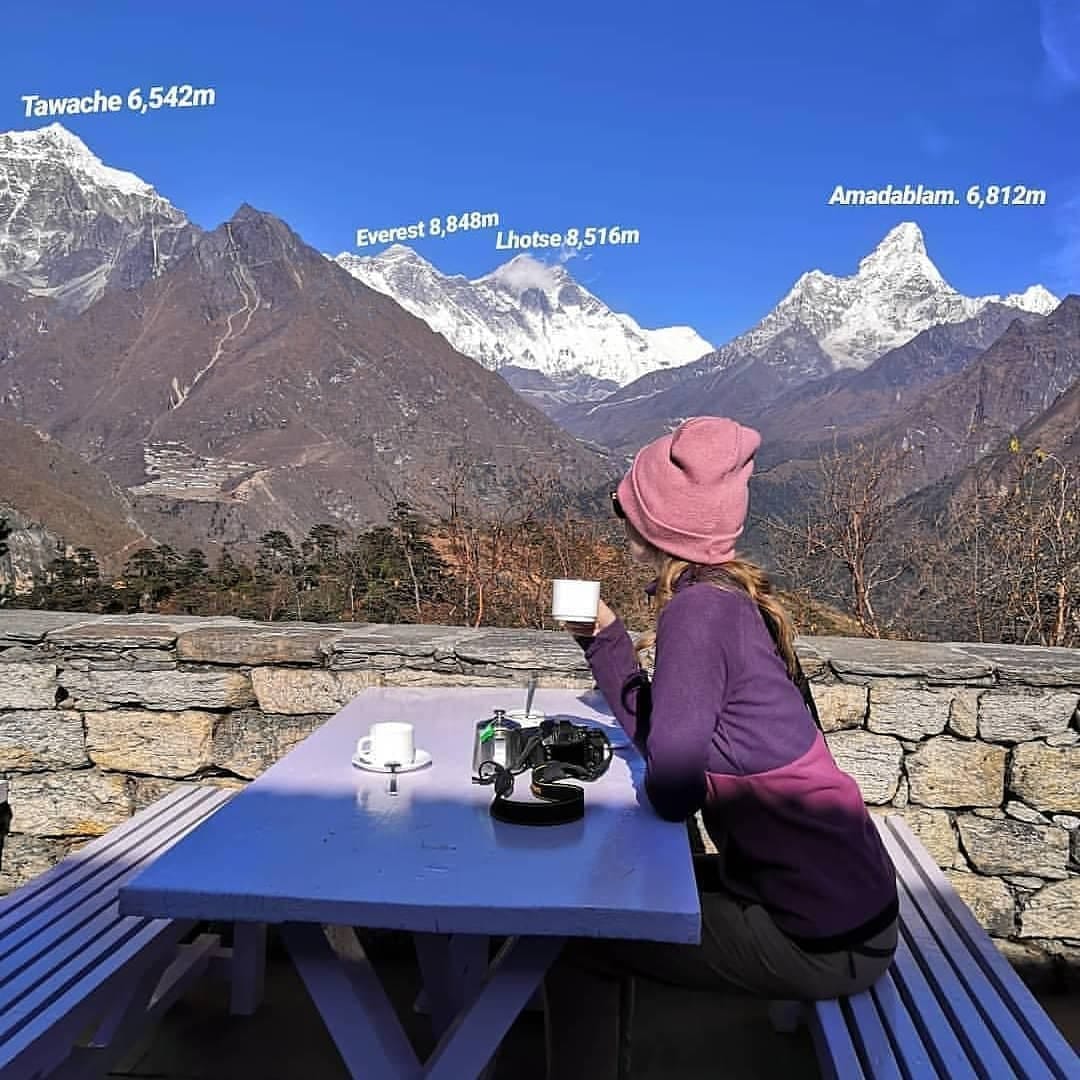
Everest Base Camp Trek
The Everest Base Camp Trek is one of the most well-known trekking experiences worldwide.
This trek crosses suspension bridges, passes through lovely Sherpa villages, through alpine forest and spectacular Himalayan scenery.
There are tea houses all along the trail, at Phakding, Namche Bazaar, Tengboche, Dingboche, and Gorak Shep.
The traditional Sherpa hospitality is enjoyed with views of Mount Everest, Lhotse, Nuptse, Ama Dablam and other peaks in the Himalayas.
The tea houses on this path are basic mountain huts to comfortable tea houses.
Annapurna Base Camp Trek
The Annapurna Base Camp Trek is another popular trekking spot for tea house trekking in Nepal.
The trail winds through breathtaking Annapurna Sanctuary, traditional villages, rhododendron forests, as well as through beautiful villages and terraced farmland.
Situated in Chhomrong, Bamboo, Dovan, Deurali and Machhapuchhre Base Camp, there are tea houses available.
This area is a popular spot for hikers looking for a blend of nature and cultural experiences.
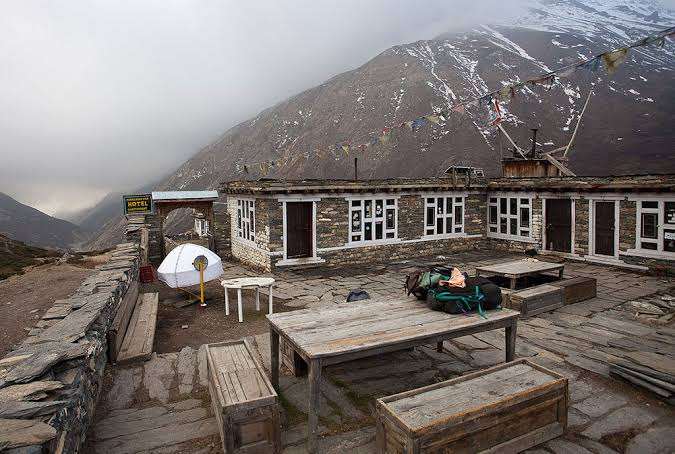
Langtang Valley Trek
Langtang Valley trek is a great trekking option for those who want a relatively easy trek in the Himalayas, in close proximity to Kathmandu.
The trail is shaded, through the forests, through traditional Tamang settlements, rivers, and mountain scenery.
Villages and settlements like Lama Hotel, Langtang Village and Kyanjin Gompa have tea houses.
Visitors will have the chance to experience local culture, traditional dishes and the calm ambiance of the Langtang region.
Manaslu Circuit Trek
The Manaslu Circuit Trek is a more remote trek that can be done.
This route takes you through traditional villages, suspension bridges, forests and through the high altitude terrain before crossing the difficult Larkya la Pass.
There are tea houses along the trail but they tend to be simpler in more out-of-the-way places.
It is an opportunity to experience the traditions of Nubri and other communities in the Himalayas.
A special restricted area trekking permit and a registered guide is required for the Manaslu Circuit.
Ghorepani Poon Hill Trek
Ghorepani Poon Hill Trek is one of the most accessible experiences to do a tea house trek in Nepal.
It is very popular with beginners, families and travellers who have little time.
The path runs through lovely villages, stone steps, rhododendron woods, and old villages.
The tea houses in Ghorepani, Ulleri and Ghandruk offer cozy resting areas.
One of the best aspects of the hike is the sunrise on Poon Hill.
Nar Phu Valley Trek
Nar Phu Valley Trek is an extraordinary trek for those who are interested in exploring the remote Himalayan culture.
The trail winds through remote villages, ages-old monasteries, traditional stone houses and breathtaking mountain scenery.
Huts are found in the main settlements, but options are not as abundant as along trekking routes.
It is a special spot for those who are interested in the traditional Tibetan culture in the Himalayas.
The Role of Tea Houses in Supporting Local Communities
The tea houses are not just simply accommodation facilities. They contribute significantly to the income of mountain communities.
Tourism generates jobs where traditional occupations and agriculture may offer poor economic opportunities.
- The tea house industry is a livelihood source for many families.
- The trekking tourism revenue is utilised for education, health facilities, household needs and local development.
- Apart from this, tea houses also provide jobs for local people such as cooks, cleaners, porters, guides, etc.
- They also promote the cultivation and marketing of local vegetables, dairy products, handicrafts and other traditional products.
- Trekkers can stay in locally owned tea houses thus promoting the local economy.
- The economic opportunities of trekking can be shared with the communities that make trekking possible through responsible tourism.
Sustainable Tourism and Environmental Challenges
Tea house trekking has many positive aspects, but it also poses environmental issues.
As more and more trekkers visit, they can put strain on mountain ecosystems, water supplies, forests and waste management.
Some of the common environmental issues in popular trekking destinations include plastic bottles, food packaging and other waste materials.
Transportation, infrastructure, climate change and shifting weather patterns are also challenges for remote mountain communities.
Tourism operators and tea houses are now aware of the necessity of sustainable tourism practices.
A few places offer solar power, reduce waste and use locally grown food.
But, the participation of all stakeholders is needed to make responsible tourism work.
Trekkers can help by bringing their own water bottles, not using wasteful plastic packaging, using garbage disposal areas and following local environmental regulations.
Promoting local businesses and honoring local customs are also crucial.
To protect the mountain destinations of Nepal, little acts of responsibility can contribute significantly.
Why is Tea House Trekking different from Camping Trekking?
There are two kinds of trekking in Nepal, tea house trekking and camping trekking. But they are different from each other in the aspects of accommodation, preparation, cost etc. and style of trekking.
Trekking in tea houses means staying in the tea houses that are set up along trekking routes. Regular stopping points usually have meals and lodging available.
A more structured support system is needed when camping trekking. The usual equipment for a trek consists of tents, sleeping gear, cooking gear, food and a group to lay up camp.
Tea house trekking is often easier on the popular routes as it lessens the need for the trekker to carry so much equipment.
Camping trekking, however, can be used to gain access to more remote areas where permanent lodgings may not be available.
Tea house trekking is certainly convenient and fun for those who are keen on trekking for the first time in Nepal.
Essential Tips for First-Time Tea House Trekkers
It's your first tea house trek in Nepal and a bit of preparation can make it more comfortable.
Bring enough cash: Digital payments may not be reliable and there may be limited banking facilities in remote mountain settlements. Have enough Nepali currency to pay for lodging, meals, drinks and miscellaneous expenses.
Take a sleeping bag: Tea houses will have blankets but it can be quite cold at higher altitudes. A good sleeping bag provides additional warmth.
Bring critical medications: Bring basic first-aid supplies, prescription medications, and any medications that you may need for high elevations, which were prescribed by a healthcare professional.
Avoid dehydration: Drink enough water during the day. If travelling at higher altitudes, it is important to stay well hydrated.
Respect local culture: Be mindful when taking someone's picture without permission or pictures of religious sites or private property. Wear and behave appropriately and respect the local culture.
Don't wait until the last minute: Tea houses can get filled up in the spring and fall seasons. It is good to make arrangements in advance, especially in crowded trekking areas.
Take reusable products: Take a personal toiletries bag, re-useable water bottle to reduce wastage of single use products.
Walk at your own speed :especially when moving up or down hills. Take time to acclimatise and pay attention to your body.
Treat altitude: Even fit people can get altitude sickness. Know symptoms and get immediate help if they occur.

Tea House Trekking Etiquette: Things Every Traveller Should Know
Tea houses typically are small family-run shops. By knowing a few of the basics, it will make it easier to make the experience easier for visitors and host.
Greetings to the locals and adherence to house rules are generally well received when guests visit.
Trekkers should take care to not waste food, particularly in mountainous regions where it may be costly and challenging to transport supplies.
It's also considerate to order from the tea house you are staying in. These businesses rely upon the provision of food and accommodation.
Be aware of extra fees for charging facilities, Wi-Fi or hot showers, if these options are desired.
Consider also that there are limited resources in the mountains. The costs of water, electricity, heating materials and transport can be high.
By honouring these constraints, visitors and local communities can have positive interactions.
What is the price of Tea House Trekking in Nepal?
The price of tea house trekking is dependent on the destination, duration of trekking, season, accommodation standard and individual budget.
Things are likely to be easier to find in popular areas for trekking, such as accommodation and food, and they will be more expensive in remote areas.
Typical trekking costs contain:
- Accommodation charges.
- Morning, afternoon and evening meals.
- Drinks such as tea and coffee.
- Guide and porter services, if required.
- Permits and entry fees for trekking.
- Pickup and drop-off to and from the trekking starting point.
- Travel insurance at the level of the planned hiking height.
- Personal expenses and emergency funds.
- The higher you go, the more food and housing prices tend to rise as food and housing have to be delivered from lower elevations.
Instead, oftentimes you should work out an estimate for the costs of any trek before you leave, since they do not adhere to a single fixed budget.
Can Tea House Trekking be considered a beginner trek?
Yes,Anyone can go on tea house trekking, depending on their fitness and experience and the amount of time they have.
Annapurna and Langtang trekking are popular routes for the first time trekkers, including Ghorepani Poon Hill.
The places provide already-marked trails, regular guest houses, and a chance to witness the Himalayan culture without embarking on an ultra-long trip.
It is important to note, however, that trekking is a physically demanding activity; novice hikers need to be aware of the hardship involved.
Hiking for several hours a day, and adapting to altitude and weather conditions can be tough.
A well-planned route, preparation and slow acclimatisation are important to a safe and enjoyable experience.
Why Tea House Trekking Is an Unforgettable Part of Nepal Tourism
While Nepal is known for its mountains, there is much more to its tourism than scenic natural splendour. Attractions of nature include local individuals, culture, customs and accepted forms of hospitality. Tea house trekking includes all the elements mentioned above. It helps discover local settlements, savour local food, learn about local activities, and communicate with those living in the Himalayas.
People going trekking in Nepal regard the chance to see an incredible sunrise in the Himalayas as the top experience. Others might find having dinner with a local family, drinking tea with butter in it, and hearing stories around a dinner table as the most impressive activities.
Nepal is blessed with many natural beauties, but the most bizarre thing is that the tourism industry makes great contributions to the lives of locals of the country.
There are many reasons why tea house trekking is a synonym for tourism in the country.

Conclusion
Trekking in a tea house in Nepal is a lot more than just getting a place to sleep while trekking through trails. It shows the spirit, determination, heritage, and hospitality of ethnic groups in the Himalayas.
The villages of the Sherpas located surrounding the Everest region are extremely welcoming as are the diverse environments of the Annapurna and Langtang trekking routes.
This way of discovering Nepal involves seeing Nepal’s stunning landscape and tasting local food, as well as enjoying hospitality and getting acquainted with local cultures.
Every trekker, whether a novice or experienced one, enjoys the fact that trekking allows getting to know Nepal better.
Happy Mountain Nepal believes that trekking is not only about reaching a point but also enjoying meeting local people and staying in various places.
If you are contemplating going trekking in the Himalayas of Nepal, contact us to find out the best trekking course.