
Sunrise to Sunset in Nepal

The daily transition between day and night has never looked more spectacular than in Nepal. In a single day, you can witness the sun's golden rays illuminating Mt. Everest as they rise over the Himalayas, and notice the beauty of nature from below as you look down into valleys shrouded in mist, experience the vibrancy of everyday life through its people, and finally, watch the sun disappear behind yet another snow-capped peak; all of this happens within a 12-hour window! People looking to start their own travel blog or create creative content on "sunrise to sunset" can use this resource to find detailed descriptions of amazing locations and places to photograph across Nepal.
To truly appreciate all that is available to see and do in Nepal, you should have more than just a location name associated with each description; simply having a location name does not provide enough context for your visit. While the listed locations are all great places to catch a sunrise or sunset, they also provide artistic alternatives to demonstrate different backgrounds, cultures, light quality, and ambiance when photographing these incredible sunrises/sunsets. In this article, we will provide more in-depth descriptions of all of the listed sunrise/sunset locations above so you can gain a better understanding of how you can photograph these stunning scenes in addition to what you may expect when arriving at one of these sunrises/sunsets.
Sarangkot
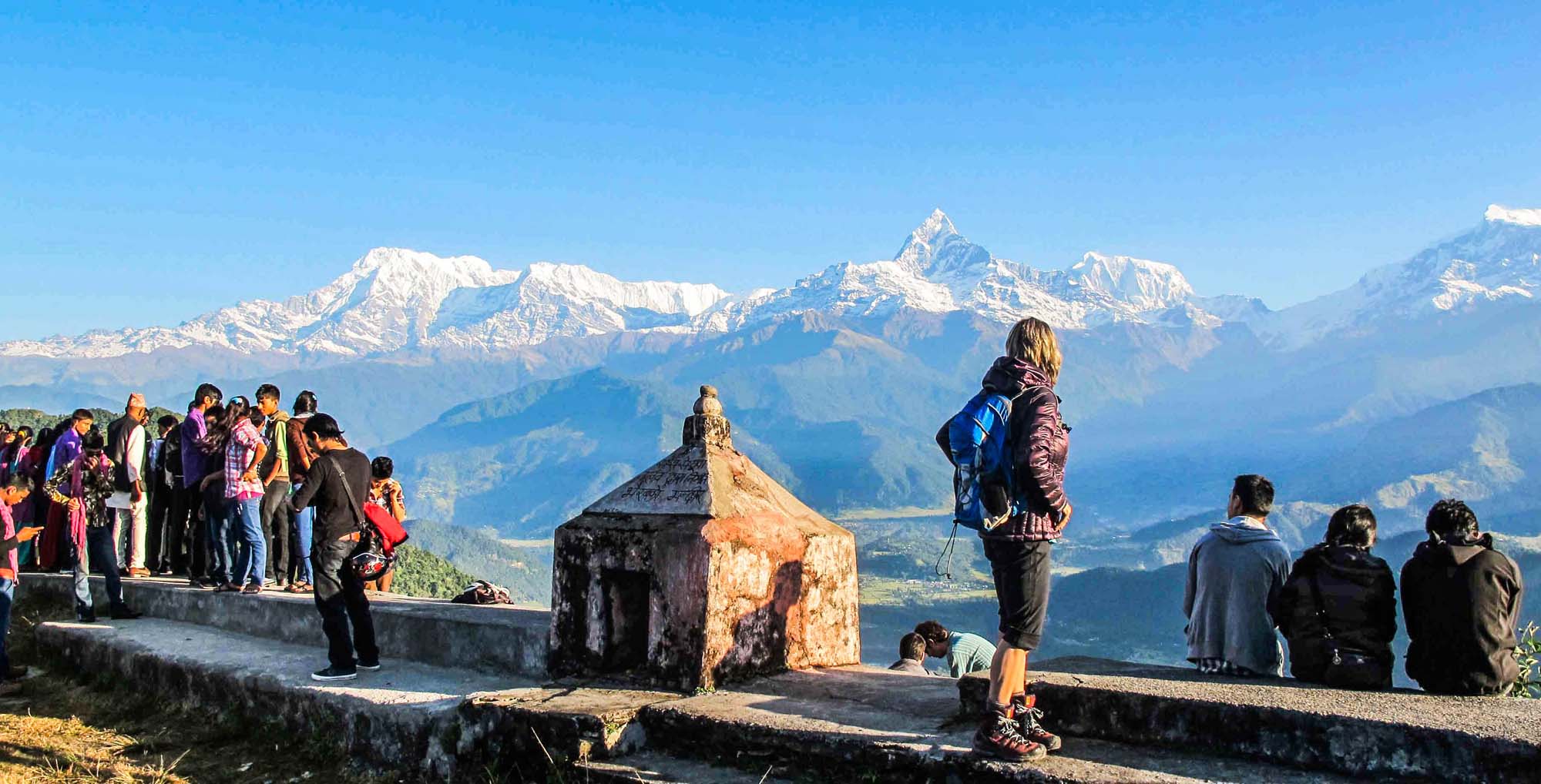
Sarangkot provides a different kind of experience than simply viewing a landscape. As most visitors are making their way up to the lookout before the sun rises, they will most likely be wearing a jacket due to the crisp mountain air. The sky at this time of day is a dark shade of blue, and the only thing they will be able to see are the faint outlines of the Annapurna mountain range.
As sunrise approaches, a thin orange line will begin to appear on the horizon, then slowly begin to illuminate the two peaks of Machhapuchhre and Annapurna South. This is one of the most surreal moments you will ever have as the mountains are lit up while the valley below them is still in shadow. The layering of these two elements creates a powerful visual contrast.
Beneath this viewpoint is Phewa Lake, which will also reflect the changing colour of the sky. If the weather is nice on this particular day, you will see both mountains and colours beautifully reflected in the mirror-type surface of the lake.
What Makes Sarangkot Special:
Sarangkot is a combination of altitude, accessibility, and exceptional views of the Himalayas. There are few other places in the world that offer the opportunity for beginners to obtain high-quality photographs of mountains without having to trek for days to do so.
Photography Tips:
The key to photographing this moment is to make sure you are at the right place at the right time. Don’t simply take a photo when the sun rises; the 20 minutes before and after the sun rises offer some of the most spectacular colours possible. Consider taking photos of either paragliders or trees in silhouette to add depth to the photo.
Nagarkot
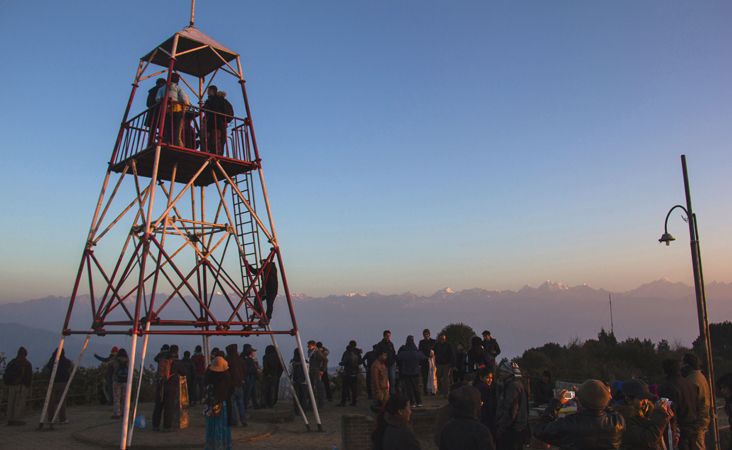
Sarankot and Nagarkot both offer very different sunrise experiences; while Sarankot provides dramatic close-up views of the Himalayas, Nagarkot presents vast sweeping layers of hills, stretching out to the horizon.
One of the primary features that makes Nagarkot unique is the fog. Often at the time of the sunrise in the early morning, the valleys surrounding Nagarkot are filled with fog that is slowly moving and changing. When the sun comes out, it casts light into the layers of fog, softening the view and making it look dreamy, almost like a painting.
On very clear days, you can see distant Himalayan peaks including Everest, but even if you can’t see these mountains, the atmosphere becomes the subject of your photo. Photographically speaking, Nagarkot is about mood rather than sharpness. It is a great place for photographers who want to capture feelings and depth and the subtle transitions of light.
Additional tips:
Consider using fog as a compositional element. You can use the layers of hills in the fog (for example) and create frames around the hills and create a lot of negative space in your composition. Minimalism in photography works well in this environment.
Poon Hill
Poon Hill is about the journey and achievement, as it includes trekking, waking up at either 3 or 4 a.m., and climbing a mountain without the help of the sun. When you reach the top of Poon Hill, the cold air, excitement, and anticipation all combine to give you an overwhelming sensation of achievement.
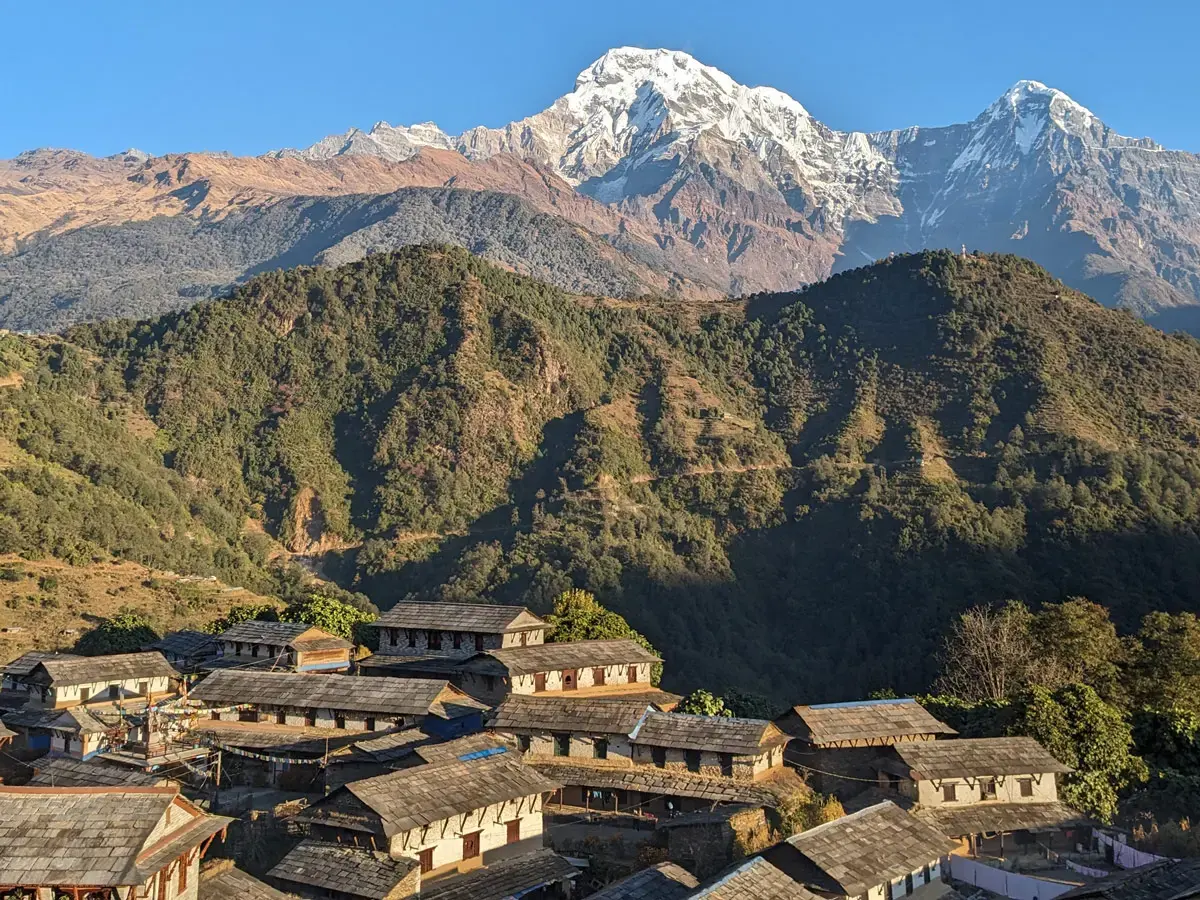
Like Sarangkot, Poon Hill offers a spectacular view of the Himalayan mountain range from all directions. The different mountain ranges provide a vast, limitless view that can be enjoyed as far as you can see in each direction. Each time the sun rises higher into the sky, the slopes of the various mountains will appear differently than they did before.
As you will see when you witness the sunrise from Poon Hill, the sky will change colour from purple to orange to gold as the sun rises, while the peaks of the mountains surrounding Poon Hill also reflect those colours. The physical effort required to reach Poon Hill to experience the sunrise makes witnessing the sunrise from Poon Hill an even more meaningful experience.
Some additional facts that may be of interest:
The view at Poon Hill is also valuable for the photographs that you will take from that location and the artistic value associated with those photographs.
Kalinchowk Bhagwati Temple
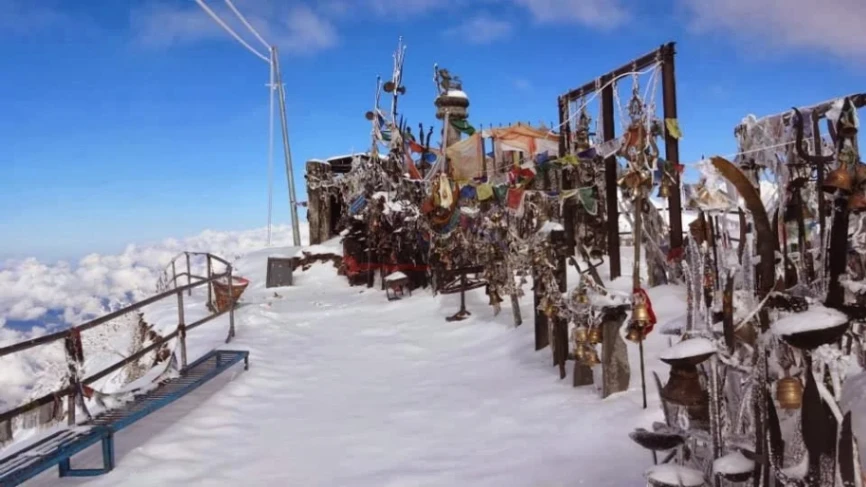
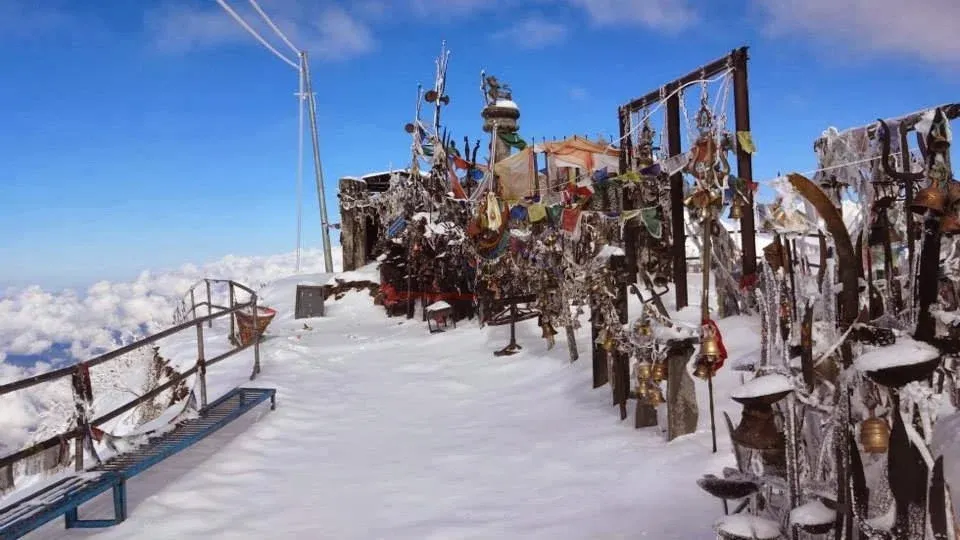
Kalinchowk provides an extraordinary sunrise in Nepal due to its location above the cloud's surface during parts of the year. Standing at the viewpoint is akin to being in heaven.
The temple has a profound religious significance and, combined with the sunrise, creates a beautiful visual landscape with the temple being illuminated by the glow of the sun and the distant range of peaks.
The beautiful combination of these two cultures and natural features creates a wonderful richness of colour and texture. The temple has religious significance and being above the clouds.
Photography tips:
Use landscape features such as prayer flags, the temple structures, or pilgrims to create layers within your image and give it a cultural context instead of just having a landscape image.
Everest View Hotel
The two features that make this site a true gem are: first, how quickly you can reach the summit of such an illustrious mountain range (due to the incredible altitude) and, second, how breathtakingly beautiful the panoramic views from this incredible altitude are!
This is the perfect destination to take detailed photographs of mountains, due to the air clarity in this area. For example, by using a long focal length, you will have the ability to photograph fantastic textures of snow or dirt that cover different sections of the ridges of Mt. Everest.
The WWII Peace Pagoda provides a place to take in the peaceful beauty of the sunset in a serene and quiet environment that is also not overcrowded, like many other locations. This place provides an exceptionally large amount of open space, making it one of the largest areas to peacefully observe a sunset.
At the base of the towering and majestic Annapurna Mountain Range, the sun sets over Phewa Lake as the light's warmth reflects on the lake's surface. In addition, the white stupa stands in contrast to the sun's warm tones while reflecting the sun's warmth. The peacefulness and balance of color and design between the mountains, sky, and water.
Deeper photography insight:
Stay at least a half-hour after the sun has set for "blue hour" to enjoy the incredible colors that happen after sunset due to the soft light and fewer people (than there are during the sunset viewing).
Swayambhunath Stupa
The Swayambhunath Temple is not only about the aspect; it is also about the experience. When the sun sets and the number of people in the city below diminishes, the lights will illuminate the sky with orange, pink & purple colours and transition into a darkened state of being (night).
Many colourful prayer flags decorate the entire site, blowing gently in the breeze; monkeys running around; locals & tourists enjoying their time viewing the sunset area. It has an excellent combination of spirituality, city life, and a panoramic view

Photographic notes to assist photographers:
Look for human interactions while praying at the site or during the lighting of butter lamps and/or just enjoying looking at the setting. These human elements/activities will help add life to your photographs.
Bandipur-A Slow, Timeless Sunset
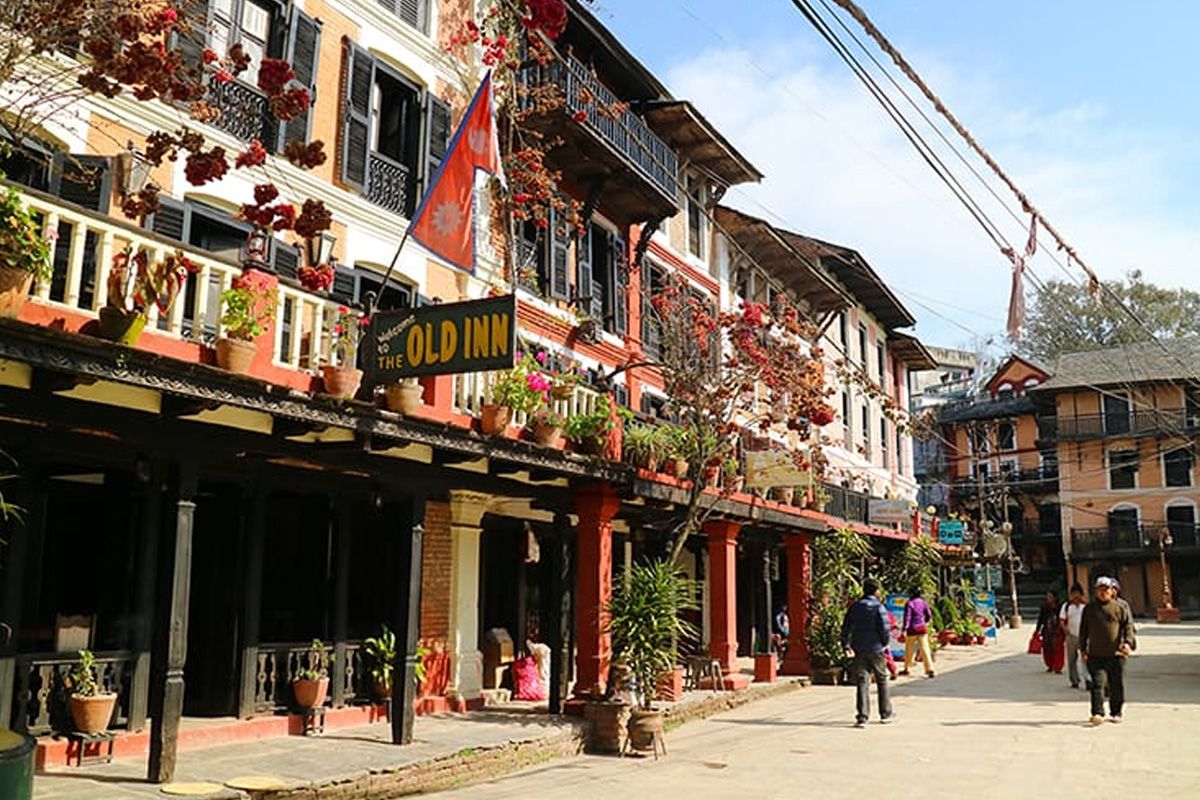
When you arrive at Bandipur; it almost feels like you travelled back in time. The city does have preserved architecture and quiet streets that allow you to feel nostalgia.
When you arrive at sunset, you will see warm and gentle light shining on the traditional-style homes, causing very long shadows to form on these homes. The far-away Himalayan range will have lighting, which will add to the overall ambiance of your trip. It is free of crowds. It has a lot of cultural aspects.
Deeper photography insight:
Try to tell a story about the subject. Capture ordinary people doing simple things, like a child playing or someone walking by, or the way the light was coming into the room.
Rani Mahal at sunset
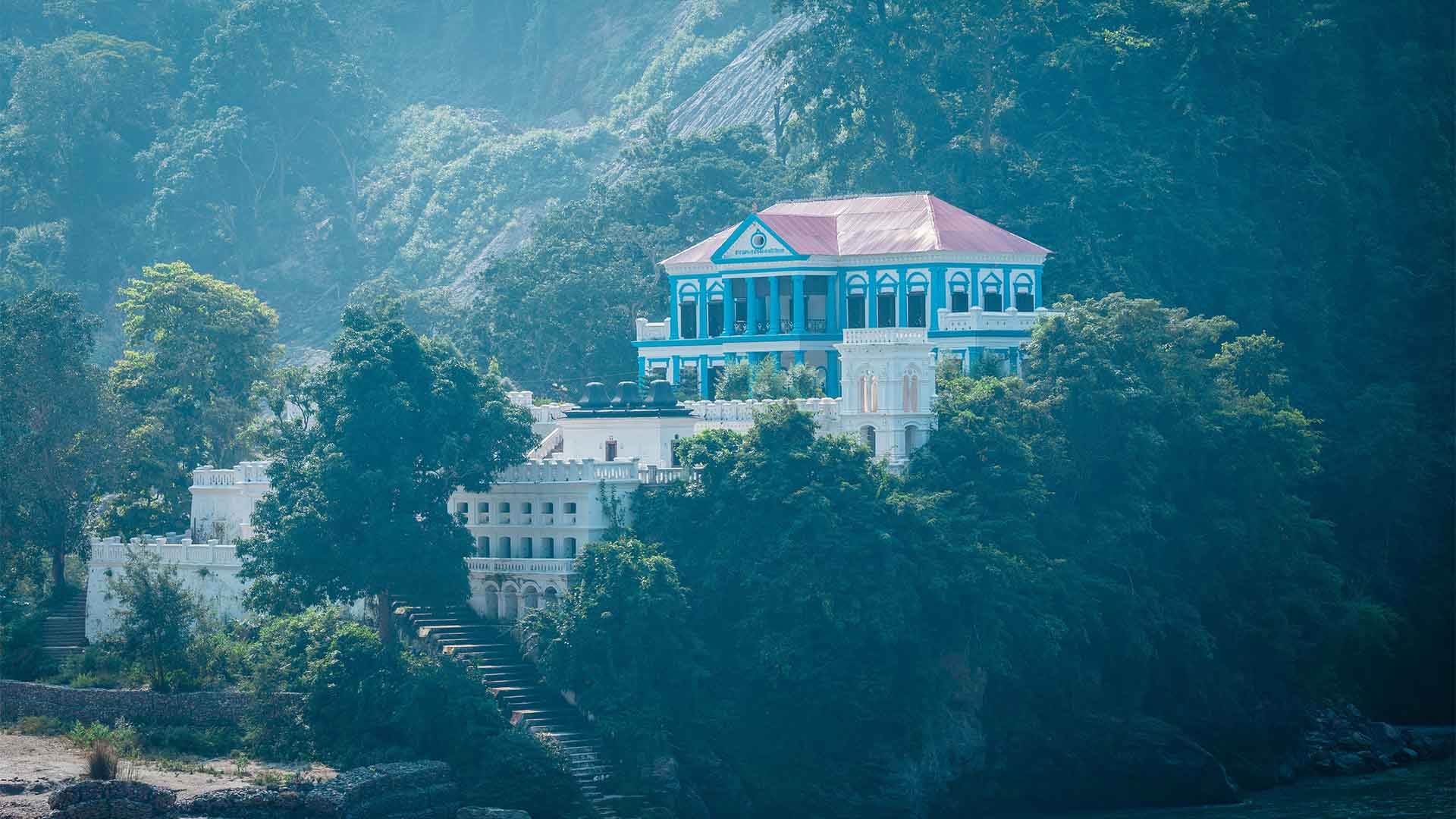
Yet another unique contrast. This is essentially at a different viewpoint than what you would find up in the mountains; this palace has been built alongside the Kali Gandaki River and combines natural elements (trees, cliffs) with built structures (the palace).
Sunset time of day in the Rani Mahal will give you warm golden light reflected from the palace, and the sky reflected in the Kali Gandaki River; all of this makes for a uniquely romantic and timeless expression.
Distinct feature:
This provides unique combinations of Heritage architecture and nature.
Deeper photography insight:
Experimentation with reflections will give you unique photographs. You may try using the Kali Gandaki River to create symmetry with reflections; or if you want to take long exposures, you can smooth the water in your photograph.
Boudhanath Stupa,
Boudhanath Stupa, or the "Stupa of Compassionate Care," is more about atmosphere than dramatic landscapes. As the sun sets over the Stupa, there will be a lot of people praying to the west; lamps will be lit inside the Stupa; and most, if not all, of the lights in the surrounding area will have been turned off. All of this creates a soft lighting environment.
A very immersive atmosphere can be experienced with the sounds of chanting, motion of prayer wheels, and dim light all working in unison.
What makes this unique:
It has a spiritual and cultural quality to it as opposed to a solely visual one.

Photography perspective:
Concentrate on capturing candid moments; sincerity, ritual participation; movement; not solely structure.
Final reflection
Nepal has three distinct phases of light during the day that tell a story: clear/calm (morning); vibrant (midday); reflective (evening). Each perspective offers something new, not just scenery but also emotion; each lends itself to its own story. The beauty of what the lighting does to everything) lies in how the shapes of the land mountains, temples, lakes, people change with the day.