
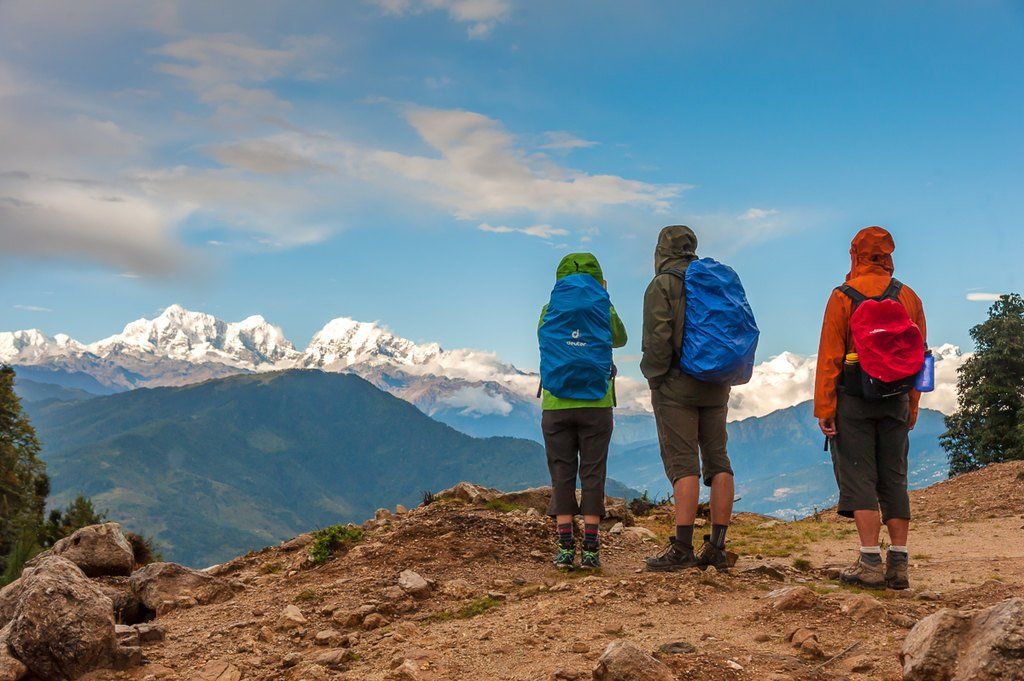
Pikey Peak Trek: A Hidden Himalayan Gem in Nepal
From the famous Everest Base Camp trek to the serene landscapes of the Annapurna region, Nepal offers some of the world's most stunning trekking routes. But not all Himalayan treks are long and challenging walks on a packed trail. The Pikey Peak Trek is a great option for those seeking amazing views of the mountains, a true glimpse into local culture, and quiet serene scenery.
Pikey Peak is one of the more productive trekking spots in the eastern part of the lower Everest region of Nepal in Solukhumbu district. On clear days, the trek provides spectacular views of the Himalayas including views of Mount Everest, Makalu, Kanchenjunga and many other snow-covered peaks. It is relatively quick and easy, and also very popular with trekkers who do not want to embark on a long trek to experience the beauty of the Himalayas.
In addition to the mountain view, the Pikey Peak Trek offers visitors the opportunity to learn about the Sherpa villages, Buddhist monasteries, prayer flags, mani walls and quiet forests. This trek will allow you to take in the cultural tapestry and enjoy a more relaxed alternative to some of Nepal's more popular treks in the Everest region.
From being a first time hiker to a nature enthusiast, photographer, or an experienced hiker looking for a less crowded trail, the Pikey Peak Trek is a memorable experience in the Himalayas.
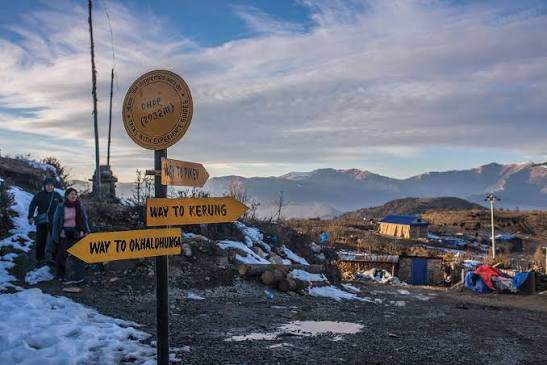
Where Is Pikey Peak Located?
Pikey Peak is located in the Solukhumbu district in Koshi Province in eastern Nepal. It is located in the lower area of Everest where you will find both majestic mountains and Sherpa people, as well as the great Buddhist tradition.
Pikey Peak is about 4,065 m. above sea level. It offers high-level trekking views of the Himalayas, particularly on sunny mornings when the first beams of sunlight hit the snow covered mountains.
The Pikey Peak trek route is unlike the popular Everest Base Camp trek which takes trekkers to the high altitude region of Khumbu, this trek route passes through forests, alpine landscapes, traditional settlement and lower hills. This mix is especially interesting to those interested in trekking with a little bit of adventure, but without committing to soaking up a lot of days at very high altitudes.
The place is also of cultural importance to the local Sherpa communities. The trail is dotted with traditional villages, monasteries, prayer wheels, and Buddhist symbols, providing glimpses into the spiritual practices and beliefs that influence daily life in the Himalayas.
Due to its location and stunning vantage points, Pikey Peak is slowly becoming popular amongst international visitors looking for a more relaxed experience in the Himalayas.
Why Is the Pikey Peak Trek Special?
Nepal offers countless trekking routes, but the Pikey Peak Trek stands out because it combines mountain views, cultural experiences, natural beauty, and a manageable trekking duration.
Spectacular Views of Mount Everest
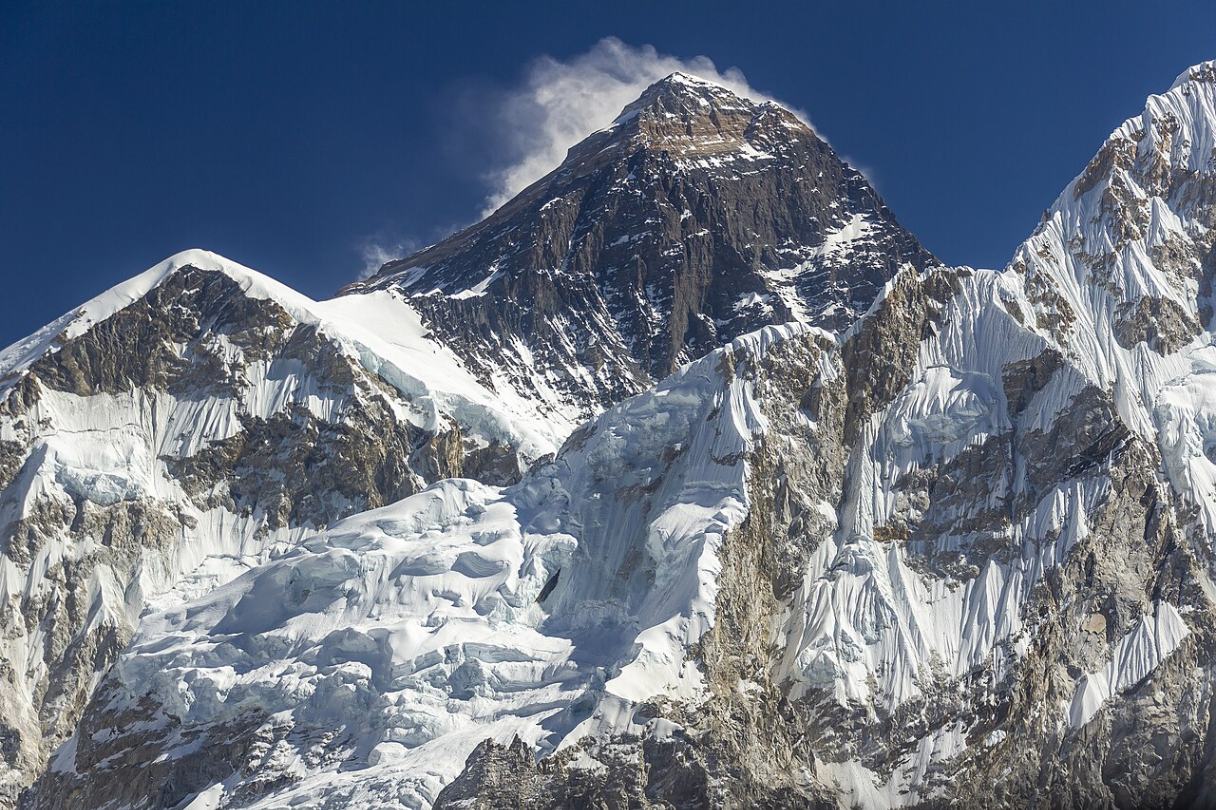
The view of the Himalayas is one of the most popular features of the Pikey Peak Trek. The peak offers a great vantage point for viewing Mount Everest and other prominent peaks in the area.
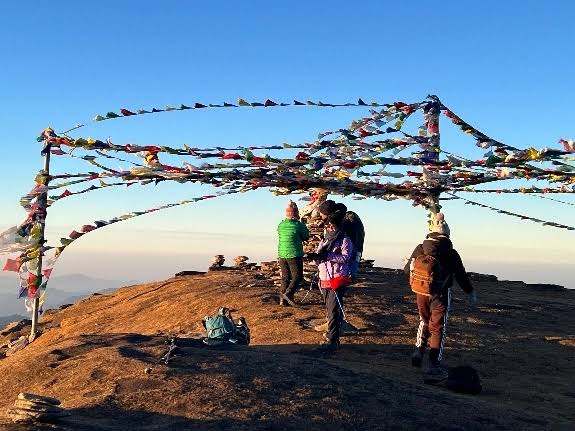
It's particularly spectacular at sunrise. The sky gradually turns from blue to red as the sun starts setting over the snow-covered Himalayan range which results in a beautiful view. This is because one of the best parts of the trek is watching the Sun rise on top of the mountain.
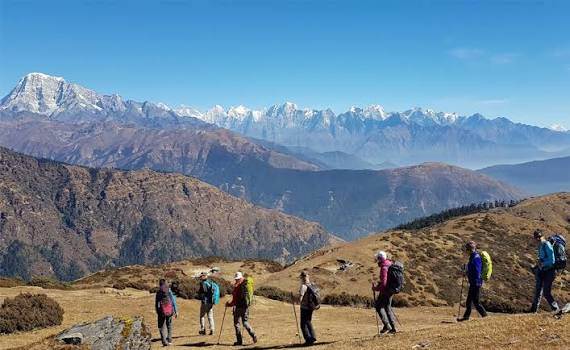
Everest, Lhotse, Makalu and Kanchenjunga can be seen in the distant mountain panorama on clear days subject to conditions of visibility.
The trekking season is the primary period when the Everest base camp trek is a popular destination for thousands of people. While the trail is well-known for its views and mountain arts and crafts, there are some trails that offer a more serene experience.
A more relaxing experience can be had at Pikey Peak, especially during off peak holiday periods. Unlike some of the most popular trekking routes in Nepal, the walking trails do not have as many people strolling around in the forests, hills, open spaces, remote villages and viewpoints of the mountains.
This more relaxed setting enables trekkers to take in the scenery in their own time and the opportunity for closer contact with the local people.
Trails can be busy at one time of year and not another, however, so the trail should not be thought of as being completely uninhabited all year long.
Authentic Sherpa Culture
The Pikey Peaks are closely related to Sherpa culture and the Buddhist traditions of the Himalayas. The hike offers the opportunity to visit traditional settlements, witness the lifestyle of the people in the area and sample the hospitality of the mountain communities.
While mountaineering is a well-known aspect of Sherpa culture, there is also a great deal of traditional agricultural, trading, spiritual, family and community life.
Along the way they'll see monasteries, prayer flags, mani walls and chortens. These cultural sites provide the spiritual beliefs and traditions that continue to be important to local residents.
The other advantage of staying in local teahouses is to experience traditional hospitality, get to know life in the village and also support small businesses in the area.
Mountainous forests and landscapes in beautiful form.
The Pikey Peak Trek is not all about the views of the mountains. Another highlight of the path is the idyllic forest, meadow, terraced farmland and hills.
The route can take you through the rhododendron woods, pine woods, and wildflower fields depending on the season and itinerary of the trekker. In spring, pink, purple and red rhododendrons decorate parts of the trail.
The trail opens onto green hills, forested slopes and then open ridges and alpine terrain as it rises in elevation.
This diversity enhances the enjoyment of the hike for nature enthusiasts and photographers alike.
Best Time for the Pikey Peak Trek
Choosing the right season is important for enjoying the Pikey Peak Trek. Weather conditions influence mountain visibility, trail conditions, temperatures, and the overall trekking experience.
The most popular trekking seasons are spring and autumn.
Spring Season: March to May
Spring is one of the best times for the Pikey Peak Trek. Temperatures gradually become warmer, the hills turn greener, and rhododendron forests begin to bloom.
March may still bring cold mornings and occasional snow at higher elevations. April and early May generally offer pleasant trekking conditions, although weather can change quickly in the mountains.
Spring is particularly attractive to nature lovers and photographers because of the combination of colorful forests and Himalayan scenery.
For travelers hoping to enjoy comfortable daytime walking and beautiful landscapes, spring is an excellent option.
Autumn Season: September to November
Autumn is another excellent season for the Pikey Peak Trek. Following the summer monsoon, the landscape is often fresh and green, while clearer skies can provide impressive mountain views.
October and November are especially popular because temperatures are generally suitable for trekking and visibility can be excellent.
Autumn also coincides with major Nepali festivals such as Dashain and Tihar. Travelers visiting during this period may have opportunities to experience Nepal's festive atmosphere, depending on their itinerary and the communities they visit.
However, mountain weather is unpredictable, and clear views cannot be guaranteed on any particular day.
Winter Season: December to February
Winter brings colder temperatures, particularly at higher elevations and during the early morning hours.
Snowfall may affect the upper sections of the trail, and icy conditions can make some routes more challenging. Accommodation and transportation arrangements should be checked before departure.
Winter trekking may appeal to travelers seeking quieter trails and snow-covered landscapes. However, warm clothing, suitable footwear, and flexible travel plans are essential.
Trekkers should check local weather forecasts and trail conditions before attempting the summit.
Monsoon Season: June to August
The monsoon season brings frequent rainfall, cloudy skies, and potentially muddy or slippery trails.
Mountain views may be limited by clouds, while landslides and road conditions can affect transportation in some areas.
Although the hills become lush and green, the monsoon is generally less suitable for travelers whose main goal is to enjoy panoramic Himalayan views.
If you plan to trek during this period, consult a local trekking operator about current weather conditions, road access, and the safest route.
Pikey Peak Trek Itinerary
A typical Pikey Peak Trek takes approximately five to seven days, depending on the starting point, walking pace, transportation arrangements, and whether you include additional villages or viewpoints.
The following is a sample six-day itinerary. Actual routes and overnight stops can vary according to road conditions, accommodation availability, and your trekking plan.
Day 1: Drive from Kathmandu to Dhap
Your journey starts with a drive from Kathmandu to Dhap, a village which is often a starting point for trekking to Pikey Peak.
Several hours could be needed for the ride, and it may take most of the day to complete, depending on traffic flow and road conditions and the route taken.
From bustling cities of Kathmandu Valley, gradually you pass through green hills, rivers, terraced fields, and rural villages on your way out.
Once arrived in Dhap, you can get your accommodation, have a warm meal and get ready for your hike.
Overnight: Check equipment, drink adequate water, prepare for next day's walk and relax.
For overnight stay: Dhap or nearest settlement according to the itinerary.
Day 2: Trek from Dhap to Jhapre.
Following breakfast, head towards Jhapre, a stunning village with its traditional charm and picturesque mountain views.
The path traverses rural areas, small towns, terraced agricultural land, and areas of forest. On the way you'll get to see locals and enjoy views of the surrounding hills.
Jhapre offers trekkers a scenic and serene destination with its Buddhist heritage and cultural sites.
From the village you can enjoy outstanding views of distant Himalayan peaks depending on the weather.
Spend time exploring the local area, visiting local religious sites (where appropriate) and enjoy the slower pace of life in the mountains.
Overnight: Jhapre.
Day 3: Hike from Jhapre to the Base of Pikey Peak.
Following breakfast head to the Pikey Peak base area.
The path slowly ascends as you cross woods, open hills and alpine terrain. The path opens up on some sections, with increasingly broad vistas of the surrounding mountains.
The overnight stop can be either at lodge or teahouse near the Pikey Peak area depending on your route and the place you will stay.
Towards the higher areas the temperature can turn cold, particularly during the late afternoon and evening.
Be sure to arrive in time to sleep, have a hot meal and be ready for the early morning ascent to the summit.
Overnight: Lodge/tee house in the vicinity of Pikey Peak, depending on the trip itinerary.
Day 4: Sunrise at Pikey Peak and Trek to Junbesi
Get an early start, and make sure to pack up for a trek to the top of Pikey Peak, which is about 4,065m above sea level.
Rising early will be worthwhile, as some of the best views on the trek are of the mountains when the sun is rising. The Himalayan range stretches across the horizon on a clear morning, with sunlight slowly breaking over the snowy peaks.
Once you have been at the viewpoint, start to descend and go on towards Junbesi.
Junbesi is a traditional Sherpa village in the lower part of the Everest region. It's known for its peaceful surroundings and cultural heritage and for being close to important Buddhist sites.
The village offers a chance to relax from the summit experience, and to get more information about life in that part of the world.
Overnight: Junbesi.
Day 5: Visit Junbesi and the locals of the area.
Enjoy a full day of touring the culture of Junbesi and its environs.
Depending on your passion, your time and the surrounding weather, you can go visit nearby monasteries, stroll along the traditional villages or go hike in the surrounding hills.
Thupten Chholing Monastery is another interesting Buddhist monastery in the greater Junbesi region. With additional walking and appropriate planning, a visit can be arranged. Verify access and local arrangements prior to booking it in your itinerary.
This day is not a typical summit hike. You can enjoy the mountain landscapes as well as the cultural and spiritual heritage of the area.
Have time to interact with the local population in a respectful manner, sample local food and enjoy the tranquility of the village.
Overnight: Junbesi.
Day 6: Kathmandu Backwards to Kathmandu
Start your way back after breakfast.
You can hike to an appropriate roadhead, if feasible depending on the road access, transportation options and specific trek route, and then travel to Kathmandu by vehicle.
This may take up a lot of the day to return and it is worthwhile to make arrangements beforehand.
On the way back, you'll be able to think about the views of the mountain, forest trails, village experiences, and cultural encounters that made the Pikey Peak Trek special.
If you have more time to spare, you may want to take the time to see more of the lower everest region.
Overnight: Kathmandu (as per your travel plan).
Difficulty Level of the Pikey Peak Trek
The Pikey Peak Trek is a moderate trek in general. It's appropriate for tourists who are reasonably fit and can walk for several hours around on rough terrain.
The regular ascent does not require any technical climbing gear or advanced mountaineering skills. There are however uphill and downhill sections, rocky and soft trails and exposure to varying mountain weather conditions.
The summit is at about 4065m, making altitude sickness a very real concern.
Anyone who is physically fit can get altitude sickness. Slow walking to allow time to acclimatize, drink plenty of water and watch for symptoms are important precautions.
Typical adverse reactions to high altitudes include headache, nausea, dizziness, unusual tiredness, and loss of appetite. Do not keep on going uphill if symptoms occur or worsen. Follow your trekking guide's advice, and go down if you have symptoms of altitude sickness.
The hike is recommended for the novice who is willing to train prior to the trip and stick to a schedule.
In the weeks leading up to your trip, walking, stair climbing, hiking and aerobic activity will help you get fit.
Pikey Peak Trek Cost
The cost of the Pikey Peak Trek depends on several factors, including the length of the trip, transportation, accommodation, meals, guide services, porter arrangements, and personal spending.
A budget-conscious traveler organizing the trip independently may spend less than someone booking a fully supported trekking package.
The following are broad planning estimates rather than verified current prices.
| Expense Category | Estimated Cost |
| Kathmandu to the trailhead and return transportation | USD 30–100 |
| Accommodation during the trek | USD 10–25 per night |
| Meals and drinking water | USD 20–35 per day |
| Licensed trekking guide | USD 25–40 per day |
| Porter, if required | USD 20–30 per day |
| Miscellaneous expenses | USD 30–80 |
These are average rates and may vary according to season, group size, exchange rate, road and service provider. The cost of transportation and accommodation is subject to variability.
Guided packages are available for around USD 450 - 900 per person for a 5-7 day tour, depending on inclusions and level of service. This is an estimated budgeting range and not an official market quotation.
Inquire for a detailed breakdown of package costs before making a booking, so you can determine if it’s the right fit for your budget. Check if transportation, meals, accommodation, guide fees, porter services, permits, insurance, and emergency arrangements come with the tour.
It is also prudent to save some extra cash in case of a delay, extra nights, personal expenses or emergency transportation.
Accommodation and Food on the Pikey Peak Trek
Most teahouses, small lodges and guesthouses offer accommodation on the Pikey Peak Trek.
The facilities are typically less elaborate than in big cities. Basic rooms, shared bathrooms, communal dining areas and access to hot showers are available depending on the village and season.
Private rooms are also available at some lodges however, they are not always available during busy seasons.
Power, charging stations, and Internet connection might be available, or may require extra payment. Bring along a power bank; keep electronic devices away from cold.
What Food Can You Expect?
Food on the trail is typically Nepali fare and simple, suitable for trekking.
Common options include:
- Rice, dal and vegetables with dal bhat.
- Vegetable or egg noodles.
- Fried rice.
- Soups and seasonal veggies.
- Tibetan style bread and other local dishes served as available.
- Hot beverages such as tea, coffee and more.
- Dal bhat is also an ideal trekking food as it contains carbohydrates, protein and energy, which are essential for a long day of walking on the trails.
- Most lodges offer vegetarian meals. Tell your trekking company about any special dietary needs before you go on a trek.
- Use treated water or water that has been properly purified during the hike. Don't assume all mountain water is safe to drink because it is clear.
Track and trace culture and local experiences.
The highlight of the hike on the Pikey Peak Trek is the chance to explore the cultural history of the lower Everest region.
Experience Sherpa Hospitality
The Sherpa people have been in the Himalayas for a long time. The region is unique in terms of their traditions, languages, religion and connection with the mountains.
Renting guesthouses locally gives you a chance to live the day-to-day life of the mountains beyond the popular trekking sites.
You could come to know about the traditional farming methods, local festivals, family traditions and problems faced in the remote Himalayan villages.
Buying food, lodging, and products locally supports the communities that welcome trekkers!
Visit Buddhist Monasteries
Buddhism is a significant part of the cultural heritage of several communities on the Pikey Peak trail.
Throughout the region the monasteries, prayer wheels, chortens and mani walls are present. These are not just aesthetic elements. They are of religious importance to the locals.
Please dress modestly, take necessary precautions, and seek permission before taking photos when you visit a monastery.
If you see prayer wheels, please do not disturb worshippers or break the convention.
Discover Traditional Mountain Villages
Along the trail are Nepal's villages, a glimpse of a more peaceful side.
The stone houses, the terraced fields, grazing animals and small local shops are part of the landscape. Daily life is intricately related to the seasons, weather, agriculture and community traditions.
For those who appreciate cultural tourism, these experiences can be as impactful as achieving the peak.
What to Pack for the Pikey Peak Trek
Packing appropriate clothing and equipment will make your trek more comfortable and help you prepare for changing weather conditions.
Mountain temperatures can vary considerably between sunny afternoons and cold mornings. Even during spring and autumn, temperatures near the summit may be low.

Clothing
Pack clothing that can be layered according to the temperature.
Recommended items include:
- Moisture-wicking base layers.
- Warm fleece or insulated mid-layers.
- A waterproof and wind-resistant jacket.
- Trekking trousers.
- Thermal clothing for cold mornings and nights.
- Comfortable hiking socks.
- Gloves and a warm hat.
- A sun hat or cap.
Trekking Equipment
Essential equipment includes:
- Comfortable, well-broken-in hiking boots.
- A daypack.
- Trekking poles.
- A reusable water bottle or hydration system.
- Water purification tablets or a suitable filter.
- A headlamp with spare batteries.
- Sunglasses with appropriate UV protection.
- Sunscreen and lip balm.
- A personal first-aid kit.
- Personal toiletries and hand sanitizer.
- A power bank.
A sleeping bag suitable for the expected temperatures can be useful, especially during colder months or when staying in basic lodges.
Documents and Money
Carry your identification documents, relevant trekking permits or registration documents, travel insurance details, and emergency contacts.
Keep some Nepalese rupees in cash because ATMs and card payment facilities may not be available along the route.
If you book through a trekking agency, ask the company which documents and permits are required for your exact itinerary.
Permits and Regulations for the Pikey Peak Trek
The requirements for permits will vary depending on your route, which administrative areas you cross through, and the rules in effect at the time of your travel.
Before beginning your Pikey Peak Trek, please check what the latest entry rules are for the area you plan to visit with the appropriate Nepal tourism authority or a reliable local trekking agency.
You should inquire about if you need a permit to go through the area (such as a local-area permit, national park/conservation area permit, etc.) and if you need to register for trekking in that region, or if there is anything else that would be required.
Do not believe that the same criteria that applies to the Pikey Peak trail will also apply to the trails of Everest Base Camp, or any other trail you may consider.
Rules can be revised, therefore, checking the most recent official rules prior to your departure is the most secure method.
Travelers should determine if they are required to travel on a guided trek based on the rules for their selected path.
Safety Tips for the Pikey Peak Trek
Although Pikey Peak is not a technical climbing destination, trekking in the Himalayas requires preparation and awareness.
Prepare for Altitude
The summit takes sufficient altitude so that altitude sickness could turn out to be an issue. Walk in a way that makes you comfortable. Do not rush yourself up, and make sure to consider a reasonable itinerary.
Severe symptoms such as confusion, inability to walk straight, and difficulty in breathing require prompt medical assistance as well as returning immediately.
Do not think that your physical fitness would protect you from altitude sickness.
Check the Weather
Weather in the mountains can change rapidly. Rain, fog, snow, strong winds, and low temperatures can affect walking and visibility.
Be informed about the weather forecast and listen to local guides.
Change your itinerary rather than risk your health.
Wear Proper Shoes
The trek may consist of uneven paths, steep descents, mud, and stones. Wear hiking shoes that have good traction and which are supposed to provide support.
The shoes should be tested in advance to avoid problems with aching feet on the trek.
Carry Travel Insurance
Select travel insurance that provides coverage for trekking at the highest point you plan on visiting.
Make sure the travel insurance you get offers emergency evacuation and medical treatment, as well as covers unexpected interruptions on your trip.
Do not make the assumption that a regular travel insurance plan is sufficient.
Value Local Customs
The locals in the Pikey Peak area uphold various traditions in their culture and religion.
Dress appropriately when visiting religious sites, ask for permission before taking pictures while around other people, and do not litter.
Use reusable items whenever possible and take all plastic waste with you to dispose of them correctly.
Is the Pikey Peak Trek Suitable for Beginners?
Indeed, the Pikey Peak Trek can be an ideal option for beginners who are in moderate health, plan properly, and make the right schedule.
Unlike longer expeditions in higher altitudes, the typical Pikey Peak trek can be finished in about a week. This appeals to tourists who want to enjoy splashes of Himalayas without spending too long days on the hike.
However, beginners should not underestimate the physical effort which can be necessary for them.
Day walks can take several hours and the trail that sometimes goes uphill can be very difficult to pass because of heights.
Severe climate and altitude conditions also add to the complexity of this adventure. One should walk regularly prior to their trip.
Finally, if you are trekking for the first time, you need to hire a guide that is particularly useful in terms of orienteering, understanding of culture and communication with local people.
Responsible Tourism on the Pikey Peak Trek
The natural beauty and people are the major attractions of Pikey Peak. Responsible ecotourism will guarantee that they are protected for the visitors and local people.
Use local hotels and lodges whenever you can. By hiring local porters and guides, you help generate income for local people.
It is important to treat porters right, which means respecting the workload agreed with them, providing them with good equipment, and making sure that they don’t carry too much.
It is important to always take biodegradable materials with you and avoid leaving food litter or plastic bottles behind.
If you are planning to visit a temple or any other religious place, make sure that you receive local instructions and behave in an appropriate way.
Photography is a great thing to follow the memories but remember to ask for permission to make pictures of people.
Why Choose Happy Mountain Nepal for the Pikey Peak Trek?
Planning a Himalayan trek involves more than choosing a destination. Transportation, accommodation, route selection, weather, safety, and local knowledge all contribute to the quality of the experience.
Happy Mountain Nepal can help travelers plan a Pikey Peak Trek based on their interests, available time, and budget.
Whether you are traveling alone, with friends, as a couple, or in a small group, a well-planned itinerary can help you make the most of your time in the lower Everest region.
A trekking package can be arranged around important elements such as:
- Transportation between Kathmandu and the trekking region.
- A suitable trekking itinerary.
- Local guide services.
- Accommodation and meals according to the package.
- Assistance with applicable permits and documentation.
- Guidance on packing, fitness, and altitude awareness.
- Flexible arrangements for travelers who want additional cultural experiences.
Before confirming your booking, ask for a detailed itinerary, a clear list of inclusions and exclusions, and information about emergency procedures.
For travelers seeking beautiful mountain views, cultural encounters, and a peaceful Himalayan journey, the Pikey Peak Trek can be a memorable addition to a Nepal itinerary.
Contact Happy Mountain Nepal to discuss your trekking plans and find an itinerary that suits your travel style.
Conclusion
The Pikey Peak Trek is the perfect way to discover the beauty and the culture of the lower Everest region in Nepal. This trek provides an opportunity to walk through beautiful forests, visit typical Sherpa villages and monasteries, and enjoy magnificent views of the Himalayan mountains.
Many trekkers particularly mention the sunrise at Pikey Peak as one of the most beautiful moments during their treks. If the weather is great, this place provides a spectacular view of the Himalayas, including Everest itself.
However, the memories of the trek do not only remain in the spirit of watching the sun rise. People walk through small villages, eat delicious food in cozy teahouses, and meet friendly and hospitable locals. Of great interest is to get to know the spiritual sides of life in that area.
The Pikeys Peak Trek does not take a lot of time to complete, which is why it is so popular among those who want to see the mountains being engaged in a shorter trekking adventure.
Plan your next Himalayan adventure with Happy Mountain Nepal and discover the unforgettable beauty of Nepal, one trail at a time.