
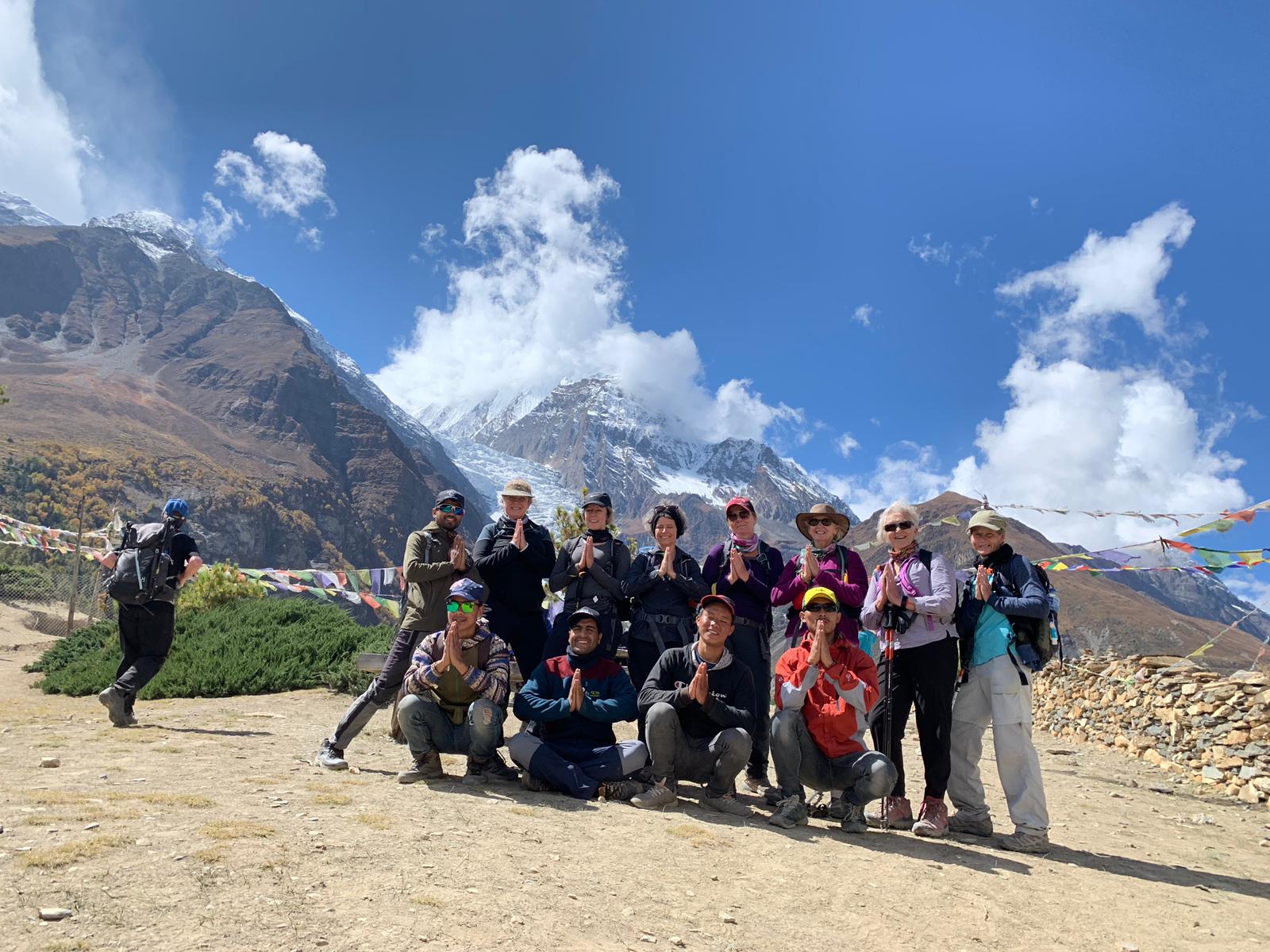
What to Do During Your Rest Day in Manang: Complete Guide for Trekkers
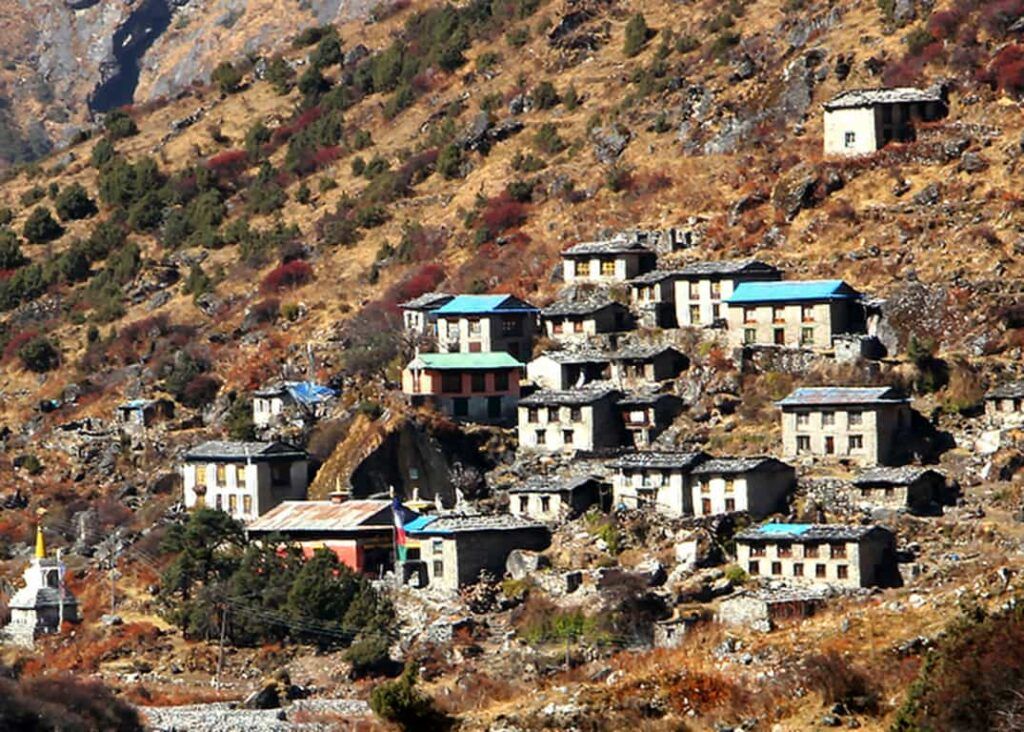
One of the most crucial days of the Annapurna Circuit Trek is the rest day in Manang. Approximately 3519m up to Thorong La Pass is a trekking hub in the area.
The rest day is not a time to remain in your teahouse all day however. There are a lot of sights and fun in the villages around Manang that will certainly not overstimulate your body.
The important thing is to be active at a comfortable level and allow your body to acclimatize.
Here's a guide to the best things to do on your rest day in Manang: short hikes, viewpoints, cultural activities, cafes, monasteries and how to acclimatise in Manang.
Why Is a Rest Day in Manang Important?
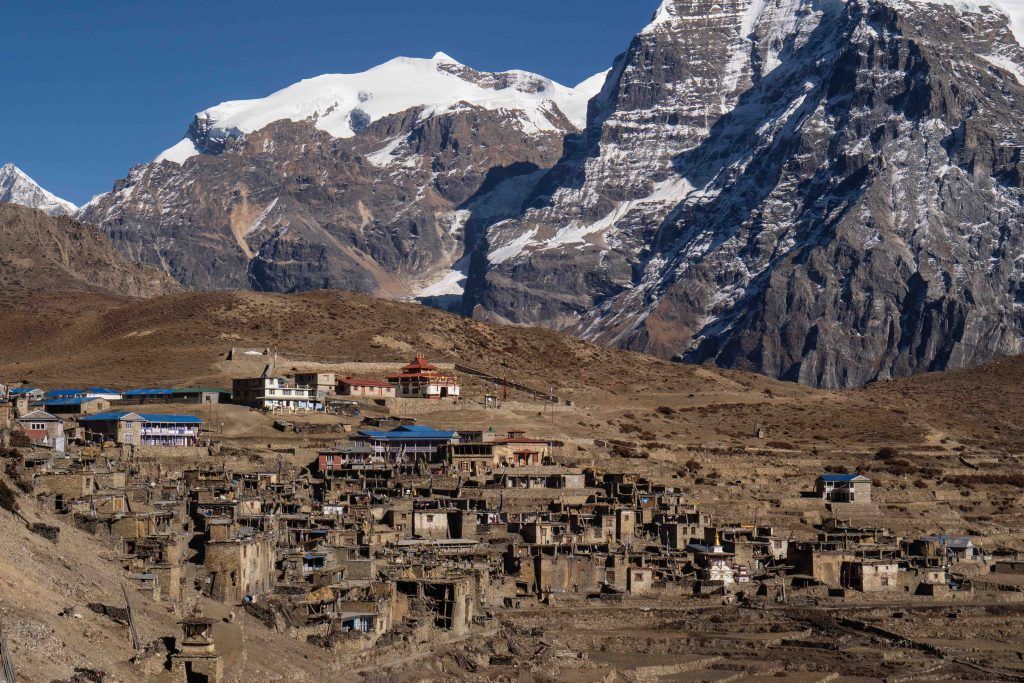
Manang is considerably higher than most of the villages you pass along the Annapurna Circuit earlier. An overnight stay here will provide your body with more time to acclimate to the lower oxygen levels.
A carefully orchestrated rest day can benefit you in the following ways:
- Get used to the height!
- Reduce the risk of altitude sickness
- Have the opportunity to recuperate after days of trekking
- Explore Manang village
- Get physically and mentally ready for Thorong La Pass
- Take in the beauty of the Himalayas at your own pace
- Do not aim for complete inactivity.
It is usually better to walk around during the day than remain in bed for the entire day, to adjust to the altitude.
Best Things to Do During Your Rest Day in Manang
1. Take a Short Acclimatization Hike
The best way to use up a rest day is to take a short acclimatization hike around Manang.
It's not a herculean effort you have to make. Rather, continue walking up-hill for some time, admire the sight and head back to Manang for lunch or a nap in the afternoon.
Walking at a leisurely pace enables you to get active without getting exhausted.
Keep in mind the goal of the hike is to get used to the altitude, not a specific destination.
2. Visit Gangapurna Lake
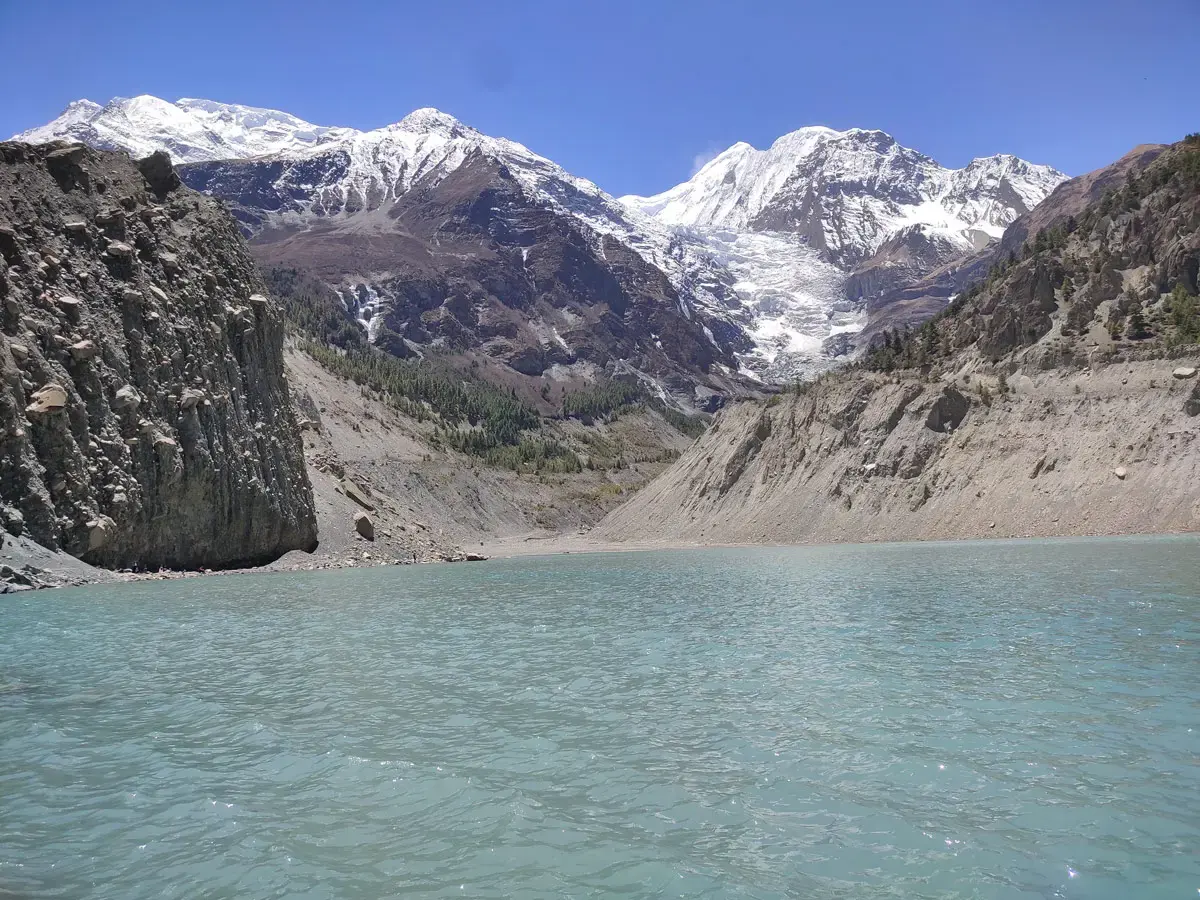
One of the most popular tourist destinations in the vicinity of Manang is Gangapurna Lake.
The lake was created by the melting ice and snow from Gangapurna Glacier. Its blue and turquoise waters are a beautiful contrast to the surrounding rocks in the Himalayan region.
The walk from Manang to Gangapurna lake is not too long as compared to a full day's trek and hence it can be a great choice for your rest day.
Enjoy the views, take your time and don't get too tired to come back to Manang.
3. Hike to Gangapurna Glacier Viewpoint
Gangapurna offers spectacular vistas of glaciers, mountains and valleys.
The lake can be visited by having a walk towards the Gangapurna Glacier viewpoint. The scenery gets more dramatic the farther you get from the village.
This is a fantastic choice for photographers because you'll be able to see:
- Gangapurna Glacier
- Snow covered Himalayan peaks
- Manang Valley
- Rocky mountain slopes
- Traditional settlements
Do not make this short hike an arduous adventure. You still have a long way to go to recover.
4. Explore Manang Village
There's a part of your rest day that you can just stroll around Manang village.
The village features traditional stone architecture, small streets, prayer flags, small shops, bakeries, cafes, and teahouses.
Slow stroll through the settlement and see what goes on. There may be people working and going about their daily business, trekkers getting ready for the next phase, or traders transporting goods through the valley. Visiting the village is also a great way to enjoy Manang without expending too much effort.
5. Visit a Local Monastery
The influence of the Buddhist culture is very strong in Manang and the neighbouring hamlets.
A quiet activity on your rest day is visiting a local monastery. Religious customs of the local communities in the Himalayas can be learned and a more tranquil side of the Annapurna region can be experienced.
Be respectful to religious institutions (sacred places) when visiting.
Wear appropriate clothing, take photos of people and religious events with care, ask before taking photos.
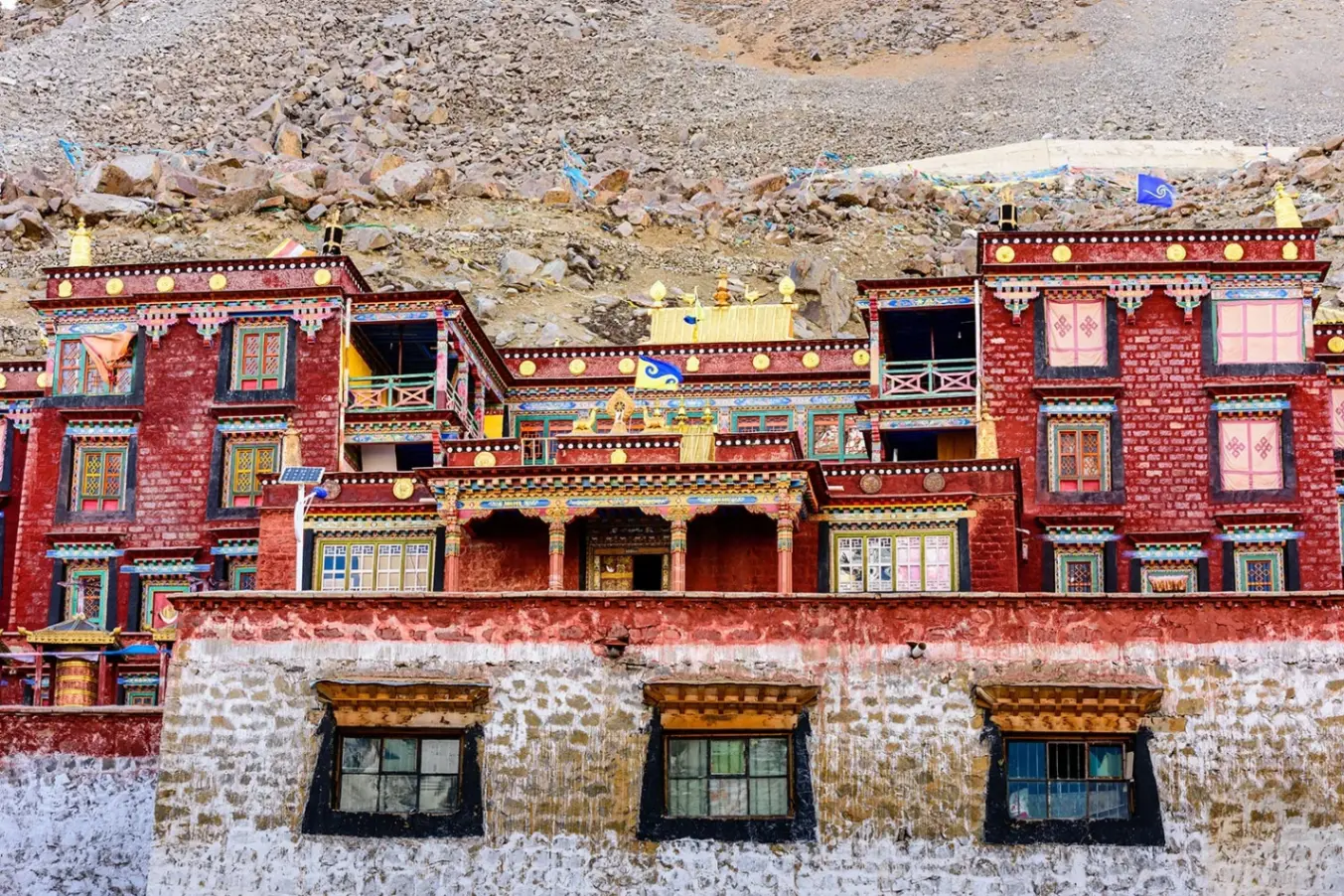
6. Wander through the countryside and admire the views.
However, you don't have to hike for long to get amazing views in Manang.
Sit outside your teahouse, visit a viewpoint or a quiet place around the village.
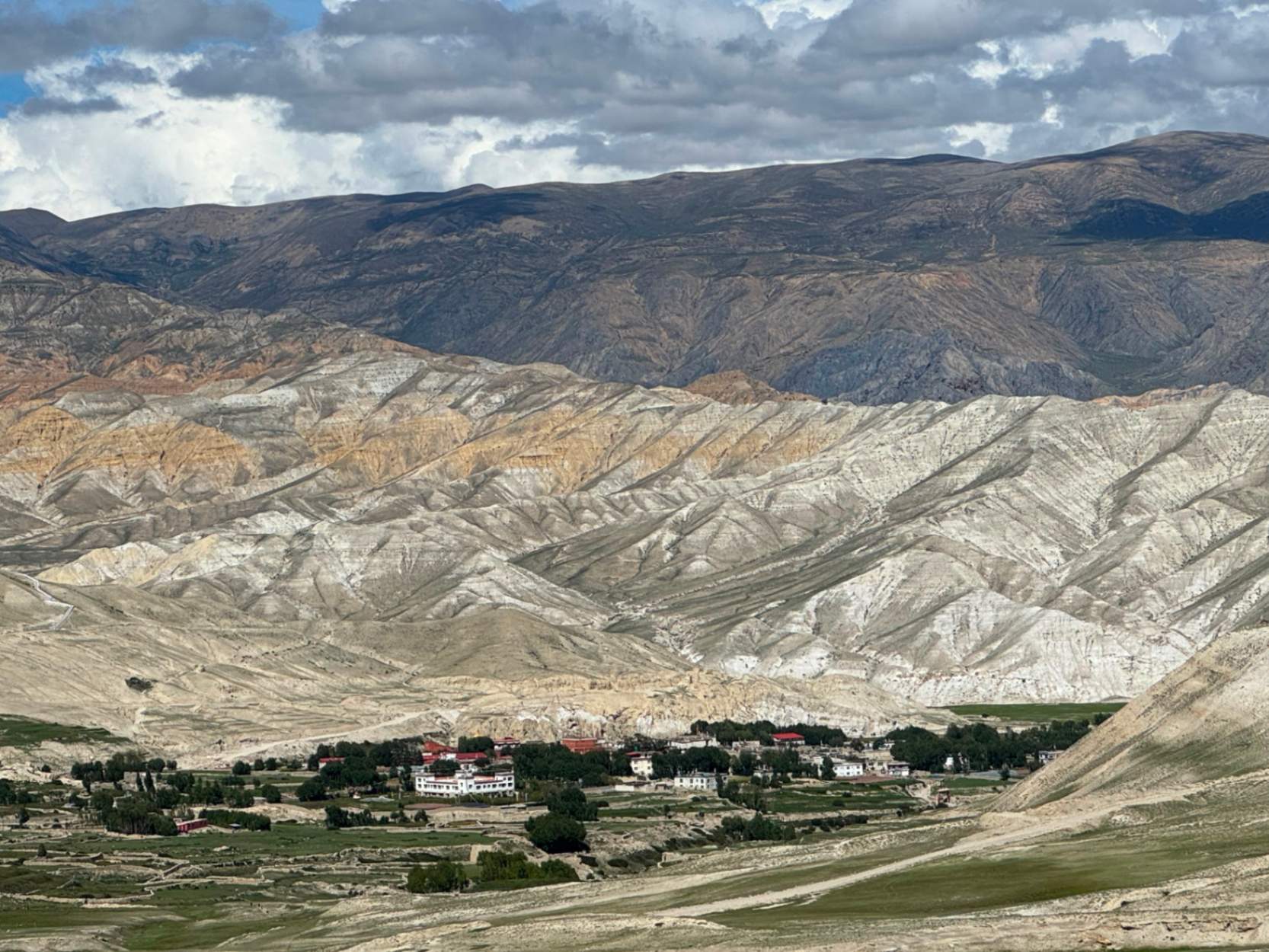
The Manang Valley is surrounded by impressive peaks and landscapes as per the weather condition.
Rest days are great for relaxing and taking in the beauty that you may have been missing while focusing on the trail.
7. Spend Time in a Manang Cafe
A break at a local café or bakery is one of the most fun activities to do on a rest day in Manang.
There are a number of locations in the village, providing treckers with the following:
- Coffee
- Tea
- Hot chocolate
- Cakes
- Pies
- Bread
- Pancakes
- Soups
- Local meals
It can be very satisfying to stop and enjoy a hot drink somewhere warm after a few days of walking, and gaze at the mountains.
8. Try Local Food
It's also the perfect opportunity to try some local Himalayan cuisine on your rest day.
At Manang you can sample dal bhat, noodles, Tibetan bread, thukpa, momos, soups and other food items.
The dal bhat is still a favorite of the trekkers which contains carbohydrates, protein and other nutrients that are required to traverse long days.
In high elevation areas, it's essential to eat enough food, as it has to work harder at high altitudes than it does at lower altitudes.

9. Drink Plenty of Water
Don't forget to hydrate on your rest day.
Breathing, dry air, physical exertion and cold are all factors that can cause dehydration at high elevations.
Bring a water bottle and drink often during the day.
Warm tea, soup or other non-alcoholic drinks can be consumed.
Do not use too many caffeinated beverages to replace the amount of water consumed.
10. Do a tour to the Manang Culture Museum.
Learn about the area's history and culture by visiting the local museum or cultural displays in Manang.
Here you can get to know more about the people of the Himalaya, their way of life, religion, traditional clothing, agriculture and the history of the Annapurna region.
A cultural visit is very handy on a rest day as it means you can learn about the place you are visiting without having to do a long trek.
11. Take Care of Your Trekking Gear
Your rest day is an excellent opportunity to check your equipment.
After several days on the trail, inspect your:
- Trekking boots
- Socks
- Backpack
- Trekking poles
- Water bottles
- Sleeping bag
- Gloves
- Jackets
- Headlamp
- Power banks
- Phone
- First aid supplies
Dry wet clothes and organize your backpack before continuing toward higher elevations.
A small gear problem can become a major inconvenience during the Thorong La section.
12. Wash and Dry Your Clothes
Manang may be a good place to wash some clothes if there are laundry facilities.
The weather is cold and you will need to ensure that your clothing is dried out.
If you think you might need to wear clothes later that day or the next morning, DO NOT wash them all at once.
In high mountains, it is especially important to keep clothes dry.
13. Charge Your Electronics
For the rest day, charge up your:
Smartphone
Camera
Power bank
Headlamp
GPS device
Smartwatch
Charging may be required for an additional fee and the availability of electricity may be different between accommodations and seasons.
A fully charged phone comes in very handy for navigation, weather updates, emergency communication and photography.
Weather check
14. Check the Weather for Thorong La
The next big task you face after Manang is the trek towards Thorong La Pass, one of the world's highest trekking passes.
Take advantage of your rest day to look at the weather forecast and discuss the state of the trails with your guide or local trekking guides.
The weather conditions in the high Himalayas can be rapidly changing.
Pay attention to:
- Snowfall
- Strong winds
- Visibility
- Temperature
- Trail conditions
- The possibility of road/trail closures
Even if it is just one trekker's information, don't depend on it as things can change quickly.
15. Prepare Your Body for the Next Trekking Day
You should have a lot of recovery time during your rest day.
Take a short walk in the morning and then settle down and relax at your accommodation.
You can:
- Stretch gently
- Read a book
- Listen to music
- Organize photographs
- Write a journal of your adventure!
- Take a nap
- Discuss with other trekkers
- Enjoy a warm meal
- Don't work out or do too much walking.
A Suggested Manang Rest Day Itinerary
Here is a simple itinerary that balances acclimatization and recovery.
| Time | Activity |
| 7:00 AM | Wake up and have breakfast |
| 8:00 AM | Short acclimatization walk |
| 9:30 AM | Explore Gangapurna Lake area |
| 11:30 AM | Return toward Manang |
| 12:30 PM | Lunch |
| 1:30 PM | Rest at teahouse |
| 3:00 PM | Explore Manang village |
| 4:00 PM | Visit café or monastery |
| 5:00 PM | Check weather and prepare gear |
| 6:30 PM | Dinner |
| 8:00 PM | Relax and sleep |
You can adjust this schedule depending on how you feel.
What Not to Do on Your Manang Rest Day
A rest day should not become another exhausting trekking day.
Avoid:
Long and strenuous hikes
If you have a free day, there's no need to walk for several hours.
Alcohol
Avoid alcohol when acclimatizing as this can disrupt sleep, hydration.
Smoking
Breathe more easily at low altitude than at high.
Staying completely inactive
There's no need to spend the day in bed. A mild walk might be a good way to acclimatize.
Ignoring symptoms
Do not continue to go higher, if you experience symptoms that are getting worse, including severe headache, difficulty walking, confusion, severe breathlessness or increased sickness, regardless of whether this is your planned itinerary.
The symptoms of altitude sickness can progress to serious symptoms.
Altitude Acclimatization in Manang
Manang is one of the major resting areas on the Annapurna Circuit.
This is best summarized as “Climb high, sleep low.”
On the acclimatization walk you can climb a few more meters before it's time to head back to Manang.
But the type of activity would depend on your fitness, prior altitude exposure, weather conditions and how your body responds to the altitude.
Symptoms to Watch For
Symptoms of mild altitude sickness can include:
- Headache
- Nausea
- Dizziness
- Fatigue
- Loss of appetite
- Difficulty sleeping
If the symptoms are more severe, prompt action is needed.
Descending to a lower altitude is an important component of the treatment of severe or worsening symptoms when resting does not help. Avoid forcing severe symptoms to keep to schedule.
What to Pack for Your Manang Rest Day
You do not need your entire trekking backpack for a short acclimatization walk.
Carry:
- Water
- Warm layer
- Windproof jacket
- Sunglasses
- Sunscreen
- Hat
- Gloves
- Snacks
- Phone or camera
- Small first aid kit
- Trekking poles
Weather can change quickly, so even a short walk should be treated as a mountain excursion.

Best Time to Enjoy a Rest Day in Manang
The best trekking seasons for the Annapurna Circuit are generally spring and autumn.
Spring
The weather is fairly calm from March to May with nice warm days and flowers at lower altitudes.
Autumn
September to November is another popular time of year, with generally clear skies and great mountain visibility.
Monsoon
High elevations can experience cold temperatures and snow in winter and lower areas can experience rain, cloud, and trail disruptions in the monsoon season.
Things may change from year to year, so be sure to verify the weather and trails before you go.
How long does it take to stay in Manang?
Most Annapurna Circuit treks have a day for acclimatisation in Manang.
Depending on their speed, health, weather and/or altitude tolerance, some trekkers will stay longer.
It's not worth it to race up if your body is not ready.
If you are ill or the conditions in the next section of the hike are unsafe, an additional night is a good idea.
Conclusion
When you have a rest day in Manang, it's not just to relax from the hike. It's a significant chance to adapt the body to high altitudes and enjoy the culture and scenery of the Manang Valley.
Walk to Gangapurna Lake, explore the village, visit a monastery, have a warm drink at the café, eat well, hydrate and take plenty of time to rest.
The most important thing to remember: listen to your body. The Annapurna Circuit is no walk in the park. In Manang you can have a relaxed and well planned rest day making the strenuous trip to Thorong La Pass safer, more comfortable and more enjoyable.
FAQs
How to spend a rest day in Manang?
There are plenty of short acclimatization hikes to take, the opportunity to visit Gangapurna lake, explore Manang village, visit a monastery, enjoy local cafés, eat Himalayan food and get your gear ready for the next stage of the trek.
Is there any opportunity to hike on my Manang rest day?
Yes,One of the best activities to do on a rest day is a short and easy acclimatization hike. Don't do strenuous activities that leave you exhausted.
Should you visit Gangapurna Lake?
Yes. Gangapurna lake is among the most popular short excursion from Manang which will provide you a beautiful view of glacier and mountains.
Can I stay in my hotel to book everything in advance?
NO , complete inactivity is not required. An easy day of walking followed by rest is the better choice for an acclimatization day.
Should Manang take a day off?
For many trekkers, it is highly recommended that they have an acclimatization day at Manang as the trek continues to significantly higher elevations after Manang.
May I have a rest day where I can drink alcohol?
It is best to avoid alcohol while acclimatizing and preparing for higher elevations.