

Off the Beaten Path: Nar Phu Trek, Nepal’s Hidden Himalayan Adventure
Nepal offers the world's most amazing trekking routes. This vast land is home to travelers who come to experience the Himalayas, from the iconic trek at Everest Base Camp to the stunning Annapurna Circuit, each offering an adventure in its own right. But there is another part of Nepal that is not as well-known, or yet touched by mass tourism.
One of those secret adventures is the Nar Phu Trek, a journey that offers you a glimpse of the Himalayas' enigmatic beauty.
The Nar Phu Valley Trek is one of the most remote trekking regions of the Annapurna area, leading to ancient Tibetan villages, steep mountainous terrain, deep valleys, ancient monastic ruins and high passes. This trip is not one of the most popular treks in Nepal, so it is a great way to find a sense of solitude and exploration that's hard to come by on other well-established trails.
In this place stone houses cling to the hillsides, prayer flags flutter in the cold wind of the Himalayas, and traditional Buddhist culture is still alive in daily life. The setting of the mountains put on a dramatic show and the slow paced trails let the trekkers enjoy the Himalayas at a much reduced tempo.
The Nar Phu Trek is a unique trek for those who wish to travel beyond the popular tourist destinations. It's more than just a trip across the mountains. It is a chance to get a glimpse at the remote culture of the Himalayas, explore a landscape of a thousand years of isolation and see another side of the country of Nepal.
Overall, Nar Phu Valley is a great place to visit if you're seeking an off-the-beaten-path trekking adventure that offers a blend of natural beauty, cultural exploration, and physical challenge.
Where Is the Nar Phu Valley?
Nar Phu Valley is part of the Manang District in Gandaki Province in the north central region of Nepal. Along with the rest of the Annapurna Valley, its topography and culture have been influenced by its proximity to the Tibetan Plateau.
The valley is named after two main settlements, Nar, and Phu. The villages are surrounded by dramatic mountain scenery, dry hillsides, rocky cliffs and deep river valleys.
The area of Nar Phu was somewhat isolated from the rest of the Annapurna region for many years. It was far away from urban intrusion which has preserved its traditional architecture, local customs and Tibetan influenced way of life.
In 2003 the area became accessible for foreign trekkers and is one of the more recent trekking areas in Nepal. While trekking has slowly started to bring more visitors to the valley, it is still quite calm and quiet.
Normally, the Nar Phu Trek is done from the Annapurna Circuit track. Near Koto, trekkers get off the trail and head into the restricted Valley.
The scenery is distinctly different as the trip progresses. Forested areas turn to narrow gorges, rocky trails and more open mountain country. Then, the trekker gets to Phu and Nar, two villages with a bit of a window into the area's unique cultural heritage.
Its place in the valley makes it ideal for visitors who would like to experience both the scenery of the Annapurna region as well as that of a more remote hike.
Why Choose the Nar Phu Trek for an Off-the-Beaten-Path Adventure?
There are lots of trekking options in Nepal but not all the options give you the same experience. Other trails are well known for their mountain vistas and comfortable teahouses, and others for a sense of exploration.
The Nar Phu Trek is one of them.
A less busy trekking route provides the experience of a trek without the crowds.
The Nar Phu trek is one of the most interesting things about it is that it is relatively quiet.
The main trekking seasons in Nepal can be quite busy on popular trekking routes. Villages become crowded, teahouses are fully booked, and the trails are sometimes more like high-traffic tourist routes than backcountry mountain trails.
Nar Phu is another place.
The area does attract trekkers but the numbers are not as high as on the main Annapurna Circuit and Everest Base Camp treks. This provides chances to appreciate all the scenery without being constantly surrounded by large groups.
The peacefulness also makes it very easy for guests to enjoy the little things of hiking. You may be pausing to look at clouds and mountain ridges, hear a river near by, or see the local life at a traditional settlement.
If you like walking more slowly and appreciate nature more closely, then Nar Phu is a great option for you.
Discover Ancient Tibetan-Inspired Culture
One of the most enriching parts of the Nar Phu Trek is the cultural experience.
Valley residents have deep cultural ties with Tibetan Buddhism and the traditions of the Himalayas. Their architecture, religion and daily living are the result of living for centuries in a remote mountain environment.
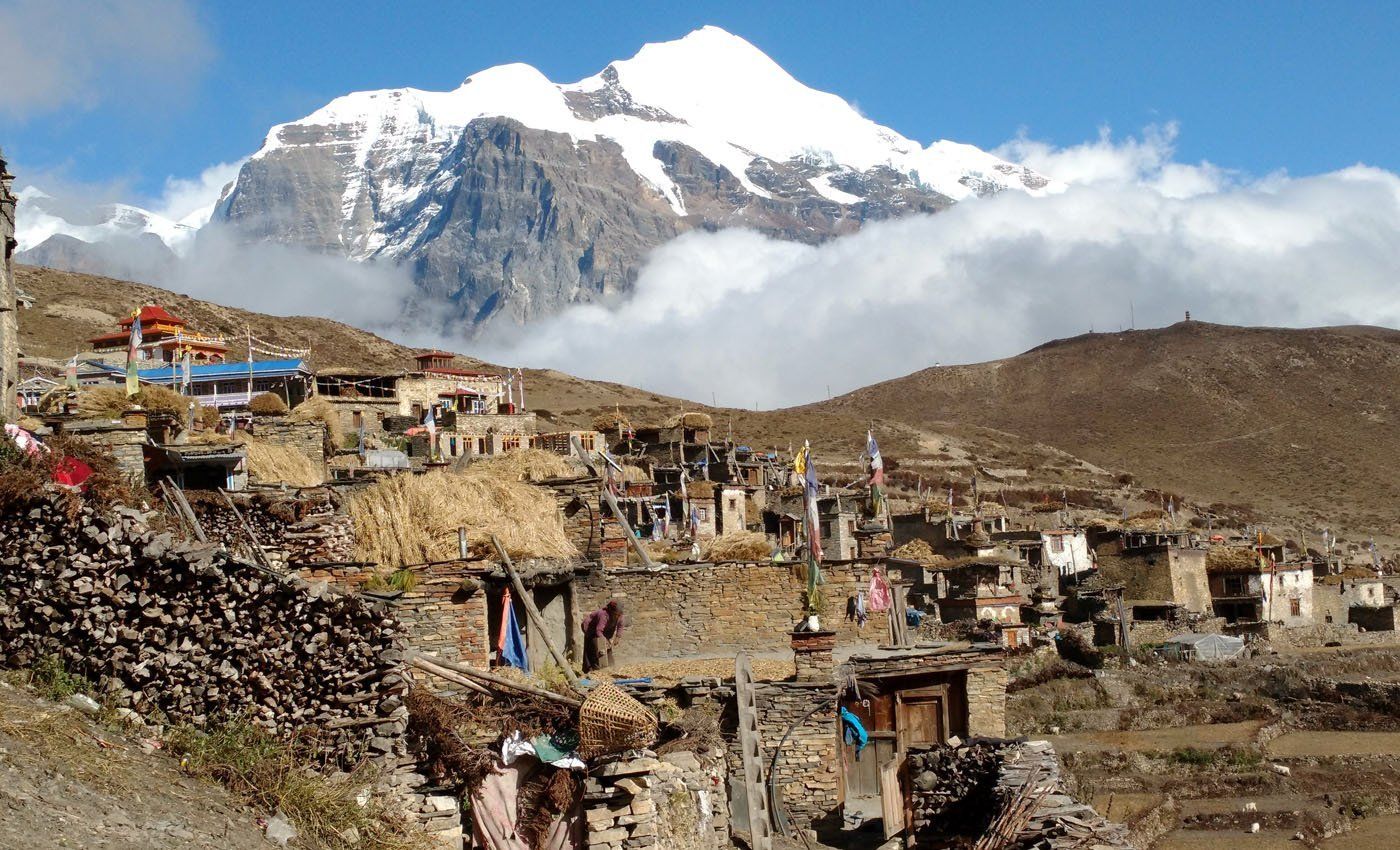
Throughout the area are traditional stone houses, prayer wheels, mani walls, chortens and monasteries.
The traditional settlement pattern and magnificent location under the surrounding mountains make Phu Village interesting. It takes a narrow lane to walk through to see a lifestyle defined by geography, climate, religion and community relations.
The opportunity to see traditional architecture and customs of the Himalayas is also available at Nar Village.
But it's not a museum in the open air in the villages. These are communities that people still live in and continue to work, raise their families in, worship in their religion and practice their local traditions in.
The rights of the local people should be considered, and their permission must be sought before taking photographs, particularly in religious contexts, where local advice should be followed.
Explore Dramatic and Changing Landscapes
For the geographer, the Nar Phu trek is a good alternative.
It starts in the lower Annapurna region, with the green forested hills and river valleys. As the path crosses over into the protected valley, the path becomes steeper and rougher.
Most of the trail is narrow gorges, steep cliffs, bare rock and dry slopes. Up higher, the land opens up to vast alpine valleys with majestic Himalayan peaks.
The trip is especially memorable because of the contrast with the various environments.
The path in certain areas goes through a deep gorge along a river. In other cases, it rises above the valley floor, offering views of the surrounding mountains.
Another unique characteristic of the region is its location close to the Tibetan Plateau. In other parts of the valley, the terrain is dry and high, unlike the greener foothils of other parts of the valley in Nepal.
The scenic changes offer an infinite number of chances for those interested in photography to capture a wide range of the natural beauty of the Himalayas.
Cross the Spectacular Kang La Pass
Many trekkers consider the passing of Kang La Pass to be the highlight of the Nar Phu trek.
Kang La is a pass that links the Nar Phu Valley with the rest of the Annapurna area and is usually traversed at about 5,320m ASL, though this height can slightly differ in the published records.
The hike is physically demanding, taking time, and needs to be acclimatised. The weather may also impact the crossing.
The reward, however, is amazing.
The view from a higher point on the pass is spectacular of the Annapurna range and other surrounding peaks. The rugged landscape, snow-covered mountains, and expansive alpine scenery make for an unforgettable experience.
The descent heads towards Ngawal area, the Annapurna Circuit, which is a more popular trek.
Not everyone is able to use Kang La Pass. Wengo users should be aware of high altitude, long days of walking, and other trail surfaces which may be challenging.
However, if the pass is traversed intelligently and with proper preparation and an experienced guide, crossing the pass can be one of the most rewarding aspects of the journey.
What Makes Nar and Phu Villages Special?
The cultural center of the trek is the villages of Nar and Phu. They are also located in remote places and have traditional lifestyles, which makes them interesting places for people who are interested in traveling to experience the Himalayas in an authentic way.
Phu Village: A village on top of a valley.
Phu Village is among the most unique villages in the Nar Phu area.
The village is located at a dramatic site, high above sea level (about 4080 m) above rocky hillside and mountain. The houses are made of stone and the settlement looks like it has grown organically, with houses appearing to nestle in the landscape.
Its surroundings are simple yet beautiful. The landscape is desolate, with high cliffs, open mountain areas and distant snow-covered peaks, making it feel very isolated, something that would not be found in many popular trekking areas.
Phu is also known for its Buddhist heritage. Prayer flags, religious buildings and traditional activities are significant elements of village life.
The nearby Tashi Lhakhang Monastery is another cultural landmark of the area and is associated with the Buddhist traditions. Respect local customs and ensure that no entry is made to restricted areas or photographs are taken of religious activity without permission.
During this time, trekkers have the opportunity to take the time to enjoy the region's beauty, but not just its mountains.
The village is not just a place on the way. It is a location where visitors can gain insight into the interaction between culture, religion and survival in the challenging Himalayan setting.
Nar Village: Traditional Life in the High Himalayas
Another point of interest, on this hike, is Nar Village.
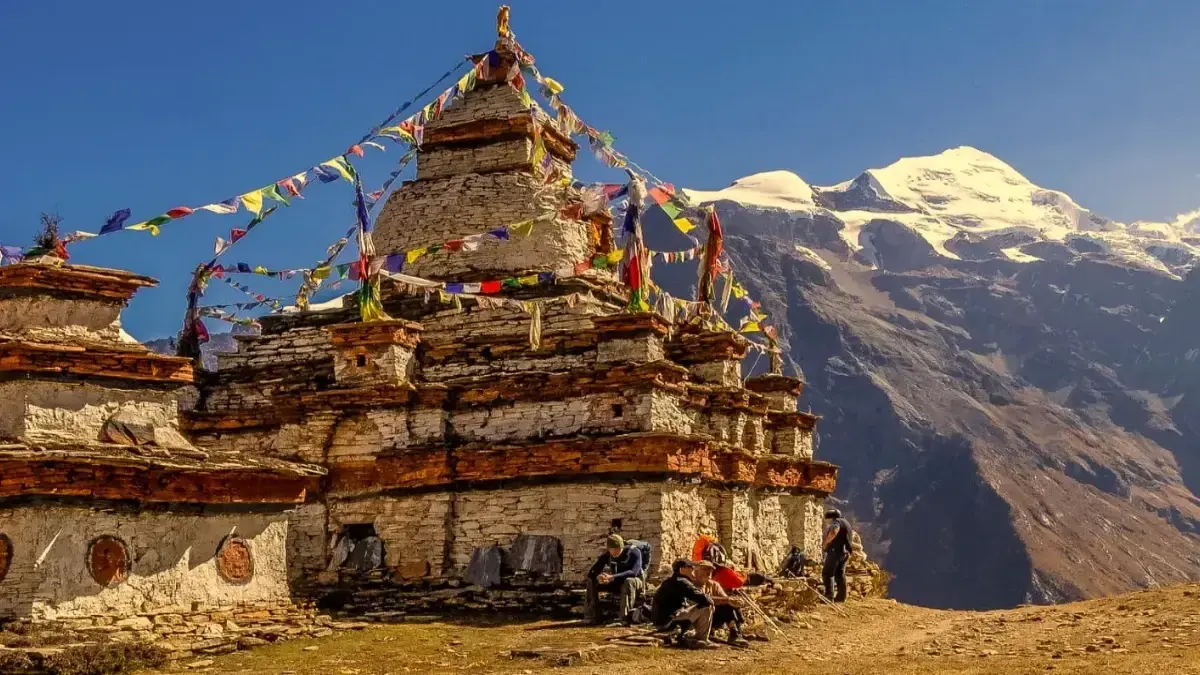
Nar is situated at 4110 m in a rugged mountainous landscape with open slopes and broad scenic vistas.
The village has a rich cultural heritage and traditional architecture. The stone houses, narrow paths and religious structures illustrate a settlement which is sensitive to the climate and geography of the area.
There are chances to witness the life of the village people while walking through Nar. Visitors can observe the animals, agricultural activities, and people working around their homes, depending on the season.
The village also offers a glimpse into the interplay between rural communities and their nature.
The life here is one that is lived with resources being used wisely, co-ordinated with other residents, and using the seasons to plan activities. These convenient facts have shaped the region's traditions over the ages.
Visitors to Nar will know that the Himalayas are not just a place for adventure. They also have communities that have their own histories, knowledge and life ways.
Nar Phu Trek Route: What to Expect
The Nar Phu trek takes about 9-12 days to complete, as this is the typical duration of the trek depending on the itinerary, acclimatisation and onward travel plans.
Some trekkers follow the short circuit to Annapurna Circuit which includes Kang La Pass and the short valley circuit, or they opt for the long circuit to Annapurna Circuit.
This is a sample of a tour route. Times of walking and overnight stopping may be subject to change due to trail conditions, availability of accommodation, weather and the pace of the trekking group.
From Kathmandu, drive to Besisahar (about 2 hours).
Day 1: Kathmandu – Besisahar (2 hrs).
Typically the trip starts in Kathmandu, the capital of Nepal.
From there, trekkers follow the road towards Besisahar, which passes through the valleys and hillside villages, through terraced fields, and through towns.
The drive has scenic introduction to the changing landscape of Nepal from the busy Kathmandu Valley to the green hills of central Nepal.
The trip can take up a lot of the day, depending on the state of the road and type of transport.
Besisahar is an important gateway into the Annapurna region, and a popular overnight stop before reaching the trailhead.
Day 2: Travel to Koto
The route from Besisahar leads to Koto, and is usually made through Chame.
The road travels through mountain villages and then through hilly areas. The area around the river gradually transforms as the trail ascends into the upper reaches of the valley of the Marsyangdi River.
Koto is a significant gate for trekkers going into the Nar Phu Valley.
It's also where you start to feel the experience really start to differ from trekking the main Annapurna Circuit.
Day 3 : Koto to Meta.
The walk into Nar Phu valley starts from the main trek path of Annapurna Circuit.
The route passes through narrow gorges and rocky landscape of the Nar Khola River. Trekkers walk across streams, under steep cliffs and slowly ascend.
The path is more hidden away from the trail than the main trail and the surrounding scenery gives the impression of entering into an out of the way mountain area.
Meta, a small settlement used by trekkers, is a common overnight stop.
Walking is more difficult at higher altitudes. It is crucial to take breaks frequently, drink plenty of water and pace yourself.
Day 4: Trek from Meta to Phu Village
The road leads on through harsh terrain to Phu Village.
On the way we see more open land passed by, rocky hillsides and dramatic mountain views.
The traditional structures, mani walls, and small settlements offer a glimpse into the cultural heritage of the region, which may be passed by by the trekkers.
The process of approaching Phu is notable for the raised elevation and the traditional look of the village.
On arrival, trekkers will be able to visit the settlement (depending on time and conditions).
After the day's activities, it is possible to relax and watch the people in the village and get ready for the next day.
Day 5: Acclimatization and Exploration in Phu
A Phu acclimatization day can assist trekkers to acclimatize to the altitude.
Instead of running up the hill, the day can be spent walking slowly, exploring culture and getting a good rest.
Trekkers can explore the village, visit religious sites (as permitted by the local authorities) and enjoy views of the surrounding mountains.
Depending on the group's condition and the recommendation of the guide, some itineraries involve a short hike to a suitable viewpoint.
This is particularly significant for acclimatization as the route takes you to higher altitudes and eventually crosses Kang La Pass.
The intent of the shot is not to make the longest shot. It is to allow the body to acclimatize, while enabling travellers to enjoy the valley.
Day 6: Trek from Phu to Nar Phedi
The track is a repetition of the valley to Nar.
Nar Phedi is an overnight stop place common, and also has a monastery and accommodation facilities for trekkers.
Walking time will vary depending on the trail and conditions.
There are opportunities to be aware of the landscape from a different angle and to see the changeover between the two main settlements in this section.
The slower pace also lets the trekkers rest before making their way towards Nar Village.
Day 7: Trek from Nar Phedi to Nar Village
The walk continues up across rocky slopes and open mountain country to the village of Nar.
Nar is a significant cultural hub and an additional chance to get a taste of the traditional lifestyle in villages.
After entering the village, visitors will be able to wander around and admire the local architecture and also for the next crossing on Kang La Pass.
It is advisable to not make unnecessary effort on this trail as it traverses high altitude, and heed the guide's advice.
Day 8: Cross Kang La Pass and Descend Toward Ngawal
This can be one of the toughest days of the Nar Phu Trek.
It takes careful preparation and early start to climb to Kang La Pass, which is always reached during favorable weather.
The trail is steep and high and will be hard going at altitude, as the lack of oxygen can make most exertions a challenge.
From the pass, trekkers can enjoy panoramic views of the Annapurna range and surrounding mountains.
The place from where you start after spending some time, the trail slope down towards Ngawal, where you join the Annapurna Circuit area.
It's a long day and demanding physically. The schedule should be flexible enough to allow for weather, snow, trail conditions and group health.
The crossing should only be attempted if conditions are safe, not as a matter of maintaining schedules.
Day 9: Trek from Ngawal Toward Manang
Once passed Kang La Pass, trekkers are able to move towards Manang.
This section re-links the trail to one of the most famous villages of the Annapurna region.
Manang has more improved trekking facilities than both Nar and Phu with hotels, eateries and shops for the tourists.
After a few days in the narrow valley, the change of atmosphere may be quite dramatic.
This is a place to recuperate, take in the surrounding views, and make a choice on whether you wish to proceed on to the Annapurna Circuit or head back on your plans.
Day 10: Continue the Journey or Return
The trip to the finish will vary based on the travel plan.
Others go on to Thorong La Pass and Muktinath along the Annapurna Circuit. Others come down to lower settlements and organise road transport as per the local conditions.
For those who are pressed for time, travelers can opt for one that stops once they cross Kang La Pass and arrive at the Annapurna Circuit.
This will depend on the person's fitness, days available, weather and personal trekking objectives.
Before leaving, talk with your trek company about the route you'll be doing and ensure there is enough acclimatisation, realistic walking distances and a suitable return plan covered in the final itinerary.
Best Time for the Nar Phu Trek
Choosing the right season is important for a safe and enjoyable Nar Phu Trek.
The region experiences changing weather conditions because of its high elevation and proximity to the Tibetan Plateau.
Spring and autumn are generally the most popular trekking seasons.
Spring: March to May
The Annapurna area is a great place to visit in the spring season.
As the temperature climbs slowly, and parts of the trail begin to change with the seasons.
The weather is conducive to trekking during this time but it is still unpredictable in the mountains.
The higher sections of Kang La Pass may still have snow, particularly early in the season. The trail should be examined in recent reports and local guidance should be taken prior to attempting the crossing.
Spring is an excellent time to travel if you're someone who prefers a mix of relatively pleasant weather with the shifting scenes of the Himalayan region.
Autumn: September to November
The Nar Phu trek is a great trek to be in during the autumn season.
In the post monsoon period, skies are often clear with great mountain views.
Heavy rainfall is still possible in the lower Annapurna area in early September, and October and November can be more reliable trekking months.
As winter draws near, though, temps drop, particularly during the night and at high mountain passes.
As autumn is a popular time of the year throughout Nepal, it is best to make advance arrangements for permits, guides and lodging.
Winter: December to February
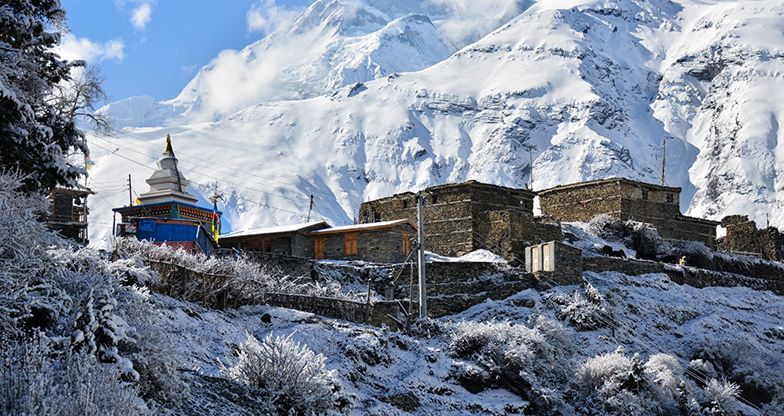
During the winter months, the colder temperatures, snow, and conditions at higher elevations can make for difficult conditions.
As winter is when the majority of hikers are in the area, a few snow-covered trails or a blocked mountain pass can make winter trekking more difficult in Nar Phu.
The physical requirements of the trip may be greater during extreme cold conditions and some accommodation facilities may have limited services.
This is a trekking adventure to be undertaken only after obtaining advice from knowledgeable local guides who know what the conditions are.
Monsoon: June to August
The monsoon season brings heavy rainfall to many parts of Nepal.
Although Nar Phu lies in a relatively rain-shadowed area, the approach routes can still be affected by rainfall, landslides, muddy trails, and road disruptions.
River crossings and trail conditions may also become more difficult.
Travelers considering a monsoon trek should assess the entire route rather than assuming the high-altitude valley will remain unaffected by weather.
For most trekkers, spring and autumn offer the most practical starting points when planning this adventure.
Nar Phu Trek Permit Requirements
Nar Phu Valley is a restricted trekking area, so travelers must arrange the appropriate permits before entering the region.
The main requirements generally include the following.
- Nar Phu Restricted Area Permit: This permit is required to enter the restricted valley. The fee depends on the season and the number of days spent within the designated restricted area.
- Annapurna Conservation Area Permit (ACAP): The route passes through the Annapurna Conservation Area, so the relevant conservation-area permit is also required.
- Licensed Trekking Guide: Foreign trekkers visiting Nar Phu must follow the applicable restricted-area trekking rules, including traveling with an authorized guide and arranging permits through a registered trekking agency.
- Permit rules, fees, and documentation requirements can change. Confirm the current requirements with the Nepal Tourism Board or your registered trekking agency before departure.
- Do not assume that a permit for another part of the Annapurna region automatically authorizes entry
Conclusion
The Nar Phu Trek is more than just a journey through the Himalayas. It is an opportunity to discover a quieter side of Nepal, where ancient Tibetan-influenced culture, traditional mountain villages, dramatic landscapes, and peaceful trails create an unforgettable trekking experience. From exploring the remote villages of Nar and Phu to crossing the spectacular Kang La Pass, every step offers something unique to discover.
If you are looking for an off-the-beaten-path trek in Nepal that combines adventure, cultural exploration, and breathtaking Himalayan scenery, Nar Phu Valley deserves a place on your travel list. With the right preparation and guidance from experienced local trekking professionals, you can explore this hidden Himalayan destination responsibly and create memories that last a lifetime.