Nepal Trekking Insurance Guide: Everything You Need to Know Before Trekking in Nepal
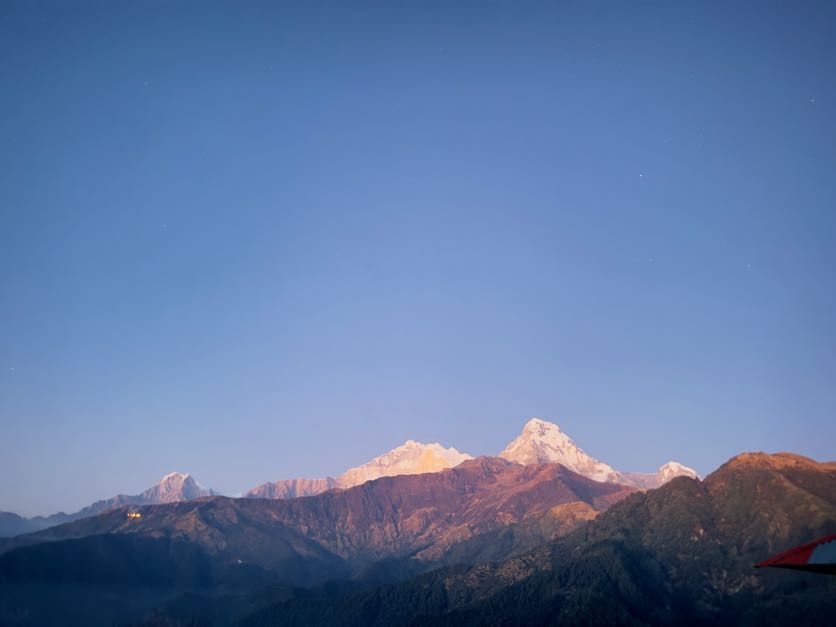
Nepal is one of the world's most popular destinations for adventure travellers. The country provides some unforgettable trekking experiences ranging from Everest Base Camp to the Annapurna region's beautiful landscapes. Thousands of people from around the world come to Nepal each year to experience its mountains, traditional villages, forests and landscapes in the Himalayas.
Trekking in the Himalayas, however, is not like any normal vacation. Many of the trails the trekkers follow are isolated, in high mountain terrain, with high passes and at night sleeping at altitudes much higher than sea level. The weather can alter at any moment and emergency services may not always be on hand.
That is where trekking insurance is going to come in handy.
The appropriate Nepal trekking insurance will safeguard you from any surprise medical costs, emergency helicopter evacuation charges, trip cancellations, and other travel issues. It also offers peace of mind, so you can relax and enjoy your Himalayan adventure.
When preparing for the Everest Base Camp Trek, Annapurna Circuit Trek, Manaslu Circuit Trek, Langtang Valley Trek or any rigorous high-altitude adventure, it is crucial that you understand the insurance options you have.
This guide covers everything you need to know about trekking insurance in Nepal, what is covered, why helicopter rescue insurance is important, how much coverage you should get and how to get the right policy before you depart on your trek.
What Is Nepal Trekking Insurance?
Nepal trekking insurance is a special type of travel insurance that covers individuals who engage in outdoor pursuits like trekking in Nepal.
Trekking insurance, unlike holiday insurance, should include the risks of walking in mountainous, high altitude areas.
The policy can include emergency medical treatment, hospitalization, helicopter evacuation, accidental injury, trip cancellation, lost luggage, altitude illness and emergency repatriation.
Suppose, for instance, you are hiking to EBC and you get really high altitude sickness. Helicopter evacuation might be necessary if your condition is critical and you need urgent medical care and transport to a hospital in Kathmandu.
Without suitable insurance, you may have to pay thousands of dollars for the rescue and medical treatment yourself.
These costs can be covered by a covered medical necessity, depending on the policy limits, medical necessity, exclusions, and emergency approval requirements, with an appropriate insurance policy.
Be aware that not all travel insurance plans were created equal and do not necessarily include trekking coverage in Nepal. There are adventure policies that limit activities and adventure policies with a maximum altitude.
So, it's important to select the right insurance package for your trip.
Should you necessarily have to have trekking insurance in Nepal?
A common query of tourists from abroad is whether they have to get trekking insurance in Nepal?
This is determined by the area of trek, permit requirements and the policies of the trekking company.
The Nepal Tourism Board does not have a blanket policy that every trekker in Nepal should have to buy trekking insurance for all trekking routes in Nepal. There are however, insurance documentation requirements in some permit processes especially when conducting trekking in restricted areas.
In fact, for several restricted area trekking permit applications, insurance documents are among the necessary requirements in the Department of Immigration's applications. These requirements may vary by region and application type.
Also, a lot of trekking companies insist on having appropriate travel insurance before their organised treks, or recommend it.
While not always required by law, a good trekking insurance plan is an essential safety measure for anyone heading to the Himalayas for a trek.
Ensure that you have the most up-to-date insurance and permits for your trek with your registered trekking agency.
Why Do You Need Travel Insurance for Trekking in Nepal?
Trekking in Nepal offers incredible natural beauty, but the Himalayan environment comes with certain challenges. Travellers may experience altitude-related illnesses, injuries, unpredictable weather, and transportation difficulties.
Here are some important reasons why trekking insurance matters.
1. Emergency Helicopter Evacuation
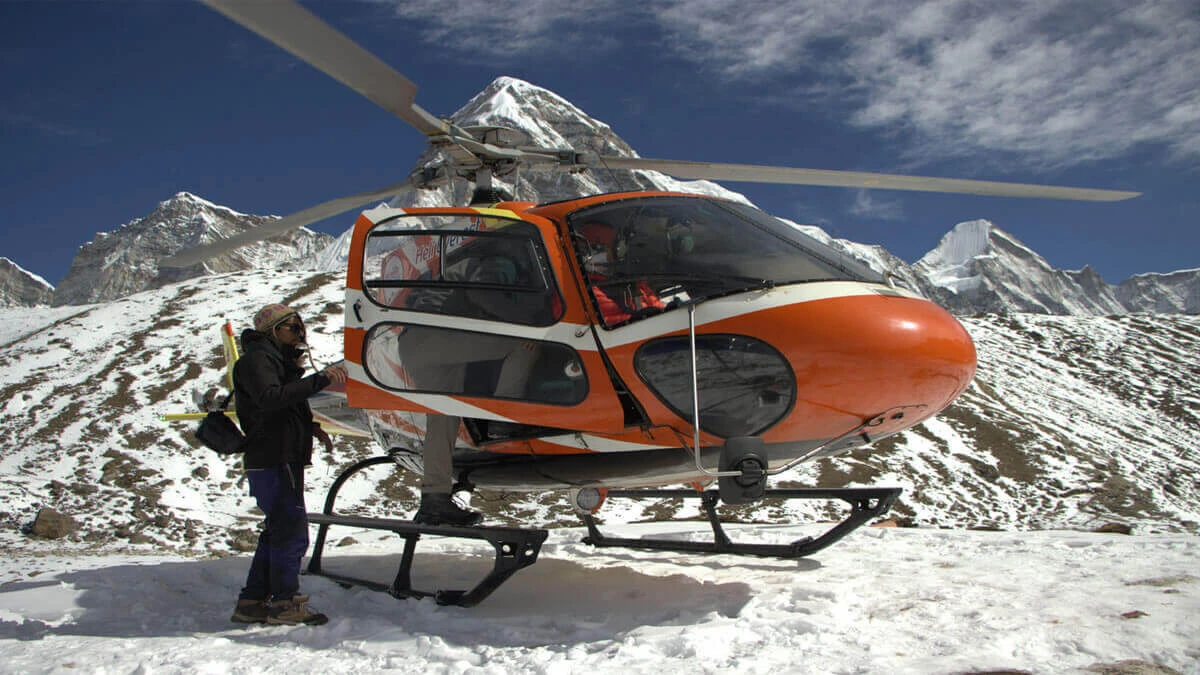
When it comes to trekking insurance in Nepal, one of the most critical aspects to consider is helicopter evacuation.
Popular trekking trails are a long distance from the hospitals and areas that can be reached by roads. In emergencies, it may be impossible to return to a lower elevation or to get to the nearest medical facility.
For instance, if a trekker falls into serious sickness in the Everest region, an emergency helicopter evacuation may be necessary to take him to a suitable medical facility.
Rescue by helicopter is very costly, especially if the rescue site is in a remote mountain area.
Emergency helicopter evacuation and coverage of the highest elevation of the trek should be specifically covered in a suitable insurance policy.
Understanding the insurer's emergency approval process is also crucial. Under certain policies, travellers/guides are asked to notify the assistance team before arranging evacuation of the travellers, if circumstances permit.
2. Hospitalisation and Medical Expenses
Even fairly simple trips can lead to medical emergencies.
Food poisoning and other illnesses, fever, dehydration, injuries, infections, or other unexpected illnesses may afflict a traveller.
While basic medical facilities are available in several areas of trekking, serious conditions might need to be treated in Kathmandu or Pokhara.
Travel insurance can assist with all the costs you may be eligible for including:
- Emergency medical consultations.
- Admission and treatment in hospital.
- Medical tests and investigations.
- Prescription medicines.
- Emergency transportation.
- Specialist medical treatment.
The coverage will vary based on the insurance company and policy.
3. Insurance against Altitude Sickness.
HAP is a serious health problem in trekking in Nepal at high altitudes.
The higher the elevation, the less oxygen will be available for the trekkers. These changes take time for the body to adapt.
Headaches, nausea, dizziness, fatigue and insomnia may occur among some trekkers.
In extreme cases, people may develop altitude sickness that can become life-threatening and necessitate descending and medical evacuation.
The best choice of trekking insurance must be a comprehensive plan that explicitly covers high-altitude sickness.
You will need to verify the maximum height you can fly, though, included in your policy. Certain basic travel insurance policies cover only trips up to a certain height.
For instance, a trekking policy for up to 3000m may not be adequate for somebody wanting to trek to 5364m at EBC.
Don't count on a "regular" insurance plan to cover altitude sickness.
4. Protection Against Unexpected Injuries
Mountain roads are by no means always smooth and predictable.
Rocky paths, steep descents, slippery surfaces, snow-covered trails and narrow sections of the mountain may be encountered by the trekkers.
A fall may lead to injuries such as sprains, fractures or other injuries, which may occur unexpectedly.
Trekking accident insurance can cover costs related to medical treatment and emergency transportation that are covered by the policy.
5. Trip Cancellation & Trip Interruption
In certain cases, unforeseen events can make it impossible for travelers to embark on or finish a trip.
These situations can be:
- Acute illness or injury.
- Serious family emergencies.
- Unexpected travel restrictions.
- Certain natural disasters.
- Other events that are explicitly addressed by the policy.
Trip cancellation insurance can refund any eligible prepaid, non-refundable costs if there is a covered reason for cancellation.
Likewise, if an individual is forced to cut their trip short, trip interruption coverage can cover some extra costs.
Before buying an insurance, remember to ask about the cancellation criteria and exclusions.
6. Rest and relaxation on the trek
Trails ought not to be a stress over unplanned bills.
With appropriate insurance coverage, the travellers can focus on the journey and get to know the local communities, immerse themselves in the beauty of the Himalayas, and enjoy the natural beauty of Nepal.
While insurance won't stop bad things from happening and it won't fix your health issues, it can help to minimize the cost of some of the worst events.
What Should Nepal Trekking Insurance Cover?
Choosing the right insurance policy requires more attention than simply comparing prices.
Different insurance companies offer different benefits, limits, and exclusions. Therefore, you should carefully examine the policy documents before purchasing a plan.
Here are the most important coverage areas to consider.
1. High-Altitude Trekking Coverage
It's one of the first things you should look into.
Insurance should include trekking to an altitude of more than or at least as high as the highest point on your trip.
There are various trekking destinations in Nepal, each at a different height.
For example:
Poon Hill: ~3.21km.
Rarely found and difficult to reach, Annapurna Base Camp stands at some 4130 metres.
Hike to Everest Base Camp: ~5364 metres.
Kala Patthar: ~5545m.
Thorong La Pass: ~ 5416 metres.
If the policy is just up to 4,000 m, it will not cover altitude limit at Annapurna Base Camp or Everest Base Camp.
2. Helicopter Rescue and Emergency Evacuation
Take into account views, passes and side trips as well as the elevation of your overnight stay.
This should include a helicopter rescue and emergency evacuation.This must involve helicopter rescue and emergency evacuation.
The policy should include the term "helicopter rescue" or "emergency air evacuation".
Don't think that general medical evacuation coverage will automatically include helicopter evacuation from remote areas in the Himalayas.
Review the following information:
- Is helicopter evacuation included?
- What is the highest evacuation coverage possible?
- Do you trek at a height above the limits of the coverage?
- Does the mountain rescue and search costs cover?
- Do you need any special permission to enter?
- Does the insurance company have the option to pay direct?
- Does transportation to an appropriate hospital, including hotel and lodging, if necessary, payable?
Such information is especially relevant for trekking routes that are remote like Everest Base Camp, Kanchenjunga, Manaslu Circuit and Upper Mustang.
3. Emergency Medical Treatment
Look for a policy that offers sufficient coverage for emergency medical treatment.
This should cover hospitalisation, doctor visits, emergency medicine, medical investigations and any other type of eligible healthcare costs.
Medical coverage is crucial as there can be limited treatment in remote areas of trekking.
4. Emergency Repatriation
Medical repatriation is the transportation of a traveller with an injury or severe illness to the country where they were travelling to if it is medically deemed necessary.
Sometimes, treatment in Nepal may not be adequate or specialised medical care may be required after treatment.
A proper insurance policy should clarify, whether emergency repatriation is covered or not and what the expenses of the insurance would be.
5. Personal Accident Coverage
Depending on the policy, personal accident coverage might offer monetary compensation should the individual be injured, disabled for life or die in an accident.
It's an extra bonus to take into account, especially for adventure travellers.
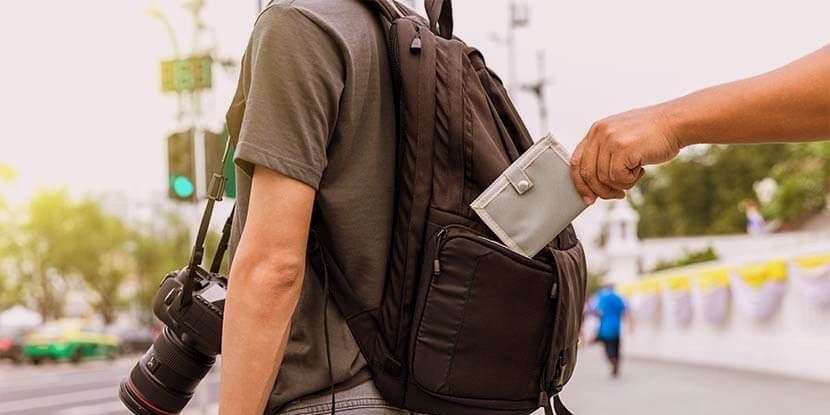
6. Non-Availability of Bags
When taking a trekking holiday, there are also issues related to bags.
Some airlines have delayed or lost flights in Nepal and personal belongings may be lost, damaged or stolen.
Baggage insurance could help fill in the void for eligible losses.
Consider coverage for:
- Lost checked baggage.
- Delayed luggage.
- Stolen personal belongings.
- Damaged travel equipment.
- Lost travel documents.
See if there are limits to coverage for high dollar trekking equipment, cameras, and electronic devices.
7. Travel Delays and Flight Cancellations
There is also a possibility of domestic flight cancellations in Nepal, especially on flights towards mountain destinations like Lukla and Jomsom, due to the weather.
Delays and cancellations can occur due to strong winds, low visibility, and changing weather conditions.
If a trip is delayed, the coverage for travel delay may be available to cover additional transportation, meals and accommodation costs if there is an appropriate travel delay coverage.
The impact of the policy, however, is a case by case basis.
Understanding Helicopter Rescue Insurance in Nepal
One of the crucial aspects of a Nepal trekking insurance is helicopter evacuation.
Numerous trails go through remote valleys and mountainous regions with no road access.
In certain situations, a helicopter can be the quickest method of getting an injured or very ill hiker to a hospital.
How Helicopter Rescue is done.
There are several different steps to the helicopter rescue process.
- Step 1 is the identification of an Emergency. The trekker could suffer from serious health issues such as acute mountain sickness, injury, or other health problems. The Trekking Guide evaluates the situation and decides if emergency assistance is needed.
- Step 2 is the step of making contact with Emergency Assistance. The guide or trekking company calls the emergency help service and insurance company. The information required for travellers insurance, location, medical condition, and more, can be requested.
- The third step is a medical evaluation and approval. The insurance assistance team could get advice from medical experts about a situation. The evacuation is organised in line with the approval procedures of the insurer, and the availability of rescue services if possible.
- Step 4 is Helicopter Evacuation. If the trekker needs to be rescued for medical reasons, and weather conditions permit, they may be moved to an appropriate medical facility by helicopter.
- Step 5 is Hospital Treatment. Once the traveller arrives at the hospital the proper medical treatment is provided. The insurance company then claims the eligible expenses on the basis of the terms of the policy.
How Much Does Helicopter Rescue Cost in Nepal?
Helicopter rescue can be one of the most expensive parts of an emergency during a Himalayan trek.
The total cost depends on several factors, including:
- Location of the emergency.
- Distance travelled.
- Helicopter availability.
- Weather conditions.
- Rescue coordination.
- Number of passengers.
- Landing and operational requirements.
There is no single fixed price for helicopter evacuation throughout Nepal.
Depending on the circumstances, an emergency helicopter rescue can cost several thousand US dollars.
Therefore, travellers should select an insurance policy with a sufficiently high emergency evacuation limit.
It is also important to confirm whether the insurance company can provide a payment guarantee directly to the rescue operator or whether the traveller must initially pay and request reimbursement.
Best Insurance Coverage for Popular Trekking Routes in Nepal
Not every trekking destination requires the same level of insurance coverage.
A short trek near Pokhara has different risks compared to a high-altitude journey through the Everest region.
Your insurance should always match the highest elevation and activities included in your itinerary.
Everest Base Camp Trek
Amongst the world's most popular trekking experiences is the Everest Base Camp Trek.
This hike is set in the Khumbu region and offers stunning Himalayan scenery, Sherpa villages, suspension bridges, monasteries, and more.
Everest Base Camp is around 5364m as is the popular Kala Patthar Viewpoint around 5545m.
Trekkers are advised to have insurance for high altitude trekking here.
Special attention should be given to helicopter evacuation, medical costs associated with an emergency, and altitude-related illnesses and repatriation.

Annapurna Circuit Trek
The Annapurna Circuit Trek is a truly remarkable journey that combines stunning views of the mountains, an immersive cultural experience, and a variety of landscapes.
It offers numerous highlights including Thorong La Pass, at about 5,416 metres.
Trekking above 5,400 metres requires trekking insurance as there is difficult mountain terrain to cross.
There should also be an emergency evacuation together with altitude-related medical treatment.
Annapurna Base Camp Trek
Another popular trek for tourists from abroad is the Annapurna Base Camp Trek.
The journey climbs up to about 4130 metres and passes through the traditional villages of Gurung, through the forests, waterfalls and stunning mountain scenery.
While it's not as long as some of the more mountainous adventures, insurance is still a consideration.
Consider an insurance plan that includes trekking over 4,130 metres, emergency medical care and evacuation.

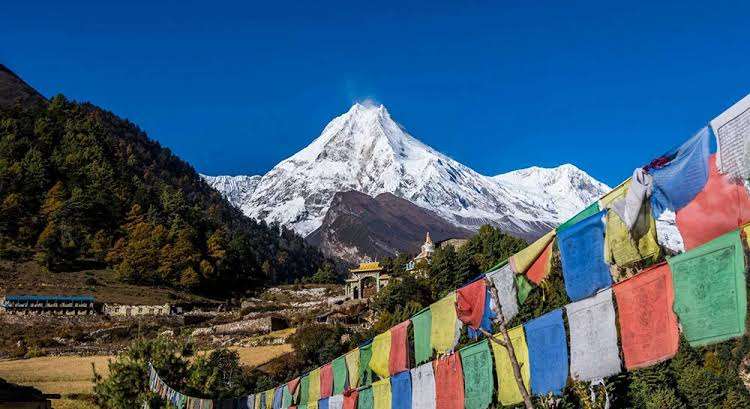
Manaslu Circuit Trek
The Manaslu Circuit Trek is a trek that is known for its remote trails, traditional settlements, and magnificent Himalayan scenery.
The trail climbs up to Larkya La Pass (5,160m).
The trail is sparsely developed, especially in the area of medical facilities, and helicopter evacuation coverage is of particular importance.
Trekkers should also find out if their insurance policies cover remote trekking and what the conditions are for trekking in restricted areas.
Langtang Valley Trek
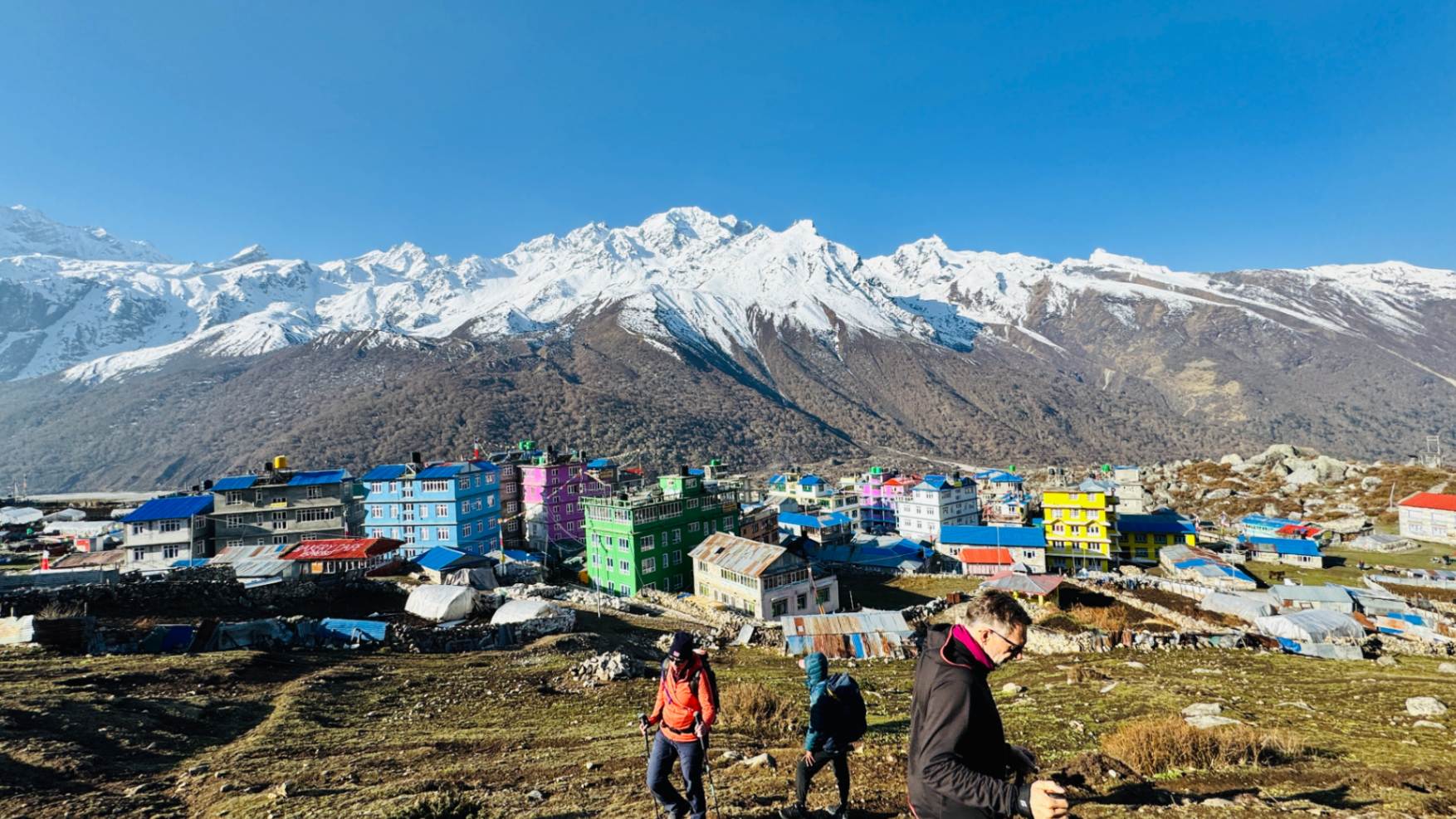
The Langtang Valley Trek is a scenic trek in the Himalayas, nestled north of Kathmandu.
It is a trip which provides amazing views of the mountains, a glimpse into the local, rural and traditional Tamang culture and the opportunity to discover the surrounding Himalayan landscape.
The main trail in the Langtang Valley is not high, but some of the side trails are very high.
The travelers should compare the highest point of their actual tour before they choose their insurance.
Mardi Himal Trek
The Mardi Himal trek is a popular route for those seeking a relatively short, yet adventurous trek in the Himalayas.
The trail winds through forests, through old villages and stunning vistas of the Annapurna range.
The most popular of these peaks is at approximately 4200 metres.
While it is thought to be a shorter hike, accidents, altitude issues and weather can make it difficult.
Actual trekking altitude and emergency medical transportation insurance is suggested.
How Much Does Nepal Trekking Insurance Cost?
The cost of trekking insurance in Nepal varies depending on several factors.
There is no universal price because insurance companies calculate premiums based on the traveller's age, trip duration, destination, activity level, altitude coverage, and selected benefits.
Some of the main factors affecting insurance costs include:
1. Duration of the Trip
One week trek holiday can sometimes be less expensive to be insured for than a 25 day Himalayan holiday.
Longer trips usually will carry higher premiums as the insurance company will be covering it for a longer time.
2. Trekking Altitude
High-altitude trekking insurance will typically cost more than normal trip insurance.
A trekking permit to go up to 5,500 metres may be more expensive than one for trekking at lower altitudes.
3. Emergency Evacuation Coverage
The premiums may be higher with policies that allow for more helicopter evacuations.
4. Traveller's Age
Insurance premiums may also be affected by age because some insurance companies do take into account the risk that an older traveller may present.
5. Additional Benefits
These additional features may add to the overall cost, such as trip cancellation, baggage protection, personal accident coverage, and adventure sports coverage.
What amount of insurance coverage should you get?
Don't just decide on the insurance based on the lowest premium, compare coverage limits.
If you're seeking a high altitude trek in Nepal, you need to take into consideration:
- A significant Emergency Medical Expenses Limit.
- Separate helicopter evacuation limit large enough for remote rescue.
- Insurance for the highest point on your trip.
- Emergency repatriation.
- Altitude sickness treatment.
- Cancellation and interruption of trips.
- Personal accident coverage.
A general guideline for high altitude trekkers is that they require at leastUS100,000inemergencymedicalcoverageandaseparateevacuationlimitofUS100,000or more.
These are as suggested planning benchmarks and not as requirements or as an assurance of adequacy in Nepal. It will vary depending on your trip, your insurance policy and your insurance company.
Best Insurance Companies for Trekking in Nepal
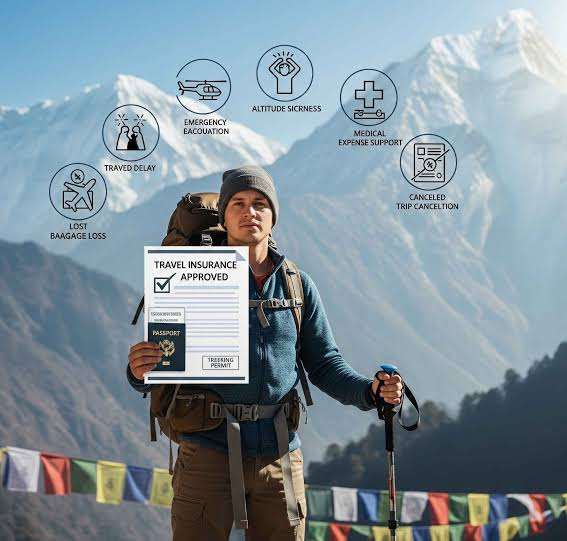
There are a few international insurance companies that have travel insurance plans that contain trekking and adventure plans.
Not all companies offer the same benefits in their plans, however.
Others might need extra adventure sports coverage, or have restrictions on heights.
Here are some insurance providers to explore when comparing insurance options.
1. World Nomads
World Nomads is one of the well-known insurers in the travel insurance industry and is highly sought after by independent travellers and adventurers.
Depending on the country of residence and selected plan, its policies may offer coverage for certain trekking and adventure activities.
The activity list, altitude limits and emergency evacuation advantages should be carefully checked prior to purchase by travellers.
Official website: https://www.worldnomads.com/
2. Allianz Travel Insurance
Allianz Travel Insurance provides a number of travel protection plans that might contain emergency medical costs, trip cancellation, travel delays and more.
Adventure activity coverage does vary from plan to plan and country to country, however.
People who are preparing to travel to high altitudes in Nepal should make sure that they have a policy that includes the route and altitude they will be ascending.
Official website: https://www.allianztravelinsurance.com/
3. IMG Global
IMG is an international travel medical insurance and travel protection provider.
Certain plans offer medical coverage and medical evacuation coverage.
Tourists need to confirm that the chosen plan includes a trip to the mountains, recreational trekking and helicopter evacuation.
Official website: https://www.imglobal.com/
4. SafetyWing
SafetyWing is a travel medical insurance company specializing in insurance products for travelers from outside the country and digital nomads.
Some adventure activities could be covered depending on plan and the conditions apply.
When buying, check the maximum trekking altitude, emergency evacuation requirements, and trekking conditions.
Official website: https://safetywing.com/
These are companies that you should research but not a ranking or an assurance that all policies include trekking in Nepal. The availability and eligibility, along with benefits and exclusions, may vary by country of residence and by insurance product.
Make sure to always get the written agreement from the insurance company that your specific trekking route will be covered.
What Is Not Covered by Nepal Trekking Insurance?
It's just as crucial to know what is not covered by the insurance as to know what is.
A lot of travelers buy insurance policies without reading out the terms and conditions of the insurance policy. This can cause issues if they are required to make a claim.
Below are some of the most frequently asked about exclusions to keep an eye on.
- Trekking Above the Maximum Altitude
If your policy is for trekking up to 4,000 metres but you are doing a 5,364 metre trek, you may not be covered for events at higher elevations.
Be sure to check the maximum elevation on the climb.
- Uncovered Adventure Activities
Certain policies include ordinary hiking, but not technical, mountaineering or trekking with specialized equipment.
If you are contemplating an adventure on Mera Peak, Island Peak or elsewhere, you might require extra mountaineering coverage.
- Emergency Evacuation Coverage
A pre-existing medical condition that has not been declared.
Some policies will not cover medical costs for pre-existing health conditions.
If you suffer from a medical condition make sure you tell your insurance companies about it in detail.
Look at if the insurance provider provides extra insurance for declared conditions.
- Unauthorised Helicopter Evacuation
Some insurance companies will require authorization before they make emergency evacuations.
If possible, you or your trekking guide should try to reach the insurer's emergency assistance team before organising a helicopter.
If there is no communication, however, or if it would cause serious danger to the person if it was delayed, medical safety should be given priority first of all.
- Reckless or Unsafe Behaviour
If a driver engages in an activity that is considered to be reckless or is not allowed, then insurance policies may not cover that incident.
Failure to follow the safety guidelines, not participating in excluded activities or not meeting policy requirements could impact the claim.
- Alcohol-Related Incidents
Some insurance companies do not cover injuries or emergencies that are caused by alcohol.
Before taking out a policy, please read the appropriate exclusions carefully.
When Should You Buy Trekking Insurance for Nepal?
The best time to purchase trekking insurance is after confirming your travel plans and before beginning your international journey.
Buying insurance early can provide additional benefits, particularly if your policy includes trip cancellation protection.
If you wait until the last moment, you may miss the opportunity to receive certain cancellation benefits.
Before purchasing, confirm:
- Your trekking destination.
- Total trip duration.
- Highest trekking altitude.
- Whether you are joining a guided trek.
- Whether your itinerary includes technical climbing.
- Whether helicopter evacuation is covered.
- The emergency assistance contact number.
Once you have purchased the policy, save a digital copy and keep another copy accessible offline.
You should also share the relevant insurance information with your trekking agency or guide.
Essential Documents to Carry During Your Trek
Having insurance is important, but being able to access your insurance information during an emergency is equally important.
Mountain areas may have limited internet connectivity, so do not depend entirely on online access.
Keep the following information available:
- Insurance certificate.
- Insurance policy number.
- Emergency assistance telephone number.
- Insurer's international contact details.
- Passport details.
- Trekking permits and relevant identification documents.
- Emergency contact information.
Share your insurance details with your trekking guide before starting the journey.
Your guide should know how to contact the insurance company if an emergency occurs.
Important Tips for Choosing the Right Nepal Trekking Insurance
Sometimes it can be confusing to select appropriate insurance when you first travel to Nepal.
In the meantime, here are some tips to help you make your selection.
Understand Your Trekking Route
Do some research and find the highest point on the route. Even if the trekking destination is the same, there are different trekking itineraries that can reach different elevations.
Look at different insurance policies and get a comparison of their benefits.
Don't choose an insurance carrier because of its premium value alone. Compare costs of medical care, evacuation coverage, restrictions on activities, and exclusions from coverage.
Check Helicopter Evacuation Limits
Ensure that the helicopter rescue is in scope and that it is adequate.
Read the Policy Document.
Often marketing descriptions are very general. The actual wording for the policy states the conditions to be met before claiming and to be met when denying a claim.
Verify the availability of emergency assistance.Verify that there is emergency assistance available.
Opt for a provider that offers easy access to emergency support. Look for staffing around the clock.Look for 24-hour staffing in its assistance team.
Tell about your medical conditions honestly
Fill out the insurance application with accurate information. Inaccuracies or incomplete statements could impact coverage.
Be sure to keep your guide up to date.
The information on your insurance and emergency contact should be available to your trekking guide or agency.
Discuss the process of paying.Know the process of paying.
Inquire if the insurance company can pay the rescue service directly or if the payment is made first, and then reimbursed later.
Is Travel Insurance Necessary for Short Treks in Nepal?
Not every trekking adventure in Nepal involves extreme altitude or remote mountain passes.
Some travellers prefer shorter and relatively accessible routes, such as Nagarkot, Dhulikhel, Australian Camp, or lower sections of the Annapurna region.
Although these destinations are generally less challenging than high-altitude Himalayan routes, accidents and unexpected medical problems can still occur.
Standard travel insurance may be suitable for certain lower-elevation activities, provided the policy explicitly covers the planned walking or trekking activity.
However, if your itinerary includes higher viewpoints, remote trails, or adventure activities, you should check whether additional coverage is necessary.
The important thing is to match the insurance policy with your actual activities rather than assuming that a short trek requires no protection.
Common Mistakes to Avoid When Buying Nepal Trekking Insurance
Even on holidays, professional travellers sometimes make errors when it comes to buying trekking insurance.
The following are some of the common issues that may arise in your Himalayan journey and how you can avoid them.
- Making a decision of what is the cheapest policy.
The lowest cost insurance policy might not offer much in terms of medical coverage, evacuation coverage or height restrictions.
Don't believe the price only, always check what you actually get.
- Violating the maximum elevation constraint.
One of the most common errors of high altitude trekkers.
A standard hiking insurance policy might not cover a hike at heights of 5000 metres or more.
- Failure to read the Exclusions.
Other visitors just read the benefits section without bothering to read the exclusions.
This can cause confusion regarding pre-existing conditions, technical climbing and high altitudes.
- Not Sharing Insurance Details With the Guide
In an emergency, you may not be able to reach your insurance company to receive information.
Your trekking guide should be familiar with the location of your policy and who to call.
- Forgetting to Check the Policy Duration
Travel days before and after should also be covered by your insurance.
Conclusion
Trekking in Nepal is a journey which is unforgettable. Whether exploring traditional mountain villages or enjoying stunning vistas of the Himalayas, each trip has a unique appeal.
But good health, equipment and a good plan is not enough to make an adventure a success. It's also crucial to be ready for the unexpected.
The right Nepal trekking insurance will give you some financial protection in case of certain medical emergencies, accidents, travel delays, and expenses of evacuation. Most importantly, it makes you more confident while in one of the world's most beautiful, and remote, landscapes.
When buying a policy, please review all of the policy restrictions, helicopter evacuation, medical coverage, and policy exclusions. Be sure it includes all of the activities on your itinerary.
We know that preparing for a memorable Himalayan journey starts with us at Happy Mountain Nepal. From trekking around the Everest region to trekking around the Annapurna trails to an experience of the beauty of Langtang or a challenge of the high altitude, being prepared will allow you to have a good time and go with confidence.
Have an upcoming trek in Nepal? For a safe, memorable and unforgettable Himalayan experience, please get in touch with Happy Mountain Nepal.
FAQs
- Is it necessary to have travel insurance when trekking in Nepal?
It is highly recommended that everyone traveling in Nepal have travel insurance. While there is no blanket mandate for insurance coverage on all trekking trails, some trekking camps would require a minimum level of insurance for participating in their tours, and some trails that require restricted area permits may require insurance documents.
- What are the pros and cons of an all-inclusive Everest Base Camp trek?
There are policies that cover the Everest Base Camp Trek but not all travel insurance policies. Itinerary coverage including trekking above 5364 metres or above if going to Kala Patthar and helicopter evacuation and emergency medical treatment must be covered by a specific policy.
- Is helicopter rescue covered by travel insurance in Nepal?
Certain special travel insurance policies offer helicopter evacuation from backcountry mountains. Coverage is dependent on the insurance company, policy limits, height limits, medical necessity, and requirements for approval.
- What is the cost of trekking insurance in Nepal?
The cost is determined by the travellers age, length of journey, altitudinal profile, destination and coverage chosen. For high altitude trekking insurance, the usual cost of insurance is higher than that of normal travel insurance. When it comes to quotes, it is best to compare quotes from different providers.
- Can you get treatment for altitude sickness in the mountains?7. What is the best altitude sickness treatment?
Medical treatment and emergency evacuation in the event of altitude sickness is covered by some policies. Some, however, have restrictions or certain exclusions. At the peak of the trekking, always verify coverage of any altitude-related illnesses.