
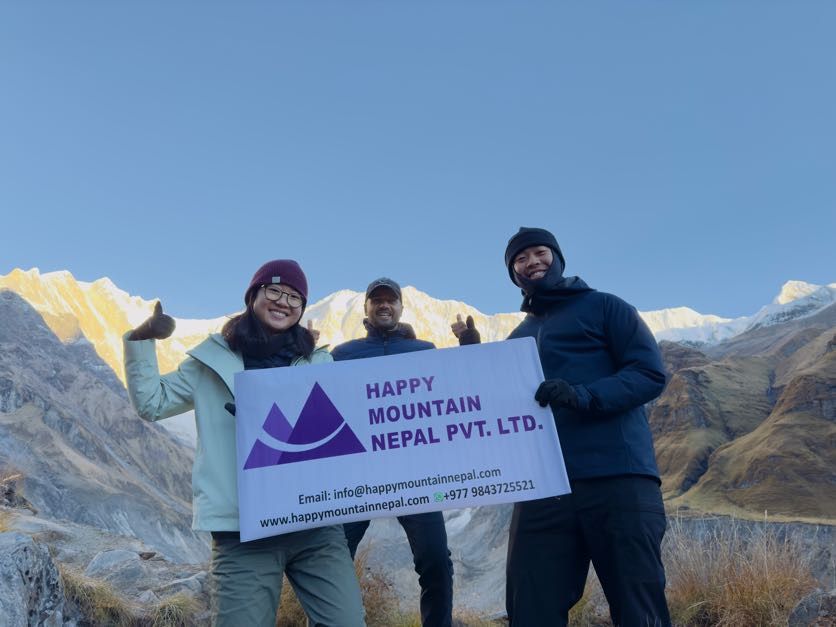
Annapurna Base Camp Trek: A Complete Guide to Nepal's Himalayan Sanctuary
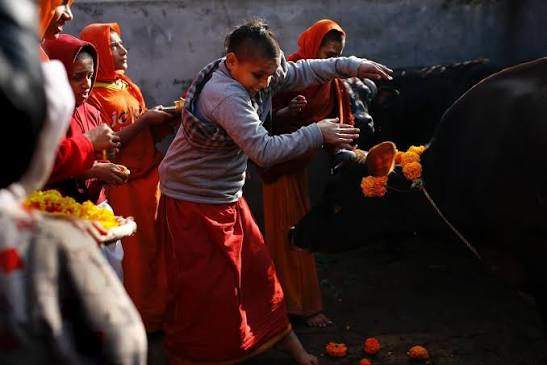
Picture strolling through beautiful rhododendron forests, traversing traditional mountain villages, crossing rushing mountain streams and slowly making your way to one of the world's highest mountains. As you ascend, you go from green countryside and terraced fields to rocky paths, glacial valleys and massive snow-capped mountains. So eventually you arrive at a natural mountain sanctuary with the magnificent Himalayas surrounding you. This is the experience of Annapurna Base Camp Trek.
ABC Trek (Annapurna Base Camp Trek) is one of the most popular trekking routes in Nepal. This trek is situated in the Annapurna region of north-central Nepal at 4130 metres above sea-level. It is a wonderful experience of the beauty of the Himalayas without having to acquire the necessary technical climbing skills or mountaineering experience.
The trek leads to the Annapurna sanctuary which is a natural amphitheatre with majestic mountains all around. In the base camp you can have wonderful views of Annapurna I, Ananna Purni South, Hiunchuli, Machhapuchhre, and a number of splendid peaks.
The duration of Annapurna Base Camp Trek is generally 7-12 days depending on the route, starting point, walking pace and trek itinerary, unlike some high altitude treks which take several weeks to complete.
Yet another unique feature of this hike is the cultural one. To pass through, trekkers will be passing through traditional Gurung and Magar villages where they will get to experience the local hospitality, traditional architecture, mountain living and authentic Nepali cuisine.
For both novice and seasoned Himalayan adventurers, Annapurna Base Camp is a perfect blend of nature, culture, and adventure.
Where Is Annapurna Base Camp Located?
Annapurna Base Camp is in Annapurna Conservation Area of Gandaki Province, Nepal. It is located in a beautiful glacial basin Annapurna sanctuary which is surrounded by some of the highest peaks of Annapurna range.
The base camp is located at about 4130m. It is enveloped by the spectacular natural landscape of mountains making it one of the best trekking destinations in the world.
The trip typically starts from Pokhara, a picturesque city on the shores of the lake, some 200 kilometres west of Kathmandu on the road. Trekkers head from Pokhara to Nayapul, Ghandruk, Jhinu Danda or another trailhead based on the trek itinerary.
The trek continues through a couple of traditional villages such as Chhomrong, Bamboo, Dovan, Himalaya and Deurali which leads to Annapurna Base Camp.
The geographical situation of this place is one of the most interesting aspects of it. In contrast to many viewpoints in the Himalaya, where you can view mountains from a distance, at Annapurna Base Camp, the mountains are right beneath your nose inside a wonderful mountain sanctuary.
Why Is Annapurna Base Camp Trek So Popular?
Nepal offers countless trekking destinations, but Annapurna Base Camp continues to attract thousands of travellers every year. Its popularity comes from the combination of accessible trekking trails, breathtaking mountain scenery, cultural experiences, and diverse landscapes.
1. Spectacular Himalayan Mountain Views
The biggest attraction of the Annapurna Base Camp Trek is undoubtedly its incredible mountain scenery.
During the journey, trekkers get close-up views of several famous Himalayan peaks. Annapurna I, standing at 8,091 metres, is the tenth-highest mountain in the world.
Other prominent mountains visible along the route include:
- Annapurna South (7,219 m)
- Machhapuchhre (6,993 m)
- Hiunchuli (6,441 m)
- Gangapurna (7,455 m)
- Annapurna III (7,555 m)
- Tent Peak (5,663 m)
The views become increasingly impressive as you approach the Annapurna Sanctuary. Watching the surrounding mountains change colours during sunrise and sunset is an unforgettable experience.
2. The Beautiful Annapurna Sanctuary
Annapurna Base Camp is nestled in a natural mountain amphitheatre called Annapurna Sanctuary.
The sanctuary is surrounded by huge peaks of the Himalaya which make the landscape very different from the lower trekking routes.
The mountain landscape is more dramatic as you come into this natural basin. The snowy slopes, glaciers, rocky terrain and towering peaks provide for a wonderful landscape.
The best part of the whole trek is standing at base camp and gazing at the surrounding mountains.
3. Traditional Gurung & Magar Villages
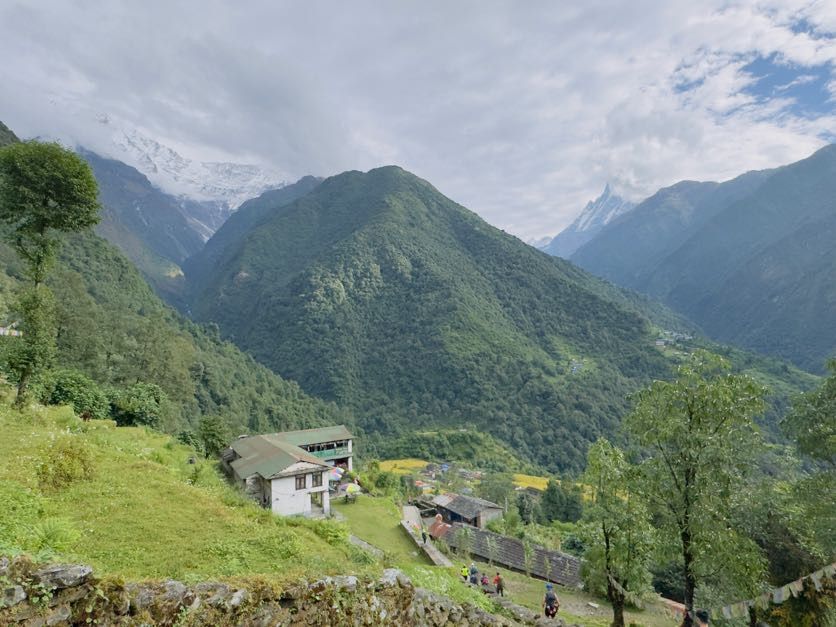
Besides being known for the mountains, the Annapurna region too boasts of its rich cultural heritage.
As you journey, you enter into the traditional villages where Gurung and Magar communities have preserved their unique culture, traditions and lifestyle for generations.
The cultural destinations Ghandruk and Chhomrong are especially popular.
The opportunity to visit local museums, enjoy traditional meals, explore traditional stone houses and interact with friendly local communities.
These cultural experiences enrich the trekking experience.
4. Diverse Natural Landscapes
The Annapurna Base Camp Trek is one of the most interesting reasons due to the dramatic changes of the scenery along the way.
The lower parts are green hills, terraced farmland, waterfalls and thick forests.
The higher you go, the more you will see alpine plants, rock walks and snow capped mountains.
In the spring, this is a very beautiful trail, especially when the rhododendron forests are in bloom. The mountains and glaciers around them are the dominant feature in the higher parts.
This natural diversity makes the journey a pleasure for photographers, nature lovers and adventurers.
5. A Rewarding Trek Without Technical Climbing
Annapurna Base Camp is a high altitude trekking site, but there is no need for technical mountaineering skills to reach here.
No specialized climbing equipment or past climbing experience is required for trekkers to attempt this.
There are, however, a number of caveats: a degree of physical fitness, correct preparation and knowledge of the risks of altitude are crucial.
ABC's accessibility and adventure make it an attractive destination for novice and expert trekkers alike.
Annapurna Base Camp Trek Route
The Annapurna Base Camp trek typically starts in Pokhara, the principal hub to get into the Annapurna region.
Itineraries vary, but trekkers usually take the road to a trailhead and hike through traditional settlements, forests and villages in the mountains.
The most popular option is:
The complete trail Pokhara – Ghandruk – Chhomrong – Bamboo – Dovan – Himalaya – Deurali – Machhapuchhre Base Camp – Annapurna Base Camp.
Once at base camp, trekkers typically retrace their steps through the same valley, but there are alternatives that can be added to longer trips.
The route includes a variety of activities, including cultural and historical visits, hiking, and wildlife observation, with each section presenting a unique experience in the stunning landscape of the Alps.
Annapurna Base Camp Trek Itinerary: 10 Days
A 10-day itinerary is a popular option for trekkers who want to experience Annapurna Base Camp without rushing the journey.
Day 1: Drive to Pokhara to Ghandruk or another trailhead.
The adventure starts with a drive from Pokhara towards Annapurna region. The route is scenic with views of green hills, rivers, terraced fields and traditional settlements.
Depending on the road conditions and chosen trail, you can start trekking from Ghandruk or another nearby trailhead.
Day 2: Trek to Chhomrong.
It follows through beautiful mountain scenery, terraced farms and traditional villages.
Chhomrong is one of the important settlements that are located on the Annapurna Base Camp route. The village is situated on a hillside with a stunning view of Annapurna South and Machhapuchhre.
On Day 3: Trek to Bamboo
Then it's on downhill tracks to the Chhomrong Khola, which is followed back up the hill through the forest.
There are bamboo, and suspension bridges to cross before getting to Bamboo.
Thick forest of bamboos surrounds the village and there is a serene night stay.
Day 4: Trek to Deurali
The path of today's hike runs through Dovan, Himalaya and then leads to Deurali.
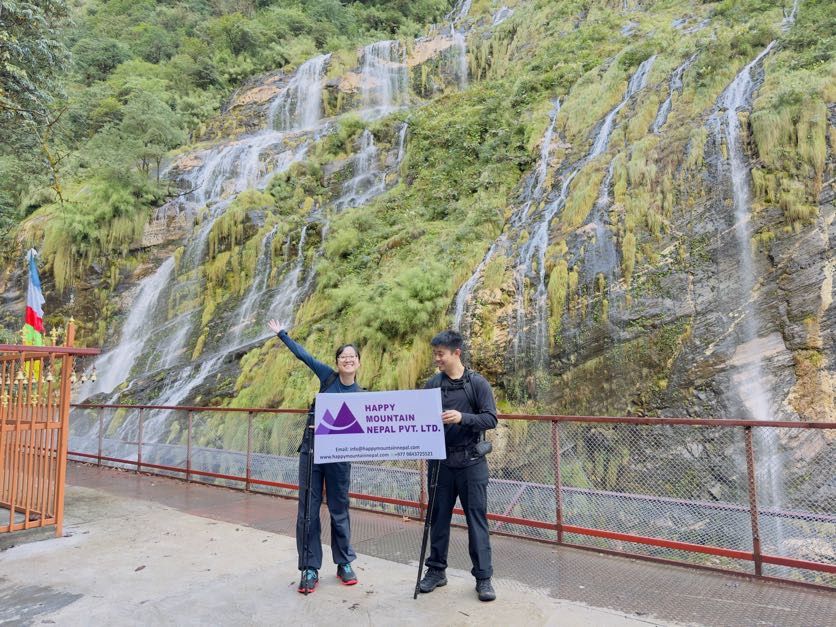
As the elevation rises, the land slopes up into areas of increasing mountain landscapes. The route through waterfalls, rocky cliffs and forest areas is very scenic.
Day 5: Trek to Annapurna Base Camp via Machhapuchhre Base Camp
In one of the most exciting days of the trek.
As you leave Deurali you slowly descend towards Machhapuchhre Base Camp at around 3,700 metres.
As you climb into the Annapurna Sanctuary the surrounding scenery becomes more dramatic.
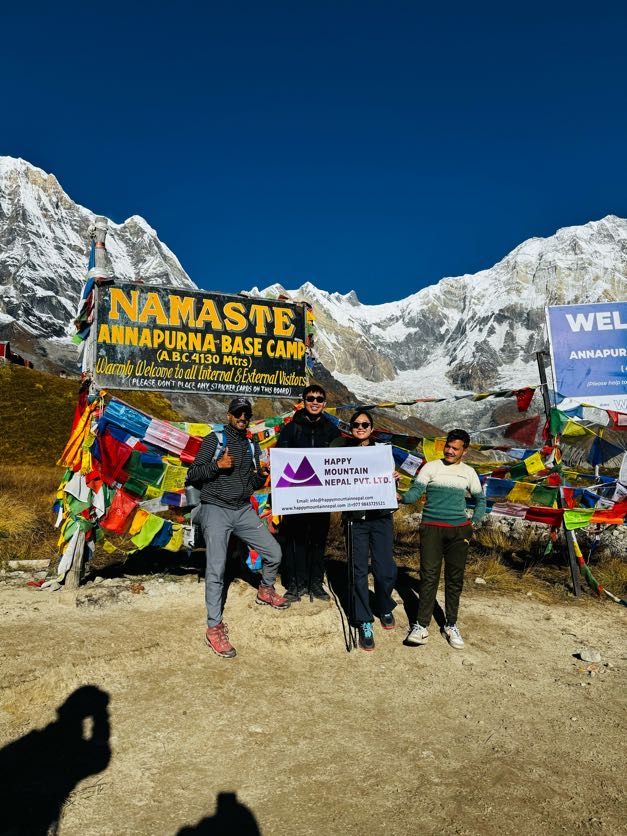
Once you have settled to appreciate the views from the mountains, head towards Annapurna Base Camp 4,130 metres.
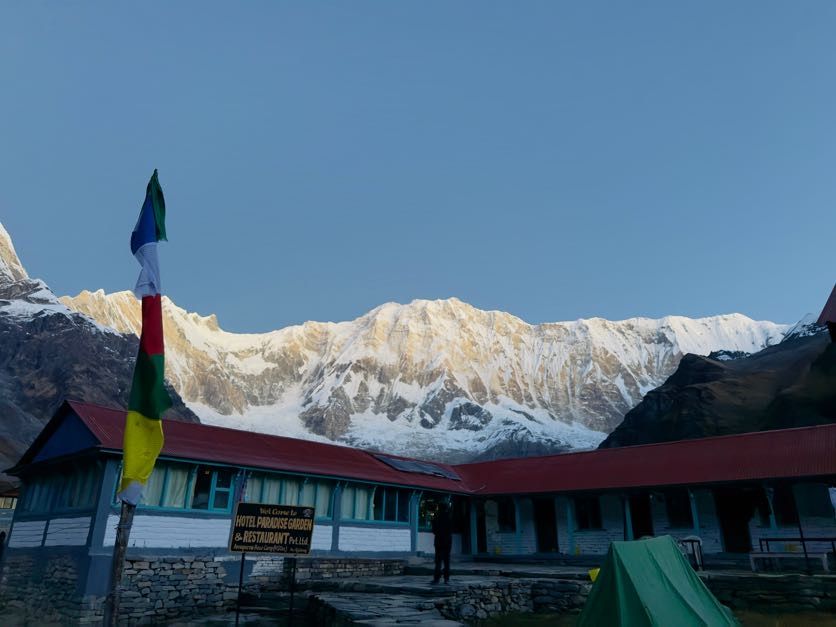
The most memorable part of the trip is getting to base camp. Surrounding the sanctuary is a panoramic panorama of the Himalayas, which provides a memorable experience.
Day 6: Sunrise at Annapurna Base Camp and trek to Bamboo
Get up early to see the beautiful sunrise in the beautiful Himalaya.
As the sun appears over the horizon, the other mountains in the area begin to get their first rays and the scene becomes a truly golden one.
Once breakfast, start down towards Bamboo. When walking downhill one has to be cautious, especially on uneven and rocky terrain.
Day 7: Trek to Jhinu Danda
Head down in the well known path to Chhomrong before reaching Jhinu Danda.
The village is renowned for its natural hot springs close to Modi Khola.
Several days of hiking, and basking in the natural hot springs can be a great experience.
Day 8: Trek to the roadhead and drive to Pokhara
Following breakfast, continue walking to roadhead.
Next, head back to Pokhara where you can unwind by the side of Phewa Lake.
Day 9: Pokhara rest and explore.
Enjoy a day of sightseeing in Pokhara city.
Explore the Phewa Lake, Davis Falls, Gupteshwor Mahadev Cave or enjoy the beauty of the mountains at various points of the city.
Day 10: Departure or Further travels
Your basecamp trip to Annapurna has come to an end. You may travel to Kathmandu or go to other places of Nepal as per your schedule.
Note: This is a sample itinerary to give you an idea. The number of walking days and overnight stops recorded may differ depending on the road conditions, the weather, fitness, acclimatisation needs, and the route being undertaken.
Best Time for Annapurna Base Camp Trek
Choosing the right season is important for enjoying the Annapurna Base Camp Trek. Weather conditions, mountain visibility, temperature, and trail conditions can significantly influence the overall experience.
Although the trek is possible during different seasons, spring and autumn are generally considered the best times.
Spring Season (March to May)
Spring is one of the most beautiful seasons for trekking to Annapurna Base Camp.
During this period, the weather gradually becomes warmer, and the forests come alive with colourful flowers.
The lower trekking sections are particularly attractive because of blooming rhododendrons. The clear mountain scenery and comfortable daytime temperatures make spring an excellent choice.
March and April are especially popular among trekkers.
Why choose spring?
- Beautiful rhododendron forests.
- Pleasant daytime temperatures.
- Colourful natural landscapes.
- Generally favourable trekking conditions.
- Excellent photography opportunities.
Autumn Season (September to November)
Autumn is another excellent season for the Annapurna Base Camp Trek.
Following the monsoon, the skies often become clearer, offering magnificent views of the surrounding mountains.
The trails are generally pleasant, and the comfortable weather makes long walking days more enjoyable.
October and November are particularly popular months.
Autumn also coincides with Nepal's major festivals, including Dashain and Tihar, offering an opportunity to experience the country's cultural celebrations.
Why choose autumn?
- Clear Himalayan mountain views.
- Generally stable weather.
- Comfortable trekking temperatures.
- Beautiful landscapes after the monsoon.
- Excellent visibility for photography.
Winter Season (December to February)
Winter trekking offers a completely different experience.
The Annapurna region receives snowfall at higher elevations, and the surrounding mountains look especially beautiful during this season.
However, temperatures can become extremely cold, particularly around Machhapuchhre Base Camp and Annapurna Base Camp.
Heavy snowfall may block sections of the trail, while freezing conditions can make walking more challenging.
Winter trekking is possible with proper preparation, suitable equipment, and careful monitoring of weather conditions.
Monsoon Season (June to August)
The monsoon season is generally less recommended for Annapurna Base Camp.
Frequent rainfall can make trails slippery, while clouds and fog may limit mountain visibility.
There can also be an increased risk of landslides, falling rocks, and swollen streams.
However, the region becomes incredibly green during this period.
Trekkers choosing the monsoon season should be prepared for changing weather and possible route disruptions.
How Difficult Is Annapurna Base Camp Trek?
Overall, Annapurna Base Camp Trek is considered a moderate trek.
It is appropriate for those who have some degree of physical fitness, and can be done by the beginner with proper preparation.
Moderate difficulty, however, doesn't imply easy!
Typically, trekkers take about 4 to 7 hours to walk a day, depending on the route, the altitude, and the speed at which they walk.
Certain areas feature sharp stone stairs, inclines, declines and rough mountain pathways.
The biggest challenge is the increasing altitude.
The Annapurna base camp is at an altitude of 4,130 metres, where trekkers will feel symptoms related to altitude. Acclimatisation, hydration and a gradual ascent are important.
These factors affect the challenges:
Physical Fitness: To walk for hours for a day, one needs good stamina and strength of leg.
Elevation: as the elevation increases, breathing may become more difficult, and physical performance will be reduced.
Weather: It may be more difficult due to rain, snowfall, strong winds, and cold temperatures.
Trail Conditions: The trail has stone steps, rocky paths, muddy areas and steep sections, so please walk carefully.
Trekking Experience: Some trekking experience would be beneficial but not required.
Many first time trekkers can make Annapurna Base camp Trek a very successful trek, provided they are well equipped and properly planned.
Annapurna Base Camp Trek Cost
The cost of the Annapurna Base Camp Trek depends on several factors, including the number
Including permit fees, accommodation, meals, transportation, guide fees, and personal costs is the number of days spent trekking.
Cost is a general average of USD 450 to USD 1,000 or higher for international travellers.
If you're on a budget, you can opt for more basic services, and if you're looking for something more comfortable, you can expect to spend more.
The key cost factors are:
Transportation: Transfer from Kathmandu to Pokhara and the trekking trailhead and vice versa.
Tea House / Lodges: Tea houses and Lodges in the trekking route.
Drinks: Drinking water, coffee, tea, and meals (breakfast, lunch and dinner).
Guide and Porter: Professional trekking guides and porters can help to make it comfortable and organized.
Permits: The required trekking permits and fees.
Personal Expenses: Snacks, hot shower facilities, Wi-Fi and other purchases.
Final price may vary from season to season, group sizes, service quality and itinerary.
To book a tour with a trustworthy trekking agency can assist in arranging transport, lodging, permits, and expert trekking support.
The Annapurna Base Camp trek requires the following permits:To do the Annapurna Base Camp trek the following permits are required:
Before starting the Annapurna Base Camp Trek, trekkers need to arrange the required entry permits.
The main permit for this trek is Annapurna Conservation Area Permit (ACAP).
The Annapurna Conservation Area has been designated as a protected area to preserve its natural environment, wildlife and cultural heritage.
Visitor entry fees provide conservation and local development.
This may be accompanied by extra paperwork and/or conditions, depending upon the countries' nationalities and current government requirements.
Before leaving, or via a registered trekking agency, trekkers must find out what permits are required for the trip.
Accommodation and Food During Annapurna Base Camp Trek
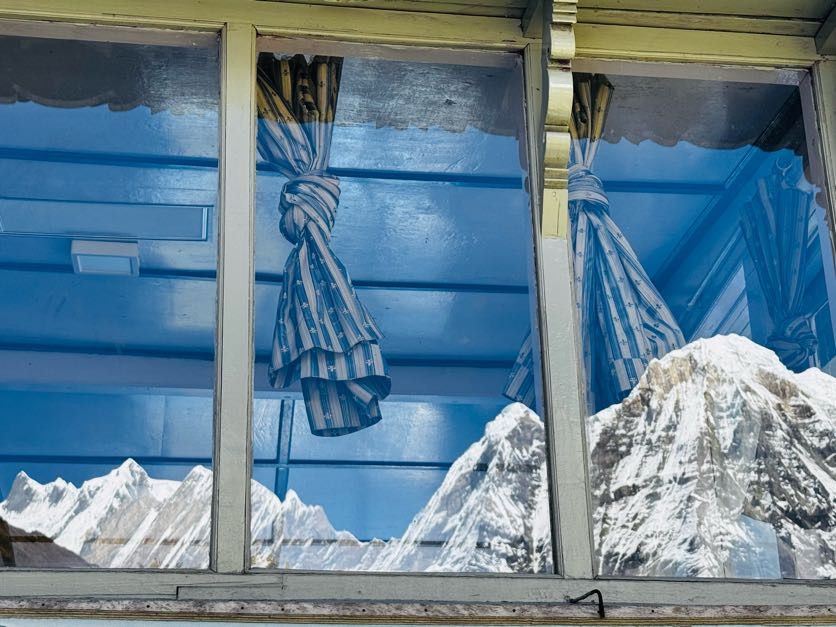
One of the best things about trekking in the Annapurna region is the availability of tea houses and mountain lodges.
Unlike remote trekking destinations that require camping, Annapurna Base Camp offers established accommodation facilities along much of the route.
Accommodation
Most tea houses provide basic rooms with beds, blankets, pillows, and shared bathrooms.
Some lodges offer attached bathrooms, but availability becomes limited as you approach higher elevations.
Common facilities include:
- Basic private or shared rooms.
- Dining areas with heating facilities.
- Shared bathrooms.
- Hot showers at additional costs.
- Charging facilities.
- Wi-Fi in selected locations.
Facilities become more basic at higher altitudes, so trekkers should not expect luxury accommodation throughout the journey.
Food
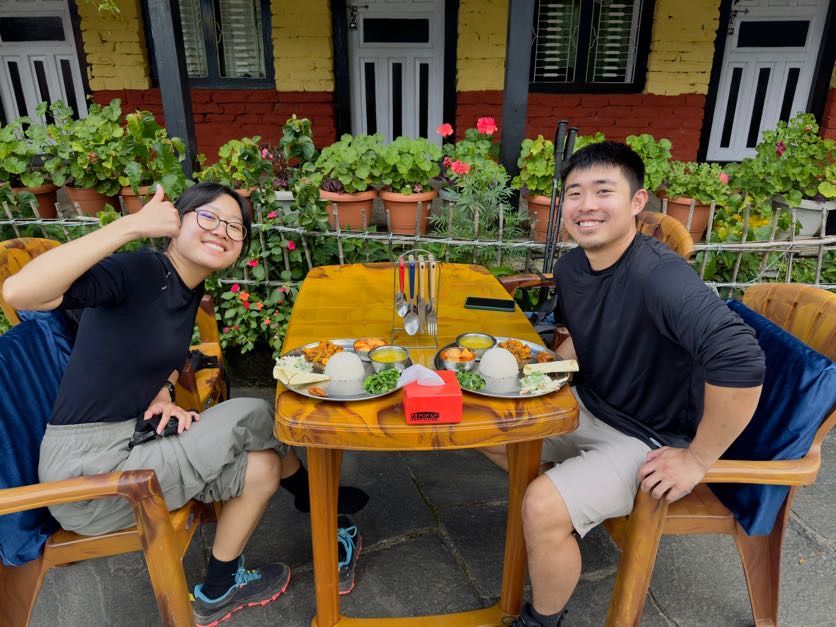
Tea houses along the Annapurna Base Camp route serve a variety of local and international meals.
Dal Bhat is one of the most popular choices among trekkers. It generally includes rice, lentil soup, vegetables, and pickles.
Other common food options include:
- Vegetable fried rice.
- Noodles and pasta.
- Tibetan bread.
- Pancakes.
- Soups.
- Potatoes.
- Eggs.
- Porridge.
- Tea and coffee.
Eating sufficient nutritious food is important during the trek because your body needs energy to manage long walking days and increasing altitude.
Annapurna Base Camp vs Annapurna Circuit Trek
Many travellers confuse Annapurna Base Camp Trek with Annapurna Circuit Trek. Although both are located in the Annapurna region, they offer different trekking experiences.
The Annapurna Base Camp Trek takes you into the Annapurna Sanctuary, where you are surrounded by towering mountains.
In comparison, the Annapurna Circuit Trek follows a much longer route around the Annapurna massif and crosses the famous Thorong La Pass at approximately 5,416 metres.
Here are the major differences:
Annapurna Base Camp Trek
- Destination: Annapurna Base Camp.
- Maximum altitude: 4,130 metres.
- Duration: Generally 7 to 12 days.
- Difficulty: Moderate.
- Main attraction: Mountain sanctuary and close-up Himalayan views.
- Landscape: Forests, villages, glaciers, and mountain valleys.
Annapurna Circuit Trek
- Destination: A circular route around the Annapurna massif.
- Highest point: Thorong La Pass at approximately 5,416 metres.
- Duration: Generally 12 to 20 days or more.
- Difficulty: Moderate to challenging.
- Main attraction: Thorong La Pass, diverse landscapes, and traditional mountain settlements.
- Landscape: Green valleys, high-altitude deserts, mountain villages, and snow-covered passes.
Both treks offer incredible experiences, but the right choice depends on your available time, fitness level, and trekking interests.
Essential Packing List for Annapurna Base Camp Trek
Packing the right equipment is important for a comfortable and safe trekking experience.
Since the weather changes significantly with altitude, trekkers should carry clothing and equipment suitable for different conditions.
Clothing
- Moisture-wicking base layers.
- Fleece jacket.
- Down jacket.
- Waterproof and windproof jacket.
- Trekking trousers.
- Thermal leggings.
- Comfortable underwear.
- Warm socks.
- Gloves.
- Woollen hat.
- Sun hat.
- Comfortable trekking boots.
Trekking Equipment
- Comfortable backpack.
- Sleeping bag suitable for expected temperatures.
- Trekking poles.
- Headlamp.
- Sunglasses.
- Water bottles.
- Water purification tablets or a suitable filtration system.
- Quick-drying towel.
Personal Essentials
- Sunscreen.
- Lip balm.
- Personal toiletries.
- Basic first-aid kit.
- Personal medications.
- Hand sanitiser.
- Wet wipes.
- Power bank.
- Camera or smartphone.
- Personal identification documents.
Avoid carrying unnecessary items because a heavy backpack can make long trekking days more difficult.
Is Annapurna Base Camp Trek Suitable for Beginners?
Well, yes, Annapurna Base Camp is among the popular trekking tourist spots in the Himalayas for the beginners.
There is no experience requirement in high altitude trekking for doing this journey. But novice hikers need to be aware that the walk is a long one, requires some very steep hikes and high altitudes.
It is beneficial to have a basic fitness program before going.
Cardiovascular endurance can be improved by walking, jogging, cycling, swimming and stair climbing.
Building up leg strength and overall endurance of the body can also make the trip more comfortable.
For beginners, a suitable itinerary with time to acclimatise and rest should be selected.
An experienced trekking guide is also very useful, particularly for those who are not familiar with the trekking conditions in the Himalayas.
Altitude Sickness During Annapurna Base Camp Trek
Annapurna Base Camp Trek is one of the important health issues.
The higher the elevation, the less oxygen will be available to the trekkers. Even for people with good physical shape, some may suffer from symptoms.
Common symptoms include:
- Headache
- Dizziness
- Nausea
- Loss of appetite
- Fatigue
- Difficulty sleeping
- Shortness of breath
The danger is greater when the hiker climbs too fast, without letting his body catch up.
To minimize the chances of developing altitude sickness:
Rise Slowly: Run the course in a gradual manner so that the body can adapt to the rising height.
Stay Hydrated: Make sure to drink enough water during the day.
Do not Overexert: Walk at a comfortable speed and take frequent rests.
Recognise Symptoms: Let the guide know if you get symptoms of mountain sickness.
Descend When Necessary: If symptoms get worse, it is necessary to move to a lower elevation.
If the symptoms are severe (i.e., if breathing becomes difficult at rest, confusion, loss of coordination or the headache becomes more intense, a decent and urgent medical attention is necessary).
Don't dismiss symptoms of altitude sickness, just because you want to reach base camp.
Why is Annapurna Base Camp Trek Special in Nepal?
There are several world-famous trekking destinations in Nepal, such as Everest base camp, Manaslu circuit, Langtang Valley and Mardi Himal.
But there is something special about the base camp of Annapurna.
Its greatest benefit is that it offers a chance to see the drama of the hills in the Himalayas within a comparatively brief trek.
As opposed to the trek at Everest Base Camp, which takes visitors through the Khumbu area, ABC provides a completely different landscape of lush forest, traditional Gurung villages, waterfalls and a natural mountain sanctuary.
The trail is also great for immersing oneself in local culture.
Trekkers have an opportunity of communicating with the mountain communities in Nepal, savoring the traditional Nepali foods and enjoying the hospitality of tea house owners.
If you do not have a lot of time to explore the beauty of the Himalayas, you can visit Annapurna Base Camp is a great place.
Responsible Trekking in the Annapurna Region
Annapurna is one of the most important natural and cultural areas in Nepal. It is crucial that responsible trekking is practiced to ensure that his environment is protected and local communities are supported.
With a growing number of visitors, the handling of waste, conservation and sustainable tourism are becoming more relevant.
There is something that each trekker can do to help by practicing responsible travel.
Don't Waste Plastic: Use reusable water containers instead of needless plastic.
Respect Local Culture: Dress appropriately, ask people before taking photos of them, and respect local traditions.
Use Local Businesses: When possible, stay at local establishments such as tea houses, restaurants and services.
Use Designated Trails: do not harm vegetation or disturb wildlife.
Dispose of waste properly: Take waste with you until you have found suitable disposal points.
Respect Wildlife: keep a distance and don't feed wildlife.
Responsible tourism is also in the best interests of protecting the Annapurna region for future generations.
Conclusion
Absolutely! The Annapurna Base Camp Trek is not only a trip to the mountain destination, but also a trek through a community of people. This is a chance to see the beauty, culture and amazing hospitality of the Nepalese Himalayas.
There is something special at every step, whether it involves passing through beautiful rhododendron forests or traditional mountain villages, to behold the majestic Annapurna range.
Many things can't be properly expressed in words until you reach Annapurna Base Camp and realize you are surrounded by a huge snow covered mountain range.
From being your first trip to the Himalayas to finding an exciting adventure to remember for a lifetime in Nepal, Annapurna Base Camp should be on your list of destinations.
Happy Mountain Nepal can arrange your Annapurna trek with certified and experienced guides, well designed trekking packages and great local support services.
Are you looking to journey to the Himalayas? Enquire with Happy Mountain Nepal and plan your Annapurna Base Camp Trek today!
FAQs
1.How long is Annapurna Base Camp Trek?
The Annapurna Base Camp Trek usually takes 7-12 days, depending upon the trekker's starting point, route, walking speed, and the itinerary.
2.What elevation is Annapurna Base Camp ?
The base camp at Annapurna is at about 4130 m. above sea level.
3.Is Annapurna Base Camp Trek challenging?
Yes, Annapurna Base Camp Trek is challenging.The trek is on the moderate level. It combines several hours of walking a day, a steep climb up a hill, stone stairs and high altitudes.
4.Is it possible for the Annapurna Base Camp Trek in Nepal to be done by a beginner?
Yes, The trek can be done by beginners, if they're reasonably fit and well prepared. It's vital to select an appropriate hiking path and also take a leisurely pace.
5. What is the ideal time for Annapurna Base Camp Trek?
The best months have been named March, April, May, October and November, due to the favourable weather conditions and good mountain visibility.