
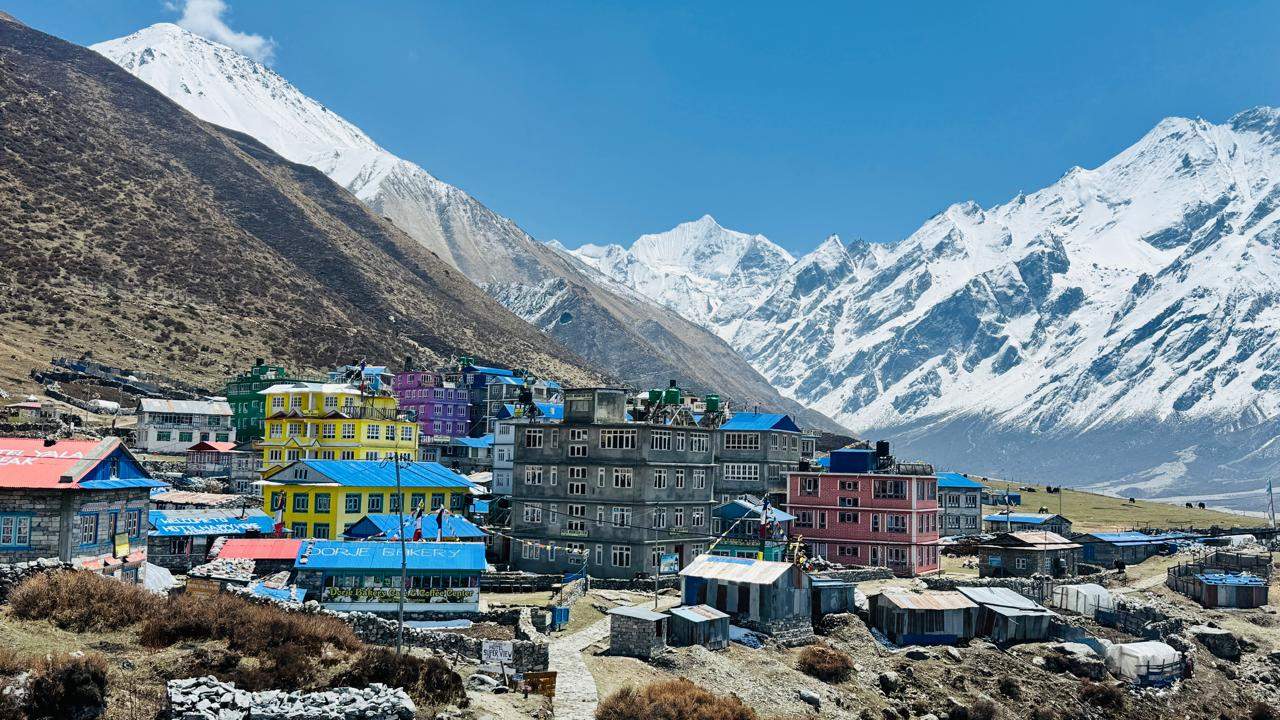
Langtang Valley Trek: A Complete Guide to Exploring Nepal's Beautiful Himalayan Valley
Nepal is endowed with the most beautiful trekking trails in the world and Langtang Valley trek is one of the rewarding treks in the Himalayas. Langtang Valley is situated in the northern part of Nepal, near the border with Tibet, and is renowned for its stunning beauty, traditional villages, scenic forests, glaciers and cultural experiences.
Langtang is popularly known as the Valley of Glaciers, and is a great place for anyone who wishes to see the beauty of the Himalayas without having to go on a long trek. The walk is not only a stunning experience of the snowy mountains but also an opportunity to see the way of life of the Tamang people.
The Langtang Valley Trek has a number of benefits, including its ease of access from Kathmandu. Langtang is on the road unlike the Everest Base Camp Trek
which usually needs a flight to Lukla. This would be a good choice for trekkers who want a fairly short trip in the Himalayan area.
Along the way, you pass through the thick forest of rhododendrons, cross suspension bridges, make a traditional village visit and slowly descend into a breathtaking alpine landscape. This trip finally ends at the lovely Kyanjin Gompa which is nestled among impressive Himalayan peaks.
The Langtang Valley Trek is a fantastic blend of nature, culture, and adventure, suitable for both novice trekkers and seasoned adventurers.
Where Is Langtang Valley Located?
Langtang Valley is located in Rasuwa District of Bagmati Province, 117 km North of Kathmandu. It is located in one of the most important protected areas in Nepal, Langtang National Park.
The valley opens up to the Nepal-Tibet border and is encircled by majestic mountains in the Himalayas. The landscape is dominated by one of the most prominent peaks in the region, Langtang Lirung.
The traditional trekking route starts at Syabrubesi and treks to Kyanjin Gompa via the Langtang Khola through the forests, villages and alpine areas.
Langtang is also a geographically significant area due to its rich natural landscapes. The region comprises subtropical forests, alpine meadows, glaciers and high altitude landscapes.
Its proximity makes it one of the closest of the major Himalayan trekking destinations from Kathmandu.
What makes Langtang Valley Trek so popular?
The Langtang Valley Trek is a very popular trek among domestic and international tourists, providing a full-fledged experience of the Himalayas in a comparatively shorter span.
Langtang offers a more serene and immersive experience than some of the more tourist-heavy trekking areas in Nepal, offering a chance to experience the local culture and way of life.
Some of the reasons for choosing Langtang -:
1. Spectacular Himalayan Mountain Views
The most attractive part of the Langtang Valley Trek is the superb mountainous view.
The trek has excellent views of some of the majestic Himalayan peaks such as Langtang Lirung, Langtang Ri, Dorje Lakpa, Yala Peak and Gangchempo along the way.
These mountains get more dramatic as the trail nears Kyanjin Gompa. With its majestic glaciers, rocky ridges and snowcapped peaks, the Himalayan landscape is an epic sight to behold.
Views from the higher locations are especially stunning on sunrise and sunset.
2. Rich Tamang Culture and Traditions
Langtang also has the Tamang community whose cultural and historical ties are closely linked with Tibetan culture and tradition.
Throughout the journey one finds traditional stone houses, Buddhist monasteries, prayer wheels, mani walls and prayer flags.
It is a chance to learn about the way of life, traditional food, religion and hospitality of the people residing in the villages.
Langtang offers something more than a mountain view for those who choose to experience cultural tourism.
3. Beautiful Forests and Wildlife
The hike goes through the varied terrain of Langtang National Park.
The bottom of the trail is mostly forested, consisting of oak, pine, bamboo and rhododendron. Rhododendrons are a source of colour in the spring.
Langtang National Park also has some wildlife species like red panda, Himalayan black bear, musk deer, Himalayan tahr and birds.
While it is not always certain what will be seen, the natural environment makes for a most interesting journey for nature lovers.
4. Kyanjin Gompa
Kyanjin Gompa is a beautiful place on Langtang Valley Trek.
This typical village lies at an elevation of 3870m and is surrounded by majestic peaks of the Himalayas.
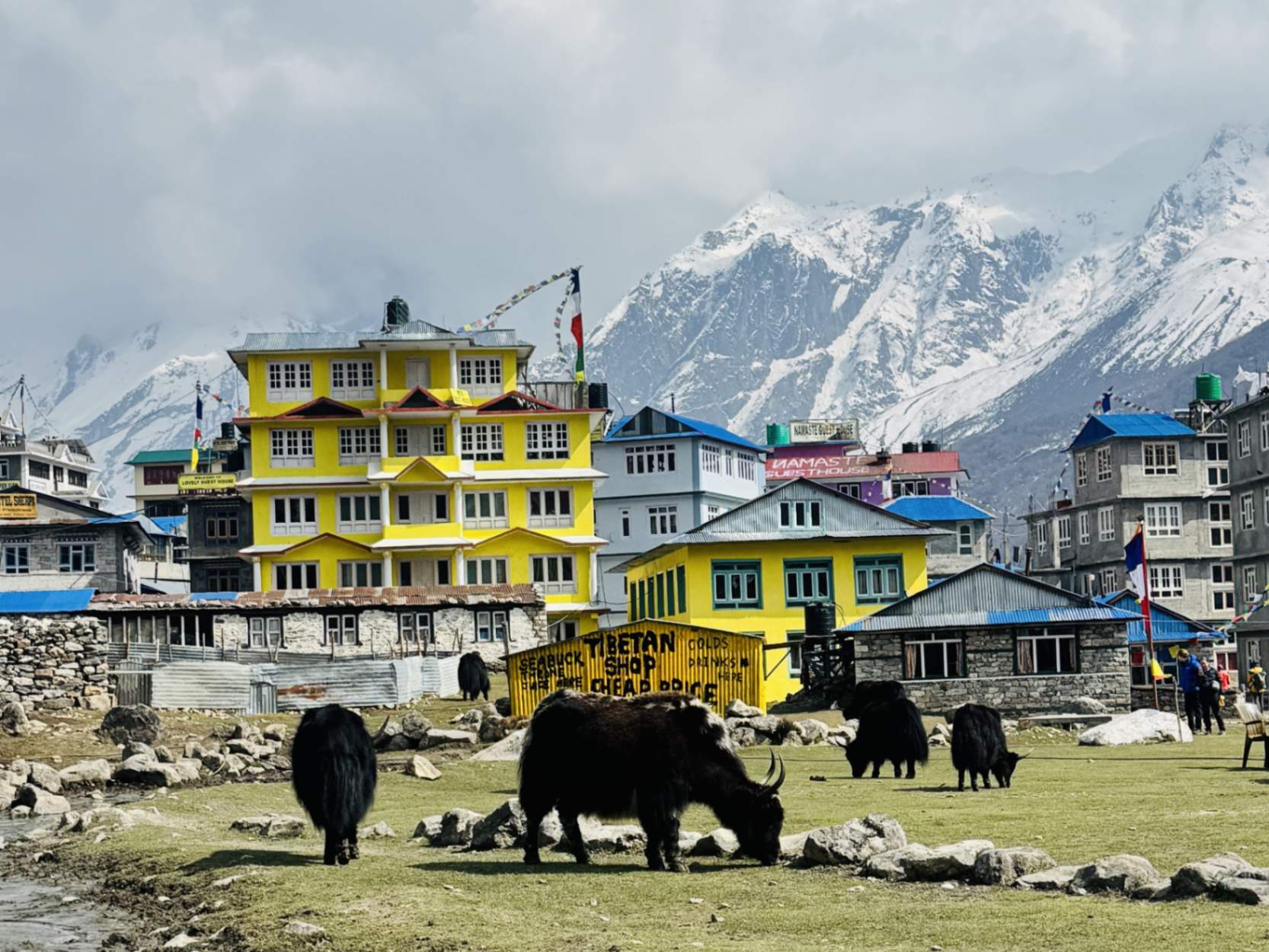
It is famous for its Buddhist temple, traditional mountain houses, yak pastures, and local production of yak cheese.
Trekkers typically end up spending an extra day here to take in the surrounds and visit some of the viewpoints.
5. Accessible From Kathmandu
The second reason for the popularity of the Langtang Valley Trek is the accessibility.
This is the traditional route that can be walked from Kathmandu via road without needing to take a domestic flight.
This makes Langtang an easy trekking place for those travelers who do not have much time but still want to experience the beauty of the Nepalese Himalayas.
Some of the most important points to know about Langtang Valley Trek are listed here.
The Langtang Valley Trek has some things to offer which make the experience memorable:
The highlights are some of the following:
- Walking through the beautiful forests of Langtang National Park.
- Living the traditional life of the Tamang community.
- With a panoramic view of Langtang Lirung and the surrounding Himalayan peaks.
- Hiking in the traditional town of Kyanjin Gompa.
- At the well-known local yak cheese factory.
- Enjoying spectacular glacier and mountain views.
- Hiking to Kyanjin Ri or Tserko Ri.
- Visiting traditional Buddhist culture, monasteries and prayer flags.
- The natural beauty of langtang valley.
Langtang Valley Trek Itinerary
A standard Langtang Valley Trek generally takes around 7 to 10 days, depending on the starting point, transportation arrangements, walking pace, and acclimatisation schedule.
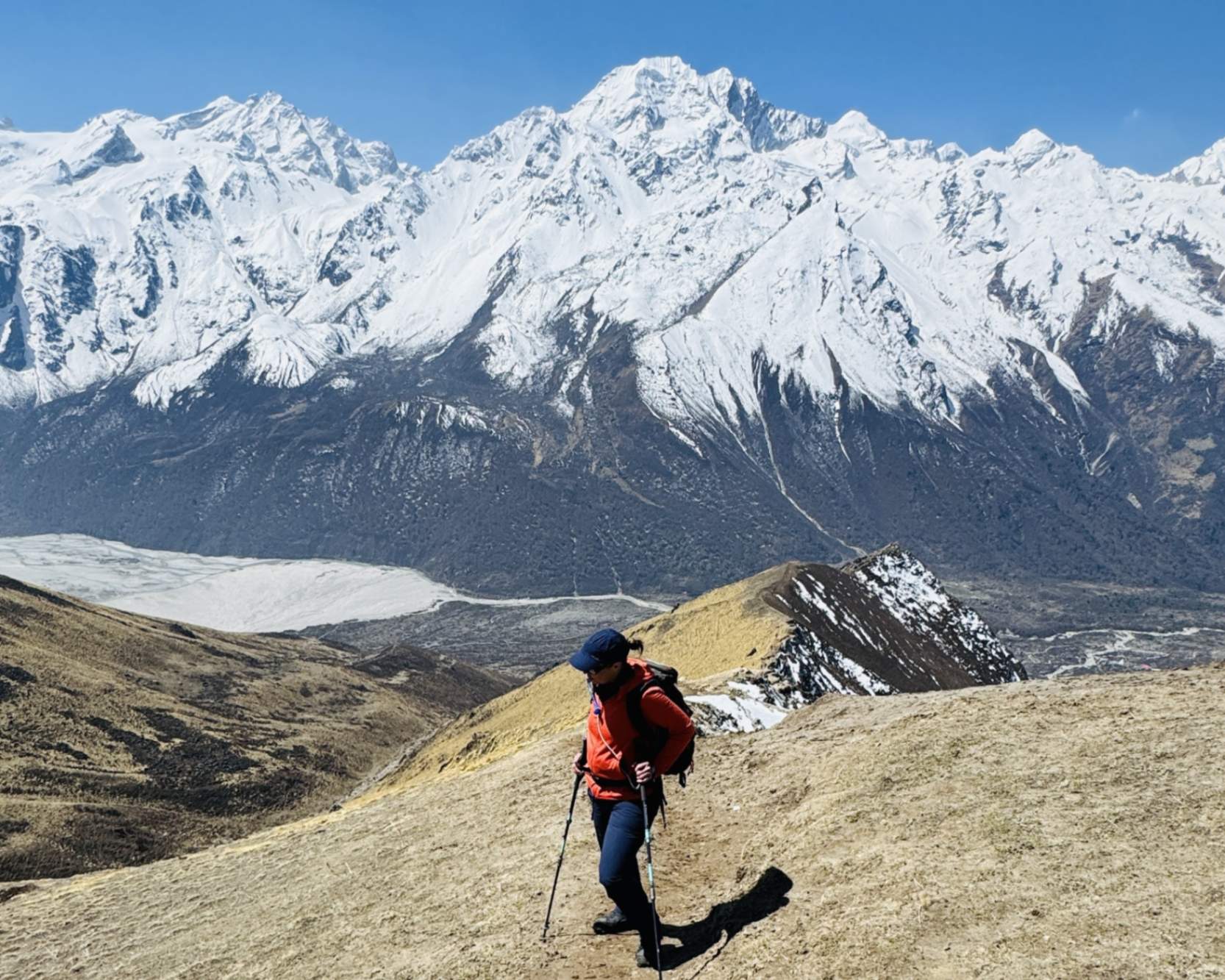
The following is a suggested 10-day itinerary following the traditional route.
Day 1: Drive from Kathmandu to Syabrubesi (1,460 m)
The trip starts off with a scenic ride from Kathmandu towards Syabrubesi.
The route winds through stunning hilly landscapes, rivers, farmland with terraces and charming villages. Rasuwa is visible as one crosses this road towards Rasuwa, where one can enjoy views of the landscape.
The traditional base for the Langtang Valley Trek is at Syabrubesi.
Day 2: Trek from Syabrubesi to Lama Hotel (2,470 m)
On day 2 you will trek to Lama Hotel (2470 m) from Syabrubesi.
Breakfast is served and the trek starts.
The trail follows the Langtang Khola and goes through beautiful forests, suspension bridges and small settlements.
The trail ascends slowly and the peacefulness of the forest is enjoyed as trekkers ascend.
This is the Lama Hotel, which is surrounded by lots of greenery and is a popular stopping point.
Day 3: Trek from Lama Hotel to Langtang Village (3,430 m)
The third day involves a gradual ascent through forests and open landscapes.
As the trail climbs higher, the surrounding scenery begins to change. Dense forests gradually give way to alpine vegetation and wider mountain views.
Trekkers pass through Ghoda Tabela, an important resting point along the route.
The journey continues towards Langtang Village, where travellers can experience the local Himalayan lifestyle.
Day 4: Trek from Langtang Village to Kyanjin Gompa (3,870 m)
This is one of the most exciting days of the trek.
The trail passes through open valleys, traditional settlements, Buddhist monuments, and yak grazing areas.
As trekkers approach Kyanjin Gompa, spectacular views of the surrounding mountains become increasingly visible.
After reaching the village, trekkers can explore the monastery and enjoy the peaceful mountain atmosphere.
Day 5: Acclimatisation Day at Kyanjin Gompa
For acclimatisation and exploration it is necessary to spend an extra day at Kyanjin Gompa.
You can experience the village, visit the local cheese factory and enjoy the Himalayan scenery.
For those able to hike, the views of the mountains are stunning at Kyanjin Ri or Tserko Ri.
Kyanjin Ri is an excellent vantage point to see the Langtang Valley and Tserko Ri is a more demanding high altitude trek.
Day 6: Trek from Kyanjin Gompa to Lama Hotel
Once the trekking participants have explored Kyanjin Gompa, they start the trek back home.
The trail goes down to Langtang Village, then to Ghoda Tabela and finally to Lama Hotel.
The return trip is the same, but the changing viewpoint of the mountains and the return trip are equally enjoyable. .
Day 7: Trek from Lama Hotel to Syabrubesi
The last day of trekking is spent passing through scenic forests and along the Langtang Khola.
Trekkers traverse suspension bridges and pass through familiar scenery to arrive at Syabrubesi.
Day 8: Drive from Syabrubesi to Kathmandu
Travellers then embark on the trip back to Kathmandu, after breakfast.
The drive is another opportunity to experience the beautiful scenery of the Rasuwa region.
Day 9: Rest and Explore Kathmandu
On the 9th day, rest and explore Kathmandu, the capital of Nepal!
This extra day can be spent for rest or to explore Kathmandu or enjoy the cultural attractions.
Day 10: Departure
The Langtang valley trek is the end of many unforgettable moments in the Himalayas, traditional villages and the hospitality of the local people.
Best Time for Langtang Valley Trek
Choosing the right season is important for enjoying the Langtang Valley Trek.
Although the region can be visited throughout much of the year, spring and autumn are generally considered the best trekking seasons.
Spring Season (March to May)
Spring is one of the most beautiful times to explore Langtang Valley.
During this season, the lower forests become colourful with blooming rhododendrons and other wildflowers.
The weather is generally favourable for trekking, and the gradually warming temperatures make walking more comfortable.
Mountain views are often excellent, particularly during the mornings.
Spring is especially recommended for nature lovers and photography enthusiasts.
Autumn Season (September to November)
Autumn is another excellent season for the Langtang Valley Trek.
After the monsoon rains, the landscapes become fresh and green. The skies are generally clearer, providing spectacular views of the surrounding Himalayan peaks.
October and November are particularly popular because of their stable weather and comfortable daytime temperatures.
This season is ideal for trekkers who want clear mountain views and relatively dry trails.
Winter Season (December to February)
Winter offers a different experience in Langtang.
The region becomes quieter, and snowfall can transform the higher landscapes into beautiful winter scenery.
However, temperatures can drop significantly, particularly around Kyanjin Gompa and higher viewpoints.
Trekkers should carry appropriate winter clothing and check weather conditions before travelling.
Monsoon Season (June to August)
The monsoon season brings heavy rainfall to the region.
Although the forests become greener and waterfalls more impressive, trekking can become challenging because of slippery trails, landslides, leeches, and road disruptions.
The region's mountainous roads are particularly vulnerable to heavy rainfall.
For these reasons, monsoon is generally not recommended for the Langtang Valley Trek.
Langtang Valley Trek Difficulty
Overall, the Langtang Valley Trek is a moderate level trek.
No technical climbing ability or mountaineering experience is necessary. But if you're a trekker, you should be reasonably fit, and be able to walk for several hours a day.
The walking path is a mix of gentle inclines, sharp inclines, rocky, suspension bridge and high altitude walking.
The biggest challenge is the increasing altitude.
Kyanjin Gompa is located at about 3,870 metres above sea level and the oxygen level is significantly reduced from sea level.
As the trekking approaches higher altitudes, some symptoms of altitude sickness are possible, such as headache, dizziness, nausea and fatigue.
To minimize risks from altitude, it is essential that you acclimate properly, get plenty of water, and slowly ascend.
It is also crucial to keep in mind that Kyanjin Gompa is not Kyanjin Ri, or even Tserko Ri. The option hikes are more vigorous and will be at higher elevations.
What is the cost of the Langtang Valley Trek?
The Langtang Valley Trek price varies depending on a number of factors such as trek duration, group size, accommodation, transportation, guide fees and personal expenses.
Generally, being a cheaper trek as compared to some of the longer trekking adventures in Nepal, Langtang is not considered to be an expensive trek for any budget.
The following are the biggest costs:
Electrical: Electricity, gas, water and sanitary facilities.Communication: Telephone, mobile phone, TV, radio, fax etc. facilities.
Accommodation: Teahouse and lodge accommodation all throughout the trip.
Food and Drinks: Breakfast, lunch, dinner, tea, coffee and drinking water.
Guide and Porter: Professional trekking guides and trekking porters (as per package).
Entry Permit: Langtang National Park entry permit and where applicable other documents.
Personal Expenses: Snacks, charging facilities, hot shower, internet (Wi-Fi), tips.
The budget-conscious trekker may find that he or she can travel with fewer amenities and at a less expensive price; the traveler who opts for private transportation, comfortable lodging, and personal service is likely to spend more.
It is best to ask for a package based on your desired itinerary and number of people, to ensure an accurate estimate.
Permits Required for Langtang Valley Trek
Trekkers need the appropriate entry permit to explore the Langtang region.
Langtang National Park Entry Permit
The Langtang National Park Entry Permit is compulsory for visitors entering the protected area.
The published entry fees are:
- Foreign nationals: NPR 3,000 per person.
- SAARC nationals: NPR 1,500 per person.
- Nepali nationals: NPR 25 per person.
These fees should be reconfirmed before departure.
Trekkers should also check the current requirements for the Trekkers' Information Management System (TIMS) card and guide arrangements through a registered trekking agency.
For the latest official information, travellers can consult the Nepal Tourism Board.
Accommodation and Food During Langtang Trek
There are very few lodges in the Langtang valley trek for accommodation as it is a local residence.
The basic but comfortable facilities at these places are limited to trekkers.
The rooms in most teahouses will have shared bathroom facilities, beds and blankets. Depending on the area, some lodges offer attached bathrooms, hot showers and more.
The higher the elevation, the more basic the accommodation.
Another fascinating aspect of the trip is the food.
Traditional Nepali cuisine and international cuisine is available for trekkers.
Common food choices are:
- Dal Bhat Tarkari.
- Vegetable noodles.
- Fried rice.
- Tibetan bread.
- Thukpa.
- Momos.
- Pancakes.
- Eggs and potatoes.
- Soups and porridge.
Trekkers love Dal Bhat because it serves as a nutritious meal made up of four components – protein, carbohydrate, vegetables and dals.
One of the special food products in the region is yak cheese which visitors can try at Kyanjin Gompa.
Major Attractions Along the Langtang Trek
The hike between the villages is not the only way to travel in Langtang. It does not only make the experience memorable, but there are also several natural and cultural traps there.
- Langtang National Park
Langtang National Park is one of the most beautiful protected areas of Nepal.
It was founded in 1976 and spans a variety of ecosystems from subtropical forests to alpine areas.
Many mammals, birds and plants inhabit the park.
It is particularly known for its red panda habitat and beautiful Himalayan scenery.
The park offers nature enthusiasts the chance to explore the Nepalese Himalayas' ecological variety.
- Langtang Village
Langtang Village is one of the pivotal en route villages in the trekking route.
The village is nestled in a stunning landscape of the mountains and offers a glimpse into the traditional way of life for the Tamang people.
It also has a rich heritage.
The devastating Earthquake of 25 April 2015 caused an avalanche that swept down the old settlement of Langtang, devastating many families in the area.
The community slowly recovered their houses, abodes and livelihood.
Now, a visit to Langtang Village is also a chance to help the people of the Village and their recovery efforts.
- Kyanjin Gompa
Kyanjin Gompa is one of the most iconic places in Langtang region.
The town is famous for its Buddhist temple, historic buildings and its incredible mountain landscape.
It acts as the principal destination of trekkers to the upper section of the Langtang Valley.
The monastery is open to visitors, who can explore its grounds and enjoy the local hospitality and the peaceful ambiance of the Himalayas.
- Kyanjin Ri
Kyanjin Ri is one of the popular viewpoints inside the area of Langtang.
It is located above Kyanjin Gompa and has spectacular panoramic views of the mountains and glaciers around it.
This hike is difficult in part due to steep incline and elevation, but the views at the end are well worth it.
It is a fine choice for trekkers desiring to see a bit higher from the Himalayan landscape.
- Tserko Ri
Tserko Ri is another spectacular viewpoint in the Langtang region.
It stands at around 4,984 m and has spectacular views of the surrounding peaks of the Himalayas, which are higher than Kyanjin Ri.
This hike is normally several hours of hiking and is not for the faint of heart.
Often, trekkers start their day early to catch the sunrise and the clear mountain vistas.
- Langtang Glacier
One of the most spectacular natural features in the valley is Langtang Glacier.
The glacier and rock surrounding environment are a dramatic Himalayan environment.
Trekkers can enjoy the glacier views from the upper valley, surrounding peaks and the glacial terrain.
This is a site that's definitely interesting to those with an interest in mountain geography and glacial landscapes.
What Should You Pack for Langtang Valley Trek?
Packing the right equipment is essential for a comfortable and safe trekking experience.
The weather in Langtang can change quickly, especially at higher elevations.
Some essential items include:
Clothing
- Thermal innerwear.
- Trekking trousers.
- Comfortable T-shirts.
- Fleece jacket.
- Down jacket.
- Waterproof jacket.
- Warm gloves.
- Woollen socks.
- Warm hat and sun hat.
Footwear
- Comfortable trekking boots.
- Lightweight sandals.
- Extra trekking socks.
Personal Equipment
- Backpack.
- Sleeping bag.
- Trekking poles.
- Sunglasses.
- Headlamp.
- Reusable water bottle.
- Water purification tablets.
Personal Care and Medical Supplies
- Sunscreen.
- Lip balm.
- Personal toiletries.
- Basic first-aid kit.
- Personal medications.
- Hand sanitiser.
- Wet wipes.
Important Documents
- Passport or identification documents.
- Trekking permits.
- Travel insurance documents.
- Emergency contact information.
It is advisable to pack light while ensuring that all essential equipment is available.
Physical Preparation for Langtang Valley Trek
While the Langtang Valley Trek is not a professional mountaineering adventure, it is still possible to enjoy the trek a lot more if there is physical preparation.
Ideally, trekkers should start preparing 4-6 weeks before departing.
Some appropriate preparation activities are:
Walking and Hiking: Endurance and preparation for long trekking days by regular walks.
Cardiovascular: Cycling, Jogging, Swimming, Stair Climbing are all good to increase cardiovascular fitness.
Strength Training: Legs can be strengthened by doing activities like step-ups, lunges and squats.
Practice Hiking: If you have the opportunity, participate in shorter hikes with a backpack similar to the one you will be using on the trek.
Altitude Awareness: Learn about what happens when climbing to high altitudes and the importance of acclimatisation.
Keep in mind that being fit doesn't rule out the danger of altitude sickness. It is important to acclimatise.
Is Langtang Valley Trek Suitable for Beginners?
Yes, For the first timers it is physically fit and are well-prepared for the Langtang Valley Trek, they can do it.
One of the more accessible trekking experiences from Kathmandu in the Himalaya.
The trail is not a technical climb, and there is accommodation along the main route.
But for the beginner, the height and walking distances for a day are not to be taken lightly.
Having a tour guide with mountain experience can make the trek easier and safer, particularly for those with limited mountain experience.
It is highly recommended to follow a well-planned tour with enough acclimatization days.
Is Langtang Trek Safe After the 2026 Flood?
When considering Langtang in 2026, it is important to keep in mind the safety and accessibility of the area.
Roads, bridges and infrastructure were severely damaged in Rasuwa district following the flood of the Bhote Koshi River on 26 August 2026.
The traditional road access to Syabrubesi was especially impacted.
The upper Langtang trekking trail has been open on alternate routes via Dhunche and Thulo Syabru though. Trekking agencies operate this upper trail of Langtang.
The latest updates in early November 2026 indicate that trekking is also restarted via alternative access methods.
The condition of the road and the availability of transportation could vary from the standard tour route.
Before booking, confirm:
- Rasuwa's current road situation.
- The starting point of the trek.
- Availability of transportation.
- Bridge and walking trail conditions.
- Local safety information and weather.
- Availability of accommodation along the way.
Something else to look out for is selecting a registered trekking company that has a connection with local communities and guides.
Particularly with regards to responsible travel, the area is still recovering from the disaster.

Responsible Tourism in Langtang Valley
Langtang is more than just a trekking area. It also supports the local communities that are closely associated with the tourism industry in terms of their culture, traditions and living.
Responsible tourism is about preserving the natural environment and promoting local communities.
Here are some responsible traveling tips:
Support local businesses: stay in locally run teahouses and buy local food and products.
Respect Local Culture: Dress in an appropriate manner when visiting monasteries and religious sites. Always ask for permission before taking photographs of local people.
Do not use plastic waste: Use re-usable water bottles and do not buy unnecessary plastic packaging.
Wildlife Protection: Don't disturb or harm animals or their habitat.
Respect Religious Traditions: Respect the local traditions regarding monasteries, prayer wheels, mani walls and other religious monuments.
Listen to Your Guide: Adhere to local weather, trail and safety information.
Minor but responsible actions can make a significant contribution to the communities and environment of Langtang.

Why Choose Happy Mountain Nepal for Langtang Valley Trek?
To plan a trekking holiday in the Himalayas, it's important to have the right knowledge, experience, and assistance from a local travel agency.
The essence of trekking is more than just getting to the end goal, and at Happy Mountain Nepal, this is what we strive to offer our clients. It should be a chance to see the beauty of nature, the culture and the hospitality of Nepal.
We are committed to offering customized trekking experiences guided by the expertise of our staff and with meticulously crafted itineraries.
You can travel on your own, with friends, or with family. We can plan your Langtang Valley tour according to your choice, time and budget.
Access to transportation and accommodation, permits and experienced guides; we're making your trip pleasant and memorable.
We also promote responsible tourism and we are aware that we need to support the people of Nepal that makes such a special place to visit.
For those who intend to visit the splendid Langtang region, Happy Mountain Nepal is here to help you organise your Himalayan adventure.
Conclusion
The Langtang Valley Trek, one of Nepal's most rewarding Himalayan treks, is a wonderful trek. Throughout the entire trip, one comes across something unique, from beautiful forests to traditional Tamang villages, from magnificent glaciers to snow-covered mountains.
Langtang's greatest strength is its blend of nature, culture, and the indomitable spirit of its people. During the trip, participants will witness the beauty of the Himalayas and gain insight into the local culture and lifestyle of the people living there.
You can't go wrong with Langtang Valley on your travel list whether you're planning your first
experience of trekking in the Himalayas or another memorable journey in Nepal.
If you want to explore the beauty of Nepal and experience the Himalayas beyond the usual tourist destinations, get in touch with Happy Mountain Nepal and start planning your Langtang Valley Trek.
Frequently Asked Questions About Langtang Valley Trek
1. How many days are needed for Langtang Valley Trek?
Langtang Valley Trek normally takes 7 to 10 days with different routes and starting points and different acclimatisation levels.
2. What is the highest point of Langtang Valley Trek?
Kyanjin Gompa is at an altitude of 3870 metres. The trekking opportunities also include hikes to Kyanjin Ri (4,773 metres) or Tserko Ri (4,984 metres).
3. What is the distance between Langtang and Kathmandu?
Langtang is about 117 kilometres north from Kathmandu via Kathmandu – Dhunche – Syabrubesi road. Travel time is variable and will be dependent on road conditions and the current access route.
4. Is Langtang Valley Trek tough?
The Langtang Valley Trek is on a moderate level. It can be used by reasonably fit beginners and experienced trekkers, but it might be difficult in terms of height and walking distance per day.
5. What is the optimum time for Langtang Valley Trek?
The best months are March, April, May, October and November when the weather is good and the mountains are visible.
6. Is it necessary to have a guide for Langtang Valley Trek?
Foreign trekkers must have to hire a licensed guide from a registered trekking agency following the Nepal Trekking Rules for National Parks.
7 . How much does it cost to go on a Langtang Valley Trek?
Langtang is cheap, in comparison to the longer hikes in the Himalayas. The total price may vary according to the mode of transportation, accommodation, food, guide services and trekking period.