
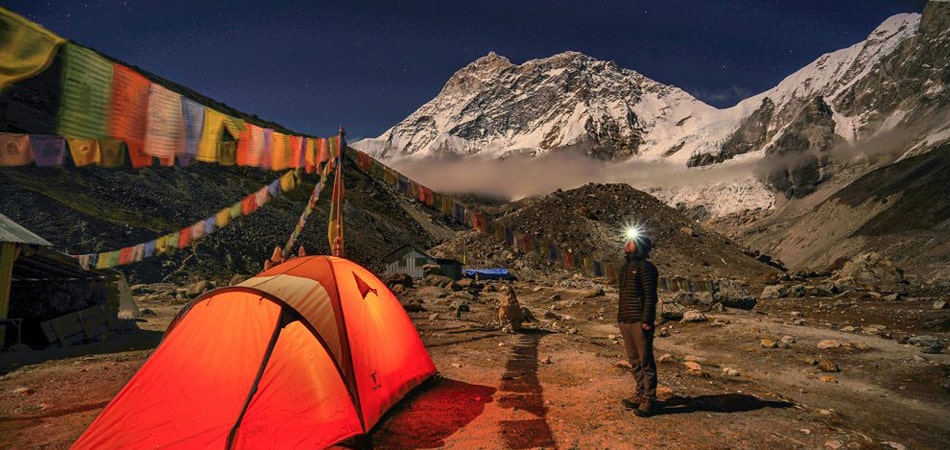
Makalu Base Camp Trek: Raw Destination

Most trekkers associate Nepal with Everest, Annapurna, and Langtang, and we would double that if they could name many other trekking locations. On the contrary, if you‘re searching for a phenomenal wilderness, cultural experience, and adventure, a Makalu Base Camp trip could be the exact experience you were looking for, as Makalu Base Camp is situated in eastern Nepal, and truly one of the most undeveloped trekking areas in the Himalayas.
Why the Makalu Barun National Park Trek?
1. Untouched Wilderness
Aside from the nature, which is raw and unspoiled, the Makalu Base Camp Trek is different and unique from all other treks by its raw and unspoiled beauty. Whereas the routes through Everest, and Mackalu and Annapurna are becoming increasingly commercialized, The Makalu Base Camp trek takes trekkers as far into the most remote terrain of the mountain as possible. The mountains have the most untouched landscape with nature, and trekkers that go along this route see deep rich ancient forest with rhododendrons, magnolia trees, pine, streems, and tumbling waterfalls. With trekkers fully immersed in the sounds of the hills, they will find the rare ability to enjoy and take in the peace and general quiet of the true Himalayan wilderness away from the hustle and bustle that many trekkers see on busy trekking trail.
In fact there is a real feeling of adventure that goes with this solitude. Each new turn on the trek reveals new scenery, and incredible scenery, whether it be high mountain alpine meadows with wildflowers, or stunning ridgelines with 360 degree views.
2. Stunning Mountain Views
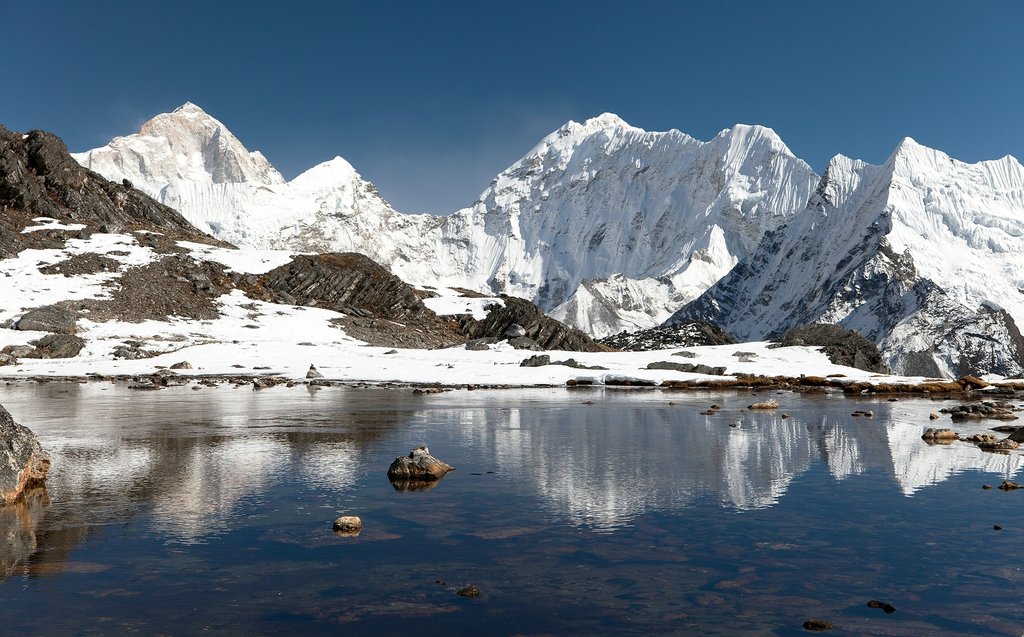
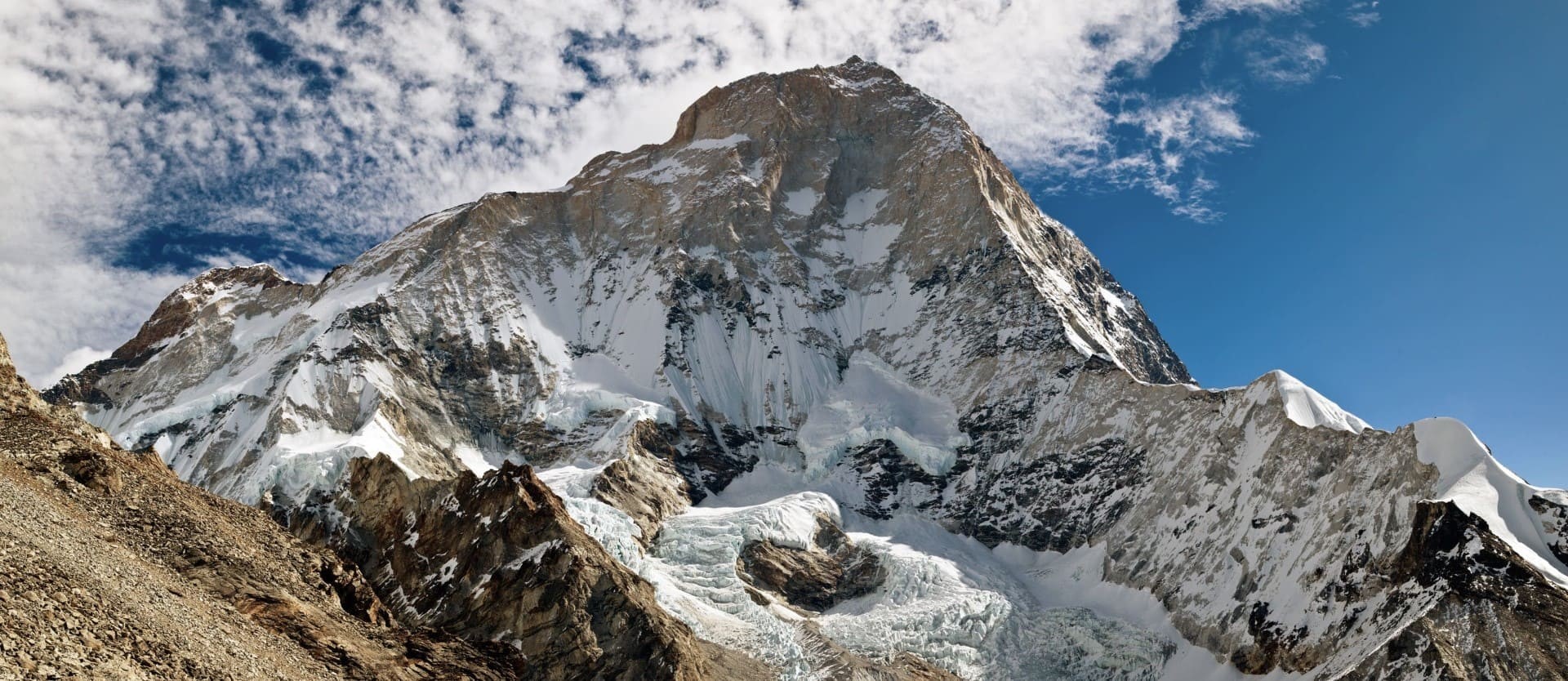
There are many highlights of the Makalu Barun National Park Trek, one of which is the stunning mountain views. As trekkers round a small ridge they are gradually met with the enormous face of Mt Makalu, 8,481 metres high. The sheer size and pyramid shape combined with the altitude of Mt Makalu, leaves a vivid memory of all who witness it that is irreplaceable. And the light on the snow-covered slopes at sunrise and sunset creates memories that will challenge even the best mountain photographers to mountaineers.
Of course, Makalu is not the only giant to behold. The trail offers views of some of the highest peaks in the world including Everest, Lhotse, Chamlang and Baruntse. Each mountain conveys its personality and asserts itself as trekkers pass it along the trail. These world-class views, usually without the company of others, allow trekkers to have a truly personal interaction with the majesty of the Himalayas; and a personal interaction that most other treks barely manage to contrive.
3. Rich Biodiversity
The Makalu Base Camp trek passes through the exceptional Makalu Barun National Park, a biological best in Nepal. Not only does Makalu Barun National Park have some of the greatest biological best and diversity in Nepal, with representation from tropical rain forest to alpine tundra, the Park has 3000; plus species of plants; over 440 species of birds; and over 80 species of mammals. If trekkers are paying attention, biological diversity is a breathtaking experience provided by the unique blossoms of rhododendron in Spring and the chorus of birds that excite the senses along the trekking trail taken throughout the length of the trek.
The park also includes, but certainly not limited to, the rarely seen pangolin, Himalayan black bear, snow leopard and musk deer. These rare species are adapted to get through their year-round climate oasis, and for wildlife lovers there will be the chance to see a beautiful wildlife interaction in the park. But Makalu Barun National Park is not just a biological diversity park, it also offers equally beautiful cultural experiences and sensory experiences to trek and learn about nature for those who have a love for the mastery of nature.
4. Authentic Cultural Experience
As well as its incomparable natural beauty, the Makalu Base Camp Trek gives insight into the cultural fabric of eastern Nepal. During your trek you will pass through many remote villages, many of which are inhabited by one but usually several of the, Rai, and Limbu groups, all of which have their own language, traditional way of life, and customs. Trekking in this region is an opportunity to witness first hand how people go about their everyday life; you will see people farming, conducting long established religious customs, engaging with the environment in their unique way, and a culture away from any mass tourist enterprise in the mountains.
The fairs, monasteries, and communities surrounding them express the spirit, strength, and, ultimately, the resilience of a highland lifestyle; the communities provide a welcome, sometimes inviting trekkers into their huts, houses, and shops for tea or food; it is these aspects of the culture that give it so much more worth. And, thus, these experiences afford individuals to contemplate not only the beauty of the land, but the strength, simplicity, and dignity of the people who live in these mountains.
5. Challenging Yet Rewarding Adventure
The Makalu Base Camp Trek is extraordinarily beautiful and the trek is nothing short of a genuine adventure challenge for trekkers who aren’t novice trekkers. The trek clearly requires year of rough ascent and descent, rugged topography, exposed high mountain passes, and nothing but remote trekking, fitness and mental stamina even requires planning. The Makalu area offers real wilderness adventure, unlike some of the more busier developed trekking routes in Nepal, as the areas do not have the development.
Makalu Base Camp is a real sense of achievement all by itself. Everything about is remote; even if climbers can mental map that combines difficulty trekking this will correspond to objective harder ques. Trekkers chalk one up as even if they are not receiving extremely high mountain perspectives they have combined another aspect of the physically significant trek. But more importantly trekkers get to experience perseverance, patience, and placement in the natural world. The combination of the physicality and wilderness allows expedition trekking, for many trekkers especially considering the size and scale of the environment.
Difficulty and Preparation in Makalu Base Camp
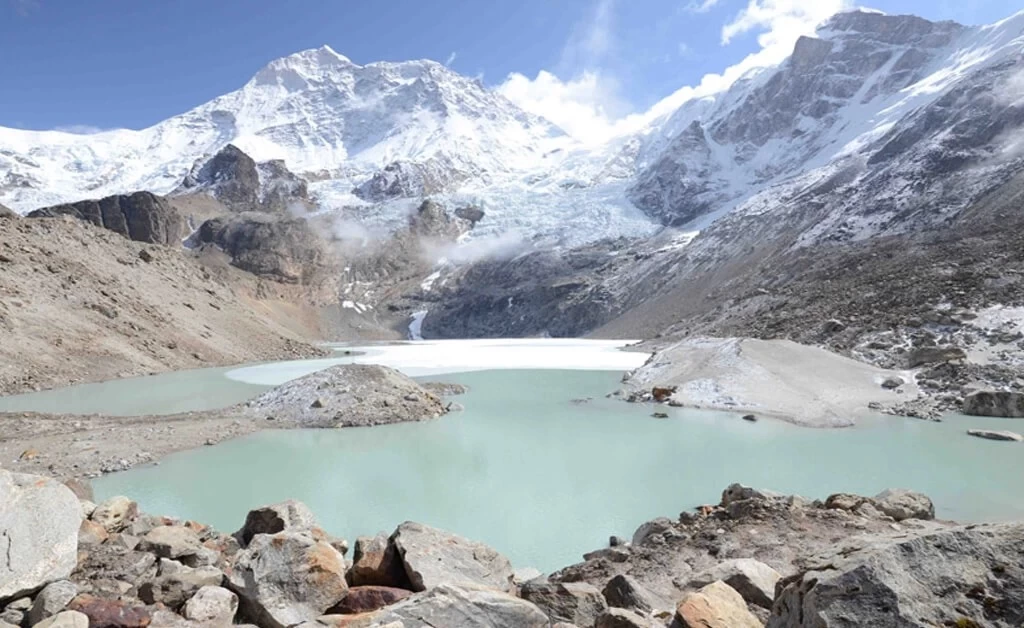
The Makalu Base Camp Trek is a challenging trek, which would be best suited for trekkers in good shape and someone with high altitude trekking experience. This trek includes long steep climbs and descents, crossing rivers, steep narrow trails, high mountain passes above 4,000 meters, all of which are potential limits of a trekker’s abilities. There is a level of physical and mental preparation for the trek with consistent cardio, strength, and stamina training leading up to the trip for several months. While on the trek, it is important to have the right gear, be aware of altitude sickness, and that this is a remote trail; if an injury occurs it may be that medical evacuation may not be done quickly.
Accommodation
Basic Teahouses
You will primarily sleep in teahouses on the Makalu Base Camp Trek. These are teahouses operated by local families and are simple wooden or stone buildings with limited comforts. Rooms are small but livable; good enough for resting after long days trekking. Teahouses also serve dining purposes and help create a cozy communal atmosphere. They are really not luxurious at all, but have an authenticity to them that reflect the Himalayan region.
Twin Sharing Rooms
Most of the rooms you will stay in will be set up for twin-sharing with two single beds in each room. The beds will usually come with a mattress, a pillow, and a blanket given to you by the teahouse. Trekkers are encouraged to bring their own warm sleeping bags, due to low temperatures especially at higher altitudes. The teahouse rooms may be basic but will function properly for que duration of the trek. They may come with very little privacy, but they will provide adequate protection from the cold and rain.
Shared Washrooms
Teahouse style bathrooms are typically shared. The facilities are elementary and there will generally be squat toilets, however some places may have western toilets. You will also have limited access for washing, usually just limited hot water. The level of hygiene varies from place to place so you may want to bring your own toilet paper and other hygienic materials. Familiarizing yourself with basic bathroom conditions will help ease your mind, if you want to eat dodgy dal bhat, be pumped for only basic bathroom conditions.
Limited Hot Showers
Some teahouses do offer hot showers or at least a bucket of hot water for washing, but be ready to pay extra for them. The water is typically warmed by gas or solar, so if you are either very high in altitude or the weather isn’t so good, it most may not be available at all. If you already knew this, it would be good to also be prepared for no showers for a few days. Consider further that fast sponge baths are a good alternative with wet wipes.
Electricity & No Wi-Fi
Electricity is scarce throughout the Makalu area, generally only available from solar or small scale generator sites.
Opportunities for internet access along the Makalu Base Camp Trek is very limited or non-existent. Going without internet access allows trekkers a unique opportunity to completely detach from any digital environment and engage with the natural environment. Trekkers should inform family and friends of the limited means of communication they may have before starting their adventure. Most trekkers view the digital detoxing aspect of the trek positively as part of their experience.
Local Foods on the Makalu Base Camp Trek:
Dal Bhat (Rice and Lentils)
Dal bhat is the most common meal in Nepal while trekking. It consists of plain rice (in the form of steamed rice), lentil soup, and fried vegetable curries. The meal is intended for trekkers, as it provides a source of carbohydrates and fodder that give you energy for more energy, not to mention the unlimited refills on flat bread and lentil soup to help keep you fuelled up. Dal bhat is healthy, hearty, and is a great meal for long days of trekking.
Momo
Momos are dumplings, steamed or fried, that can be made with vegetable or meat fillings that are delicious and loved by, well, everyone in Nepal. They make for a nice snack or light meal item while on the trek. Momos are good sources of carbohydrate and protein. They bring warmth, and flavour at the end of a long cold day on the trail! Many teahouses brag about their famous dad momos, and usually consider them the star attraction on their menu.
Thukpa
Thukpa is a traditional style of noodle soup popular in Tibet and is ideally the perfect food an hiker can eat in cold temperatures at high altitude. It‘s a versatile dish with hot broth, noodles, vegetables, and protein (meat is sometimes featured in thukpa). For trekkers, thukpa is wonderful in providing hydration and satiation, and also gives comfort in a dish for many who hike in the cold evening weather. The quirky thing with thukpa is that it is both light and filling, making it an easy favourite for hikers. Also, thukpa gives visitors tasty insight into the cultural influences in Tibet in the region.
Simple Side Dishes
In addition to meals, trekkers have an easy side of boiled potatoes, stir fry vegetables, and omelets. The side dishes add flavour and nutrition and variety to the diet, as well as adding different flavours to the same staple foods. The additive small menus dont detract from the value of the staple foods – but they compliment them and provide variety to meals. Vegetables can provide important serving vitamins, while the eggs are only small servings nutritional support with protein. All of these easy foods provide something, while keeping energy levels higher on long walking days!
Limited Meat Availability
Meat, including chicken, yak, and other meat options are available at times, although the options will be quite limited and more expensive, especially at higher altitudes. Due to shipping costs and preserving meats, fresh meats will be a rare treat rather than a standard meal. Trekkers cannot expect to find meat regularly or plan on it being available and should be flexible with what food can be found. Meat can be an extra protein to consume if available at the time. Most lodges will offer vegetarian and even vegan options.
Local Teas in Makalu Base Camp
Warming teas are an important part of the food culture on the trek. You will always find milky Tibetan butter tea and sweet spiced chai very popular. These teas can be very warming and comforting at the end of a long day’s walking. Herbal teas and coffee will be additionally offered, although at a higher cost. Drinking hot this easier to consume at high altitudes to rehydrate you and help acclimatize to the altitude to consume hot drinks. Consuming the local teas is an important and unique activity on the trek to see local hospitality and customs surrounding tea.
Limited Fresh Produce
Because of the trail’s remoteness, there are often limitations or seasonality associated with fresh fruits and vegetables. A limited supply also comes from the availability of local markets and the seasonality of harvested crops. Because of this, the food consumed by trekkers will be limited and simple. Trekking menus will feature basic crops that can last several days typically. Trekkers should prepare accordingly and not anticipate the incredible choices available in cities. However, the fresh local mountain-grown vegetables you will be serve are generally greener, fresher, have more flavor, and significantly better for your health!
Bring snacks, lots of snacks.
Trekkers should be encouraged to carry their own energy snacks (e.g. protein bars, nuts, dried fruits, chocolates) to complement meals, which provides good dietary energy and is easy to grab when you need a quick energy boost during long stretches of walking, especially disappointingly (for trekkers) paced meals at the tea houses. Taking your own snacks will help hedge against going hungry in those more remote sections of the trek.
Essential Tips for Trekkers in Makalu Base Camp
1. Hire Guide & Porter
The Makalu Base Camp Trek goes through remote, undeveloped, and obscure areas where trails are less obvious and difficult. Occupying a licensed guide will assist you to navigate the landscape, to communicate effectively with the local communities, and to learn more about the geography, ecology, and culture. The need for a porter can assist transport heavy rates of assorted trekker gear allowing you to free your mind of concerns, and enjoy your hike without the concern of regularly costly physical exertion.
2. Have An Appropriate Acclimatization Process
Climbing to higher elevation levels on the trek means becoming more exposed to high altitude sickness. Trekkers should be aware of the danger if they are not carefully planning ascents and even resting as required while monitoring how they feel to avoid causing serious health issues. When trekkers plan and execute an appropriate acclimatization process, they ensure they are climbing and tending to their health and safety and that their body is permit to acclimatize properly meaning they are able to comfortably climb and experience the trek and environment without too much undue physical strain.
3. Always Carry Cash
By the time you depart a major town in the Makalu region. There are no other banking facilities or ATMs until you return to a significant town. Ensure that you are carrying enough Nepalese currency to meet your trip expenses, also keep some cash for tips and any unforeseen expenses you may encounter. You can relieve stress by appropriately planning for your finances in advance of your trek.
4. Pack Wisely
Weather in the Himalaya can change in the same day, even from warm days to freezing nights in a single trek. Backpackers should dress in layers. Get a good sleeping bag, waterproof clothing, footwear, and equipment. Don’t forget to bring essential accessories such as sunglasses, sunscreen, and gloves. When you have the proper equipment, you don’t have to worry about discomfort, and your safety will remain intact through the trip.
5. Be Respectful to Locals and Nature
Trekkers are appearing in a part of the world that is densely populated with history, culture, and environmental sensitivity. Tender respect for the customs of the community, dress discreetly, always seek permission before photographing. Promote and practice responsible tourism by waste reduction, and avoiding plastic products. It will help preserve the natural beauty, and cultural Integrity for future generations.
Challenges of the Makalu Base Camp Trek
Remote and Difficult
The Makalu Trek is cater towards trekkers who are experience base on distance, height, and low levels of accommodation.
Little Infrastructure
You won’t be basing your experience on the internet, eating at fine dining establishments and staying in luxury lodges. It is determine at each stop based on basic food, basic accommodation. You have to have a limit plan and be self-dependent for the rest.
Weather
The best trekking season is in spring (April-May) and autumn (October-November) . Sincethere is less snow and minimal rain from the monsoon.
Conclusion
The Makalu Base Camp Trek is not a journey for the weak-hearted. Its remoteness, raw beauty, and rugged trails will provide trekkers with a true Himalayan experience. For adventurers seeking solitude, pristine nature, and mix local cultures. Makalu Base Camp is one of the best hidden gems of Nepal. Plan sensibly, prepare as much as possible. Head for an adventure in the heart of the Himalayas that will create lasting memories for you! Contact us today at Happy Mountain Nepal, on Facebook, Instagram, or TikTok .