
Tips for Solo Trekking or Budget Travel on the Gokyo Lakes Trek

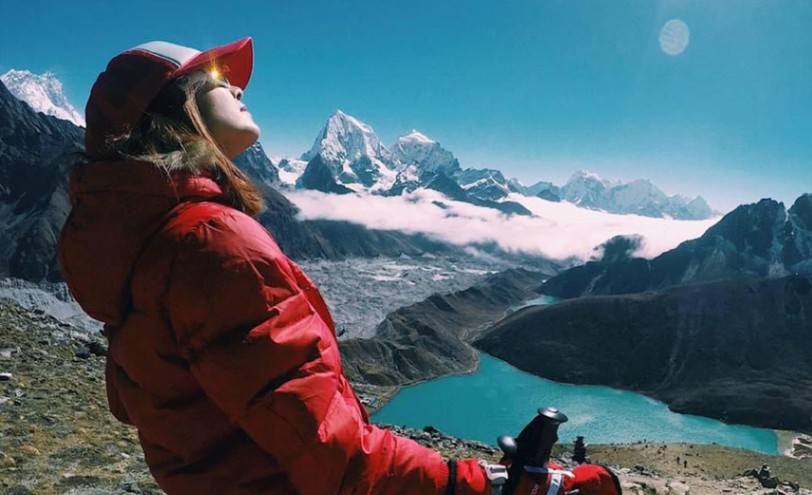
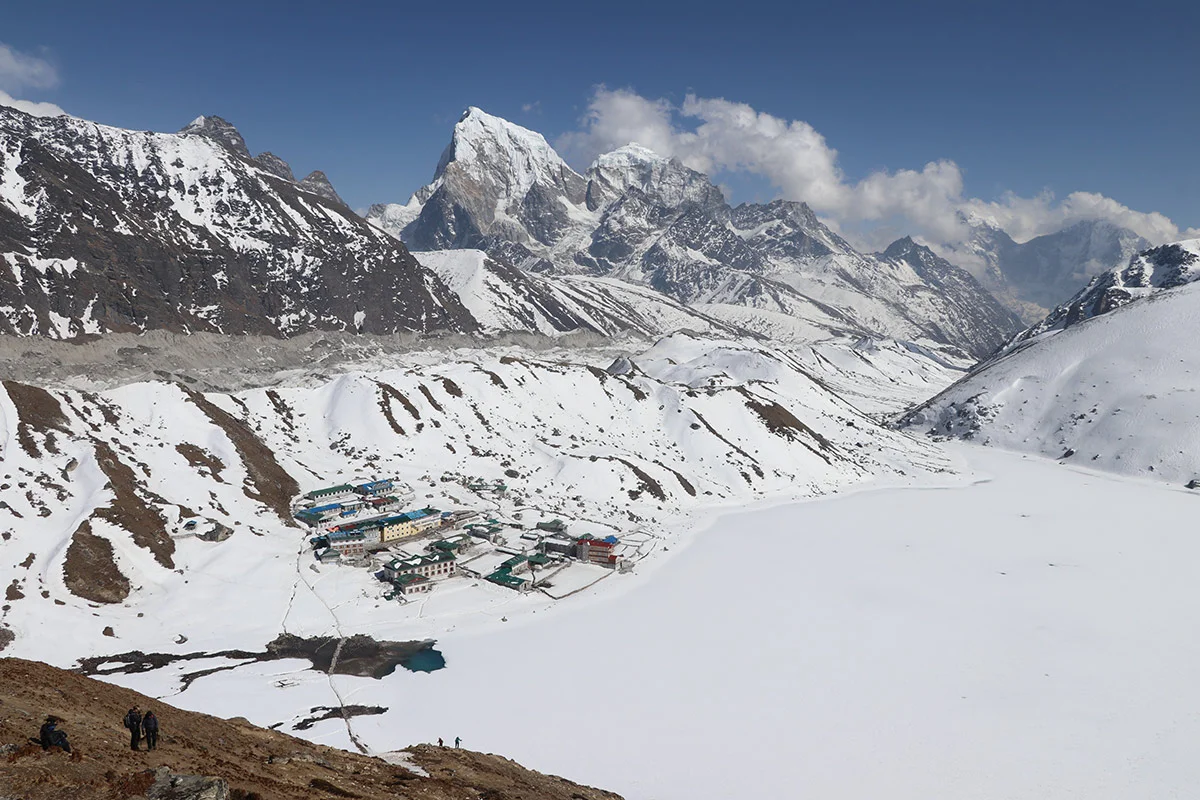
The Gokyo Lakes Trek offers an extremely stunning high-altitude trek with glacial lakes, lovely Sherpa villages, and expansive view of the Himalayan mountains. The trek is in the Everest region and takes you the extremely sacred Gokyo Lakes (4,700-5,000 m) and the famous viewpoint of Gokyo Ri (5,357 m). From where you can have one of the best views of Everest, Lhotse, Makalu, and Cho Oyu.
In comparison to the Everest Base Camp route, the Gokyo Lakes trek route is significantly and quite a lot quieter with far fewer people. It allows you for some privacy and deeper thought. This is well suited to the traveler who is significantly looking for peace, beauty of nature, and an ultimate self-discovery experience. It is also very much a budget trek with some planning ahead! This guide will provide you everything you need to know for your trek, whether you will be an independent trekker for the first time or want to experience the Himalayas without paying extra. This is a few of the important tips we grant you travelling own your own/a budget, on the Gokyo Lake Trek.

1. Why Choose Gokyo Lakes for Solo or Budget Trekking
Let’s look at the particulars that make the Gokyo Lakes Trek well suited for a self-supported/inexpensive trekker.
Less Crowded, More Relaxed
While the Everest Base Camp trek is very popular and has many trekkers, Gokyo provides you with fewer trekkers. This means you will find even quieter trails, teahouses with fewer visitors, and a surprising amount of solitude to fully enjoy the landscape. If you are a solo traveler who wants reflection time or to enjoy a calm atmosphere, this is a huge benefit.
Inexpensive Places to Sleep and Eat
There are plenty of teahouses and lodges that are affordable. You will find a clean bed space, a home-cooked meal and/or warm drink to enjoy for not much. Additional, the competition between lodges keeps them fair priced, especially during the shoulder seasons.
Safe and Clearly Marked Path
You will be walking the Gokyo path which goes through established Sherpa villages such as Namche Bazaar, Dole, Machhermo and Gokyo. There are signs for the places you stay and signs to find your way. This also provides a variety of options for tamed lodging with a rustic feel.
Views Too Great To Pass Up For the Cost
You can get to Gokyo Ri for equally impressive panoramic views of 360-degree views, including the mountains without the frustration and large crowds of travelling to base camp.
2. Planning Your Gokyo Lakes Trek
Planning is necessary for trekking alone economically and safely. Here is how to prepare your trip.
Choosing Seasons
The best seasons to trek are:
Spring (March- May): Nature comes fully alive with blooming flowers (rhododendrons), numerous animal and insect activity, and nice days.
Autumn (September- November): This season has the potential to see the best mountain views, more settled temperatures, and good visibility.
Do not trek during the monsoon (June- August) due to slippery paths and leeches; also do not trek the winter season (December- February) because with high passes comes snow.
Permits to Trek
You will need 2 permits to trek:
- Sagarmatha National Park Entry Permit- NPR 3000 (foreigner price)
- Khumbu Pasang Lhamu Rural Municipality Permit- NPR 2000
Both permits can be purchased in Lukla or Monjo, therefore avoid purchasing before departing/ purchasing in advance on route, to Kathmandu.
3. Budget: How much are you going to need to spend?
Whether you are trekking with a group or solo. The cost of trekking in the Everest region is based on how you want to plan your trip, and how comfortable you would like to be. For example, if you are completing the 10-12 day Gokyo trek, here is an approximate budget, in USD, of what you could expect to spend.
A round-trip flight from Kathmandu to Lukla will run approximately $200 to $250, and trekking permits will cost approximately $40.
Plan on spending around $25 to $35 a day on daily food and accommodation costs. This all depends on your dining and living arrangements, of course.
If you hired a guide to trek with you, you would pay approximately $25 to $35 per day, if you plan to hire a porter to carry your gear/pack there is a charge for their services as well.
On average, independent trekkers spend about $20 per day on food and accommodation, and expect around $30 to $50. For other miscellaneous items (Wi-Fi, hot showers, charging electronics) in total. Your overall costs for backpacking / independent trekking could range from $400 to $600 total (not including costs of a guide / porter) or potentially, $700 to $900 total (scenarios with a guide and a porter are included in this estimate).
Money Saving Tips
- Bring your own Nepali Rupees (cash), ATMS often don’t work above Namche.
- Bring some snacks, tea bags, & a reusable water bottle. You’ll save money.
- Share rooms with other trekkers & or IAM snacks with others- potentially cheaper.
- Do not stay at lodges that are high end and pretentious. Stick with basic teahouses that are authentic, cheap, and cozy.
4. Solo Trekkers or Trekker on a Budget Important Packing
Packing correctly allows you to save money and most importantly to say safe. You do not have to have expensive gear travelling smart is more important.
Packing your essential clothing for Gokyo Trek
It is important to pack your clothing smartly to ensure that you are warm, dry, and comfortable while computing the unpredictable weather of the Everest region.
Begin with a quick drying base layer, which will help dry away any moisture while keeping you warm. Layer a fleece, down jacket for insulation. Especially a windproof outer shell to protect against cold winds or light snow.
Pair a warm hat and gloves for high altitude mornings and evenings, depending on the conditions. Consider trekking pants and shorts depending on the temperature on the trail. Pack 3-4 pairs of wool socks to prevent blisters and keep your feet dry over the course of the trek. While on the subject of feet, investing in lightweight hiking shoes provides ample support over long treks, and sandals can be comfortable as you rest at anytime including at a teahouse.
Trekking Gear Checklist
Bringing the right gear can help ensure your trekking is both safe and smooth. A sleeping bag rated for between -10°C to -15°C will ensure you stay warm. Trekking poles can provide stability on steep or uneven trails. A headlamp with batteries is for early starts or dark teahouse rooms. A power bank or portable charger can come in handy to ensure you don’t run out of battery life.
Water purification tablets or a water filter besides pack water purification tablets ensure you have clean drinking water. Carry first aid kit, a basic first aid kit to take care of minor injuries and ensure the rest of your trek is constant.
Although high altitude usually translates into less UV rays than at a lower elevation, high altitude. UV rays are still strong, so be sure to pack sunscreen and sunglasses to protect yourself from the high altitude UV rays. Especially if you’re going to be trekking during the hottest climate during the time of year that you’re trekking, you’re going to want that sunscreen!
c. Tip for Saving Money on Gear
If you want to save on money, consider renting larger items (sleeping bags, down jackets, etc) in Thamel area of Kathmandu instead of buying them. Thamel has lots of trustworthy shops that provide trekking gear at rental prices and is an easy choice for a budget travelling packing light.
EBC & Gokyo Valley Trek
5. Safety Tips If You Are Trekking Solo
Trekking in the Himalayas alone is once-in-a lifetime expreience. But you need to be careful. Here’s how to do that:
a. Acclimatize Slowly
The biggest risk is altitude sickness. Practice the “Climb high and sleep low.” Take proper rest days in Namche Bazaar, and don’t skip acclimization days.
b. Stay Connected
Buy an Ncell or Namaste SIM card in Kathmandu. Many places to stay offer Wi-Fi for a small fee. Let your lodge owner know which trek you plan to do next.
c. Use GPS or Offline Maps
Apps like maps.me or AllTrails will show the entire Gokyo route offline. Also, take a paper map as well.
d. Don’t Trek After Dark
Always arrive at your next village before night falls. The trails in the Himalayas can become slippery and hard to follow in the dark.
e Be Aware of Weather Changes
The weather can change quickly in the mountains, so be prepared. Bring rain gear, check the forecast, and if you have bad weather, feel free to hang out in the lodge safety before speed.
Hiring A Guide / Trekking On Your
You can trek alone without a guide, which is perfectly acceptable and reasonable. You can do the Gokyo route without a guide. Consider your comfort level.
Trekking Without A Guide
You probably have a superior experience if you’re an experienced trekker who enjoys being by yourself. The trails are well marked, and for the most part, many guesthouses will direct you to the next, as long as you ask politely.
If you trek without a guide you can save about $250-$400 overall.
Trekking With A Guide
If you’re a first-time solo traveler, you probably want to hire a guide. A guide with you will help maximize your experience through planning for altitude, handling language barriers, and navigating. Independent guides go for about $25-$30/day. You can find a recommendation in Kathmandu or Lukla.
Porters
If you don’t want to carry a heavy backpack, you can rent a porter for the trek. Porters can lift 20–25 kg, which is an easier load than you. Plus they should be getting around $20/day plus a tip if deserved. You could arrange for a porter through the guide directly, which helps assure your money stays with a local.
7. Affordable Food and Lodging Tips
Gokyo’s true attraction is the teahouse trekking. Each stop is a friendly welcome, local food, and basic accommodation. Below is how you can continue to trek at little cost realizable with some comforts of home.
Food Tips
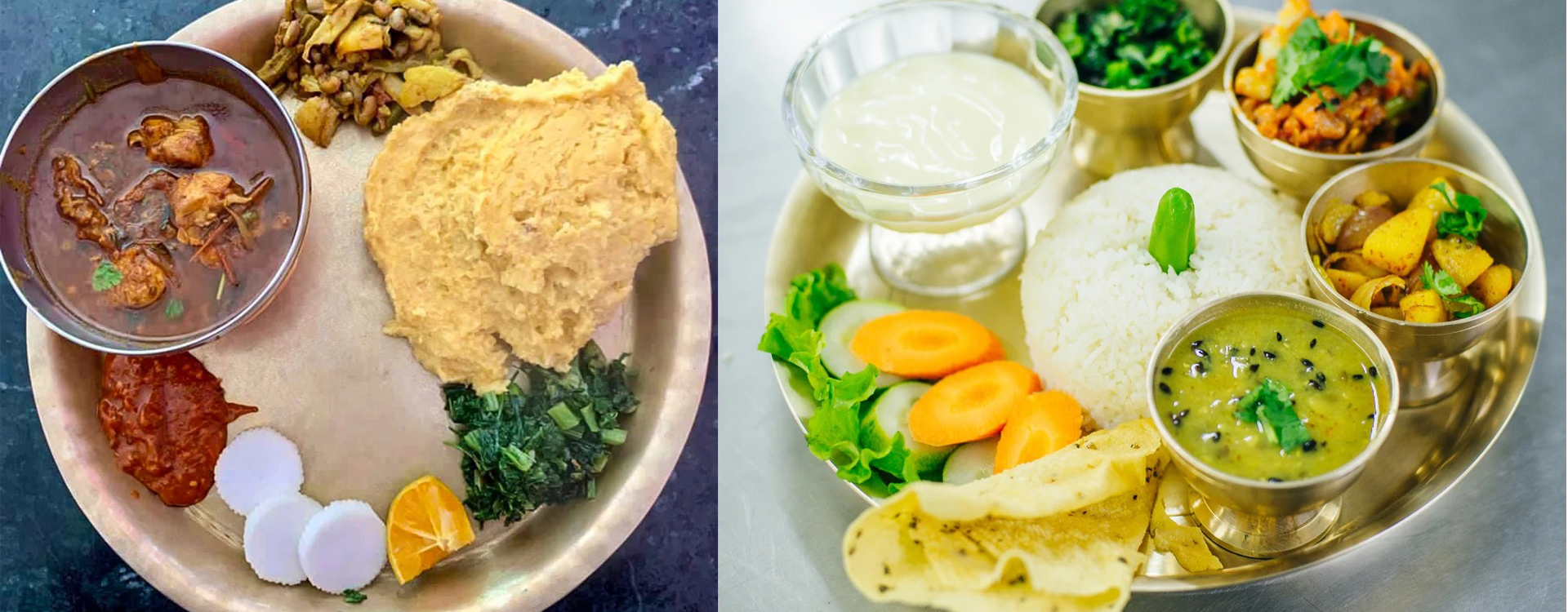
- Just eat Dal Bhat (rice, lentils and vegetables), it is filling, nutritious, and they will keep serving it to you.
- Do not eat meat, especially at that altitude; both quality/price can be questionable, and the meat was dragged uphill by porters.
- Bring instant coffee, oatmeal, or chocolate bars with you from Kathmandu.
- Buy boiled water from the teahouse instead of buying bottled water (better for you and likely cheaper).
Very basic accommodations (2 beds with some blankets) range from ,500- 1,000 NPR/night.
If you have dinner and breakfast at the lodge, many will waive or significantly reduce the lodging costs.
A sleeping bag is also a good insulation layer in your tent.
If you want to pay less for accommodation, book early in the high seasons (Oct- Nov).
8. Meeting People and Staying Social as a Solo Trekker
Solo trekking doesn’t equal having to be alone. The Gokyo route has just about everything that can offer connection with other trekkers.
Eat in common dining rooms: Teahouses have welcoming dining rooms where trekkers gather and chat over a cup of tea.
Take small groups out for a day’s walking: Many solo trekkers unofficially group up on the trail to have company.
Learn a few phrases in Nepali: Typical examples are “Namaste” or “Dhanyabad” which means thank you.
Talk to the locals: The Sherpa people are friendly, more than happy to share stories and cultural experiences.
9. Budget Extensions & Alternatives
If you’re traveling on a longer trip, or want some diversity to your trip, here are some budget options:
Go to Renjo La Pass: (5,360 m)- From Gokyo cross Renjo La for spectacular views of Everest, then descend to Thame and Namche. This pass is one of the most beautiful, but is not too crowded.
Combine it with Everest base camp: If you have three to four extra days, and still have energy, you could extend your trek to Everest Base Camp, by way of Cho La Pass.
Explore some Hidden Villages: As a low-cost option, you could spend extra days in Phortse or Dole, depending on your itinerary. They are remote, authentic Sherpa villages with very few trekkers and inexpensive teahouses.
10. Responsible Budget Trekking: Eco and Ethical Tips
Taking a trip for an affordable price does not have to come with the cost of further damaging the fragile Himalayan environment. Adopting these eco-friendly practices:
- Plastic bottles are to be discarded: Always have a water filter or purification tablets on your person.
- Requiring the use of reusable gear: Try to eliminate or reduce the amount of single-use items.
- Respecting the local culture: Always asked before taking a photo of someone whether they are a local villager or a religious site.
- Try to shop at local businesses: Wherever you can, buy snacks or crafts from the villages instead of imported items.
- Leave no rubbish behind: Cross-pack out anything that you pack into the trip.
- Every Rupee spent wisely helps the local economy and is one step further towards protecting this area for future trekkers.
11. Emotional & Spiritual side of a solo trek
Doing a solo trek through Gokyo is not just an adventure in the physical domain. It is an emotional experience. The silence of the lakes, the breadth of the mountains, and the cadence of each footstrike teaches mindfulness, patience and strengthens the spirit.
The image of a prayer flag swaying in the winds marks your awakening to the sound of Sherpa children laughing and sunsets illuminating Everest. The quiet has provided time to contemplate, rejuvenate and reconnect with yourself, only the vast and powerful Himalayas can do that.
Conclusion
The Gokyo Lakes trek illustrates that with creativity and planning one has the potential for incredible adventure without cost or group. Thus, with planning, forethought and an open heart. You can trek this amazing trail independently, safely, comfortably and with a purpose. You will cross suspension bridges, say “hello” to yaks along narrow trails. When you will stand on Gokyo Ri while the sun rises over the world’s tallest peaks. Every moment you earned, every view is a snapshot in your memory that is framed forever. At Gokyo, it is more than landscapes that are new, more importantly, it is about you, discovering you.