
Why Everest Base Camp is So Popular?

Few adventures can rival the Everest Base Camp trek in the world today. For nearly every traveler or adventure-seeking trekker, standing at the base of the world’s highest mountain is a lifelong dream. Every year, thousands of individuals from all over the globe travel to Nepal to accomplish this arduous and rewarding journey. But what has caused the trek to Everest Base Camp to be so exceedingly popular right around the world?
In part, it is enough to describe a combination of spectacular beauty, cultural richness, historical value, aspects of adventure, and, of course, achievement on the personal level. In thisblog, we will give you many reasons for the world-renowned trek.
1. The Awe of Mount Everest: The Highest Mountain on Earth
At 8,848.86 meters (29,031.7 feet), Mount Everest has always captivated the human race, and merely the idea of trekking to Base Camp at 5,364 meters (17,598 feet) and witnessing the immensity of the Great Himalayas generates electricity.

Compared to summiting Everest, which requires the absolute maximum of skills, training, and resources available, simply getting to Base Camp is possible for all trekking adventure enthusiasts while experiencing an adventure in endurance and discovery that takes you steps away from the highest point on Earth. Many are telling us that once they arrived at the Base Camp and first laid eyes on Everest, the experience would never be erased from their confused memory forever. The whole undertaking is truly phenomenal and worth the effort.
2. An alternative journey
The journey to Everest Base Camp is more than just a mountain walk or hike. It is a test of endurance, exploration, and self-increasing personal growth. The undertaking to Base Camp and back will be a physical exam of you as a person, including stamina, patience, and spirit. The beautiful views and experiences cannot be present anywhere on the planet.
As you make your way through the trail, you will keep being greeted by snow-covered mountains, glacial fields, rushing rivers, a nd crossing high altitude suspension bridges and stairs as you follow this historic pilgrim’s route to Base Camp for climbers, and local people, for many hundreds of years. The mixture of excitement and the beauty of hiking above the clouds is evidence that this is a once-in-a-lifetime trek to do on this planet.
3. Spectacular Himalaya Scenery
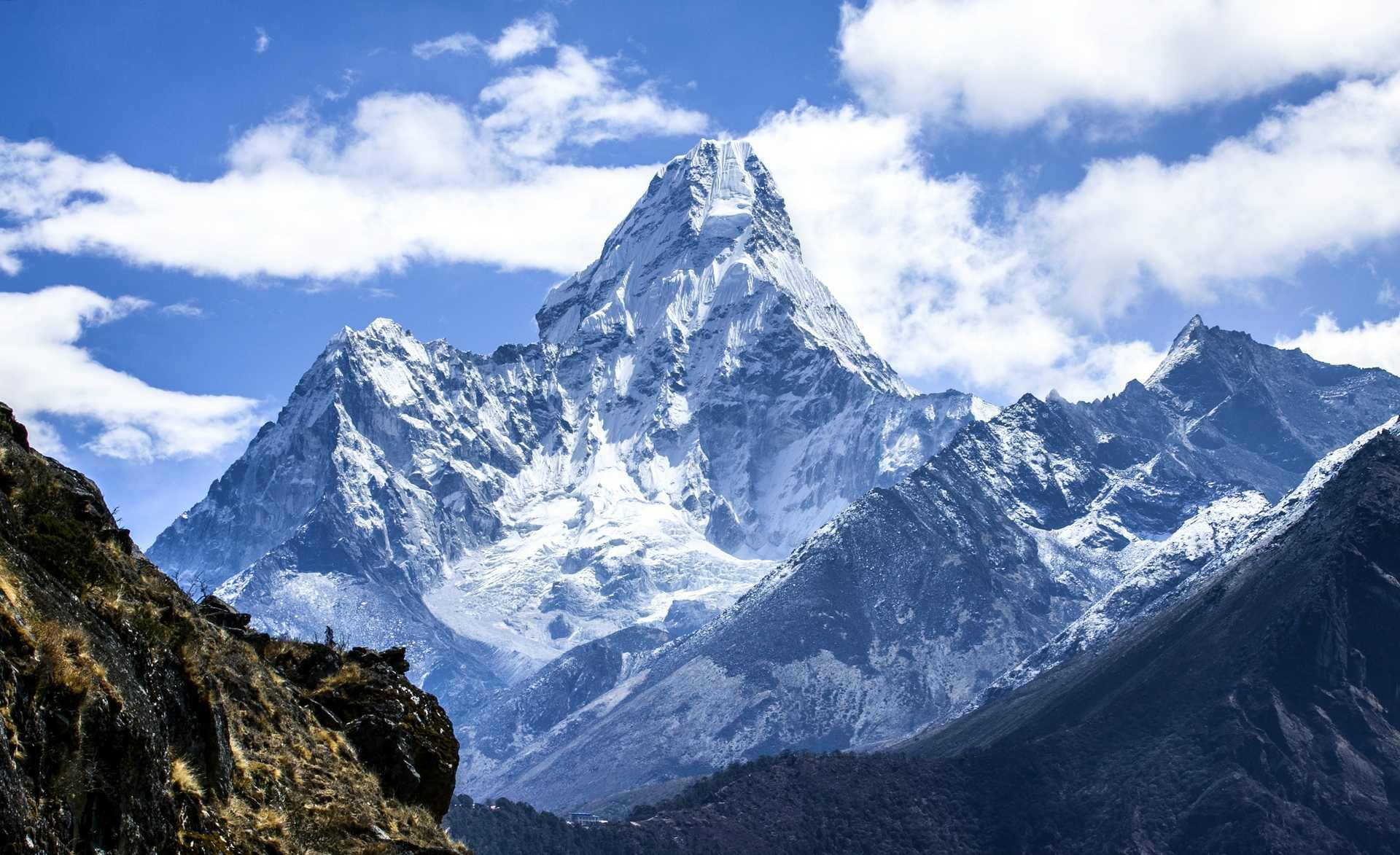
This hike provides spectacular vistas of the Himalayas. Every step that gets you closer to Everest Base Camp, hikers will be surrounded by the spectacular peaks of Lhotse, Nuptse, Ama Dablam, Thamserku, and Pumori, and of course, the spectacular Everest. Hikers will see every new day waking up to awaking, and no longer trekking through the forest trails, rhododendron, and pine, to glacier moraines, and eventually to an utterly spectacular view from above the Moraines of Base Camp.

The trekking journey brings you so close to these colossal peaks of the Himalayas that few other treks, anywhere in the world, would deliver that experience, while still being somewhat accommodating as a trek. It is important to have a range of terrains because it makes the trek appealing, dynamic, and engaging. You will be fortunate to experience a sunrise over the snow-capped ridges, starry skies at night, and the sweeping dramas of the mountains all wonderful opportunities for special photographs and appreciated highlights of your excursion.
4. Rich Sherpa Culture and Hospitality
The Trek is also very popular because of the insight into the Sherpa culture. The Sherpa community has inhabited the larger Everest region for hundreds of years and has adapted to the harsh mountain conditions. The hospitality, resilience, and spiritual presence in the mountains are great elements of the trek experience in Nepal.
As trekkers walk along the trail, they will experience pages of the Sherpa way of life in towns such as Namche Bazaar, Tengboche, Pangboche, and Dingboche, where traditional ways of life based on farming and yak herding coexist with the trekking life. The amazing ancient monasteries, and the whole area filled with fluttering prayer flags, prayer wheels spinning, and the chants of a Buddhist monk, bring a spiritual aspect to the trek. Enjoying a shared cup of tea or listening to the experience of one who has summited Everest from a Sherpa will stick with a trekker for a lifetime.
5. Historical and Mountaineering Significance
From a historical perspective, the trek to Everest Base Camp almost exactly follows the same climbing route climbers including Sir Edmund Hillary and Tenzing Norgay Sherpa followed to reach the summit of Everest in 1953. For many, this opportunity to walk in their footsteps feels as real as “walking through time”. Trekkers will see memorials to climbers who died on the high mountains of Everest and partake in a moment of reflection and gratitude for their efforts. There is a certain fame associated with Base Camp having been at Base Camp while climbers are preparing for their summit really gives the impression that you have been part of something iconic and historic.
6. Accessible and Globally Famous
Even though you are hiking to Everest Base Camp at an altitude, it is rather uncomplicated. For a breathtaking short flight, you will likely fly into Lukla Airport, informally known as the most thrilling airstrip in the world. After that, you will walk on well-established paths, with lodging and tea houses during the trek up to Everest Base Camp.
Since it is a prominent trekking destination, you can expect a fairly safe, well-marked trail, along with experienced Guides and Porters along the way. Once you are at Base Camp, the trek is usually somewhat easier than other treks to less developed areas, and this is particularly because it is generally safe and accessible for thousands of trekkers of all ages and fitness levels.
7. Tea House Trek
In addition to the trek itself, a notable experience in Nepal trekking, particularly in the Everest region, is the “Teahouse Culture.” Here you will stay at small family-owned lodges or teahouses that provide sleeping and food, and warmth along the way. While teahouses add some comfort for trekkers, they also serve as a gathering place for culture and connection. Trekkers from near and far gather around the warmth of the hearth, trading stories, laughing, and forming strong bonds that may last a lifetime.
 Group Photo Taken at Phakding Hotel
Food dal bhat (lentil soup and rice), stew, and Tibetan bread. Only adds an aspect of teahouse culture and connection. The lifestyle and simplicity of teahouses in contrast to the two-dimensional scale and spectacle of the towering mountains will only enhance a pleasurable cultural experience for all trekkers.
8. Risk and Reward
One of the noteworthy aspects of trekking to Everest Base Camp is the risk that way. The try of walking at high altitudes is considerable. The oxygen level is low, and the trekker experiences nighttime cold, fatigue, and steep inclines. Achievement comes with reaching Base Camp after experiencing all of the elements above.
For most trekkers, the trek is not just physical, but an experience in self-education. Exceeding limits, learning patience, and persevering through discomfort are lessons in life that trekkers take home with them. At Base Camp, looking across the Valley at Everest, it is as if they have conquered some personal fears and abilities that they can take anywhere with them.
9. Abundant Flora and Fauna
The trail to Everest Base Camp is within Sagarmatha National Park, a World Heritage Site. Sagarmatha National Park conserves a diverse biological & ecological reality and educational value, and luxury to your experience of trekking.T he landscape and terrain vary as you continue along the trek to Base Camp; at base, at low altitude, it is an area of desirable lush forest with rhododendrons, junipers, and magnolias, and as you ascend, we walk through areas of alpine vegetation, witnessing rare species in the most extreme geography and climate conditions.
As for wildlife viewing while you are away, a few species to be seen along the route are Himalayan tahr, musk deer, snow pigeons, and potentially, if you are fortunate enough, the infamous snow leopard. The unique combination of ecosystems will make this trek a lifetime experience with the unique experience of culture, adventure, and nature.
10. An International Community of Trekkers
One reason that the trek is so popular is its international nature. Trekkers from all over the globe incorporate the trek to Everest Base Camp , which creates a very international community of trekkers on the trail. In the teahouses, trekkers reconnect and “theros” are formed as trekkers share their suffering, play cards, and drink hot tea. Occasionall,y these even go on to form friendships that last years beyond. The trek by sharing that amazing chapter of their lives. The journey of the trek is as much about the connections shared with your fellow co-travelles, as it is about the mountains. Trekkers leave the trek with memories of the mimalayas and of new friends from around the world.
11. A Bucket List Dream
For many, the Everest Base Camp trek is often an aspirational trip. To stand in the shadow of Everest is to be an explorer, to be courageous, and to have adventure. The media on Everest, with books, movies and documentaries fuels the dream for many to have this experience.
It becomes a personal accomplishment, a moment in time to reflect back on for a traveler, when looked back upon, they will say”I trekked to Everest Base Camp.” It is more than just “a trek,” it is an experience that separates them from all the people at home.
12. Year-Round Adventure
Spring (March-May) and Fall (September- November) are typical trekking seasons for Everest Base Camp. However, this trek can be done for much of the year yet each season will taste different. Spring will have the blooms of rhododendrons and blue skies, Fall will have cool mountain views, and the winter will have empty hiking trails and summer monsoons have beauty of their own and drama.
The trail offers the versatility of people trekking any time of year, and the parking lot is a desired spot for people traveling from all over the world.
 Group Selfie with Kusum Kangaroo
13. Well-Organized Trekking Infrastructure
For decades, the Everest Base Camp trail has formed a strong trekking framework. From well trained guides and porters, to solid rescue services and communication systems, trekkers feel at ease. The existence of bakeries in Namche Bazaar, gear shops, wi-fi zones. And even hot showers at select spots along the trail create comfort without shifting away from the adventures. The aforementioned build a bridge for the first-time trekkers and those who like to balance rugged to comfort.
14. Spiritual and Emotional Journey
Beyond the physical element of the trek, it is a spiritual journey many describe it as. The Buddhist aspect in this section, amidst large mountains, encourages much deep reflection. Many speak of it becoming a better version of themselves, away from electronic stimulation, and daily stress.
The sounds of prayer flags flapping in the wind, the chanting of the monasteries, and the impressive features of towering mountains create an atmosphere of tranquility and deep self-reflection. This emotional connection can, in turn, add to the trek’s popularity.
15. Global Media Exposure
The trek to Everest Base Camp has appeared in many documentaries, travel shows, and written accounts. All of which have lent a very credible input to its global exposure, keeping it on the front end of the conversation. As one of the greatest trekking routes in the world. Images of trekkers standing with Everest in the background have become well recognized and influence. Future trekkers and other travellers to follow in their footsteps.
As social media emerged, the EBC trek has now had Instagram posts and Youtube vlogs. It have continued its popularity to the point it has spread as a trend to the travelling community.
Conclusion
The Everest Base Camp Trek enchants us, not only because it offers the opportunity to physically travel somewhere. But the trekker can feel the experience, culture, beauty of nature, history, and to develop personally as they explore. It attracts almost everyone from the adventurer of the outdoors to the person merely wanting to taste the experience of trekking at a high altitude.
The experience of standing at the base of Mount Everest beneath the prayer flags blowing in the cold wind. Khumbu Icefall in the background is a memory that will live on until your last breath. That is the experience we have of people returning year after year and millions of travelers to Nepal each year. For the experience of a lifetime.