
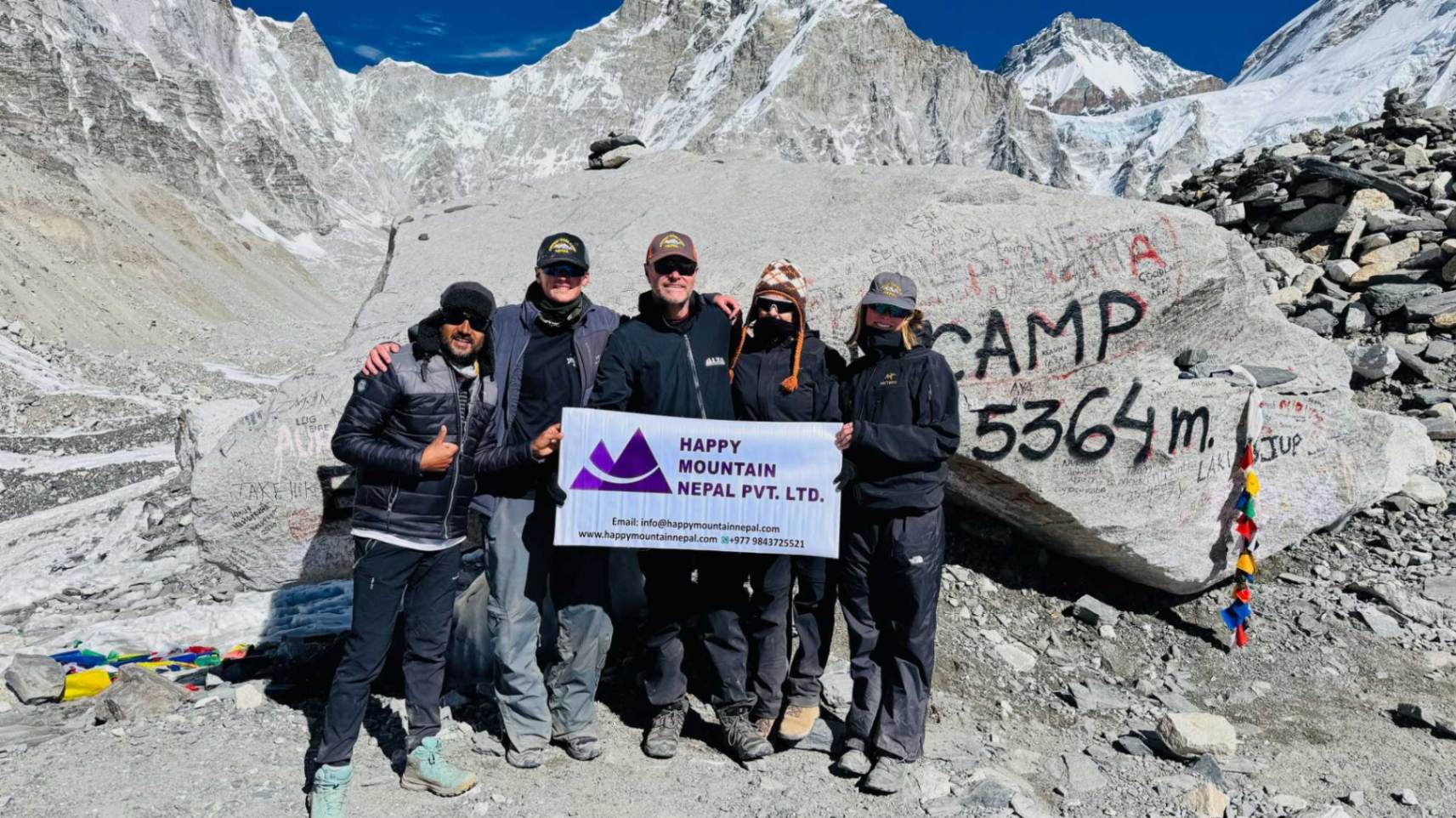
Travel for a Cause: Support Nepal Through Tourism
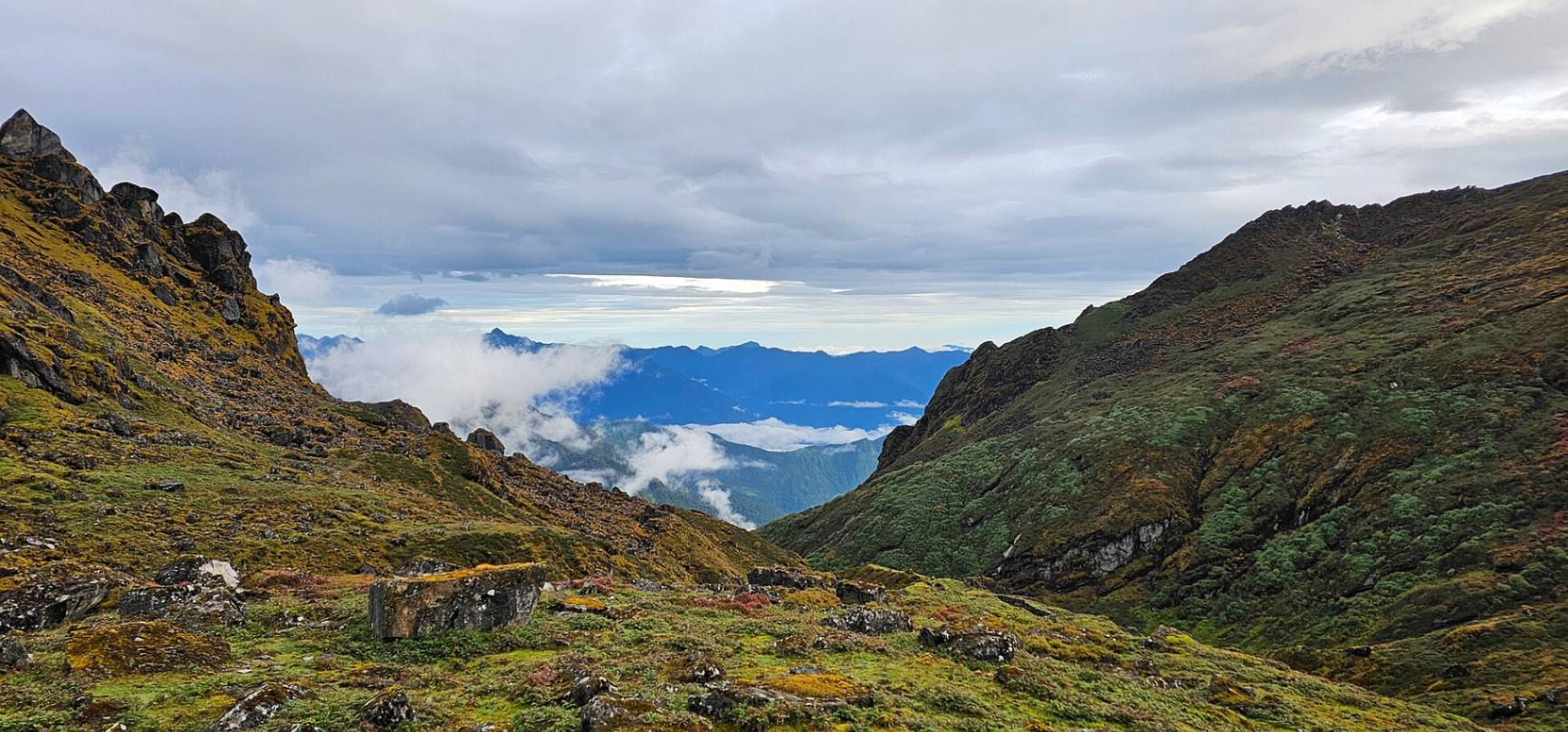
Travel for a Cause: Support Nepal Through Tourism
Travel is more than just visiting, taking photos, and getting memories. It can also be a means to make a positive difference. All travel can have an impact on supporting the local population, safeguarding cultural heritage, enhancing communities and building the future of a place.
Nepal is a country where tourism is an important part of the lives of many people. Whether in Kathmandu's hustle and bustle or in the villages of the mountains, tourism bridges gap between people and communities, people and guides, people and porters, people and hotels, people and restaurants, people and craftsmen, people and farmers, people and drivers, and so on and so forth and so many people.
Hence, travelling to Nepal could be a meaningful initiative for supporting Nepal through tourism.
From trekking in the Himalayas to visiting cultural heritage sites, wildlife safaris, village homestay or local restaurants, your choices of travel can have an impact.
Travel for a cause doesn't have to include giving money or volunteering. The positive impact can sometimes be achieved by travelling responsibly and spending locally.
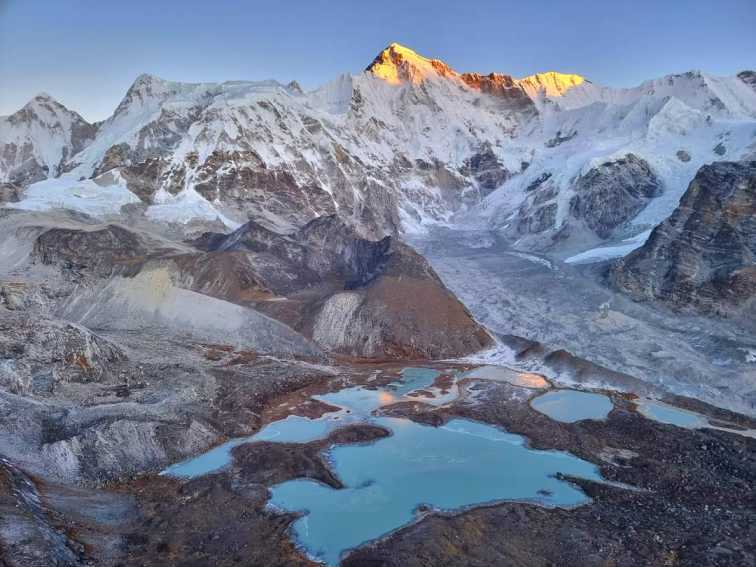
Why Tourism Matters to Nepal
The tourism industry plays an important role in Nepal's economy and is a source of livelihood for people throughout the country. Apart from the hotel and travel sector, opportunities are also present in the transport, agriculture, handicraft, restaurant, guiding, trekking and mountaineering sectors and much more.
The impacts of tourism are not just felt in large urban centres.
For instance, an individual who hires a trekking agency supports a trekking agency, guide, porter, teahouse, local food producer, transportation company, and local small shop on the trek.
One trip can thus stimulate a chain reaction of economic activity.
This makes tourism an important means for visitors to directly support local communities and experience Nepal.
Travel for a Cause Means Traveling With Purpose
Travel for a cause is about a sense of being more than a tourist. You are also a part of the local economy, and a part of the destination for a while.
Responsible travellers give consideration to the origins of the money they spend, the way they engage with communities, and their impact on the environment.
Tourists should not be asking only the question 'What can I see in Nepal?', they should be asking themselves:
What can I do and what can my story do for Nepal?
It's a really simple change in point of view to make a trip more meaningful.
Support Local Businesses
A good way to promote Nepal is to spend money at local business units.
Resort to local hotels, guesthouses, restaurants, cafés, handicraft stores, trekking companies, guides, and transportation services, if possible. By buying from a local business, you are likely to keep more money in the community. Food at a family-owned restaurant can provide and help maintain employment for those who run the business. Purchasing handmade crafts is a great way to help support local artists. Renting a homestay at a village can generate income directly to the local family. It's the little things that can add up on a trip.
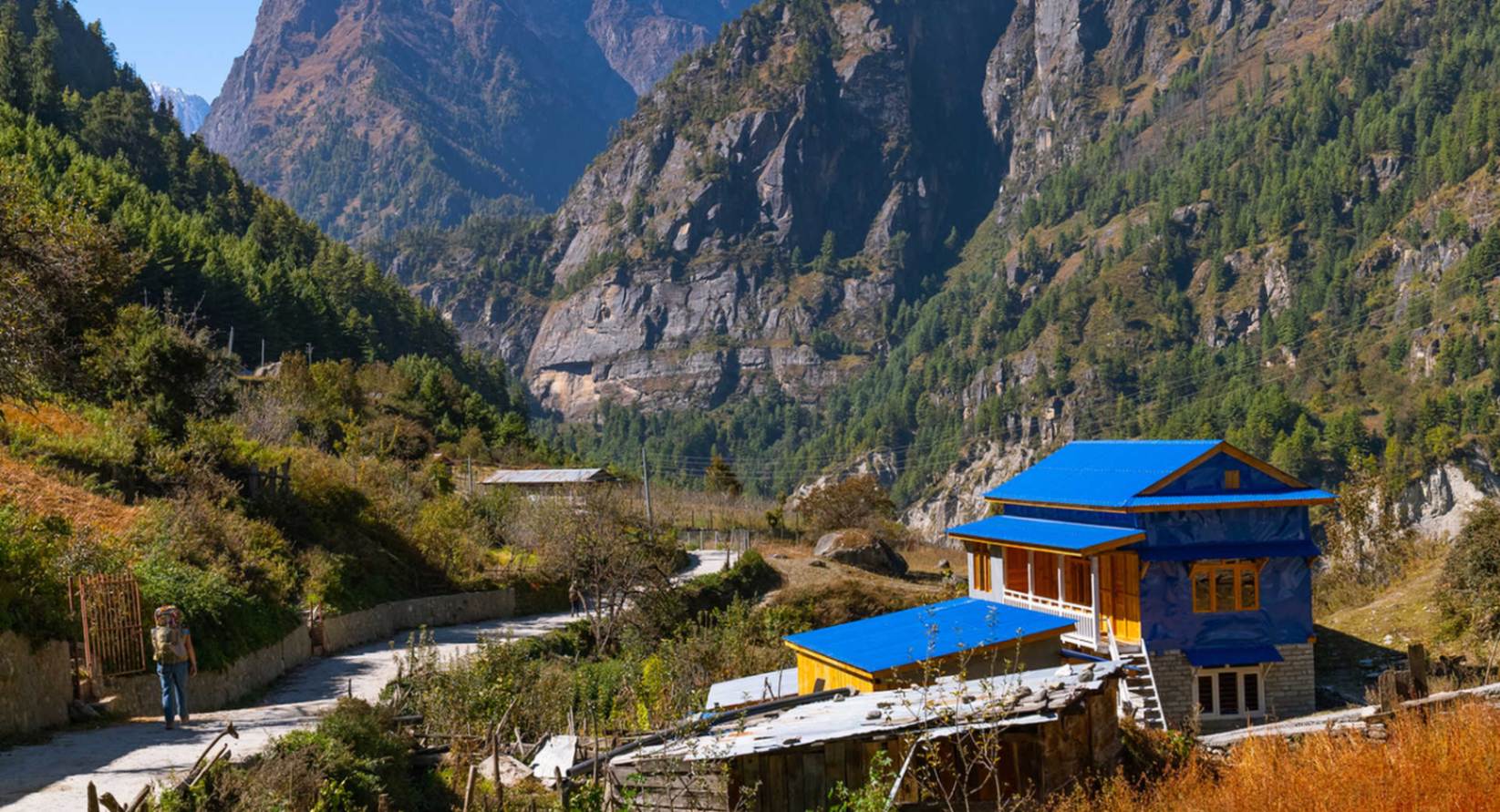
Hire Local Guides and Porters
Trekking and mountaineering are a source of fame to Nepal around the globe. Many trips to the Himalayas involve a guide and/or a porter.
Engaging competent local guides and porters helps add jobs and brings in people who know the mountains, the culture and traditions, the weather and the trails and the local communities.
A local guide can provide a lot more than directions. They can take tourists through local stories, local traditions, local food, local history, local life.
Responsible trekking companies are also supposed to treat their staff fairly and ensure that they are fairly paid, insured, provided with suitable equipment, accommodation, food and working conditions.
Stay in Local Homestays
Homestay is a unique way of experiencing Nepal.
Travelers can stay at a local family's home for one night or multiple nights as opposed to staying in a large hotel. This enables travelers to taste traditional cuisine, learn about local traditions, witness village culture and enjoy authentic hospitality.
Homestays in a community can also provide an alternative source of income that doesn't involve extensive development.
Homestay tourism can diversify and extend the effects of tourism beyond the main tourist destinations, from the hills around Kathmandu Valley to the rural villages and communities in the mountains.
Eat Local Food
One of the easiest ways to connect to a place is through food.
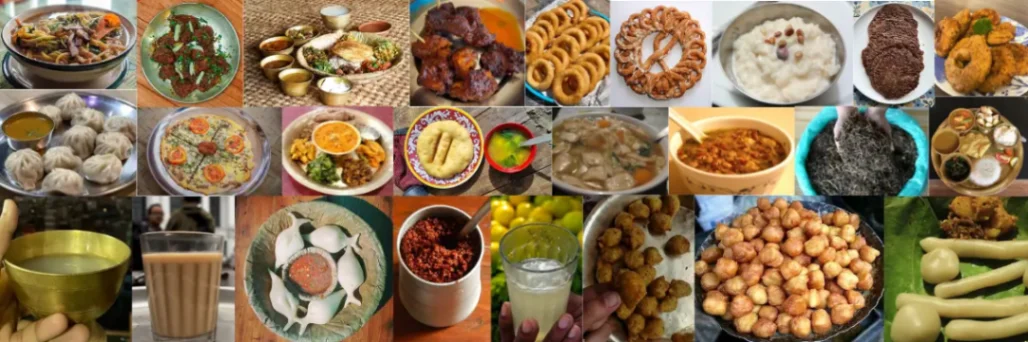
Nepal is a country with a rich diversity of food culture among various communities and geographical regions. The local food items provide the visitors with a chance to taste Nepal, which includes dal bhat, momo, thukpa, sel roti, Newari food, Thakali food and a host of other regional foods.
Eating local food also helps the farmers, food producers, restaurants, cooks and the rest of the local food system.
Try something local rather than looking for familiar international food.
However, a local meal can sometimes be one of the most memorable aspects of a trip.
Buy Local and Handmade Products
Nepal has a rich tradition of handicrafts and handmade products. Visitors are encouraged to buy locally made traditional handicrafts like textiles, handmade paper goods, pottery, woodcrafts, metalwork, paintings and other cultural items.
If you're purchasing souvenirs, inquire about where they are made. Supporting local crafts people by buying local products as opposed to those that are mass produced from imports can help to ensure that your purchasing supports the people and communities tied to traditional Nepalese crafts.
A meaningful souvenir is not only one that you bring home. It can also be the narrative of the individual or group that created it.
Explore Beyond the Popular Tourist Destinations
Nepal is famous for Kathmandu, Pokhara, Chitwan, Everest and Annapurna. They are well deserving of their popularity, but there is much more to be found in Nepal.
Visitors have the opportunity to visit villages not on the map, cultural sites, community-based tourism initiatives, rural hiking trails, and emerging destinations.
The geographical spread of tourism can contribute to the distribution of economic opportunities.
With a different part of Nepal to explore, visitors can discover a different side of Nepal whilst contributing to communities that might not attract as many tourists.
Exploration is always a matter of responsibility, and respecting local infrastructure, culture and environmental constraints.
Support Nepal's Mountain Communities
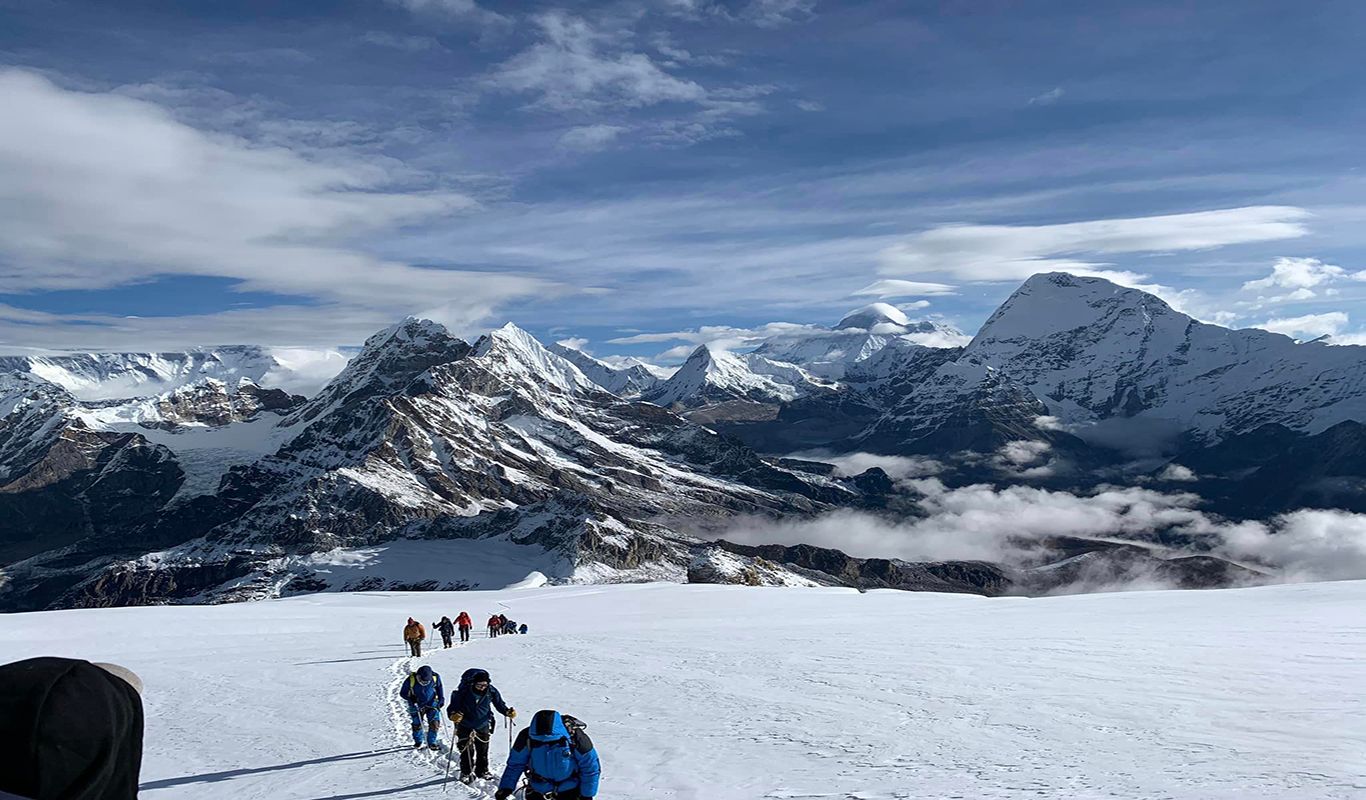
One of Nepal's natural wonders is the Himalayas. They also host communities that are associated with their mountain lives.
In many mountain areas tourism is an important source of income.
The trekking routes are linked to mountain communities and local businesses like Everest, Annapurna, Manaslu, Langtang, and Mardi Himal.
Options for locally-run businesses, local cuisine, local guides and porters, and local products can help to ensure that tourism benefits are felt by these communities.
Meanwhile, tourists must remember the nature of mountain areas is fragile.
Poverty alleviation in Nepal is not only about helping the people living in poverty, but also about preserving the scenery that draws tourists to the country, which includes the mountains.
Travel Responsibly and Protect Nepal's Environment
It is not just the money that is spent on supporting Nepal through tourism. It's also an effort to minimize the downside of travelling.
The mountains, forests, rivers, wetlands and national parks in Nepal are important natural resources. These are important environments to tourism.
There are simple ways for travelers to help protect them:
- Use single use items sparingly.
- Bring water bottles and water bags.
- Collect and dispose of waste.
- Stay on designated trails.
- Avoid disturbing wildlife.
- Don't harm any plants or natural features.
On trekking trips adhere to local environmental guidelines and don't change the natural environment.
A beautiful place cannot be preserved without protection.
Respect Nepal's Culture and Traditions
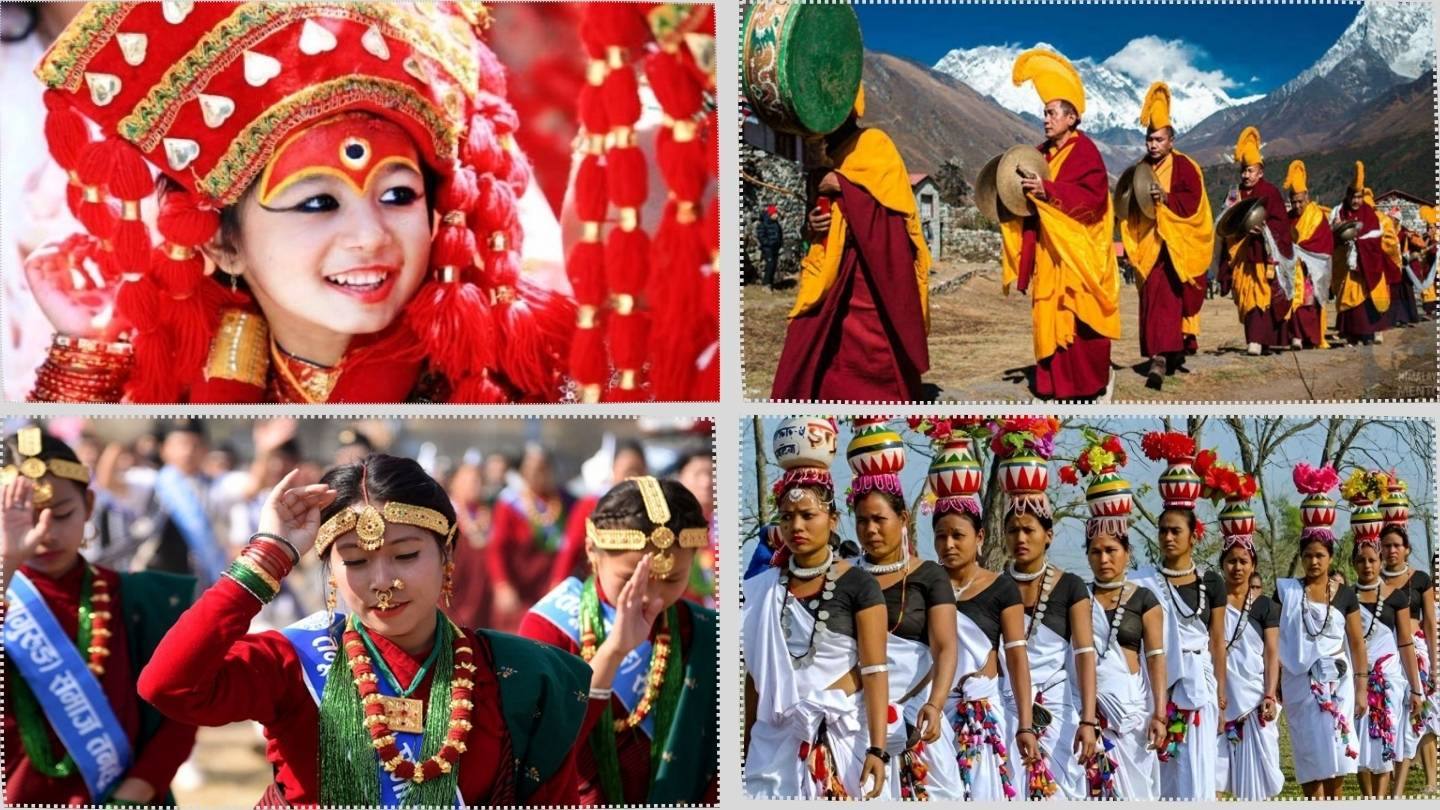
Nepal is a culturally diversified country where a number of ethnic groups, languages, religions, traditions, festivals and customs are practiced.
This diversity should be experienced and respected by travelers:
- Know the local customs before visiting temples, monasteries, villages or religious sites.
- Dress suitably as necessary.
- Do not photograph people without permission, particularly at religious events or at times of private intimacy.
- Respect the local norms, even when it conflicts with your norms.
- Respect for culture is a crucial component of responsible tourism.
Tourism Can Create Opportunities for Women and Young People
Tourism can offer women and youth employment and entrepreneurship.
There are opportunities for women to be involved in tourism in the following ways: homestays, restaurants, handicrafts, guiding, hospitality, community organisation, tourism enterprise.
Careers for young people can be in guiding, hospitality, travel management, digital marketing, photography, adventure tourism, and other fields.
Businesses and tourism activities that generate inclusive employment can support a wider community development.
Choose Responsible Travel Companies
You can have an impactful journey with the company you select.
See how the tour, trek, safari and cultural excursion company interacts with the community before making a booking. Think about whether it hires local workers, uses local businesses, has environmentally friendly policies and treats guides and porters well.
A responsible travel company must work to develop experiences that are good for the traveler and good for the community.
There are travel questions that can also be asked before booking.
So where does the money go?
Who is running the experience?
Do local guides work for them?
What is the company doing to handle waste?
Does the company do something for the local community?
These are some questions to ask which can assist travelers make more conscious choices.
Travel After Difficult Times
In the face of challenging times in a particular region, tourism can be of significant importance.
The impact of natural disasters, economic issues, infrastructure issues or other crises can be great on tourism dependent communities.
Responsible tourism has the potential to contribute to the reconstruction of livelihoods and regain trust when destinations are ready to receive visitors again.
It is always important to look into the latest travel messages, local and safety conditions before traveling to affected countries.
Tourism can never be sacrificed for safety. Rather, it is a component of a responsible and knowledgeable recovery process.
Your Trip Can Create a Ripple Effect
Suppose you have a visitor come and spend a week in Nepal. They employ a local guide and porter. They stay in locally operated teahouses. They have their local meals. They purchase their handmade items. Use local transport.
They impact the lives of several people.
The guide makes a living. The porter provides for his family. The teahouse purchases food from local suppliers. An artist receives the money for the sale of a handicraft. The transportation driver earns a living through transportation.
One traveller can thus help to support a whole network of people.
This is the effect of tourism on the ripple.
Travel for Memories, Return With Meaning
Travel should always be enjoyable. It's okay to want pretty pictures, adventure, and more comfortable accommodations and unforgettable moments!
However, travel can serve a more overarching purpose.
When you travel to Nepal, you're coming to a community with its own history, culture, tradition, hopes and challenges.
Responsible tourism is about traveling responsibly and leaving a positive impact on the destinations you visit.
Your holiday could be more than just a holiday.
It can be used to help improve local livelihoods, preserve local culture, conserve the natural environment and promote sustainable tourism.
How You Can Support Nepal Through Your Next Trip
There are numerous simple ways to make your journey to Nepal more meaningful:
- Buy locally if possible.
- Use local guides/porters.
- Stay in community-based accommodation/homestays.
- Eat locally produced food.
- Purchase original handmade items.
- Show respect for local culture and tradition.
- Minimize plastic waste and other waste.
- Conserve wildlife and natural areas.
- Discover lesser explored areas in a responsible manner.
- Select tour operators who adhere to responsible tourism.
- Talk with others about positive and accurate stories of Nepal.
- Each decision is an important one.
Why Your Journey Matters
The mountains, temples, trekking routes, wildlife and adventure activities are the main means by which Nepal is talked about. However, the people of Nepal are the heart of Nepal.
With each trek, there is a community. There are workers behind each and every hotel. Every handcrafted item is made by a craftsman. There are farmers, cooks and suppliers behind every local meal.
Responsible travel ensures you are part of the bigger network.
Spending some time traveling for a cause means you get to find out that you are not only spending your time in Nepal, but you are also contributing in some way.
When dreaming up your next trip, then, don't just consider where you're going.
Consider who you can help, who you can honour, who you can save and who you can enrich.
Travel to Nepal. Experience its beauty. Support its people.
When you're thinking about exploring Nepal, opt for responsible travel opportunities that involve local communities and make a difference in your travels.
Travel with purpose. Travel responsibly. Traveling to Nepal.