
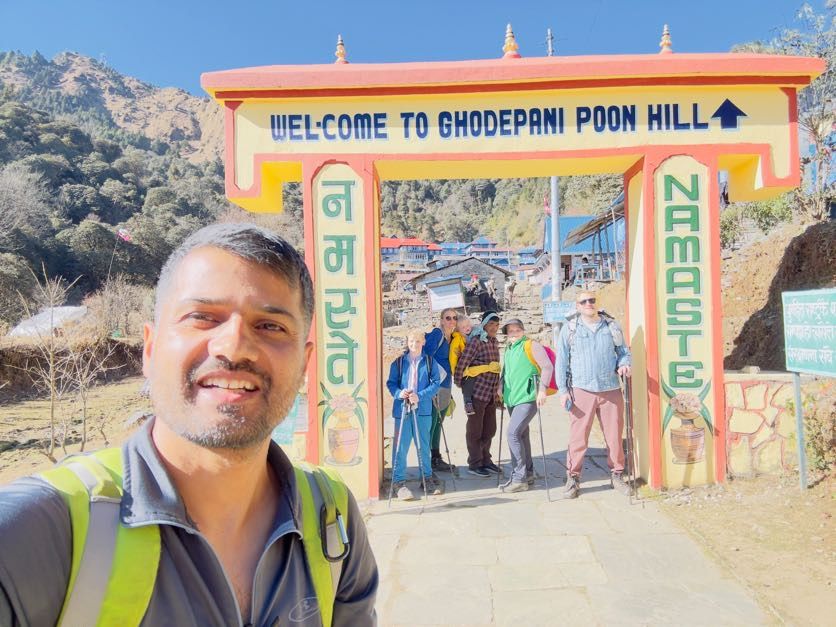
Poon Hill Trek: A Complete Guide to Nepal's Most Beautiful Short Trek
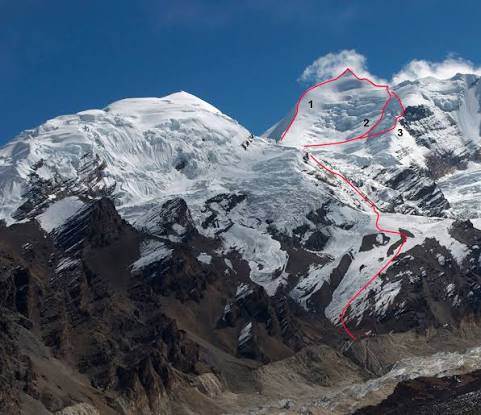
Nepal has some of the most amazing trekking spots in the world and Poon Hill trek is one of them without requiring much of a long and challenging trek to reach and visit the Himalayas' beauty. Poon Hill is situated in the Annapurna region of western Nepal and is known for its stunning views of the sunrise, its traditional mountain villages, its picturesque rhododendron forests, and its panoramic views of the Himalayas.
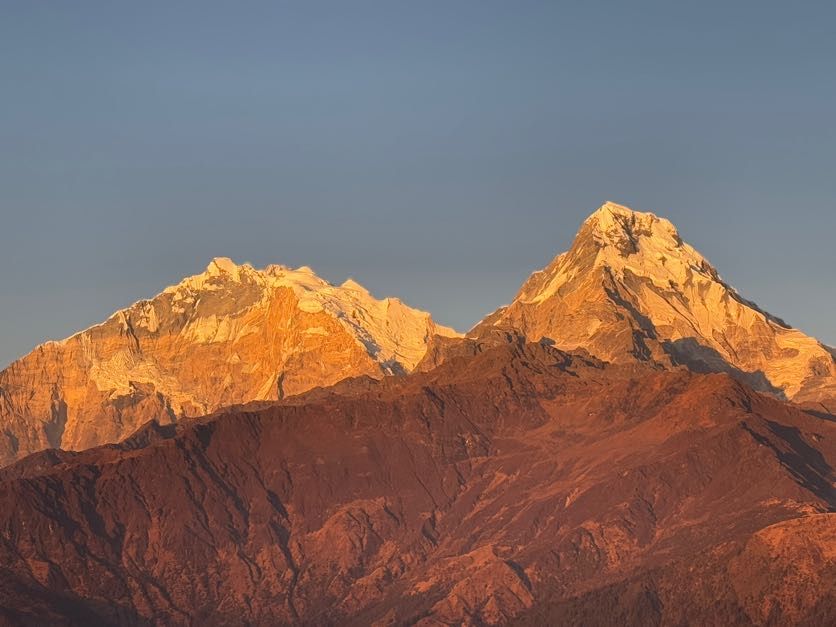
Poon Hill, at 3210m elevation, provides a fantastic vantage point to see some of the most well-known mountains in the Annapurna and Dhaulagiri ranges. The first rays of sunlight on a clear morning can be seen on the snow clad summits of Annapurna South, Annapurna I, Machhapuchhre (Fishtail), Hiunchuli and Dhaulagiri.
The reason for this particular trek is that it is accessible. The Poon Hill trek is not a challenging mountaineering expedition like many of the more high altitude treks in Nepal and does not require much mountaineering experience or advanced physical preparation. This is a great option for those new to trekking, families, solo travellers and anyone wanting to have an introduction to Himalayan trekking but in a short amount of time.
From beginners to seasoned adventurers seeking a more concise and manageable trek to the Himalayas, the Poon Hill Trek is an experience you won't soon forget.
Where Is Poon Hill Located?
Poon Hill is situated in the Annapurna Conservation Area of the Myagdi and Kaski district in Gandaki Province of Nepal. It is located above the village of Ghorepan and is one of the most popular viewpoints in the Annapurna trekking region.
The trek to the viewpoint will take about 42 kilometers, depending on the starting point and the route taken, north of Pokhara.
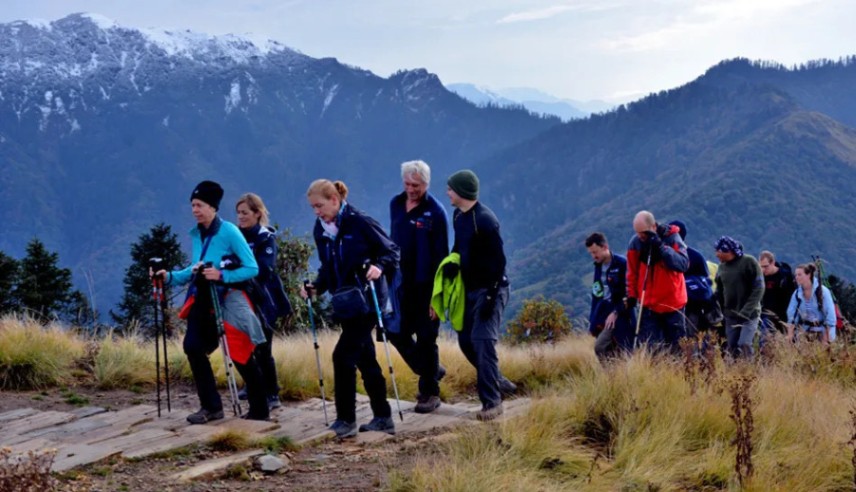
After reaching Pokhara, most trekkers start from Nayapul, Hile or any other village which is accessible by road. The walk traverses through the traditional Gurung and Magar settlements, terraced farmlands, dense forests and scenic mountain trails.
The highlight is the early morning trek from Ghorepani to Poon Hill. The hordes of trekkers typically start their trek early in the morning to arrive at the viewpoint before dawn to witness the spectacular sunrise in the Himalayas.
Why Is the Poon Hill Trek So Popular?
The Poon Hill Trek has become one of Nepal's most loved short trekking adventures for several reasons.
1. Spectacular Himalayan Sunrise
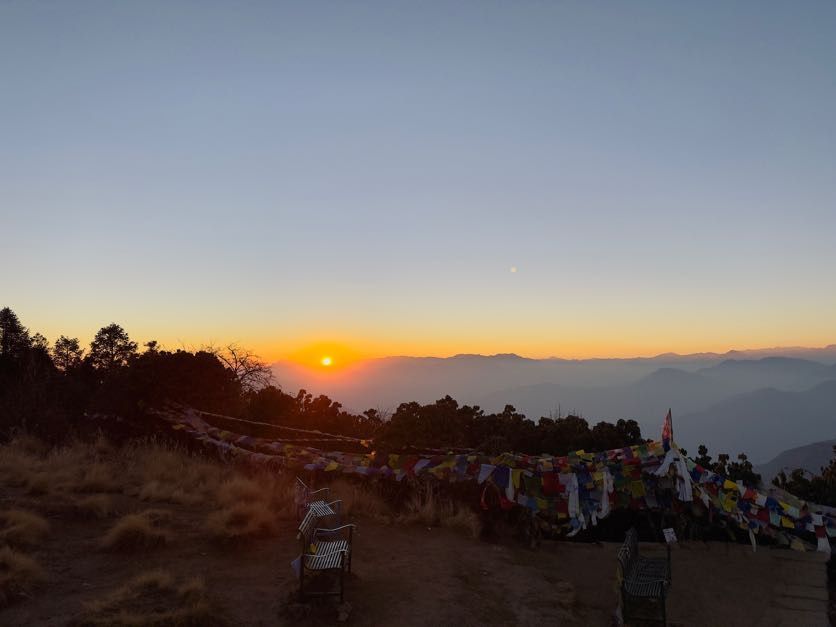
The most spectacular thing about the hike is the sunrise from Poon Hill. The sun is rising above the eastern horizon, casting its golden light over the snow-capped mountains. The mountains' colour changes, providing an unforgettable natural show.
2. Suitable for Beginners
Poon Hill is not a difficult trek like those at high altitudes, and does not require any technical climbing. It has moderate walking times and is at a moderate height making it accessible to people with basic fitness.
3. Beautiful Traditional Villages
Charming villages like Tikhedhunga, Ulleri, Ghorepani and Ghandruk are also found along the trail. The villages offer opportunities to experience the traditional mountain lifestyle, local food, architecture and hospitality.
4. Beautiful Rhododendron Forests
In spring, the forests along the trekking route turn into a colourful landscape as the rhododendrons flower. The contrast between the green hills and snow-covered mountains and Nepal's national flower is stunning.
5. Short Trekking Duration
The trek to Poon Hill can take 4-5 days depending on the point of departure and path taken. This is a great choice for anyone who doesn't have a lot of time to spend in Nepal.
This guide offers a day-by-day tour of Poon Hill Trek.
Typical Poon Hill Trek is a 4-5 day trek, not including the day of arrival and departure. We have made a popular tour route from Pokhara that you can follow to visit Pokhara and back.
Day 1: Pokhara to Tikhedhunga or Ulleri.
The journey starts off from Pokhara to Nayapul or Hile in a beautiful day drive. This route is scenic, and passes through beautiful green hills, rivers, traditional villages and the surrounding countryside.
The trail will start from either Nayapul or Hile, depending on the road condition and starting point.
The trail winds through stunning scenery, through little villages and stony path to Tikhedhunga or Ulleri.
Ulleri is best known for its long stone staircase. Climbing the steps to the castle might be hard, but the view compensates!
Local overnight accommodation at a teahouse.
Day 2: Tikhedhunga or Ulleri to Ghorepani
The second day is a journey into the Annapurna region.
From Ulleri, the trail gradually climbs through beautiful rhododendron and oak forests. Small villages will be passed and sometimes views of the mountains will be seen.
The scenery becomes more picturesque as you ascend into the air. In the spring the forest is colored by the blooming rhododendrons.
After about 4 hours of walking, we reached the beautiful mountain village of Ghorepani at the height of 2860m.
Ghorepani is an important stop for trekkers visiting Poon Hill. The village has many cosy teahouses, local cuisine and stunning mountain vistas.
Stay at Ghorepani (Overnight).
Day 3:Ghorepani to Poon Hill Sunrise and Trek to Tadapani
This is the best day of the entire trip!
The early morning starts at about 4:00 AM and you take the short hike uphill to Poon Hill. The hike should last about 1 hour, 45 minutes depending on the weather and your pace.
The hike up to the viewpoint is well worth the effort, as it is made before sunrise.
With the dawn of light, the Himalayan mountains start to shine in golden orange and pink hues. The spectacular view of the Annapurna and Dhaulagiri mountain ranges can be enjoyed.
You'll then take some time to get your fill of the views and photos before heading back to Ghorepani for breakfast.
On the way again, this time to Tadapani, follow gorgeous forest paths, ridges and views.
Another picturesque mountain village that provides a great panorama of Annapurna region is Tadapani.
Overnight accommodation at Tadapani.
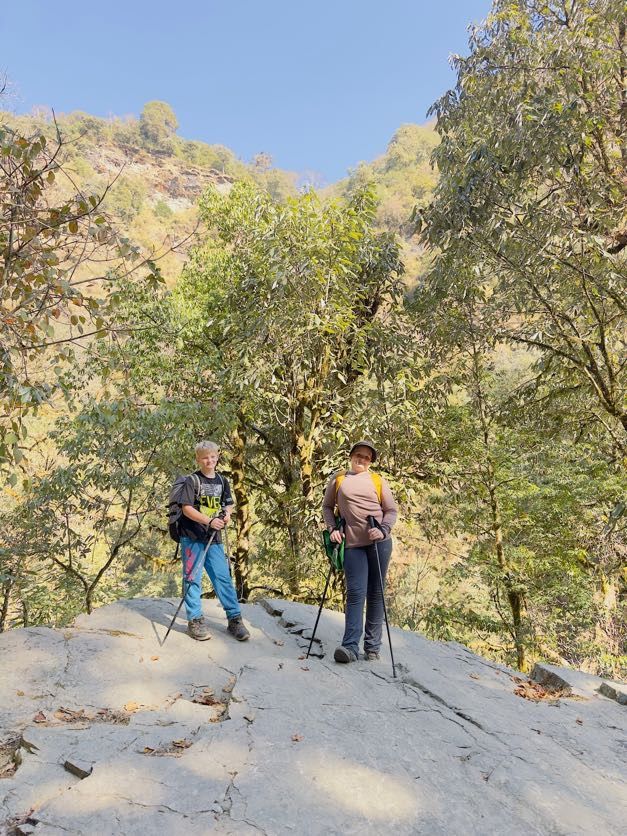
Day 4: Tadapani to Ghandruk
The climb down to the town of Ghandruk will pass through beautiful forests after breakfast.
The pathway is not too steep, and it goes through local villages, stone steps and green fields.
Ghandruk is one of the prettiest Gurung villages in the Annapurna area. The village is known for its traditional stone houses, cultural heritage and spectacular mountain views.
There is a chance to explore the village, visit the local museum, meet the villagers and experience Gurung culture.
Ghandruk is also a great spot to sample traditional Nepalese cuisine, while taking in the views of the surrounding Himalayan terrain.
Stay at Ghandruk for one night.
Day 5 Ghandruk to Pokhara.
Your last day will take you down towards the roaded areas of the region.
Depending on the itinerary and the road condition, you can either walk towards Kimche or another road point nearby, then get on a vehicle to return to Pokhara.
The drive offers beautiful views of the countryside and surrounding hills.
Your Poon Hill Trek ends here in Pokhara.
Major Attractions of the Poon Hill Trek
1. Poon Hill Viewpoint
Poon Hill is undoubtedly the main highlight of this trekking adventure. From this vantage point at 3,210m, one can see the panoramic views of Annapurna and Dhaulagiri ranges.
The sunrise is especially breathtaking and is a popular destination for photographers and trekkers from all over the world.
2. Ghorepani Village
Ghorepani is a beautiful mountain village enveloped in woods and mountains of the Himalaya. It's the primary overnight stop prior to an early morning trek up to Poon Hill.
The village has comfortable teahouses, traditional food, and opportunities to interact with the local communities.
3. Ghandruk Village
Ghandruk is one of the most culturally interesting villages along the way. It is the habitat of the Gurung community and is an awesome chance to gain knowledge about traditional mountain life style.
Ghandruk is an interesting place to visit due to its traditional architecture, cultural museum, local cuisine, and mountain views.
4. Ulleri Stone Staircase
One of the most famous parts of the Poon Hill trekking route is the famous stone staircase of Ulleri.
Climbing hundreds of stone steps is tough but is a great way to enter into the world of Himalayan trekking.
5. Rhododendron Forests
The forests on the way to Ulleri to Ghorepani and Tadapani are extremely beautiful in the spring season.
This stretch of the hike is particularly interesting for nature enthusiasts and photographers, thanks to the vibrant natural scenery, including springtime blooms of rhododendrons.
Best Time for Poon Hill Trek
The Poon Hill Trek can be completed throughout much of the year. However, spring and autumn are generally considered the best seasons because of their favorable weather conditions and mountain visibility.
Spring (March to May)
Spring is one of the most beautiful times to visit Poon Hill.
During this season, the forests come alive with blooming rhododendrons. The weather is generally pleasant, and the daytime temperatures are comfortable for trekking.
March and April are particularly popular because of the colorful forests and beautiful landscapes.
Autumn (September to November)
Autumn is another excellent season for the Poon Hill Trek.
After the monsoon, the skies generally become clearer, offering spectacular views of the Himalayan mountains.
The pleasant temperatures, stable weather, and excellent mountain visibility make October and November particularly attractive.
Winter (December to February)
Winter trekking is also possible, but temperatures can become very cold, especially during early mornings and evenings.
Snowfall may occur at higher sections of the trail, and the stone pathways can become slippery.
However, winter can be rewarding for travelers who prefer quieter trails and snowy mountain scenery.
Monsoon (June to August)
The monsoon season brings heavy rainfall, cloudy skies, and slippery trails.
Leeches may also be present in forest sections, and mountain views can frequently be hidden by clouds.
Although trekking is possible with proper preparation, it is generally not the most recommended season for Poon Hill.
How Difficult Is the Poon Hill Trek?
Poon Hill Trek is a relatively easy to moderate trek.
It is very suitable for novices and travelers who don't have any prior experience in the Himalayas. However, it still requires a reasonable level of physical fitness.
This hike will require about 4 to 7 hours of walking a day, depending on the hike, walking rates, and trail weather.
The most challenging parts are the long stone staircase that gets to Ulleri and the uphill climb from Ghorepani to Poon Hill.
The highest point is just 3,210 meters, but it is important to be well-prepared for your trek.
Before the trip, a regular walk, climbing of stairs, light hiking and cardio will make the trip easier.
How Much Does the Poon Hill Trek Cost?
The cost of the Poon Hill Trek will vary according to a number of factors such as duration of the trek, accommodation choice, transportation, guide services and a private or group trek package.
A general estimated budget is:
- Transportation between Pokhara and the trekking starting point: USD 15–50.
- Accommodation: USD 5–15 per night.
- Meals: USD 20–30 per day.
- Guide services: USD 25–35 per day.
- Porter services: USD 20–25 per day.
- Permits and administrative expenses: Additional costs may apply.
For a typical 4 to 5-day trekking itinerary, independent trekkers may spend approximately USD 250–450 per person, depending on their travel arrangements.
Organized trekking packages may cost more because they can include guides, porters, transportation, accommodation arrangements, meals, and necessary permits.
These figures are indicative estimates rather than fixed prices. Actual expenses may vary depending on the season, service provider, and itinerary.
Permits Required for Poon Hill Trek
Before starting the Poon Hill Trek, travelers should check the current entry requirements and permit regulations for the Annapurna Conservation Area.
The main permit associated with this route is:
Annapurna Conservation Area Permit (ACAP)
The aim of the permit is to ensure conservation, environmental protection and management of trekking infrastructure in the Annapurna Conservation Area.
The terms and conditions of permit may be subject to change, so the trekkers are advised to check the updated terms and conditions from the Nepal Tourism Board or the relevant official authorities before leaving.
It is also advisable for travelers to verify the current rules and regulations regarding guides and treks for their country and destination.
Accommodations and food for the trek.
Teahouses and lodges are available along the way to stay on the Poon Hill Trek, one of the best features of the trek.
The villages have basic but comfortable accommodation facilities. Rooms with twin beds, blankets and shared bathrooms, as well as dining areas, may be available, depending on where the trekker is staying.
Several lodges have rooms available with attached bathrooms and hot showers for an extra fee.
A wide selection of foods is generally available except that traditional Nepali foods are regarded as common.
Some of the most popular foods:
- Dal Bhat (rice, lentil soup, and vegetables).
- Vegetable and chicken noodles.
- Fried rice.
- Momos.
- Tibetan bread.
- Pancakes.
- Porridge.
- Soups and hot beverages.
Dal Bhat is one of the most popular meals among trekkers because it provides energy for long walking days.
Drinking enough water and eating nutritious meals throughout the journey are important for maintaining energy levels.
What Should You Pack for the Poon Hill Trek?
Packing appropriately can make your trekking experience much more comfortable.
Although Poon Hill is not a high-altitude expedition, temperatures can drop significantly during early mornings and evenings.
Here are some essential items to carry:
Clothing
- Comfortable trekking trousers.
- Moisture-wicking T-shirts.
- Warm fleece or insulating jacket.
- Waterproof and windproof jacket.
- Thermal innerwear.
- Trekking socks.
- Comfortable underwear.
- Warm hat and gloves.
Footwear
- Comfortable trekking boots.
- Lightweight slippers for teahouses.
- Extra pairs of socks.
Personal Essentials
- Sunscreen.
- Sunglasses.
- Personal toiletries.
- Reusable water bottle.
- Personal medication.
- Basic first-aid kit.
- Headlamp or flashlight.
- Power bank.
Trekking Equipment
- Comfortable backpack.
- Trekking poles.
- Rain cover.
- Sleeping bag, if preferred.
- Camera or smartphone.
It is always better to pack light and carry only essential belongings.

Is Poon Hill Trek Suitable for Beginners?
Yes, Poon Hill trek is one of the best road maps for Nepal trekking.
The height of its summit is relatively low, there are already solid teahouses, and the trek isn't too long.
No experience of mountaineering or technical climbing is required.
But please note that for beginners, days of walking, climbing and downhill biking may be a continuous process.
Regular walking, stair climbing and simple cardiovascular exercise can help increase stamina with a few weeks of regular activity.
When traveling to Nepal, another great advantage of hiring an experienced trekking guide is that the trip will be easier, especially for those who do not know the trekking routes in this country.
Poon Hill Trek vs Mardi Himal Trek?
Poon Hill trek and Mardi Himal trek are popular short trekking tours in the Annapurna region. They provide different experiences, however.
Poon Hill Trek is well known for its sunrise viewpoint, traditional villages, cultural experiences and easy hiking trail.
Mardi Himal Trek, on the other hand, leads trekkers towards the stunning Machapuchhre mountain range and provides more dramatic high altitude scenery.
Poon Hill is mostly recommended for beginners, families and those seeking a shorter cultural and scenic experience.
For those looking for a slightly more challenging adventure, with high altitudes and tougher terrain Mardi Himal is an option.
Either of these routes offers stunning vistas of the Annapurna landscape.
Responsible Trekking in the Annapurna Region
The Annapurna region is not only a beautiful trekking destination but also an important ecological and cultural landscape.
As tourism continues to grow, responsible trekking practices are essential for protecting the environment and supporting local communities.
Here are some simple ways to trek responsibly:
- Avoid throwing plastic waste along the trail.
- Carry reusable water bottles.
- Respect local traditions and cultural practices.
- Support locally owned teahouses and businesses.
- Avoid disturbing wildlife.
- Use established trekking routes.
- Respect the privacy of local residents.
- Follow conservation guidelines.
Small responsible choices can make a significant difference in preserving Nepal's natural and cultural heritage.
Essential Tips for a Successful Poon Hill Trek
Before embarking on your adventure, here are some practical tips to consider:
Start Early for Sunrise: The sunrise is the biggest attraction of Poon Hill. Get up early and bring a headlamp/flashlight for the hike in the morning.
Prepare Your Fitness: This hike is designed for all levels, but if you are comfortable with walking and stair climbing, then you should be able to handle this one more easily.
Take adequate cash: ATMs are available only at certain points on the trekking route. Collect enough money in Nepalese rupees in Pokhara before going on trekking.
Always check the weather: Weather conditions on mountains can suddenly change. Look at the weather forecast and pack suitable clothing.
Remain Hydrated: Drink plenty of water during the trip and don't overexert yourself.
Respect Local Culture: The villages along the route have rich cultural traditions. Always ask for permission before taking pictures of others.
During peak season, spring and autumn, accommodation in the book is available. Preparing for your stay can help make it easier.
Conclusion
Absolutely! This is one of the most rewarding short trekking routes in Nepal: The Poon Hill trek. It promises all the things that make up the wonder of Himalayan trekking,breathtaking scenery, tranquil forests, quaint villages, friendly people and unforgettable sunrise experiences.
The most special thing about this journey is that there is no need to spend weeks in the mountains for you to enjoy the beauty of the Himalayas. In just a few days, you can enjoy a day exploring the Annapurna region, enjoy a golden morn seeing the sun rise over snow clad peaks and take in the warmth of Nepalese mountain hospitality.
From being a first time hiker to a lone traveler, couples or families, Poon Hill has something for everyone looking to add to their travel plans in Nepal and enjoy an outdoor experience.
Our philosophy at Happy Mountain Nepal is that all travels need to be about more than just getting somewhere. Should aim to be about discovering new cultures, connecting with nature, and creating memories that will stick with you long after.
Looking for a Poon Hill trek with the right guides, accommodation and an experience tailored to you? Let us help you with your Annapurna region trip.
Explore Nepal. Experience the Himalayas. Create memories with Happy Mountain Nepal.