
Nepal Tourism After the Rasuwa Flood: Is Nepal Safe for Tourists?
Nepal is a land of unique experiences of all journeys. Nepal's snowy peaks and rugged terrain, its ancient temples, traditional villages, and serene lakes and wildlife national parks draw visitors seeking adventure, culture, and purposeful experiences.
The devastating floods which occurred in the Rasuwa area of Nepal in August 2026 has raised an important question in the minds of international visitors and domestic travelers: Is it safe to go to Nepal after the flood in Rasuwa?
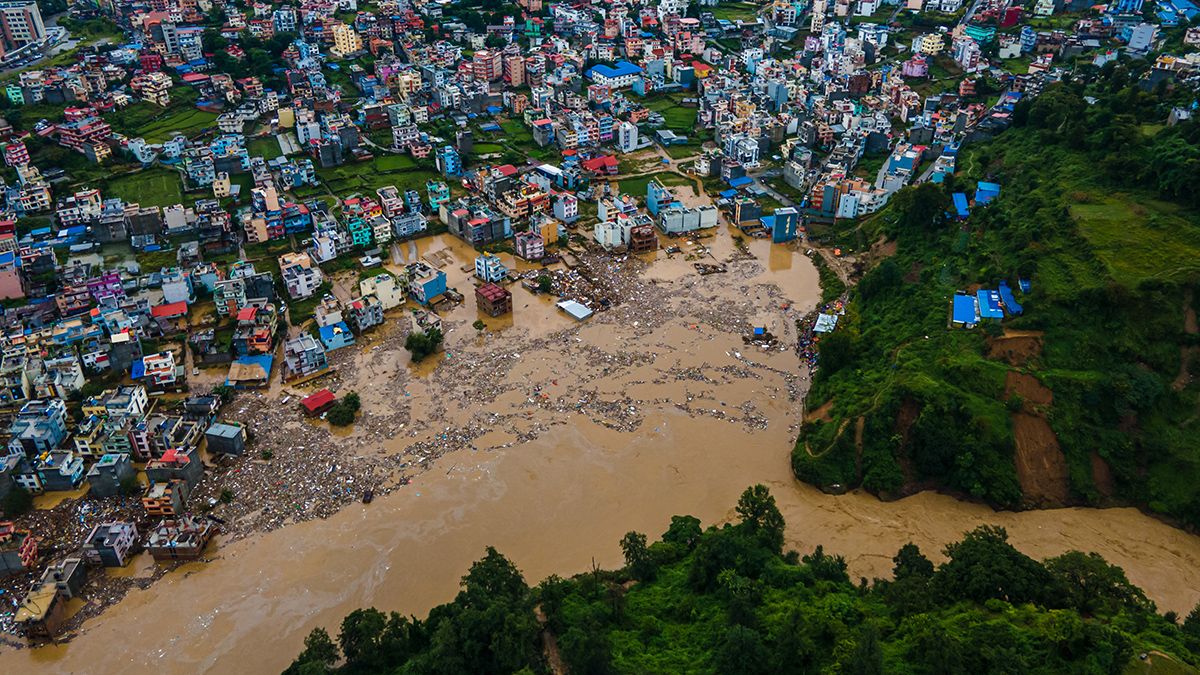
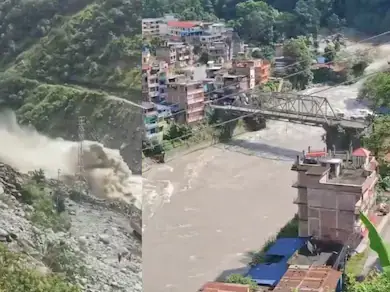
The flood along Bhote Koshi River on August 26 has damaged roads, bridges, houses and other infrastructure. The impact was very devastating in the community of Rasuwa and nearby districts. The disaster also affected the transportation and access roads to several popular destinations, such as at Langtang Valley and Rasuwagadhi border.
It was a serious impact, but it's imperative to have the geographical context. An event of nature occurring in a specific area does not necessarily mean the whole country is unsafe to travel.
Nepal's tourism industry updates and the government communications after the disaster indicated that major tourist destinations like Kathmandu, Pokhara, Chitwan, Lumbini, the Everest region and the Annapurna region were not in the main corridor affected by the flood. Latterly, progress has also been reported on reopening road access and local economic activities in some areas in Rasuwa and Nuwakot.
However, not all roads, trekking paths and riverside settlements are necessarily safe to recover.
When making plans for a trip to Nepal, it's important to know which places are still open and which ones are trying to keep operations as normal, and what the extra precautions are.
This guide delves into the state of travel following the flood in Rasuwa, Nepal, the travel landscape at the time, safety concerns for specific destinations, and some tips and tricks to ensure you are able to travel with confidence.
Understanding the Rasuwa Floods of 2026
It is better to know about the current condition of Nepal tourism by reading what has happened in Rasuwa.
Heavy flash floods occurred in the Bhote Koshi River corridor in Rasuwagadhi, near the Nepal-China border, on 26th August 2026. The flood event swept vast quantities of water, mud and debris down a stream, causing damage to settlements and critical infrastructure.
The disaster impacted the communities in the affected areas of Rasuwa and neighbouring districts. Roads and bridges were damaged or washed away and transportation and communication networks were greatly disrupted.
The impact was felt outside of the floodplain. A number of communities became inaccessible and the damage impacted the mobility of people, relief aid, supplies, as well as travellers.
Rasuwa is also significant in the context of tourism as it connects the various areas like Langtang Valley, Kyanjin Gompa, Gosaikunda and the Rasuwagadhi border area.
With such damage inflicted on transportation in the area, there was uncertainty for people who had planned trekking holidays and mountain adventures in the area.
The floods impacted local tourism of the area too. Events such as these are vital to the livelihoods of hotels, teahouses, transport operators, guides, porters and small shops. These businesses are hit with financial hardships when roads are closed and when trekking routes are disrupted.
The government, local authorities and humanitarian groups engaged in rescue efforts, relief distribution, and infrastructure recovery after the disaster.
As of October 2026, some work was reported to have been done on the road repairs and restoration in Rasuwa and Nuwakot to improve access. But the situation was still location-dependent, and it was important to know exactly which route to take before going.
The key takeaway is that it is not possible to draw a general conclusion about the safety of Nepal tourism at the national level.
Is Nepal Safe for Tourists After the Rasuwa Flood?
The answer is yes, although some regions of Nepal are still safe for tourists, it is advisable to plan trips with caution and assure them of current safety information for the places where floods occurred.
Nepal is a land of diversified geographical features. Road closures in the northern Himalayas do not always impact the Kathmandu, Pokhara, Chitwan and Everest region routes.
Most tourism activities in the affected corridor did not stop after the floods. Several major destinations' airports and tourism services were also operational.
Visitors should feel at ease that having to cancel all their Nepal holidays because of the Rasuwa disaster is not always a must.
Travellers should not assume, however, that all roads and places are equally accessible or that all roads and places are the same as before.
There are three key considerations you should consider.
The first thing to think about is your destination. The risks associated with a city holiday in Kathmandu are different from those of a remote trek in the Langtang or to the Nepal-China border.
Second is to take into account your path. If it is not a flood hit area, the country's road or trail leading to the area can still be affected.
Thirdly, take into account the climate. Mountainous areas may develop new hazards during and after the monsoon season from heavy rainfall, landslides, unstable slopes, and rising river levels.
Prior to departure, ensure that official travel updates have been released, that your trekking agency/tour operator is operating and that your accommodation and transportation are in place.
The best travel advice is to know conditions in the area and not assume things everywhere.
Which Tourist Destinations in Nepal Are Safe to Visit?
One of the most important questions for visitors is whether they can continue with their planned itinerary.
The following destinations are outside the main Rasuwa flood corridor. However, normal operations should still be confirmed before travel, especially when weather conditions change.
1. Kathmandu: Culture, Heritage, and Local Experiences
Kathmandu is still a good base for a holiday in Nepal.
The capital is a unique mix of religion, architecture, local markets, modern coffee houses and Nepali life.
People can see the Kathmandu Durbar Square, narrow streets of Ason, Boudhanath Stupa and Swayambhunath on the top of the hill.
Another important landmark is Pashupatinath temple, where pilgrims and tourists can visit to see and understand Hindu religious practices.
The visitors can also visit Patan and Bhaktapur, which are both famous for their old Newari architecture, courtyards, temples and local arts and crafts that provide a greater insight into the Kathmandu Valley.
These cultural experiences do not involve entering into the flood corridor of Rasuwa.
If you're looking for experiences that allow you to immerse yourself in the culture, architecture, festivals, and cuisine of Nepal, the Kathmandu Valley is the place to be.
Please always refer to the weather forecasts and access conditions which may change at specific sites.

2. Pokhara: Lakes, Mountains and Relaxation
Pokhara is also a popular tourist spot in Nepal, where visitors can enjoy the beauty of the mountains, the thrill of adventure, and the relaxation of the resort.
The city is situated by the side of the Phewa Lake and provides a wonderful view of the Annapurna range, which is one of the best places to take a stroll in the evenings, boating, cafés and a short excursion.
The visitors can visit the World Peace Pagoda, International Mountain Museum, witness the sunrise at Sarangkot or just relax around the lake.
For those who enjoy adventure, paragliding is also another option depending on appropriate weather conditions and conditions of the licensed paragliders.
Pokhara is not situated in the main flood corridor of Rasuwa. The disaster does not necessarily contribute to making the city unsafe.
But separate incidents, road works or weather conditions can disrupt the road journeys between Kathmandu and Pokhara. Ensure you have the most up to date transport details before booking a tourist bus or private conveyance.
In case you're travelling to Pokhara and Annapurna area then there is no reason to cancel the entire trip because of the Rasuwa floods.

3. Everest Region: Himalayan Adventure Beyond Rasuwa
The Everest region is still one of the most famous trekking destinations in the world.
Popular treks are the Everest Base Camp Trek, Everest View Trek, and trekking in Sherpa villages like Namche Bazaar.
This area is a popular destination for tourists who wish to explore the dramatic mountains, Buddhist monasteries, Sherpa culture, and the sight of some of the world's highest peaks.
Geographically, the Everest region is a part of a different flood corridor from Rasuwa. The region was not directly hit by the disaster as the communities along Bhote Koshi and Trishuli rivers were.
But, there are always risks in the Himalayas when one goes for trekking. Itinerary Safety may be affected by weather, flight, altitude, landslides, and trail conditions.
Please check the Lukla flights, trails, accommodation and weather before traveling.
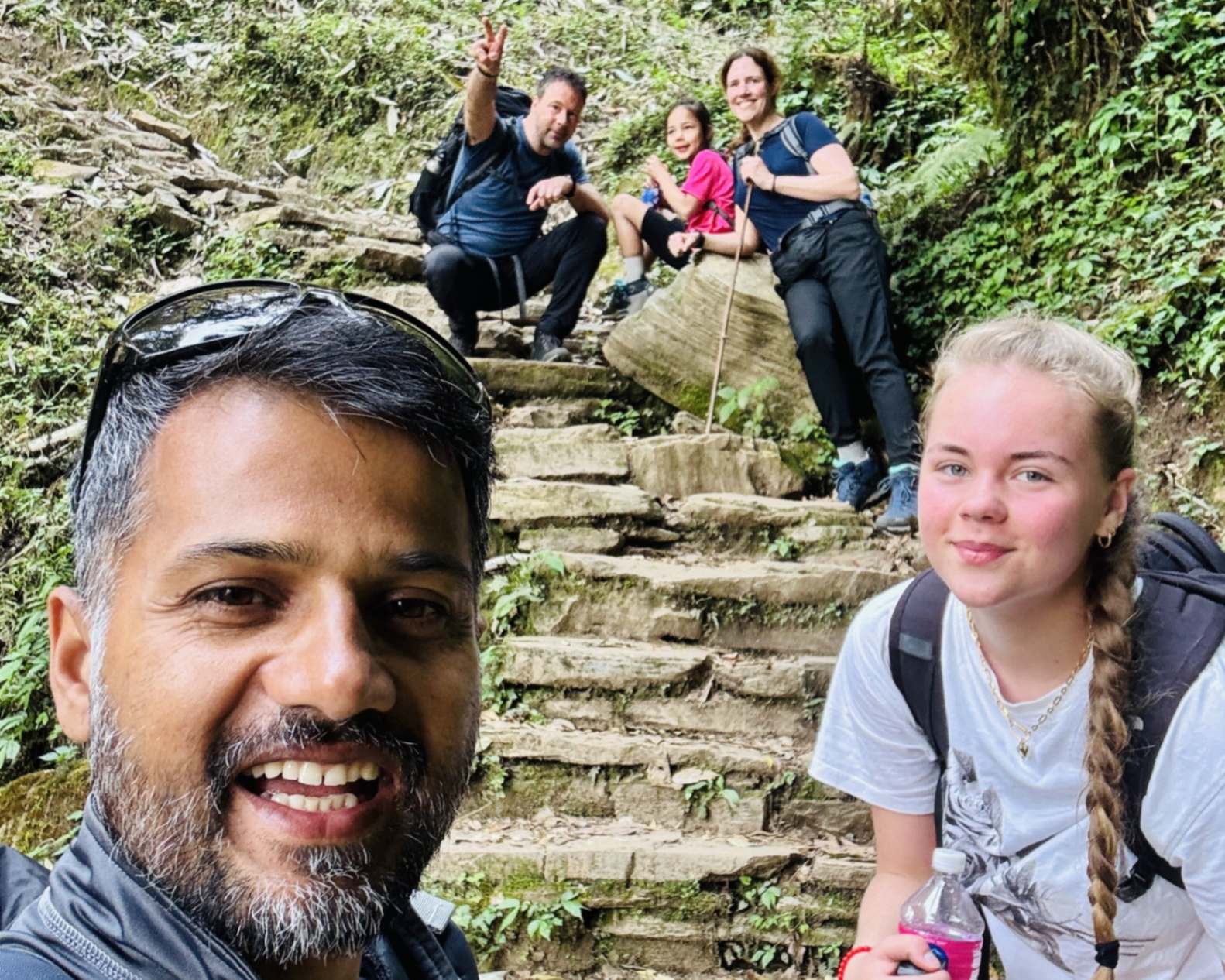
In remote mountain areas, it is especially important to select an experienced trekking guide and company and adhere to the guide's advice.

4. Annapurna Region
The Annapurna Region is home to popular treks and mountain villages.There are popular treks and mountain villages in the Annapurna Region.
The Annapurna region is one of the most diverse trekking destinations in Nepal.
The Annapurna Base Camp Trek, Ghorepani Poon Hill Trek, Mardi Himal Trek and Annapurna Circuit are popular treks for their scenic landscapes, trails through forests, traditional villages, and cultural diversity.
These are remote areas outside the primary flood route in Rasuwa.
However, the safeness of a particular hike will rely upon its course and present state of affairs. Trails, bridges and mountain roads may be impacted by heavy rainfall in areas that are not affected by the initial disaster.
When making a booking, check with your trekking company if the planned route is running or if there is a need to choose an alternative route.
If travelers would like to explore the Himalayas post the Rasuwa floods there may be alternative options like Annapurna region, as long as there are no unsuitable conditions.
5. Chitwan National Park: Wildlife and Jungle Experiences
Chitwan is another choice for those travellers who like to have wildlife and nature instead of high trekking.
The area is home to the national park, a rich biodiversity, a traditional Tharu culture and learning about wildlife conservation.
Guided nature walks, birdwatching, canoeing, and organised activities to observe wildlife may be available depending on current park regulations and operating conditions.
Chitwan is actually off the main route of the flood in Rasuwa, so the plan for a visit to Chitwan is not automatically cancelled due to the Rasuwa disaster.
But river conditions, access roads and certain activities may be impacted by flooding and heavy rainfall. Planned excursions should be confirmed with the accommodation/tour operator for safety and availability.

6. Lumbini
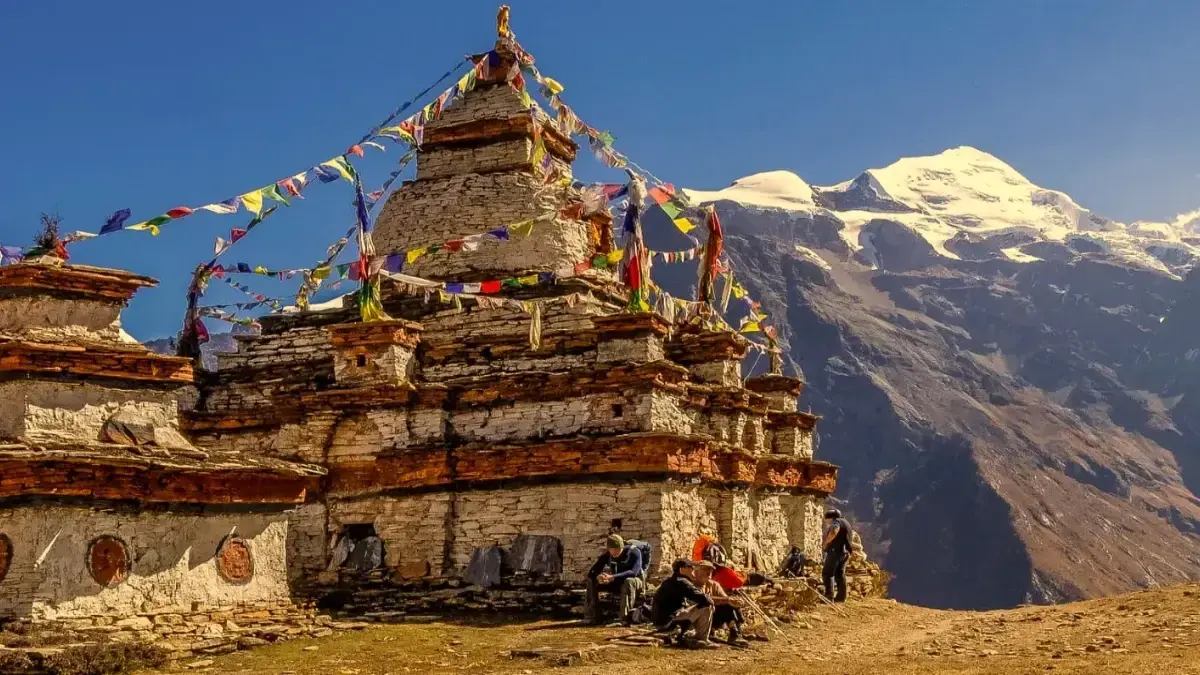
The 6th was a peaceful cultural journey to Lumbini, the birthplace of the Buddha.
Lumbini, the place of Gautama Buddha's birth, is a cultural and historical spot of interest for visitors.
The archaeological sites and International monasteries will help you learn about the historical and religious value of Nepal in the Sacred Garden and Maya Devi Temple.
Lumbini is not part of the main flood corridor in Rasuwa and can be added to a cultural tour, provided that there are no flood risks and the weather is normal.
Those wishing for a laid-back travel can also go to other destinations in the southern plains along with Lumbini.

7. Bardiya: A Different Side of Nepal
The Bardiya National Park is another view of Nepal's nature.
It is located in the western Terai, where the region is renowned for wildlife conservation, birdwatching, river landscapes and community based tourism.
It is geographically isolated from Rasuwa and therefore the August floods do not automatically impact the tourism operation in the area.
Visitors, as elsewhere, should verify road or flight plans and should verify activities that are planned before making travel arrangements.
Rasuwa Tourism After the Flood: What Should Travellers Know?
While many places are still accessible in Nepal, a detailed assessment needs to be done in Rasuwa.
The district boasts extraordinary landscapes, cultural communities, religious sites and trekking trails. It is also one of the most flood affected areas in August 2026.
The impact on roads, bridges and settlements was severe, leading to access issues, especially on the road segment between Dhunche, Syabrubesi, and Rasuwagadhi border.
In the October reports there was the general sense that key road infrastructure and local tourism operations were improving. In addition, a temporary bridge was reported in Syabrubesi, where a permanent bridge is being constructed.
The progress of these is good for local residents and the tourism industry. But reopening transportation does not imply that all roads or trekking trails are safe for all vehicles.
There are three situations that travelers should be aware of.
Open and operating: A route is declared open by the authorities or there is a reliable local operator and the planned activity is allowed.
Closed but available: A route may be open for certain vehicles only, under scheduled closures and/or other conditions.
Closed or unsafe: Official restriction or damaged infrastructure, unstable terrain and/or other hazardous conditions make travel inappropriate.
If you are traveling to Rasuwa, double check with them what type your trip is.
Avoid only using an old picture, a post on social media or a general statement about the district reopening.
Is Langtang Valley A Safe Tourist Area?
Langtang Valley is one of the most scenic trekking destinations in Nepal with beautiful mountain scenery, culture of the Tamang, forest and traditional villages.
The floods in Rasuwa had severely impacted its access route, however.
Damage to the roads and bridges connecting Langtang to Dhunche was reported in September and there were also significant disruptions around Syabrubesi.
Restoration efforts have been made but the safety of a Langtang trek would rely on the current state of access roads, bridges, trails, and settlements.
Prior to embarking on this trek, please check the following:
As to whether you are planning to drive up the road from Kathmandu to Dhunche and Syabrubesi is open to you.
Status of the trail between Syabrubesi and Langtang Valley and its safety.
Whether accommodation providers are in operation (teahouses).
If your guide is up to date with the latest news on landslides, bridges and blocked areas.
If an emergency evacuation plan is in place for your trip.
Never trespass or try an alternate path without being directed to do so.
If it hasn't been officially confirmed, then try another destination or plan a future hike.
Is Gosaikunda Safe to Visit?
Gosaikunda is an important pilgrimage site in the Langtang region and a sacred lake in the alpine region.
The route can be hard going, rocky, steep, and go through areas of various weather conditions.
While it is not necessarily physically damaged in all areas, Gosaikunda's accessibility is determined by the condition of the connecting roads and trails.
Don't assume that the place is safe just because the lake looks OK.
Before traveling, verify the current state of the route with a licenced trekking agency, local authorities and accommodation providers.
If it is not safe to travel, or emergency assistance is scarce, then delay the journey.
What about Rasuwagadhi and the Nepal-China Border?
Rasuwagadhi is an important border area and a key location related to the disaster of flooding in August.
Flooding along the border region impacted infrastructure, transportation and access to surrounding communities.
Conditions at the border can shift very rapidly, as can the condition of the roads and recovery operations, so travellers should check the most up to date information before travelling.
Avoid traveling to Rasuwagadhi for sightseeing due to another section being reopened.
Check the border area is open to visitors, if there are any restrictions and if the road is suitable for your vehicle.
Those travelling who have itineraries that require crossing to another country will especially want to ensure that they have confirmation from relevant authorities prior to travelling.
Are Nepal's Trekking Routes Open After the Flood?
Thousands of trekkers visit Nepal every year to experience its traditional settlements, forests and mountains.
Fall is a popular time, typically a time of good conditions and clear skies for trekking.
But flooded trails need to be checked on a case-by-case basis.
Damage to an access road does not necessarily indicate damage to a trail. If a bridge is unsafe, but a nearby village is running normally, it will keep running.If a village is operating normally, but the nearby bridge is unsafe, the village will continue to run. Likewise, if there's been a lot of rain, a new restriction may be needed for an open route after several weeks.
The Rasuwa disaster also shows that it is crucial to differentiate between the condition of a trekking destination and the condition required to access it.
When arranging a trekking tour be sure to get confirmation from your agency on the following:
Road Access: Can cars safely access trailhead, and is there a restriction on vehicle length, or duration of trail use.
Accommodation: Is there a teahouse, lodge and food service along the proposed track?
Forecasts: Will significant rainfall, landslides or other hazards be anticipated during the trek period?
Emergency arrangements: Do they have a feasible exit strategy in case of illness or an unexpected closure.
How the Rasuwa Flood Affects Nepal's Tourism Industry
Tourism is not just an avenue for adventure to tourists. It's also significant to the livelihood of thousands of Nepalis.
Tourism in mountain communities, which serves as a livelihood for guides, porters, hotel owners, teahouse operators, transport operators, shopkeepers, farmers and artisans.
Disruption of travel due to a natural disaster can have long-term consequences after the water has gone.
Businesses in the area are struggling financially.
Affected hotel and teahouse bookings can be lost when travellers cancel their stays.
Operators of transport systems might suffer damage to their vehicles, closure of roads or higher expenses. In the event of trek postponements, guides and porters can be affected financially.
Reports of a disaster in one part of the country can cause uncertainty for businesses not in the immediate disaster area, as international visitors determine that it is a reason to avoid travel to the whole country.
That is why it's important to have accurate travel information.
While people shouldn't overlook real safety concerns, they also shouldn't assume that all areas of Nepal are impacted equally.
Tourism can contribute to the recovery.
Responsible tourism can be used to boost the livelihood of local communities when a destination is officially open and safe.
Travelers can help local business owners, book qualified tour guides, buy local products and businesses that hire people from the local community.
But it should never be about traveling to a impacted country versus the safety and needs of the people.
When access is limited or there is an ongoing emergency situation, visitors should respect that and change their plans.
In some instances, it is most responsible to leave a region in Nepal and re-enter when conditions have improved.
Responsible Travel Makes a Difference
There are also measures that the traveller can take to help the recovery process, such as booking flexible itineraries, staying away from misinformation and heeding the guidance of local operators.
When sharing photos or reports on a place, verify the information and make sure it is up-to-date.
Even after the road is back in good condition, old photos of wreckage can instill needless worry. On the other hand, old photos of scenic views shouldn't be relied on to prove a road is safe.
Responsible tourism begins with reliable information.
Essential Safety Tips for Travelling to Nepal After the Rasuwa Flood
Whether you are visiting Nepal for trekking, sightseeing, wildlife, or cultural experiences, a few practical precautions can make your trip safer.
- Follow the official travel updates.
Check the government travel advice, local administration warnings and tourist information prior to travel.
The Nepal Tourism Board and the district authorities can be good resources for verifying the situation of affected areas.
Travelers from abroad should also check their home country's travel advisory for the latest updates.
To verify current information on routes, check with your transport company or trekking company to see if the specific road or trail you are travelling is in good condition.
- Don't cross flooded river banks or damaged infrastructure.
River banks that have been damaged by flooding can still be hazardous afterwards.
The ground may not be safe, the bridges could be compromised, and the river can flow quickly.
Avoid areas of restricted riverside access, areas of unstable slope and damaged bridges for photographic purposes.
Do not cross a river where the water level is low or walk through debris in a flood.
Obey local and emergency officials.
- Select a trustworthy tour company or trekker.
If you are thinking of going on one of the mountain hikes, select a professional and suitably licensed tourist company.
The operator should be familiar with the local landscape, know the state of the route, have a competent tour leader and know what to do should difficulties arise unexpectedly.
Inquire about the program instead of taking for granted that Nepal is safe.
Instead of trying to round a restricted area, if your intended route is blocked out, discuss another destination.
- Monitor Weather Forecasts
The weather can change rapidly on the mountains.
Increased rainfall increases the risk of landslides, falling rocks, flooding and road closures. Weather conditions in the mountains can vary despite clear skies in Kathmandu.
Always read forecasts for the final destination, not for the capital.
If your local authorities or your guide say they don't think it's safe to travel, don't.
- Purchase adequate travel insurance.
Especially for those who will be travelling for trekking or adventure activities, travel insurance is very critical.
Take time to read the terms of a policy before buying one.
Review if it includes your intended elevation, emergency medical care, helicopter evacuation, trip cancellation, travel delays and natural disasters.
Certain Policies may exclude specific activities, destinations or situations.
Not all of the emergencies on the mountains are covered by a standard travel insurance policy.
- Keep Your Travel Plans Flexible
Roads and lodging may be affected by a large-scale natural disaster, and may be impacted without advance warning.
Allow for flexibility in plans, especially for remote mountain areas.
Don't take an important international flight right after a trek that relies on a road that is in poor condition or a domestic flight.
Allow for some extra time for delays and keep in touch with your travel agency.
- Read Your Guide's Directions
Local guides know the area and are notified of new restrictions or conditions within the trail.
Follow their directions and do not go off by yourself to look at an area that may be dangerous.
Do what your guide advises, if he advises you to change the route due to weather conditions, damage to the road, or any other safety concern.
- Make Sure There are Important Contacts Handy
Save contact information of where you are staying, the trekking company, insurance company, and emergency services before you depart.
Let someone you trust know your plans.
If traveling to a remote location, find out from your operator how you will communicate where there are no mobile networks.
When plans change unexpectedly, preparation can be a big factor.
Best Places to Visit in Nepal After the Rasuwa Flood
If you are reconsidering your original itinerary, there are several alternatives to explore.
The right destination depends on your interests, available time, and preferred style of travel.
For Culture and Heritage: Kathmandu Valley
Kathmandu, Patan and Bhaktapur are a feast for the history, architecture, religious life, and culinary world.
Visitors can explore historic squares, visit temples and monasteries, browse through traditional markets and experience the cultural life of the valley.
For tourists who desire to have a meaningful trip but not to a far-flung trekking route, this is an ideal choice.
For Mountain Views: Pokhara and the Annapurna Region
It's a lovely place for those looking to unwind by the lakes and enjoy the Himalayan views from Pokhara.
Depending on the local conditions at the time of travel, it is possible to consider short hikes, and guided sightseeing and treks in the Annapurna region.
Some of the popular options are Ghorepani Poon Hill trek and Mardi Himal trek but one must always check the accessibility of the trek as well as weather conditions before leaving.
For High-Altitude Adventure: Everest Region
It is located in the Everest region, with the magnificent scenery of the mountains and learning opportunities about the culture of the Sherpa.
Depending on their experience and fitness, travellers may opt to take different lengths and levels of routes.
Itineraries must be well-acclimatised, guided with suitable guides and up-to-date information on conditions of the trails and flights.
For Wildlife: Chitwan and Bardiya
The wildlife experience is unique in Chitwan and Bardiya and is different from the high Himalayas.
These regions are ideal for nature lovers, conservationists, birders and local people.
Please check the availability of particular activities, parking and other regulations before booking.
For Spiritual and Historical Travel: Lumbini
Lumbini is a serene landscape for reflection of Buddhist heritage.
It is a worthwhile addition to a cultural tour with its monasteries, sacred sites and archaeological sites.
The Rasuwa disaster is not the reason to avoid travelling to Lumbini, as it is not in the main flood corridor of Rasuwa.
Should You Cancel Your Nepal Trip After the Rasuwa Flood?
It depends on the destination and the activities you want to engage in.
It is not that if you are traveling to Kathmandu, Pokhara, Chitwan, Lumbini or to the Everest and Annapurna area, you should cancel your trip due to the flood in Rasuwa.
Rather than that, find out if your flights, transport, accommodations and planned events are running as anticipated.
If you are planning any activities in Langtang, Gosaikunda, Syabrubesi or Rasuwagadhi, then be extra cautious.
Please inquire about the exact road/trail conditions, as well as ask a local expert about conditions and look for any restrictions that may still be in effect.
It might be a wise move to delay a trip if your destination is closed, or if the trip hasn't been declared safe.
Another option is to modify your itinerary and visit a different part of Nepal, thus supporting businesses that are ready to accept visitors.
If you are an international traveller it is advisable to reach out to the airline, hotel, trekking outfit and travel insurance company before contemplating a cancellation.
The main thing is to make a knowledgeable decision according to your specific travel needs.
Why Travelling Responsibly Matters More Than Ever
Natural disasters can impact not only the physical buildings of a destination, but also the faith of the folks that rely on tourism.
The Rasuwa floods posed a challenge for communities to rebuild their homes, roads, businesses and livelihoods.
Tourism can be used to help the economy recover, but a sensitive approach is needed.
Selecting local hotels, guides, restaurants and shops can help the distribution of tourism within the community, if the destination has reopened and the local authorities have confirmed it is safe for tourists to visit.
It is also important that visitors are respectful of the disaster effects on the lives of the disaster-affected people.
Don't photograph or consider ruined settlements as a tourist attraction or take photos of people in distress without their consent.
Obey the rules, respect the advice of the community, and realise that recovery takes time.
Responsible tourism isn't just about travelling to a place. It's about recognising those who live there, and making decisions that safeguard their safety, dignity and livelihoods.
This can be a more enriching way for tourists to experience and learn about Nepal.
Final Thoughts: Nepal Remains Worth Exploring, With Careful Planning
The August 2026 floods in Rasuwa was a tragic occurrence for the communities hit by the disaster. They caused disruption to travel, wreaked havoc on local tourism and caused damage to critical infrastructure.
Nepal is a geographically diverse nation however, the effects of a disaster in one area should not be misinterpreted as being in the country as a whole.
With the current local situation, some of the major tourist destinations like Kathmandu, Pokhara, Chitwan, Lumbini, Everest and Annapurna are still viable options for travellers.
Meanwhile, the rehabilitation of Rasuwa should also be followed up. Roads may be reopened in phases, temporary roads may remain in place and some trekking routes may require further evaluation.
The first thing to do for anyone who is considering visiting is to verify reliable and up-to-date information before traveling.
Support responsible tour operators, be flexible with your plans, listen to local disaster safety recommendations and honor local communities still recovering from the disaster.
There is no dearth of amazing cultural experiences, scenic beauty, hospitality, and adventures in Nepal. By making informed choices and travelling responsibly, visitors can discover the nation and contribute to the local people and businesses that make every trip unique.
Planning a trip to Nepal?
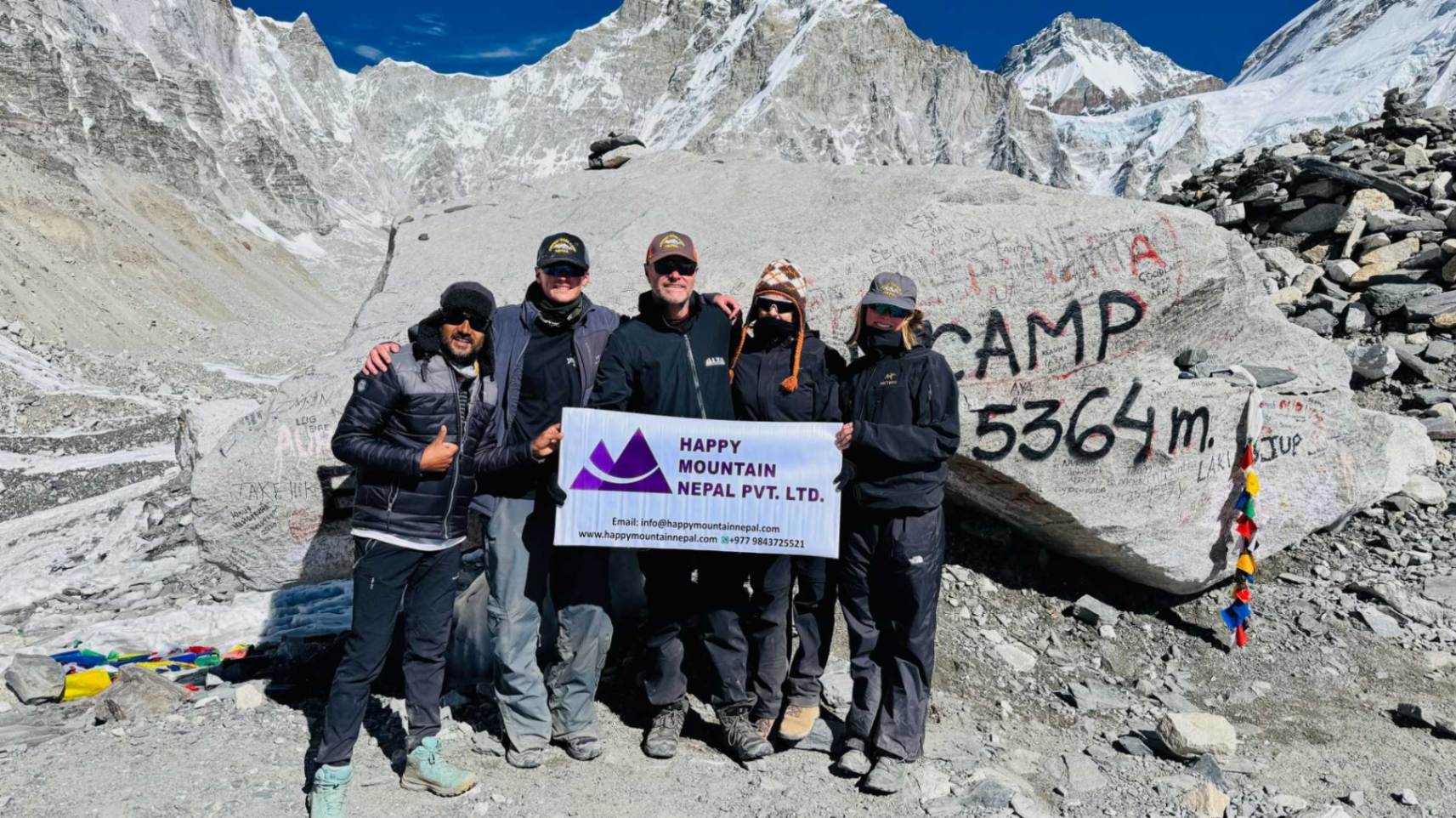
Here at Happy Mountain Nepal, we feel that every trip should include fun and responsible planning. If you want to go around the country for culture, you can go trekking in the Himalayas, you can go for wildlife safaris, or you may want to choose a tour that is customised for you and your family, our team can help you find a place that fits your interests and circumstances.
Please reach out to Happy Mountain Nepal for your next adventure and to experience the wonders of Nepal under the guidance of the locals.
FAQs
Is Nepal safe for tourists in October 2026?
Most tourist sites in Nepal are open but the safety of each site can differ. Trip participants are advised to review the latest government information, weather forecasts, road conditions and local regulations prior to travel.
Was the flood experienced throughout Nepal in Rasuwa?
No, The disaster has resulted in huge losses along the Bhote Koshi and the river corridor system, especially in Rasuwa and the adjoining districts. Did not have a direct impact on all tourist sites in the country.
Is it safe for tourists to visit Kathmandu following the flood in Rasuwa?
The city of Kathmandu continued to run after the catastrophe. Under normal travel conditions and the prevailing travel warnings, visitors can continue to plan cultural and city experiences.
Has Pokhara become safe to visit following the flood in Rasuwa?
Pokhara is not in the major flood route of Rasuwa. While not a reason in itself to refrain from visiting Pokhara, travelers are encouraged to check the road, flight and weather conditions before travelling.
Is it possible for me to trek in the Langtang area after the flood?
Maybe, but don't assume that you can use the whole area! Check conditions of the road to the trailhead, trails, bridges, lodging, and any restrictions before scheduling.
Are there visitors allowed at Syabrubesi?
Floods and repairs have impacted conditions in Syabrubesi. Travelers should have a current up to date confirmation from local authorities or a good trekking company before travelling, depending on the route they want to make.