
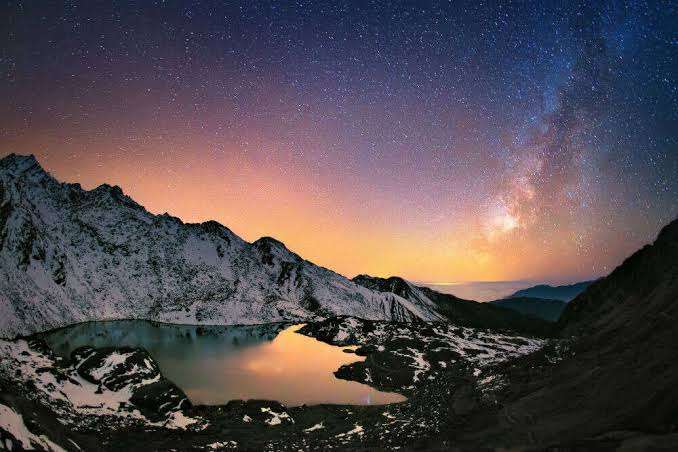
Nepal in January: Best Views

During winter months, trekking in Nepal may not seem attractive to a lot of people; however, January provides our favourite time of year. Trekking during January month will give trekkers an opportunity for the best trekking conditions possible next year! January is characterized by high snow levels, great views from snowcapped peaks, clean, fresh cool air, lots of space along the trails, and lower-than-average temperatures than other times of year
This blog gives you information on the advantages of winter trekking (in January) in addition to which treks will be appropriate for winter trekking. It provides an overview of the expected winter weather and a guide to what you can expect to spend trekking in January. We will also provide tips to have a safe and enjoyable trek. This article provides you with all of the information you need to make an informed decision regarding winter trekking in Nepal.
January -Special Time to Trek in Nepal
January is a good time to go trekking in Nepal since this is the mid of the winter season in Nepal. The climate is typically dry with stable weather and very high visibility throughout almost all the trekking regions. The main reason to trek in January is the clear mountain vistas that you enjoy. Cold, dry air contains less humidity than warmer air, making for far more detailed mountain views from off every peak. In fact, sunrise/sunset views during winter will be more breathtaking than at any other time of the season.
Another significant advantage of trekking in January is lower prices than other months. January is typically off-season for trekking and this means that many trekking businesses will offer discounted packages to entice you to make a reservation prior to March. The cost of flights, accommodation and seeing a guide can be up to 80% less than that of October/November.
In January, you get a much more "genuine" and "real" experience than you would during peak travel season. As the villages are much less crowded and the teahouse owners will have the time to spend with you (there are usually fewer guests) and you get to see daily life in the mountains, rather than the rush to get from one place to another as a tourist during peak season.
Weather conditions in Nepal in January
January can be the ideal trekking month for you and the weather will greatly affect your choice of location. Typically, January is cold and dry with Kathmandu Valley and Pokhara having average daytime temperatures ranging from 10°C to 18°C during the day but at night, temperatures can drop to freezing or below. However, these regions are suitable for sightseeing and a few short treks due to being relatively comfortable.
Outdoor trekkers will find the daytime temperatures in the middle of January are still quite cool, ranging from 5°C to 12°C with a low temp possibly of -1°C in the middle of January. There also may be times in the higher altitudes above 4,000 meters, for example, the area around Everest Base Camp and the Thorong La (pass) area, that daytime temperature does not exceed 0°C and nights are extremely low at around -10°C or less. In addition, there is a high possibility of snow with icy trails.
However, a positive is that January generally experiences very low rainfall and snow will occur in short bursts with large amounts of time to allow trekking activities to continue after the weather clears.
Is January Safe for Trekking in Nepal?
Trekking in January is entirely safe in Nepal if you plan ahead. If you're on the right trekking route, you're prepared appropriately and have the flexibility to adjust your plans when necessary.
Lower to mid-altitude treks are safe throughout January; in addition, a beginner will find them safe. Anyone planning to hike at high altitude in Nepal should ensure their travel arrangements include qualified gear/equipment, as well as an appropriate guide.
The dangers of cold weather, ice, and weather delays should be the primary concern during trekking in January in Nepal. Each of these risks will be diminished through the use of suitable winter clothing and footwear traction devices (i.e. micro spikes or crampons), as well as using a professional guide with mountain experience and allowing extra time within your travel itinerary.
All trekkers at high altitudes should also consider the purchase of winter travel insurance to assist with any possible need to be airlifted from a high-alpine location.
Best Treks in Nepal in January
1. Annapurna Base Camp Trek
The Annapurna Base Camp Trek is one of the best January treks to take. The trail is generally open during a majority of January. The teahouses will be open for business, and the scenery is stunningly beautiful with snow-covered mountains, particularly near the base camp of Machapuchare and the Annapurna Base Camp.
2. Poon Hill
Poon Hill is one of Nepal’s most popular “easy” Treks. With its low elevation, you can see the two giant Himalayan Mountains: The Annapurna and Dhaulagiri Ranges. You will be physically fit enough to have a moderately 'average' level of fitness for trekking to Poon Hill due to it being so easy to walk on. This picturesque area is famous for its incredible sunrises of the Annapurna & Dhaulagiri Mountain ranges in the month of January and most people typically complete this trek within three to five days.
If you are an experienced trekker, January 2026 would be an amazing time for you.
3. Everest Base Camp (EBC) Trek.
The EBC Trails will remain open during this period and will have significantly fewer trekkers during the winter months than there are during spring or summer months. You will have a better opportunity to view some of the most spectacular mountain views of Mount Everest, Lhotse and Ama Dablam all during the wintertime due to much less sunlight and increased frost on the landscape. It is highly recommended that trekkers allow adequate acclimatisation time prior to the start of their trek to EBC and have flexible departure date.
4. Langtang Valley Trek
For those who enjoy hiking or trekking in the winter months, the Langtang Valley is also a great location. The Langtang Valley is accessible via a comfortable road from Kathmandu, and the altitude found in Langtang Valley should be moderate in elevation to almost everyone. The views you will see in Langtang Valley with snow cover are truly breathtaking. The trek can be completed in a timeframe of 7-9 days.
5. Mardi Himal Trek
Mardi Himal is another excellent winter trekking destination with minimal foot traffic, stunning vistas of Machapuchare Mountain and an amazing experience of being in the mountains in December.
However, due to snow in January, your chances of having access to the highest point of view are limited, but all of the lower-located points will provide amazing sights.
Treks not recommended in January
There are some treks that you shouldn't go on in January if you're planning to visit. The high-pass treks are not recommended because they are usually closed due to snow accumulation. (e.g. Annapurna Circuit via Thorong La Pass; Manaslu Circuit; or the remote area of Dolpo).
Trekking permits required in January
You must also secure the appropriate permits for your trek, as you will require the same type of permit year-round (including January). The most common permit types are those related to either national park/conservation area entry permits and trekker identification cards.
Two cities within Nepal that offer trekking permits are Kathmandu and Pokhara. The cost to acquire a trekking permit is consistent throughout the entire year. When budgeting for your trip, include this amount.
The estimate of what to expect to spend while trekking in Nepal during January includes, but not limited to:
Guide/Porter Cost
Hiring a guide for your trek if you are planning to do so in January 2026 is advisable. Typically, for the time of year, guides charge between USD $30 -$45 per day and if you wish to have assistance from a porter (who will help you carry your gear) expect to pay approximately $25-$30 per day.
The majority of trekkers will select both guide and porter service combinations, which reduces their overall trek cost and provides a way for the hiker to enjoy their trek as well as a safe trek experience.
The Cost for Accommodation
Teahouse accommodations tend to be inexpensive. The cost for teahouse rooms in lower and mid-altitude areas is $3-$8 USD a night; however, the cost for teahouse rooms at higher elevations may be slightly higher than this but could possibly be zero if you eat your meals at the teahouse.
Due to heating costs associated with winter, teahouses may have additional charges associated with hot showers, battery charging, and Wi-Fi service.
Costs for Food and Daily Expenses
Depending upon the altitude, you can expect to pay between $15-$20/day for food and daily essentials when trekking. However, this will increase as you gain altitude since the prices for hot food, soup, tea, snacks, and other items will also rise to account for higher transport costs.
It is very inexpensive to fly from Kathmandu to Pokhara, and there are a lot of flights to Pokhara every day. Flights from Kathmandu to Lukla for base camp are not only much more expensive than those to Pokhara, but they are also subject to cancellation due to weather conditions. Regardless of the conditions, January is often a time of many delayed flights so trekkers should therefore plan to have extra nights of accommodation and an additional budget for food while in Kathmandu and Lukla.
Expected Prices for Treks in January
The price of a guided trek for Annapurna Base Camp ranges from approximately $400 - $800 depending on the details included in the offered package by the trekking agency.
With respect to how much it costs to do a guided trek to Everest Base Camp (EBC), prices range between $1,100-$2,000, depending on the level of service provided for meals & lodging, and including air travel.
Poon Hill is one of the shorter treks available and costs less than $300 for a guide.
If you want to do luxury trekking packages with higher-end accommodations and helicopter transportation, those packages start at $3,000 or above.
Cost Savings of January Treks
One of the most effective ways to save money on trekking in January is to book through a local trek agency in Nepal. Many of the local trekking agencies offer discounts for smaller groups during January.
When you go on a trekking trip with a group, divide and share the cost of hiring a guide or porter among the whole group. It may be more economical to rent winter equipment from Kathmandu or Pokhara instead of purchasing it. Additionally, tea house treks are generally more affordable than those which are based at luxury lodges.
Packing list for January trekking
When packing for your January trekking trip, take note of the essential equipment you will need. The items listed below are critical to having a successful winter trek.
Your equipment must be adequate for travelling in cold conditions in Winter. You must wear waterproof insulated jackets, waterproof outwear, good quality Trekking Boots, thermal gloves & hats, cold weather bags, headlamps, sunglasses, sunscreen, and poles. You should also bring micro-spikes or other types of Ice Traction Aids with you, so that they can help you in your hike.
Health and acclimatization tips
When you go hiking in cold weather, it means that you will have to consume more than you would when you were in warm weather. It is important that you stay hydrated, eat regularly, and get adequate sleep during this period.
Altitude sickness may happen at any time of the year, and this could be regardless of the temperature. Hike slowly and allow your body to get used to the change in elevation as you ascend. Take note of your body and do not ignore any symptoms of altitude sickness; seek the attention of a professional immediately!
So, when you visit one of these mountainous areas during the winter season, especially in January, you can show your appreciation for the area by being a good tourist.
Cultural and environmental responsibility
Cultural sensitivity, conserving energy, and wood are important when visiting a mountain community in January.
You can also support local economies by providing jobs for local people as a guide in Nepal or by using teahouses owned by local people for your overnight stays during your trek in the region.
Photography advantages of January
January is an excellent month to photograph in Nepal. The clear blue skies, the stunning white snow-covered mountains, and the great playing conditions for the sun are all present in January.
It is a good idea to bring extra batteries and keep your electronics protected from the cold temperatures.
Conclusion
When you visit Nepal in January, you will find that it is an excellent area for trekkers seeking solitude and a beautiful view of the mountains, for an affordable price. The weather may be cold, but you will enjoy the time you spend in Nepal very much. The trekking routes you choose and your physical fitness level will affect the type and quality of the experience you have while in Nepal.