
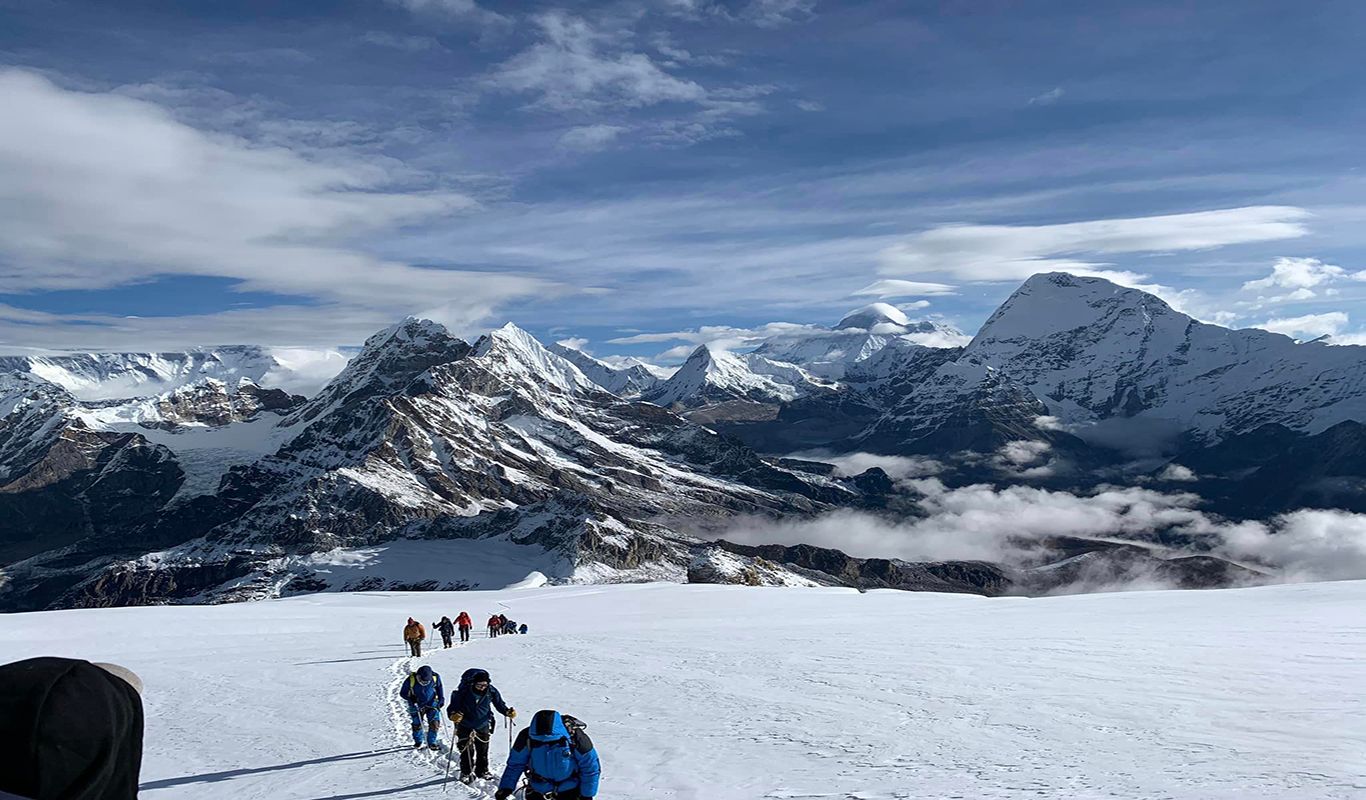
Mera Peak Climbing – Complete Guide
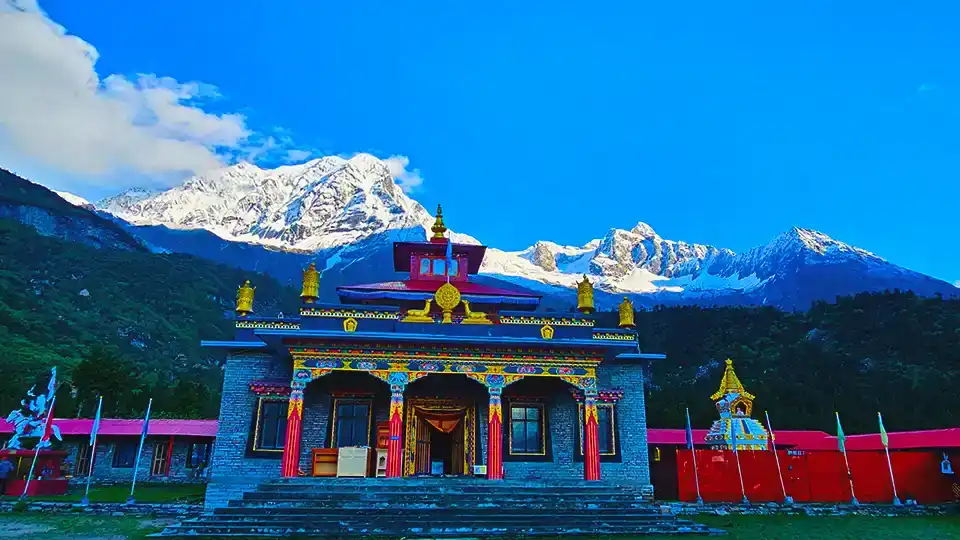
Mera Peak Climbing – Complete Guide
The Mera Peak Climbing is one of the most rewarding peak climbing adventures in Nepal. Mera Peak is the highest trekking peak in Nepal, standing at 6,476 metres (21,246 feet) and is an outstanding Himalayan experience for those who don't need to climb the technical peaks like many of the higher summits in the region.
This trek leads you deep into the far-removed Khumbu region, passing through stunning Sherpa villages, ancient monasteries, rhododendron forests, high mountain passes, glaciers and magnificent scenery of the Himalayas.
Mera Peak Climbing is a challenge to the first-time adventurer looking to experience his first Himalayan peak climbing, but when done with proper preparation, acclimatization, equipment and a team of experienced climbers, it is a challenge that can be met.
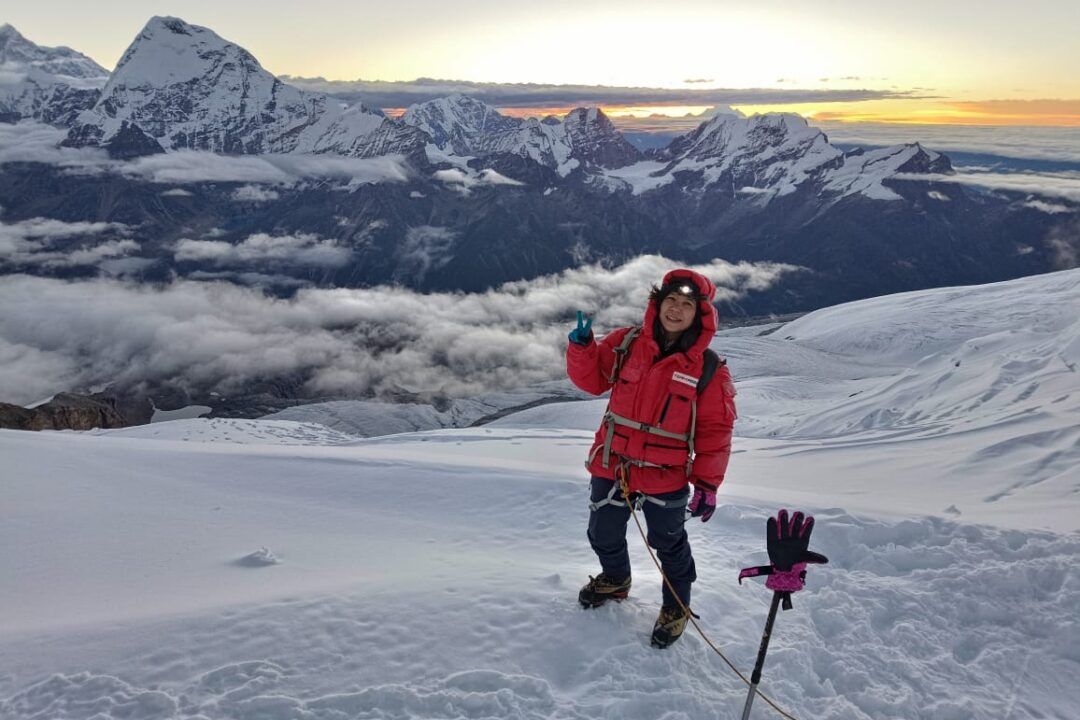
Mera Peak Climbing at a Glance
| Category | Details |
| Peak | Mera Peak |
| Elevation | 6,476 m / 21,246 ft |
| Region | Khumbu, Nepal |
| Duration | Around 16–20 days |
| Difficulty | Moderate to challenging |
| Best Seasons | Spring and Autumn |
| Starting Point | Usually Lukla |
| Climbing Style | Trekking peak / expedition |
| Accommodation | Teahouses and tents |
| Maximum Altitude | 6,476 m |
| Major Attractions | Himalayan views, Sherpa culture, glaciers and Mera Peak summit |
| Major Mountains Seen | Everest, Lhotse, Makalu, Cho Oyu and Kanchenjunga |
Where Is Mera Peak?
Mera Peak is located in Mahalangur range of Nepal in Khumbu region of the Himalayas. It lies on the eastern side of the main trekking route to Everest Base Camp, providing a more tranquil and secluded journey through the Himalayas.
There are three major summits on the peak: Mera North, Mera Central and Mera South. Typically it is Mera Central that is ascended by the expedition groups.
One of the highlights of the climb is the panoramic view from the summit. Climbers can enjoy a beautiful view of some of the highest peaks in the world on a clear day including Mount Everest, Lhotse, Makalu, Cho Oyu and Kanchenjunga.
Why Climb Mera Peak?
The popularity of Mera Peak is due to its combination of trekking and mountaineering in one adventure.
The path to the mountain passes through forest, traditional villages and high mountain areas until it gets to the glacier and climbing section. This means that the trip isn't just to a peak.
The Himalayan views are another great spot. The view extends up to some of the most popular mountains in Nepal from higher places.
Mera Peak is also a popular destination for mountaineers looking to tackle more challenging climbs. The height of the peak and the mountain setting should not be overlooked, although it is sometimes referred to as a "trekking peak".
How Difficult Is Mera Peak Climbing?
Mera Peak is a moderate to challenging climbing adventure.
There is a relatively easy technical climb in good weather, but the high elevation makes the climb a challenge.
The greatest obstacles are:
- High altitude
- Low oxygen levels
- Long trekking days
- Cold temperatures
- Glacier travel
- Winter weather (snow/ice)Winter weather (snow/ice)
- Steep sections
- Physical exhaustion
- There is a risk of altitude sickness.
The day at the summit is a very strenuous one. Usually, the climbers start very early and can take several hours to reach their top.
While high altitude mountaineering experience is of great help, it is not a requirement.
Mera Peak Climbing Route
Most of the tours to Mera Peak start from Kathmandu to Lukla.
The trail then slowly heads towards the far-flung Hinku and Hongu valleys from Lukla. This area feels quieter and more wildernessy than the Everest Base Camp route, in general.
A normal journey could involve:
Kathmandu → Lukla → Paiya → Panggom → Ningsow → Chhatra Khola → Kothe → Thangnak → Khare → Mera Peak Base Camp → Mera Peak High Camp → Mera Peak Summit → Khare → Kothe → Lukla → Kathmandu
The route is subject to change depending on the climb company, weather and acclimatization needs and trail conditions.
Day-by-Day Mera Peak Climbing Itinerary
Day 1: Kathmandu (Arrival)
Your Mera Peak adventure begins in Kathmandu. Once you reach Tribhuvan International Airport you will be picked up by the hotel. Typically, this day will be for rest, expedition preparation and briefing.
This time can also be used to verify climbing gear and to get to know your guide and climbing group.
Day 2: Prep & Briefing in Kathmandu
Typically a day of preparation. Your team may hold a climbing briefing, equipment check and final preparations. If you have to hire or buy trekking and mountaineering gear, Kathmandu has a number of shops that can rent them to you or sell them to you.
It's also an excellent time to check permits, insurance and travel plans.
3. Day 3: Flight Lukla - Trek Paiya
The journey actually starts from Kathmandu to Lukla.
This is a short mountain flight which offers excellent aerial views of the Himalayan landscape. From Lukla you start walking through the lowland topography of the Khumbu.
After a forest and small settlements the trail leads to Paiya.
4. Day 4 : From Paiya and goes to Panggom.
The path goes through the wooded areas and along the mountains.
Slowly ascends over several stretches of rough terrain. The trail is well scenic with beautiful views of the surrounding hills and an introduction to the remote nature of the Mera Peak area.
Day 5: Ningsow to Kikkori.
The path rises into higher valleys, which are more mountainous.
There will be ridges crossed, as well as areas of ascent and descent in wooded areas. This is a challenging but rewarding section, due to the changing terrain.
Day 6: Ningsow to Chhatra Khola
You head on towards Chhatra Khola.
The path goes through gorgeous woods and far off landscapes of the Himalayas. In the spring and fall, rhododendron and other mountain plants can be observed along the trail.
Day 7: Chhatra Khola to Kothe.
The path slowly turns into the Hinku Valley.
Kothe is an important stop on Mera Peak route. Here the neighborhood becomes more and more alpine.
Day 8: From Teni to Kothe
Further into the Hinku Valley.
A major landscape change will be noticed as you ascend. The forests gradually become thinner and the mountain scenery becomes more prominent.
Thangnak is an important acclimatisation site.
Day 9: Thangnak acclimatisation.
It is necessary to have an acclimatization day prior to ascending to greater heights.
Often climbers take a brief walk to a higher point and return to Thangnak for the rest of the day.
This will allow your body to slowly adapt to the lower oxygen levels.
Day 10 :Thangnak to Khare
The trail heads towards Khare, one of the major staging points for the Mera Peak climb.
The terrain becomes more hilly and rugged.
This is a very valuable opportunity to train for the climbing part of the expedition with Khare.
Day 11: Acclimatization and Climbing Preparation on Khare.
On this day, acclimatization and technical training can be considered.
Your climbing guide will be able to offer instruction in the following areas, depending on the itinerary/conditions:
- Using crampons
- Using an ice axe
- Rope techniques
- Ascending snow slopes
- Descending safely
- Using climbing equipment
For first time peak climbers, this preparation is particularly beneficial.
Day 12: Khare to Mera Base Camp
You exit Khare and head towards the base camp of Mera peak.
The land becomes more glacierized and alpine. Due to seasonal and/or mountain conditions, there may be snow and ice on the trail.
It is at Base Camp where your team is getting ready for the next phase of the climb.
The second day of the trek to High Camp.
Day 13: Trek to High Camp.
This climb is more challenging as you approach High Camp.
This route is in snow/ice and requires the use of suitable mountaineering equipment.
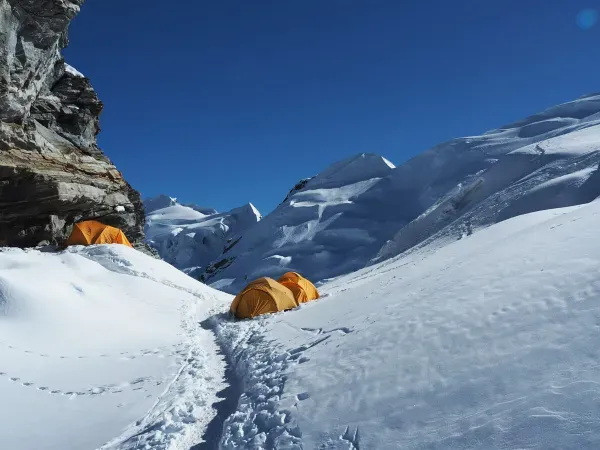
High Camp is the last camp before the summit push.
Rest and hydration are extremely important since the site is at a high altitude.
Day 14: Summit Day
The overall goal of the expedition is Summit day.
Climbers usually start early in the morning to enjoy the better weather and also to make use of daylight.
Climbing is physically strenuous due to the altitude, cold and length of time.
Once at the top of Mera Peak the climbers are able to enjoy an out of the world view with the Himalayan range before they start descending back down.
Day 15: Return to Khare
On completing the summit, you come down to Khare.
Descent on the long day of summit is a physical challenge and should be done at a prudent pace.
Day 16: Khare to Kothe
The route back is along the Hinku Valley.
The path becomes easier to walk as you go lower where there is more oxygen.
Day 17 : Kothe to Thuli Kharka
You head down to the lower valleys.
Another chance to enjoy the forests and mountain views that you've seen at this point along the way.
Day 18:Thuli Kharka to Lukla
The last hike is back to Lukla.
Upon reaching Lukla, the trekking and climbing part of the adventure comes to an end.
Day 19: Flight to Kathmandu from Lukla
From Lukla, you fly back to Kathmandu (weather permitting).
Then you can relax, enjoy Kathmandu or celebrate the successful completion of your Mera Peak climb once you arrive back in the capital.
Day 20: Departure
The end of your Mera Peak adventure.
If you have some time to spare, you can spend some of your last time in Kathmandu before leaving Nepal.
Note: This is a suggested itinerary and may be shortened or extended based on acclimatization needs, weather, traveling weather and route chosen.
Best Time for Mera Peak Climbing
The best seasons for Mera Peak climbing are generally spring and autumn.
- Spring Season
The spring season is from March to May.
The conditions are mostly good for trekking and climbing, with a generally stable weather and good visibility.
The lower valleys get colourful too with the appearance of rhododendrons in bloom.
The months of April and May are especially favored for climbing in the Himalayas.
- Autumn Season
September through November is considered autumn.
The monsoon is typically over, so skies are clear and mountain visibilities are great.
October and November are particularly favourite months for trekking and climbing in Nepal.
- Winter
Very cold temperatures and heavy snow at high elevations during the winter.
Mera Peak may be tried by experienced climbers in winter, but the conditions might be quite tough.
- Monsoon
The monsoon season is normally from June to August.
Lower parts of the trail may be affected by rain and flight disruptions may be caused by cloud and poor visibility.
Spring and Autumn are better seasons for Mera Peak climbing for most travellers.
Mera Peak Climbing Permits
Permits and official documents are required for a Mera Peak climb.
Requirements may be different from season to season and from year to year as governed by regulations. These may include:
- Mera Peak climbing permit
- The entrance permit to Sagarmatha National Park is also required.
- Permits for local area or municipality, as appropriate.
- TIMS or other trekking documentation (where applicable)
- Climbing rules and fees may vary - check the current conditions before climbing.
- The cost of Mera Peak Climbing is Rs. 8,200 per person.
- There are a number of factors that determine the overall price of Mera Peak climbing.
An average expedition package might contain:
- Airport transfers
- Kathmandu accommodation
- Domestic flights
- Trekking accommodation
- Meals during the trek
- Experienced climbing guide
- Porters
- Climbing equipment
- Permits
- Base Camp arrangements
- Camping equipment
- Group climbing equipment
- There may be extras involved such as:
- Personal climbing equipment
- Travel insurance
- International flights
- Nepal visa
- Personal expenses
- Tips
- Extra accommodation
- Emergency evacuation
- Flight and weather delays (additional days)
Therefore, when selecting an expedition, it would be more suitable to compare the inclusions offered in each package instead of the price.
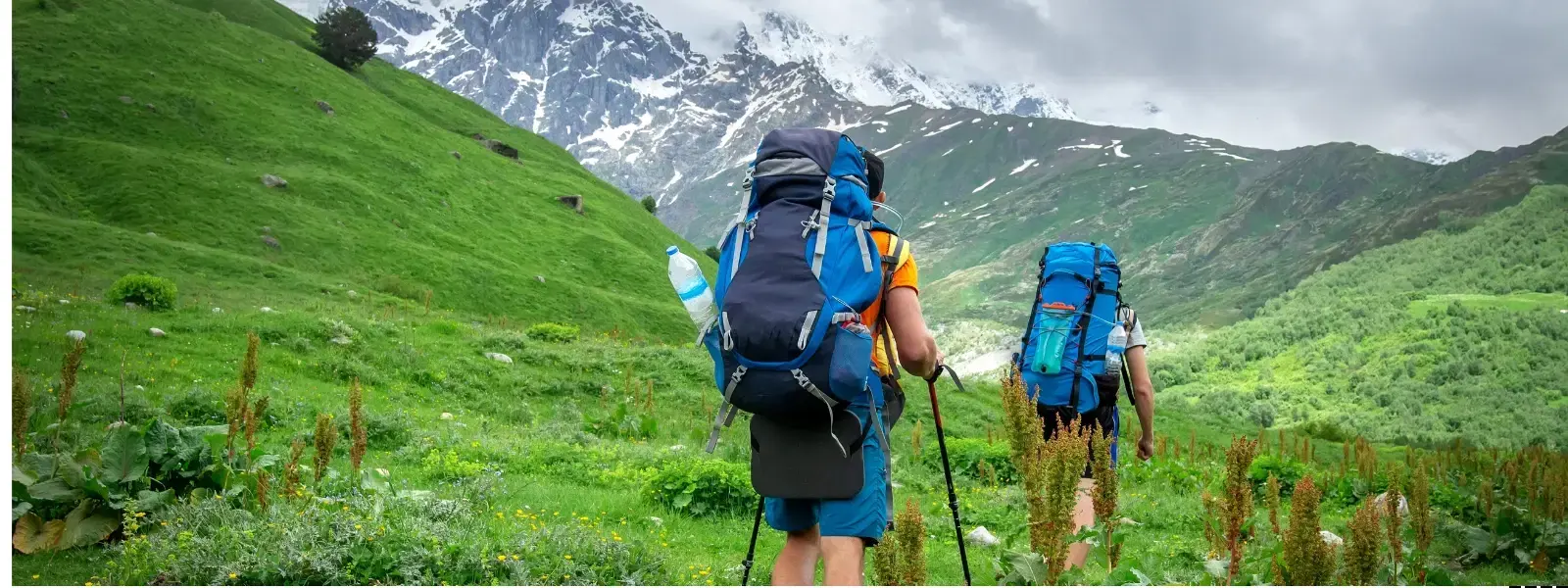
Mera Peak Climbing Equipment
Having appropriate equipment is essential.
Clothing
Consider carrying:
- Thermal base layers
- Fleece jacket
- Down jacket
- Waterproof jacket
- Waterproof trousers
- Trekking trousers
- Warm trekking socks
- Gloves
- Warm hat
- Sun hat
- Buff or neck warmer
Footwear
- A pair of good trekking boots is key to the approach trek.
- The boots for the climbing section should be suitable for the sport and compatible with crampons.
Climbing Equipment
Your expedition operator may provide the following equipment:
- Crampons
- Ice axe
- Climbing harness
- Helmet
- Ascender
- Carabiners
- Prusik loops
- Climbing rope
- Mountaineering boots
- Gaiters
Your climbing company should give you clear information of what gear is supplied and what you need to bring.
Physical Preparation for Mera Peak
Well, if you're physically fit, the expedition will be a lot easier to handle.
Training should start several weeks or months prior to your travels.
Useful activities include:
Hiking
Weekly trekking workout helps to condition your legs and cardiovascular system for long days of hiking.
Stair Training
The benefits of stair climbing are that there are many trails that go up and down in the Himalayas.
Cardiovascular Exercise
Running, cycling, swimming or brisk walking can help improve endurance.
Strength Training
Focus on:
- Squats
- Lunges
- Step-ups
- Calf raises
- Core exercises
- Endurance Training
Carrying a moderate backpack load while walking long distances can help to get used to the weight of the backpack.
Altitude Sickness and Mera Peak
One of the greatest difficulties in the ascent of Mera Peak is the altitude.
Oxygen level will decrease with increasing altitude. Time is required to adapt to your body.
Below are some of the typical signs and symptoms of mild mountain sickness:
- Headache
- Loss of appetite
- Nausea
- Dizziness
- Fatigue
- Difficulty sleeping
- Severe symptoms include difficulty breathing, confusion and stumbling, along with frequent vomiting.
- Do not "tough out" altitude sickness.
- Following these are the main precautions:
- Ascend gradually
- Adhere to acclimatisation program.
- Stay hydrated
- Avoid excessive alcohol
- Let your guide know of symptoms.
- Stop climbing when having severe symptoms
- Follow your guide or health care provider's instructions to descend.
- Your climbing party should have an emergency procedure for altitude induced illness.
Food and Accommodation
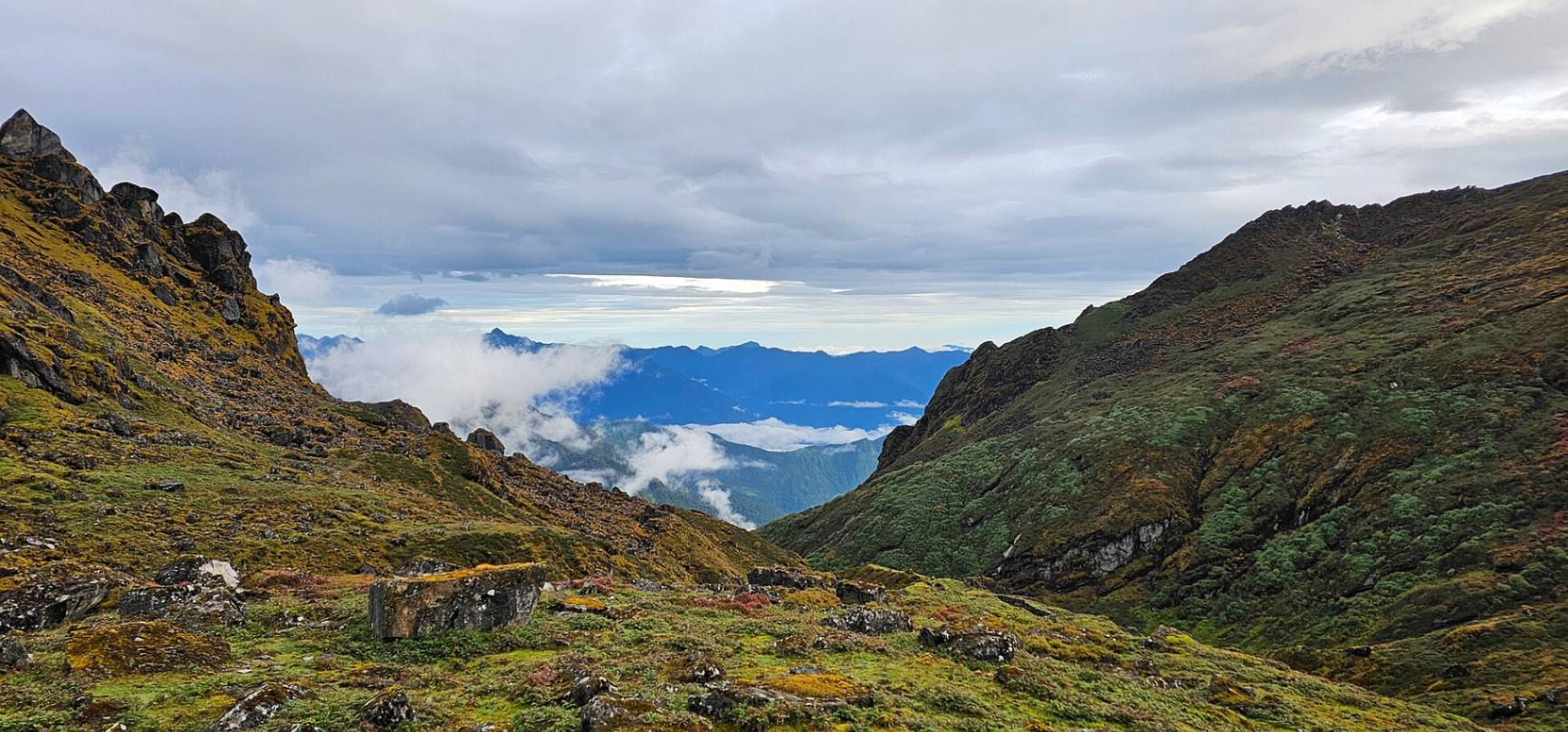
For the lower sections of the trekking you will be staying in teahouses or lodges.
Common meals include:
- Dal bhat
- Rice
- Vegetables
- Noodles
- Pasta
- Soup
- Eggs
- Bread
- Potatoes
- Tibetan-style dishes
Food choices are decreasing at higher elevations.
Base Camp and High Camp are typically more basic and include tent lodging.
Mera Peak Climbing With a Guide
Mera Peak is recommended to be approached by an experienced guide and a well organised expedition team.
A professional climbing guide can help with:
- Route navigation
- Acclimatization
- Weather decisions
- Technical climbing
- Glacier travel
- Equipment
- Emergency response
Being able to communicate with local teams.Access to communication with local teams.
The quality and experience of the climbing team can have a significant impact on the overall expedition.
Travel Insurance for Mera Peak
Climbing Mera Peak is extremely important for travel insurance.
High altitude mountaineering might not be covered under standard travel insurance.
Before buying insurance, consider the following:
- High-altitude trekking
- Peak climbing
- Emergency evacuation
- Helicopter rescue
- Medical treatment
- Trip cancellation
Weather delays have not been mentioned.No mention of weather delays.
Carefully read the policy and verify the maximum altitude being flown.
Mera Peak vs Everest Base Camp
The experience of Mera Peak is completely different from the experience of Everest Base Camp.
The Everest Base Camp Trek is primarily centered around trekking, the Himalayan landscape and the Sherpa way of life.
Mera Peak climbing is a combination of trekking and mountaineering and has certain requirements of extra equipment and preparation.
Mera Peak is also much taller than EBC.
The adventure of Mera Peak is not just about reaching a popular peak, but a climb up the hills.Mera Peak is not only a trek to a popular destination; it is an adventure to climb the hills.
Mera Peak Climbing Tips
Following are some guidelines for a successful expedition:
- Practice prior to the event-Don't leave it to the last minute to train yourself for Nepal.
- Take acclimatization seriously- Rest days form an integral part of the Travel Plan.
- Pack Light, but Smart - Take only what is necessary.
- Use quality footwear- The journey can be much more difficult if blisters happen or if the shoes aren't comfortable.
- Stay hydrated - Take water on hand throughout the hike.
- Follow your body's cues- Never deny your guide of any altitude symptoms.
- Be ready to deal with weather changes- Weather conditions in mountains may vary rapidly.
- Keep spare days- Weather may impact flights between Kathmandu and Lukla.
- Opt for an experienced operator- Look at the guide's climbing experience and what is included in the package.
- Take care of the mountain environment- Adhere to and do not waste unnecessary materials according to the principles of Leave No Trace.
Is Mera Peak a beginner friendly peak?
Mera Peak is suitable for fit and well-prepared first-time peak climbers, but should not be considered an ordinary trek.
The elevation is quite high and the hike to the top may be strenuous.
Some experience in high altitude trekking is desirable. All those who want to try Mera Peak should be ready to learn the mountaineering skills and adhere to the guidelines provided by the experienced guide.
Technically it is possible to reach this mountain with favorable conditions, however the factors of altitude, weather and mountain conditions are serious challenges.
Why Mera Peak Should Be on Your Nepal Adventure List
Mera Peak offers a unique combination of trekking, culture, wilderness and mountaineering.
The trip starts in the vibrant Kathmandu Valley and continues to some remote Himalayan areas. You'll pass by Sherpa communities, traditional mountain villages, forests, glaciers and stunning mountain vistas along the way.
The summit is but the end of the journey, but the trip is the journey.
The panoramic views from the very top of Mera Peak and over the Himalayan horizon are a stunning memory for climbers that they will never forget after they have left Nepal.
Conclusion
Mera Peak Climbing isn't just a climb to the top. A full-fledged trek into the Himalayas.
Every part of the trip from the mountain flight to Lukla, the farthest trails in the Hinku Valley, the glacier visit to the ultimate ascent of the mountain has its own unique appeal.
By following the necessary precautions, acclimatizing gradually, wearing proper gear, and engaging experienced guides and practicing responsible trekking, Mera Peak can be one of the most unforgettable experiences in Nepal.
If you are seeking to explore Nepal and also want to trek while you're additionally going to do your initial Himalayan peak climbing adventure, Mera Peak is an exciting experience to take into account.
If you're looking for a custom itinerary for Mera Peak Climbing, trekking packages or expert guidance, feel free to contact Happy Mountain Nepal and begin planning your Himalayan adventure.