
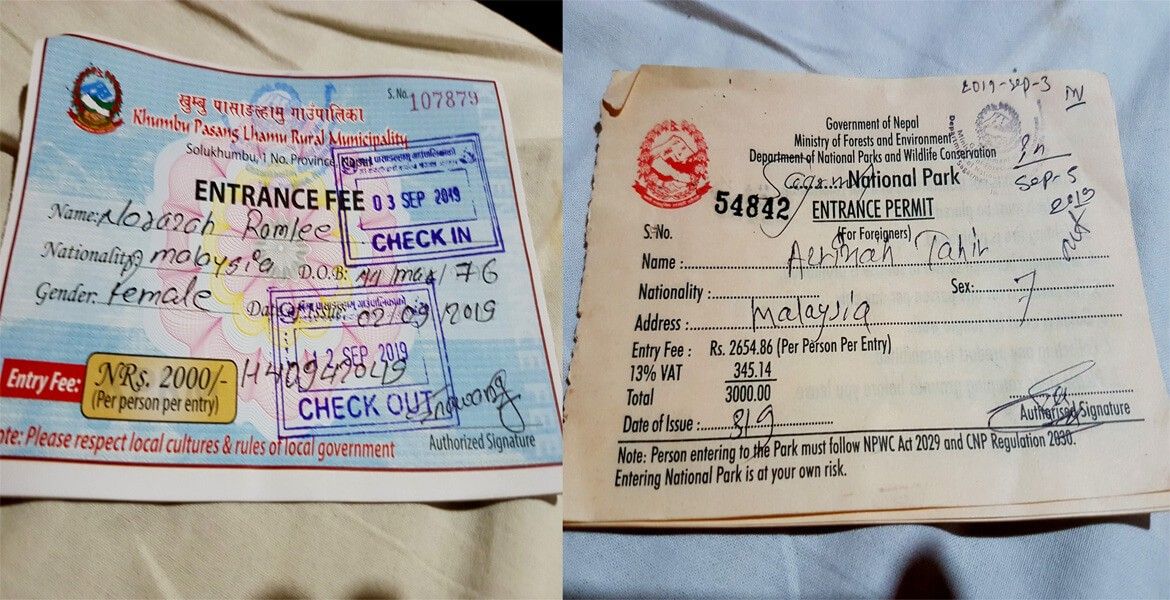
Increased fee for Mount everest permits.
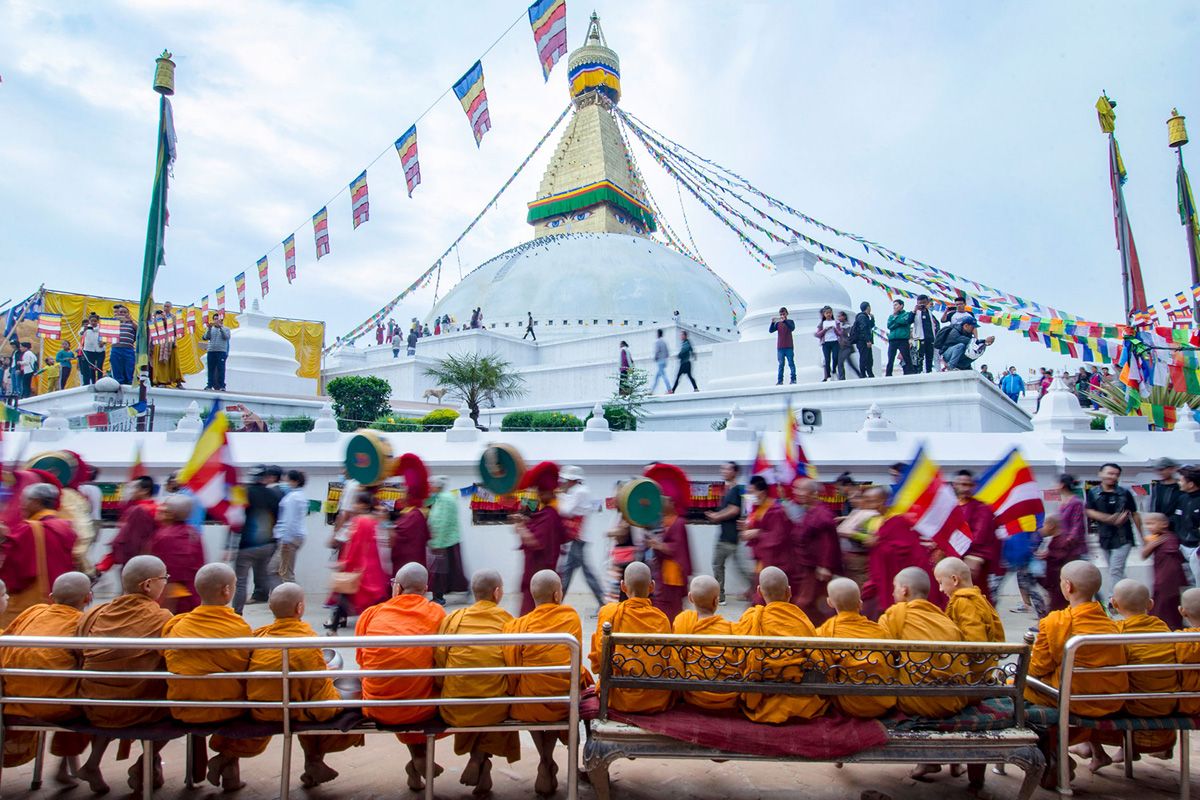
The global price for climbing permits on Mt Everest has been increasing considerably over the past few years, particularly for foreign mountaineers trying to reach the summit. The reasoning behind this increase is to assist with managing the problem of overcrowding, improve safety standards, and create a more sustainable revenue source for environmental conservation and local communities.
Permit Fees for Mount Everest Increase: In-Depth Analysis
Climbers on Mt Everest must not only possess the physical ability and willpower to make it to the top, they must also be prepared for a large financial investment as the cost of a climbing permit continues to rise. The Nepalese government has been raising the cost of permits as a way to reduce excessive climbing traffic onto Mt Everest and help regulate the number of people trying to summit the world's highest mountain.

Historic Perspective of Permit Costs
The fees for climbing Everest's climbing permits were much less expensive than they are today (10 years ago) and at that time, fewer climbers were successfully summitting Everest than there are today. Steadily increasing levels of support (logistics), increased numbers of commercial expedition options, and the high level of global interest in climbing Everest have all led to a large increase in climbers attempting to climb Everest, particularly during the spring months.
When traffic volume increased on Everest, problems such as accidents and environmental destruction also deteriorated, forcing Nepal to reevaluate its permit fees upward to leverage revenue from tourism against proper management of the mountains.
As stated, the permit fee to climb Everest (about $11,000 USD) is only a portion of the overall cost associated with climbing the highest mountain in the world. The cost includes:
Expedition Operator Fees - to cover logistics, base camp preparation, food procured from base camp to camps 1 and 2, etc. The price for expedition operator fees varies significantly across operators ($0-$25,000 or more).
Sherpa Support, which consists of:
- Wages: Regular wages paid to Sherpa for services as climbing guides and team members.
- Insurance: Sherpa are required by law to carry insurance and should carry their own private insurance as well (most do).
- Incentives: Performance incentives awarded to Sherpa for team members who complete the climb.
- Oxygen Supply - Supplemental oxygen cylinders, masks, and regulators are very important in high altitude areas.
- Climbing Gear - Includes down suits, mountaineering boots, harnesses, tents, etc.
- Insurance - A comprehensive high altitude rescue insurance policy is mandatory.
- Transportation and Permits - Includes all domestic flights (e.g., Kathmandu-Lukla), local permits required for local habitation, and administration.
Climbers should expect to spend anywhere from $40,000-$100,000 (final amount is dependent upon level of support/luxury).
Overcrowding and Safety Concerns
Crowding is one of the most visible effects of the increased popularity of Everest. Climbers are usually lined up for long distances in front of the critical areas (for example, at the Hillary Step) of the mountain during peak summiting windows. Climbers delay so long to get through these choke points that their exposure to extreme conditions with very little oxygen may kill them.
Higher permit fees will discourage climbers who are not adequately prepared and will reduce congestion at critical areas. Fewer climbers will lead to:
- Faster waiting times for climbers,
- a reduced risk of climbing deaths, and
- a greater chance of summiting successfully.
Everest is now becoming an environmental issue as well as a climbing destination. Due to many years of climbing expeditions to the summit of Everest, the environment has been degraded because these expeditions have left many things, including empty oxygen containers, broken tents, plastic etc, and human waste behind.
Higher permit fees will allow the government to:
- Organize clean-up efforts on Everest,
- Install waste management systems at base camp,
- Create stricter monitoring of climbers' behaviour by requiring them to dispose of their garbage properly,
- Provide educational programming to climbers to promote environmentally friendly climbing practices.
However, the government also has the authority to require climbers to bring back a certain amount of waste, so that they can be held accountable.
New Rules and Eligibility Criteria
Nepal established more stringent regulations, such as higher fees, requiring proof of prior high-altitude climbing experience, requiring all climbers to use certified guides, requiring health and fitness certifications for climbers, requiring a waste deposit for climbers, and ensuring that the climbing community is qualified to climb Mt. Everest. These regulations intend to limit the number of climbers that can attempt Mt. Everest and to reduce the number of accidents and the amount of rescue operations completed by the authorities.
While it is true that the Khumbu region (where Mt. Everest is located) derives a good deal of its economy from mountaineering tourism, due to the larger number of expedition permits being issued and the increased permit fees, the government is generating substantial revenues from the sale of climbing permits, which help to support development efforts in the Khumbu region, among other places.
Local residents benefit from:
A) Employment as Sherpa guides and porters
B) Increased number of hotels, lodges, and trekking services
C) Investment in infrastructure development including trails and communication
D) Improved health care and emergency response services.
Overall, even though climbers now must pay higher fees to climb Mt. Everest, local economies continue to benefit from the economic impact of the climbing community on their economy.
The upward trend in permit fees to climb Mt. Everest has resulted in a movement of climbers toward a more premium market, moving away from budget climbs toward premium climbs that provide safer, easier, better-accessed, and more successful climbs.
The positive aspects of this change include the improvement in quality and safety of the climbing expeditions on Mt. Everest. Included are the limitations to access for climbers that are capable of climbing Mt. Everest, but cannot afford the premium price to allow them to do so.

Global Perspective
While Mt. Everest's climbing costs are greater than those at other popular peaks, it remains a desirable place for part of a person's travelling to climb (as well as climbing). The increase in permit fees provides a clearer representation of how climbing Mt. Everest is not simply about reaching your destination but being responsible for your actions while there, and the dangers associated with climbing Everest.
Conclusion
Increased permit fees from climbing Mt. Everest are part of a much-needed and logical adjustment intended to promote sustainable climbing practices. Increased climbing-related costs will permit Nepal to address problems of overcrowding; to better provide climbers' safety; to provide environmental conservation; and to support local communities that need support.
The dream of becoming an aspiring climber and reaching the peak will now be even more costly; however, increased permit fees will help develop more structure, accountability, and care for preserving this majestic mountain than ever before for future generations.