

Everest Base Camp Trek: What You Need to Know Before You Go

The trip to Everest Base Camp (EBC) is not just any travel opportunity; it will be an epic journey of a life time. You will experience the trek as you live the adventure of Tenzing Norgay and Sir Edmund Hillary as they experienced the culture, traditions, and incredible views of Khumbu region of Nepal. Whether this is your first trek to altitude or you are just in the process of ticking EBC trail off as an adventure, it is useful to know what to expect and how to prepare.

The trek will test your endurance, patience and all round ability to adapt to the adventures that the trails present. You will be trekking for approximately 12 to 14 days and each day will be at least 13 15 km round trip. From climbing altitude sickness to travel at the right time of year, this guide is intended to provide you ideas on a few of the challenging but great things about the trip, and hopefully help your journey be a life changing experience along the way.
Why Geared is for Everest Base Camp:
One of the more popular trek destinations, Everest Base Camp offers plenty of trails with an assortment of travelers, wildlife lovers, travel photographers, and those who enjoy the travel ignite culture and transparency. It is a series of events that you will, hopefully, get to walk away bearing the weight of Mount Everest (8848.86 m) and view the tallest peaks of the Himalayas.
1. A Physical and Mental Challenge
The trek will test your endurance, patience and all round ability to adapt to the adventures that the trails present. You will be trekking for approximately 12 to 14 days and each day will be at least 13- 15 km round trip. And each day you will hike farther and higher than the previous day while living off limited resources and in cold temperatures for at least 10 hours per day. This trek will take you out of your zone of comfort but that is the fun of it!
2. Amazing Natural Beauty
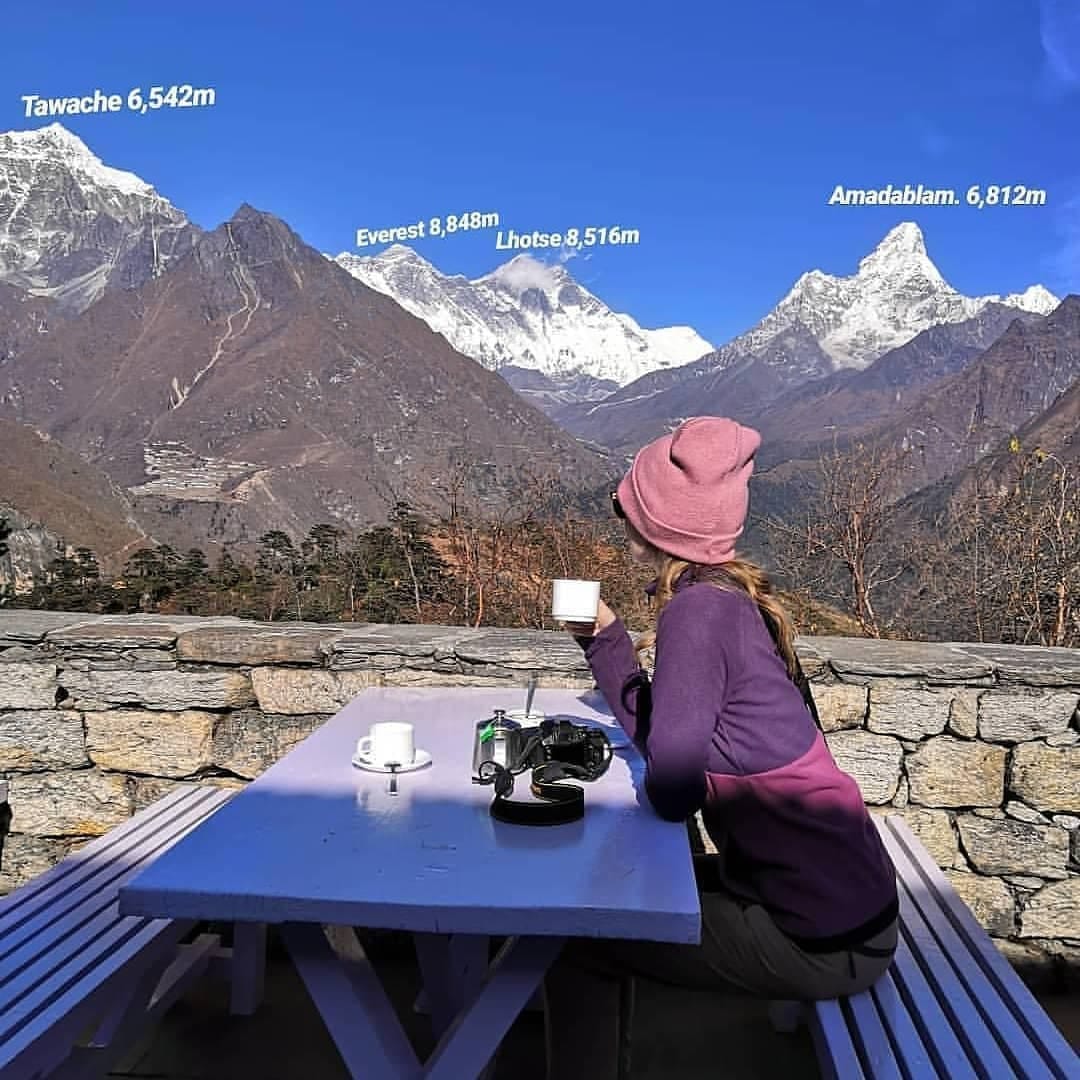
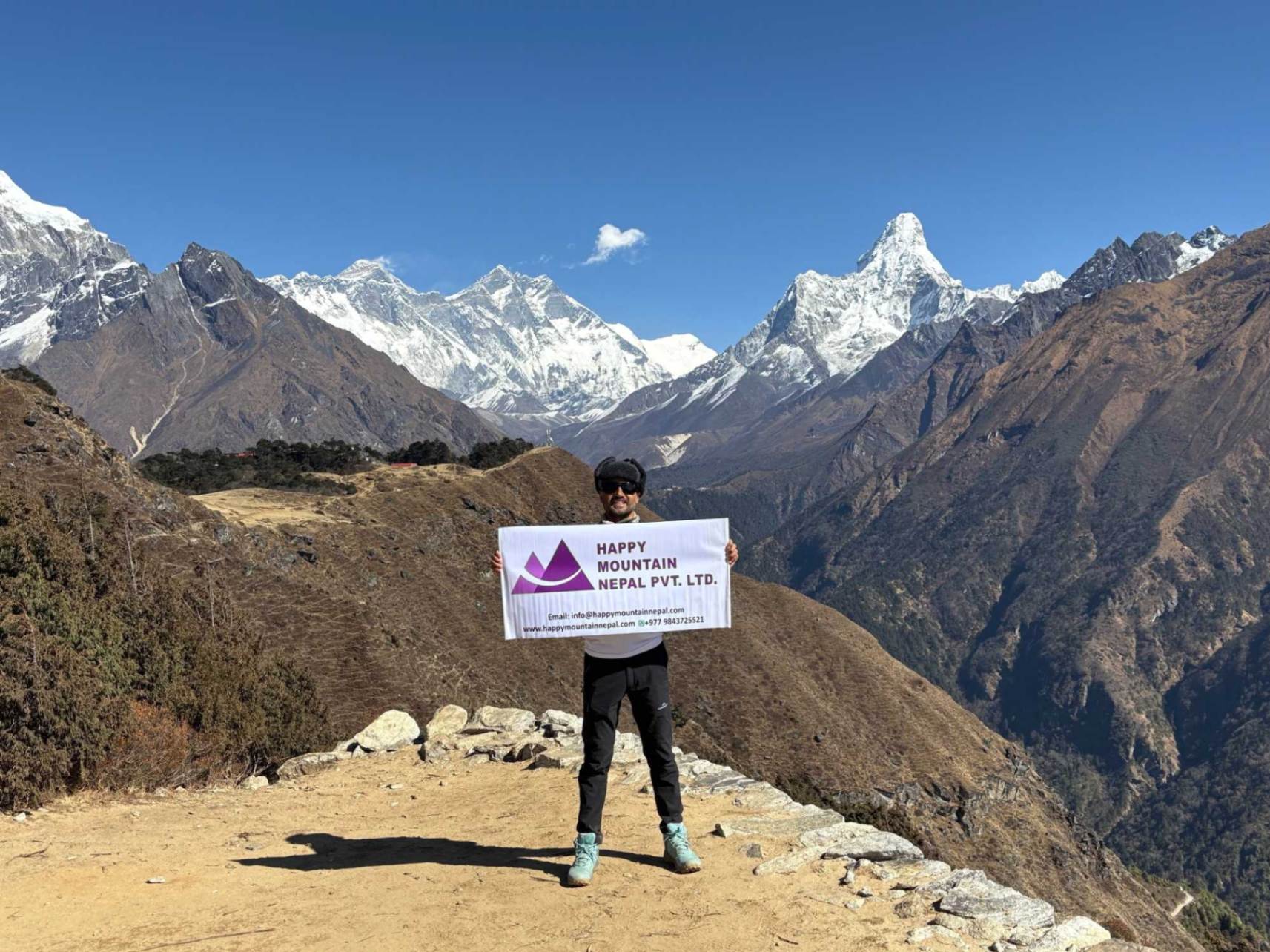
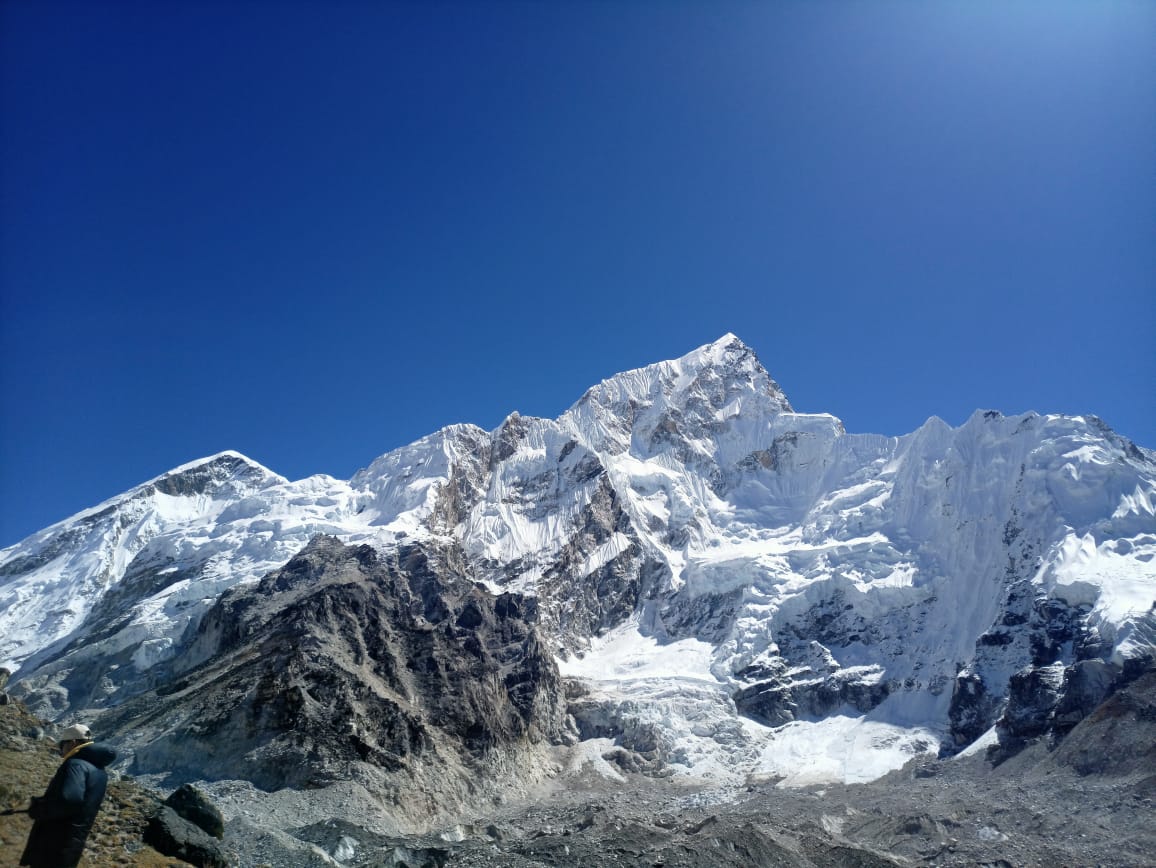
Thick pine forests, frozen rivers, and wind-blown moraine at the base camp – each day of this trek will present you and your group with breathtaking views of the landscape. Each day of the trek you will have the opportunity to see the peaks of Ama Dablam, Lhotse, Nuptse, and Thamserku (and depending on your trek route) views of Everest peeking through at some point as well.
3. Culture and Spiritual Heritage
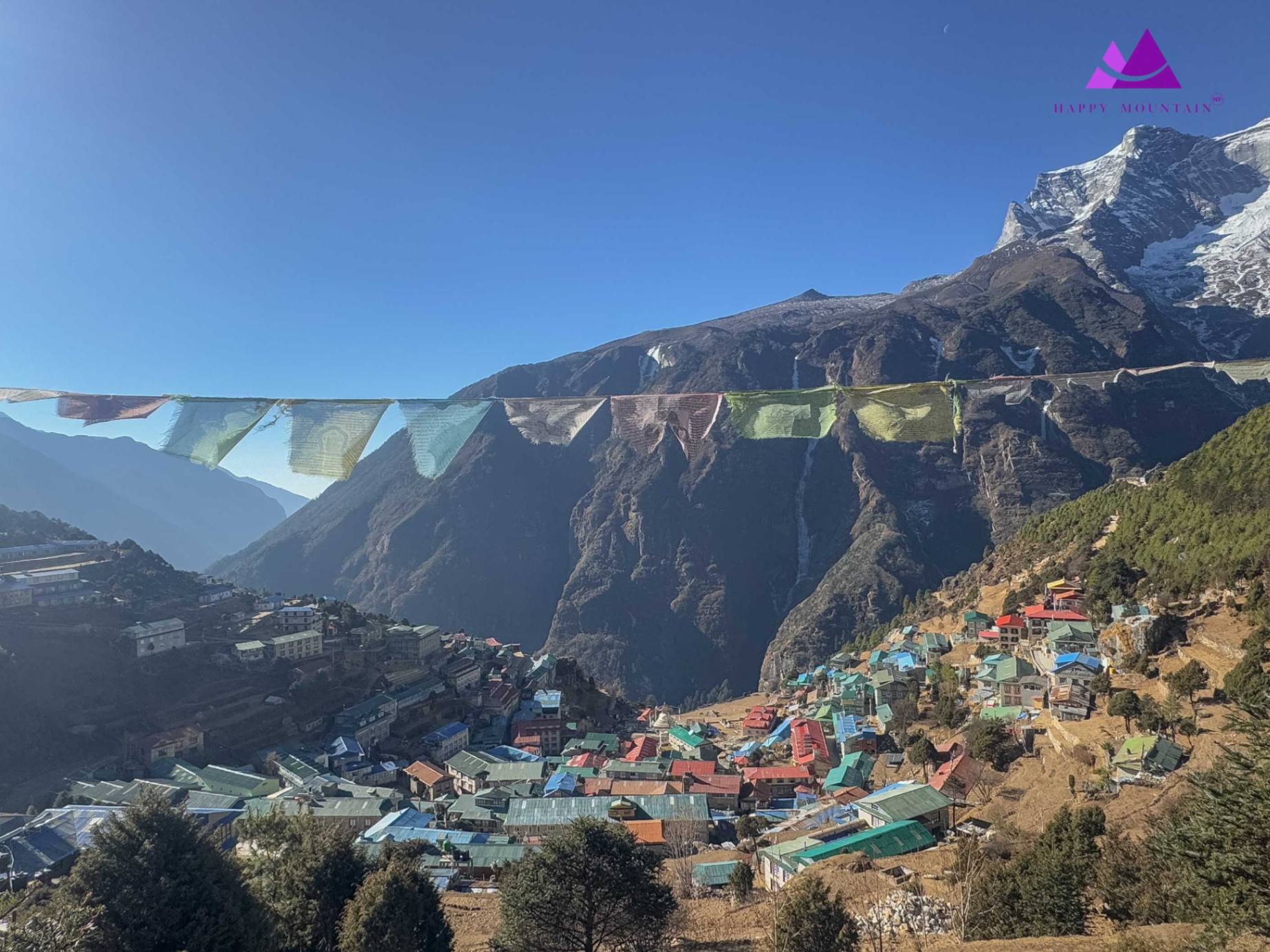
You will get to experience historic villages such as Namche Bazaar, Pangboche, and Tengboche all villages that has become known for their incredible mountaineering characteristics and guardians of Buddhist culture and traditions. You will not only get to visit monasteries, spin prayer wheels, and walk around mani stones with Tibetan inscriptions and prayers.
Best Time to Trek to Everest Base Camp
The region is notorious for unpredictable weather patterns, therefore deciding on which season to travel has an important consideration in terms of if your trekking adventure will be successful or not.

Spring (March- May):
Spring is listed as one of the best trekking seasons of the year, and weather conditions are mild. During the daytime, the temperature will be a nice 10°C to 20°C at the lower altitudes. The lower altitude area you trek during the spring will have an explosion of colour, when the rhododendrons bloom. In general, you’ll usually have excellent visibility, which translates into lots of great picture taking opportunities and splendid mountain views.
Autumn (September- November):
The autumn season begins after the end of the monsoon. The autumn season has the weather conditions for trekking in best and clearest skies. Even if it might be a little chilly, you will enjoy the view of the mountains, which will be breath-taking! And the timing will be culturally relevant to be in Nepal as you will see some local cultural practices and immerse yourself in some local celebrations (Dashain and Tihar) that will surely enrich your experience.
Winter (December- February):
If you are thinking about trekking in the winter months, this can be a wonderful time of year to have a quieter trek you’ll encounter limited or no crowds. Depending on your trek and ascent that first day, social distancing it can snow enough to eliminate areas of your trek.
Based on the possible elevation you will be walking, you can expect a few days where temperature will be below -20 °C.
Monsoon Season (June to August):
Monsoon season is the only season where most people can pretty successfully avoid since this is the muck and the rain, and visibility can be an issue. However, for those tired of winter, lower elevation areas like the lower Solu area are green and stunning.
Fitness and Physical Preparation:
Do I need to be Super Fit? No! The EBC trek is not technical and does not require any mountaineer experience, however some level of physical endurance and resilience is required.

Overall moderate fitness is sufficient for 99% of the population, but if you pace yourself, and acclimatize a little more gradually you should be well.
Cardiovascular Training: Running, brisk walking, swimming (also a great no-impact conditioning activity), and stationary cycling are all great ways to build up your endurance.
Stair Climbing: Great to build up the legs and simulate mountain terrain.
Hiking Practice: Go on trips in your local area, carrying a loaded backpack to replicate the real conditions on trail.
Strength Training: Focused primarily on Legs (squats and lunges), your core (planks) and shoulders (this is particularly important for carrying a daypak).
Flexibility: Add in some yoga or stretching. This will also help with the risk of injury.
Altitude and Acclimatization
On the trek to Everest Base Camp, you will go above 5,000m which will mean the oxygen levels will be at, or less than half, of what you would normally experience at sea-level. Acute mountain sickness (AMS) is serious and you should never ignore symptoms of AMS.
Common symptoms of AMS:
- a headache that won’t go away
- nausea and/or vomiting
- no appetite
- your head feeling fuzzy or dizzy
- disturbed sleep
Treatment and tips to prevent or lessen AMS:
- Take it easy: your itinerary should have planned accommodation for rests and acclimatization days.
- Hydration: drink 3-4 liters of water a day
- Don’t drink alcohol! alcohol dehydrates you,
- Know your limits: if you start to feel like you have AMS, you need to descend immediately.
- Medications: medications such as Diamox will be helpful but always check with your doctor before using medications.
There are two acclimatization stops, one being Namche Bazaar (3,440m) and Dingboche (4,410m). Those acclimatization stops ; during acclimatization in July, we will rest for two days then hike higher to acclimatize, we will want to sleep in Namche & Dingboche and hike lower alt
Permits You Will Need
If you are trekking to Everest Base Camp you will need to obtain the below listed permits:
1. Khumbu Pasang Lhamu Rural Municipality Permit
Cost: NPR: RS 2000
Available to be picked up in either Lukla or Monjo
2. Sagarmatha National Park Entrance Permit
Costs: NPR 3000 (foreigners)
Available to be picked up in Kathmandu or Monjo
3. TIMS Card (This can be optional in some cases)
TIMS (Trekkers’ Information Management System) will also help with safety tracking.
Usually ruled out on package and guided treks in the Everest region.
Don’t forget to provide your passport and copies for verification and check-points.**
Guided Trek and Independent Trek

Guided Trek:
For beginners, or people who prefer a little less stress. Majority of packages tend to have:
-Experienced guide
-Porter ( Up to 15-20 kg)
-Accommodation
-Permits and domestic flights
You can benefit from local knowledge, language, and cultural education. Guides also can spot early signs of AMS and help in emergencies on the trail.
Independent Trekking:
This route requires more planning on your part for routes, lodges and permits.
More affordable on budget but more risk if you are inexperienced.
There is a new permit regulation in Nepal (2023 on) in which solo trekkers are required to hire a guide in instances throughout the trekking area, including the whole of Everest.
Everest Base Camp Trek Packing List
You’re probably going to be on the lighter side of packing! Expect to go through weather that includes snow and/or rain, and/or high winds. Unless you do some/all of the trek with a porter, you will carry your own gear.
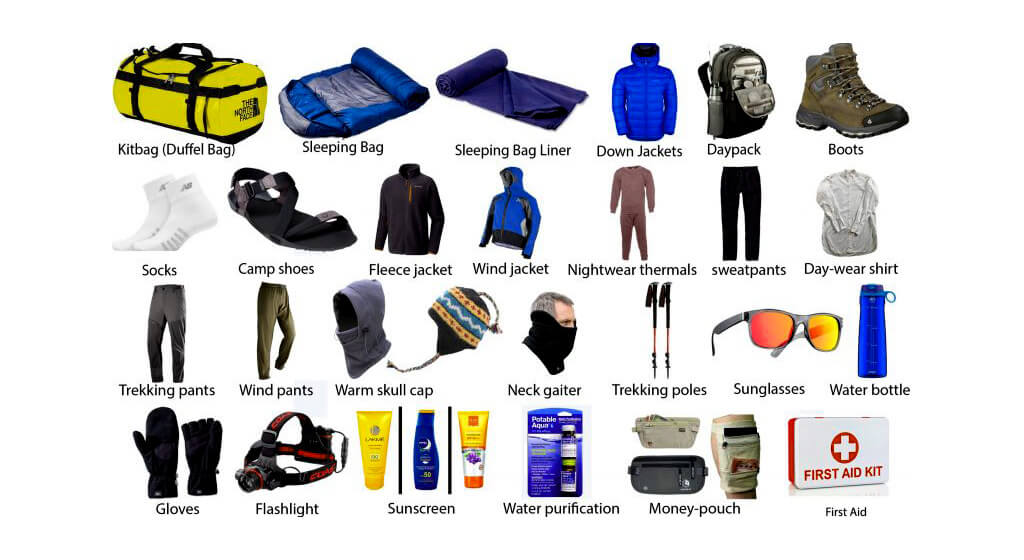
The list below is a general list to help with your packing.
Clothing
- Base-layers ( tops and bottoms, thermal)
- Mid-layer insulation (fleece)
- Down or synthetic puffy
- Waterproof shell and/or windbreak shell
- Trekking pants ( 2 pair)
- Gloves (inner and outer)
- Warm hat and sun hat
- Hiking socks (4-5 pair)
- Gaiters (for snow/mud optional)
Equipment
- Hiking boots (waterproof but broken in; not new)
- Sleeping bag( -10 Celsius rated or less)
- Trekking poles
- Daypack – ( 25-35 litre)
- Hydration system(bottles/ bladder)
- Headlamp
- Sunglasses (UV protection)
Miscellaneous
- Sunscreen (SPF 30+)
- SPF lip balm
- Bathroom kit and personal items
- Quick drying light towel
- Snacks while trekking ( energy bars , nuts)
- Power bank to recharge
- Basic first aid kit
- Photocopy of you passport, permits and travel insurance.
Sample Itinerary: 12-14 Days
Here’s a popular itinerary:
Day 1: Fly to Lukla (2,840m), trek to Phakding (2,610m)
Your adventure begins as you board the flight from Kathmandu to Lukla the most iconic mountain airport in the world and you’re off on the plane on the golden sky runway. The trek from Lukla starts with lots of downhill walking to Phakding village, the first day is mostly a ease into down hill so your body slowly understands the mountain environment.
Day 2: Trek to Namche Bazaar (3,440m)
To day’s ascent will be fairly gradual, with some significant elevation, as you start to climb up through the Rhododendron forests and crossing suspension bridges, as well as continuing to hurry forward because you are now finally on the trail you may feel like you have gone back in time to the capital market cities that are alive with vibrant markets, restaurants and pubs, and full of trekkers. The trek to Namche Bazaar is well received by hikers, and will be the overnight acclimatization point and for that most trekkers will acclimatize here, before their onward journey up the Khumbu.
Day 3: Acclimatization day (hike to Everest View Hotel or Khumjung)
Rest and acclimatize with a short hike to Everest View Hotel, or the traditional village Khumjung. While you will climb some relatively steep elevation again to assist with acclimatization, the critical highlight will be the view of the vast mountain range that surrounds you with the magnificent Everest and her neighboring giants. This trek is probably the most scenic of the trek.
Day 4: Trek to Tengboche (3860m)
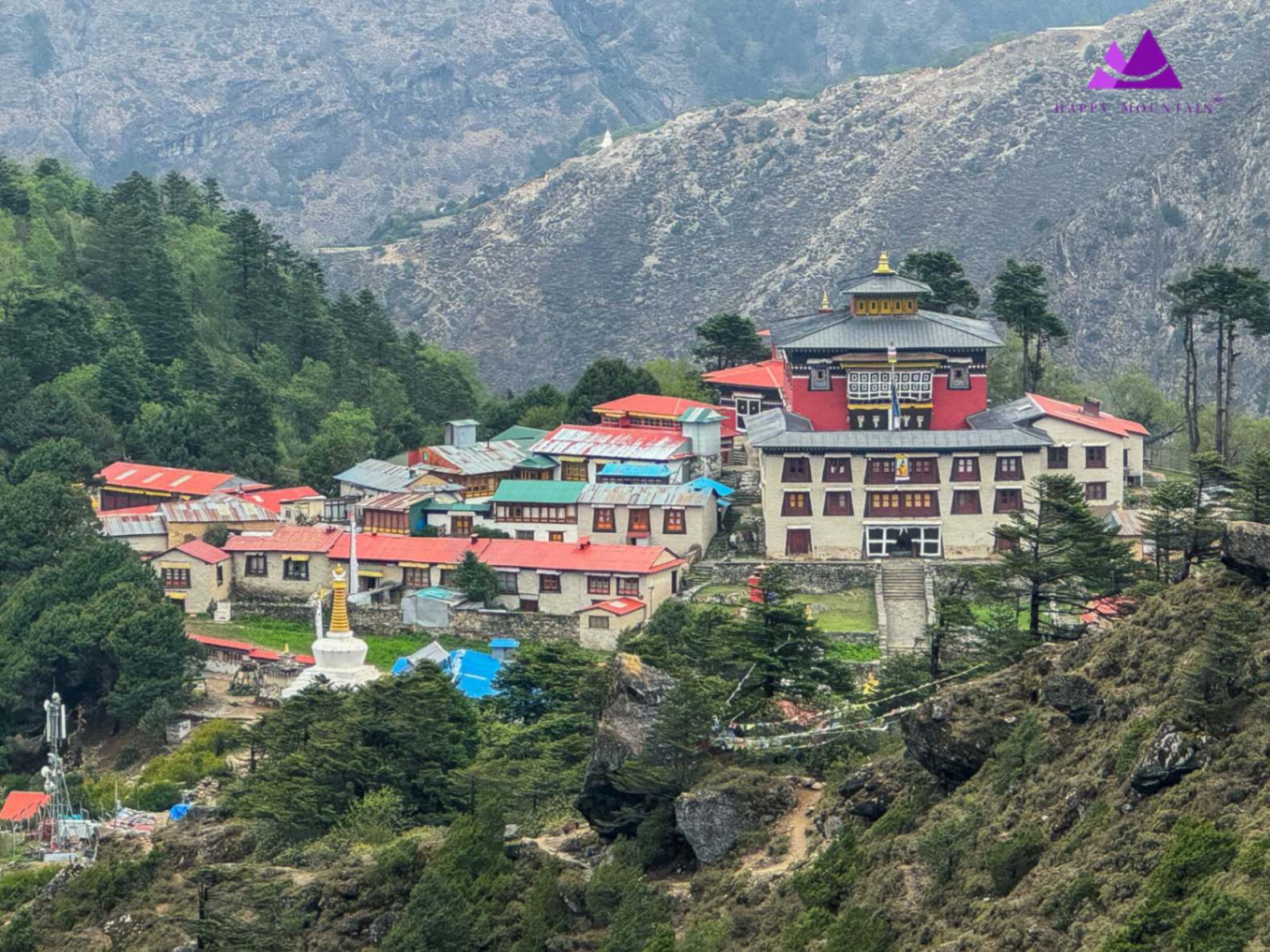
The trail gets steeper as we go through forests and fields toward Tengboche that is famous for its monastery. Tengboche has a strong spiritual energy to it and the views at this location are unbelievable with Everest and Ama Dablam and the other surrounding peaks. Again, if you want to immerse yourself into culture, I can see this as a great spot to have some quiet time and reflection.
Day 5: Trek to Dingboche (4410m)
The trek through dry valleys to Dingboche is different with many stone bridges to cross. By this stage you can see the difference in how high we have gone as well, this scenery is rugged with dry valleys. Dingboche is a good break in the climb, you will feel like you are in a higher mountain region and should be getting the feel of acclimatizing to the high mountains.
Day 6: Acclimatization hike to Nagarjun Hill (5100m)
The hike up to Nagarjun Hill, should be a good, hard day in which you will all be aided in the acclimatization. The views are worth the effort, it is amazing to see the mountains and to see the glaciers, and the overall surrounding area. On return to Dingboche, you will have time to rest and recover before we build back up with our next elevation after the mellow namche place.
Day 7: Trek to Lobuche (4,940m)
The trek over rocky pathways and glacial moraines, crossing mountain terrain, will lead you to Lobuche, with desolation in stark face and the peaks signalling your arrival to Everest. The lodges here aren‘t much but they are livable, and you will be glad for them, as you will be resting for the climb ahead.
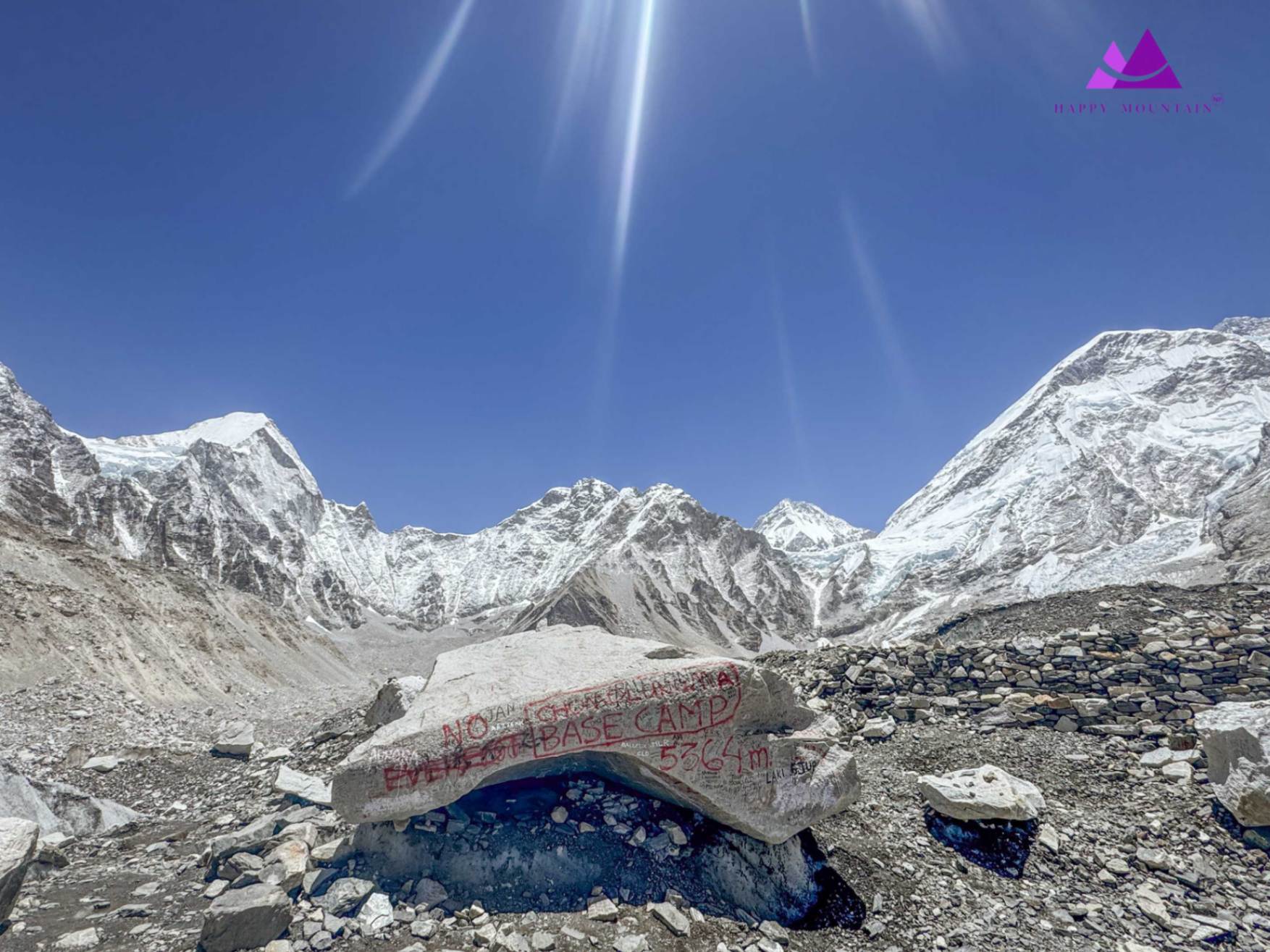
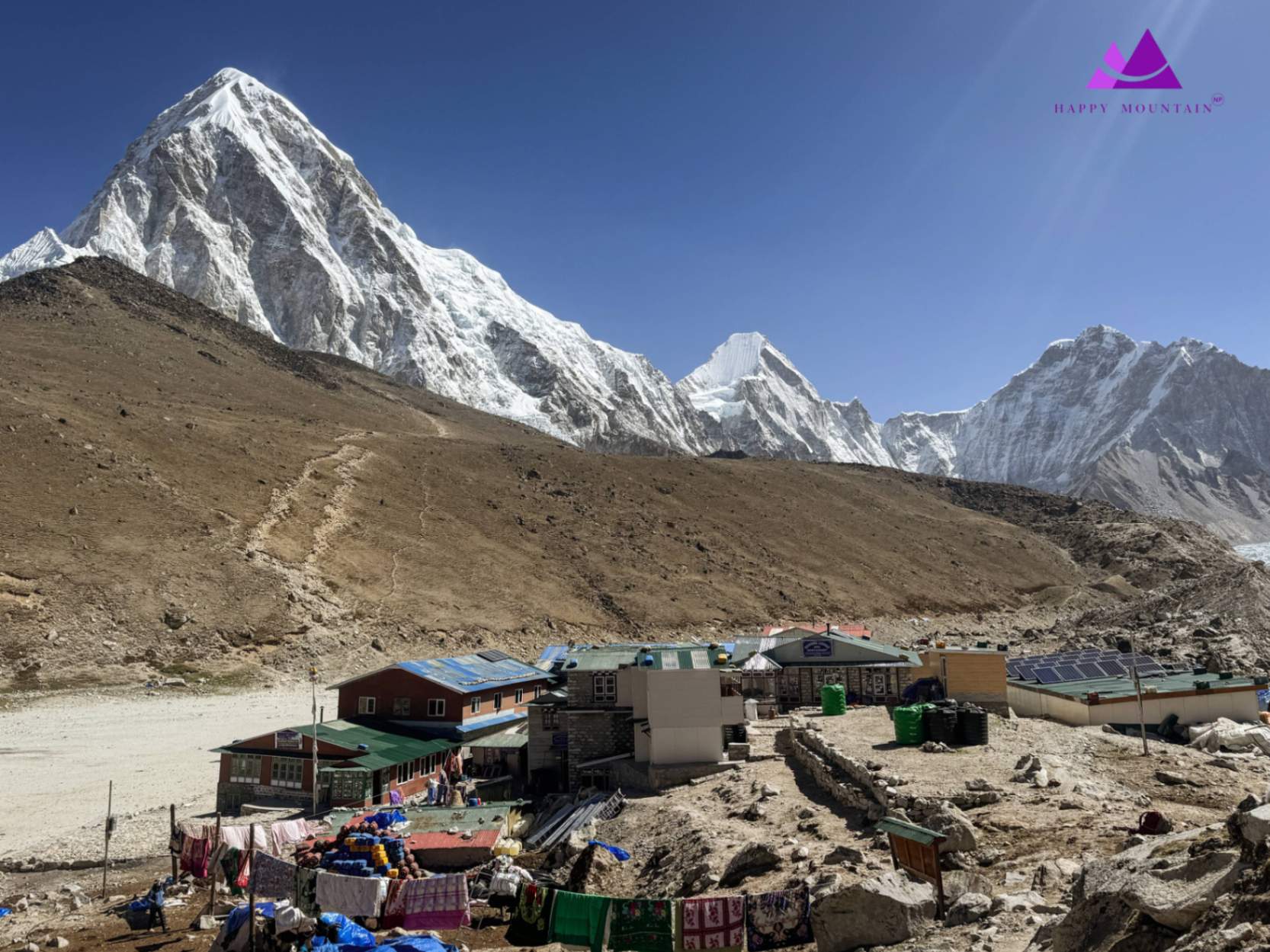
Day 8: Trek to Gorak Shep, hike to Everest Base Camp (5,364m)
You will walk to Gorak Shep, having the last conveniences before heading to Everest Base Camp and the most famous Base Camp. You will get an excitement standing at the base of Everest, and the peaks and glaciers will make the thrill more. After quite a bit of exploring you return to Gorak Shep for an over night.
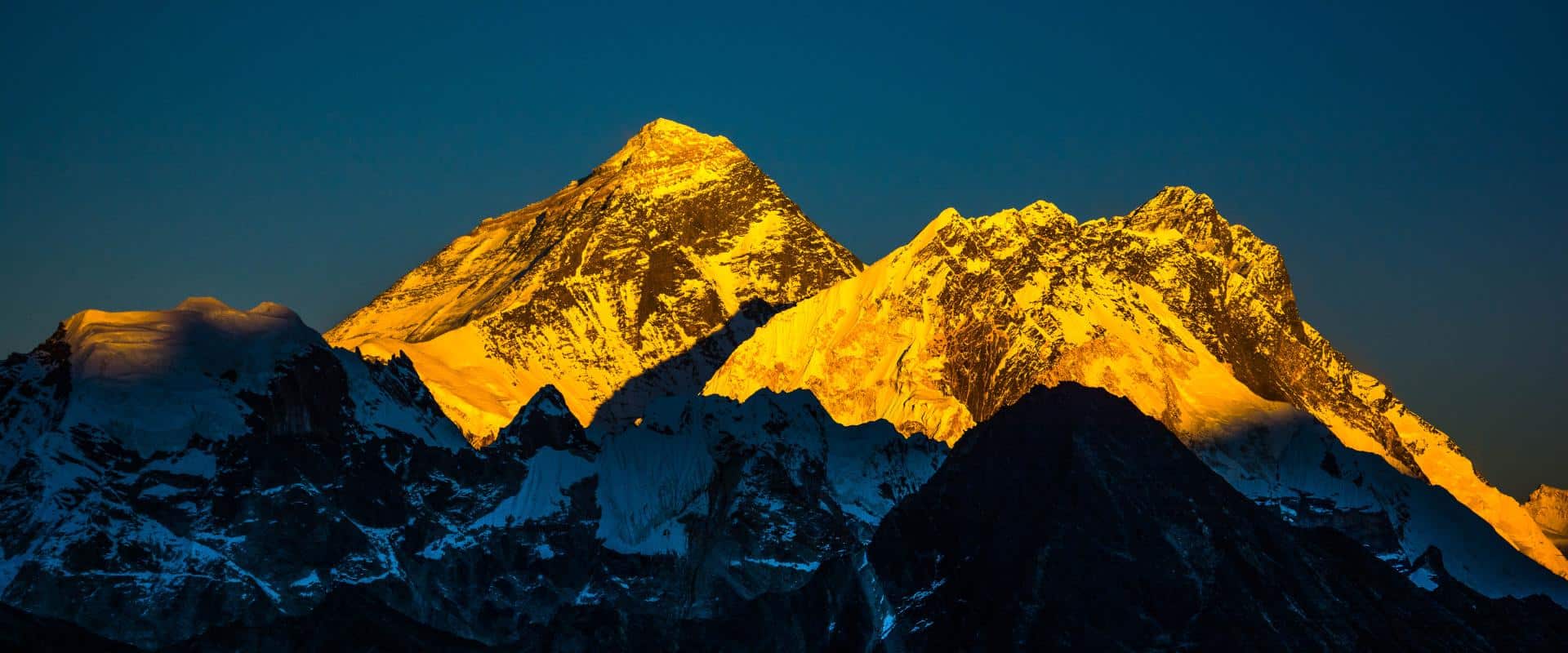
Day 9: Climb Kala Patthar (5,545m), descend to Pheriche
Climb to Kala Patthar (5,544 m) and descend to Pheriche.
The early morning climb of Kala Patthar, has the best panorama for the sun rise that includes Everest and the Himalaya. So absorb the view and the experience and after the full and tiring day walk you descend to a lower altitude for the night in Pheriche village, where it will be time to rest and recovery. This day is a mixture of sightseeing and recovery.
Days 10-12: Return to Lukla
The return journey is the same trail down hill from Namche bazaar and Phakding back to Lukla.The descent is much quicker (but don’t get complacent because your legs are tired). The return gives you an opportunity to reflect on your trek over the last few days as well as experience the changes of the landscape while descending.
Day 13: Fly back to Kathmandu
The flight back to Kathmandu offers some great views of the mountains as you descend back into the city completing your trek. There is also a possibility of having lots of fun in this lively atmosphere to celebrate and commemorate your trek. This would also be a great opportunity for you to do some sightseeing or resting after a long trek.
Accommodation and Food
You’ll stay in teahouses, which are basic mountain lodges. Expect:
Accommodation
It will be teahouse accommodation provided on the Everest Base Camp trek, that is a basic mountain lodge, managed by a local family. The lodges will generally include twin-share rooms with thin mattresses and basic bedding. The rooms are quite basic, and heating is generally absent so a sleeping bag is essential. The facilities are variable in terms of conditions in accordance to the location. Higher up you go, less comfortable and more basic the lodge will be.
Toilet Facilities
There will be toilet facilities, normally shared toilets; you may see squat toilets or western toilets depend on the location. Hot water is often limited or may be an extra charge especially at the higher altitude. Some lodges will provide solar showers, while others will use a gas heating systems. It would be wise to carry biodegradable toilet paper and hand sanitizer as they may be hard to come by. Hygiene standards can also highly variable so being prepare will create less discomfort.
Like many teahouses across the Himalayas, all teahouses have a communal dining space. Trekkers will come to areas where they will sit, and possibly spend their evenings, in communal dining spaces featuring either wood-based or yak-dung based stoves to provide heat to the room, or just general warmth in the cold evenings or high altitude trekkers. Such warmth in the dining areas of teahouses create intimate parts of a trek, which can help facilitate reminiscence of the trek; shared experiences; friendship; and warmth by the fire place. However, in some places where trekking is done at a high altitude, heating may not always be available, and wearing warm clothing in the evening may be important. The dining or communal areas in teahouses typically have WiFi, so this is an area of social, food service and most insulated service.
Food
The most common and staple food on the trail is generally called Dal Bhat; a mixture of steamed rice, lentil soup or dhal, and vegetable curry. This food source is nutritionally low-energy and protein efficient. Other common foods include noodle dishes, fried rice, porridge, egg dishes (like omelets or any kind of fried egg), basic soup, and everything else variants of these. Much of the food on the trail is vegetarian; although some teahouse owners will accompany lentils and rice with meat when meat is available. Food is generally prepared freshly every day, and it is recommended to have an open mind, be culturally appropriate, and that trekkers should think about food as simple and hearty, not gourmet. Snacks through things like energy bars usually add a little more fuel.
Costs and Extras
Prices for lodging and meals tend to go up with altitude because of the difficulty associated with moving goods uphill. Wi-Fi, hot showers, the ability to charge your devices, etc. are all things you most likely will have to pay for, which can range from a few hundred if you’re lucky, to over a thousand Nepalese rupees. Carrying enough cash is important as the likelihood of digital payments is lower the higher you go past Namche Bazaar. It is a good idea to budget for these extras to have an enjoyable trekking experience.
Connectivity and Electricity
Electricity is available in most villages, but you’ll have to pay anywhere from NPR 200-500 to charge your devices.
Some teahouses have Wi-Fi, but expect it to be slow. You can purchase Everest Link cards in some shops.
SIM Cards: Ncell has the best coverage in the Khumbu, but expect spotty service.
Travel Insurance: Essential!
Always have travel insurance that includes high altitude travel. Your travel insurance needs to include:
Coverage to 6,000m elevation
Most standard travel insurance policies exclude high altitude trekking so be sure your plan has coverage that specifies elevations to at least 6,000 meters. Mount Everest Base Camp sits at an elevation of 5,364m but there are side hikes like Kala Patthar that go up even higher. You want to make sure you have this clause otherwise any potential claim related to altitude travel will likely be denied. Read the policy before you buy.

Emergency helicopter evacuation.
In case of altitudes sickness, injury, or severe illness, helicopter evacuation may be the quickest way to get down from the mountain. In these situations, helicopter evacuation may also be the only way to get down from the mountain safely. Emergency helicopter flights can start at several thousand dollars and, if you are uninsured, must be paid in advance before they will fly you off the mountain. If you have the correct insurance, it can ensure you are quickly taken to a hospital without worrying about the financial burden. It is an absolute must for travels in the Himalayas.
Medical costs
You will encounter health threats with trekking in remote areas, whether they are altitude, food-, or injury-related. Your insurance should provide coverage for a hospital stay, doctors, medication, and any treatment required in Nepal and back home when back home. Even a minimum level of treatment could turn into a hefty bill if you are without insurance. Ensure they cover emergency medical treatment without limitations.
Trip interruption/delay
It’s very common with flights to and from Lukla that they are delayed and/or cancelled due to bad weather when traveling to Lukla. You could get stuck in Lukla for days! Travel insurance that covers interruption/ delay provides you with the ability to claim extra costs incurred (due to lodging, meals, and connections missed). It also covers if your trek ends sooner than planned due to unexpected illness or emergencies. In this case, this insurance offers you the peace of mind in knowing your investment made for the trip is not a complete loss.
Baggage loss
It’s unfortunate to lose your bags; such as your checked luggage, trekking gear, or your important travel documents, as it can derail your plans. Insurance that covers baggage loss or theft can help you negate the fact you have to replace the essentials you lost like boots, jackets, sleeping bags; and in Kathmandu you can do that. Most baggage insurance policies also cover delayed baggage, and that’s a good deal because you can buy the temporary replacements, for example, it’s possible to travel with rental gear in Nepal – which is one way to reduce your overall pack weight. If you are being informed that your bags – and travel itinerary is delayed, be sure to file a report with the airline or lodge.
Respect Local Culture
While trekking in the Khumbu area, it is important that you observe culture and Buddhism. When greeting people you will say”Namaste” and slightly bow your head, as this is a culturally appropriate way to show you respect. You will go around stupas, chortens, and mani walls in the clockwise direction. You will be asked to take off your shoes when entering a monastery, or local home. Full consent to take photographs of a person or monk and photographs during a religious event is always preferred in order to be respectful. All of this shows cultural sensibility and consideration for local customs.
Final Tips Before You Go
Book flights to Lukla
In advance, especially if everyone is traveling during the busy seasons. Lukla is one of the busiest mountain airports in Nepal, and flights fill quickly during the spring and autumn draw the biggest crowds. I recommend booking early (to a guarantee your travel dates). It is also not uncommon for flights to be delayed or canceled, so be ready to confirm your tickets in advance.
Bring some Nepali rupees
there are no ATMs after Namche Bazaar. Once you leave Namche, there are no working ATMs or banking services along the trek so every expense (tea-houses, food, Wi-Fi, charging, etc.) must be paid in cash. Bring enough Nepali rupees to cover your trek and extras, as well.
Have a plan for flex time in case one of the trips is disrupted.
All of the flights to and from Lukla are totally dependent on weather and weather can change in moments. Many trekkers find themselves with unplanned delays in Lukla (or Kathmandu) so build in 1-2 extra buffer days into your trip just so you don’t risk missing an international flight or other important plans.
Get in the mindset of “slow and steady.”
This is not a race and speeding things up could present dangers.
If you speed things up you could get altitude sickness which could be more severe and life threatening. If your trip itinerary has acclimatisation days built into your plan please stick to and take it seriously.
Be flexible and open
Your plan may change depending on the weather, your body or the trail.
There could be unexpected snow, illness or the trail conditions may result in a change in timelines. Being flexible and having a positive mindset will serve you well on the mountain. Remember getting to base camp is the journey but remember to appreciate every moment along the journey!
Conclusion
The Everest Base Camp trek combines challenge, beauty, and spirituality, which produce a never-before experienced, unique adventure. It is easy to experience the trek as a box-ticking endeavor, it is so much more than a box-ticking exercise. It’s about connecting at a deeper level to this natural world, to yourself, and to the people you will encounter along the way, in the Himalayas. If you prepare properly and have the right mindset, you will return to your home refreshed, humbled, and with a pack full of stories to share for the rest of your life. Contact us today at Happy Mountain Nepal, on Facebook, Instagram, or TikTok.